


Welcome to the INKEY Blog. Where we spread and share our skincare knowledge with you!
Selected filters:
Popular

Retinol is one of the most scientifically proven ingredients in skincare, delivering powerful benefits for ageing, texture, acne, and overall skin health—but its effectiveness depends heavily on how it’s used. Because retinol works through a precise conversion process within the skin, combining it with incompatible ingredients or incorrect layering can reduce results and trigger irritation. Understanding the science behind retinol interactions allows you to avoid common pitfalls, pair it with supportive ingredients, and build routines that maximise benefits while protecting the skin barrier. With the right knowledge, retinol becomes not an intimidating active, but a transformative tool for long-term skin health.

Natural retinol alternatives have never been more popular, but do they actually work? From bakuchiol and peptides to ceramides, vitamin C, and plant oils, many ingredients claim to deliver retinol-like anti-ageing benefits without the irritation or restrictions associated with vitamin A derivatives. In this guide, we separate marketing from evidence, exploring which natural alternatives are backed by clinical research, how they compare to retinol, and who they’re best suited for. Whether you’re pregnant, breastfeeding, have sensitive skin, or simply prefer plant-derived skincare, discover the ingredients that genuinely support smoother, firmer, healthier-looking skin — and where retinol still leads.

Bakuchiol is often promoted as a pregnancy-safe alternative to retinol, but what does the science actually say? While bakuchiol is not a retinoid and doesn’t share retinol’s known pregnancy risks, it also hasn’t been specifically studied in pregnant women, making definitive safety claims impossible. In this guide, we explore what bakuchiol is, why it’s become popular during pregnancy, what dermatologists and current research say about its use, and the difference between “lower risk” and “confirmed safe.” We’ll also cover proven pregnancy-safe alternatives for anti-ageing, hydration, brightening, and barrier support, helping you build a routine with confidence.

Bakuchiol has become one of the most talked-about ingredients for menopausal skin, thanks to its reputation as a gentler alternative to retinol. But does the science support the hype? In this guide, we explore what menopause actually does to the skin, why bakuchiol appeals to women experiencing increased sensitivity, dryness, and collagen loss, and what the clinical evidence really shows. We also compare bakuchiol to retinol and retinal, examining their differences in efficacy, speed of results, and research backing. Discover the ingredients that best address menopausal skin concerns and how to build a routine that supports firmer, smoother, healthier-looking skin.

Applying eye cream correctly can make the difference between seeing results and simply wasting product. Because the skin around the eyes is the thinnest on the face, it requires a specific technique, placement, and amount to work effectively. In this guide, we explain exactly where eye cream should go, which finger to use, how much to apply, and where it fits within your skincare routine. You’ll also learn the common mistakes that can undermine results, from rubbing the delicate eye area to applying too much product. Discover the simple application techniques that help maximise hydration, reduce puffiness, and improve the appearance of dark circles.

Getting rid of dark circles starts with understanding what type you actually have. While some dark circles are caused by visible blood vessels and puffiness, others stem from pigmentation, structural hollowing, or a combination of all three. That’s why a one-size-fits-all approach so often falls short. In this guide, we help you identify your dark circle type, explain which ingredients target each cause, and show you how to build an effective routine around them. From caffeine and peptides to retinol and brightening actives, discover the science-backed strategies that can deliver visible improvement and help your under-eye area look brighter, fresher, and more awake.

Tear troughs and under-eye hollows are often mistaken for dark circles, but they’re fundamentally different concerns. Rather than being caused by pigmentation or poor sleep, under-eye hollows are primarily structural, driven by factors such as facial volume loss, genetics, bone anatomy, and skin thinning over time. The resulting hollow creates a shadow that can make the eye area look tired, sunken, or aged. In this guide, we explain what tear troughs actually are, why they develop, how they differ from puffiness and dark circles, and what skincare can realistically achieve. Discover the ingredients that help improve skin quality, hydration, and overall under-eye appearance

Puffy eyes are often at their worst first thing in the morning - but there’s a clear biological reason why. Overnight, fluid naturally accumulates in the loose tissue beneath the eyes as lymphatic drainage slows and gravity no longer helps move fluid away from the face. Factors like sleep position, sodium intake, alcohol, allergies, and dehydration can make the swelling even more noticeable. In this guide, we explain the science behind morning under-eye puffiness, the triggers that make it worse, and the solutions that actually work. Discover how caffeine, cooling techniques, and simple lifestyle adjustments can help visibly reduce puffiness over time.

Bags under the eyes are one of the most common under-eye concerns, but they’re often confused with dark circles and fine lines - despite having completely different causes. While dark circles are a pigmentation or shadowing issue, eye bags are primarily caused by fluid retention, swelling, and changes in the delicate tissue beneath the eye. In this guide, we break down what actually causes under-eye puffiness, from sleep position and allergies to sodium intake and ageing, and explore the science-backed ingredients that can help. Discover why caffeine remains the gold-standard ingredient for depuffing and how to build a routine that delivers visible results.

How often should you double cleanse? For most people, the answer is simpler than you might think: once every evening. Double cleansing is designed to remove the buildup of SPF, makeup, excess oil, and daily environmental pollutants that accumulate on the skin throughout the day. In this guide, we explain the science behind the two-step cleansing method, why evening is the ideal time to do it, and how to adapt your routine based on your skin type. You'll also learn the signs your current cleansing routine may not be doing enough and how consistent double cleansing can help keep skin clearer, brighter, and more receptive to skincare.

Applying SPF every day is one of the best things you can do for your skin — but removing it properly is just as important. Because sunscreen is designed to resist water, sweat, and friction, a single cleanse often isn’t enough to fully remove it from the skin. Left behind, SPF residue can contribute to congestion, dullness, and reduced effectiveness of your evening skincare products. In this guide, we explain why sunscreen is so difficult to remove, the science behind double cleansing, and how to choose the right cleanser pairing for your skin type. Discover the simple routine that helps keep skin clear, balanced, and healthy.

Think those fine lines are early wrinkles? They may actually be dehydration lines. While dehydration lines and wrinkles can look similar, they have completely different causes - and require different solutions. Dehydration lines are temporary, surface-level lines caused by a lack of water in the skin and a weakened skin barrier, whereas wrinkles are deeper structural changes linked to collagen loss and ageing. In this guide, we break down how to tell the difference, where dehydration lines commonly appear, what causes them, and the ingredients that can help restore smoother, plumper-looking skin. From ectoin and hyaluronic acid to ceramides and barrier support, discover the most effective routine for reducing dehydration lines and improving skin hydration.

Hyaluronic acid is one of skincare’s most popular hydrating ingredients, but using it incorrectly can leave skin feeling just as dry as before. From applying it to damp skin and sealing it with moisturiser to layering it correctly with other actives, this guide explains the simple techniques that make all the difference for hydrated, healthy-looking skin.

Using retinol doesn’t have to mean pushing through weeks of dryness, flaking, and irritation. Enter ectoin: a barrier-strengthening ingredient that works alongside retinol to make your routine more effective and far more comfortable. In this guide, we explain exactly how ectoin supports the skin barrier, why it pairs so well with retinol, and how to layer it correctly with other popular actives including niacinamide, vitamin C, hyaluronic acid, AHAs, BHAs, and peptides. Whether you're new to retinol or looking to optimise an advanced routine, you'll learn how to build a skincare regimen that delivers results without compromising your skin barrier.

Ectoin and hyaluronic acid are both powerful hydration ingredients, but they work in very different ways. Hyaluronic acid draws water to the skin’s surface for fast, visible plumping, while ectoin anchors hydration around skin cells, supports the skin barrier, and helps protect against environmental stress. If your skin is simply dehydrated, hyaluronic acid is a great starting point. If it feels sensitive, reactive, or barrier-compromised, ectoin may be the better choice - or use both for complete hydration support.

SPF 30 or SPF 50? The difference is smaller than most people think - but how you apply sunscreen matters far more than the number on the bottle. In this evidence-based guide, we break down what SPF ratings actually mean, why most people aren’t getting the protection they think they are, when SPF 50 is genuinely worth it, and how UV exposure changes across different US climates. From tanning myths to application mistakes, this is your practical, no-nonsense guide to choosing the right SPF for your skin, lifestyle, and daily routine.

Mineral vs chemical sunscreen: one of skincare’s biggest debates - and one of its most misunderstood. Both protect effectively against UV damage, but they differ in texture, finish, and wearability. This guide breaks down the real science behind both filter types, the truth about “chemical sunscreen” myths, and how to choose the SPF you’ll actually wear every day.

Reapplying sunscreen is the part of SPF that actually keeps your skin protected - but for most people, makeup gets in the way. This guide explains why sunscreen needs topping up throughout the day, how often to reapply, and the easiest ways to layer SPF over makeup without ruining your base. From beauty blender techniques to common SPF mistakes, here’s everything you need to know for real-world sun protection.

Daily SPF is not just a summer habit - it is one of the most important long-term investments you can make in your skin health. In this guide, we break down the science behind year-round UV exposure, explain the difference between UVA and UVB rays, and explore why winter, cloudy days, indoor light through windows, and even daily commutes still expose your skin to cumulative damage. Backed by clinical research and UK seasonal UV data, this article explains exactly how daily broad-spectrum SPF helps prevent premature ageing, pigmentation, collagen breakdown, and long-term skin damage - while showing you how to build an effective winter skincare routine around it.

Exosome skincare is everywhere right now - but the science behind the claims is often far less clear than the marketing. From “5 billion exosomes” to “10 billion particles,” brands are competing on numbers that sound impressive but reveal very little about real product performance. In this guide, we break down why exosome concentration matters more than particle count, how source quality and supporting ingredients shape results, and what real clinical proof actually looks like. If you want to understand how to choose an exosome serum based on science — not hype — this is the framework you need

Not all exosomes work the same way. In skincare, the source of an exosome - plant-derived or fermentation-derived - directly impacts how it interacts with skin, the evidence behind it, and the results it can deliver. This blog breaks down the science behind exosome sourcing, explaining the key differences in mechanism, research, and formulation so you can cut through the marketing noise and choose an exosome serum backed by real data.

Learn how long skincare products really last, what the PAO symbol means, and how to store your skincare properly to keep formulas safe, stable, and effective. From Vitamin C and retinoids to cleansing balms and eye creams, this complete guide explains what causes products to expire, when a skincare fridge helps (and when it doesn’t), plus the warning signs a product has gone off.

Skincare acids can transform your skin - when you know which one to use. From glycolic acid for glow and texture, to salicylic acid for breakouts and PHAs for sensitive skin, this guide breaks down exactly what each acid does, who it’s best for, and how to use it safely for clearer, brighter, healthier-looking skin.

Men’s skin is biologically different - producing more oil, experiencing regular shaving stress, and often dealing with larger pores, congestion, and sensitivity. This complete guide breaks down exactly how to build an effective men’s skincare routine, from cleansing and hydration to shaving care, beard maintenance, and product layering. Whether you are starting from scratch or refining your current routine, discover the essential ingredients, routines, and expert-backed tips that help keep male skin clear, healthy, and protected every day

Your skin doesn’t need the same routine all year round - and treating it like it does could be holding your skin back. From winter dryness and barrier disruption to summer oiliness and breakouts, seasonal changes directly affect how your skin behaves. In this complete guide, we break down exactly how to adapt your skincare routine for spring, summer, autumn, and winter, including the products to switch, the ingredients to prioritise, and the signs your skin is giving you each season. Whether your skin is feeling dehydrated, congested, dull, or sensitive, this guide will help you build a routine that works with your skin all year long.

Your skin deserves more than a one-size-fits-all routine. This complete skincare guide breaks down exactly how to build an effective AM and PM routine based on your skin type - whether you’re oily, dry, combination, sensitive, or blemish-prone. From identifying your true skin type to choosing the right actives, layering products correctly, and avoiding the most common skincare mistakes, this guide gives you everything you need to create a routine that actually works. Featuring step-by-step routines, expert ingredient advice, and tailored product recommendations from The INKEY List.

Discover why niacinamide and retinol are one of skincare’s most effective ingredient pairings. This expert guide breaks down the science behind the combination, the correct application order, beginner-friendly routines, common myths, and the best INKEY products to use together for smoother, clearer, more balanced skin.

Can You Use Hyaluronic Acid with Retinol? Yes - and it’s one of the smartest skincare combinations you can make. Hyaluronic acid hydrates and cushions the skin, while retinol boosts cellular renewal, smooths texture, and targets visible signs of ageing. Together, they work in perfect partnership: one keeps skin comfortable and supported while the other delivers transformative long-term results. In this guide, we break down exactly how to layer hyaluronic acid and retinol, why they work so well together, the best routines for every skin type, and the INKEY products that make this pairing simple, effective, and beginner-friendly

Unlock brighter, smoother, healthier-looking skin with the power duo that skincare myths got wrong. Yes - you can use Vitamin C and Retinol together, and when used the right way, they become the ultimate AM/PM routine for radiance, firmness, and long-term skin health. In this guide, we break down exactly how these clinically backed ingredients work, why the morning/evening method matters, what to pair them with, and the step-by-step INKEY routine designed to deliver real results without the confusion

Discover the science behind glowing skin with a complete AM & PM skincare routine designed to target dullness at the source. From the nourishing cleanse of our Oat Cleansing Balm to the brightening power of Vitamin C + EGF and next-generation renewal from Exosome Glow Serum, this guide breaks down the ingredients, routines, and habits that create real, lasting radiance - backed by clinical results and expert skincare science.

Can you use azelaic acid with retinol? Yes - and when used correctly, it’s one of the most effective skincare pairings for targeting redness, post-blemish marks, uneven skin tone, texture, and fine lines all at once. The key is not layering them together in the same routine. Instead, azelaic acid works best in the morning while retinol stays firmly in the evening, allowing both ingredients to deliver results without overwhelming the skin barrier. This guide breaks down exactly why the combination works, how to build the right AM/PM routine for your skin type, and which INKEY formulas to choose for safe, long-term results.

The INKEY Oat Cleansing Balm costs just 15p per cleanse - and that number changes everything. Clinically proven to remove waterproof makeup and SPF while supporting the skin barrier, this oat-powered formula delivers approximately 100 uses per tube for £15. In this guide, we break down why cleansing balms outperform wipes and foaming cleansers, what makes oat kernel oil so effective for sensitive skin, and why cost-per-use is the smartest way to shop skincare.

PDRN and exosomes are two next-generation regenerative skincare ingredients that work in different but complementary ways. PDRN helps stimulate the skin’s own collagen and hyaluronic acid production, while exosomes support broad cellular renewal and repair. Together, INKEY’s vegan PDRN Serum and Exosome Glow Serum help improve glow, hydration, firmness, and overall skin renewal.

PDRN injections and topical PDRN serums use the same regenerative science — but they offer very different experiences, costs, and commitments. This guide breaks down the clinical evidence behind both approaches, comparing results, downtime, accessibility, and long-term value to help you decide which fits your skin goals best. From in-clinic polynucleotide injections to INKEY’s £18 Vegan PDRN Serum powered by 2% INJIN Vegan PDRN, discover how this collagen-supporting ingredient works, what results you can realistically expect, and whether daily topical PDRN could be the smarter alternative for your routine.

“Salmon sperm serum” may sound like a viral skincare gimmick, but the science behind it is surprisingly credible. Known as PDRN, this clinically studied ingredient helps support collagen production, hydration, and skin renewal at a cellular level. In this guide, we break down what PDRN actually is, how it works, and why INKEY’s vegan PDRN Serum delivers all the benefits - without the salmon.

Sensitive skin starts with the right cleanse. In this guide, we break down the everyday cleansing mistakes that quietly damage your skin barrier - from harsh foaming formulas to overwashing and hot water - and explain exactly what to look for in a gentle, barrier-supporting cleanser. Discover the ingredients that truly soothe reactive skin, why cleansing balms are one of the best formats for sensitive complexions, and the best fragrance-free cleansers to keep skin calm, hydrated, and comfortable every day.

Exosome technology has long been locked inside aesthetic clinics, with treatments costing £500+ per session. Our Exosome Hydro-Glow Complex changes that. By harnessing 3 million plant-derived Cica exosomes, we’ve transformed advanced cellular skincare into a £20 daily serum - proving that breakthrough beauty technology should be accessible to everyone.

Exosomes are everywhere in skincare right now — but with the buzz has come a wave of misinformation. In this guide, we unpack five common myths about exosome skincare, explain what the science actually says, and show how to spot products that deliver real results without the luxury price tag.

Crepey skin is the thin, papery texture that can develop on areas like the neck, décolletage, arms, hands, and under-eyes. Unlike expression lines, it affects larger areas of skin and is linked to structural changes such as declining collagen, elastin damage, and a weakened skin barrier.
In this guide, we break down the science behind crepey skin and explore evidence-based skincare solutions - from barrier-repairing ceramides to collagen-supporting retinoids - plus practical routines to help restore smoother, firmer-looking skin.

Tech neck is one of the most common modern skin concerns, caused by hours spent looking down at screens. Discover why neck skin ages differently—and how INKEY’s new Bio-Active Neck Lift Stick uses targeted ingredients and an innovative solid format to smooth lines, firm skin and support long-term neck health.

Neck lines are one of the most common yet overlooked signs of ageing, affecting up to 80% of people by their thirties. Caused by factors like collagen decline, sun exposure, and modern habits such as “tech neck,” these horizontal creases can appear earlier than many expect. The good news? With the right combination of targeted skincare, daily SPF, and simple lifestyle adjustments, dermatologists say neck lines can noticeably improve in as little as 8–12 weeks. Here are five expert-backed methods to help smooth, protect, and care for your neck

Ceramides make up 50% of your skin’s natural barrier — but not all ceramides work in the same way. With the rise of bio-active technology, understanding the difference between traditional and bio-active ceramides can be the key to unlocking stronger, smoother, more resilient skin.
In this guide, we break down the science behind ceramides, from the essential role they play in preventing moisture loss to how different types target concerns like dryness, sensitivity and fine lines. You’ll discover how bio-active ceramides enhance penetration and accelerate visible results compared to conventional formulations — and how to choose the right ceramide product for your skin type.

Red light therapy has become a popular non-invasive treatment for skin concerns like fine lines, redness, acne, and dullness. Using specific wavelengths of red and near-infrared light, it helps stimulate cellular energy, supporting collagen production, healing, and overall skin renewal.
In this guide, we explore how red light therapy works, the benefits backed by research, and key safety considerations. We’ll also highlight effective skincare alternatives that can deliver similar results, including clinically proven ingredients like retinoids, vitamin C, peptides, niacinamide, and ceramides — with targeted INKEY List products to help you achieve healthy, glowing skin without investing in a device.

Retinoids are some of the most proven ingredients in skincare — but figuring out the difference between tretinoin and retinol can feel unnecessarily complicated. One requires a prescription, the other sits on the shelf of your favourite skincare store… yet both promise smoother texture, fewer fine lines, and brighter, healthier-looking skin. In this no-nonsense guide, we break down the real science behind tretinoin vs. retinol: how they work, what results you can expect, and why one might suit your skin, lifestyle, and budget better than the other. Whether you’re considering prescription-strength treatment or looking for an effective over-the-counter option, you’ll leave with a clear understanding of what matters most — and how to choose the best retinoid for long-term skin success.

Retinol has long been considered a no-go for sensitive skin—but modern skincare science tells a different story. With the right formulation and a gentle, strategic approach, retinol can deliver powerful anti-ageing benefits without irritation. The INKEY List Starter Retinol is designed specifically for reactive skin, helping you build tolerance safely while improving texture, tone, and radiance. This guide shows how sensitive skin can finally use retinol with confidence.

Retinol is one of the most effective ingredients for improving visible signs of ageing, but for rosacea-prone skin it’s often approached with caution. Increased sensitivity, persistent redness, and a weakened skin barrier can make traditional retinol formulas feel overwhelming.
The good news? Advances in formulation mean retinol is no longer a one-size-fits-all ingredient. With the right concentration, supportive ingredients, and a gradual introduction, rosacea-prone skin can benefit from retinol without compromising comfort. This guide breaks down what to know, what to avoid, and how to introduce retinol in a way that respects reactive skin.

Standing in the skincare aisle, surrounded by retinol products ranging from £5 to £150+, it’s easy to assume higher price means better results. The reality? Retinol effectiveness has almost nothing to do with cost. This science-backed guide cuts through the marketing hype to reveal what actually makes retinol work, how to choose the right formula, and why affordable options can deliver clinical-grade results—without the luxury price tag.

Higher retinol percentages don’t guarantee better results — and in many cases, they do the opposite. Chasing strong concentrations often leads to irritation, disrupted skin barriers, and inconsistent use. The truth? A well-formulated 0.5% retinol used consistently can outperform a poorly stabilised 2% every time. In this guide, we break down why retinol percentage is misleading, what actually determines effectiveness, and how INKEY’s science-led approach prioritises stability, tolerance, and real skin results over marketing hype.

Smart skinimalism is the 2026 skincare trend redefining results through simplicity. Backed by science, this approach prioritises skin barrier health and multi-functional ingredients over excessive layering. Discover why simplified routines can reduce irritation by up to 40% and how to build an effective, evidence-based 3-step routine for healthier, more resilient skin.

Discover exosomes—the tiny cellular messengers transforming modern skincare. This guide breaks down the science behind these nano-sized communicators, how they support collagen, hydration, and skin barrier health, and how innovative formulas like The INKEY List’s Exosome Hydro-Glow Complex make advanced dermatology more accessible than ever.

In the world of regenerative skincare, two ingredients are leading the conversation: PDRN and retinol. Retinol has long been the gold standard for skin renewal, backed by decades of research and proven results. But PDRN represents a new generation of skin regeneration—working with the skin’s natural repair processes to boost glow, strengthen the barrier, and improve resilience with minimal irritation.
In this guide, we break down how PDRN and retinol work, their key benefits, potential side effects, and how to choose the right option for your skin goals. Whether you’re drawn to the instant radiance and barrier support of The INKEY List PDRN Serum, or the time-tested anti-ageing power of Starter Retinol and Advanced Retinal, this comparison will help you decide which approach—or combination—makes sense for your routine.

Retinol’s golden hue is one of the most misunderstood features in skincare. In this guide, we break down the real science behind retinol’s natural yellow colour, how to tell the difference between quality and oxidation, and why it won’t stain your skin. You’ll learn what yellow retinol actually signals about potency, how to spot when a product has truly gone bad, and what to expect from INKEY’s new retinol range—from the gentle Starter Retinol to the high-performance Advanced 0.2% Retinal.

Retinol works—but retinol paired with exosomes works harder. Learn how Exosome Hydro-Glow Complex primes your skin to maximize retinol performance, delivering faster cell turnover, visible brightening, and up to 82% reduction in fine lines.

Starting your retinol journey but worried about irritation? Meet the Moisture Sandwich Method - a gentle, skin-barrier–friendly way to ease retinol into your routine. By layering moisturiser before and after your retinol serum, this technique helps minimise dryness and sensitivity while still delivering visible results. Ideal for first-time retinol users or anyone with sensitive skin, it’s the smart, stress-free way to unlock smoother, firmer-looking skin without the fear of irritation.

Retinol vs bakuchiol is one of the biggest debates in anti-ageing skincare right now, with experts split between proven performance and gentle, natural alternatives. This guide cuts through the noise with clear, science-backed insights into how each ingredient works and how they compare. The truth is, there’s no single winner—retinol delivers powerful, research-backed results, while bakuchiol offers a gentler option for sensitive skin. The key is choosing what best suits your skin, lifestyle, and tolerance.

Great skin at any age starts with the right knowledge. This ultimate anti-ageing guide cuts through the noise to reveal the science behind skin ageing, the ingredients that truly work, and the simple routines that make the biggest difference. From first-time retinol users to advanced skincare enthusiasts, learn how to protect, repair, and future-proof your skin with evidence-based formulas that fit real life.

Retinol vs retinal: what’s the difference? While both are proven retinoids, retinal works faster and more effectively than retinol due to its advanced conversion pathway. Discover which vitamin A ingredient suits your skin, how quickly you can expect results, and whether Starter Retinol or Advanced Retinal is right for you.

Introducing INKEY Lab's latest drop - Exosome Boosting Mask. A next-generation biodegradable dry sheet mask designed to deliver instant glow, hydration and supports the skin’s natural repair processes. Powered by exosome-boosting technology, it helps enhance ingredient delivery for deeper hydration, strengthens the skin barrier, and leaves skin looking smoother, plumper and more radiant in just 10 minutes.

Let’s get into it: are you familiar with Exosomes in skincare? Know what they do––and most importantly, the power they have when it comes to skin? Whether you are or not quite, the at-home skincare game is about to change.

Anti-ageing isn’t about reacting to wrinkles—it’s about preventing them. With collagen production declining from your mid-twenties, the most effective skincare routines begin long before visible ageing appears. This guide breaks down exactly when to start anti-ageing products, which ingredients to introduce in each decade, and how to build a routine that protects, supports, and future-proofs your skin at every age.
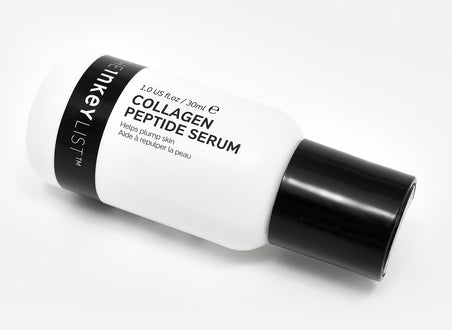
Collagen within skincare has been a talking point within the beauty industry as a whole. But what does collagen actually do, and how can you include it in your regimen?

When we think of the microbiome, the word may draw us to the world of digestion and gut health, but what about the microbiome of your skin? Learn what a Microbiome is, what can cause disruption to your Microbiome and what you can do to support it to achieve your best skin.
The skin on our neck often gets grouped in to our facial routine or receives a dose of our body care products but can often be neglected as an independent area of attention. Unfortunately, the neck is a key place that shows the signs of ageing such as fine lines, wrinkles and uneven texture as well as hyperpigmentation and discoloration - so it can be worth isolating for tailored TLC. Find out what products can be used to target the delicate skin on your neck.

There are a number of factors which can determine when under-eye wrinkles begin to appear, but generally speaking, many people tend to see them first forming in their late twenties and early thirties. This is when the skin’s production of collagen and elastin starts to slow down, making wrinkles and other lines more likely to show up. Learn more about what you can do to prevent and treat under-eye wrinkles here.
When it comes to anti-ageing, peptides are a powerful ingredient that you may have heard of, but what are they? Peptides, also known as polypeptides, are amino acids which form proteins in the skin. Find out more about Peptides, how they can be beneficial in your skincare routine and what INKEY List products contain this super ingredient.

It’s a term often connected to ingredients like collagen and peptides but what is ‘plump’ skin and why do we want it? Plump skin can be regarded as well-hydrated, firm with a natural fullness, roundness and bounciness. Its decline can be considered a sign of ageing and can also affect the brightness, texture and tone. Learn more about how to get plump skin, the best INKEY List products to support the production of elastin and collagen whilst giving hydration and other tips to help plump your skin.


