


Natural Alternatives to Retinol: Do They Actually Work?
Discover which ingredients are backed by real science, how they compare to retinol, and the best options for smoother, firmer, healthier-looking skin with less irritation
Author
askINKEY skincare advisor
Published
17 June, 2026
Time to read
14 minutes
This blog is for anyone who has questioned whether a natural alternative to retinol could actually deliver meaningful anti-ageing results. Whether you are pregnant or breastfeeding and need to avoid retinoids, someone who has experienced irritation with retinol in the past, or simply curious about plant-based options, the question is a reasonable one. The market is full of products making bold claims about bakuchiol, peptides, ceramides, rosehip oil, and more - and the noise around what genuinely works can be difficult to cut through.
This article examines the most talked-about natural retinol alternatives: what the science actually says about each one, where the evidence is strong, where it is limited, and who each ingredient is best suited to. It does not take a pro-natural or pro-retinol stance. It takes an honest one.
One thing worth noting upfront: INKEY does not sell a bakuchiol product. That means when this blog assesses bakuchiol’s evidence, there is no commercial incentive to oversell or dismiss it. It is assessed purely on its merits.
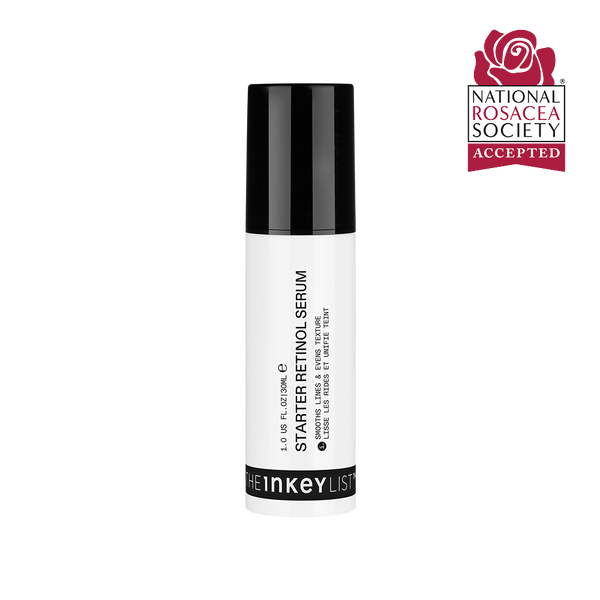
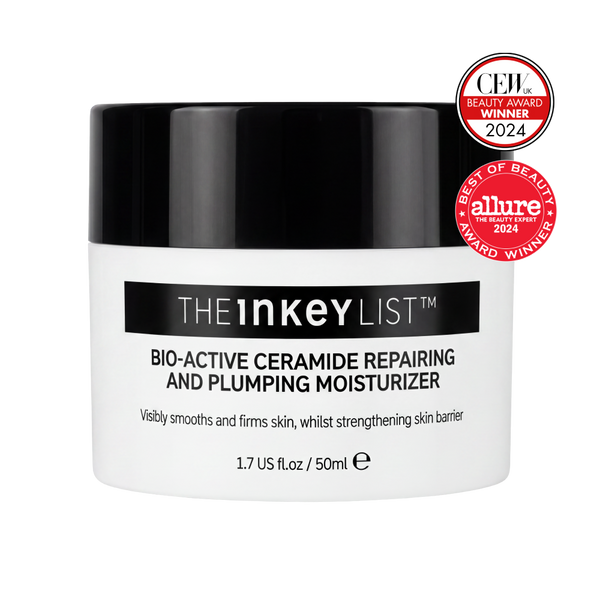
And for those who read this and decide that retinol is the right choice for them - the Starter Retinol Serum (£13) is specifically formulated for those new to retinol, with 95% of users experiencing zero irritation in clinical testing and visible improvement from 7 days. The Bio-Active Ceramide Moisturiser (£20) also features in this blog, as one of the more credible natural alternatives in the anti-ageing space.
Why People Look for a Natural Alternative to Retinol
Retinol’s reputation in anti-ageing skincare is well-earned. It is one of the most extensively researched topical ingredients available, with decades of clinical evidence supporting its ability to accelerate cell turnover, stimulate collagen synthesis, reduce fine lines, and improve skin tone and texture. If you want the full science behind why it occupies this position, our complete guide to retinol covers it in depth.
So why do people search for alternatives? There are several genuinely valid reasons.
The most common is irritation. Retinol has a well-documented adjustment period, during which some users experience redness, flaking, and sensitivity - particularly those with drier or more reactive skin types. This experience puts many people off retinol entirely, which is understandable, even if it is not always necessary (more on that in the verdict section). A second, and medically definitive, reason is pregnancy and breastfeeding. Retinoids - including retinol, retinal, and prescription retinoids - are contraindicated during pregnancy and breastfeeding due to the potential risk to fetal development. This is not a preference; it is a clinical recommendation. For this group, finding a genuinely effective alternative is not optional, it is essential. A third driver is the growing preference for plant-derived formulations more broadly, with many consumers actively seeking skincare that aligns with their values around natural ingredients.
It is worth defining what “natural alternative to retinol” actually means in practice, because the phrase covers a broad and somewhat inconsistent category. In common use, it refers to ingredients that aim to mimic retinol’s anti-ageing effects - collagen support, cell renewal support, fine line reduction, skin tone improvement - without being a vitamin A derivative. This category divides into two meaningfully different groups. The first includes ingredients that appear to work via overlapping mechanisms to retinol at a biological level, with bakuchiol being the closest example. The second includes ingredients that support anti-ageing through an entirely different pathway - peptides, ceramides, and vitamin C are the primary examples. Both groups have genuine merit. But they are not the same thing, and understanding the difference matters when setting expectations.
One critical point before we go further: “natural” does not automatically mean gentler, more effective, or clinically proven. Every ingredient in this blog is assessed on the actual evidence behind it - not on the appeal of its origin story. Some natural alternatives are backed by real clinical data. Others rely almost entirely on marketing. The remainder of this article separates the two.
Before getting into individual ingredients, it helps to understand which one comes closest to retinol’s mechanism - and that brings us to bakuchiol.
Bakuchiol - The Most Studied Natural Retinol Alternative
Of all the ingredients marketed as natural retinol alternatives, bakuchiol has the most credible evidence base. That deserves genuine respect. It also deserves honest scrutiny - because the evidence, while real, has important limits.
Bakuchiol is a meroterpene phenol extracted from the seeds and leaves of the Psoralea corylifolia plant, commonly known as babchi. It has a long history in Ayurvedic and traditional Chinese medicine, and in recent years has been the subject of growing scientific attention as a potential anti-ageing active. The key question is: does it actually behave like retinol in the skin?
The answer is: partially, and via a distinct mechanism. Retinol converts to retinoic acid in the skin and binds to retinoic acid receptors, triggering cell turnover and collagen production at a cellular level. Bakuchiol does not convert to retinoic acid and does not bind to the same receptors. However, research suggests it activates some overlapping gene expression pathways - specifically those involved in collagen production and cell renewal - via a structurally different route. This is the basis for describing it as a “functional analogue” of retinol, rather than a chemical one.
The cornerstone piece of evidence is a 2019 randomised, double-blind clinical trial published in the British Journal of Dermatology (Dhaliwal et al.). In this study, 44 participants applied either 0.5% bakuchiol twice daily or 0.5% retinol once daily over 12 weeks. The results showed that both ingredients significantly reduced wrinkle surface area and hyperpigmentation, with no statistically significant difference between the two compounds. Crucially, the retinol group reported significantly more facial scaling and stinging. Bakuchiol produced comparable outcomes with a better tolerability profile.
This is the strongest piece of evidence bakuchiol has - and it is genuinely meaningful. A well-designed, peer-reviewed, head-to-head clinical trial is exactly the kind of data that separates an ingredient with real backing from one with marketing claims alone.
What does bakuchiol do well? Based on the available evidence, it supports collagen production, provides gradual fine line reduction, improves skin tone and hyperpigmentation, offers antioxidant and anti-inflammatory properties, and carries no photosensitivity risk - meaning it can be used morning and evening without sun sensitivity concerns.
However, the honest caveats are important.
The body of evidence behind bakuchiol is significantly smaller than retinol’s. The landmark BJD study involved 44 participants over 12 weeks. Retinol, by comparison, has been clinically studied across decades, in hundreds of trials, across thousands of participants. The concentration used in the study - 0.5% - is also worth noting. Retail bakuchiol products vary widely in concentration, and not all deliver the levels studied.
Speed of results is another meaningful difference. The BJD study assessed outcomes at 12 weeks. With the Starter Retinol Serum (£13), visible improvement is seen from 7 days. If you are looking for the fastest route to visible change in fine lines and skin texture, retinol - formulated well - remains the more efficient choice.
Who is bakuchiol genuinely best suited to? Those who are pregnant or breastfeeding (always consult your GP or midwife before changing your skincare routine during pregnancy), those with very reactive or sensitised skin that has been unable to tolerate retinol, and those who prefer plant-derived formulations for personal reasons.
For a deep-dive into how to use bakuchiol, what products work well alongside it, and how it compares to retinol in more granular detail, our complete guide to bakuchiol covers all of this. For a direct head-to-head comparison, retinol vs bakuchiol: which anti-ageing ingredient is right for your skin? is the best starting point.
For those reading this who do not have a specific reason to avoid retinol, the evidence still favours retinol for both speed and depth of results. The Starter Retinol Serum is specifically formulated to address the tolerability concern - 95% zero irritation in clinical testing, built on a gentle Dual-Retinoid Complex.
Bakuchiol is the alternative with the most clinical backing. What follows are the alternatives that work via a different mechanism entirely - starting with peptides.
Peptides - The Signalling Approach to Anti-Ageing
Peptides are short chains of amino acids - typically between three and thirty - that function as biological signalling molecules within the skin. Rather than accelerating cell turnover or binding to retinoic acid receptors as retinol does, peptides work by sending specific signals to skin cells, instructing them to produce more collagen, elastin, and other structural proteins. It is a fundamentally different approach to anti-ageing, and one that is supported by a growing body of clinical research.
According to a comprehensive 2025 review published in Biomolecules, cosmetic peptides represent “novel active ingredients that improve collagen synthesis, enhance skin cell proliferation, or decrease inflammation.” The review identifies four categories of cosmetic peptides by mechanism: signal peptides (which stimulate fibroblasts to increase collagen and elastin production), carrier peptides (which deliver trace elements essential for skin repair), neurotransmitter inhibitor peptides (which relax facial muscles to reduce expression lines), and enzyme inhibitor peptides (which reduce collagen breakdown). Each operates differently, and each contributes to a measurably improved skin appearance over time.
What peptides do particularly well is support the skin’s own rebuilding processes at a cellular level. Signal peptides such as palmitoyl pentapeptide-4 have been shown in randomised controlled trials to improve fine lines and overall skin appearance after 12 weeks of use. This places peptides firmly in the category of clinically supported anti-ageing actives - not marketing ingredients.
Importantly, peptides are well-tolerated by virtually all skin types. They do not require an adjustment period, carry no photosensitivity concerns, and can be used morning and evening without restriction. This makes them an excellent option for building into any anti-ageing routine, including those that need to avoid retinol.
The honest position on peptides: they are a meaningful anti-ageing tool. They are not, however, a direct substitute for retinol’s resurfacing action. Retinol accelerates cell turnover at a speed and depth that peptides do not replicate. Where peptides genuinely excel is in supporting collagen synthesis as a complementary strategy - particularly within a moisturiser, where they can be delivered daily without complexity. They also sit comfortably alongside other actives, making them a versatile addition to any routine.
The Peptide Moisturiser (£16) delivers peptide benefits in a daily moisturiser format, making collagen-signalling support accessible as a standard step in any routine - regardless of whether retinol is part of the picture or not.
For those navigating the science between skin-ageing pathways and topical treatments, the BJD supplement article on skin ageing and topical rejuvenation strategies provides useful clinical context on how retinoids and peptides compare across different mechanisms.
Peptides address anti-ageing by encouraging the skin to rebuild from within. Ceramides and vitamin C take a different approach entirely - one focused on the skin barrier and antioxidant protection.
Ceramides and Vitamin C - Complementary Anti-Ageing Actives
Not every ingredient in the anti-ageing category works by replicating or mirroring retinol. Some of the most valuable approaches to ageing skin work at a completely different level - protecting the skin’s structure, restoring its integrity, and shielding it from the environmental damage that accelerates visible ageing. Ceramides and vitamin C are the strongest examples of this category, and both deserve a clear-eyed assessment.
Ceramides: Barrier Restoration as Anti-Ageing Strategy
Ceramides are lipid molecules that make up approximately 50% of the skin’s outer barrier. They function as the structural “mortar” between skin cells, locking in moisture and protecting against environmental stressors including pollution, UV exposure, and temperature fluctuation. The skin barrier, when functioning well, is what keeps skin looking plump, resilient, and smooth. When it is compromised, the signs of ageing accelerate.
The connection between ceramide depletion and visible ageing is well-established. Ceramide levels naturally decline with age, and this decline becomes particularly pronounced during menopause, where hormonal changes further reduce the skin’s capacity to retain barrier lipids. The result is increased transepidermal water loss, greater sensitivity to irritants, dullness, and a visible worsening of fine lines and overall skin quality. According to a 2025 review published in Experimental Dermatology, ceramides play a central role in “creating a moisture barrier, preserving hydration, regulating pH, controlling inflammation, and enhancing skin functions and appearance.” Restoring ceramide levels addresses ageing at the barrier level - preventing the cascade of visible deterioration that barrier dysfunction causes.
This is an important distinction: ceramides do not directly stimulate collagen synthesis or accelerate cell turnover the way retinol does. But a weakened barrier accelerates the visible signs of ageing, and rebuilding it is a genuinely anti-ageing intervention. Think of it as addressing the structural foundation rather than the surface resurfacing.
The Bio-Active Ceramide Moisturiser (£20) is clinically proven to reduce six signs of ageing in 28 days. It is particularly well-suited to those with dry, menopausal, or sensitised skin - and it is a pregnancy-safe anti-ageing option for those who need to avoid retinoids. Additional evidence for the topical application of ceramides in skincare is reviewed in a peer-reviewed MDPI paper on recent advances in topical ceramides, which covers the science of how ceramide supplementation supports barrier restoration.
Vitamin C: Antioxidant Protection and Collagen Co-Factor
Vitamin C operates via yet another distinct pathway. As a potent antioxidant, it neutralises free radical damage - one of the primary drivers of premature skin ageing - caused by UV exposure, pollution, and environmental stressors. Beyond its protective role, vitamin C also acts as a co-factor in collagen synthesis, meaning it supports the body’s natural collagen production process. And as a brightening active, it targets hyperpigmentation and uneven skin tone by inhibiting the enzyme responsible for excess melanin production.
The relationship between vitamin C and retinol is more complementary than competitive. Retinol works primarily at night through cell turnover and receptor binding; vitamin C works during the day through antioxidant shielding and collagen support. Used together, they form a genuinely powerful combination. Used in isolation - for those who need to avoid retinol - vitamin C contributes meaningfully to collagen protection and skin tone, though it will not replicate retinol’s resurfacing effect.
The 15% Vitamin C + EGF Serum (£16) uses ascorbyl glucoside, a stabilised form of vitamin C that converts on the skin for effective brightening and collagen support. It is gentler than pure L-ascorbic acid, making it appropriate for a wider range of skin types. For anyone building a retinoid-free anti-ageing routine, vitamin C in the morning is a logical and evidence-supported addition. For those who use retinol, it slots in as an excellent AM complement to a PM retinol step.
Together, ceramides and vitamin C address ageing from two angles that retinol does not cover as directly: barrier fortification and antioxidant protection. They are not retinol replacements, but they are legitimate and valuable parts of a well-built anti-ageing approach.
Having covered the main ingredients with credible clinical backing, it is worth addressing the broader category of ingredients that are frequently marketed as natural retinol alternatives - but where the evidence is considerably thinner.
Ingredients Often Labelled “Natural Retinol Alternatives” - An Honest Assessment
Beyond bakuchiol, peptides, ceramides, and vitamin C, there is a broader range of ingredients that regularly appear in marketing materials claiming natural retinol alternative status. Rosehip oil, sea buckthorn oil, carrot seed oil, and various plant-based facial oils are the most commonly encountered examples. These deserve an honest assessment - not a dismissal, but a clear-eyed reading of what the evidence actually supports.
Rosehip oil contains beta-carotene (a precursor to vitamin A), linoleic acid, and a range of antioxidants. It is a genuinely beneficial skincare ingredient with hydrating properties and antioxidant activity. Some sources position the beta-carotene content as making rosehip oil a natural source of retinol. This is a stretch. The conversion of dietary or topical beta-carotene to retinol in the skin is not the same process as applying retinol directly, and the clinical evidence for rosehip oil producing anti-ageing outcomes comparable to retinol does not exist. It is a good oil for hydration and skin nourishment. Calling it a retinol alternative is more marketing than science.
Sea buckthorn oil is rich in carotenoids, omega fatty acids, and a range of bioactive compounds. It has antioxidant and barrier-supportive properties, and like rosehip oil, it contributes to skin health in legitimate ways. It is sometimes positioned as a natural retinol alternative on the basis of its carotenoid content. The same caveat applies: while the oil has real benefits, the clinical evidence for anti-ageing effects comparable to retinol is not there.
Carrot seed oil is perhaps the most directly marketed as a “natural retinol” due to its beta-carotene content. The logic being that beta-carotene converts to vitamin A in the skin. The problem is that meaningful topical conversion of beta-carotene to retinol at concentrations found in retail products has not been demonstrated in robust clinical studies. Antioxidant properties exist, but the retinol equivalent claim is not supported by the evidence.
These ingredients are not without value. They nourish, protect, and hydrate the skin. Many users find them beneficial additions to their routines. But describing them as natural alternatives to retinol is a category error - they are different kinds of ingredients doing different things. For an ingredient with genuine decades of clinical evidence behind it, our complete guide to retinol provides the full scientific picture.
INKEY’s position on this is straightforward: the brand gives people what works. When an ingredient lacks the evidence to support the claims being made about it, that is worth saying clearly - not to dismiss natural ingredients broadly, but because overstating what an ingredient can do is ultimately unhelpful to the person using it.
With the ingredient landscape fully mapped, the question the whole article has been building toward is: what is the actual verdict?
Do Natural Retinol Alternatives Actually Work? The Honest Verdict
This is the question every reader came here to answer. The honest response is that “natural retinol alternatives” is not a monolithic category, and the answer varies meaningfully by ingredient. Here is the clear-eyed assessment.
Bakuchiol: Yes, with important caveats.
The evidence is real. The 2019 British Journal of Dermatology study (Dhaliwal et al.) is a well-designed randomised, double-blind trial that found bakuchiol produced comparable results to 0.5% retinol in reducing wrinkle surface area and hyperpigmentation over 12 weeks, with a significantly better tolerability profile. That is genuinely encouraging data. The caveats are equally real: the body of clinical evidence is much smaller than retinol’s, the study timeframe was 12 weeks versus visible retinol results from 7 days with the Starter Retinol Serum, and retail product concentrations vary widely. Bakuchiol is the right choice for those who are pregnant or breastfeeding, have very reactive skin, or genuinely prefer plant-derived formulations. For those without a specific reason to avoid retinol, the evidence favours retinol for speed and depth of results.
Peptides: Yes, as a complementary anti-ageing strategy.
Peptides are a legitimate anti-ageing category with peer-reviewed clinical evidence supporting their ability to stimulate collagen synthesis and improve skin firmness over time. They are not a direct substitute for retinol’s resurfacing and cell-turnover acceleration - these are different mechanisms producing different outcomes. But as part of a well-built anti-ageing routine, particularly in a moisturiser step, they contribute meaningfully. The Peptide Moisturiser (£16) delivers this support as an accessible daily step.
Ceramides: Yes, as a barrier-first approach to anti-ageing.
Ceramide depletion is a direct contributor to the visible signs of skin ageing, particularly in dry, mature, or menopausal skin. Restoring ceramide levels improves barrier function, reduces transepidermal water loss, and visibly addresses fine lines, dullness, and resilience. The Bio-Active Ceramide Moisturiser (£20) is clinically proven to reduce six signs of ageing in 28 days. This is not the same mechanism as retinol, and it does not replicate retinol’s resurfacing effect - but it addresses a real and distinct aspect of how skin ages.
Vitamin C: Yes, as an antioxidant and brightening active.
Used in the morning, vitamin C provides antioxidant protection against the daily environmental damage that accelerates ageing, while also supporting collagen synthesis. For retinoid-free routines, it contributes collagen support and free-radical defence. Its best role in most routines is as a morning complement to a PM retinol step - but for those avoiding retinol entirely, it adds genuine value. The 15% Vitamin C + EGF Serum (£16) delivers a stable, effective concentration.
Rosehip, sea buckthorn, carrot seed, and similar plant oils: Limited evidence for anti-ageing outcomes comparable to retinol.
These have legitimate benefits as nourishing, antioxidant-rich ingredients. Describing them as natural retinol alternatives overstates what the clinical evidence supports. They are useful in their own right. They are not retinol alternatives.
The summary for everyone: if there is a genuine reason to avoid retinol - pregnancy, breastfeeding, very reactive skin - a combination of bakuchiol, peptides, and ceramides can build a credible, evidence-backed anti-ageing routine. For everyone else, retinol remains the most proven, fastest-acting anti-ageing active available. The tolerability concern, which drives many people toward alternatives, is specifically addressed by the Starter Retinol Serum (£13): 95% zero irritation in clinical testing, results visible from 7 days.
For those ready to step up in potency, the Advanced 0.2% Retinal Serum (£18) delivers the most powerful form of retinoid available without a prescription - working 11x faster than standard retinol, with visible wrinkle reduction in one week. For guidance on building a retinol routine safely, what not to mix with retinol covers the key combinations to know.
With the verdict delivered, the practical question remains: what should your actual routine look like?
Building Your Anti-Ageing Routine - With or Without Retinol
Knowing what the evidence says is only useful if it translates into something you can actually apply. Below are two practical routine frameworks - one for those who need or choose to avoid retinol, and one for those beginning their retinol journey.
When a Natural Alternative Route Makes Genuine Sense
There are real, valid reasons to build a retinoid-free anti-ageing routine. Pregnancy and breastfeeding are the clearest - retinoids are clinically advised against during these periods, and no amount of tolerability improvement changes that. Always consult your GP or midwife before making any skincare changes during pregnancy or breastfeeding. Very reactive or sensitised skin that has genuinely not responded to retinol - even in gentle formulations - is another valid reason. And personal ingredient preferences are respected: if plant-derived formulations are what you want, that is a legitimate choice.
Retinoid-free anti-ageing PM routine:
- Cleanse
- Hyaluronic Acid Serum (£12) - apply to damp skin for enhanced hydration
- Peptide Moisturiser (£16) or Bio-Active Ceramide Moisturiser (£20) as your main moisturiser step. If skin is dry, layering both is an option - Peptide Moisturiser first, then a lighter application of the Ceramide Moisturiser to seal.
Morning addition:
- 15% Vitamin C + EGF Serum (£16) - antioxidant protection and brightening during daylight hours, followed by SPF
This routine covers collagen signalling support (peptides), barrier restoration (ceramides), antioxidant protection (vitamin C), and deep hydration (hyaluronic acid). It is pregnancy-safe as far as standard skincare guidance goes, but always confirm with your GP or midwife before making any additions during pregnancy.
When Retinol Is the Better Choice
For everyone without a specific reason to avoid retinol, it remains the most evidence-backed, fastest-acting anti-ageing option available. The tolerability concern - the reason many people look to alternatives in the first place - is directly addressed by formulation. The Starter Retinol Serum (£13) was specifically designed for sensitive skin and first-time retinol users, using a gentle Dual-Retinoid Complex that delivers results without the irritation profile of older retinol formulations.
Beginner retinol PM routine:
- Cleanse
- Hyaluronic Acid Serum (£12) - apply to damp skin
- Starter Retinol Serum (£13) - a pea-sized amount, used 2-3 nights per week to begin, increasing frequency gradually
- Bio-Active Ceramide Moisturiser (£20) - seal the retinol step with barrier support
Morning:
- 15% Vitamin C + EGF Serum (£16) - antioxidant protection
- SPF
For those ready to step up:
The Advanced 0.2% Retinal Serum (£18) moves from retinol to retinal - the form of vitamin A one step closer to what the skin actually uses. It works 11x faster than standard retinol, with visible wrinkle reduction in one week. This is for those who have built a retinol tolerance and want to advance their results.
Not sure which routine is right for your skin type? Take our Skincare Quiz and receive a personalised routine recommendation in under two minutes.
For guidance on what to layer with retinol and what to avoid, what not to mix with retinol is the reference to bookmark.
The Honest Conclusion
Natural retinol alternatives are not a single category with a single answer. Some have real clinical evidence behind them. Others rely more on the appeal of their origin than on their ability to deliver what is claimed.
Bakuchiol is the most credible natural alternative - a peer-reviewed, head-to-head clinical trial gives it a genuine evidence base, and it is well-suited to those who need to avoid retinoids or cannot tolerate them. Peptides and ceramides are valuable anti-ageing tools in their own right, working via mechanisms that support and complement a well-built routine. Vitamin C adds meaningful protection and brightening. Rosehip oil, carrot seed oil, and similar botanical alternatives have legitimate skincare benefits, but describing them as retinol alternatives overstates what the evidence supports.
The right choice depends on you: your skin type, your life stage, and your circumstances. Pregnancy, breastfeeding, and severe sensitivity are all valid reasons to build a retinoid-free routine - and this blog has given you the ingredients to do that credibly.
For everyone else, retinol remains the most proven, fastest-acting anti-ageing active available. Modern formulations have closed the tolerability gap that once made it inaccessible for sensitive skin. If that is the direction you want to take, the Starter Retinol Serum (£13) is the most accessible, best-tolerated place to start.
Ready to Find Your Routine?
Not sure where to start? Take our Skincare Quiz for a personalised routine in under 2 minutes - or shop our anti-ageing collection to explore every option.
Frequently Asked Questions
Got a question?
Our askINKEY team are a friendly bunch of skincare experts with deep product knowledge and zero judgement. Whether you're an ingredient obsessive or just starting out, we'll make it make sense. No question too big. No question too small. We Give A Care, Every Day.


