


Welcome to the INKEY Blog. Where we spread and share our skincare knowledge with you!
Selected filters:

How often should you double cleanse? For most people, the answer is simpler than you might think: once every evening. Double cleansing is designed to remove the buildup of SPF, makeup, excess oil, and daily environmental pollutants that accumulate on the skin throughout the day. In this guide, we explain the science behind the two-step cleansing method, why evening is the ideal time to do it, and how to adapt your routine based on your skin type. You'll also learn the signs your current cleansing routine may not be doing enough and how consistent double cleansing can help keep skin clearer, brighter, and more receptive to skincare.

Applying SPF every day is one of the best things you can do for your skin — but removing it properly is just as important. Because sunscreen is designed to resist water, sweat, and friction, a single cleanse often isn’t enough to fully remove it from the skin. Left behind, SPF residue can contribute to congestion, dullness, and reduced effectiveness of your evening skincare products. In this guide, we explain why sunscreen is so difficult to remove, the science behind double cleansing, and how to choose the right cleanser pairing for your skin type. Discover the simple routine that helps keep skin clear, balanced, and healthy.

Uneven skin tone is one of the most common skin concerns, appearing as dark spots, blotchiness, dullness, redness, or patches of discoloration across the skin. While it can be caused by sun exposure, post-blemish marks, hormonal changes, aging, or a weakened skin barrier, the underlying issue is often the same: uneven melanin production. The good news? With the right ingredients and a consistent routine, it can be improved. This guide explains what causes uneven skin tone, the ingredients that help visibly brighten and even the complexion, and how to build an effective skincare routine that delivers long-term results.

Pigmentation around the mouth is one of the most common - and most misunderstood - skincare concerns. Whether it appears as darkening on the upper lip, corners of the mouth, chin, or philtrum, perioral hyperpigmentation is not a single condition but a collection of different pigmentation types that share the same area of the face. Hormonal changes, post-blemish marks, sun exposure, friction from hair removal, and skin irritation can all trigger pigmentation in this zone, which is why a one-size-fits-all approach rarely delivers lasting results. In this guide, we break down the five key causes of pigmentation around the mouth, how to identify which type you have, the most effective ingredients to target it, and the skincare routine that can help fade discolouration and prevent it from returning

Dark spots, pigmentation, and uneven skin tone are common concerns—but with the right ingredients and consistent SPF use, they can be visibly improved. Discover what causes dark spots, how to identify different types of pigmentation, and the most effective science-backed ingredients to help achieve a brighter, more even complexion.

Dark spots won't fade if UV exposure keeps triggering them. Daily broad-spectrum SPF is the foundation of any hyperpigmentation routine, helping prevent existing marks from worsening while protecting the results of brightening ingredients like Tranexamic Acid, Vitamin C, and Niacinamide. Learn how sunscreen and targeted actives work together to visibly improve uneven skin tone.

Using retinol doesn’t have to mean pushing through weeks of dryness, flaking, and irritation. Enter ectoin: a barrier-strengthening ingredient that works alongside retinol to make your routine more effective and far more comfortable. In this guide, we explain exactly how ectoin supports the skin barrier, why it pairs so well with retinol, and how to layer it correctly with other popular actives including niacinamide, vitamin C, hyaluronic acid, AHAs, BHAs, and peptides. Whether you're new to retinol or looking to optimise an advanced routine, you'll learn how to build a skincare regimen that delivers results without compromising your skin barrier.

SPF 30 or SPF 50? The difference is smaller than most people think - but how you apply sunscreen matters far more than the number on the bottle. In this evidence-based guide, we break down what SPF ratings actually mean, why most people aren’t getting the protection they think they are, when SPF 50 is genuinely worth it, and how UV exposure changes across different US climates. From tanning myths to application mistakes, this is your practical, no-nonsense guide to choosing the right SPF for your skin, lifestyle, and daily routine.

Mineral vs chemical sunscreen: one of skincare’s biggest debates - and one of its most misunderstood. Both protect effectively against UV damage, but they differ in texture, finish, and wearability. This guide breaks down the real science behind both filter types, the truth about “chemical sunscreen” myths, and how to choose the SPF you’ll actually wear every day.

Reapplying sunscreen is the part of SPF that actually keeps your skin protected - but for most people, makeup gets in the way. This guide explains why sunscreen needs topping up throughout the day, how often to reapply, and the easiest ways to layer SPF over makeup without ruining your base. From beauty blender techniques to common SPF mistakes, here’s everything you need to know for real-world sun protection.

Daily SPF is not just a summer habit - it is one of the most important long-term investments you can make in your skin health. In this guide, we break down the science behind year-round UV exposure, explain the difference between UVA and UVB rays, and explore why winter, cloudy days, indoor light through windows, and even daily commutes still expose your skin to cumulative damage. Backed by clinical research and UK seasonal UV data, this article explains exactly how daily broad-spectrum SPF helps prevent premature ageing, pigmentation, collagen breakdown, and long-term skin damage - while showing you how to build an effective winter skincare routine around it.

Learn how long skincare products really last, what the PAO symbol means, and how to store your skincare properly to keep formulas safe, stable, and effective. From Vitamin C and retinoids to cleansing balms and eye creams, this complete guide explains what causes products to expire, when a skincare fridge helps (and when it doesn’t), plus the warning signs a product has gone off.

Skincare acids can transform your skin - when you know which one to use. From glycolic acid for glow and texture, to salicylic acid for breakouts and PHAs for sensitive skin, this guide breaks down exactly what each acid does, who it’s best for, and how to use it safely for clearer, brighter, healthier-looking skin.

Men’s skin is biologically different - producing more oil, experiencing regular shaving stress, and often dealing with larger pores, congestion, and sensitivity. This complete guide breaks down exactly how to build an effective men’s skincare routine, from cleansing and hydration to shaving care, beard maintenance, and product layering. Whether you are starting from scratch or refining your current routine, discover the essential ingredients, routines, and expert-backed tips that help keep male skin clear, healthy, and protected every day

Your skin doesn’t need the same routine all year round - and treating it like it does could be holding your skin back. From winter dryness and barrier disruption to summer oiliness and breakouts, seasonal changes directly affect how your skin behaves. In this complete guide, we break down exactly how to adapt your skincare routine for spring, summer, autumn, and winter, including the products to switch, the ingredients to prioritise, and the signs your skin is giving you each season. Whether your skin is feeling dehydrated, congested, dull, or sensitive, this guide will help you build a routine that works with your skin all year long.

Your skin deserves more than a one-size-fits-all routine. This complete skincare guide breaks down exactly how to build an effective AM and PM routine based on your skin type - whether you’re oily, dry, combination, sensitive, or blemish-prone. From identifying your true skin type to choosing the right actives, layering products correctly, and avoiding the most common skincare mistakes, this guide gives you everything you need to create a routine that actually works. Featuring step-by-step routines, expert ingredient advice, and tailored product recommendations from The INKEY List.

Discover whether vitamin C really causes breakouts - and why the answer is more nuanced than you think. This guide breaks down the difference between purging and true breakouts, explains how formulation and ingredient choice impact blemish-prone skin, and explores why vitamin C can actually help reduce inflammation and fade post-blemish marks. Learn how to introduce vitamin C safely into your routine, what ingredients to avoid pairing it with, and why gentle derivatives like Ascorbyl Glucoside may be the key to brighter, clearer-looking skin

If you’ve ever wondered whether Vitamin C serum belongs in your morning or nighttime routine, you’re not alone. This guide breaks down exactly when to use Vitamin C serum, how to layer it correctly, what ingredients pair best with it, and how long it actually takes to see results. Featuring The INKEY List’s 15% Vitamin C + EGF Serum, we explain why morning application before SPF delivers the biggest brightening and antioxidant benefits - plus how to build a simple, effective routine that supports clearer, more radiant skin over time.

Unlock brighter, smoother, healthier-looking skin with the power duo that skincare myths got wrong. Yes - you can use Vitamin C and Retinol together, and when used the right way, they become the ultimate AM/PM routine for radiance, firmness, and long-term skin health. In this guide, we break down exactly how these clinically backed ingredients work, why the morning/evening method matters, what to pair them with, and the step-by-step INKEY routine designed to deliver real results without the confusion

Discover how to use Vitamin C without triggering irritation. This guide breaks down why traditional Vitamin C formulas can be too harsh for sensitive skin, what ingredients to look for instead, and how to build a gentle brightening routine that supports your skin barrier while targeting dullness, dark spots, and uneven tone.

Discover the science behind glowing skin with a complete AM & PM skincare routine designed to target dullness at the source. From the nourishing cleanse of our Oat Cleansing Balm to the brightening power of Vitamin C + EGF and next-generation renewal from Exosome Glow Serum, this guide breaks down the ingredients, routines, and habits that create real, lasting radiance - backed by clinical results and expert skincare science.

The INKEY Oat Cleansing Balm costs just 15p per cleanse - and that number changes everything. Clinically proven to remove waterproof makeup and SPF while supporting the skin barrier, this oat-powered formula delivers approximately 100 uses per tube for £15. In this guide, we break down why cleansing balms outperform wipes and foaming cleansers, what makes oat kernel oil so effective for sensitive skin, and why cost-per-use is the smartest way to shop skincare.

Melasma is one of the most common yet misunderstood forms of hyperpigmentation, causing symmetrical dark patches that are often triggered by sun exposure, hormones, heat, and genetics. In this comprehensive guide, we break down exactly what melasma is, what causes it, how it differs from other pigmentation concerns, and the science-backed ingredients that actually help treat it. From Tranexamic Acid and Vitamin C to retinoids and daily SPF, discover the most effective skincare routine for visibly reducing melasma and preventing it from returning — including pregnancy-safe options and realistic timelines for results.

Discover what post-inflammatory hyperpigmentation (PIH) really is, why acne leaves dark marks behind, and how to fade them effectively. From Tranexamic Acid and Niacinamide to SPF and retinoids, this complete guide breaks down the best ingredients, routines, and prevention tips to help visibly reduce post-acne dark marks and support clearer, more even-looking skin.

A guide to how long tranexamic acid takes to work - from the first visible improvements at 2–4 weeks to significant fading of hyperpigmentation, dark spots, melasma, and post-blemish marks at 6–12 weeks. Discover the real results timeline, what affects your progress, and how to maximise results with INKEY’s 2% Tranexamic Acid Serum.

Sensitive skin starts with the right cleanse. In this guide, we break down the everyday cleansing mistakes that quietly damage your skin barrier - from harsh foaming formulas to overwashing and hot water - and explain exactly what to look for in a gentle, barrier-supporting cleanser. Discover the ingredients that truly soothe reactive skin, why cleansing balms are one of the best formats for sensitive complexions, and the best fragrance-free cleansers to keep skin calm, hydrated, and comfortable every day.

Smart skinimalism is the 2026 skincare trend redefining results through simplicity. Backed by science, this approach prioritises skin barrier health and multi-functional ingredients over excessive layering. Discover why simplified routines can reduce irritation by up to 40% and how to build an effective, evidence-based 3-step routine for healthier, more resilient skin.

If your skin feels rough, looks dull, or gets stuck in a cycle of congestion, glycolic acid could be the game-changing ingredient you’ve been missing. From refining texture and boosting radiance on the face (hello, Glycolic Acid Toner) to smoothing stubborn body concerns like rough elbows, bumpy arms, and keratosis pilaris (meet the Glycolic Acid Exfoliating Body Stick), this powerhouse AHA works by gently dissolving the bonds that hold dead skin cells in place—revealing fresher, brighter skin underneath. In this guide, we’ll break down exactly how glycolic acid works, the proven benefits you can expect, and how to use it safely and effectively so you can get real results without the guesswork.

This in-depth guide breaks down how retinol helps fade acne scars, dark spots, and red marks — and how to choose the right INKEY retinol for your skin. Learn the difference between PIE, PIH, and true acne scars, how retinol works on each, and how to build a results-driven routine with realistic timelines. Whether you’re new to retinol or ready for advanced strength, discover science-backed solutions for clearer, more even-looking skin

Not all dark spots are the same. The mark left behind after a breakout, the symmetrical patches that appeared during pregnancy, the spot on your hand from years of sun exposure, and the freckles that darken every summer are all forms of hyperpigmentation - but each has a different cause, appearance, and treatment approach. In this guide, we break down the four main types of hyperpigmentation—post-inflammatory hyperpigmentation (PIH), melasma, sunspots, and freckles—to help you identify exactly what you're dealing with. Learn the key visual clues, common triggers, and skin tone considerations for each type so you can make more informed decisions about your skincare routine and choose products that target your specific concern.
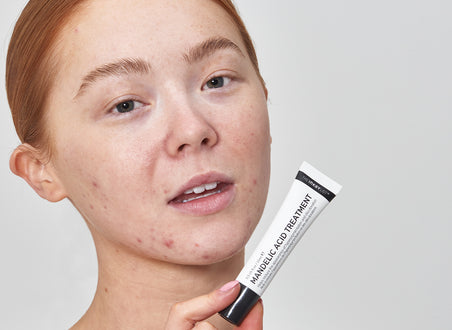
Introducing your new hyperpigmentation hero - Mandelic Acid. A member of the Alpha Hydroxy Acid family, we’ve formulated this gentle treatment to target marks and scarring caused by breakouts as well as pigmentation concerns.

There are a few reasons why acne scars occur. Firstly, not all acne will result in scarring and even if it does, there are plenty of treatments to reduce their appearance and help them disappear completely. Learn what can cause scarring, how to get rid of scarring and prevent the risk of them occurring.

Dull skin can be caused by many factors, one of which is not cleansing the skin properly. A buildup of dead cells can make the skin's surface rough, and cause skin to absorb light rather than reflect making skin look dull. Our NEW ingredient, Fulvic Acid is the perfect first step in your skincare regimen to achieve that bright, enviable glow!


