



Under-Eye Hollows and Tear Troughs: What They Are and What You Can Do
Discover what causes them, the difference between hollows and puffiness, and the best skincare ingredients to help brighten, hydrate and smooth the eye area.
Author
askINKEY skincare advisor
Published
16 June, 2026
Time to read
17 minutes
Tear troughs and under-eye hollows are among the most searched and least well-explained skincare concerns on the internet. Most content on this topic falls into one of two unhelpful categories: aesthetic clinic pages promoting filler, or vague lifestyle articles suggesting you simply sleep more and drink water. Neither gives you the full picture.
This guide is different. Under-eye hollows and tear troughs are fundamentally structural concerns - they are caused by changes in facial volume, fat pad position, bone anatomy, and skin thickness, not simply by dehydration or lack of sleep. That distinction matters, because understanding the real cause of a concern is the only way to approach it intelligently.
This blog will cover the anatomy of the tear trough, why hollowing develops, how it differs from pigmentary dark circles and puffiness, what topical skincare can and cannot realistically achieve, which ingredients make the most meaningful difference, and how to build a practical under-eye routine. If dark circles are your primary concern rather than structural hollowing, our full dark circles guide covers that in detail. This blog is specifically about hollowing and volume loss beneath the eye.
The audience for this guide is anyone who has noticed a hollow, sunken, or shadowed appearance under their eyes - whether that has developed gradually over the years or has always been present due to genetics. Whatever brought you here, you will leave with a clearer understanding of what is actually happening beneath the surface, and what you can genuinely do about it.
Products for the Under-Eye Area
Browse our full Eye Treatments collection for targeted under-eye solutions. The products most relevant to tear troughs and under-eye hollows are:
Primary eye products:
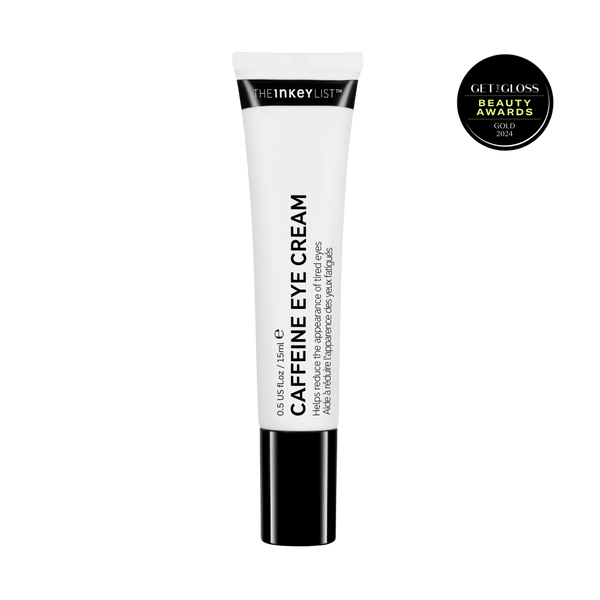
- Caffeine Eye Cream - £10 - depuffs, reduces the appearance of dark circles, and supports collagen with Matrixyl 3000
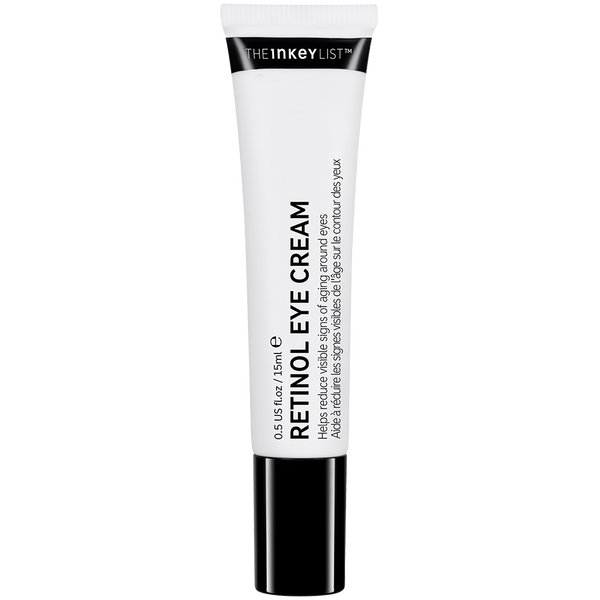
- Retinol Eye Cream - £13 - supports long-term skin firming and collagen production with slow-release 3% Vitalease retinol
Supporting products:
- Hyaluronic Acid Serum - £9 - hydrates and plumps the skin surface at three molecular weights
- Bio-Active Ceramide Moisturiser - £19 - locks in hydration and supports the skin barrier
What Are Under-Eye Hollows and the Tear Trough?
The tear trough is a groove or indentation that runs from the inner corner of the eye - the point closest to the nose - diagonally downward and outward along the junction between the lower eyelid and the upper cheek. Trace the inner corner of your eye and follow that line diagonally down towards your cheekbone. That path is, roughly, where the tear trough sits.
Anatomically, as described in published research in the Journal of Cutaneous and Aesthetic Surgery, the tear trough is best defined as the depression of the medial lower eyelid, limited in its inferior aspect by the inferior orbital rim. It sits at the boundary between the lower eyelid and the cheek, where the orbicularis oculi muscle - the ring of muscle surrounding the eye socket - meets the upper cheek fat compartments. The medical terms for this groove include the “nasojugal depression” and “orbital rim hollow,” both of which describe the same anatomical feature from slightly different perspectives.
Here is an important clarification that is often glossed over: the tear trough is a normal anatomical structure. Every face has one. It is not a flaw, a deficiency, or a sign that something has gone wrong. The concern arises when the tear trough becomes more prominent - when the groove deepens, or when the surrounding skin and tissue become less able to conceal it. At that point, the hollow casts a visible shadow and the under-eye area takes on a sunken or fatigued appearance.
The Periorbital Area and Why It Matters
The periorbital area refers to the region surrounding the eye socket, or orbital bone. This area is structurally complex. Beneath the skin lie layers of muscle, fat, and bone, and all of these structures change over time. The orbital rim - the bony edge of the eye socket - plays a significant role in determining how visible the tear trough appears. A more prominent or projecting orbital rim provides a natural scaffold that supports the overlying tissue. When the rim is less prominent, or when the soft tissue above it loses volume, the hollow becomes more visible.
Under-eye hollows specifically refer to the sunken, concave appearance in the tear trough region. Rather than sitting flat or smooth against the face, the skin in this area dips inward, creating a visible depression. The depth of that depression is what creates the characteristic shadow that so many people mistake for dark circles. This is a crucial distinction: the darkness you see under your eyes when you have prominent tear troughs may not be caused by pigment or visible blood vessels at all. It may simply be a shadow cast by the shape of the hollow itself, in the same way a valley appears darker than the land around it.
Hollowness Versus Other Under-Eye Concerns
It is worth being clear upfront about what a tear trough hollow is not. It is not the same as:
- Pigmentary dark circles - caused by excess melanin in the skin, often appearing brownish and present regardless of lighting or angle
- Vascular dark circles - caused by visible blood vessels beneath the thin under-eye skin, often appearing bluish or purplish
- Under-eye puffiness or bags - a protrusion caused by fluid retention or forward displacement of orbital fat, which is the opposite of a hollow
These concerns can coexist, and they often do. But they have different causes and respond to different approaches. Our dark circles guide addresses pigmentary and vascular dark circles in depth. This blog is focused on the structural hollow - the groove, the depression, the shadow caused by volume loss rather than pigment or circulation.
Understanding exactly what you are dealing with is the first and most important step, because approaching a volume-related hollow with brightening ingredients alone is unlikely to produce the results you are looking for. The right approach starts with correctly identifying the concern.
What Causes Under-Eye Hollows?
Understanding why under-eye hollows develop requires a look at what is actually happening beneath the skin. The tear trough does not deepen overnight. For most people, it is a gradual process driven by a combination of biological changes, structural factors, and - to a lesser extent - lifestyle influences. None of these are failings. They are the natural mechanics of a face that has lived, moved, expressed, and aged.
Ageing and Volume Loss
The most significant driver of tear trough deepening over time is the loss of facial volume that comes with age. The face is not simply skin and bone - it contains a complex architecture of fat compartments, each of which sits in a specific location and contributes to the overall shape and fullness of the face.
As we get older, starting as early as the mid-20s and accelerating through the 30s and 40s, these fat compartments begin to lose volume and shift position. The fat pads that sit just beneath the eye and in the upper cheek - which previously created a smooth, supported transition from the lower lid to the cheek - begin to deplete and descend. When this happens, the boundary between the eyelid and the cheek becomes more visible, and the tear trough groove deepens.
This is not a dramatic or sudden event. It happens gradually, which is why many people notice the change only in retrospect - comparing an old photograph to the mirror and realising the under-eye area looks more hollow than it once did.
Orbital Fat Pad Changes
The periorbital area contains specific fat pads - cushioning structures that sit within and around the eye socket. These fat pads serve a protective function for the eye, but they also contribute to the smooth, supported appearance of the lower eyelid and the surrounding face. Over time, these fat pads can become depleted or migrate downward, reducing the natural cushioning effect and increasing the depth of the tear trough groove.
Think of these fat pads as the upholstery beneath the fabric of the under-eye skin. When the upholstery is full and well-positioned, the surface above it looks smooth and supported. When the upholstery deflates or shifts, the surface above it begins to show the underlying structure - in this case, the bony orbital rim and the groove of the tear trough.
Genetics and Bone Structure
Not all tear trough hollowing is the result of ageing. For some people, a prominent tear trough is simply a feature of their facial anatomy - something they have had since they were young, determined largely by genetics and bone structure.
The shape and projection of the orbital bone has a significant influence on how visible the tear trough appears. A more recessed orbital rim - one that sits further back in relation to the rest of the face - provides less natural support for the overlying tissue, making any hollowness more apparent. If your parents or siblings have prominent tear troughs, there is a strong likelihood that yours are at least partly genetic in origin.
This is not a cause for concern. It simply means that the tear trough is a structural feature of your face, present from an early age, rather than a sign of volume loss or ageing. The approach to managing it is the same - but the expectations around what skincare can achieve should be calibrated accordingly.
Skin Thinning and Collagen Decline
The skin around the eye is the thinnest on the entire face, measuring approximately 0.5mm in depth compared to around 2mm on the cheeks. This thinness makes the under-eye area uniquely vulnerable to the effects of collagen and elastin decline.
Collagen is the structural protein that gives skin its firmness, thickness, and resilience. Elastin provides its flexibility and ability to spring back. Both decline with age, and both are significantly accelerated in their decline by UV exposure. As collagen and elastin levels fall, the skin becomes thinner, less supported, and more translucent. This does two things in the context of tear troughs: it makes the underlying hollow more visible through the skin, and it reduces the skin’s ability to smooth over or conceal the structural depression below.
Explore how collagen decline connects to fine lines and wrinkles in our guide to retinol - an ingredient that directly addresses this process.
Sun Damage and UV Exposure
UV radiation is one of the most potent accelerators of collagen breakdown. Consistent, unprotected sun exposure over years and decades significantly worsens skin thinning in the periorbital area, making tear trough hollows more pronounced over time. This is why SPF is relevant even when the primary concern is structural rather than pigmentary. Protecting the skin from UV damage is one of the most meaningful long-term steps you can take for the under-eye area.
Lifestyle Factors and Their Role
Dehydration, poor sleep, and rapid weight loss can all worsen the appearance of under-eye hollows - but it is important to be precise about how. These factors do not create structural hollowing. They affect how the hollowing appears on any given day.
When the body is dehydrated, skin loses turgor and plumpness, making any hollows appear deeper. When the body is sleep-deprived, fluid retention and circulation patterns change, affecting how light interacts with the under-eye area. Rapid weight loss can reduce facial fat across the board, which can dramatically accelerate the appearance of hollowing in the periorbital area.
If dehydration is worsening your skin’s overall appearance, our dehydrated skin guide covers this in depth. You might also find our blog on dehydration lines versus wrinkles useful for understanding how hydration affects the appearance of the under-eye area specifically.
The key takeaway on lifestyle factors: they are worth addressing, but they are not the root cause of structural hollowing. If the hollow persists even when you are well-rested and well-hydrated, you are dealing with a structural concern that requires a structural approach.
How Under-Eye Hollows Differ from Dark Circles and Puffiness
One of the most common sources of confusion in the under-eye space is the overlap between different concerns. Tear trough hollows, dark circles, and under-eye puffiness are three distinct issues - but they look similar in some lighting conditions, they frequently coexist, and they are regularly conflated in both online content and in the mirror. Getting clear on the differences is genuinely useful, because addressing the wrong concern will produce disappointing results.
Hollows Versus Dark Circles
Dark circles is a broad term that actually describes several different underlying causes, each of which produces a similar visual result - a darker appearance in the under-eye area - but through entirely different mechanisms.
Vascular dark circles occur when blood vessels beneath the very thin under-eye skin become visible through the skin surface. The skin in this area is so thin that the bluish or purplish colour of the vessels below can show through, creating a dusky or bruised appearance. These tend to worsen when you are tired, when circulation is sluggish, or when the skin becomes more transparent with age.
Pigmentary dark circles are caused by an excess of melanin - the pigment that gives skin its colour - in the under-eye area. These tend to appear brownish rather than bluish, and they are particularly common in people with medium to deep skin tones. Unlike structural shadows, pigmentary dark circles remain visible when you press the skin flat or stretch it gently.
Structural dark circles - the type most relevant to this blog - are not caused by pigment or blood vessels at all. They are shadows. The hollow shape of the tear trough catches light differently to the surrounding, flatter areas of the face, and in certain lighting conditions this creates a dark appearance that closely mimics true dark circles. The shadow moves and changes depending on the light source and the angle of your face - a key indicator that you are looking at a structural concern rather than a pigmentary one.
If pressing and gently stretching the under-eye skin causes the darkness to largely disappear, the shadow is likely structural in origin. If the darkness persists regardless, pigment or vascularity is more likely involved. Our comprehensive dark circles guide covers the full diagnostic process, treatment approaches for each type, and the ingredients most relevant to each cause.
It is entirely possible - and quite common - to have more than one type of dark circle at once. Structural shadow from hollowing can coexist with pigmentary change, particularly in people who have had prominent tear troughs for many years. If you are seeing both shadowing and colour change, you may well be dealing with more than one concern simultaneously. The dark circles guide will help you untangle this.
Hollows Versus Puffiness and Bags
Under-eye puffiness and bags represent the opposite structural problem to hollowing. Where hollowing is a depression - a concavity - puffiness is a protrusion. It occurs when fluid accumulates in the under-eye area (typically worse in the morning and improving as the day progresses) or when orbital fat pushes forward through a weakened septum, creating a permanent bump or bulge beneath the eye.
The contrast between puffiness and hollowing is important because they require different approaches. Puffiness responds well to ingredients that address fluid retention and circulation - caffeine, for instance, acts as a vasoconstrictor and can reduce the appearance of puffiness from first use. A hollow, on the other hand, benefits from approaches that support skin plumpness, collagen production, and hydration.
It is also worth noting that some people experience both conditions simultaneously. Puffiness on the inner lower lid combined with hollowing in the mid or outer under-eye area is a common combination - and the puffiness can actually make the hollow appear more dramatic by contrast, creating a marked ridge-and-valley effect beneath the eye.
For brief reference on under-eye patches as a tool for managing puffiness in the mornings, our blog on whether under-eye patches actually work covers this in detail. For under-eye wrinkles as a separate concern, see our guide to treating under-eye wrinkles.
How to Identify Your Primary Concern
If you are unsure which concern you are primarily dealing with, here is a simple self-assessment:
- Hollow or tear trough: You notice a concave shadow or groove when you look in the mirror. The area looks sunken or skeletal. The darkness, if present, follows the shape of the hollow and changes with lighting angle.
- Pigmentary dark circles: Consistent discolouration that remains visible even when you press or stretch the skin. Often brownish in tone.
- Vascular dark circles: A bluish or purplish tint to the under-eye area that worsens with tiredness. Often more visible in cold temperatures or when the skin is at its thinnest.
- Puffiness or bags: A raised or swollen area, often worse in the morning. The concern is a protrusion rather than a depression.
Many people will identify with more than one of these descriptions. Start with your dominant concern, and address the others alongside it. The approach in this blog is designed specifically for the hollow and structural shadow component.
What Topical Skincare Can (and Cannot) Do for the Tear Trough Area
This is the section that most guides on this topic get wrong - either by overselling what skincare can do, or by dismissing it entirely in favour of promoting clinical procedures. The honest answer is more nuanced than either extreme, and it is the answer that is actually useful to you.
What Skincare Cannot Do
Let us be direct about this, because it is the most important thing to understand before spending money on any product.
Topical skincare cannot replace lost facial volume. If significant structural hollowing is present - the result of years of fat pad depletion, bone remodelling, and skin thinning - no cream, serum, or eye product will replicate the volumising effect of a professional treatment. The molecules in topical skincare products are not capable of rebuilding the orbital fat pads that have diminished over time. They cannot reposition fat compartments that have descended. They cannot structurally fill a deep anatomical groove.
This is not a failure of skincare. It is simply a matter of biology and physics. A topical product sits on and in the skin - it does not penetrate to the depth of the fat pads and bone structures that determine the shape of the tear trough. Claiming otherwise would be misleading, and misleading you does not help you make good decisions.
To be specific about what skincare cannot do for tear troughs:
- Rebuild depleted orbital fat pad volume
- Structurally reposition fat pads that have descended with age
- Fill the tear trough groove in the way hyaluronic acid filler does
- Produce equivalent results to a professionally administered injectable treatment for deep or severe hollowing
What Skincare Can Meaningfully Do
Here is where things get more interesting - and more genuinely helpful.
For mild to moderate hollowing, and for people who are not ready or eligible for professional treatment, topical skincare can make a real and visible difference. It cannot rebuild structure, but it can substantially improve the quality, plumpness, and appearance of the skin in the under-eye area - and that matters more than many people realise.
Specifically, the right topical routine can:
Hydrate and plump the skin surface. When the thin under-eye skin is well-hydrated, it appears plumper and more supported. Hyaluronic acid draws moisture into the skin, temporarily reducing the depth of the hollow’s visual impact. This is a genuine, meaningful effect - not a gimmick.
Support collagen production over time. Retinol and peptides stimulate the skin to produce more collagen and elastin. Over weeks and months of consistent use, this results in genuinely thicker, firmer, more resilient under-eye skin. Thicker skin conceals the underlying structure better, and more resilient skin maintains its plumpness throughout the day.
Reduce the puffiness and vascular component. Even if hollowing is the primary concern, many people have a secondary puffiness or vascular component that worsens the overall appearance. Caffeine addresses both, reducing fluid retention and improving circulation to create a cleaner, less shadowed under-eye area.
Improve overall skin quality and brightness. Better skin texture, improved barrier function, and more even skin tone in the under-eye area all contribute to a fresher, less fatigued appearance - even if the structural hollow remains present.
Slow the progression of skin thinning. With consistent use of the right ingredients, you can meaningfully slow the rate at which collagen declines and skin thins in the under-eye area. This is particularly valuable as a preventative measure for people in their 20s and 30s who are beginning to notice early hollowing.
The most important framing: skincare is not a replacement for structural treatment. But for mild to moderate hollowing, it can produce a visible and meaningful improvement. And for anyone who has had professional treatment, a good skincare routine maximises and extends the results between appointments.
A Note on Tear Trough Filler
Tear trough filler is a professional procedure in which hyaluronic acid-based gel is injected directly into the tear trough area to restore volume and reduce the depth of the hollow. It is effective for structural hollowing, and it is the most commonly sought professional solution for this concern.
It is worth understanding the basics: the procedure is temporary, with results typically lasting 12 to 18 months before the gel naturally dissolves. It must be performed by a qualified medical professional - the periorbital area is technically demanding, and risks including bruising, swelling, and - in rare cases - more serious complications are higher when the procedure is not administered by someone with appropriate expertise and training. Anyone considering tear trough filler should consult a registered aesthetic practitioner or medical professional to discuss whether it is appropriate for their anatomy and their concern.
We are not in the business of recommending or discouraging any specific professional treatment. That is a conversation for you and a qualified professional. What we are here to do is make sure you understand your options clearly - and that the skincare layer in your routine is doing everything it genuinely can.
The Best Skincare Ingredients for the Under-Eye Area
INKEY was built on ingredient education - the belief that understanding what is actually in your products, and why it is there, makes you a better consumer and produces better results. This section covers the four ingredients that make the most meaningful difference to under-eye hollows and tear trough appearance, and explains exactly how each one works.
Hyaluronic Acid - Surface Plumping and Deep Hydration
Hyaluronic acid (HA) is a humectant - a molecule that draws water from the environment and from deeper in the skin into the upper layers. In the context of under-eye hollows, this matters because hydrated skin is visibly plumper, more supple, and better at concealing the structural features beneath it.
Our Hyaluronic Acid Serum at £9 contains 2% hyaluronic acid at three different molecular weights. This is significant because different molecular weights of HA penetrate to different depths in the skin. Larger molecules sit at the surface, creating immediate plumping and a protective moisture film. Smaller molecules penetrate deeper into the skin, providing longer-lasting hydration at a structural level. The combination delivers hydration across multiple layers simultaneously, rather than simply sitting on the surface.
Apply the serum to damp skin - this significantly improves absorption and lasting effect, as the HA has more water molecules to bind to and draw into the skin. In the under-eye area specifically, a hydrated, plumped surface visibly reduces the depth of the hollow’s shadow and creates a smoother, more rested appearance.
One important clarification: hyaluronic acid in a serum does not fill a tear trough the way injectable HA filler does. The depth of penetration and the mechanism are entirely different. What it does do - consistently, demonstrably, and from the first application - is improve the quality and appearance of the skin above the hollow. That improvement is real and worth having.
Caffeine - Depuffing and the Vascular Layer
At 0.3% concentration, caffeine acts as a vasoconstrictor - it temporarily tightens blood vessels and reduces fluid retention in the treated area. In the context of the under-eye area, this addresses both the vascular component (the bluish-purplish darkness from visible vessels) and the puffiness component that can make a hollow appear more dramatic by contrast.
Our Caffeine Eye Cream at £10 is clinically proven to minimise dark circles and puffiness from first use. But it also contains two additional actives that make it more than a simple depuffing product. Albizia Julibrissin Bark Extract targets signs of under-eye fatigue - the overall tired, sunken appearance that tear trough hollows contribute to. And Matrixyl 3000 - a clinically studied peptide complex - stimulates collagen and elastin production, supporting the structural quality of the skin over time.
This means that the Caffeine Eye Cream is doing two things simultaneously: providing an immediate, visible improvement to the under-eye area from the moment you apply it, and building longer-term skin quality with every application. It is the AM workhorse of an intelligent under-eye routine.
Store it in the fridge for a particularly effective morning application. The cool temperature provides an additional vasoconstricting effect and feels genuinely refreshing - especially useful on mornings when the under-eye area is at its most congested.
Peptides and Matrixyl 3000 - Collagen Signalling and Structural Support
Peptides are short chains of amino acids - the building blocks of proteins. When applied to the skin, specific peptides act as signalling molecules, communicating with skin cells and encouraging them to produce more collagen and elastin. Matrixyl 3000, a complex of palmitoyl tripeptide-1 and palmitoyl tetrapeptide-7, is one of the most extensively studied peptide complexes in cosmetic science.
The evidence for Matrixyl 3000 as a collagen stimulator is solid. It works by mimicking fragments of collagen that the skin naturally produces during wound healing, signalling to fibroblasts (the skin cells responsible for producing collagen) to increase their output. Over time, this results in measurably firmer, thicker, and more elastic skin.
For the under-eye area - where skin is the thinnest on the face and collagen decline is particularly impactful - this is highly relevant. Firmer, thicker under-eye skin is better at concealing the structural hollow beneath it, and more resilient to the visual impact of volume loss. The presence of Matrixyl 3000 in our Caffeine Eye Cream is what elevates it beyond a simple depuffing product into a genuine collagen-support treatment.
For broader collagen support across the full face, our Collagen Peptide Serum provides a complementary serum step that supports overall skin firmness and resilience as part of a full routine.
Retinol - The Long-Term Collagen Builder
Retinol - vitamin A - is the most clinically evidenced ingredient available in over-the-counter skincare for collagen support and skin cell renewal. It works by binding to retinoid receptors in the skin and accelerating cell turnover, stimulating collagen production, and improving the skin’s overall structural integrity. For more background on how retinol works, our What is Retinol? guide covers this in detail.
In the context of tear trough hollows, retinol’s most important effect is its ability to gradually increase skin thickness and firmness in the under-eye area over time. It does not add volume. But over weeks and months of consistent use, it produces a measurable improvement in the density and resilience of the skin - which reduces the visual impact of the hollow.
Our Retinol Eye Cream at £13 uses 3% Vitalease - a slow-release retinol complex specifically designed for the delicate periorbital area. Standard retinol formulations can cause irritation, redness, and peeling, particularly around the eyes. Vitalease releases retinol gradually, significantly reducing the irritation risk while maintaining efficacy. This makes it suitable for nightly use around the eye contour as the skin builds tolerance.
Introduce it gradually - one to two nights per week to begin with, building up as your skin acclimates. Results from retinol take time: meaningful improvement in skin quality, thickness, and firmness typically becomes visible after four to six weeks of consistent use, with fuller results at eight to twelve weeks.
One important note: retinol is not suitable during pregnancy or breastfeeding. If this applies to you, our Caffeine Eye Cream is the pregnancy-safe alternative for the eye area, providing peptide support and depuffing benefits without any ingredient restrictions.
SPF - Protecting the Under-Eye Investment
UV damage is one of the primary drivers of collagen breakdown and skin thinning - both of which worsen the visibility of tear trough hollows over time. Any skincare routine for the under-eye area is incomplete without daily SPF application. Protecting the collagen you have, and slowing the rate at which it is broken down, is one of the most cost-effective long-term skincare decisions you can make.
Finish your AM routine with our Dewy Sunscreen SPF 30 at £15. Its hydrating, skin-comfortable formula works well around the delicate eye area and sits cleanly under makeup.
Building a Routine for the Under-Eye Area
The right routine for under-eye hollows is not complicated. What matters more than complexity is consistency - using the right products every day produces far better results than an elaborate routine used sporadically. Start simple if you need to, and build from there.
AM Routine
Step 1 - Cleanse
Begin with a gentle cleanser to prepare the skin.
Step 2 - Hyaluronic Acid Serum (£9)
Apply to damp skin across the face, including the under-eye area. The damp skin application is important - it significantly improves absorption and the lasting hydration effect. This sets a plumped, hydrated canvas for the eye cream to follow.
Step 3 - Caffeine Eye Cream (£10)
Apply by patting gently around the entire eye contour using your ring finger. The ring finger is the weakest finger on the hand and applies the lightest possible pressure - critical for the delicate periorbital skin. Pat rather than rub or drag. The Caffeine Eye Cream addresses morning puffiness from the first application, supports collagen with Matrixyl 3000, and reduces the vascular shadow component that worsens the hollow’s appearance.
Step 4 - Moisturiser and SPF
Follow with your moisturiser, then finish with Dewy Sunscreen SPF 30 (£15) to protect the collagen you are working to build and preserve.
PM Routine
Step 1 - Cleanse
Remove the day’s SPF, makeup, and pollution before applying any actives.
Step 2 - Hyaluronic Acid Serum (£9)
Again, apply to damp skin for maximum absorption. The overnight period is an excellent opportunity for deeper hydration to work.
Step 3 - Retinol Eye Cream (£13)
Pat gently around the eye contour using the ring finger. Start with one to two nights per week and increase frequency as your skin builds tolerance - eventually working towards nightly use. The slow-release Vitalease retinol formula makes this gradual introduction particularly manageable. The Retinol Eye Cream is your long-term structural investment, supporting collagen production and improving skin thickness over time.
Step 4 - Bio-Active Ceramide Moisturiser (£19)
Apply to lock in the hydration from your serum and support the skin barrier overnight. Ceramides are the natural lipids that form the skin’s protective barrier, and replenishing them while you sleep supports overall skin resilience, hydration retention, and recovery.
Alternating Between Eye Creams
If you would like to simplify the routine, a practical approach is to use the Caffeine Eye Cream every morning and the Retinol Eye Cream two to three nights per week in the evening, building up to nightly use over time. This gives you immediate, daily depuffing and collagen support in the mornings, alongside progressive long-term collagen building in the evenings. The two products complement each other well and are designed to be used as a pair.
Application Tips for the Under-Eye Hollow Specifically
- Always use your ring finger for eye area application. It exerts the least pressure and reduces the risk of dragging or stretching the delicate skin.
- Pat, never rub. Rubbing the under-eye skin accelerates skin laxity over time.
- Apply eye cream before moisturiser, not after. Eye cream should sit directly against clean, serum-applied skin.
- Apply hyaluronic acid to damp skin - this is one of the most impactful and underused application tips in skincare.
- Consistency over intensity. A simple routine used daily for twelve weeks will outperform an elaborate routine used three times a week.
- Realistic timeframes: Hydration effects are visible from the first application. Depuffing from caffeine is visible from first use. Meaningful collagen support from peptides and retinol takes four to six weeks minimum, with fuller results at eight to twelve weeks of consistent daily use.
For a personalised routine recommendation, take our Skincare Quiz. To save up to 20% by building your own bundle, visit our Bundle Builder. And if you have a specific question about your routine, askINKEY is available to help.
When to See a Professional About Under-Eye Hollows
Skincare is the right starting point for most people with mild to moderate under-eye hollowing - and for many, it will produce the level of improvement they are looking for. But it is not the right answer for everyone, and it is important to be honest about that.
There are situations in which professional consultation is likely to be more appropriate than a skincare-first approach. These include:
- The hollow is clearly visible and prominent in all lighting conditions, regardless of hydration or sleep quality
- The concern has a significant effect on confidence or daily life
- A consistent skincare routine has been maintained for three or more months without achieving the level of improvement you were hoping for
- The hollowing has been rapid or significant, possibly linked to weight loss or an underlying health change that warrants medical review
In these situations, it is worth speaking with a qualified medical professional or registered aesthetic practitioner to discuss your options.
The most commonly sought professional treatment for tear troughs is tear trough filler - hyaluronic acid gel injected into the tear trough area to restore volume and reduce the depth of the hollow. It is effective for structural hollowing, temporary in its results (typically lasting 12 to 18 months), and requires a high level of technical skill from the practitioner. The periorbital area is anatomically complex, and this is one of the procedures where the experience and qualifications of the person administering it matter enormously.
A newer category of injectable treatment gaining attention in aesthetic medicine is polynucleotide (PDRN) therapy - a skin regeneration approach that stimulates the skin’s own repair and renewal processes. This is an area to discuss with a qualified practitioner if you are interested in skin quality improvement alongside structural treatment.
Professional treatment and good skincare are not mutually exclusive. Many people use a consistent skincare routine before, between, and after professional treatments to maintain and extend their results. If you are considering a professional route, the ingredients and routine described in this blog provide an excellent supporting layer.
If you have questions about your current skincare routine or which products are right for your specific concerns, askINKEY is here to help. For a personalised starting point, take our Skincare Quiz
Understanding Your Under-Eye Area Starts Here
Tear troughs and under-eye hollows are structural concerns - driven by the natural processes of ageing, fat pad changes, bone anatomy, and genetics. They are not a sign of neglect, and they are not simply a hydration problem. Understanding that distinction is the starting point for addressing them intelligently.
Topical skincare will not fill a structural hollow the way a professional treatment can. But the right routine - built on hyaluronic acid for surface plumping, caffeine for depuffing and collagen support, retinol for long-term skin thickening, and SPF for protection - can make a genuine and visible difference to the quality and appearance of the under-eye area. For mild to moderate hollowing, that difference is often more significant than people expect. For deeper concerns, skincare works best as a complement to professional treatment rather than a replacement for it.
The smartest approach to any skin concern starts with knowledge. Knowing what is actually causing the hollow, knowing what your ingredients can and cannot do, and knowing when to consider a different level of intervention - that is what puts you in control of your skin, rather than at the mercy of marketing promises.
Start with what you know, build a consistent routine, and give it time to work. The under-eye area responds well to patience.
Ready to build your routine? Shop our full Eye Treatments collection to find the right products for your under-eye concerns.
Not sure where to start? Take our Skincare Quiz for a personalised routine recommendation.
Want to save on your routine? Build your own bundle and save up to 20%.
Have a question? askINKEY is here to help.
Exploring a different concern? Visit our Dark Circles and Under-Eye guide for everything you need to know about pigmentary and vascular dark circles.
Frequently Asked Questions
Got a question?
Our askINKEY team are a friendly bunch of skincare experts with deep product knowledge and zero judgement. Whether you're an ingredient obsessive or just starting out, we'll make it make sense. No question too big. No question too small. We Give A Care, Every Day.


