Dehydration Lines vs Wrinkles: How to Tell Them Apart and What Actually Works

01.06.2026 | Skincare

If you have noticed lines on your skin and are not sure what you are looking at, the first thing to understand is this: dehydration lines and wrinkles are not the same thing. They look similar, they often appear in the same places, and they are frequently confused - but they have entirely different causes, entirely different behaviours, and entirely different solutions.

Dehydration lines are temporary. They form at the surface of the skin when it lacks water, and they are fully reversible with the right routine. Wrinkles are structural - they result from the gradual breakdown of collagen and elastin that happens with age, UV exposure, and repetitive facial muscle movement over time. One is a condition; the other is a change in the skin’s architecture.

This distinction matters more than most people realise. Treating dehydrated skin with anti-ageing products will not resolve dehydration lines, because the problem is not structural. And treating true wrinkles with hydration alone will not work either, because the issue runs deeper than surface moisture. Using the wrong solution does not just fail to help - it wastes time and money while the actual cause goes unaddressed.

Here is the important reassurance: the majority of people who think they are seeing early wrinkles are actually looking at dehydration lines. That means the fix is significantly simpler and faster than they expect. This blog covers exactly how to tell the difference, what causes each, which ingredients actually work, and the precise routine to follow to address dehydration lines effectively.


What Dehydration Lines Really Are - and How to Spot Them

Dehydration lines are fine, superficial lines that form at the surface of the skin when it is not holding onto adequate water. They are not a structural change - they are a surface-level response to moisture loss, and understanding that distinction is the foundation of treating them correctly.

These lines most commonly appear in areas where the skin is thinner or more exposed to moisture loss: under the eyes, across the forehead, on the cheeks, and around the mouth. They tend to look fine and crinkly - sometimes described as resembling the texture of crumpled tissue paper or delicate cross-hatching just beneath the skin’s surface. Unlike wrinkles, they do not have depth or defined, carved edges. They sit close to the surface and can shift or soften in appearance throughout the day as the skin’s hydration level fluctuates.

The defining diagnostic tool is the pinch test. Gently take a small section of skin between your thumb and forefinger and release it. If the skin stays slightly tented or crinkled for a moment before returning to its normal state, dehydration is very likely the culprit. Dehydration lines crinkle and multiply under gentle pressure. True wrinkles do not change with pressure - they have a fixed depth and set shape regardless of how the skin is manipulated.

One of the most common places this test reveals dehydration is under the eyes, where people frequently mistake early dehydration for signs of ageing. It is also highly informative on the cheeks - gently press the cheek skin together and look at the surface texture. A crinkled, tissue-paper appearance that was not there before the pinch is a reliable indicator of dehydration rather than structural change.

The underlying mechanism behind dehydration lines is something dermatologists call Trans-Epidermal Water Loss, or TEWL. When the skin’s barrier - the outermost protective layer - is not functioning optimally, water evaporates from the skin’s surface faster than it can be replenished. The result is that the surface dries out, loses its plumpness, and those fine crinkly lines become visible. Understanding your skin barrier and how it holds onto moisture is essential context here, because barrier function is the root driver of most dehydration line formation.

The critical reassurance is this: dehydration lines are not permanent. They are not a sign that the skin is ageing prematurely or that structural damage has occurred. They are a condition - a temporary state that the skin can fully recover from when given the right support. With the right routine, improvement is often noticeable within days. For more on what dehydrated skin looks and feels like, find out more about what dehydrated skin looks like and what causes it.

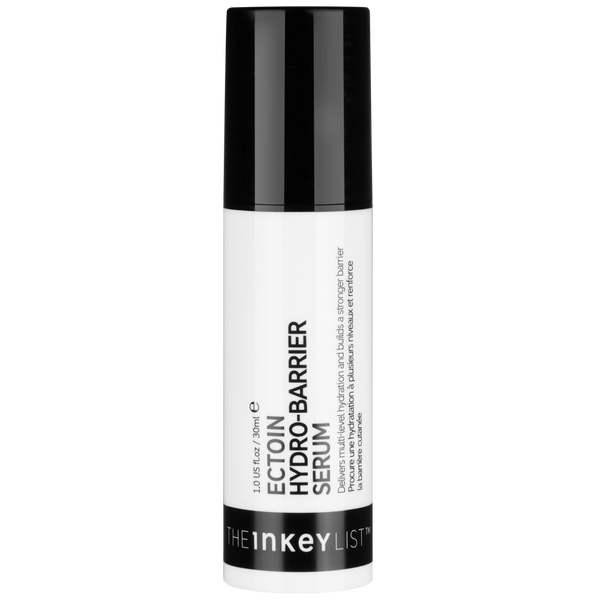
For those already wanting to act, our Ectoin Hydro-Barrier Serum (£15) is formulated specifically to address barrier-related dehydration - restoring the skin’s ability to hold onto water at the source of the problem. More on why shortly.

With a clear picture of what dehydration lines are, the next step is understanding exactly how they differ from wrinkles - and why that comparison matters so much for choosing the right approach.


Dehydration Lines vs Wrinkles - the Key Differences That Actually Matter

This is the question most people arrive with: are these dehydration lines or wrinkles? The answer changes everything about what you do next. Here is a clear breakdown of the differences across every dimension that matters.

Cause. Dehydration lines are caused by a deficiency of water in the skin - specifically, by the skin’s inability to retain adequate moisture at the surface level. This can result from a compromised barrier, environmental aggressors, harsh skincare, or lifestyle factors. Wrinkles are caused by the gradual degradation of collagen and elastin - the structural proteins that give skin its firmness and elasticity. This happens naturally with age, accelerated by cumulative UV damage and the repeated contraction of facial muscles over years and decades.

Appearance. Dehydration lines are fine, shallow, and often cross-hatched or crinkly in texture. They look diffuse and surface-level, without sharp or well-defined boundaries. Wrinkles are deeper, more defined, and have a set shape and visible edge. They tend to follow specific patterns on the face that map to underlying muscle movement - horizontal lines across the forehead from the frontalis muscle, crow’s feet radiating from the outer corners of the eyes, vertical lines between the brows from the corrugator muscle.

Behaviour. This is the most important diagnostic difference. Dehydration lines change with hydration - they visibly soften, reduce, and sometimes disappear entirely when the skin is properly and consistently hydrated. Wrinkles do not change with hydration. Moisturising may temporarily make the skin look slightly plumper and smoother, which can soften the appearance of wrinkles momentarily, but the underlying structural change remains. If lines consistently respond to hydration and worsen with dehydrating conditions - air travel, alcohol, poor sleep, central heating - they are dehydration lines.

Permanence. Are dehydration lines permanent? No - definitively not. They are fully reversible with the right skincare routine. Wrinkles are permanent structural changes to the skin, though their appearance can be significantly improved over time with evidence-backed ingredients like retinol - the most clinically supported ingredient for stimulating collagen production and improving fine lines and wrinkles.

Who gets them. Dehydration lines can affect anyone, at any age, with any skin type - including oily skin. Dehydration is a condition, not a skin type, and even skin that produces excess sebum can be water-dehydrated simultaneously. Wrinkles develop with age and are shaped by genetics, UV exposure history, lifestyle habits, and how much the face has been exposed to the elements over time.

Location patterns. Both dehydration lines and wrinkles can appear under the eyes - making this one of the most confusing areas for self-diagnosis. Dehydration lines under the eyes tend to be diffuse and crinkly, appearing more like surface texture than carved lines. Wrinkles under the eyes, such as crow’s feet, follow the orbicularis oculi muscle pattern and have defined, consistent creases that remain visible at rest and are unaffected by skin hydration. The same logic applies to forehead lines - diffuse, crinkly, variable lines are typically dehydration; set, horizontal creases that remain the same whether the skin is hydrated or not are more likely structural.

A quick word on hyaluronic acid: it is the gold-standard humectant for drawing water into the skin and is the cornerstone ingredient for treating dehydration lines. It has no meaningful effect on structural wrinkles alone. For wrinkles, the ingredient conversation shifts to retinol and peptides - a different category entirely.

Understanding where dehydration lines tend to concentrate on the face - and why those specific areas are vulnerable - is the next step in building a targeted solution.


Where Dehydration Lines Appear - and Why These Areas Are So Vulnerable

Location matters. Dehydration lines do not appear randomly - they concentrate in specific areas of the face for specific physiological reasons. Understanding why helps explain both the diagnosis and the treatment approach.

Under the Eyes

The skin beneath the eyes is the thinnest skin on the entire face - approximately 0.5mm in depth compared to roughly 2mm on the cheeks. This significant difference in thickness makes the under-eye area exceptionally vulnerable to moisture loss. There is less structural support, less natural oil production, and less capacity to retain water. When the skin in this area loses hydration, the loss of plumpness and volume creates fine, crinkly lines that sit just beneath the surface - often described as looking crepey or papery, particularly when makeup settles into them.

These lines are frequently mistaken for early signs of ageing, especially in people in their mid-twenties to mid-thirties. In most cases, particularly when they appear or worsen suddenly after poor sleep, travel, alcohol consumption, or a change in the weather, they are dehydration lines rather than structural changes. A clear indicator: if your makeup creases, cakes, or settles into fine lines under the eye that were not there when you applied it, skin dehydration in that area is very likely the explanation.

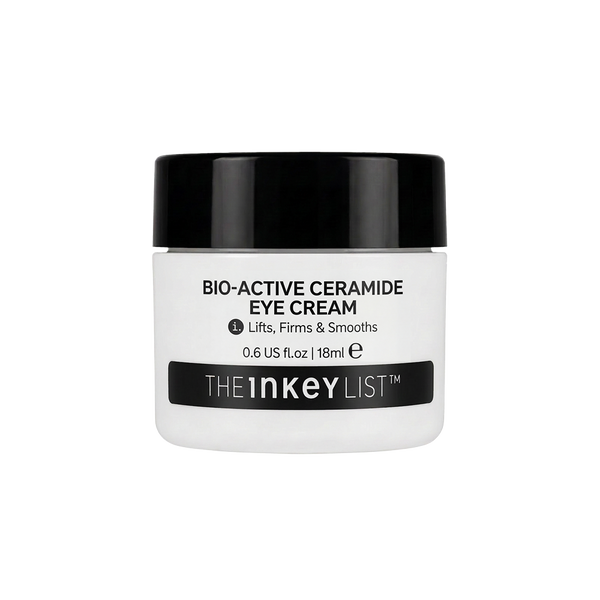
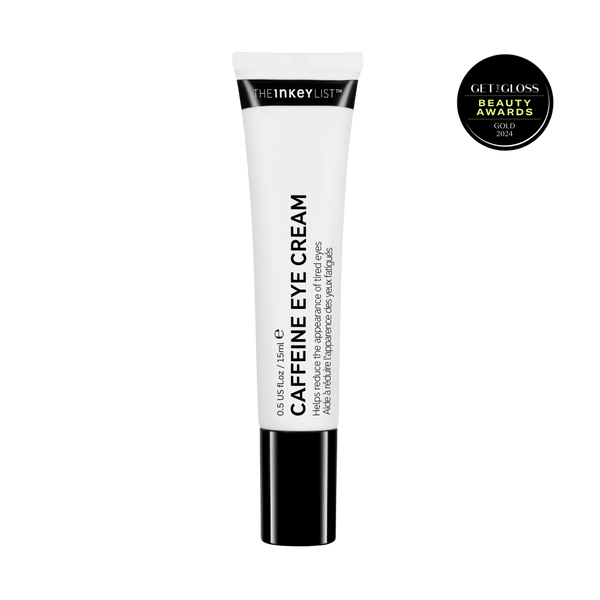
The targeted solution for dehydration lines under the eyes involves a dedicated eye product formulated for this delicate area. Our Caffeine Eye Cream (£10) addresses dehydration-related puffiness and dark circles around the eye contour - the caffeine works to constrict blood vessels and reduce puffiness, while Matrixyl 3000 supports smoothing and firmness in the eye zone. Applied with the ring finger using light tapping motions around the orbital bone, it delivers targeted support that the skin in this area specifically needs.

On the Forehead

The forehead has a higher concentration of sweat glands than most other areas of the face, and it is almost always the first area to encounter environmental exposure - wind, cold air, central heating, air conditioning. These factors combine to make the forehead a common site for dehydration lines, particularly in climates with significant seasonal variation.

Forehead dehydration lines are typically fine, horizontal or cross-hatched, and often appear relatively suddenly - after a long-haul flight, a night of poor sleep, a period of high alcohol consumption, or a harsh skincare week. They look diffuse and surface-level. True forehead wrinkles, by contrast, follow the horizontal contraction pattern of the frontalis muscle and have set, defined creases that remain visible and unchanged whether the skin is hydrated or not, and whether the face is at rest or expressing.

To apply the pinch test to the forehead: gently gather a small section of forehead skin and release. If the surface crinkles and takes a moment to smooth out, dehydration is a strong likelihood. Apply the same test after two to four weeks of consistent barrier-focused hydration - if the lines have softened significantly, that confirms the diagnosis.

Cheeks and Around the Mouth

Dehydration lines on the cheeks are common in environments with low humidity - central heating in winter, air conditioning in summer - and in those who use barrier-disrupting skincare such as harsh cleansers or over-applied exfoliating acids. The cheeks can develop a fine, subtle texture that makes skin look dull and tired rather than plump and smooth.

Around the mouth is where a frequently asked question arises: does dehydration cause smile lines? The answer is nuanced. Dehydration does not create nasolabial folds - those are structural, formed by the movement of the zygomaticus major muscle over time and by volume changes in the midface. However, dehydration significantly exaggerates their appearance by reducing the plumpness that normally softens and diffuses them. Proper hydration will make nasolabial folds appear less pronounced - but it will not eliminate them, because they are structural. If restoring hydration visibly softens the appearance of these lines, dehydration was a contributing factor; if they remain equally prominent, they are structural.

The Ectoin Hydro-Barrier Serum (£15), applied to damp skin, works across all of these areas to address the underlying barrier function issue that allows dehydration to develop in the first place. Understanding what is causing that barrier disruption is the next piece of the puzzle.


What Actually Causes Dehydration Lines - and What You Can Control

Dehydration lines do not appear without a reason. In most cases, they are the result of specific, identifiable causes - many of which are within your control. Understanding what is driving your own skin’s dehydration is the key to addressing it effectively.

A compromised skin barrier is the most common root cause. The skin’s barrier - the outermost layer of the stratum corneum - is responsible for preventing water from evaporating off the skin’s surface. When this barrier is weakened or damaged, TEWL increases significantly and the surface dries out. A compromised skin barrier is the most common driver of dehydration lines - and the most important target for treatment.

Environmental dehydrators are a major situational trigger. Cold weather, wind, low ambient humidity, central heating, and air conditioning all accelerate moisture loss from the skin’s surface. This explains why dehydration lines so commonly appear or worsen in winter, after long flights, or in heavily climate-controlled environments. These are external conditions that cannot always be controlled, which is why a strong, well-supported barrier is so important - it is the skin’s defence against these environmental aggressors.

Lifestyle factors play a meaningful role. Alcohol is a potent dehydrator - it suppresses the production of antidiuretic hormone, accelerating water loss from the body and the skin. Poor sleep disrupts the skin’s overnight barrier repair cycle. High stress elevates cortisol, which can impair barrier integrity over time. Addressing these factors matters for overall skin health, but it is important to address a persistent myth directly here: drinking more water alone will not fix dehydration lines. Skin dehydration is primarily a barrier and topical skincare issue. The skin needs the right ingredients applied topically - not just increased fluid intake - to hold onto and restore its water content.

Over-cleansing or using harsh cleansers strips the skin’s natural protective lipids alongside the debris and impurities being removed. This weakens the barrier with every wash and is one of the most controllable causes of dehydration lines. Switching to a gentle, barrier-protective cleanser is often one of the fastest ways to begin resolving chronic dehydration.

Over-exfoliation is another very common culprit. Using chemical exfoliants (AHAs, BHAs) or physical scrubs too frequently disrupts the stratum corneum, increasing TEWL and making the skin’s surface vulnerable to water loss. More is not better when it comes to exfoliation.

Using actives without barrier support - retinol, vitamin C, and exfoliating acids are all powerful and worthwhile, but used without adequate hydration and barrier support, they can trigger or worsen dehydration as a side effect. This is why barrier-focused hydration is not just a standalone step - it is the foundation of a functional skincare routine regardless of what actives are in the mix.

Skipping moisturiser leaves the surface of the skin unprotected. Even if a serum is applied underneath, without an occlusive layer on top, water evaporates freely before it can be absorbed. The seal step is not optional.

For a full breakdown of dehydrated skin causes, signs, and what to do about it, visit the dehydrated skin guide. For help recognising the 5 signs you need a hyaluronic acid serum, that article is a practical companion read.

How long do dehydration lines take to go away? With the right routine, most people see visible improvement within 2-4 weeks. Some softening may be noticeable within just a few days as the skin’s water content begins to be restored. This is not a permanent condition, and the timeline to visible improvement is genuinely short when the right ingredients are applied consistently.

Now that the causes are clear, here is exactly what works to treat dehydration lines - ingredient by ingredient, product by product.


How to Get Rid of Dehydration Lines - Ingredients and Products That Actually Work

The most effective approach to treating dehydration lines follows a clear, two-step principle: attract water into the skin, then seal it in. Both steps are necessary. A moisturiser alone without a hydrating serum underneath is sealing an empty vessel. A serum alone without a moisturiser on top means the water it draws in evaporates before it can do meaningful work. The sequence and combination matter.

Ectoin - The Hero Ingredient for Dehydration Lines and Barrier Repair

Ectoin is a naturally occurring molecule produced by extremophile bacteria - organisms that survive in extreme environments like hot springs and salt lakes - as a self-protection mechanism against environmental stress. In skincare, ectoin forms protective hydration shells around skin cells, significantly reducing TEWL and rebuilding barrier function at a cellular level.

What makes ectoin exceptional compared to standard humectants is that it does not just attract water to the surface - it stabilises the barrier itself, protecting against the environmental stressors that cause dehydration in the first place. It works both curatively and protectively. According to a 2022 systematic review published in Dermatology and Therapy by Kauth and Trusova, ectoin demonstrates meaningful, clinically measurable improvement in skin hydration and barrier integrity, with benefits beginning in as little as 15 minutes from first application.

Our Ectoin Hydro-Barrier Serum (£15) is formulated with 2% Ectoin, 2.5% multi-molecular Hyaluronic Acid, and a 1% ceramide barrier blend. It is the hero product for dehydration lines - applied to damp skin immediately after cleansing as the first serum step. For those who want the full ingredient science, learn more about how ectoin works at a cellular level.

Hyaluronic Acid - The Classic Humectant

Hyaluronic Acid (HA) is the most well-known humectant in skincare, and for good reason - it is capable of binding up to 1,000 times its weight in water, drawing moisture into the skin from the environment and from deeper layers. It is the foundational ingredient for treating surface dehydration and restoring plumpness to skin that has lost its water content.

A critical application note: always apply Hyaluronic Acid to damp skin. HA needs surface moisture to draw from. Applied to dry skin in a dry environment, it can draw moisture from deeper skin layers rather than the atmosphere, which can paradoxically worsen surface dehydration. Multi-molecular weight formulations deliver hydration at different depths simultaneously - molecules of varying sizes penetrate to different levels of the skin’s surface layers, creating layered, lasting hydration rather than just a surface film.

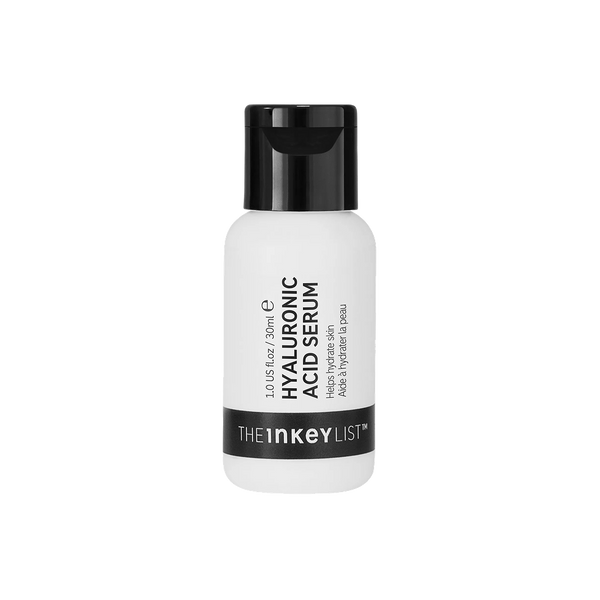
The Hyaluronic Acid Serum (£9) contains 2% pure Hyaluronic Acid at three molecular weights, plus Matrixyl 3000 peptide for additional skin-smoothing support. Applied to damp skin before moisturiser, it can be layered with the Ectoin Hydro-Barrier Serum for amplified hydration. For the complete breakdown of how Hyaluronic Acid works in the skin, the ingredient guide covers the full science. This layered approach to restoring plumpness to dehydrated skin is one of the most effective and immediate-acting strategies available without professional intervention.

Ceramides and Omega Fatty Acids - Sealing the Barrier

Ceramides are the structural lipids that form the mortar between skin cells in the stratum corneum - they account for approximately 50% of the skin barrier’s lipid content. When ceramide levels are depleted through harsh skincare, environmental damage, or simply age, the barrier becomes more porous and TEWL increases. Replenishing ceramides topically helps rebuild the barrier’s structure, restoring its ability to hold onto water effectively.

Omega fatty acids - specifically Omega 3, 6, and 9 - are the lipid building blocks of the skin’s protective layer. They restore the interconnecting lipid matrix between skin cells that functions as the skin’s first line of defence against moisture loss.

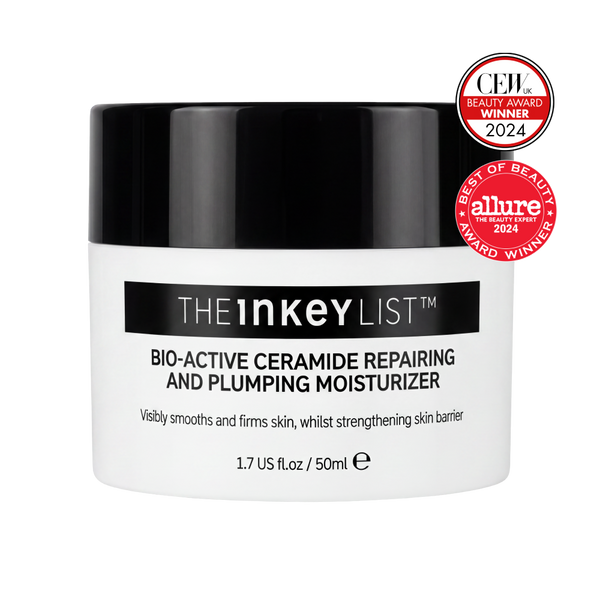
For dry or more mature skin types that need rich barrier repair: the Bio-Active Ceramide Moisturiser (£19) seals in hydration and rebuilds the barrier’s lipid structure with Bio-Active Ceramide NP. It is the stronger occlusive option and suits skin that needs more substantial moisture support.

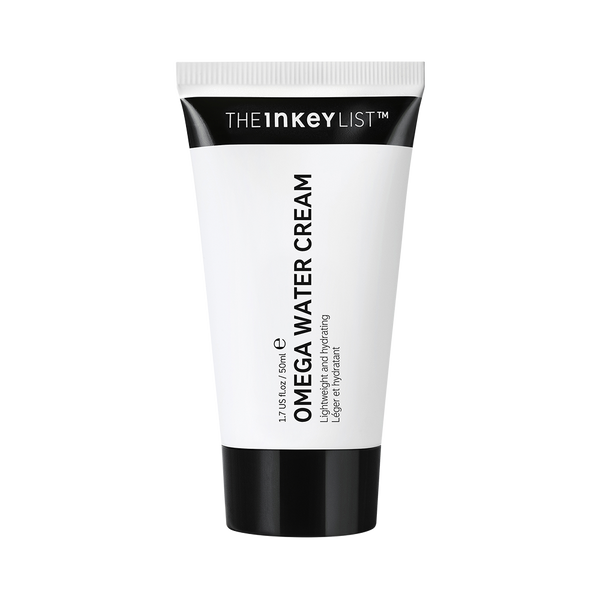
For oily or combination skin types that need barrier repair without heaviness: the Omega Water Cream (£11) delivers Omega 3, 6, and 9 alongside 5% Niacinamide in a lightweight water-gel texture. It provides the essential sealing step without the weight or richness of a traditional moisturiser - making it ideal for skin that produces excess oil but is still water-dehydrated.

Caffeine Eye Cream - Targeting Dehydration Lines Under the Eyes

The eye area requires targeted care. The skin here is too thin and delicate to be treated with the same serums applied across the rest of the face, and it benefits from ingredients specifically chosen for its unique needs. The Caffeine Eye Cream (£10) addresses dehydration-related puffiness and dark circles by constricting blood vessels with caffeine, while Matrixyl 3000 provides smoothing and firming support for the skin’s surface. Apply morning and evening with the ring finger using light tapping motions around the orbital bone - never dragging or pulling the skin. Refrigerating the product for 30 minutes before use enhances the de-puffing effect noticeably.

The Layering Rule - Application Order for Maximum Effect

Getting the ingredients right is only half the equation. Applying them in the correct order determines whether they work as intended or cancel each other out.

Step 1 - Attract: Apply humectant serums (Ectoin Hydro-Barrier Serum, and optionally Hyaluronic Acid Serum layered on top) to damp skin immediately after cleansing. The damp skin is not optional - it is the mechanism. Humectants need surface moisture to draw from.

Step 2 - Seal: Apply your chosen moisturiser (Omega Water Cream for oily and combination skin; Bio-Active Ceramide Moisturiser for dry or more mature skin) on top while the skin is still slightly damp. This seals the humectants and their attracted moisture into the skin rather than allowing it to evaporate.

Step 3 - Target: Apply Caffeine Eye Cream to the eye area as a separate, dedicated step - after serum, before or alongside moisturiser.

Reversing this order or skipping either the serum or moisturiser step significantly reduces the effectiveness of the routine. The seal without the attract does nothing to restore lost water. The attract without the seal allows the moisture to evaporate before the skin can benefit from it.


What If They Are Actually Wrinkles? Here Is What to Do

If you have maintained a consistent hydration routine for two to four weeks - applying humectant serums to damp skin, sealing with a barrier-supportive moisturiser, twice daily - and the lines have not shifted, softened, or responded, you may be looking at early structural wrinkles rather than dehydration lines. That is not a cause for alarm. It simply means the solution is different.

How to confirm they are wrinkles and not dehydration lines: they remain visible and defined after consistent, thorough hydration. They have depth and set edges that do not change with the pinch test. They follow specific facial movement patterns - horizontal lines tracking muscle contraction, radiating lines from the outer eye corners, vertical creases between the brows. They look the same whether your skin is dehydrated or well-hydrated.

True wrinkles are caused by the gradual breakdown of collagen and elastin - the structural proteins responsible for skin’s firmness and elasticity. This breakdown is driven by age, cumulative UV damage, and repetitive facial muscle contraction over time. Wrinkles are structural and permanent, but their appearance can be meaningfully improved with the right ingredients and consistent use over time.

The key ingredient for wrinkles is retinol. Retinol is the most evidence-backed skincare ingredient for improving the appearance of fine lines and wrinkles. It works by stimulating collagen production, accelerating skin cell turnover, and refining overall skin texture - producing measurable improvement in wrinkle depth and skin quality with consistent use over several months. Find out everything you need to know about how retinol works - from how to introduce it, to how it interacts with other actives.

An important note on hydration for wrinkles: while hydration alone will not treat structural wrinkles, it remains an essential part of any effective routine - including an anti-ageing one. Well-hydrated skin looks and functions significantly better, and dehydration can make wrinkles appear considerably more pronounced than their structural depth actually warrants. It is entirely possible to have both dehydration lines and true wrinkles simultaneously - in which case addressing both is the right strategy.

When introducing retinol, the Ectoin Hydro-Barrier Serum applied before retinol acts as a protective buffer - significantly reducing the risk of irritation and sensitivity that retinol can cause in the early stages of use, while supporting barrier function throughout. For help building a complete anti-ageing routine, the Complete Skincare Guide is a structured starting point.


A Simple Routine for Dehydration Lines - Morning and Evening

Understanding is important. Action is what moves the needle. Here is a clear, step-by-step AM and PM routine designed specifically for addressing dehydration lines - practical, sequenced, and immediately implementable.

Morning Routine

Step 1 - Cleanse: Begin with a gentle, non-stripping cleanser. Harsh cleansers that leave the skin feeling tight or squeaky clean are stripping the barrier alongside the impurities - making dehydration worse with every use. A barrier-kind cleanser cleans effectively while preserving the skin’s natural protective lipids.

Step 2 - Hydrate (damp skin): Apply the Ectoin Hydro-Barrier Serum (£15) to damp skin immediately after cleansing. Pat gently - do not rub. The damp application is the mechanism: the ectoin and hyaluronic acid in the formula draw on the surface moisture and deliver hydration deeper into the skin. This is the single most important step in the morning routine for dehydration lines.

Step 3 - Boost (optional but effective): Layer the Hyaluronic Acid Serum (£9) on top while skin is still damp from the ectoin serum application. This amplifies the humectant effect, drawing additional moisture into the skin at multiple molecular depths simultaneously. If time or budget is a constraint, the Ectoin Hydro-Barrier Serum alone covers the core hydration need - the Hyaluronic Acid Serum is an enhancement, not a requirement.

Step 4 - Eye: Apply the Caffeine Eye Cream (£10) to the orbital bone area using light tapping with the ring finger. Morning application targets overnight puffiness and dehydration that accumulates during sleep.

Step 5 - Seal: Apply either the Omega Water Cream (£11) for oily and combination skin, or the Bio-Active Ceramide Moisturiser (£19) for dry or more mature skin. Apply while the skin is still slightly damp from the serums. This locks everything in and creates the protective seal that prevents TEWL throughout the day. Follow with SPF - the Dewy Sunscreen SPF 30 layers well over this routine without disrupting the hydration beneath.

Evening Routine

Step 1 - Cleanse: Begin with a thorough but gentle cleanse to remove SPF, pollution, and daily build-up. Barrier-protective cleansing is especially important in the evening - the skin carries out its most intensive barrier repair processes overnight, and going into that period with a damaged or stripped barrier reduces the effectiveness of every step that follows.

Step 2 - Hydrate (damp skin): Apply the Ectoin Hydro-Barrier Serum (£15) to damp skin. The evening application pre-conditions the barrier before sleep, supporting the skin’s overnight repair cycle and ensuring that the hours of rest translate into measurable barrier recovery by morning.

Step 3 - Eye: Apply the Caffeine Eye Cream (£10) to the eye area. Evening application supports overnight repair in the under-eye zone.

Step 4 - Seal: Apply your chosen moisturiser. The overnight seal is particularly valuable - it creates an occlusive layer that significantly reduces TEWL while the skin’s own repair processes are at their most active. With the barrier sealed and supported, the skin can focus its overnight resources on genuine structural repair rather than compensating for ongoing moisture loss.

Starting Simple

For those new to addressing dehydration lines, or feeling overwhelmed by multiple steps, start with the non-negotiable essentials and build gradually. The foundation is: Ectoin Hydro-Barrier Serum applied to damp skin, sealed with Omega Water Cream, morning and evening. After two weeks, as the skin adjusts and barrier function begins to strengthen, additional steps can be layered in one at a time.

How quickly will dehydration lines go away? Dehydration lines begin to soften as the skin’s water content is restored. Mild improvement may be noticeable within just a few days. Meaningful, visible improvement - the kind that is clearly apparent without looking for it - typically appears within two to four weeks of consistent twice-daily use. The Ectoin Hydro-Barrier Serum is clinically shown to begin strengthening barrier function in as little as 15 minutes from first application, making it one of the fastest-acting barrier repair interventions available in accessible skincare.

If lines have not improved after four weeks of consistent, properly applied hydration, refer back to the wrinkles section above, or take the Skincare Quiz for a personalised routine recommendation in 2 minutes built around your specific skin.

Not sure where to start with building your complete routine? Save up to 20% with the Bundle Builder and get everything your skin needs in one place.


The Bottom Line on Dehydration Lines vs Wrinkles

Dehydration lines and wrinkles are not the same problem, and they do not have the same solution. Getting this distinction right is the difference between spending months on the wrong products and seeing real, visible improvement within weeks.

Dehydration lines are temporary, caused by the skin’s inability to retain water at the surface level, and fully reversible with consistent barrier-focused hydration. They can affect anyone at any age regardless of skin type, they appear suddenly, and they respond to treatment in a timeframe that is genuinely encouraging - days to weeks, not months. The fix is a two-step approach: attract moisture in with humectants like ectoin and hyaluronic acid, then seal it in with a barrier-supportive ceramide or omega-rich moisturiser.

Wrinkles are structural - caused by collagen and elastin breakdown over time - and while they are permanent changes, their appearance can be meaningfully improved with the right ingredients, particularly retinol. If four weeks of consistent hydration has not moved the needle, that is the signal to shift the approach.

Perhaps the most important takeaway is this: dehydration lines are one of the most addressable skin concerns in the entire skincare category. The skin has a remarkable capacity to rehydrate and recover when it is given the right tools. The right routine, applied consistently and in the right order, can produce visible change faster than most people expect.

For a comprehensive understanding of the full picture, the dehydrated skin guide is the complete reference point. For those who want to understand how the barrier underpins all of this, understanding your skin barrier and how to keep it strong is the essential read. And for those who recognise the signs of dehydration but want confirmation, 5 signs you need a hyaluronic acid serum is the practical next step.


Start Here - Shop the Dehydration Lines Routine

The hero product for dehydration lines and barrier repair:
Ectoin Hydro-Barrier Serum - £15

Complete the routine:
Hyaluronic Acid Serum - £9 - amplified humectant hydration to layer underneath your moisturiser.

Caffeine Eye Cream - £10 - targeted treatment for dehydration lines and puffiness around the eye contour.

Omega Water Cream - £11 - lightweight occlusive seal for oily and combination skin.

Bio-Active Ceramide Moisturiser - £19 - richer occlusive seal for dry and mature skin.

Not sure which routine is right for your skin?
Take the Skincare Quiz - get a personalised recommendation in 2 minutes

Ready to build your full routine and save?
Build your dehydration routine and save up to 20% with the Bundle Builder

Keep reading:
What is Dehydrated Skin? The Complete Guide
Your Skin Barrier: What It Is and How to Repair It
5 Signs You Need a Hyaluronic Acid Serum
How to Get Plump Skin