



How to Get Rid of Dark Circles Under Eyes
Discover what causes under-eye darkness, how to identify the type of dark circles you have, and the best skincare ingredients and daily habits to help brighten and refresh the eye area.
Author
askINKEY skincare advisor
Published
16 June, 2026
Time to read
16 minutes
Dark circles are one of the most searched skincare concerns in the world - and one of the most mismanaged. The reason most approaches underperform is not that the products fail. It is that people treat all dark circles the same way, when in reality, the type you have determines everything: what you use, when you use it, and what results are realistic. This guide is an action plan. It will help you identify your type, match the right ingredients to it, and build a routine that works. If you want the deeper science behind what causes dark circles at a cellular level, our complete guide to dark circles and puffiness has it. But if you are ready to act, start here.
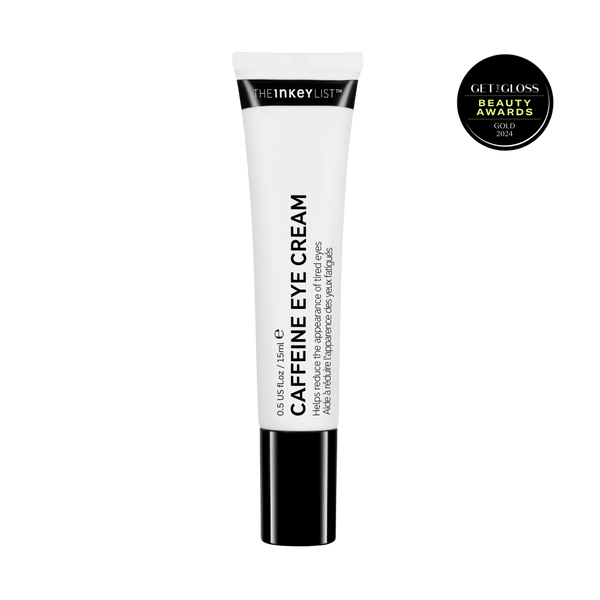
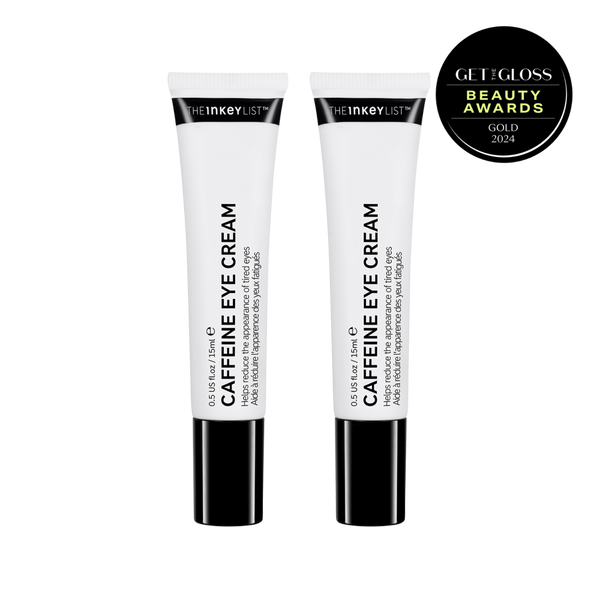
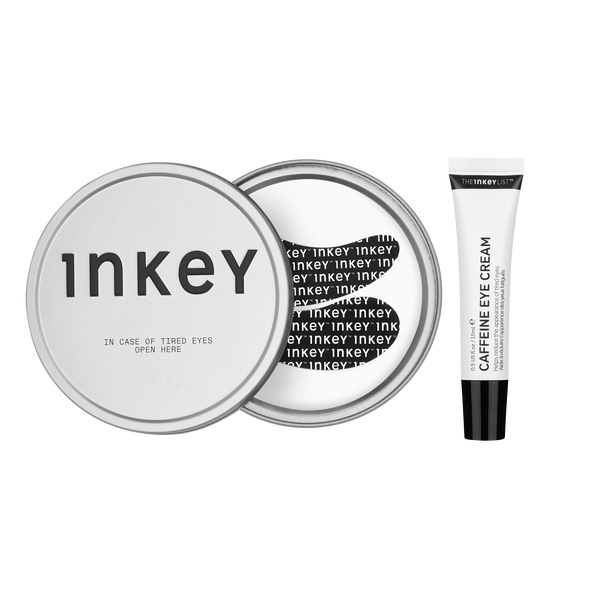
Our Caffeine Eye Cream is clinically proven to reduce dark circles and puffiness from the first use - starting at £10. For a boosted treatment option, our Reusable Eye Patches & Caffeine Eye Cream Duo is available at £17.10 and takes results further.
What Type of Dark Circles Do You Have? Start Here
Before you reach for any product, you need to know what you are actually dealing with. This single step - identifying your dark circle type - is what separates an approach that works from one that wastes your time and money. According to the Cleveland Clinic, dark circles have multiple distinct causes, and the mechanisms behind them are meaningfully different from one another. That means the right solution for one person can be largely irrelevant for another.
There are three primary types of dark circles, and understanding each one will change how you shop, how you build your routine, and how you measure progress.
Vascular dark circles appear as a blue or purple tint beneath the eye. They tend to be worse in the mornings, after a night of poor sleep, during allergy season, or after a long flight. The underlying cause is the visibility of blood vessels through the periorbital skin - the skin around the eye - which is exceptionally thin and becomes more translucent under conditions that cause blood vessel dilation or fluid accumulation. If you wake up with more noticeable darkness than you go to bed with, vascular is likely your dominant type.
Pigmentary dark circles present as a brown or greyish shadow that sits consistently beneath the eye, regardless of how much you slept the night before. They are more common in medium to deeper skin tones and are driven by excess melanin production in the periorbital area. UV exposure, chronic eye rubbing, and inflammation can all stimulate melanin overproduction. The defining characteristic of pigmentary dark circles is their consistency - they are not dramatically better after a good night of sleep.
Structural dark circles are less a matter of colour and more a matter of shadow. As we age, the fat pad beneath the eye shifts, and volume is gradually lost in the tear trough area - the hollow between the lower eyelid and the cheek. This creates a shadow that looks like a dark circle but is actually caused by depth and light. Structural dark circles worsen with age and are not meaningfully affected by sleep or hydration in the way vascular ones are.
Mixed dark circles - a combination of more than one type - are the most common presentation of all. If you have tried a single-product approach and found it underwhelming, this is almost certainly why. Addressing only one contributing cause whilst ignoring others will always produce partial results at best.
Here is a quick self-check you can do right now. Press gently on the skin beneath one eye and look in a mirror. If the colour lightens noticeably under gentle pressure, you are likely looking at vascular dark circles - the pressure temporarily reduces blood flow in those visible vessels. If the shadow remains the same depth regardless of pressure, you are more likely dealing with pigmentary or structural causes.
Most people have a dominant type. Start by addressing that one, and build from there. The goal of this section is not to turn you into a dermatologist - it is to give you enough clarity to make smarter decisions about the next steps. For a deeper breakdown of each type, including what happens at the cellular level, our complete guide to dark circles and puffiness covers it in full.
Once you know your type, the next question is: which ingredients actually target it?
The Right Ingredients for Your Type of Dark Circle
The most important principle in treating dark circles is this: the ingredient has to match the cause. Using a brightening active on a vascular dark circle will not move the needle. Using a vasoconstrictor on a pigmentary dark circle will not either. The most common reason dark circle treatments underperform is not that topical products do not work - it is that people use the wrong product for their type, wait a few weeks, and conclude the whole category is useless. It is not. Here is what actually works and why.
Caffeine - the Core Ingredient for Vascular Dark Circles and Puffiness
Caffeine is one of the most clinically well-supported topical ingredients for the under-eye area. Its primary mechanism is vasoconstriction - it temporarily narrows the blood vessels beneath the skin, directly reducing the visibility of the vascular discolouration responsible for blue-grey dark circles. Beyond that, caffeine limits capillary permeability, meaning less fluid leaks into the loose connective tissue beneath the eye overnight. That is the direct mechanism behind puffiness reduction.
A 2024 study published in the Journal of Cosmetic Dermatology confirmed topical caffeine’s effectiveness for reducing the appearance of dark circles - and a 2025 review on periorbital dyschromia treatments reinforced caffeine’s position as a well-evidenced option for under-eye concerns. This is not marketing language - it is peer-reviewed science.
Our Caffeine Eye Cream contains 0.3% caffeine alongside a Matrixyl 3000 peptide complex. It is clinically proven to reduce dark circles and under-eye bags from the first use, costs £10 for 15ml, and is suitable for all skin types - including during pregnancy and breastfeeding. It is the starting point for every dark circle routine, regardless of type.
Matrixyl 3000 - Peptide Support for Firmness and Collagen
Matrixyl 3000 is a peptide complex that works by signalling skin cells to increase collagen production. In the periorbital area - where collagen is naturally lower than on the rest of the face and declines more rapidly with age - this matters. Consistent use supports visible firmness and smoothness over time, making it a valuable secondary ingredient regardless of which dark circle type you are addressing. You will find it inside our Caffeine Eye Cream alongside caffeine, which means you are getting both mechanisms in a single product.
Brightening Actives - the Priority for Pigmentary Dark Circles
Pigmentary dark circles are driven by excess melanin synthesis in the periorbital skin. The most targeted topical approach for this type is ingredients that interrupt or slow that melanin production pathway - Vitamin C derivatives and ingredients like Brightenyl work at this level, gradually reducing the brown or grey shadow caused by accumulated pigmentation.
Consistency is everything for pigmentary dark circles, and patience is non-negotiable. But there is one step that many people skip entirely, and it undermines all progress from the brightening actives: SPF. UV exposure is the primary ongoing driver of melanin overproduction in the under-eye area. Without daily SPF applied carefully around the orbital area, you are feeding the very mechanism you are trying to reduce. If pigmentary dark circles are your dominant type, SPF is not optional - it is your most important step. For more on how melanin-related pigmentation works across the skin, see our guide to hyperpigmentation.
Retinol - for Structural Thinning and Fine Lines (PM Only)
Retinol accelerates cell turnover and supports collagen synthesis, which makes it directly relevant for the structural thinning of periorbital skin that causes dark circles to appear deeper and more pronounced over time. As Harvard Health notes, supporting skin renewal in the delicate orbital area is one of the more evidence-supported approaches to visible improvement in ageing-related under-eye concerns.
The challenge with retinol in the eye area is formulation. Standard retinol concentrations that are appropriate for the face can cause irritation, dryness, and sensitivity in skin that is already 0.5mm thin. Our Retinol Eye Cream uses 3% Vitalease - a slow-release encapsulated retinol that delivers the cell turnover benefits without the irritation risk of direct retinol application. It is £13 for 15ml, used in the PM only, and introduced gradually. For a full breakdown on treating under-eye fine lines and wrinkles specifically, see our guide to how to treat under-eye wrinkles.
Hydration - the Foundation Step All Types Share
Every type of dark circle is made worse by dehydration. When the periorbital skin loses water content, it becomes more translucent and more fragile - which makes shadows, discolouration, and structural hollowing appear more pronounced. Keeping the periorbital area well-hydrated is not a fix for dark circles on its own, but it is the baseline that allows every other ingredient to perform better. If you are dealing with visible dehydration across your skin more broadly, our guide to dehydrated skin and our article on dehydration lines vs wrinkles are both worth your time.
With a clear understanding of what each ingredient does and which type it targets, you are ready to put it all together into a routine you can actually follow.
How to Actually Get Rid of Dark Circles - Your Step-by-Step Routine
Knowing the right ingredients is half the equation. The other half is building a routine that uses them correctly, consistently, and in the right order. This section is your step-by-step plan - split into morning and evening so you can implement it immediately.
The approach differs slightly depending on your dominant type, so start with the route that matches yours and build from there.
Your Morning Routine
Step 1 - Cleanse gently. Keep it simple in the morning. A gentle, non-stripping cleanser is all you need.
Step 2 - Apply your face serums. Continue with whatever actives are part of your broader skincare routine before moving to the eye area.
Step 3 - Eye treatment. This is where your dark circle work happens.
For all types: apply a small amount of our Caffeine Eye Cream around the orbital bone using your ring finger. Use a gentle tapping motion from the inner corner outward beneath the eye. Never rub or drag. A rice-grain sized amount per eye is enough - more is not better here. For maximum morning depuffing effect, store your Caffeine Eye Cream in the fridge and apply it cold. The combination of low temperature and caffeine vasoconstriction is notably more effective than either alone.
Step 4 - Moisturise. Apply your face moisturiser as usual.
Step 5 - SPF. Non-negotiable. Every morning, without exception. This is especially critical for pigmentary dark circles. Most people apply SPF to their face but avoid the orbital area - that gap is exactly where pigmentary dark circles are driven and worsened by UV over time. Our Dewy Sunscreen SPF 30 is a lightweight option that works well around the orbital area without causing eye sensitivity.
Your Evening Routine
Step 1 - Double cleanse. Remove SPF and any makeup thoroughly before applying your actives.
Step 2 - Apply targeted face serums. Continue with your existing routine.
Step 3 - Eye treatment.
For all types: our Caffeine Eye Cream applies nightly. The vasoconstriction and antioxidant actions are not time-of-day dependent - caffeine will not affect your sleep when applied topically, and the Matrixyl 3000 peptide complex continues supporting collagen synthesis overnight.
For those targeting structural thinning and fine lines: follow with our Retinol Eye Cream (£13) in the PM only. Apply it after the Caffeine Eye Cream, starting 2 to 3 nights per week, and build towards nightly use as your skin adjusts. Do not rush this - gradual introduction is how you get the benefits without irritation.
Step 4 - Moisturise. A gentle, nourishing face moisturiser seals everything in overnight.
The Boosted Treatment Step
When you want to take results further - on mornings when puffiness is significant, or evenings when you want to maximise absorption - add our Reusable Eye Patches & Caffeine Eye Cream Duo at £17.10.
Here is why they work: the 100% silicone patches create an occlusive seal over the Caffeine Eye Cream. That seal prevents evaporation and presses active ingredients directly against the skin, forcing deeper and faster absorption than open-air application allows. The result is noticeably faster depuffing and a more concentrated delivery of caffeine to the periorbital area.
Apply your Caffeine Eye Cream first, then press the patches on top with the narrow end at the inner corner. Leave them on for 10 to 20 minutes, remove, and tap in any remaining cream. Store the patches in the fridge for an additional cooling effect on top of the caffeine. For a full breakdown of how eye patches work and what the research says, read our guide on whether under-eye patches actually work.
Application Technique - Getting It Right
Regardless of which products you are using, technique matters as much as formulation in the periorbital area:
- Always use your ring finger - it exerts the least pressure of any finger, which protects the fragile 0.5mm-thin periorbital skin.
- Use a gentle tapping motion from the inner corner outward - never rubbing, never dragging.
- Do not apply products to the eyelid itself.
- A rice-grain sized amount per eye is the right quantity - more product does not mean more benefit.
What to Expect and When
Be realistic about timelines. The Caffeine Eye Cream delivers visible puffiness reduction from the first application - within minutes of use when applied cold. For sustained dark circle improvement, consistent twice-daily use over 4 to 6 weeks is when cumulative results become clearly visible.
The Retinol Eye Cream targets fine lines and structural concerns, which respond over a longer arc - 6 to 12 weeks of consistent PM use, introduced gradually.
Pigmentary dark circles require the longest timeline. Expect 6 to 8 weeks minimum of consistent daily use with appropriate brightening actives before assessing visible improvement - and SPF must be used every single morning, without exception, to prevent UV from undoing brightening progress.
For real-world results and before-and-after documentation, see our Caffeine Eye Cream Before and After Real Results page.
What you do outside the bathroom matters just as much as what goes on your skin. Let’s talk about that next.
Beyond Skincare - Lifestyle Factors That Make a Real Difference to Dark Circles
Here is an honest truth the skincare industry does not always lead with: no eye cream can fully compensate for consistent sleep deprivation, chronic dehydration, or a daily high-sodium diet. The right topical routine - particularly twice-daily Caffeine Eye Cream - creates a meaningful baseline that significantly improves appearance. But lifestyle factors either compound that progress or work against it. Understanding which ones matter most is part of building an approach that actually works.
Sleep - Quality Matters More Than Hours
Sleep deprivation causes systemic inflammation that dilates periorbital blood vessels - directly worsening vascular dark circles. But total sleep hours are only part of the picture. Poor sleep quality - disrupted sleep, frequent waking, light sleep stages - compounds the vascular effect even when the clock says you slept eight hours. If your dark circles are consistently worse after nights of disrupted sleep but reasonably better after deep, uninterrupted rest, vascular inflammation is almost certainly a key driver.
Sleeping position also plays a role that most people overlook. Sleeping completely flat allows fluid to pool around the eye overnight due to gravity, which worsens morning puffiness noticeably. Sleeping on a slightly elevated pillow assists lymphatic drainage and can make a visible difference by the time your alarm goes off.
Hydration - the Simplest Addressable Factor
Dehydration makes all three types of dark circles more visible. When the skin beneath the eye loses water, it becomes thinner, more translucent, and less able to diffuse light - all of which make shadows and discolouration stand out more. Adequate daily water intake supports the skin barrier from within in a way that no topical product can fully replicate. If skin dehydration is a broader concern for you, our guide to dehydrated skin goes deeper on what is happening and how to address it.
Sodium Intake - the Overlooked Puffiness Driver
High sodium causes water retention at the cellular level, and the loose connective tissue of the under-eye area is amongst the first places this becomes externally visible. Evening meals that are high in sodium are a particularly common contributor to noticeable morning puffiness - the body retains the fluid overnight whilst you are lying flat, and the eye area reflects it first. Reducing high-sodium processed foods, particularly in the hours before sleep, can produce visible improvement in morning puffiness over time.
Allergies - an Underrecognised Cause
Seasonal and environmental allergies are a significant and frequently underrecognised driver of both dark circles and puffiness. According to the Mayo Clinic, allergic reactions trigger histamine release, which dilates capillaries and increases vessel permeability - directly worsening vascular dark circles and causing fluid accumulation beneath the eye.
Chronic eye rubbing during allergy season is an additional problem. Repeated mechanical rubbing causes micro-trauma and low-grade inflammation, which stimulates melanin production in the periorbital area - worsening pigmentary dark circles - whilst simultaneously damaging the fragile capillaries that contribute to vascular discolouration. Managing allergies effectively, rather than simply rubbing your eyes through the season, is a meaningful intervention.
During allergy season or after particularly disrupted nights, storing your Caffeine Eye Cream in the fridge and applying it cold delivers a double vasoconstriction effect - the temperature narrows vessels on contact whilst the caffeine sustains that effect as it absorbs. The same applies to the Reusable Eye Patches stored cold.
UV Exposure - the Silent Driver of Pigmentary Dark Circles
UV is the primary ongoing driver of melanin overproduction in the under-eye area, and it works daily - not just on sunny days. Most people apply SPF carefully to their cheeks, forehead, and nose but avoid or under-apply it around the orbital area because the skin there is sensitive or because they worry about product getting into the eye. That gap allows UV to continue stimulating melanin production precisely where you are trying to reduce pigmentation. Daily SPF applied carefully around the orbital area - not in the eye, but along the bone - is the most impactful preventative step for pigmentary dark circles.
Screen Time and Eye Strain
Prolonged screen exposure causes eye strain that increases blood vessel dilation in the periorbital area over the course of a day. The practical fix is simple: follow the 20-20-20 rule. Every 20 minutes, look at something 20 feet away for 20 seconds. It reduces cumulative strain, gives periorbital vessels a break, and costs nothing.
Genetics - the Honest Conversation
Some dark circles are primarily genetic. Periorbital skin thickness, the predisposition to melanin overproduction, the depth of the tear trough, and the pace of orbital fat pad volume loss are all significantly heritable. If dark circles run strongly in your family and have been present since your teens, genetics is likely a major contributing factor. The right approach in this case is consistent use of the appropriate actives with realistic expectations - not an escalation of products, and not frustration that topicals cannot override anatomy.
What topical products can do is meaningfully improve appearance, slow further deterioration, and give you the best possible outcome within your genetic baseline. That is a worthwhile goal - and for most people, it produces clearly visible, satisfying results.
Now let’s address the myths that may have led you here in the first place.
What Won’t Get Rid of Dark Circles - And What to Do Instead
The internet is full of dark circle advice. Some of it is useful. A lot of it is either outdated, oversimplified, or flat-out wrong. This section sets the record straight on the most common myths - not to dismiss hope, but to redirect your effort towards what actually moves the needle.
Myth 1 - You Can Get Rid of Dark Circles Permanently
The honest answer: for vascular dark circles, consistent twice-daily use of the right actives produces sustained, long-term improvement. But that improvement requires ongoing use. Stop the routine, and the underlying mechanism - blood vessel dilation, fluid retention - reasserts itself, and the dark circles return. The product is not a cure. It is a management tool, and a highly effective one when used consistently.
For pigmentary dark circles, consistent brightening actives and daily SPF can produce lasting improvement in tone, but the underlying predisposition to melanin overproduction remains. SPF discipline is therefore not a phase - it is a permanent part of the picture.
For structural dark circles driven by volume loss, topical products cannot replace fat pad volume. That is anatomy, and topicals cannot reverse deep hollowing. What they can do is improve surface appearance and slow further structural deterioration. Frame this positively: significant, visible, lasting improvement is realistic for most people. “Permanent” in the absolute sense is not - but that does not make the routine not worth doing.
Myth 2 - Cold Spoons and Cucumber Slices Work Just as Well
Cold application genuinely provides temporary vasoconstriction - the mechanism is real. A cold spoon on the eye does temporarily narrow vessels and reduce puffiness for a few minutes. But the effect is short-lived, and it addresses none of the underlying causes. Our Caffeine Eye Cream stored in the fridge delivers both the temperature effect and sustained active ingredient benefit at the same time - a demonstrably more complete approach.
Myth 3 - Your Regular Face Moisturiser Is Fine for the Eye Area
It is not. The periorbital skin is approximately 0.5mm thick - significantly thinner than the skin on your cheeks or forehead. Products formulated for broader facial use are typically either too heavily active or too occlusive for this zone and can cause milia (small white bumps), congestion, or increased sensitivity around the eye. Eye creams exist as a distinct product category because periorbital skin genuinely requires a different formulation approach. Using the right tool matters.
Myth 4 - More Product Means Faster Results
Applying a heavier amount of eye cream does not accelerate results - it usually leads to product sitting on the surface or migrating into the eye. The ring finger technique with a rice-grain sized amount per eye, applied with gentle tapping, is the correct method. Not because of ritual, but because dragging or pressing too heavily on this fragile skin causes micro-trauma over time that can worsen the very problems you are trying to fix. Twice-daily, correct application builds results more effectively than heavy, sporadic applications.
Myth 5 - Dark Circles Are Always About Bad Sleep
Sleep deprivation is one cause amongst many. Genetics, UV exposure, seasonal allergies, hormonal shifts, dehydration, and structural ageing all contribute to dark circles independently of sleep. If your dark circles are consistent regardless of your sleep quality, vascular inflammation from sleep is not your primary driver. Identifying your actual type - as covered in section one - is far more useful than simply sleeping more and hoping for the best.
Myth 6 - Nothing Topical Actually Works on Dark Circles
This one is false - and the evidence is clear. Caffeine is a clinically proven vasoconstrictor with published peer-reviewed research demonstrating measurable reduction in puffiness and vascular dark circles. The 2024 Journal of Cosmetic Dermatology study is one of the most recent published confirmations. Our Caffeine Eye Cream Before and After Real Results page shows what that looks like in practice - real users, documented results, no filters.
Topical products are not magic. They do not override genetics or replace surgical volume restoration. But they work - consistently, measurably, and for most people, visibly. The key is using the right one for the right reason.
Getting Rid of Dark Circles - The Takeaway
Dark circles are not a single problem. They are several different problems that share the same geography beneath your eye - and treating them as one is why so many approaches fall short. The framework in this guide gives you a smarter starting point: identify your type, use the ingredient that matches it, apply it correctly, and give it enough time to work.
Significant, visible improvement is realistic for most people with the right approach. Genetics and structural factors set some limits - and it is worth being honest about that rather than chasing unrealistic outcomes. But within those limits, the right routine makes a genuine, measurable difference.
Start with our Caffeine Eye Cream twice daily - morning and evening - at £10 for 15ml. When you are ready to take results further, add our Reusable Eye Patches & Caffeine Eye Cream Duo at £17.10. For structural concerns and fine lines, add our Retinol Eye Cream at £13 in the PM. The approach is straightforward. The consistency is what counts.
Start Here - Your Next Step
Shop the core routine:
- Shop Caffeine Eye Cream - from £10
- Shop Reusable Eye Patches & Caffeine Eye Cream Duo - £17.10
Build the routine that fits you:
- Take our Skincare Quiz for a personalised routine recommendation
- Build Your Own Routine and save up to 20%
- Chat to askINKEY for expert advice
You might also find helpful:
Frequently Asked Questions
Got a question?
Our askINKEY team are a friendly bunch of skincare experts with deep product knowledge and zero judgement. Whether you're an ingredient obsessive or just starting out, we'll make it make sense. No question too big. No question too small. We Give A Care, Every Day.


