


Welcome to the INKEY Blog. Where we spread and share our skincare knowledge with you!
Selected filters:

Blackhead prevention starts long before a blackhead appears. While pore strips and extractions can remove visible congestion, they don’t address the underlying causes: excess oil production and the buildup of dead skin cells inside the pore. In this guide, we explain the science behind recurring blackheads and the ingredients that help stop them forming in the first place. From Salicylic Acid and Niacinamide to retinoids, lightweight moisturisers, and daily SPF, discover the routine that targets blackheads at every stage of the cycle. Plus, learn the habits that support clearer pores and why consistency matters more than quick fixes.

How often should you double cleanse? For most people, the answer is simpler than you might think: once every evening. Double cleansing is designed to remove the buildup of SPF, makeup, excess oil, and daily environmental pollutants that accumulate on the skin throughout the day. In this guide, we explain the science behind the two-step cleansing method, why evening is the ideal time to do it, and how to adapt your routine based on your skin type. You'll also learn the signs your current cleansing routine may not be doing enough and how consistent double cleansing can help keep skin clearer, brighter, and more receptive to skincare.

Applying SPF every day is one of the best things you can do for your skin — but removing it properly is just as important. Because sunscreen is designed to resist water, sweat, and friction, a single cleanse often isn’t enough to fully remove it from the skin. Left behind, SPF residue can contribute to congestion, dullness, and reduced effectiveness of your evening skincare products. In this guide, we explain why sunscreen is so difficult to remove, the science behind double cleansing, and how to choose the right cleanser pairing for your skin type. Discover the simple routine that helps keep skin clear, balanced, and healthy.

Oily skin is one of the most common skin types, but it’s also one of the most misunderstood. While excess oil production is largely driven by genetics and hormones, factors like over-cleansing, skipping moisturiser, stress, and dehydration can all make shine worse. In this guide, we break down the biology of oily skin, explain why your skin may still feel greasy after washing, and uncover the most common causes of excess sebum production. You’ll also discover the ingredients that actually work — including Niacinamide and Salicylic Acid — plus a simple routine to help balance oil, minimise congestion, and support healthier-looking skin.

Salicylic acid is one of the most effective ingredients for blackheads because it works where blackheads actually form: inside the pore. Unlike surface exfoliants that only remove dead skin cells from the skin’s surface, salicylic acid is oil-soluble, allowing it to penetrate through sebum and dissolve the plug of oil and dead skin cells that creates a blackhead. In this guide, we explore the science behind how salicylic acid works, what results you can realistically expect, and how to build a routine that helps clear existing blackheads while preventing new ones from forming.

Sebaceous filaments and blackheads may look similar, but they are not the same thing. While blackheads are blocked pores caused by excess oil and dead skin cells, sebaceous filaments are a completely normal part of skin anatomy that help transport sebum to the skin’s surface. Understanding the difference is key to choosing the right treatment and avoiding harsh extraction methods that can damage your pores. In this guide, we explain how to identify each concern, why sebaceous filaments can’t be permanently removed, and the ingredients that help minimise their appearance. Discover the science-backed approach to clearer-looking pores.

Blackheads on the nose are one of the most common skincare concerns — and one of the most misunderstood. Because the nose contains the highest concentration of oil-producing glands on the face, it is naturally more prone to congestion, enlarged-looking pores, and blackheads. But not every dark dot is a blackhead; many people are actually seeing sebaceous filaments, a normal part of skin anatomy. In this guide, we explain the difference, explore why nose blackheads form, and break down the ingredients and routines that genuinely work. From Salicylic Acid to Niacinamide, discover the science-backed approach to clearer-looking pores.

SPF 30 or SPF 50? The difference is smaller than most people think - but how you apply sunscreen matters far more than the number on the bottle. In this evidence-based guide, we break down what SPF ratings actually mean, why most people aren’t getting the protection they think they are, when SPF 50 is genuinely worth it, and how UV exposure changes across different US climates. From tanning myths to application mistakes, this is your practical, no-nonsense guide to choosing the right SPF for your skin, lifestyle, and daily routine.

Mineral vs chemical sunscreen: one of skincare’s biggest debates - and one of its most misunderstood. Both protect effectively against UV damage, but they differ in texture, finish, and wearability. This guide breaks down the real science behind both filter types, the truth about “chemical sunscreen” myths, and how to choose the SPF you’ll actually wear every day.

Reapplying sunscreen is the part of SPF that actually keeps your skin protected - but for most people, makeup gets in the way. This guide explains why sunscreen needs topping up throughout the day, how often to reapply, and the easiest ways to layer SPF over makeup without ruining your base. From beauty blender techniques to common SPF mistakes, here’s everything you need to know for real-world sun protection.

Daily SPF is not just a summer habit - it is one of the most important long-term investments you can make in your skin health. In this guide, we break down the science behind year-round UV exposure, explain the difference between UVA and UVB rays, and explore why winter, cloudy days, indoor light through windows, and even daily commutes still expose your skin to cumulative damage. Backed by clinical research and UK seasonal UV data, this article explains exactly how daily broad-spectrum SPF helps prevent premature ageing, pigmentation, collagen breakdown, and long-term skin damage - while showing you how to build an effective winter skincare routine around it.

Learn how long skincare products really last, what the PAO symbol means, and how to store your skincare properly to keep formulas safe, stable, and effective. From Vitamin C and retinoids to cleansing balms and eye creams, this complete guide explains what causes products to expire, when a skincare fridge helps (and when it doesn’t), plus the warning signs a product has gone off.

Skincare acids can transform your skin - when you know which one to use. From glycolic acid for glow and texture, to salicylic acid for breakouts and PHAs for sensitive skin, this guide breaks down exactly what each acid does, who it’s best for, and how to use it safely for clearer, brighter, healthier-looking skin.

Men’s skin is biologically different - producing more oil, experiencing regular shaving stress, and often dealing with larger pores, congestion, and sensitivity. This complete guide breaks down exactly how to build an effective men’s skincare routine, from cleansing and hydration to shaving care, beard maintenance, and product layering. Whether you are starting from scratch or refining your current routine, discover the essential ingredients, routines, and expert-backed tips that help keep male skin clear, healthy, and protected every day

Your skin doesn’t need the same routine all year round - and treating it like it does could be holding your skin back. From winter dryness and barrier disruption to summer oiliness and breakouts, seasonal changes directly affect how your skin behaves. In this complete guide, we break down exactly how to adapt your skincare routine for spring, summer, autumn, and winter, including the products to switch, the ingredients to prioritise, and the signs your skin is giving you each season. Whether your skin is feeling dehydrated, congested, dull, or sensitive, this guide will help you build a routine that works with your skin all year long.

Your skin deserves more than a one-size-fits-all routine. This complete skincare guide breaks down exactly how to build an effective AM and PM routine based on your skin type - whether you’re oily, dry, combination, sensitive, or blemish-prone. From identifying your true skin type to choosing the right actives, layering products correctly, and avoiding the most common skincare mistakes, this guide gives you everything you need to create a routine that actually works. Featuring step-by-step routines, expert ingredient advice, and tailored product recommendations from The INKEY List.

Niacinamide is one of the most effective - and easiest - skincare ingredients to add to your routine. In this complete guide, discover exactly how to use niacinamide serum for clearer, more balanced skin, including when to apply it, how to layer it correctly, what products pair best with it, and how long results realistically take. Whether your skin is oily, dry, blemish-prone, or sensitive, this guide breaks down the routines, mistakes to avoid, and expert application tips that make niacinamide work harder for your skin.

The INKEY Oat Cleansing Balm costs just 15p per cleanse - and that number changes everything. Clinically proven to remove waterproof makeup and SPF while supporting the skin barrier, this oat-powered formula delivers approximately 100 uses per tube for £15. In this guide, we break down why cleansing balms outperform wipes and foaming cleansers, what makes oat kernel oil so effective for sensitive skin, and why cost-per-use is the smartest way to shop skincare.

Sensitive skin starts with the right cleanse. In this guide, we break down the everyday cleansing mistakes that quietly damage your skin barrier - from harsh foaming formulas to overwashing and hot water - and explain exactly what to look for in a gentle, barrier-supporting cleanser. Discover the ingredients that truly soothe reactive skin, why cleansing balms are one of the best formats for sensitive complexions, and the best fragrance-free cleansers to keep skin calm, hydrated, and comfortable every day.

Smart skinimalism is the 2026 skincare trend redefining results through simplicity. Backed by science, this approach prioritises skin barrier health and multi-functional ingredients over excessive layering. Discover why simplified routines can reduce irritation by up to 40% and how to build an effective, evidence-based 3-step routine for healthier, more resilient skin.

Phytic Acid is an antioxidant Alpha-Hydroxy Acid (AHA) derived from micro-algae. It’s extracted from the natural environment first, then scaled up synthetically in bioreactors, which makes it a sustainable resource in the skincare industry.

Clogged pores occur when oil and dead skin cells build up inside of pore linings and they expand to accommodate it. Here are our derm-recommended tips for dramatically smaller-looking pores.
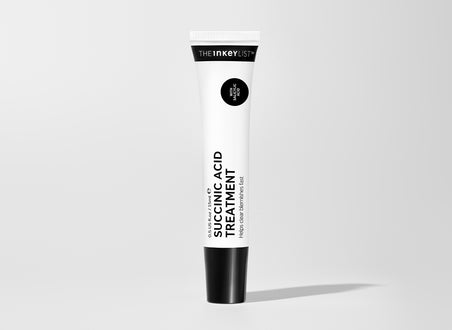
Succinic acid is naturally anti-inflammatory and antimicrobial, meaning it works well to curb acne symptoms, where skin suffers redness, irritation and inflammation. Learn more about the benefits Succinic Acid has and how to use it in your skincare routine

Keeping pores clean and clear is a fundamental objective within most skincare routines - whether it’s to reduce breakouts, brighten the tone or even the texture. Whatever your reason, there are varying degrees of treatments and products available to serve this cause - including the classic pore strip. We explain how pore strips work, how they can cause damage to the skin and some INKEY alternatives you can use to unclog pores and get rid of blackheads

Combination skin can feel like a contradiction: an oily, shiny T-zone paired with cheeks that feel normal, dry, or tight. As one of the most common skin types, it often leads people to use products that over-treat one area while neglecting another. In this guide, we explain how to identify combination skin, what causes it, and how it differs from oily skin. You'll also discover the ingredients that work best, from Niacinamide and Hyaluronic Acid to Salicylic Acid, plus a simple AM and PM routine designed to balance oil, support hydration, and keep skin comfortable year-round.

If your skin has ever seemed to get worse after starting a new active like retinol or acids, don’t panic—this may be skin purging. Purging is a temporary phase where ingredients that speed up cell turnover bring existing congestion to the surface more quickly, which can look like sudden breakouts. While frustrating, it’s often a sign that your product is working, and understanding this process can help you stay consistent and avoid giving up just before clearer, healthier skin starts to show.
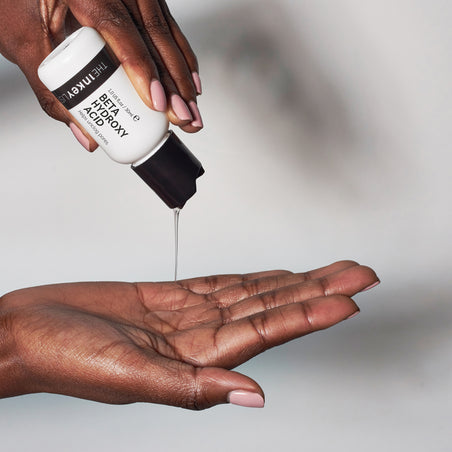
Beta Hydroxy Acids are oil soluble chemical exfoliators and a great choice for oily and breakout prone skin. They work deeper in the skin than Alpha Hydroxy Acids, and can help unclog pores and target blackheads.


