


Welcome to the INKEY Blog. Where we spread and share our skincare knowledge with you!
Selected filters:

Hyaluronic acid supplements are becoming increasingly popular, but do they really improve your skin from the inside out? While early research suggests oral hyaluronic acid may support skin hydration and elasticity, the evidence is still developing—and it works very differently to topical skincare. In this guide, we explore what the latest clinical studies say about hyaluronic acid supplements, how they compare with topical serums, and whether taking HA is worth adding to your routine. Discover the benefits, limitations, and who might consider supplementation, plus why topical hyaluronic acid remains the gold standard for fast, proven skin hydration.

Hyaluronic acid and ceramides are often compared, but they’re not competing ingredients—they perform completely different roles in keeping skin healthy and hydrated. Hyaluronic acid attracts and holds water within the skin, while ceramides strengthen the skin barrier to lock that moisture in and reduce water loss. In this guide, we explain how each ingredient works, why they’re more effective together than apart, and how to layer them correctly in your skincare routine. Whether you have dry, oily, sensitive, or mature skin, discover why combining these hydration heroes can leave your skin feeling plumper, stronger, and more resilient.

Flying can leave your skin feeling tight, dull, and dehydrated before you’ve even reached your destination. That’s because aircraft cabin humidity is far lower than normal indoor environments, accelerating transepidermal water loss (TEWL) and weakening the skin barrier throughout your journey. The good news? A few simple skincare steps can make a noticeable difference. In this guide, we explain why flying dehydrates your skin, how to build an effective pre-flight, in-flight, and post-flight routine, and the ingredients that work best at 35,000 feet. Discover how Hyaluronic Acid, Ectoin, barrier-supporting moisturisers, and targeted hydration can help your skin arrive looking refreshed.

Glycerin and Hyaluronic Acid are two of skincare’s most trusted hydrating ingredients, but they don’t work in exactly the same way. While both are humectants that attract water to the skin, they differ in how deeply they hydrate, how they perform in different environments, and the additional benefits they offer beyond moisture. In this guide, we compare the science behind glycerin and hyaluronic acid, explore which skin types benefit most from each, and explain why using them together often delivers the best results. Discover how to build a hydration routine that leaves skin plumper, healthier, and better supported every day.

Humectants are the ingredients responsible for attracting water into your skin, making them essential for lasting hydration and a healthy skin barrier. Found in products like serums, cleansers, and moisturisers, ingredients such as Glycerin and Hyaluronic Acid help replenish moisture, leaving skin feeling smoother, plumper, and more comfortable. But humectants are only one part of effective hydration. In this guide, we explain how humectants work, how they differ from emollients and occlusives, which ingredients to look for, and how to layer them correctly in your routine. Discover the science behind hydrated skin and how to maximise the benefits of every skincare step.

Glycerin is one of the most effective yet overlooked skincare ingredients. Found in thousands of cleansers, serums, and moisturisers, this powerful humectant draws water into the skin, helping to boost hydration, support the skin barrier, and leave skin feeling softer and smoother without clogging pores. Suitable for every skin type, from dry and sensitive to oily and blemish-prone, glycerin works quietly behind the scenes to improve skin health day after day. In this guide, we explain exactly how glycerin works, how it compares to ingredients like Hyaluronic Acid and Ceramides, and how to build it into an effective skincare routine.

Sensitive skin and breakouts can feel like an impossible combination. Many blemish treatments are designed to be aggressive, often leaving reactive skin red, dry, and even more irritated. But treating breakouts doesn’t have to come at the expense of your skin barrier. In this guide, we explain why sensitive skin and blemishes often go hand in hand, the ingredients that help clear spots without triggering irritation, and the common mistakes that can make both concerns worse. From Niacinamide and Salicylic Acid to barrier-supporting moisturisers and gentle cleansing, discover a routine designed to calm, balance, and support clearer-looking skin.

How often should you double cleanse? For most people, the answer is simpler than you might think: once every evening. Double cleansing is designed to remove the buildup of SPF, makeup, excess oil, and daily environmental pollutants that accumulate on the skin throughout the day. In this guide, we explain the science behind the two-step cleansing method, why evening is the ideal time to do it, and how to adapt your routine based on your skin type. You'll also learn the signs your current cleansing routine may not be doing enough and how consistent double cleansing can help keep skin clearer, brighter, and more receptive to skincare.

Applying SPF every day is one of the best things you can do for your skin — but removing it properly is just as important. Because sunscreen is designed to resist water, sweat, and friction, a single cleanse often isn’t enough to fully remove it from the skin. Left behind, SPF residue can contribute to congestion, dullness, and reduced effectiveness of your evening skincare products. In this guide, we explain why sunscreen is so difficult to remove, the science behind double cleansing, and how to choose the right cleanser pairing for your skin type. Discover the simple routine that helps keep skin clear, balanced, and healthy.

Does oily skin really need moisturiser? Absolutely — and skipping it could be making your skin even oilier. While it may seem counterintuitive, oily skin still needs hydration, and a lack of moisture can trigger increased sebum production as the skin tries to compensate. In this guide, we explain the science behind oily skin and hydration, what to look for in a moisturiser, which ingredients to avoid, and why lightweight water creams are often the best choice. You’ll also discover how ingredients like Niacinamide, Glycerin, and Ceramides help balance oil, support the skin barrier, and keep skin hydrated without feeling greasy.

Can your skin be oily and dehydrated at the same time? Absolutely — and it’s far more common than most people realise. While oily skin is a skin type driven by sebum production, dehydrated skin is a temporary condition caused by a lack of water in the skin. The two often coexist, especially when harsh cleansers, over-exfoliation, or skipping moisturiser compromise the skin barrier. In this guide, we explain the science behind oily dehydrated skin, how to recognise the signs, and the ingredients that help restore balance. Discover how Hyaluronic Acid, Niacinamide, and lightweight moisturisers can hydrate skin without adding excess oil.

What if one simple change to your routine could boost hydration by 39%? When used together in the right order, a hydrating face mist and hyaluronic acid serum create the ideal environment for long-lasting moisture and stronger skin barrier support. In this guide, we explain the science behind this clinically proven pairing, why hyaluronic acid works best on damp skin, and how layering a face mist first helps maximise hydration results. You'll also learn how to build a complete routine for dehydrated skin, when to use each product, and why this simple two-step combination can make a noticeable difference to skin comfort, glow, and hydration.

Yes, you can use a face mist over makeup - and the right formula can actually make your makeup look better throughout the day. As skin loses moisture through transepidermal water loss (TEWL), foundation can appear dull, patchy, or cakey, particularly in dry indoor environments. A lightweight, alcohol-free hydrating face mist helps replenish moisture, refresh the skin barrier, and restore a natural, dewy finish without disrupting your base. In this guide, we explain the science behind misting over makeup, how to choose the right formula, the correct application technique, and why hydration is one of the best-kept secrets to fresher-looking makeup.

Summer can leave skin feeling tight, dull, and dehydrated — even if it’s oily. Heat, UV exposure, air conditioning, and increased transepidermal water loss (TEWL) all contribute to moisture loss throughout the day, making hydration harder to maintain. In this guide, we explain why skin dehydrates more easily in summer, what separates an effective hydrating face mist from plain water, and how to use one to support your skin barrier and boost hydration. You'll also discover the signs of summer dehydration, the best way to layer a face mist in your routine, and how to keep skin looking fresh, comfortable, and glowing all season.

Not all face mists are created equal. While many provide a brief refreshing sensation, few contain the ingredients needed to deliver lasting hydration and support the skin barrier. In this guide, we explain what makes a face mist genuinely effective, from humectants like Hyaluronic Acid and Glycerin to barrier-supporting ingredients that help reduce moisture loss throughout the day. You'll learn how to read an ingredient list, what to avoid, and how to use a face mist to maximise hydration in your routine. Discover the science behind long-lasting moisture and what separates skincare from a simple spray of water.

Think those fine lines are early wrinkles? They may actually be dehydration lines. While dehydration lines and wrinkles can look similar, they have completely different causes - and require different solutions. Dehydration lines are temporary, surface-level lines caused by a lack of water in the skin and a weakened skin barrier, whereas wrinkles are deeper structural changes linked to collagen loss and ageing. In this guide, we break down how to tell the difference, where dehydration lines commonly appear, what causes them, and the ingredients that can help restore smoother, plumper-looking skin. From ectoin and hyaluronic acid to ceramides and barrier support, discover the most effective routine for reducing dehydration lines and improving skin hydration.

Think dehydrated skin always looks dry? Not necessarily. From excess oiliness and sensitivity to worsening dark circles and patchy makeup, dehydration can show up in surprising ways. Discover the 7 most commonly missed signs of dehydrated skin, how to tell it apart from dry skin, and the simple steps that can help restore hydration and support your skin barrier.

Sensitive skin and dehydration often stem from the same issue: a compromised skin barrier. When the barrier is weakened, skin loses moisture more easily, becomes more reactive, and can be harder to hydrate effectively. This guide explains the connection between sensitivity and dehydration, the ingredients that support barrier repair, and the simple routine changes that help restore comfort, resilience, and lasting hydration.

Hyaluronic acid is one of skincare’s most popular hydrating ingredients, but using it incorrectly can leave skin feeling just as dry as before. From applying it to damp skin and sealing it with moisturiser to layering it correctly with other actives, this guide explains the simple techniques that make all the difference for hydrated, healthy-looking skin.

Using retinol doesn’t have to mean pushing through weeks of dryness, flaking, and irritation. Enter ectoin: a barrier-strengthening ingredient that works alongside retinol to make your routine more effective and far more comfortable. In this guide, we explain exactly how ectoin supports the skin barrier, why it pairs so well with retinol, and how to layer it correctly with other popular actives including niacinamide, vitamin C, hyaluronic acid, AHAs, BHAs, and peptides. Whether you're new to retinol or looking to optimise an advanced routine, you'll learn how to build a skincare regimen that delivers results without compromising your skin barrier.

Ectoin and hyaluronic acid are both powerful hydration ingredients, but they work in very different ways. Hyaluronic acid draws water to the skin’s surface for fast, visible plumping, while ectoin anchors hydration around skin cells, supports the skin barrier, and helps protect against environmental stress. If your skin is simply dehydrated, hyaluronic acid is a great starting point. If it feels sensitive, reactive, or barrier-compromised, ectoin may be the better choice - or use both for complete hydration support.

Transepidermal Water Loss (TEWL) is the invisible process of water evaporating from your skin every day. When your skin barrier is healthy, TEWL remains controlled. But when that barrier becomes compromised, moisture escapes more rapidly, leading to dehydration, sensitivity, dullness, and visible signs of ageing. In this guide, we break down what TEWL is, what causes it to increase, the signs your skin may already be experiencing it, and the ingredients that can help restore balance. Discover how barrier-supporting actives like Ectoin, ceramides, and hyaluronic acid work together to strengthen the skin barrier, lock in hydration, and keep your skin looking healthy, resilient, and comfortable.

Rosacea-prone skin requires more than a gentle skincare routine - it needs a barrier-first approach. In this guide, we explore why a compromised skin barrier sits at the heart of rosacea flare-ups, and how ectoin, a clinically proven barrier-supporting ingredient, can help strengthen, hydrate and soothe reactive skin. From understanding the science behind rosacea to identifying the best ingredients to use (and avoid), you'll discover how to build an effective skincare routine designed to reduce irritation and support healthier-looking skin over time.

Dry skin does not mean skipping SPF. It means choosing the right one. Many sunscreens are formulated for oily or combination skin, using lightweight gels and high-alcohol bases that can leave dry skin feeling tight, flaky, or uncomfortable. The good news? A well-formulated sunscreen can protect your skin and actively support hydration at the same time. In this guide, we break down exactly what to look for in an SPF for dry skin - from barrier-supporting ingredients like Polyglutamic Acid, Glycerin, and Squalane to the textures and formulas best avoided - plus how to layer your routine correctly for hydrated, protected skin every day.

SPF 30 or SPF 50? The difference is smaller than most people think - but how you apply sunscreen matters far more than the number on the bottle. In this evidence-based guide, we break down what SPF ratings actually mean, why most people aren’t getting the protection they think they are, when SPF 50 is genuinely worth it, and how UV exposure changes across different US climates. From tanning myths to application mistakes, this is your practical, no-nonsense guide to choosing the right SPF for your skin, lifestyle, and daily routine.

Mineral vs chemical sunscreen: one of skincare’s biggest debates - and one of its most misunderstood. Both protect effectively against UV damage, but they differ in texture, finish, and wearability. This guide breaks down the real science behind both filter types, the truth about “chemical sunscreen” myths, and how to choose the SPF you’ll actually wear every day.

Reapplying sunscreen is the part of SPF that actually keeps your skin protected - but for most people, makeup gets in the way. This guide explains why sunscreen needs topping up throughout the day, how often to reapply, and the easiest ways to layer SPF over makeup without ruining your base. From beauty blender techniques to common SPF mistakes, here’s everything you need to know for real-world sun protection.

Daily SPF is not just a summer habit - it is one of the most important long-term investments you can make in your skin health. In this guide, we break down the science behind year-round UV exposure, explain the difference between UVA and UVB rays, and explore why winter, cloudy days, indoor light through windows, and even daily commutes still expose your skin to cumulative damage. Backed by clinical research and UK seasonal UV data, this article explains exactly how daily broad-spectrum SPF helps prevent premature ageing, pigmentation, collagen breakdown, and long-term skin damage - while showing you how to build an effective winter skincare routine around it.

Stress can show up on your skin long before you realise it. Redness, dryness, dullness, breakouts, and sensitivity are often signs that the skin barrier is overwhelmed and struggling to repair itself. In this guide, we explain what stressed skin really is, what causes it, and the clinically backed ingredients - including Exosomes, Ectoin, PDRN, and Ceramides - that help restore calmer, healthier, more resilient skin.

Learn how long skincare products really last, what the PAO symbol means, and how to store your skincare properly to keep formulas safe, stable, and effective. From Vitamin C and retinoids to cleansing balms and eye creams, this complete guide explains what causes products to expire, when a skincare fridge helps (and when it doesn’t), plus the warning signs a product has gone off.

Skincare acids can transform your skin - when you know which one to use. From glycolic acid for glow and texture, to salicylic acid for breakouts and PHAs for sensitive skin, this guide breaks down exactly what each acid does, who it’s best for, and how to use it safely for clearer, brighter, healthier-looking skin.

Men’s skin is biologically different - producing more oil, experiencing regular shaving stress, and often dealing with larger pores, congestion, and sensitivity. This complete guide breaks down exactly how to build an effective men’s skincare routine, from cleansing and hydration to shaving care, beard maintenance, and product layering. Whether you are starting from scratch or refining your current routine, discover the essential ingredients, routines, and expert-backed tips that help keep male skin clear, healthy, and protected every day

Your skin doesn’t need the same routine all year round - and treating it like it does could be holding your skin back. From winter dryness and barrier disruption to summer oiliness and breakouts, seasonal changes directly affect how your skin behaves. In this complete guide, we break down exactly how to adapt your skincare routine for spring, summer, autumn, and winter, including the products to switch, the ingredients to prioritise, and the signs your skin is giving you each season. Whether your skin is feeling dehydrated, congested, dull, or sensitive, this guide will help you build a routine that works with your skin all year long.

Your skin deserves more than a one-size-fits-all routine. This complete skincare guide breaks down exactly how to build an effective AM and PM routine based on your skin type - whether you’re oily, dry, combination, sensitive, or blemish-prone. From identifying your true skin type to choosing the right actives, layering products correctly, and avoiding the most common skincare mistakes, this guide gives you everything you need to create a routine that actually works. Featuring step-by-step routines, expert ingredient advice, and tailored product recommendations from The INKEY List.

Niacinamide is often labelled as an ingredient for oily or blemish-prone skin - but that reputation overlooks one of its most important benefits. For dry skin, niacinamide helps strengthen the skin barrier, boost ceramide production, reduce moisture loss, and calm irritation at the source. In this guide, we break down exactly how niacinamide works for dry skin, why it does not cause dryness, how to layer it correctly in your routine, and the best INKEY List products to pair with it for long-term hydration and barrier support.

Think hyaluronic acid is only for dry or ageing skin? Think again. If your skin is blemish-prone, breakout-prone, or constantly feels stripped by spot treatments, hyaluronic acid may be the missing step in your routine. Far from clogging pores or causing breakouts, this lightweight humectant helps replenish hydration, support the skin barrier, and create healthier conditions for clearer skin. In this guide, we break down exactly how hyaluronic acid works for blemish-prone skin, whether it can trigger spots, how it supports recovery from breakouts, and the best way to layer it into your routine using INKEY favourites like the Hyaluronic Acid Serum, Salicylic Acid Cleanser, and Omega Water Cream.

Can You Use Hyaluronic Acid with Retinol? Yes - and it’s one of the smartest skincare combinations you can make. Hyaluronic acid hydrates and cushions the skin, while retinol boosts cellular renewal, smooths texture, and targets visible signs of ageing. Together, they work in perfect partnership: one keeps skin comfortable and supported while the other delivers transformative long-term results. In this guide, we break down exactly how to layer hyaluronic acid and retinol, why they work so well together, the best routines for every skin type, and the INKEY products that make this pairing simple, effective, and beginner-friendly

Discover the difference between two of skincare’s most searched-for ingredients: hyaluronic acid and niacinamide. In this complete guide, we break down what each ingredient does, who benefits most from them, how they compare, and why they work even better together. Whether your skin concerns are dehydration, excess oil, blemishes, enlarged pores, or uneven tone, you’ll learn exactly how to choose the right serum for your skin - and how to layer them correctly for maximum results. Featuring expert-backed insights and product recommendations from The INKEY List, this guide makes building an effective skincare routine simple, accessible, and easy to understand.

Discover why hyaluronic acid and vitamin C are one of skincare’s most effective ingredient pairings. Learn how to layer them correctly, when to add niacinamide, and the best INKEY products for brighter, deeply hydrated skin.

The INKEY Oat Cleansing Balm costs just 15p per cleanse - and that number changes everything. Clinically proven to remove waterproof makeup and SPF while supporting the skin barrier, this oat-powered formula delivers approximately 100 uses per tube for £15. In this guide, we break down why cleansing balms outperform wipes and foaming cleansers, what makes oat kernel oil so effective for sensitive skin, and why cost-per-use is the smartest way to shop skincare.

PDRN and exosomes are two next-generation regenerative skincare ingredients that work in different but complementary ways. PDRN helps stimulate the skin’s own collagen and hyaluronic acid production, while exosomes support broad cellular renewal and repair. Together, INKEY’s vegan PDRN Serum and Exosome Glow Serum help improve glow, hydration, firmness, and overall skin renewal.

PDRN injections and topical PDRN serums use the same regenerative science — but they offer very different experiences, costs, and commitments. This guide breaks down the clinical evidence behind both approaches, comparing results, downtime, accessibility, and long-term value to help you decide which fits your skin goals best. From in-clinic polynucleotide injections to INKEY’s £18 Vegan PDRN Serum powered by 2% INJIN Vegan PDRN, discover how this collagen-supporting ingredient works, what results you can realistically expect, and whether daily topical PDRN could be the smarter alternative for your routine.

“Salmon sperm serum” may sound like a viral skincare gimmick, but the science behind it is surprisingly credible. Known as PDRN, this clinically studied ingredient helps support collagen production, hydration, and skin renewal at a cellular level. In this guide, we break down what PDRN actually is, how it works, and why INKEY’s vegan PDRN Serum delivers all the benefits - without the salmon.

Sensitive skin starts with the right cleanse. In this guide, we break down the everyday cleansing mistakes that quietly damage your skin barrier - from harsh foaming formulas to overwashing and hot water - and explain exactly what to look for in a gentle, barrier-supporting cleanser. Discover the ingredients that truly soothe reactive skin, why cleansing balms are one of the best formats for sensitive complexions, and the best fragrance-free cleansers to keep skin calm, hydrated, and comfortable every day.

The skincare debate has long focused on vitamin C vs niacinamide—two ingredients known for brightening, balancing oil, and supporting healthy skin. But skincare is evolving. Next-generation technologies like exosomes and PDRN are changing the game, working at the cellular level to repair, renew, and transform skin.
In this guide, we compare four powerhouse ingredients shaping modern skincare—vitamin C, niacinamide, exosomes, and PDRN—to help you understand what each does best and how to build a smarter routine for your skin goals

Crepey skin is the thin, papery texture that can develop on areas like the neck, décolletage, arms, hands, and under-eyes. Unlike expression lines, it affects larger areas of skin and is linked to structural changes such as declining collagen, elastin damage, and a weakened skin barrier.
In this guide, we break down the science behind crepey skin and explore evidence-based skincare solutions - from barrier-repairing ceramides to collagen-supporting retinoids - plus practical routines to help restore smoother, firmer-looking skin.

Ceramides make up 50% of your skin’s natural barrier — but not all ceramides work in the same way. With the rise of bio-active technology, understanding the difference between traditional and bio-active ceramides can be the key to unlocking stronger, smoother, more resilient skin.
In this guide, we break down the science behind ceramides, from the essential role they play in preventing moisture loss to how different types target concerns like dryness, sensitivity and fine lines. You’ll discover how bio-active ceramides enhance penetration and accelerate visible results compared to conventional formulations — and how to choose the right ceramide product for your skin type.

Rice toners – also known as milky toners – are quickly becoming a hydration essential, and it’s easy to see why. Powered by rice-derived ingredients, these lightweight formulas deliver deep hydration while supporting the skin barrier, all without heaviness or residue. In this guide, we break down the science behind rice milk toners, their key skin benefits, and how INKEY’s new Nourishing Rice Milk Hydrating Toner fits seamlessly into a complete barrier-supporting routine. Whether your skin is dehydrated, sensitised, or simply craving more moisture, rice milk toner offers an evidence-backed way to level up your hydration game.

Smart skinimalism is the 2026 skincare trend redefining results through simplicity. Backed by science, this approach prioritises skin barrier health and multi-functional ingredients over excessive layering. Discover why simplified routines can reduce irritation by up to 40% and how to build an effective, evidence-based 3-step routine for healthier, more resilient skin.

Introducing INKEY Lab's latest drop - Exosome Boosting Mask. A next-generation biodegradable dry sheet mask designed to deliver instant glow, hydration and supports the skin’s natural repair processes. Powered by exosome-boosting technology, it helps enhance ingredient delivery for deeper hydration, strengthens the skin barrier, and leaves skin looking smoother, plumper and more radiant in just 10 minutes.
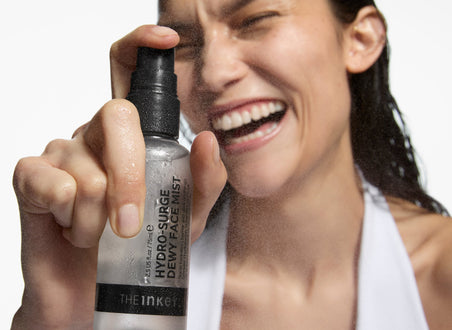
Meet your new hydration go to. Hydro Surge Dewy Face Mist gives you instant glow and lasting moisture in one refreshing spritz. Lightweight, makeup friendly and perfect for on the go, it keeps skin looking fresh and feeling hydrated all day. Mist up anytime before makeup, post gym, mid flight for skin that looks dewy not dull.
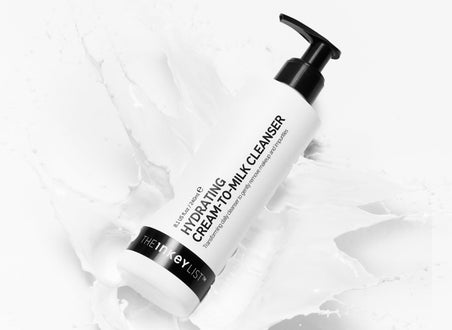
Meet Hydrating Cream-to-Milk Cleanser — your new go-to for soft, balanced, and hydrated skin. Powered by 5% Rice Milk and Hyaluronic Acid, this gentle cream transforms into a silky milk to melt away makeup and grime without leaving skin dry or tight. Think deep cleanse, zero drama. Just calm, hydrated skin that feels good all day.

If your skin feels tight after cleansing, looks dull despite moisturising, or fine lines are becoming more noticeable, dehydration may be the underlying issue. Hyaluronic acid is a naturally occurring molecule in the skin that plays a critical role in maintaining hydration, elasticity, and barrier function—but levels decline steadily from our mid-twenties onwards. This article explains how to recognise the key signs your skin may be lacking hyaluronic acid, why hydration loss affects skin appearance and comfort, and how a well-formulated hyaluronic acid serum can help restore moisture balance, support skin recovery, and improve overall skin health.

If you’re using hydrating products and not seeing results for dry skin, there are numerous reasons why this could be happening. Let’s take a look at the 5 best ingredients for dry skin.
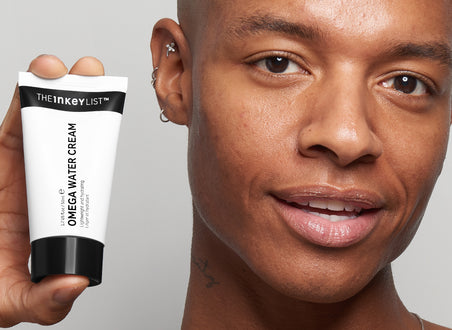
Not sure where to start with moisturisers? We don’t blame you. This lightweight, oil-free moisturiser is the answer to everyone’s moisturizer questions.
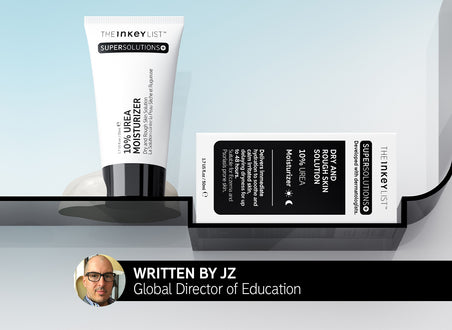
If you are looking for an ingredient that has dual benefits of effectively moisturizing and exfoliating dead skin buildup simultaneously, look no further than Urea. At The INKEY List, we believe it is the next trend ingredient! For those with dry or rough skin texture or those that are prone to eczema or psoriasis, we have your Solution.

It’s fair to say that acne is usually associated with oily skin, or those with normal to combination skin who also experience excess oil. It is less common, but dry skin types can absolutely experience acne, and it can be a hard situation to address – particularly when deciding which skincare to use.

Cassandra Bankson & Dr Kemi share some amazing tips to help better treat your skin in the winter months and walk us through a step by step routine that you can try at home!
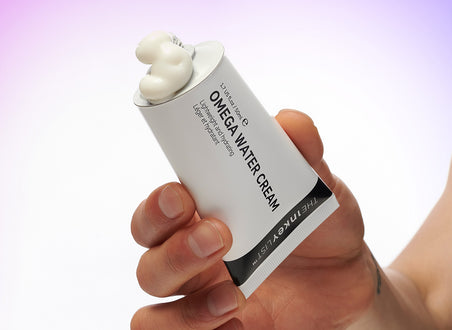
A moisturiser is a must-have in any skincare routine. Right up there with an effective cleanser, a hydrating step, lotion, or oil can make all the difference for any skin type, and is a pillar in an effective regime. But with so many around and lots of conflicting advice, it can be tough to know how to pick, apply, and make the best of your moisturiser. Fear not; we’ve laid everything out that you need to know to make the process easier and more straight forward than ever.


