



Can You Use Vitamin C and Retinol Together?
Vitamin C and Retinol are not enemies. Use one in the morning, one at night, and you get brighter, smoother skin around the clock.
Author
askINKEY skincare advisor
Published
17 May, 2026
Time to read
14 minutes
Yes, you can use Vitamin C and Retinol together, and most people should. The simplest way to do it is to apply Vitamin C in the morning and Retinol at night, which gives you the benefits of both without asking your skin to handle two strong actives at the same moment.
That is the short answer. The longer answer is worth reading, because the question “can you use Vitamin C and Retinol together” has been answered badly online for years, and the bad answer has cost a lot of people a lot of results. Somewhere along the way, these two ingredients were cast as enemies. They are not. They are closer to colleagues working different shifts.
This guide covers what each ingredient actually does, where the “never mix them” myth came from and why it does not apply to most modern formulas, the exact AM and PM routine to follow, what else you can safely layer alongside them, and how long it realistically takes to see a difference. No hedging, no filler.
What Vitamin C and Retinol Actually Do for Your Skin
Before you can sequence two ingredients sensibly, you need to know what each one is for. A surprising number of routines fail not because the products are wrong but because the person using them has two products doing the same job and none doing another.
Vitamin C: Your Morning Antioxidant and Brightening Step
Vitamin C is a daytime ingredient, and that is not an arbitrary convention. It is an antioxidant, which means its main job is defensive. Throughout the day your skin is exposed to environmental aggressors, UV light and pollution among them, and these contribute to the free radical damage associated with dullness, uneven tone and visible signs of ageing over time. An antioxidant helps neutralise that damage. Applying it in the morning puts the protection in place before the exposure happens, which is a bit like putting a coat on before you go outside rather than after you get back.
The second thing Vitamin C is known for is brightness. This is the benefit most people notice first and the reason it has such a devoted following. Used consistently, Vitamin C helps visibly even out skin tone, soften the look of dark marks and post-blemish discolouration, and give skin that lit-from-within quality that is difficult to describe but immediately obvious when you see it. If your complaint is “my skin looks tired” or “my tone is patchy,” Vitamin C is usually the answer.
It is worth being precise about what brightening means here, because the word gets used loosely. Vitamin C is not bleaching anything. It is helping your skin look clearer and more uniform, which reads to the eye as brighter. If uneven tone is your main concern, our guide to hyperpigmentation goes deeper into why those marks form and what genuinely helps fade their appearance.
Not all Vitamin C is the same, and this matters enormously for the myth we are about to dismantle. There are many forms of Vitamin C used in skincare, and they differ in stability, strength and how likely they are to irritate. The most famous is L-Ascorbic Acid, the purest and most potent form, but also the least stable and the most demanding to formulate with. Derivatives such as Ascorbyl Glucoside are gentler, more stable, and considerably easier for most skin types to tolerate. Our full Vitamin C guide breaks down the differences properly.
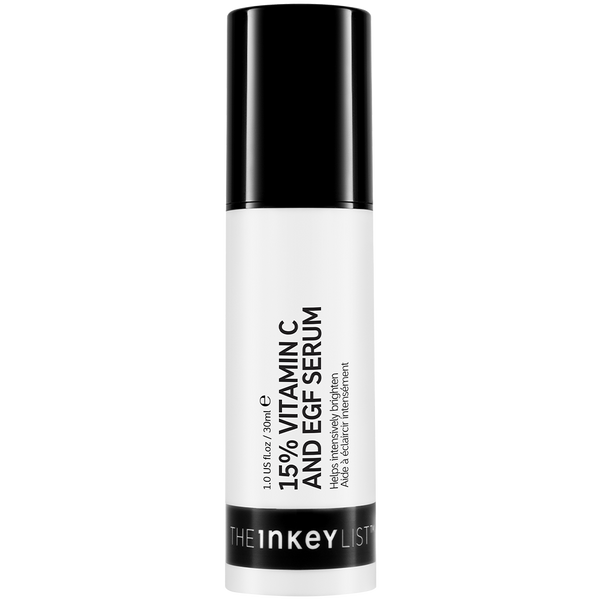
Our 15% Vitamin C + EGF Serum uses Ascorbyl Glucoside, a stable derivative, which is precisely why it plays so well with the rest of a routine.
Retinol: Your Overnight Renewal Step
Retinol is a Vitamin A derivative and it is the most well-established ingredient in skincare for the visible signs of ageing. It works with your skin’s natural renewal cycle, and the visible outcome over time is smoother texture, a softer look to fine lines, more refined-looking pores and a general sense that your skin looks fresher and more even.
Retinol goes at night for two practical reasons. First, it is a step that benefits from uninterrupted time on the skin, and overnight is when you are not layering makeup, SPF or anything else over the top. Second, Retinol can make skin feel more reactive to sunlight while you are using it, so keeping it to the evening and pairing it with diligent daily SPF is simply the sensible approach.
Retinol also asks something of you that Vitamin C generally does not, which is patience and restraint. It is not a more-is-better ingredient. Starting slowly and building up is not a cautious suggestion, it is the actual instruction, and we will cover exactly how to do that further down. If you are curious about strengths, our post on why a higher percentage does not equal better results is worth ten minutes of your time.
There is also more than one type of Retinoid. Retinol and Retinal are related but not identical, and the difference affects both speed and tolerance. That comparison has its own home in our Retinol vs Retinal guide, so we will not repeat it here. For the full picture on how the ingredient works and who it suits, see our Retinol guide.
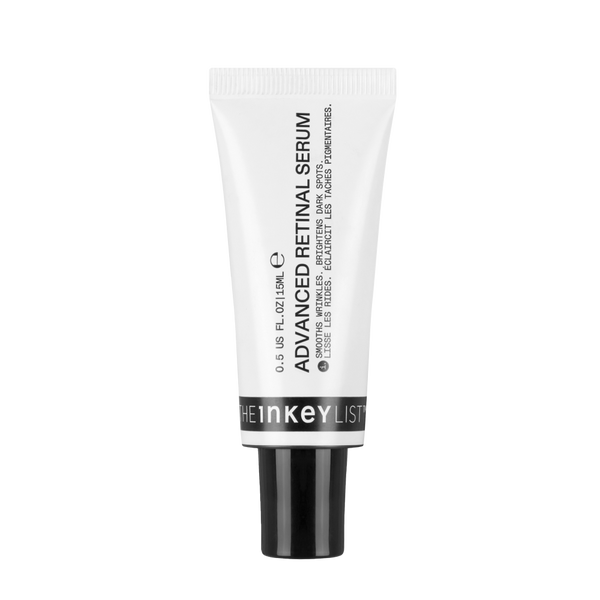
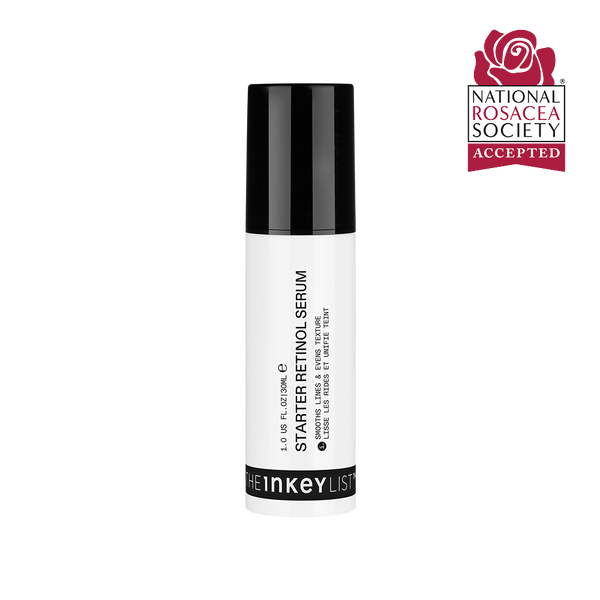
Whether you choose our Starter Retinol Serum or the Advanced 0.2% Retinal Serum comes down to experience level rather than ambition.
Why the Pairing Works So Well
Here is the part that makes the whole question worth asking in the first place. Vitamin C and Retinol are not redundant. They target genuinely different concerns through genuinely different routes, and the results compound.
Think of it in terms of a working day:
- Morning, Vitamin C. Defends against environmental damage and works on tone and brightness.
- Daytime, SPF. Protects everything you have just applied and everything underneath it.
- Evening, Retinol. Works on texture, fine lines and overall smoothness while you sleep.
- Overnight, recovery. Your skin does its own thing, supported rather than interrupted.
You end up with a routine that covers protection and renewal, tone and texture, day and night. Neither ingredient on its own does all of that. Together they cover far more ground than either does alone, which is exactly why the “never combine them” advice was so costly.
That advice, though, did come from somewhere. It is worth understanding where, because once you see the origin, you will see why it almost certainly does not apply to you.
Why People Say Not to Use Vitamin C and Retinol Together
The myth is one of the stickiest in skincare, and like most sticky myths it started with something true and then lost all its nuance in transit.
The Narrow Truth Behind the Rumour
The concern traces back to pH. L-Ascorbic Acid, the pure form of Vitamin C, needs a low pH environment to stay stable and effective, typically below 3.5. Retinol prefers a more neutral pH. The theory went that if you apply these two together, each one drags the other out of its ideal range and both become less effective.
There is a kernel of real chemistry in that. It is also almost entirely a formulation concern rather than a bathroom-shelf concern, and it applies specifically to pure L-Ascorbic Acid. The moment you are using a stable Vitamin C derivative, the premise falls apart.
The second strand of the myth is more reasonable, and it is about tolerance rather than chemistry. Both Vitamin C in its strongest form and Retinol can be demanding ingredients. Stack two demanding actives on the same skin at the same moment, particularly if that skin is new to both, and you may well end up with tightness, redness and flaking. The person who experiences that concludes the ingredients “clashed.” What actually happened is that they did too much, too quickly. That is a dosing problem wearing a chemistry costume.
The advice to keep Vitamin C and Retinol apart was never really about the ingredients being incompatible. It was about not overwhelming your skin. Separate them by time of day and the problem solves itself.
Why It Does Not Apply to Most Modern Formulas
Our Vitamin C serum is formulated with Ascorbyl Glucoside, a stable derivative that does not require the aggressively low pH that L-Ascorbic Acid does. It is gentler, it holds up better over time, and it does not create the destabilising tug-of-war the original myth describes. So the specific technical objection at the root of “never mix them” simply does not apply here.
This is a good example of why blanket ingredient rules are unhelpful. “Vitamin C and Retinol do not mix” collapses a narrow, formulation-specific point about one particular form of one particular ingredient into a universal ban. Formulation is the detail that decides the answer, every time.
What the AM/PM Split Is Really Solving
If the chemistry objection is largely resolved, why still separate them?
Because separating them is genuinely the better routine, for reasons that have nothing to do with pH:
- Each ingredient works when it is most useful. An antioxidant is most valuable during daytime exposure. A renewal step is most valuable overnight.
- Your skin barrier gets a manageable workload. Two strong actives spread across twelve hours is far easier to tolerate than two in the same five minutes.
- You can actually troubleshoot. If something stings or flakes, you know which step to adjust. Apply everything at once and you are guessing.
- Consistency becomes realistic. A routine that never irritates is a routine you keep doing, and consistency beats intensity every single time in skincare.
Retinol does have genuine no-go pairings, and those are covered properly in what not to mix with Retinol. Vitamin C is not one of them.
So the question is settled. What remains is the practical part, and this is the section most people come back for.
The AM/PM Method: How to Layer Vitamin C and Retinol
This is the routine. It is deliberately simple, it is built around the general principle of applying products from thinnest to thickest, and it works for most skin types. If you want the underlying logic in more detail, our guide to how to layer skincare covers the full framework.
Your Morning Routine, Step by Step
- Cleanse. A gentle cleanser to remove the residue of the night before. Nothing stripping.
- Vitamin C serum. Apply the 15% Vitamin C + EGF Serum to clean, dry skin. This is your antioxidant and brightening step, and it wants to go early so it sits close to the skin rather than on top of heavier layers.
- Hydrating serum, optional. If your skin runs dry or you simply like more cushion, a Hyaluronic Acid Serumhere draws water into the upper layers and makes everything that follows feel more comfortable.
- Moisturiser. The Vitamin B, C and E Moisturiser is a natural partner to a Vitamin C step. If your skin prefers something richer or your barrier is feeling fragile, the Bio-Active Ceramide Moisturiser is the better pick.
- SPF, every single day. Non-negotiable. Our Dewy Sunscreen SPF 30 layers cleanly over serums without pilling or leaving a cast.
The single most common morning mistake is skipping step five. Using Vitamin C without SPF is like paying for insurance and then never filing a claim. The two work as a pair, and we explain exactly why in Vitamin C and SPF, why you always need both.
If you are wondering whether morning is definitively the right slot for Vitamin C, our post on when to use Vitamin Ccovers the exceptions and the reasoning.
Your Evening Routine, Step by Step
- Cleanse thoroughly. Remove makeup, SPF and the day. A double cleanse is sensible if you have worn makeup or a heavier sunscreen, because Retinol applied over residue is Retinol wasted.
- Let skin dry completely. Give it a few minutes. Applying Retinol to damp skin can increase how intensely it is absorbed, which sounds appealing but usually just means more irritation.
- Retinol. A pea-sized amount for the whole face. Start with the Starter Retinol Serum if you are new to Retinoids, or the Advanced 0.2% Retinal Serum if your skin is already comfortable with them. More product does not mean faster results, it means a higher chance of irritation.
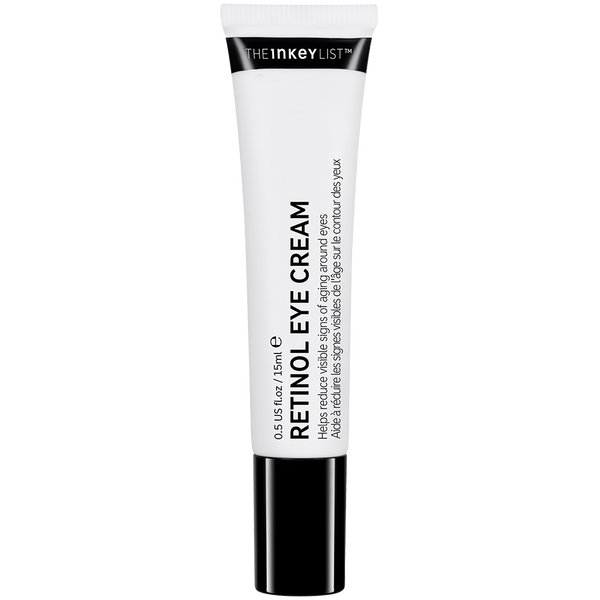
- Eye area, optional. The Retinol Eye Cream is formulated specifically for the thinner, more delicate skin around the eyes. Do not substitute your face Retinol here.
- Moisturiser. Seal everything in. The Bio-Active Ceramide Moisturiser is particularly well suited to Retinol nights, since ceramides support the skin barrier at exactly the moment it appreciates the help.
The Buffering Technique for Sensitive Skin
If Retinol feels like too much on its own, buffer it. Apply your moisturiser first, wait a couple of minutes, then apply Retinol on top. This slows and softens delivery. You are not reducing the strength of the product, you are giving your skin a gentler introduction to it.
There is also the moisture sandwich, which is exactly what it sounds like: a light hydrating layer, then your active, then moisturiser on top. It is one of the most useful techniques for anyone who wants to use Retinol but has skin that pushes back. We have written a full method guide in the moisture sandwich method.
Building Up Your Retinol Frequency
Do not start nightly. This is the single most common Retinol error and it is entirely avoidable.
- Weeks one and two: two nights per week, non-consecutive.
- Weeks three and four: three nights per week, if your skin is comfortable.
- Weeks five and six: alternate nights.
- Week seven onwards: nightly, but only if your skin is genuinely happy. Plenty of people stay at four or five nights a week permanently and see excellent results.
On your off nights, do not leave your skin idle. Use a hydrating serum and moisturiser, or a niacinamide step to support the look of an even, comfortable complexion. Off nights are recovery nights, not nothing nights.
Can You Ever Use Them at the Same Time?
Some people do use both in the evening, applying Vitamin C first, waiting fifteen to twenty minutes, then applying Retinol. If your skin is well accustomed to both and you have a specific reason to do it, it is possible.
We would not recommend it as a default. You lose the daytime antioxidant benefit entirely, which is much of the point of Vitamin C, and you concentrate all the demand into one part of the day. The AM/PM split gets you more from both ingredients with less risk. If you are going to experiment, do it from a position of stability, not while you are still building tolerance.
Common Layering Mistakes
- Applying Retinol to damp skin and wondering why it stings.
- Using too much product, on the assumption that more equals faster.
- Stacking multiple new actives at once, which makes it impossible to identify the culprit if something goes wrong.
- Skipping moisturiser because your skin is oily. Oily skin still has a barrier and that barrier still needs support.
- Giving up at week three, which is often precisely when things are about to turn a corner.
- Skipping SPF, which quietly undermines everything else you are doing.
Once the AM/PM structure is in place, the interesting question becomes what else you can bring into it. This is where a routine goes from functional to genuinely good.
What to Layer Alongside Vitamin C and Retinol
Vitamin C and Retinol are the actives. Everything else in a well-built routine exists to keep your skin comfortable enough to keep using them. Support ingredients are not filler. They are the reason the actives work.
Hyaluronic Acid: Hydration That Fits Anywhere
Hyaluronic Acid is the most universally compatible ingredient in skincare. It is a humectant, drawing water into the upper layers of the skin, and it does not interfere with any active you pair it with.
Yes, you can use Retinol, Vitamin C and Hyaluronic Acid together. It is one of the most reliable combinations there is. Use it in the morning under moisturiser, at night as part of a moisture sandwich around your Retinol, or both. Apply it to slightly damp skin and follow with moisturiser, otherwise in a dry environment a humectant has less to work with. Our Hyaluronic Acid guide has the full detail.
Niacinamide: The Diplomat
Niacinamide is one of the easiest ingredients to work into an existing routine. It supports the look of a balanced, even complexion, helps refine the appearance of pores, and generally makes skin look calmer and more uniform.
There was a period when people believed Niacinamide and Vitamin C could not be combined. That claim rested on old research using conditions that do not reflect how modern products are formulated or used, and it has been largely set aside. Our Niacinamide Serum sits comfortably in either routine. It is a particularly good off-night option when you are building Retinol tolerance.
Ceramides and Peptides: Barrier and Firmness Support
If Retinol is asking your skin to renew itself more actively, ceramides are what keep the barrier comfortable while it does. Ceramides are naturally present in your skin and help hold everything together. Adding them topically supports skin that feels resilient rather than tight, which in turn means you can keep using your actives consistently.
Peptides are worth knowing about too. They support the look of firmness and bounce, and they are gentle enough to slot in alongside almost anything.
Exfoliating Acids: Yes, but Not All at Once
You can use exfoliating acids alongside Vitamin C and Retinol, but this is where restraint genuinely matters.
Glycolic Acid works on surface texture and radiance. Salicylic Acid is oil-soluble, so it gets into pores, which makes it useful for congestion and blemish-prone skin.
The rule is straightforward: do not use an exfoliating acid on the same night as Retinol, at least not while you are establishing your routine. Give acids their own night. One to two nights a week is plenty for most people. If your skin ever feels tight, shiny in a taut way, or unusually sensitive, drop the acids first and let things settle.
Where the Exosome Glow Serum Fits
If Vitamin C handles brightness and Retinol handles texture, the Exosome Glow Serum is the glow boosting step that layers happily with both.
The claims below are the clinically supported ones:
- 100% saw more glowing skin, clinically proven*
- Clinic worthy rejuvenated skin in 14 days*
- 55% reduction in visible signs of skin stress (redness, puffiness, visible irritation)**
- 63% increase in skin renewal activity in 8 hours**
- 6-in-1 skin rejuvenation: clinically proven to visibly improve radiance, hydration, tone, firmness, elasticity, and texture*
- Proven to deliver up to 12-hours of hydration**
- Helps support natural collagen production
\4-week clinical study of 26 people*
\*Clinical study of 31 people*
\**In-vitro testing of Cica Exosomes showed a 55% reduction in pro-inflammatory markers and a 63% increase in markers associated with skin renewal after 8 hours.*
The reduction in visible signs of skin stress is what makes it such a natural partner to a Retinol routine, since that adjustment period is exactly when skin tends to look a little reactive. Apply it after cleansing and before moisturiser, morning or evening. For more on how it works alongside a Retinoid, see boost your Retinol results with Exosome, and our Exosomes guide explains the ingredient properly.
A Realistic Full Routine
Morning: Cleanse, Vitamin C, Hyaluronic Acid, moisturiser, SPF.
Retinol nights: Cleanse, Retinol, moisturiser.
Off nights: Cleanse, Exosome Glow Serum or Niacinamide, moisturiser.
Acid night, once or twice weekly: Cleanse, exfoliating acid, moisturiser. No Retinol.
That is it. Five products in the morning at most, three at night. Routines fail from being overloaded far more often than from being too sparse.
Protecting Your Results with SPF and Patch Testing
Two habits determine whether a Vitamin C and Retinol routine works or quietly falls apart. Neither is glamorous. Both matter more than any serum you own.
SPF Is the Non-Negotiable Step
Using Vitamin C and Retinol without daily SPF is genuinely counterproductive. Vitamin C is defending against environmental damage, so leaving skin unprotected undoes a good portion of that work. Retinol can leave skin more reactive to sunlight, which makes protection more important, not less. And if you are using either ingredient to address uneven tone or dark marks, unprotected sun exposure is the fastest way to reverse your progress.
Apply SPF as the last step of your morning routine, every day, including cloudy days and days spent largely indoors near windows. Use enough, which is more than most people apply, and reapply if you are outside for extended periods. Our Dewy Sunscreen SPF 30 is designed to layer over serums without pilling, which removes the main practical excuse for skipping it. For the full picture on filters and application, our SPF guide is the place to start.
The most effective anti-ageing product in your routine is the one you apply last every morning.
Patch Testing Is Not Optional Either
Before introducing any new active, patch test. It takes a few minutes and it prevents the scenario where you apply something new to your whole face and spend the next week regretting it.
- Apply a small amount to a discreet area, the inner forearm or just behind the jaw.
- Leave it for twenty-four hours.
- Check for redness, itching, stinging or bumps.
- If nothing happens, introduce it to your face gradually rather than all at once.
Our guide on why you need to do a patch test explains the method in more detail.
Understanding the Retinol Adjustment Period
Retinol often comes with an adjustment period. In the first two to six weeks, skin may feel drier than usual, look slightly flaky, or feel mildly tight. This is common and usually temporary.
What is normal: mild dryness, some flaking, slight tightness, a temporary change in how makeup sits.
What is not normal: persistent burning, significant redness that does not settle, swelling, or skin that feels genuinely raw. That is over-exfoliation or a reaction, not adjustment.
If you are in the second category, stop Retinol for several days. Focus on gentle cleansing, hydration and a ceramide-rich moisturiser. When your skin feels normal again, reintroduce Retinol at a lower frequency than before. Reducing frequency is not failure. It is how you get to use the ingredient long term.
Introducing Two New Actives at Once
If both Vitamin C and Retinol are new to you, do not start them in the same week.
- Weeks one to two: Vitamin C in the morning only. Vitamin C is generally the easier of the two to tolerate.
- Weeks three to four: add Retinol, two nights per week.
- Weeks five to eight: build Retinol frequency slowly.
- Week nine onwards: add anything else, one product at a time.
Introducing one variable at a time means that if something goes wrong, you know exactly what caused it. This is the single most useful habit in skincare and almost nobody follows it.
With the routine established and protected, the last question is the honest one: how long before you actually see something.
How Long Until You See Results
Skincare timelines are where a lot of marketing quietly overpromises. Here is a realistic picture, with the caveat that skin varies and consistency matters more than any individual product.
Weeks One to Two
Early days. You may notice your skin feels more hydrated and looks slightly fresher, mostly from the supporting ingredients rather than the actives. Retinol users may be in the adjustment period. Nothing dramatic should be happening yet, and if it is, check your frequency.
Weeks Three to Six
The first genuine changes. Vitamin C users often notice skin looking brighter and more awake, with a subtle evening-out of tone. Retinol users typically notice texture first, with skin feeling smoother. Any adjustment period should be settling.
Weeks Eight to Twelve
Where the routine starts paying off properly. Tone looks more even, dark marks and post-blemish discolouration appear softer, and texture is visibly smoother. Fine lines may start to look less pronounced. This is the point at which people tend to notice in photographs rather than in the mirror.
Three to Six Months and Beyond
The long game. Continued improvement in tone, texture and the appearance of fine lines. The compounding effect of daily SPF becomes genuinely visible around now. Skin looks better because it has been consistently looked after, which is the least exciting and most accurate explanation in skincare.
Why Consistency Beats Intensity
The most common reason people do not see results is not the wrong product. It is inconsistency, stopping at week three, or using so much so quickly that skin gets irritated and the routine gets abandoned.
A gentle routine you follow for six months will outperform an aggressive one you abandon after three weeks. Every single time. Skincare rewards the patient far more than the enthusiastic.
Set a realistic bar. Take a photograph at the start in consistent lighting, then again at eight and twelve weeks. Gradual change is very difficult to perceive day to day, and photographs are the only honest referee.
The Simple Answer, One More Time
Vitamin C and Retinol are not enemies, and they never really were. The rule that kept them apart was a narrow formulation note about one specific form of Vitamin C, inflated into a universal ban by repetition.
The method is genuinely simple. Vitamin C in the morning, to brighten and defend. SPF over the top, every day. Retinol at night, starting at two nights a week and building slowly. Hydration and barrier support throughout, on whatever schedule your skin asks for. Give it eight to twelve weeks before you judge it.
What makes this work is not the sophistication of the routine. It is the fact that it is easy enough to follow when you are tired, travelling or busy. The best routine is the one that survives an ordinary Tuesday. Ambitious routines get abandoned, and abandoned routines deliver nothing at all.
If you are starting from scratch, begin with one ingredient. Get comfortable. Then add the second. Your skin will tell you when it is ready, provided you give it the chance to speak.
Ready to build it? Explore our Vitamin C and Retinol guides to find the right formula for your skin, and see how the Exosome Glow Serum fits alongside both.
Frequently Asked Questions
Got a question?
Our askINKEY team are a friendly bunch of skincare experts with deep product knowledge and zero judgement. Whether you're an ingredient obsessive or just starting out, we'll make it make sense. No question too big. No question too small. We Give A Care, Every Day.


