


Welcome to the INKEY Blog. Where we spread and share our skincare knowledge with you!
Selected filters:

Yes, you can use niacinamide and vitamin C together—in fact, they’re one of the most effective skincare pairings for brighter, healthier-looking skin. Despite a long-standing myth that these ingredients shouldn’t be combined, modern vitamin C formulations are fully compatible with niacinamide and work through different biological pathways to complement one another. In this guide, we explain where the myth came from, how each ingredient works, and why combining them can help improve uneven skin tone, dark spots, excess oil, and skin barrier health. You’ll also learn the correct layering order and how to build a routine that maximises results.

Most people searching for ways to get rid of acne scars naturally aren’t dealing with true scars at all—they’re treating post-blemish marks. The good news? Flat red (PIE) and dark (PIH) marks can often be significantly improved at home with the right skincare routine. In this guide, we explain the difference between post-blemish marks and structural acne scars, the ingredients that genuinely help fade discolouration, and why DIY remedies like lemon juice and toothpaste often do more harm than good. Discover the science-backed routine, daily habits, and skincare ingredients that help promote clearer, more even-looking skin over time.

Salicylic acid is well known for treating breakouts, but can it also fade the marks they leave behind? The answer depends on the type of mark you’re dealing with. While salicylic acid can help improve flat post-blemish marks by increasing cell turnover and reducing inflammation, it won’t treat indented acne scars caused by collagen loss. In this guide, we explain the difference between true acne scars and post-blemish marks, how salicylic acid works on each, and whether a cleanser or leave-on serum delivers the best results. Discover how to build an effective routine that supports clearer, more even-looking skin.

Azelaic acid is one of the most effective ingredients for fading certain types of post-blemish marks—but it’s important to know what it can and can’t do. While it helps reduce red marks (post-inflammatory erythema) and dark marks (post-inflammatory hyperpigmentation), it won’t improve indented acne scars caused by collagen loss. In this guide, we explain the different types of post-blemish marks, how azelaic acid works to target redness and pigmentation, realistic timelines for results, and the best ingredients to pair with it. Discover how to build a routine that supports clearer, more even-looking skin over time.

If you have oily or acne-prone skin, you might assume hydrating ingredients will only make breakouts worse. But glycerin works differently. As a lightweight humectant, it attracts water to the skin without adding oil or clogging pores, making it one of the best ingredients for keeping blemish-prone skin hydrated and balanced. In this guide, we explain why oily skin still needs hydration, whether glycerin can cause breakouts, and the science behind its non-comedogenic reputation. You'll also discover how glycerin works alongside ingredients like Salicylic Acid and Niacinamide to support clearer, healthier-looking skin without compromising your skin barrier.

Back acne in females is often driven by more than clogged pores alone. Hormonal fluctuations linked to the menstrual cycle, PCOS, pregnancy, perimenopause, and stress can all increase sebum production, making the upper back, shoulders, and chest especially prone to breakouts. Female-specific factors such as sports bras, bra straps, hair products, and tight activewear can make the problem worse. In this guide, we explore the hormonal and physical causes of female back acne, how to identify whether your breakouts are hormone-related, and the ingredients that help keep pores clear. Discover the science-backed routine for treating and preventing recurring bacne

Sensitive skin and breakouts can feel like an impossible combination. Many blemish treatments are designed to be aggressive, often leaving reactive skin red, dry, and even more irritated. But treating breakouts doesn’t have to come at the expense of your skin barrier. In this guide, we explain why sensitive skin and blemishes often go hand in hand, the ingredients that help clear spots without triggering irritation, and the common mistakes that can make both concerns worse. From Niacinamide and Salicylic Acid to barrier-supporting moisturisers and gentle cleansing, discover a routine designed to calm, balance, and support clearer-looking skin.

Blackhead prevention starts long before a blackhead appears. While pore strips and extractions can remove visible congestion, they don’t address the underlying causes: excess oil production and the buildup of dead skin cells inside the pore. In this guide, we explain the science behind recurring blackheads and the ingredients that help stop them forming in the first place. From Salicylic Acid and Niacinamide to retinoids, lightweight moisturisers, and daily SPF, discover the routine that targets blackheads at every stage of the cycle. Plus, learn the habits that support clearer pores and why consistency matters more than quick fixes.

How often should you double cleanse? For most people, the answer is simpler than you might think: once every evening. Double cleansing is designed to remove the buildup of SPF, makeup, excess oil, and daily environmental pollutants that accumulate on the skin throughout the day. In this guide, we explain the science behind the two-step cleansing method, why evening is the ideal time to do it, and how to adapt your routine based on your skin type. You'll also learn the signs your current cleansing routine may not be doing enough and how consistent double cleansing can help keep skin clearer, brighter, and more receptive to skincare.

Applying SPF every day is one of the best things you can do for your skin — but removing it properly is just as important. Because sunscreen is designed to resist water, sweat, and friction, a single cleanse often isn’t enough to fully remove it from the skin. Left behind, SPF residue can contribute to congestion, dullness, and reduced effectiveness of your evening skincare products. In this guide, we explain why sunscreen is so difficult to remove, the science behind double cleansing, and how to choose the right cleanser pairing for your skin type. Discover the simple routine that helps keep skin clear, balanced, and healthy.

Does oily skin really need moisturiser? Absolutely — and skipping it could be making your skin even oilier. While it may seem counterintuitive, oily skin still needs hydration, and a lack of moisture can trigger increased sebum production as the skin tries to compensate. In this guide, we explain the science behind oily skin and hydration, what to look for in a moisturiser, which ingredients to avoid, and why lightweight water creams are often the best choice. You’ll also discover how ingredients like Niacinamide, Glycerin, and Ceramides help balance oil, support the skin barrier, and keep skin hydrated without feeling greasy.

Oily skin is one of the most common skin types, but it’s also one of the most misunderstood. While excess oil production is largely driven by genetics and hormones, factors like over-cleansing, skipping moisturiser, stress, and dehydration can all make shine worse. In this guide, we break down the biology of oily skin, explain why your skin may still feel greasy after washing, and uncover the most common causes of excess sebum production. You’ll also discover the ingredients that actually work — including Niacinamide and Salicylic Acid — plus a simple routine to help balance oil, minimise congestion, and support healthier-looking skin.

Salicylic acid is one of the most effective ingredients for blackheads because it works where blackheads actually form: inside the pore. Unlike surface exfoliants that only remove dead skin cells from the skin’s surface, salicylic acid is oil-soluble, allowing it to penetrate through sebum and dissolve the plug of oil and dead skin cells that creates a blackhead. In this guide, we explore the science behind how salicylic acid works, what results you can realistically expect, and how to build a routine that helps clear existing blackheads while preventing new ones from forming.

Sebaceous filaments and blackheads may look similar, but they are not the same thing. While blackheads are blocked pores caused by excess oil and dead skin cells, sebaceous filaments are a completely normal part of skin anatomy that help transport sebum to the skin’s surface. Understanding the difference is key to choosing the right treatment and avoiding harsh extraction methods that can damage your pores. In this guide, we explain how to identify each concern, why sebaceous filaments can’t be permanently removed, and the ingredients that help minimise their appearance. Discover the science-backed approach to clearer-looking pores.

Blackheads on the nose are one of the most common skincare concerns — and one of the most misunderstood. Because the nose contains the highest concentration of oil-producing glands on the face, it is naturally more prone to congestion, enlarged-looking pores, and blackheads. But not every dark dot is a blackhead; many people are actually seeing sebaceous filaments, a normal part of skin anatomy. In this guide, we explain the difference, explore why nose blackheads form, and break down the ingredients and routines that genuinely work. From Salicylic Acid to Niacinamide, discover the science-backed approach to clearer-looking pores.

Acne vulgaris is simply the medical term for common acne - the world’s most prevalent skin condition. While the name can sound intimidating, it refers to the same blackheads, whiteheads, and breakouts that affect up to 85% of people at some point in their lives. In this guide, we explain what acne vulgaris is, why it develops, the different types of acne lesions, and how dermatologists classify severity. You'll also discover the key ingredients proven to help manage blemish-prone skin, from Salicylic Acid and Niacinamide to targeted spot treatments, so you can make informed decisions about your skincare routine.

Can stress cause breakouts? The science says yes. When you're stressed, your body releases cortisol, a hormone that increases oil production, triggers inflammation, and creates the ideal conditions for blemishes to form. While stress-related breakouts can feel sudden and unpredictable, the biological pathway behind them is well understood. In this guide, we explain how stress affects your skin, how to tell stress breakouts apart from hormonal blemishes, and the ingredients that can help manage them. From Salicylic Acid to Niacinamide, discover the targeted skincare approach that helps keep stress-driven spots under control.

Adult acne is far more common than most people realise, affecting up to 40% of women after the age of 25. Unlike teenage acne, adult breakouts are often driven by hormonal fluctuations, stress, slower skin cell turnover, and lifestyle factors, appearing most commonly along the jawline, chin, and neck. Adult skin also presents unique challenges, balancing breakouts alongside dryness, sensitivity, and early signs of ageing. In this guide, we explore what causes adult acne, why it behaves differently from teenage acne, and the skincare ingredients and routines that can help manage breakouts effectively without compromising your skin barrier.

Can diet cause acne? The science suggests it can play a role for some people, but it’s rarely the whole story. Research has linked high-glycaemic foods, refined sugars, and liquid cow’s milk to increased breakout frequency in susceptible individuals, while emerging evidence highlights a potential connection between gut health and skin inflammation. In this guide, we explore what the research actually shows about diet and acne, where the evidence is strongest, and what practical steps may help support clearer-looking skin. Plus, discover the skincare ingredients that directly target the pore-level causes of breakouts for more reliable, everyday results

Struggling with deep, painful breakouts that seem impossible to clear? Cystic acne is the most severe form of inflammatory acne, developing deep beneath the skin and often leaving behind stubborn marks or scarring. In this comprehensive guide, we break down what cystic acne is, what causes it, how it differs from other acne types, and the ingredients that can help manage it effectively. From salicylic acid and niacinamide to practical skincare routines and expert-backed treatment advice, discover how to take a consistent, science-led approach to clearer, healthier-looking skin.

Hormonal acne is one of the most common forms of adult acne, driven by hormone fluctuations that increase oil production and trigger deep, recurring breakouts—often around the chin and jawline. This guide explores the causes, signs, effective skincare ingredients, and expert-backed strategies to help manage hormonal acne and achieve clearer skin

Fungal acne may look like regular breakouts, but it's actually caused by an overgrowth of yeast, not bacteria. In this guide, we explain how to spot the signs, understand the triggers, and find the right treatment, plus how to build a skincare routine that supports clearer, healthier skin.

SPF 30 or SPF 50? The difference is smaller than most people think - but how you apply sunscreen matters far more than the number on the bottle. In this evidence-based guide, we break down what SPF ratings actually mean, why most people aren’t getting the protection they think they are, when SPF 50 is genuinely worth it, and how UV exposure changes across different US climates. From tanning myths to application mistakes, this is your practical, no-nonsense guide to choosing the right SPF for your skin, lifestyle, and daily routine.

Mineral vs chemical sunscreen: one of skincare’s biggest debates - and one of its most misunderstood. Both protect effectively against UV damage, but they differ in texture, finish, and wearability. This guide breaks down the real science behind both filter types, the truth about “chemical sunscreen” myths, and how to choose the SPF you’ll actually wear every day.

Reapplying sunscreen is the part of SPF that actually keeps your skin protected - but for most people, makeup gets in the way. This guide explains why sunscreen needs topping up throughout the day, how often to reapply, and the easiest ways to layer SPF over makeup without ruining your base. From beauty blender techniques to common SPF mistakes, here’s everything you need to know for real-world sun protection.

Daily SPF is not just a summer habit - it is one of the most important long-term investments you can make in your skin health. In this guide, we break down the science behind year-round UV exposure, explain the difference between UVA and UVB rays, and explore why winter, cloudy days, indoor light through windows, and even daily commutes still expose your skin to cumulative damage. Backed by clinical research and UK seasonal UV data, this article explains exactly how daily broad-spectrum SPF helps prevent premature ageing, pigmentation, collagen breakdown, and long-term skin damage - while showing you how to build an effective winter skincare routine around it.

Learn how long skincare products really last, what the PAO symbol means, and how to store your skincare properly to keep formulas safe, stable, and effective. From Vitamin C and retinoids to cleansing balms and eye creams, this complete guide explains what causes products to expire, when a skincare fridge helps (and when it doesn’t), plus the warning signs a product has gone off.

Skincare acids can transform your skin - when you know which one to use. From glycolic acid for glow and texture, to salicylic acid for breakouts and PHAs for sensitive skin, this guide breaks down exactly what each acid does, who it’s best for, and how to use it safely for clearer, brighter, healthier-looking skin.

Men’s skin is biologically different - producing more oil, experiencing regular shaving stress, and often dealing with larger pores, congestion, and sensitivity. This complete guide breaks down exactly how to build an effective men’s skincare routine, from cleansing and hydration to shaving care, beard maintenance, and product layering. Whether you are starting from scratch or refining your current routine, discover the essential ingredients, routines, and expert-backed tips that help keep male skin clear, healthy, and protected every day

Your skin doesn’t need the same routine all year round - and treating it like it does could be holding your skin back. From winter dryness and barrier disruption to summer oiliness and breakouts, seasonal changes directly affect how your skin behaves. In this complete guide, we break down exactly how to adapt your skincare routine for spring, summer, autumn, and winter, including the products to switch, the ingredients to prioritise, and the signs your skin is giving you each season. Whether your skin is feeling dehydrated, congested, dull, or sensitive, this guide will help you build a routine that works with your skin all year long.

Your skin deserves more than a one-size-fits-all routine. This complete skincare guide breaks down exactly how to build an effective AM and PM routine based on your skin type - whether you’re oily, dry, combination, sensitive, or blemish-prone. From identifying your true skin type to choosing the right actives, layering products correctly, and avoiding the most common skincare mistakes, this guide gives you everything you need to create a routine that actually works. Featuring step-by-step routines, expert ingredient advice, and tailored product recommendations from The INKEY List.

Niacinamide is one of the most effective - and easiest - skincare ingredients to add to your routine. In this complete guide, discover exactly how to use niacinamide serum for clearer, more balanced skin, including when to apply it, how to layer it correctly, what products pair best with it, and how long results realistically take. Whether your skin is oily, dry, blemish-prone, or sensitive, this guide breaks down the routines, mistakes to avoid, and expert application tips that make niacinamide work harder for your skin.

Discover whether vitamin C really causes breakouts - and why the answer is more nuanced than you think. This guide breaks down the difference between purging and true breakouts, explains how formulation and ingredient choice impact blemish-prone skin, and explores why vitamin C can actually help reduce inflammation and fade post-blemish marks. Learn how to introduce vitamin C safely into your routine, what ingredients to avoid pairing it with, and why gentle derivatives like Ascorbyl Glucoside may be the key to brighter, clearer-looking skin

Think hyaluronic acid is only for dry or ageing skin? Think again. If your skin is blemish-prone, breakout-prone, or constantly feels stripped by spot treatments, hyaluronic acid may be the missing step in your routine. Far from clogging pores or causing breakouts, this lightweight humectant helps replenish hydration, support the skin barrier, and create healthier conditions for clearer skin. In this guide, we break down exactly how hyaluronic acid works for blemish-prone skin, whether it can trigger spots, how it supports recovery from breakouts, and the best way to layer it into your routine using INKEY favourites like the Hyaluronic Acid Serum, Salicylic Acid Cleanser, and Omega Water Cream.

Niacinamide is one of the most effective and well-tolerated ingredients for blemish-prone skin - and the science behind it is stronger than most people realise. This guide breaks down exactly how niacinamide helps reduce breakouts through four clinically backed mechanisms: calming inflammation, regulating excess oil, supporting the skin barrier, and helping fade post-breakout marks. We also answer the most searched questions around niacinamide and acne - including whether it causes purging (it doesn’t), whether it can worsen breakouts, and how to build it into a routine that actually works.

Think oily skin doesn’t need hydration? Think again. Hyaluronic acid is one of the best ingredients for oily and blemish-prone skin because it hydrates with water - not oil. In this guide, we break down why oily skin can still be dehydrated, how hyaluronic acid helps balance excess sebum, and why pairing it with niacinamide creates the ultimate routine for clearer, healthier-looking skin. From debunking common myths to explaining the science behind hydration and oil production, discover exactly how to use hyaluronic acid for balanced, shine-controlled skin without heaviness or clogged pores.

The INKEY Oat Cleansing Balm costs just 15p per cleanse - and that number changes everything. Clinically proven to remove waterproof makeup and SPF while supporting the skin barrier, this oat-powered formula delivers approximately 100 uses per tube for £15. In this guide, we break down why cleansing balms outperform wipes and foaming cleansers, what makes oat kernel oil so effective for sensitive skin, and why cost-per-use is the smartest way to shop skincare.

If you’ve started using azelaic acid and suddenly noticed a few new blemishes, don’t panic - you may be experiencing a temporary skin adjustment known as purging. In this guide, we break down exactly how azelaic acid works, whether it can truly cause purging, how long it typically lasts, and how to tell the difference between purging and a real breakout or irritation reaction. You’ll also learn how to minimize the likelihood of purging with the right routine and discover when it’s time to pause and seek advice. Featuring INKEY’s 10% Azelaic Acid Serum, this blog covers everything you need to feel confident introducing this redness-reducing, blemish-targeting ingredient into your skincare routine.

Sensitive skin starts with the right cleanse. In this guide, we break down the everyday cleansing mistakes that quietly damage your skin barrier - from harsh foaming formulas to overwashing and hot water - and explain exactly what to look for in a gentle, barrier-supporting cleanser. Discover the ingredients that truly soothe reactive skin, why cleansing balms are one of the best formats for sensitive complexions, and the best fragrance-free cleansers to keep skin calm, hydrated, and comfortable every day.

Discover how to choose the best cleanser for blemish-prone skin with this expert guide to the ingredients, formulas, and routines that actually make a difference. From salicylic acid and zinc to common cleansing mistakes that can worsen breakouts, learn how to clear congestion without stripping your skin barrier - plus the best INKEY cleansers for oily, congested, and breakout-prone skin.

Smart skinimalism is the 2026 skincare trend redefining results through simplicity. Backed by science, this approach prioritises skin barrier health and multi-functional ingredients over excessive layering. Discover why simplified routines can reduce irritation by up to 40% and how to build an effective, evidence-based 3-step routine for healthier, more resilient skin.

Struggling with persistent breakouts, pigmentation, or excess oil? The 360 Skin Clearing Serum is here to change your skincare game. This all-in-one formula is designed to visibly improve blemish-prone skin by targeting every stage of a breakouts.
NEW
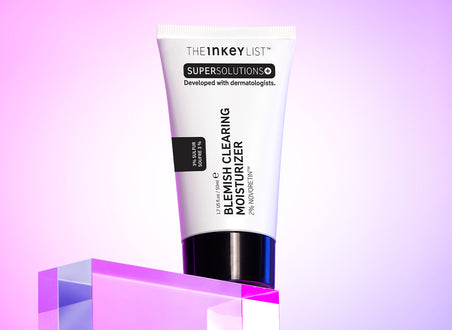
Introducing new Blemish Clearing Moisturizer 2% NovoRetinᵀᴹ. A breakthrough moisturizer that’s clinically proven to help fight and reduce blemishes overnight while providing the essential moisturisation that is needed for blemish-prone skin.

If you struggle with breakouts, you’ve probably heard of these ingredients before: Salicylic Acid and Benzoyl Peroxide. Both are key for keeping skin clear and smooth, but they do so in totally different ways.
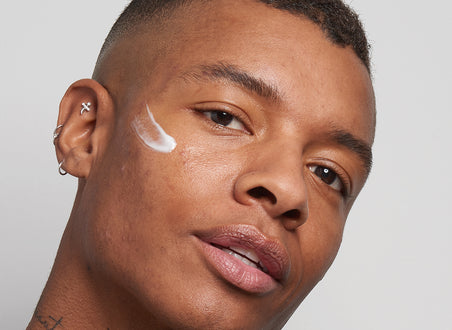
Why does it seem like products become less effective over time? There are a few reasons why this might be the case. We’ll break down the most common reasons we get this question below.

Clogged pores occur when oil and dead skin cells build up inside of pore linings and they expand to accommodate it. Here are our derm-recommended tips for dramatically smaller-looking pores.

It’s fair to say that acne is usually associated with oily skin, or those with normal to combination skin who also experience excess oil. It is less common, but dry skin types can absolutely experience acne, and it can be a hard situation to address – particularly when deciding which skincare to use.
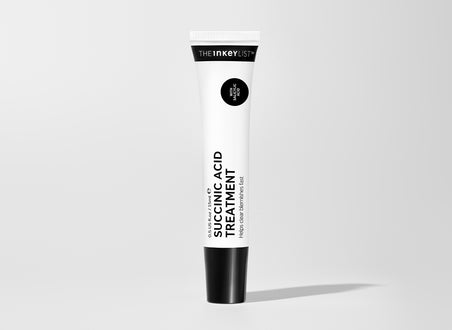
Succinic acid is naturally anti-inflammatory and antimicrobial, meaning it works well to curb acne symptoms, where skin suffers redness, irritation and inflammation. Learn more about the benefits Succinic Acid has and how to use it in your skincare routine

Combination skin can feel like a contradiction: an oily, shiny T-zone paired with cheeks that feel normal, dry, or tight. As one of the most common skin types, it often leads people to use products that over-treat one area while neglecting another. In this guide, we explain how to identify combination skin, what causes it, and how it differs from oily skin. You'll also discover the ingredients that work best, from Niacinamide and Hyaluronic Acid to Salicylic Acid, plus a simple AM and PM routine designed to balance oil, support hydration, and keep skin comfortable year-round.

If your skin has ever seemed to get worse after starting a new active like retinol or acids, don’t panic—this may be skin purging. Purging is a temporary phase where ingredients that speed up cell turnover bring existing congestion to the surface more quickly, which can look like sudden breakouts. While frustrating, it’s often a sign that your product is working, and understanding this process can help you stay consistent and avoid giving up just before clearer, healthier skin starts to show.


