


Is Bakuchiol Safe During Pregnancy? The Facts, the Caveats, and What to Use Instead
Discover what the science says, why it's considered a lower-risk alternative to retinol, and the pregnancy-safe ingredients you can use with confidence for healthy, radiant-looking skin.
Author
askINKEY skincare advisor
Published
17 June, 2026
Time to read
13 minutes
Bakuchiol has built a strong reputation as one of the most accessible retinol alternatives on the market - gentler, plant-derived, and broadly well-tolerated. So it makes sense that pregnant people would look to it as a potential substitute when retinol gets taken off the table. The honest answer to the question of whether bakuchiol is pregnancy safe is this: it is widely regarded as a lower-risk option than retinol during pregnancy, but no clinical studies have specifically tested bakuchiol on pregnant women. That gap in the data means a definitive “confirmed safe” verdict cannot yet be given - and we are not going to pretend otherwise.
This blog covers what bakuchiol actually is and how it works, why pregnant women specifically ask about it, what the science does and does not say about its safety during pregnancy and breastfeeding, and what the best confirmed pregnancy-safe alternatives are for the anti-ageing, hydration, and brightening concerns that bakuchiol is usually brought in to address.
Our primary recommendation for anyone looking for clinically proven anti-ageing results during pregnancy is our Bio-Active Ceramide Moisturiser (£20) - confirmed pregnancy and breastfeeding safe, retinoid-free, and clinically proven to reduce 6 signs of ageing in 28 days. We also cover three other confirmed pregnancy-safe INKEY products throughout this blog: our Niacinamide Serum, Hyaluronic Acid Serum, and 15% Vitamin C + EGF Serum.
Our position on skincare during pregnancy is consistent and clear: always consult your midwife or GP before making any changes to your skincare routine. That applies to bakuchiol, to retinol, and to any new active ingredient you are considering introducing.
With the position stated, let us get into the detail.
What Is Bakuchiol and Why Do Pregnant Women Ask About It?
Bakuchiol is a plant-derived meroterpene compound extracted from the seeds and leaves of the Psoralea corylifolia plant - more commonly known as the babchi plant. It has a long history in Ayurvedic and traditional Chinese medicine, where preparations from the babchi plant were used to treat a range of skin conditions. In modern skincare, bakuchiol caught significant attention following a landmark 2018 clinical study published in the British Journal of Dermatology, which demonstrated that bakuchiol performed comparably to retinol in reducing the appearance of fine lines and wrinkles, improving skin tone, and supporting collagen production - with significantly less irritation.
Bakuchiol is not a retinoid. This is the most important thing to understand about how it works and why it is discussed in the context of pregnancy safety. Retinol and its derivatives function by binding to specific nuclear receptors in skin cells called retinoic acid receptors (RARs and RXRs), which then regulate gene expression and drive the anti-ageing effects retinol is known for. Bakuchiol does not bind to these receptors and does not convert to retinoic acid in the skin. It works through different molecular pathways - including antioxidant activity and functional upregulation of certain collagen and elastin genes - but arrives at retinol-like outcomes in terms of visible results.
This distinction matters enormously in the context of pregnancy. It is not that bakuchiol mimics retinol’s mechanism - it is that bakuchiol arrives at similar skin benefits by a completely different route. That mechanistic separation is why bakuchiol has emerged as a candidate for use when retinol cannot be.
The practical reason pregnant women search for bakuchiol is straightforward. Retinol and all other retinoids are contraindicated during pregnancy due to the well-established teratogenic risk associated with vitamin A derivatives at high doses. For someone who was using retinol before becoming pregnant - and had seen real results from it - losing that ingredient from their routine means looking for an alternative. Bakuchiol, being plant-derived, non-retinoid, free from the photosensitivity increase associated with retinol, and generally well-tolerated on sensitive skin, looks like the obvious candidate.
Bakuchiol’s broader reputation as a gentle ingredient also makes it appealing beyond the anti-ageing context. It has become popular with people who have sensitive or reactive skin, including those with rosacea-prone skin who find retinol too stimulating. During pregnancy, when skin can become more reactive and sensitive, that gentleness is an additional draw.
It is worth noting here that we do not currently make a bakuchiol product at The INKEY List. If you want to understand more about the ingredient itself - how it works, how it compares to other actives, and what to look for in a formulation - our bakuchiol ingredient guide covers all of that in detail. For a full comparison between bakuchiol and retinol as skincare choices beyond the pregnancy context, our existing Retinol vs Bakuchiol blog covers the broader picture. This blog focuses specifically on the pregnancy and breastfeeding question - and more importantly, on what to use when you want certainty rather than a judgment call.
Having established what bakuchiol is and why it enters the conversation during pregnancy, the critical question is: what does the actual science say about using it when pregnant?
Bakuchiol and Pregnancy Safety: What the Science Actually Says
This is the section that matters most. It is also the section where intellectual honesty is most important. There is a lot of confident-sounding content online that either overstates the safety of bakuchiol during pregnancy or overstates its risk. Neither serves the reader. Here is what the evidence actually shows.
The Key Difference Between Bakuchiol and Retinol in Pregnancy
Retinol is contraindicated in pregnancy because it is a vitamin A derivative. At high doses, vitamin A is definitively teratogenic - meaning it can cause birth defects. The specific risks associated with excessive vitamin A exposure during pregnancy include cranial-neural-crest malformations, cardiovascular defects, and craniofacial abnormalities. Oral retinoids such as isotretinoin carry the highest documented risk and are strongly contraindicated. Topical retinoids involve far smaller amounts of vitamin A derivative than oral supplements, but some systemic absorption through the skin does occur - and during the first trimester in particular, when foetal organ systems are forming, the standard precautionary position in dermatology and obstetrics is to avoid all retinoids entirely.
Bakuchiol does not share this mechanism. It is not a vitamin A derivative. It does not bind to retinoic acid receptors. It does not convert to retinoic acid in the skin. From a mechanistic standpoint, there is no biological reason to expect bakuchiol to carry the same teratogenic risk as retinol. This is the core reason it is considered a lower-risk option during pregnancy.
However - and this is the critical distinction - mechanistic difference is not the same as clinical proof of safety. The absence of a theoretical risk mechanism is not the same as having studied the ingredient in pregnant women and confirmed it is safe. These are meaningfully different things.
What Dermatologists Say About Bakuchiol in Pregnancy
No clinical studies have specifically examined bakuchiol’s safety in pregnant women. This is the key fact that makes a definitive verdict impossible - and it is not a fact that is unique to bakuchiol. As Medical News Today notes, conducting studies on pregnant people is inherently difficult due to the ethical constraints involved, which means there is insufficient data to confirm that many retinol alternatives are 100% safe during pregnancy.
The Cleveland Clinic addresses the pregnancy question directly, noting that bakuchiol has been suggested as “less of a risk factor for pregnancy” given that it is a gentler alternative to retinol - but explicitly states that “more research is needed on bakuchiol’s safety during pregnancy before this claim can be substantiated” and recommends talking to a healthcare provider before using it if pregnant.
The American Academy of Dermatology takes the broader position that pregnant people should consult a dermatologist or healthcare provider before making skincare decisions during pregnancy, noting that some ingredients can pose a risk to the baby. Most dermatologists consider bakuchiol a lower-risk option than retinol - but the phrase “lower risk” should not be confused with “confirmed safe.”
Our position at The INKEY List aligns with this nuance. We do not advise against bakuchiol in the way we advise against retinol during pregnancy - the mechanisms are different and the concern is not the same. But we do not give bakuchiol a confirmed pregnancy-safe status either, because the clinical data to justify that status does not yet exist.
The Bottom Line on Bakuchiol and Pregnancy Safety
Bakuchiol is plant-derived, non-retinoid, and generally regarded by dermatologists as a lower-risk option than retinol during pregnancy. It does not share retinol’s mechanism and does not carry the same theoretical teratogenic risk. Many healthcare providers consider it a reasonable choice during pregnancy with prior approval from a GP or midwife.
However, the absence of pregnancy-specific clinical data means it cannot be officially classified as confirmed safe. If you want to use bakuchiol during pregnancy, speak to your GP or midwife first - that is the responsible and honest answer. If you want certainty, the confirmed pregnancy-safe alternatives we cover later in this blog have been verified as safe and are clinically effective.
For anyone specifically concerned with the anti-ageing results that bakuchiol was addressing, our Bio-Active Ceramide Moisturiser (£20) delivers clinically proven results across 6 signs of ageing with no retinoids, no bakuchiol, and confirmed pregnancy and breastfeeding safe status.
The pregnancy safety question and the breastfeeding question are closely related - but they are not identical. Let us look at the breastfeeding context next.
Is Bakuchiol Safe While Breastfeeding?
Many people who are asking about bakuchiol during pregnancy are also planning ahead - thinking about what comes immediately after birth, when breastfeeding brings its own set of skincare considerations. The short answer is that the same nuance applies: bakuchiol is not flagged as a breastfeeding concern in the way that retinol is, but the same data gap exists.
Retinol and all retinoids remain off-limits during breastfeeding for the same reasons as during pregnancy. Vitamin A derivatives can, in theory, enter breast milk, and the precautionary standard in dermatology is to continue avoiding retinoids throughout the breastfeeding period. This is our advice at The INKEY List: our Starter Retinol and Advanced 0.2% Retinal are both for post-pregnancy and post-breastfeeding use only.
Bakuchiol, by contrast, is not a retinoid and does not share that mechanism. Its systemic absorption profile through topical application is low, and it is not flagged in the dermatological literature as a breastfeeding concern. The reasoning for its relative safety during breastfeeding mirrors the reasoning during pregnancy: different mechanism, no known theoretical risk.
The caveat is identical too: no specific clinical studies on bakuchiol safety during breastfeeding exist. The FDA has not assigned bakuchiol a pregnancy or breastfeeding safety rating. If you want to use bakuchiol while breastfeeding, consult your GP or midwife before doing so.
Our confirmed breastfeeding-safe INKEY products are exactly the same as our pregnancy-safe options. Our Bio-Active Ceramide Moisturiser, Niacinamide Serum, Hyaluronic Acid Serum, and 15% Vitamin C + EGF Serum all carry confirmed Pregnancy and Breastfeeding safe status on both their UK and US product pages. These are not maybes. These are verified.
For a full guide to skincare during pregnancy - including safe ingredients, ingredients to avoid, and how to build a complete routine - our pregnancy-safe skincare guide covers everything in one place.
Once breastfeeding is complete, the calculus changes. If there is no medical reason to avoid retinol, it is worth considering reintroducing a retinoid at that point - gradually and with the right formulation. We will come back to that in a later section. First, let us look at why retinol being off-limits during pregnancy is the reason bakuchiol enters the conversation in the first place.
Why Retinol Is Avoided During Pregnancy - and What That Has to Do With Bakuchiol
Understanding why retinol is contraindicated during pregnancy is not just background knowledge - it is the reason bakuchiol gets asked about at all. And understanding the science behind the retinol restriction helps clarify why bakuchiol’s non-retinoid status is meaningful, and why the absence of pregnancy-specific data still matters.
Retinol belongs to the retinoid family - a group of compounds derived from vitamin A. This family includes retinol (the over-the-counter form most familiar in skincare), retinal (retinaldehyde, one step closer to the active form), and prescription retinoids such as tretinoin, adapalene, and isotretinoin. All of these are vitamin A derivatives. All of them are, to varying degrees, contraindicated during pregnancy.
The reason is well-established. Vitamin A is an essential nutrient and plays a critical role in foetal development - but at excessive doses, it becomes teratogenic. High levels of vitamin A during pregnancy have been linked to a range of birth defects including cranial-neural-crest malformations, cardiovascular defects, and craniofacial abnormalities. Oral isotretinoin (used to treat severe acne) carries the highest documented risk and is subject to strict pregnancy prevention programmes in the UK and US. But the precautionary principle extends to topical retinoids too, because some systemic absorption through the skin does occur - even from a moisturiser or serum applied to the face.
The amount of vitamin A absorbed through topical retinol is far smaller than through oral supplements, and the absolute risk from low-dose topical retinol application is considered low by most dermatologists. But “low risk” is not “no risk” - and during the first trimester when the embryo’s organ systems are forming, the standard guidance is to avoid all retinoids entirely. Our position at The INKEY List is clear:
We advise that you do not use any retinol, retinal, or vitamin A products without consulting your doctor first when pregnant.
This means our Starter Retinol and Advanced 0.2% Retinal - both excellent options for anti-ageing outside of pregnancy - are not for use during pregnancy or breastfeeding. More on how to reintroduce them later.
This is exactly why bakuchiol attracts so much interest during pregnancy. If you were using retinol before becoming pregnant and seeing genuine results, you naturally look for something that can deliver similar effects without the vitamin A concerns. Bakuchiol, working through a completely different mechanism to produce retinol-like outcomes, appears to fit that gap. As Medical News Today notes, a 2022 review of bakuchiol found evidence of comparable results to retinol across acne, wrinkles, hyperpigmentation, and sun damage - all common skincare concerns that do not disappear during pregnancy.
The challenge is that bakuchiol’s different mechanism does not automatically mean it has been confirmed as safe during pregnancy. It has not been studied in pregnant women. The FDA has not assigned it a pregnancy safety rating. That gap is what places it in the “probably fine but consult your healthcare provider” category rather than the “confirmed safe” category.
For the anti-ageing concerns that bakuchiol typically addresses, the better approach during pregnancy is to choose ingredients that have been confirmed safe through clinical testing and verified as pregnancy and breastfeeding compatible. That is exactly what we have done with our pregnancy-safe formulations. The next section covers each of them in detail.
Pregnancy-Safe Anti-Ageing Alternatives to Bakuchiol That Actually Work
This is the practical section - the “what to use instead” part that transforms the scientific nuance into an actual skincare routine. Each of the four products covered here is confirmed pregnancy and breastfeeding safe on its product page. Each one addresses a specific skin concern that commonly arises during pregnancy. And each one has been formulated to deliver real, clinically meaningful results - not just a “safe” placeholder.
Bio-Active Ceramide Moisturiser - The Pregnancy-Safe Anti-Ageing Hero
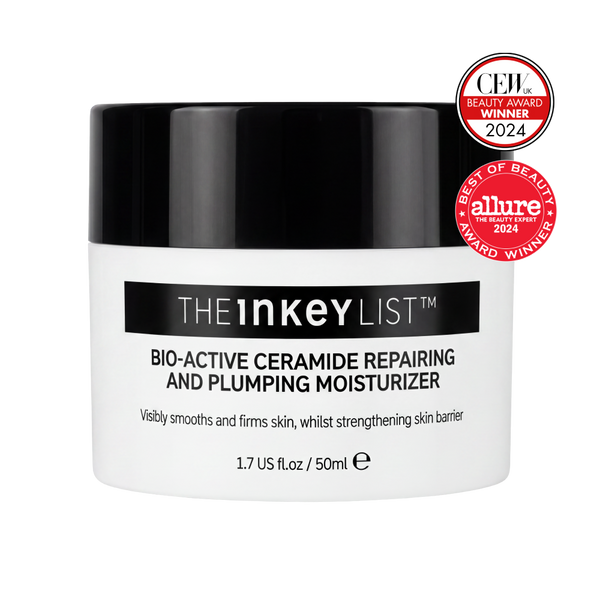
If bakuchiol was your retinol alternative before pregnancy, our Bio-Active Ceramide Moisturiser (£20) is the confirmed-safe alternative to the alternative. That sounds circular - but the practical meaning is simple. This moisturiser is clinically proven to reduce 6 signs of ageing in 28 days: fine lines, wrinkles, loss of firmness, elasticity, plumpness, and barrier strength. It achieves this without any retinoids, without any bakuchiol, and with full confirmed pregnancy and breastfeeding safe status.
The hero active is Bio-Active Ceramide NP - a ceramide that penetrates multiple layers of the skin to deliver barrier repair and firming effects at a deeper level than many surface-only moisturisers. Gransil Blur X11 provides an instant optical softening effect on the appearance of fine lines, which means results that are both immediate and cumulative over time.
Our Bio-Active Ceramide Moisturiser is also non-comedogenic, fragrance-free, and works in both AM and PM routines. It sits cleanly under makeup. It has won the Allure Best of Beauty Award six consecutive times. And during pregnancy - when your skin may be doing things you did not expect, and when the last thing you need is an ingredient decision that requires a risk assessment - it gives you anti-ageing results you can trust without the uncertainty.
At £20, it is also accessible. Effective pregnancy skincare should not require spending significant money, and we believe that. This moisturiser delivers clinically proven anti-ageing at a price that reflects our commitment to making knowledge-powered skincare available to everyone.
Niacinamide Serum - For Pregnancy Breakouts and Barrier Support
Pregnancy hormones can trigger unexpected changes in oil production and skin behaviour. For many people, the first and second trimesters bring an increase in blemishes and congestion - even for skin types that do not typically experience them. This is where niacinamide becomes genuinely useful.
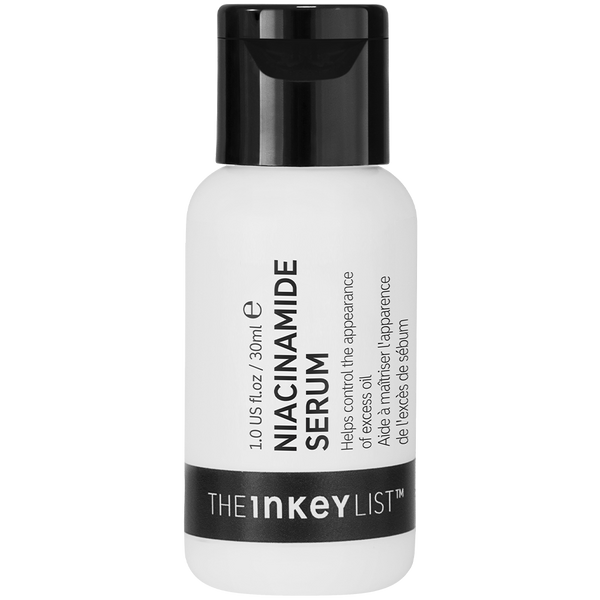
Our Niacinamide Serum (£12) delivers 10% Niacinamide alongside 1% Hyaluronic Acid. At 10%, the niacinamide concentration is meaningful - effective for visibly reducing excess oil production, calming active blemishes, minimising the appearance of pores, and providing barrier support. The hyaluronic acid component balances and hydrates, so the serum addresses both the oiliness and any concurrent dehydration.
Niacinamide is one of the most universally well-regarded ingredients for use during pregnancy. It is confirmed pregnancy and breastfeeding safe on our product page, it works across a wide range of skin concerns, and it is highly compatible with the other pregnancy-safe actives in this list. If pregnancy breakouts are a concern alongside anti-ageing, the Niacinamide Serum and the Bio-Active Ceramide Moisturiser make a strong, complementary pairing.
At £12, it is one of the most cost-effective serums in our range. The formula is straightforward, the mechanism is well-understood, and the results are consistent.
Hyaluronic Acid Serum - For Pregnancy Hydration
Pregnancy can cause unexpected skin dehydration, even in skin types that do not normally tend dry. Hormonal shifts affect the skin’s own moisture regulation, and some people find that their skin feels tighter, drier, or more reactive than usual - particularly in the first trimester. Hyaluronic acid is the clearest answer to this.
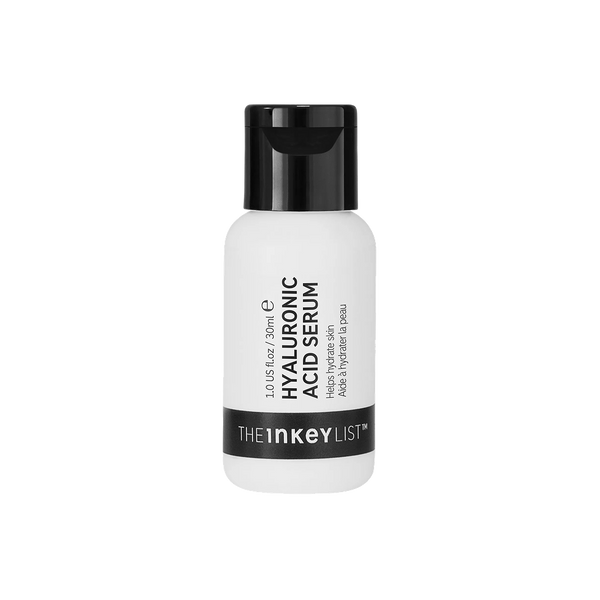
Our Hyaluronic Acid Serum (£12) uses 2% Hyaluronic Acid at three molecular weights - high, medium, and low - which means it attracts and binds moisture at multiple depths within the skin, rather than sitting only on the surface. For best results, apply it to slightly damp skin immediately after cleansing, before any other serums or moisturisers. This gives the hyaluronic acid something to draw into the skin rather than pulling from the air.
Hyaluronic acid is universally regarded as safe during pregnancy. It is a molecule naturally produced by the body, has no known absorption concerns in topical form, and is confirmed pregnancy and breastfeeding safe in our formulation. At £12, it is an easy, low-risk addition to any pregnancy routine.
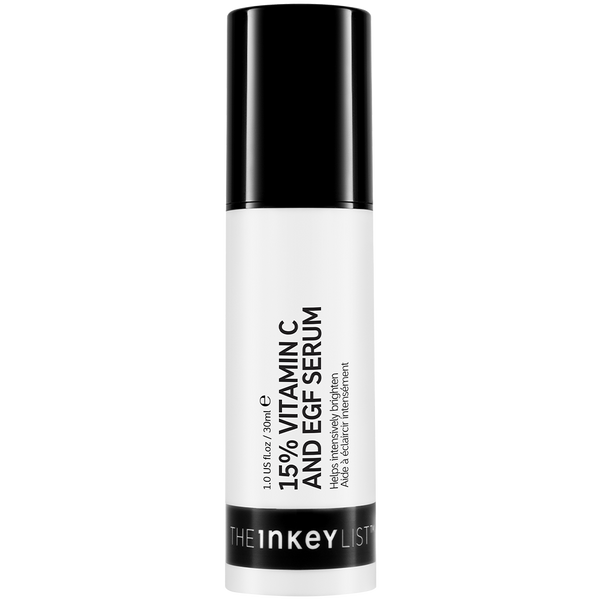
15% Vitamin C + EGF Serum - For Pregnancy Brightening and Pigmentation
Melasma - often called the “mask of pregnancy” - affects a significant proportion of pregnant people, appearing as patches of pigmentation on the forehead, cheeks, and upper lip, driven by the hormonal changes of pregnancy. Vitamin C is one of the few well-established, pregnancy-safe brightening ingredients available for addressing pigmentation and uneven skin tone.
Our 15% Vitamin C + EGF Serum (£16) uses Ascorbyl Glucoside, a stable form of vitamin C that converts on the skin surface. It is gentler than L-ascorbic acid formulations, which tend to oxidise quickly and can cause irritation on sensitised skin - making Ascorbyl Glucoside particularly appropriate during pregnancy when skin can be more reactive. The 1% Epitensive EGF is a plant-based peptide that supports skin renewal.
Used in the morning, this serum provides antioxidant protection alongside its brightening benefits. If pregnancy melasma is a concern, it sits naturally in an AM routine alongside the Hyaluronic Acid Serum and the Bio-Active Ceramide Moisturiser.
Together, these four products address the core skincare concerns of pregnancy - anti-ageing, barrier support, hydration, blemishes, and brightening - with confirmed safety and clinical backing. Now let us look at how to put them together into a practical routine.
Building a Simple Pregnancy-Safe Skincare Routine Without Bakuchiol
Pregnancy brings fatigue, nausea, and a significant amount of life disruption. A skincare routine that requires eight steps and careful ingredient timing is not realistic for most people during pregnancy - and it does not need to be. The routine below uses four to five products, takes a few minutes at most, and delivers real skincare results with full confidence in ingredient safety.
As always, consult your GP or midwife before introducing any new products during pregnancy.
Morning Routine:
-
Cleanse - Start with a gentle cleanser. Keep it simple: a mild, fragrance-free formula that does not strip or irritate. Apply to damp skin, rinse thoroughly.
-
Hyaluronic Acid Serum - Apply immediately after cleansing, while skin is still slightly damp. This is the hydration foundation of your morning routine.
-
15% Vitamin C + EGF Serum - Apply after the Hyaluronic Acid Serum. The vitamin C provides antioxidant protection throughout the day and addresses any pigmentation concerns. This is an AM-specific step.
-
Niacinamide Serum - If excess oil or pregnancy breakouts are a concern, apply after the Vitamin C Serum. Niacinamide also layers well with the Hyaluronic Acid if you are skipping vitamin C on a given morning.
-
Bio-Active Ceramide Moisturiser - The final skincare step before SPF and makeup. This seals in the serums beneath it and delivers its own anti-ageing benefits. Apply to the face and neck.
-
Dewy Sunscreen SPF 30 - SPF is non-negotiable during pregnancy, particularly if you are dealing with melasma. UV exposure worsens pigmentation, and protecting your skin daily makes every other brightening step more effective.
Evening Routine:
-
Cleanse - Remove the day’s makeup, SPF, and buildup. A gentle, thorough cleanse is the foundation of an effective PM routine.
-
Hyaluronic Acid Serum - Apply to damp skin. The overnight period is when the skin does most of its repair work; keeping it hydrated supports that process.
-
Niacinamide Serum - Apply after the Hyaluronic Acid Serum if using. Evening is an equally good time for niacinamide if you prefer to layer it at night rather than in the morning.
-
Bio-Active Ceramide Moisturiser - Seal everything in and let the ceramides and anti-ageing actives work overnight.
Keep in mind that pregnancy skin can change by trimester. What works in the first trimester may not be exactly what your skin needs in the third. Be flexible, listen to your skin, and do not feel obligated to use every product every day if your skin is telling you otherwise.
Not sure where to start or how to personalise this further? Take our Skincare Quiz and we will build a routine for your skin in two minutes. For a fuller picture of pregnancy-safe ingredients and what to avoid, our complete pregnancy-safe skincare guide covers the A to Z.
With a practical routine in place, the question that naturally follows for many readers is: when does the routine change? When can bakuchiol or retinol come back after pregnancy?
Returning to Retinol and Bakuchiol After Pregnancy: What to Know
The immediate postpartum period looks different depending on whether you are breastfeeding. That distinction matters for skincare as much as it does for nutrition and medication decisions.
If you are not breastfeeding: Once pregnancy is confirmed complete and you are not breastfeeding, retinol can be reintroduced into your routine. The same principles of gradual introduction apply as they would for someone starting retinol for the first time. Begin with a low-concentration formulation, use it two to three evenings per week before building frequency, and always follow with moisturiser.
Our Starter Retinol (£13) is the ideal entry point for anyone coming back to retinol after a break. It achieved 95% zero irritation in clinical testing, uses an encapsulated delivery system for gradual release, and is designed specifically for those who are either new to retinol or returning to it after a period without. For those ready to step up, our Advanced 0.2% Retinal (£18) uses retinal - a form of vitamin A one step closer to the active form than retinol, with faster visible results. Both are for post-pregnancy and post-breastfeeding use only.
If you are breastfeeding: Continue with the pregnancy-safe routine above until breastfeeding is complete. Retinoids remain off-limits throughout the breastfeeding period. The Bio-Active Ceramide Moisturiser, Niacinamide Serum, Hyaluronic Acid Serum, and 15% Vitamin C + EGF Serum all continue to be appropriate and effective during this period.
On bakuchiol after pregnancy: Bakuchiol can be considered at any point after pregnancy and breastfeeding. As a brand, we do not currently make a bakuchiol product, and at the stage when a retinoid can be safely reintroduced, we would generally recommend considering whether a well-formulated retinol product better serves your anti-ageing goals. Our Retinol vs Bakuchiol comparison blog can help you make that call.
Importantly, the Bio-Active Ceramide Moisturiser continues to be a strong anti-ageing choice at every stage - during pregnancy, post-pregnancy, and as a complement to retinol or any other active in your routine.
The INKEY List’s Honest Take on Bakuchiol and Pregnancy
Here is the summary - no hedging, no overselling.
Bakuchiol is not a retinoid. It works through different molecular pathways to retinol, does not bind to retinoic acid receptors, and does not carry retinol’s specific teratogenic mechanism. Most dermatologists consider it a lower-risk option than retinol during pregnancy, and many healthcare providers would not object to its use with appropriate consultation. If you have been using bakuchiol before pregnancy and want to continue, the right first step is a conversation with your GP or midwife.
What bakuchiol cannot claim - yet - is confirmed clinical safety in pregnant women. No studies have examined it in that population. The FDA has not assigned it a pregnancy safety rating. That data gap does not make bakuchiol dangerous. But it does mean we cannot honestly point to it as a confirmed safe choice the way we can with ceramides, niacinamide, hyaluronic acid, and vitamin C.
At The INKEY List, knowledge is the foundation of everything we do. We would rather give you the honest, complete picture than tell you what is easiest to hear. So here is that picture: if you want to use bakuchiol during pregnancy, talk to your GP or midwife first. If you want complete confidence in your skincare choices during pregnancy, our confirmed-safe products deliver real results without the uncertainty.
Our Bio-Active Ceramide Moisturiser addresses the anti-ageing concern that bakuchiol typically covers - clinically proven, pregnancy and breastfeeding confirmed, genuinely effective. Our Niacinamide Serum, Hyaluronic Acid Serum, and 15% Vitamin C + EGF Serum cover the rest. And once pregnancy and breastfeeding are behind you, our pregnancy-safe skincare guide and our bakuchiol ingredient page are there to help you navigate the next decisions.
Good skincare decisions start with good information. You now have it.
Ready to Build Your Pregnancy-Safe Routine?
Shop our Bio-Active Ceramide Moisturiser (£120) - clinically proven anti-ageing, confirmed pregnancy and breastfeeding safe, retinoid-free.
Not sure where to start? Take our Skincare Quiz and we will build a personalised routine for your skin in two minutes.
Want the full picture? Explore our pregnancy-safe skincare guide for a complete A to Z of safe ingredients and routines during pregnancy and breastfeeding.
Frequently Asked Questions
Got a question?
Our askINKEY team are a friendly bunch of skincare experts with deep product knowledge and zero judgement. Whether you're an ingredient obsessive or just starting out, we'll make it make sense. No question too big. No question too small. We Give A Care, Every Day.


