



Mineral vs Chemical Sunscreen: Which Is Right for Your Skin?
Both filter types protect your skin - the real difference is the one you'll happily wear every morning.
Author
askINKEY skincare advisor
Published
28 May, 2026
Time to read
19 minutes
Mineral vs chemical sunscreen is one of the most searched, most debated and most misunderstood topics in skincare. Ask ten people which one you should be using and you will get ten different answers, most of them delivered with total confidence. Scroll through social media and you will find claims that chemical filters are absorbed into your bloodstream, that mineral is the only safe option, that one causes breakouts and the other causes damage. Some of these claims are exaggerated, some are oversimplified, and some are flatly wrong. Whether you call it sunscreen or suncream, as it is more commonly known in the UK, the questions are the same.
This guide clears it up properly. We will explain how each filter type actually works, what broad spectrum protection genuinely means and how to read the UVA star rating on UK packaging, how texture and finish differ in real life, which type suits which skin type and skin tone, why formulation matters more than filter type, and what the evidence and UK regulation actually say about safety.
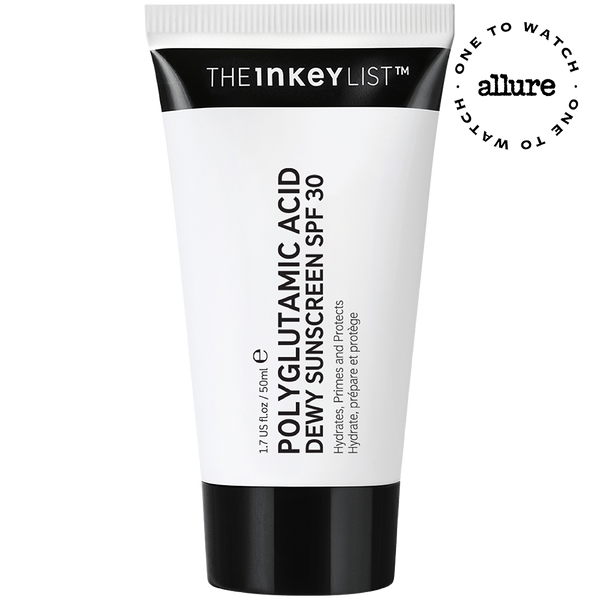
If you want the foundational science on SPF numbers and UV radiation first, our complete SPF guide covers it in depth. Throughout this article we reference our Dewy Sunscreen SPF 30 (£15) as a formulation example, because it illustrates what a well-built chemical filter system can do. This is an explainer, not a sales pitch, and we will give mineral filters credit wherever they earn it.
How Mineral and Chemical Sunscreens Actually Work
Before anyone can sensibly prefer one over the other, it helps to understand what is happening on the surface of your skin. The difference between these two categories is not marketing. It is a genuine difference in chemistry and in mechanism, and once you understand it, every later decision in this article becomes easier to make.
Mineral sunscreens, also called physical sunscreens, use inorganic mineral filters. In the UK there are two: zinc oxideand titanium dioxide. These are particulate ingredients, meaning they exist as tiny solid particles suspended in a base rather than dissolved into it. They sit on the surface of the skin and form a protective layer that scatters and reflects UV radiation away before it can penetrate. Because they work by sitting on top of the skin rather than being taken into it, they are effective the moment they are applied. There is no waiting period and no absorption required.
Chemical sunscreens use organic filters. This is the single most misunderstood word in the entire sunscreen conversation, so it is worth pausing on. In chemistry, “organic” simply means carbon-based. It has nothing whatsoever to do with organic food certification, nothing to do with being natural or naturally derived, and nothing to do with farming standards. An organic molecule is one built around carbon atoms. That is the whole definition. When a formulator calls a UV filter organic, they are describing its molecular structure, not making a claim about how it was sourced.
Chemical filters are absorbed into the upper layers of the skin, where they absorb UV energy and convert it into a small amount of heat, which the skin then safely dissipates. The filters approved for use in the UK include octocrylene, ethylhexyl salicylate, butyl methoxydibenzoylmethane (better known as avobenzone) and phenylbenzimidazole sulfonic acid. Each one absorbs a slightly different portion of the UV spectrum, which is why well-formulated chemical sunscreens combine several filters rather than relying on one.
This mechanism difference has a practical consequence you should know about. Because chemical filters need to settle into the upper layers of the skin to work properly, they require roughly 15 to 20 minutes to become fully effective. Mineral filters, sitting on the surface, work immediately. If you are heading straight out of the door into strong sun, that timing matters.
Here is the comparison at a glance.
Mineral (physical) sunscreens
- Active filters: zinc oxide, titanium dioxide
- Mechanism: scatter and reflect UV radiation at the skin surface
- Absorption required: no, the filters sit on top of the skin
- Time to effectiveness: immediate on application
- Coverage: broad spectrum UVA and UVB when correctly formulated
Chemical (organic) sunscreens
- Active filters: octocrylene, ethylhexyl salicylate, butyl methoxydibenzoylmethane (avobenzone), phenylbenzimidazole sulfonic acid and others
- Mechanism: absorb UV energy and convert it to a small amount of heat
- Absorption required: yes, into the upper layers of the skin
- Time to effectiveness: approximately 15 to 20 minutes after application
- Coverage: broad spectrum UVA and UVB when correctly formulated
Neither mechanism is inherently superior. Both are legitimate, well-studied ways of preventing UV radiation from reaching the living cells in your skin, and both are used in products recommended by dermatologists. For a plain, non-commercial overview of sun safety, the NHS guidance on sunscreen and sun safety is a useful independent reference, and our complete SPF guide goes deeper into how SPF numbers are calculated.
But here is the thing that matters more than the mechanism: neither type protects you properly unless it covers the full ultraviolet spectrum. Which brings us to the term printed on almost every bottle and understood by almost nobody.
What Broad Spectrum Sunscreen Actually Means
You have seen the words on the front of the bottle. You have probably assumed they were reassuring. But very few people could tell you precisely what broad spectrum protection is, and the gap between assuming and knowing is where a lot of sun damage happens.
A broad spectrum sunscreen protects against both UVA and UVB rays. Not one. Not mostly one. Both. That is the entire definition, and it is the most important thing on the label.
Those two ray types do different things to your skin.
UVA has a longer wavelength and penetrates more deeply into the skin. It is the primary driver of long-term photoageing, loss of firmness, and hyperpigmentation. It contributes to DNA damage. It passes through cloud cover and through glass, which is why UVA exposure continues on overcast days, in the car and beside a window at your desk.
UVB has a shorter wavelength and is the ray responsible for sunburn. It is the more direct contributor to skin cancer risk and it varies far more by season, time of day and latitude.
Now the part that genuinely changes how you shop. The SPF number on a bottle only tells you about UVB protection. SPF is a measure of protection against burning. It says nothing at all, on its own, about how well the product defends against the deeply penetrating UVA rays that drive ageing and pigmentation. A high SPF with poor UVA protection is an incomplete product wearing a reassuring number.
This reframes the whole mineral versus chemical debate. Filter type is a preference question. Broad spectrum coverage is a requirement. Whichever category you choose, if it is not broad spectrum, it is not doing the job.
How to Read the UVA Star Rating on UK Packaging
British suncream packaging carries something you will not find in many other markets, and it is genuinely useful once you understand it.
Many UK products display a UVA star rating running from 0 to 5 stars. This is the UK five-star UVA rating system found on sunscreen packaging, and the crucial thing to understand is that it is a ratio, not an absolute measure. The stars describe how much UVA protection the product delivers relative to its UVB protection.
That distinction has a real practical consequence. A product with a modest SPF can still carry a high star rating, provided its UVA and UVB protection are proportionally balanced. Five stars on an SPF 15 does not mean the same absolute level of UVA defence as five stars on an SPF 50, because the ratio is being calculated against a much lower baseline. Stars alone are not enough.
So the takeaway is simple and worth committing to memory: look for both a high SPF number and a high UVA star rating. They measure different things and they work together. Neither substitutes for the other.
The UVA Symbol Inside a Circle
You may also see the letters UVA printed inside a circle. This is a regulated mark, not a decorative one. Under the EU Cosmetics Regulation (EC No 1223/2009) and the accompanying efficacy recommendation, as retained in UK law, a product may only display that symbol if its UVA protection factor is at least one third of its labelled SPF, and if its critical wavelength reaches at least 370nm. Critical wavelength is a laboratory measure of how far into the UVA range the product’s protection actually extends.
Read it as a minimum standard mark rather than a gold star. And because the requirement is proportional to SPF, the same symbol means more absolute UVA protection on an SPF 50 than it does on an SPF 15. In practice, products carrying the symbol tend to sit towards the upper end of the star scale.
What to Check on a UK Suncream Label
- The SPF number. This is your UVB protection. SPF 30 is the sensible daily minimum.
- The UVA star rating or the UVA-in-a-circle symbol. This is your UVA protection. One or the other should be present.
- The words broad spectrum. Confirmation that both ray types are covered.
- Water resistance, if you swim, exercise or sweat heavily.
- The full ingredient list. The filters tell you whether it is mineral, chemical or hybrid. Everything else tells you how it will feel.
The NHS sunscreen and sun safety guidance reinforces the same principle of checking both UVA and UVB protection, and our complete SPF guide breaks down the SPF numbers themselves in more detail.
Both mineral and chemical filters can deliver genuine broad spectrum protection. So if protection is not the deciding factor, what is? In practice, it comes down to something far less scientific and far more human: whether you actually enjoy putting it on.
Texture, Finish and Real-World Wearability
Here is the unglamorous truth that the entire mineral versus chemical debate tends to skate past. A sunscreen sitting unopened in a bathroom cabinet has a protection factor of zero. So does the one you bought, disliked, and quietly stopped using in week two.
Texture, finish and wearability are not vanity concerns. They are compliance concerns. They are the difference between a product you apply generously every single morning and one you apply thinly, occasionally, and with mild resentment. This is the most underrated variable in sun protection.
Why mineral sunscreens tend to feel heavier. Zinc oxide and titanium dioxide are inorganic particles. Suspending solid particles evenly throughout a formula, and keeping them suspended so they do not separate in the bottle, requires a substantial emulsion base. That base is what gives many mineral sunscreens their characteristically thicker, creamier, more occlusive texture. It is a consequence of the chemistry, not a failure of the formulator. Some people love it, particularly in winter or on very dry skin. Others find it heavy under makeup or uncomfortable in humidity.
The white cast question. Zinc oxide and titanium dioxide are, quite simply, white powders. Applied to skin in standard un-micronised form, they leave a visible white or grey cast. On very fair skin this is often minimal and easily blended. On medium, brown and deep skin tones it can be distinctly and unmistakably visible, sometimes ashy, sometimes greyish, and rarely something anyone wants to walk out of the house wearing. Micronised particle sizes, tinted formulations and hybrid approaches have genuinely improved the situation over the past decade. They have not solved it.
Why chemical sunscreens feel lighter. Chemical filters are molecular rather than particulate. They dissolve into the formula rather than being suspended within it. That single difference unlocks a far wider range of textures: thinner fluids, gels, serums, lotions that sink in quickly and leave no visible residue at all, on any skin tone. It is the reason the most cosmetically elegant sunscreens on the market are overwhelmingly chemical or hybrid.
This is precisely the problem our Dewy Sunscreen SPF 30 (£15) was built to solve. It is a lightweight chemical SPF designed to behave like a skincare step rather than a sun product. In an independent consumer trial of 66 participants ranging from the lightest to the deepest skin tones, 97% said it looked invisible on their skin tone. That is the standard an invisible sunscreen should be held to, and it is a claim that means something only when it has been tested across the full tonal range rather than assumed. The formula is built around an 8% hydration trio, which is why it leaves skin looking dewy rather than flat or chalky.
One important caveat, because we would rather be accurate than flattering to our own category: finish varies enormously within chemical sunscreens too. Some are greasy. Some pill under makeup. Some leave a tacky film that never quite disappears. That variation is determined by the emollients, humectants and film-forming agents in the base, not by the UV filter itself. Choosing a chemical SPF is not automatically choosing a pleasant one.
Here is how the two categories typically compare in daily use.
- Consistency: mineral tends to be thicker and creamier, chemical tends to be thinner and more fluid
- Finish: mineral often matte or slightly chalky, chemical ranges from matte to dewy depending on the base
- White cast: common with mineral, particularly on deeper skin tones, absent with chemical filters
- Sunscreen under makeup: chemical formulas generally layer more smoothly, while thicker mineral bases can pill or disturb foundation
- Absorption speed: mineral sits on the surface and takes longer to settle, chemical absorbs faster
- Daily wearability: chemical formulas are typically easier to wear consistently, which is what protection ultimately depends on
If your skin is oily or blemish-prone and texture is your main obstacle, our dedicated guide to sunscreen for oily and blemish-prone skin goes into detail on finishes and non-comedogenic formulation. If reactivity is your concern, our guide to sunscreen for sensitive skin covers that ground properly.
The best sunscreen is the one you will actually wear every day. Texture is not vanity - it is compliance.
That principle holds for everyone. But how it plays out depends enormously on the skin you are applying it to.
Who Each Sunscreen Type Suits, by Skin Type and Tone
There is no single right answer to the mineral vs chemical sunscreen question. There are, however, very clear patterns, and most people can locate themselves within them fairly quickly.
If you are not confident about which category you fall into, our guide to working out what your skin type is will take you about two minutes and makes everything below considerably more useful.
Oily, Combination and Blemish-Prone Skin
Heavier mineral bases, with their richer emulsions and occlusive textures, can compound congestion on skin that is already producing plenty of oil. Lightweight, non-comedogenic chemical SPFs tend to sit more comfortably and feel less like an extra layer. The qualifiers that matter here are non-comedogenic and fragrance-free, far more than the filter type itself. Plenty of people with oily skin do perfectly well with a lightweight mineral fluid. For the full breakdown, see our sunscreen for oily and blemish-prone skin guide.
Dry Skin
Dry skin is the most filter-type-agnostic of all. What matters is the supporting formula, not the mechanism. Hydrating bases containing glycerin, polyglutamic acid or squalane suit dry skin particularly well, because they address dehydration at the same time as UV protection. Equally, a rich emollient mineral formula can be genuinely lovely on dry skin, especially in colder months. The instruction here is the same one we give for every category: read the full ingredient list, not just the filter type.
Sensitive and Reactive Skin
Mineral’s reputation for gentleness is not unfounded. Filters that sit on the surface of the skin, rather than settling into it, are less likely to sting compromised or inflamed skin, and that is a real and meaningful advantage during a flare.
But the reputation is often applied too broadly. A mineral SPF containing fragrance, a high proportion of alcohol or harsh preservatives can absolutely cause a reaction, and frequently does. Conversely, a fragrance-free, dermatologically tested chemical SPF may be equally well tolerated or better. Sensitivity is usually a response to the whole formula, not to the filter in isolation. Our guide to sunscreen for sensitive skin explores this properly.
Skin Tone
This is where the debate stops being theoretical.
For anyone with medium, brown or deep skin, the white cast issue is not a minor cosmetic annoyance. It is the single reason many people abandon daily SPF entirely. If the only products presented to you as “safe” or “clean” leave your skin looking grey, the practical result is not better protection. It is no protection.
Let us be direct about this. No skin tone should have to choose between looking like themselves and being properly protected. The white cast problem is a formulation problem, not a skin problem. It reflects which faces were in the room when products were developed and tested, and it is entirely solvable.
That is why the 97% invisibility result across 66 participants spanning the lightest to the deepest tones matters to us, and why we tested our Dewy Sunscreen SPF 30 (£15) that way in the first place. The British Association of Dermatologists is unambiguous that sun protection matters for everyone, and daily SPF is recommended across all skin types and tones equally. Melanin offers some natural photoprotection, but it does not remove the need for sunscreen, and it does not prevent UVA-driven pigmentation or ageing.
Post-Procedure and Compromised Skin
Here mineral filters have a clear and evidence-backed advantage. After a peel, laser treatment, microneedling or any procedure that leaves the skin barrier temporarily compromised, dermatologists consistently recommend mineral SPF first. Surface-sitting filters minimise the risk of stinging or irritation on skin that is actively healing, and they are effective immediately. Chemical filters can usually be reintroduced gradually once the barrier has recovered, on the advice of whoever carried out the treatment.
A Note on Patch Testing
If you are switching filter type, and particularly if you have reacted to a sunscreen before, patch test first. In practice that means applying a small amount to a discreet area, such as the inner forearm or behind the ear, once daily for a few days, and watching for redness, itching or stinging before you apply it to your whole face. It takes very little effort and it saves a great deal of discomfort. Here is why a patch test is worth doing.
Quick Reference
- Oily or combination skin: lightweight, non-comedogenic chemical or hybrid formulas
- Dry skin: either type, prioritising a hydrating supporting base
- Sensitive or reactive skin: either type, provided it is fragrance-free and dermatologically tested
- Medium to deep skin tones: chemical or well-formulated hybrid, for a genuinely invisible finish
- Post-procedure or compromised skin: mineral first, reintroducing chemical filters gradually
- Makeup wearers: chemical or hybrid formulas, which layer more smoothly
- Active or outdoor use: water-resistant formulas of either type, reapplied diligently
Read back through those categories and a pattern emerges. In almost every case, the deciding factor was not zinc oxide versus avobenzone. It was everything else in the bottle.
Why Formulation Matters More Than Filter Type
Judging a sunscreen purely by whether it is mineral or chemical is a bit like evaluating a meal by asking only whether the chef used olive oil or butter. It is a real distinction. It is simply nowhere near the most important one.
A sunscreen is a sophisticated emulsion. Alongside the UV filters it contains emollients, humectants, emulsifiers, preservatives, film-forming agents and texture modifiers, each chosen and balanced to produce a specific experience on skin. The filter determines the mechanism. Everything else determines whether you will still be using the product in a month.
This explains most of the sunscreen complaints you have heard, and probably some you have made yourself.
“Chemical sunscreen broke me out.” Possibly. It is considerably more likely that the culprit was a comedogenic emollient, added fragrance, a particular preservative system, or a high alcohol content, all of which appear in chemical and mineral formulas alike.
“Mineral SPF made my skin feel dry and tight.” That is an insufficiently hydrating base. Zinc oxide is not dehydrating by nature. A mineral formula built on a richer, more humectant-heavy base behaves entirely differently.
Diagnosing the wrong culprit leads people to write off an entire category when the actual problem was one ingredient they could easily have avoided.
What to look for in any sunscreen, beyond the filter type:
- Fragrance-free, which means no parfum on the INCI list, the most common trigger for irritation
- Non-comedogenic, particularly if you are prone to congestion
- Dermatologically tested, indicating the finished formula has been assessed on skin
- Broad spectrum UVA and UVB protection, confirmed on the packaging
- SPF 30 as a minimum for daily use
- Hydrating supporting ingredients such as glycerin, squalane or polyglutamic acid
- A texture you will genuinely wear every day, which is the criterion most people weight last and should weight first
What Is Actually in Dewy Sunscreen SPF 30
We will be plain about this, in an article that has credited mineral filters throughout: our Dewy Sunscreen SPF 30 (£15) is a chemical sunscreen. Here is exactly what is in it and why.
The filter system combines octocrylene, ethylhexyl salicylate, butyl methoxydibenzoylmethane (avobenzone) and phenylbenzimidazole sulfonic acid, working together to deliver broad spectrum protection across both UVA and UVB.
- Polyglutamic acid is a powerful humectant that holds significantly more moisture than its own weight, helping skin stay plump and hydrated through the day.
- Glycerin is one of the most well-established humectants in skincare, drawing water into the upper layers of the skin.
- Squalane is a lightweight emollient that supports the skin barrier and softens texture without heaviness or greasiness.
- Octocrylene is a UVB filter that also helps stabilise other filters within the formula.
- Butyl methoxydibenzoylmethane (avobenzone) is one of the most effective UVA filters available, which is what makes genuine broad spectrum coverage possible.
Those first three ingredients form the 8% hydration trio of polyglutamic acid, glycerin and squalane, which delivers clinically proven instant hydration and gives the formula its dewy finish. The product is fragrance-free, non-comedogenic, dermatologically tested, suitable for all skin types including sensitive skin, and confirmed safe to use during pregnancy and breastfeeding.
Removing SPF Properly at the End of the Day
This part gets skipped constantly, and it undermines everything else.
Chemical sunscreens are deliberately designed to bond to the upper layers of the skin so that coverage holds up through a day of movement, heat and friction. That is a feature, not a flaw. But it does mean SPF will not simply rinse away with water, and often not with a single gentle cleanse either. Residual sunscreen left on the skin overnight is a genuine contributor to congestion.
Our Oat Cleansing Balm (£15) dissolves makeup and SPF in 30 seconds as a first cleanse step, without stripping the skin or leaving it tight. If you are new to the approach, our complete guide to double cleansing explains the method properly, and SPF removal is very much the reason double cleansing exists in the first place.
Supporting Skin After Daily UV Exposure
Protection comes first, always. But if you want to support skin that has been through a day of sunlight, heat and environmental stress, Exosome Glow Serum (£20) is formulated with that kind of daily exposure in mind, showing a 55% reduction in visible signs of skin stress (redness, puffiness, visible irritation)***. It is a glow boosting step, not a protective one, and it is not a substitute for SPF under any circumstances. If you would rather understand the ingredient than the product, our guide to what exosomes actually are covers the science.
Sun protection is not optional, and organisations including Cancer Research UK are clear that UV exposure is a confirmed cause of skin cancer. For the full picture on SPF numbers and how protection is measured, our complete SPF guide remains the place to go.
Formulation quality, oddly enough, is exactly what the safety conversation ignores most consistently. Which brings us to the myth that has done the most damage.
Busting the “Chemical Sunscreen Is Harmful” Myth
Few pieces of skincare misinformation have undermined skin health as effectively as the claim that chemical sunscreens are dangerous. Not because the concern is unreasonable to raise, but because of what people do with it. They stop wearing sunscreen. That is the genuinely harmful outcome, and it is measurable in a way the original fear is not.
Let us take it apart calmly.
Start with the word “chemical”. As covered earlier, it is a chemistry term describing carbon-based molecules. It is not a synonym for synthetic poison. Water is a chemical. Oxygen is a chemical. Every ingredient in every mineral sunscreen ever made is also a chemical. The word carries a menace in marketing that it simply does not carry in science.
On absorption. Some studies have detected trace amounts of certain chemical filter molecules in blood plasma following application. This finding is real and it is worth taking seriously. But detection is not the same as harm. Modern analytical instruments can detect substances at extraordinarily low concentrations, far below any level associated with a biological effect. The relevant scientific question is not “can it be detected” but “do the detected concentrations cause adverse effects”. For approved filters used at standard application levels, the current scientific and regulatory consensus is that they do not.
The UK and EU regulatory framework. This is the part that rarely makes it into a thirty-second video. Every UV filter sold in the UK and EU must be assessed and approved under the EU Cosmetics Regulation (EC No 1223/2009), as retained in UK law following Brexit. Approval is not a formality. It requires comprehensive toxicological evaluation, realistic exposure assessment and margin-of-safety calculations that account for how much product people actually use, over how much skin, how often.
Importantly, the system keeps reviewing filters as new data emerges. Commission Regulation (EU) 2022/1176 is a good example. Following a review by the Scientific Committee on Consumer Safety, the rules for oxybenzone were changed: instead of a single flat maximum concentration applying across sun protection products, the regulation introduced tiered limits according to product type, meaningfully reducing the permitted concentration in body products and sprays while allowing a higher limit in smaller-area products such as face creams. In plain terms, the regulator looked at how much of the product people apply and where, and adjusted the limits to match.
That is the regulatory framework working exactly as intended. It is evidence of a system that responds to new science, not evidence that all chemical filters are dangerous.
Now the specific claims.
Myth: “Chemical” means synthetic toxin.
Reality: it means carbon-based. It is a description of molecular structure and tells you nothing about safety, origin or quality.
Myth: Chemical sunscreens are absorbed and therefore cause harm.
Reality: trace absorption has been detected in some studies, but detection is not harm. All filters sold in the UK and EU are approved under the EU Cosmetics Regulation, with safety assessed at realistic usage levels and reviewed as new evidence appears.
Myth: Mineral SPF is always the safer option.
Reality: both filter types undergo the same rigorous assessment under the same regulation. Mineral filters have their own considerations, including particle size and inhalation risk in aerosol formats. “Safer” as a blanket statement is not a fair reading of the evidence.
Myth: The FDA has banned chemical sunscreens.
Reality: it has not. The FDA requested additional safety data on a number of filters as part of a standard, ongoing regulatory review process. A request for more data is not a ban and it is not a finding of harm. The claim circulates widely and is worth correcting, but it was never accurate.
Myth: I should skip SPF to avoid chemicals.
Reality: this is the only genuinely risky decision on the list. Unprotected UV exposure has well-established consequences, and no amount of ingredient caution offsets the damage of going without protection.
The single most evidence-backed thing you can do for the long-term health and appearance of your skin is to wear sunscreen daily. Continued safety review of all filter types, mineral and chemical alike, is appropriate and expected, and we welcome it. But the position of every major dermatological body remains consistent and unambiguous: wear broad spectrum SPF every day. The NHS, the British Association of Dermatologists and Cancer Research UK all say the same thing.
If you believed some of these myths, you were almost certainly trying to do the right thing for your skin. That instinct was sound. The information was not. With that cleared up, let us get to the decision you came here to make.
So Which Should You Choose? A Practical Guide
After several thousand words of nuance, you deserve a straight answer, so here it is. The best sunscreen is the one you will wear correctly, generously and consistently. There is no universally superior filter type. There are, though, clear patterns worth acting on.
Choose a mineral SPF if:
- Your skin is currently compromised, healing or post-procedure
- You have a history of reacting to chemical filters specifically, confirmed by patch testing rather than assumed
- You need protection to be effective the instant you apply it
- You prefer a richer, more occlusive texture, or you are buying for young children
- A slight cast is not an issue for your skin tone or your routine
Choose a chemical SPF if:
- You want a lightweight, invisible finish with no cast on any skin tone
- You wear makeup and need something that layers smoothly underneath it
- You have oily or combination skin and find mineral bases too heavy
- You want a texture that feels like skincare rather than a sun product
- Daily consistency is your main obstacle, which for most people it is
Consider a hybrid formulation if:
- You want the immediate protection of mineral filters with a lighter, more cosmetically elegant finish
- You are balancing sensitivity concerns against a dislike of white cast
- You want broad filter coverage across the UV spectrum in a single product
Our Dewy Sunscreen SPF 30 (£15) is a chemical SPF formulated for daily wear across all skin types and tones. It is fragrance-free, non-comedogenic, invisible on application according to 97% of trial participants, and built around an 8% hydration trio that leaves skin comfortable rather than coated.
How to Layer SPF Correctly in Your Morning Routine
Choosing well is only half of it. Applying correctly is what converts a good product into actual protection.
SPF is always the final skincare step before makeup. This is not a stylistic preference. Applying sunscreen before moisturiser dilutes the concentration of the filters across the skin and disrupts the even film they need to form, which measurably reduces the protection you get. Last, every time.
- Cleanse. Start with a clean base so nothing interferes with what follows.
- Serum. Apply your targeted treatments, such as hyaluronic acid for hydration or vitamin C for antioxidant support, which pairs particularly well with SPF in the morning.
- Moisturiser. Lock in hydration and support the skin barrier.
- SPF. Apply last, generously and evenly, before any makeup.
If you want the full running order beyond these morning steps, our guide to building a skincare routine sets it out properly.
On quantity, most people apply far too little. Aim for roughly three finger-lengths of product for face and neck combined. Allow two to three minutes for it to settle before applying makeup, and remember chemical filters need 15 to 20 minutes before full sun exposure.
On reapplication, reapply every two hours in direct sun, and immediately after swimming, towelling or heavy sweating. For sunscreen under makeup, a mist or cushion format over the top is a practical way to top up without disturbing what you have already applied.
And at the end of the day, remove it properly. Our Oat Cleansing Balm (£15) breaks down SPF and makeup in 30 seconds as a first cleanse.
One last thing. UVA levels persist through cloud, glass and the British winter, which is why daily SPF is a year-round habit rather than a summer one. Our guide to wearing SPF all year round explains the seasonal detail.
Still have specific questions? Most of them are answered below.
Conclusion: The Answer Is Clearer Than the Debate Suggests
The mineral vs chemical sunscreen debate has been made far more complicated than it needs to be. Both filter types provide effective broad spectrum protection when they are correctly formulated and consistently applied. The mechanism differs. The texture and the inclusivity differ, sometimes dramatically. The protective outcome does not.
The white cast issue is real, and it matters. For medium to deep skin tones it has been a genuine barrier to daily sun protection for decades, and it deserves to be treated as the formulation failure it is rather than something people should simply accept.
The claim that chemical filters are inherently harmful is not supported by UK or global regulatory frameworks, nor by dermatological consensus. What determines how well any sunscreen works for any individual is the complete formulation, far more than the filter type printed on the front.
Whichever you choose, mineral or chemical, suncream or sunscreen, make sure it is broad spectrum. That is the part that is not a preference.
Everything else comes back to one simple truth. The best sunscreen is the one you will actually wear every day, which is precisely why texture, feel, finish and skin compatibility are not superficial concerns. They are what makes consistent daily protection possible in the first place.
Our Dewy Sunscreen SPF 30 (£15) is a fragrance-free, non-comedogenic chemical SPF, rated invisible by 97% of trial participants across the full range of skin tones, and built around an 8% hydration trio for a comfortable, dewy daily finish.
Ready to Find Your Daily SPF?
We give a care about what goes on your skin, and about you actually enjoying wearing it.
- Shop our Dewy Sunscreen SPF 30 - £15
- Browse our full SPF range
- Read our complete SPF guide
- Not sure where to start? Take our Skincare Quiz
\4-week clinical study of 26 people. **Clinical study of 31 people. ***In-vitro testing of Cica Exosomes showed a 55% reduction in pro-inflammatory markers and a 63% increase in markers associated with skin renewal after 8 hours.*
Frequently Asked Questions
Got a question?
Our askINKEY team are a friendly bunch of skincare experts with deep product knowledge and zero judgement. Whether you're an ingredient obsessive or just starting out, we'll make it make sense. No question too big. No question too small. We Give A Care, Every Day.


