



Red Light Therapy & LED Face Masks: Do They Work + What to Put On Your Skin After
LED face masks are everywhere right now, so here is what the science actually supports, how to use one safely at home, and what to put on your skin afterwards.
Author
askINKEY skincare advisor
Published
17 February, 2026
Time to read
13 minutes
A red light therapy mask used to be something you booked an appointment for. Now it is something you wear on the sofa. LED face masks have moved out of clinics and into bathrooms, and the claims attached to them have got very loud, very quickly. Some of those claims are supported by real research. Some are marketing.
This article covers both sides of that. You will find out what red light therapy actually is, how an LED face mask differs from the treatment itself, what the evidence does and does not support, how to use a device safely at home, and what to apply to your skin afterwards. Our honest position from the start: a device can be a useful part of a routine, but it is not a replacement for one. What you put on your skin every day still does the heavy lifting, which is why the aftercare section matters as much as the science, and why it is worth knowing our full skincare range before you spend anything on hardware.
Before deciding whether it works, it helps to understand what red light therapy is actually doing.
What Red Light Therapy Is, and How It Actually Works
Red light therapy is the use of specific wavelengths of visible red and near-infrared light on the skin. You will also see it called photobiomodulation, or low-level light therapy. Those terms sound intimidating but the meaning is simple enough: light at particular wavelengths is applied to the body at a low intensity, and researchers study how skin cells respond to it. No heat that burns, no needles, no downtime.
The wavelengths typically sit between roughly 660 and 850 nanometres. That range spans visible red light at the lower end and near-infrared at the upper end. The practical difference is depth. Shorter red wavelengths are absorbed closer to the surface, which is why they are the ones most associated with the appearance of the skin itself. Longer near-infrared wavelengths travel further into the tissue beneath. Neither is inherently better, they simply do different jobs, which is why some devices offer both.
Here is the distinction that matters most for safety, and it is one that gets lost in a lot of online chatter. Red light therapy is not UV. Ultraviolet light is the part of the spectrum responsible for tanning, burning and long-term sun damage. Red and near-infrared light sit at the opposite end. The American Academy of Dermatology notes that, unlike ultraviolet light, red light therapy does not carry that same profile of risk. A red light session will not tan you and it will not burn you the way unprotected sun exposure can.
So what is the proposed mechanism? Clinical research published via the NIH describes light in these wavelengths being absorbed by mitochondria, the structures inside cells often described as their energy centres, and associates this with an increase in the production of ATP, the molecule cells use to carry energy. Researchers then investigate what that energy availability may mean for how skin cells behave.
Two words of caution on that paragraph. First, it is a description of what researchers observe and hypothesise, not a promise of a specific outcome on your face. Second, mechanism is not the same as result. Plenty of things are biologically plausible and still deliver modest visible change in practice. Harvard Health covers the topic with exactly this kind of measured framing, describing results that are genuinely interesting but come with caveats attached.
The treatment reaches people in three main formats. Professional in-clinic panels and beds, which are the highest powered and delivered under supervision. At-home LED face masks, which are the format driving nearly all of the current interest. And handheld wands or torches, which treat small areas at a time.
For most people reading this, red light therapy is not a clinic appointment. It is a mask.
Red Light Therapy vs LED Face Masks: What Is the Difference?
Red light therapy is the treatment. An LED face mask is one device format that can deliver it. That is the whole distinction, and once you have it, a lot of confusing product marketing suddenly makes sense.
The complication is that most LED face masks are not red-light-only devices. They are multi-colour, and red is one setting among several. Blue light is commonly included and is usually positioned for blemish-prone skin. Near-infrared appears on some devices as a separate mode, sometimes running alongside red. A handful offer additional colours with thinner evidence behind them. So when someone says an LED mask “did nothing”, the first useful question is which setting they were actually using, and for how long.
The variable that matters most is the one manufacturers discuss least: not all masks are equal. Three things differ enormously between devices at different price points.
- Output strength. Two masks can both be described as red light devices and deliver very different amounts of energy to your skin.
- Wavelength accuracy. A device advertised at 660nm should actually emit at 660nm. Cheaper devices are less reliable here, and there is often no independent verification.
- Coverage. How much of your face genuinely sits within range of the LEDs, and whether the light reaches the sides of the face and under the eyes or only the flat planes.
A quick practical comparison between clinic and home use:
- In-clinic panels are significantly higher powered, professionally operated, and delivered in a controlled setting with proper eye protection as standard.
- At-home masks are deliberately lower powered for safety in untrained hands, which means they rely on consistency over weeks and months rather than intensity in a single session.
- Clinic treatments cost more per session but require fewer of them. Home devices are a one-off outlay that only pays off if you genuinely use the thing.
- Clinic settings can combine light therapy with other professional treatments. Home devices work alone, alongside whatever skincare you already use.
On format, masks broadly split into flexible silicone designs that mould to the contours of your face and rigid shell masks that hold a fixed shape, with the flexible versions generally sitting closer to the skin and the rigid ones often feeling sturdier and easier to clean.
The most commonly cited LED face mask benefits centre on the appearance of fine lines, overall skin texture, tone and visible redness. Cleveland Clinic describes red light therapy as an emerging treatment showing promise across several skin concerns, and “emerging” is the honest word. It signals real interest and real research, without pretending the story is finished.
Which brings us to the question you probably arrived with.
Do LED Face Masks and Red Light Therapy Actually Work?
The short answer: there is genuine, promising evidence that red light therapy can improve the appearance of specific skin concerns, but at-home devices are less powerful than clinical ones and results are gradual rather than dramatic.
Now the qualification, because that sentence deserves it.
The research is most supportive when it comes to the look of fine lines, the smoothness of skin texture, the evenness of skin tone and the appearance of redness. Cleveland Clinic recognises it as an emerging treatment with promise across these areas, and clinical research via the NIH sets out the mechanistic case in detail. This is not fringe science. It is an active, credible field.
It is also a field with real limitations, and you deserve to know them.
- Many studies are small, with participant numbers in the dozens rather than the thousands.
- Protocols vary enormously between studies, which makes comparing results genuinely difficult.
- Device quality in the consumer market is inconsistent, and a study conducted with a calibrated clinical panel does not automatically transfer to a mask bought online.
- A meaningful share of published results are manufacturer-funded, which does not make them wrong, but does mean they should be read with that context in mind.
Red light therapy is one of the more genuinely promising at-home skincare technologies of the last decade. It is also not a miracle, and anyone telling you otherwise is selling something.
Results vary based on four things:
- Device quality and wavelength accuracy. A verified, well-built device is doing something a poorly made one is not.
- Treatment consistency and duration. Three sessions in January and nothing since will not deliver anything.
- Individual skin type and concerns. Some concerns respond better than others, and skin varies.
- Realistic expectations. Devices support the appearance of skin. They do not rewrite it.
A word on before and after photos, because they drive a lot of purchases. Any visible change from an at-home LED device is gradual and cumulative, and studies typically assess outcomes over a period of four to twelve weeks rather than days. Treat dramatic overnight comparison images with real scepticism. Lighting, angle, makeup, camera settings and simple hydration levels can produce a startling “transformation” in under an hour with no treatment involved at all. If a comparison looks too good to be true across a short timeframe, it usually is. It is worth understanding how long skincare actually takes to work before judging any product or device.
Our position, plainly: a device can support your skin, but consistent daily skincare is what does the heavy lifting. If your routine is inconsistent, a mask will not rescue it. If your routine is solid, a device may add something on top. That order matters.
So what specifically is red light therapy understood to help with?
Red Light Therapy Benefits for Skin
The most frequently discussed red light therapy benefits cluster around five areas. For each one, the device-level research is set out first and attributed to its source. Where we then mention our own formulas, that is a separate point about topical skincare and its cosmetic, visible effects. The two are not the same thing and we have kept them apart deliberately.
1. Smoother-Looking Fine Lines
Harvard Health reports research interest in red light therapy for the appearance of fine lines and early signs of ageing, including some work on wrinkles, with results described as encouraging but qualified.
Separately, on the skincare side, retinoids remain one of the most studied ingredient categories for the look of smoothness and firmness over time. Our Starter Retinol Serum suits those new to the ingredient, whilst Advanced Retinal Serum is formulated for experienced users. Start with the retinol pillar if you are unsure which fits.
2. Improved Skin Texture and Tone
Research cited by Cleveland Clinic includes interest in red light therapy for skin texture and the evenness of tone.
For visible brightness and a more even-looking complexion, our 15% Vitamin C & EGF Serum targets the look of dullness and uneven tone. If patches of darker pigment are your main concern, the hyperpigmentation pillar breaks down which ingredients suit which type of mark.
3. Calmer, Less Visibly Red Skin
The American Academy of Dermatology notes research into red light therapy and inflammation as part of its interest in conditions involving redness, with the evidence still developing.
What skincare does at this step
That device research is its own separate subject, and none of it describes what a serum does. On the topical side, the relevant benefit is straightforwardly cosmetic: our Niacinamide Serum visibly reduces redness, improves the look of texture and supports barrier function. The niacinamide pillar explains how to work it into a routine, and the redness collection groups our calming options together.
4. Supporting Skin Recovery
Much of the foundational research in this field, as summarised in clinical research via the NIH, originated in clinical study before moving into cosmetic applications.
What skincare does at this step
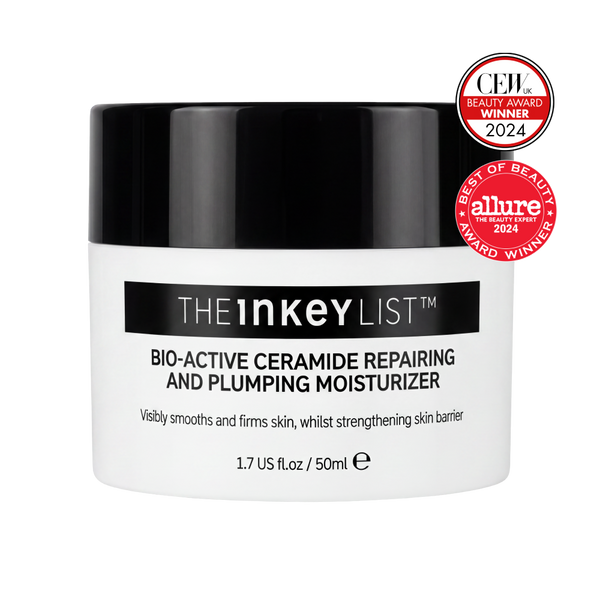
Again, that is device research and a separate conversation from what a moisturiser is formulated to do. In everyday skincare terms, a well-supported barrier is what keeps skin feeling comfortable. Our Bio-Active Ceramide Moisturiserhelps support the skin barrier and calms and soothes skin that feels stressed. The damaged skin barrier collection is a good place to start if yours feels compromised.
5. Better Hydration and Plumpness
Skin that holds water simply looks better. It reflects light more evenly, fine lines look softer, and the whole face reads fresher.
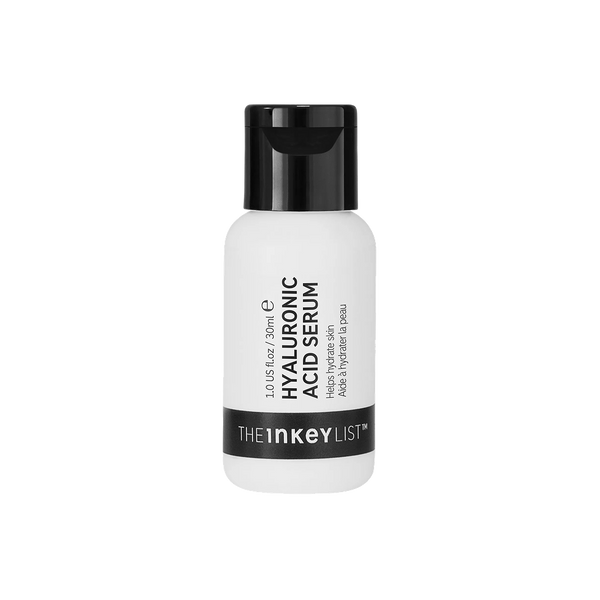
This is where topical skincare is genuinely unbeatable. Our Hyaluronic Acid Serum draws moisture into the skin for an immediately plumper, bouncier look, and works especially well applied to slightly damp skin. The hyaluronic acid pillar covers layering, and the dehydrated skin collection has more options.
Benefits only count if the device is used correctly, which brings us to safety.
Is Red Light Therapy Safe, and How to Use It at Home
The American Academy of Dermatology states that red light therapy appears to be safe in the short term when used correctly, noting that unlike ultraviolet light it does not carry the same cancer risk. Harvard Health takes a similarly measured view, whilst noting that long-term safety data for consumer devices is still limited simply because these devices are relatively new.
That is reassuring rather than a blank cheque. There are real risks worth knowing.
- Eye damage without proper protection. Bright, direct LED exposure to unprotected eyes is the most significant risk associated with these devices.
- Skin irritation in sensitive individuals. Some people experience temporary redness or a warm, tight feeling afterwards.
- Interaction with certain medications. Some prescriptions, including particular antibiotics and acne treatments, increase photosensitivity.
- Overuse. More is not better. Extended or excessively frequent sessions offer no proven advantage and may irritate skin.
Sensible precautions:
- Always wear the eye protection supplied with your device, or keep your eyes closed throughout if the manufacturer’s guidance allows it.
- Start with shorter sessions and build up gradually rather than beginning at the maximum.
- Consult a dermatologist before starting, particularly if you have an existing skin condition.
- Avoid if you are pregnant or taking photosensitising medication, unless a healthcare professional has told you otherwise.
How to Use Red Light Therapy at Home
- Choose a quality device with verified wavelengths, ideally one that publishes its output specifications rather than only its marketing claims.
- Start slowly with sessions of five to ten minutes, then increase only if your skin stays comfortable.
- Be consistent, aiming for three to five sessions per week, because frequency over time matters far more than length of any single session.
- Protect your eyes every single time, without exception, even for short sessions.
- Apply to clean, completely product-free skin, since serums and moisturisers sit on the surface and can interfere with light reaching it.
- Be patient, as any visible results typically appear gradually over four to twelve weeks of regular use.
- Wear SPF the following morning, because supporting your skin’s appearance is undone by unprotected daylight exposure. Our Dewy Sunscreen SPF 30 works under makeup, and what is SPF explains why daily protection matters.
If your skin runs sensitive or reactive, patch test on a small area first and wait a full day before a complete session. Here is why you should patch test with anything new. It is also worth thinking about where device sessions sit in your weekly rhythm, and skin cycling is a useful framework for spacing out actives and recovery nights.
What you apply after a session matters as much as the session itself.
What to Put On Your Skin After Red Light Therapy or an LED Mask
Straight after a session your skin is clean, slightly warm and completely product-free. That is an ideal moment to layer hydrating and glow-supporting serums, because there is nothing sitting on the surface competing with them.
Keep the order simple: hydrate, treat, seal.
Hydrate
Start with water-binding hydration on slightly damp skin.
- Hyaluronic Acid Serum applied to damp skin for an immediate plumper look.
- Ectoin Hydro-Barrier Serum instead, if your skin feels sensitive or reactive after a session.
Treat
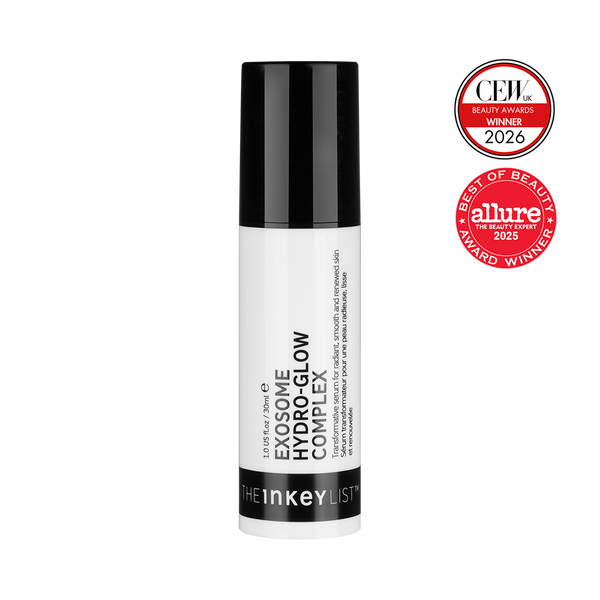
This is where a glow-focused serum earns its place. Our Exosome Glow Serum, a CEW UK Beauty Awards Winner 2026, is our most advanced glow boosting formula. It delivers 6-in-1 skin rejuvenation: clinically proven to visibly improve radiance, hydration, tone, firmness, elasticity, and texture. It is proven to deliver up to 12-hours of hydration**, and in testing, 100% saw more glowing skin, clinically proven.
You can find it at Exosome Glow Serum. We are not going to explain the ingredient here when we have written about it properly elsewhere: what are exosomes is the technical overview, and exosomes explained is the plain-English version.
As an alternative at the same step, PDRN Serum is our other renewal and glow option, and what is PDRN covers how it differs. If you are weighing the two, PDRN vs exosomes is a direct comparison.
Seal
Finish by locking everything in with Bio-Active Ceramide Moisturiser, which helps support the skin barrier and keeps hydration where you want it. More options in the ceramides collection.
What to skip straight after. If your skin runs sensitive, hold off on strong acids or retinol immediately post-session and save them for a different evening. Retinol and sensitive skin has guidance on spacing actives out. And if you want the wider context on why glow-focused formulas have taken over, the glow revolution is worth ten minutes.
Not everyone wants to buy a device, and you do not need one.
Skincare Alternatives to Red Light Therapy
These are not identical to a device. They are something arguably more useful for most people: well-studied, affordable ingredients that target many of the same visible concerns, with decades of evidence behind them.
Retinoids. The most researched category in skincare for the look of firmness and smoothness. Starter Retinol Serumfor beginners, Advanced Retinal Serum for experienced users. See the retinol pillar, and check what not to mix with retinol before layering. Not for you? Natural alternatives to retinol covers gentler routes.
Vitamin C. For the look of brightness and a more even tone. 15% Vitamin C & EGF Serum, with the full breakdown at the vitamin C pillar.
Niacinamide. Niacinamide Serum visibly reduces redness, improves the look of texture and supports barrier function. More at the niacinamide pillar.
Peptides. Peptide Moisturiser helps support natural collagen production whilst improving the look of firmness and smoothness. Browse the peptides collection.
Exosomes. Our Exosome Glow Serum delivers clinic worthy rejuvenated skin in 14 days*. If you are sceptical, good, read 5 exosome skincare myths debunked. Still deciding between glow actives? Vitamin C vs niacinamide vs exosomessettles it.
The Exosome Glow Serum also sits in our award winners collection, alongside the rest of our recognised formulas.
A few questions come up again and again.
Conclusion: The Bottom Line
LED face masks and red light therapy show genuine promise, and the research behind them is real. But at-home results are gradual, device quality varies wildly, and consistency will always matter more than the device itself. If you enjoy using one, keep going. Just keep your expectations proportionate.
What compounds into visible change is what you apply after a session, and every other day of the week. A well-built routine of hydration, targeted treatment and barrier support will outperform a device used sporadically, every time.
And if you would rather skip the hardware entirely, that is a completely reasonable choice. Proven ingredients deliver predictable results without a device-sized investment. Start with the complete skincare guide.
Not sure where to begin? Take our skincare quiz for a routine personalised to your skin in two minutes, or browse the full skincare collection. You can also ask an INKEY advisor if you would rather talk it through.
*4-week clinical study of 26 people
**Clinical study of 31 people
*In-vitro testing of Cica Exosomes showed a 55% reduction in pro-inflammatory markers and a 63% increase in markers associated with skin renewal after 8 hours.
Always consult with a dermatologist before starting any new skincare treatment, especially if you have sensitive skin or existing skin conditions.
Frequently Asked Questions
Got a question?
Our askINKEY team are a friendly bunch of skincare experts with deep product knowledge and zero judgement. Whether you're an ingredient obsessive or just starting out, we'll make it make sense. No question too big. No question too small. We Give A Care, Every Day.


