


Why 15p Per Cleanse Makes the INKEY Oat Cleansing Balm the Smartest Skincare Buy
Published
15 May, 2026
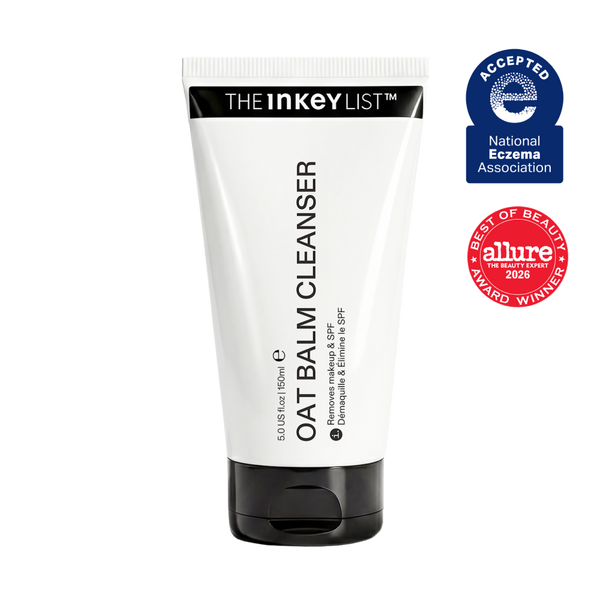
The INKEY Oat Cleansing Balm 150ml works out to 15p per cleanse. That figure is based on approximately 100 uses per tube at £15 - using a raspberry-sized amount per application, as stated on pack. It is rated 4.7 stars from 156 reviews. The formula is clinically proven. And it is the subject of this blog.
What follows covers five things: what a cleansing balm is and why the format outperforms other makeup removal methods; why cost-per-use is the smarter metric for evaluating skincare; what is inside the INKEY formula and what it does at a clinical level; who the product is genuinely suited for; and how to get the most from every single use. There is also a FAQ section at the end for the questions that come up most often.
No fluff. No filler. Just the facts.
What Is a Cleansing Balm - and Why Should You Be Using One?
A cleansing balm is an oil-based cleanser in a solid or semi-solid form that melts on contact with skin. That physical transformation - from balm to oil - is not just satisfying to experience. It is the entire point of the format, and it is rooted in basic chemistry.
Oil dissolves oil. This principle - formally known as “like dissolves like” - explains why oil-based formulas are far more effective at removing oil-soluble substances than their water-based counterparts. Foundation, long-wear concealer, waterproof mascara, sunscreen, and the excess sebum your skin produces throughout the day are all oil-soluble. Water-based cleansers are chemically mismatched for this task. They can shift surface-level grime, but they cannot dissolve an SPF film the way an oil-based formula can.
Understanding this makes the limitations of other removal methods much clearer. Face wipes are perhaps the most commonly used alternative - and they are arguably the most problematic. To remove makeup with a wipe, you drag the product across the surface of the skin. That friction is not harmless. Over time, repeated tugging at the skin - especially around the delicate eye area - contributes to micro-irritation and can accelerate the breakdown of elastin. Wipes also rarely remove everything; they redistribute as much as they remove.
Micellar water is a gentler option, but it presents its own limitations. Micelles are tiny oil molecules suspended in water that attract and lift impurities, but they are not particularly effective against modern long-wear or waterproof formulations without repeated wiping - which brings you back to the friction problem. Many people find they need to go over the same area multiple times to fully remove stubborn SPF, and that repetition is not doing the skin barrier any favours.
Foaming cleansers are useful tools, but as a first step for removing makeup and SPF, they are often working against their own purpose. Many foaming formulas contain surfactants that are effective at lifting oil-soluble debris - but they can also strip the skin’s lipid barrier in the process, leaving skin feeling tight, reactive, or over-cleansed. For people with dry, sensitive, or dehydrated skin, this is a particularly acute problem.
A well-formulated cleansing balm sidesteps all three of these issues. It dissolves impurities through massage without friction, rinses away cleanly, and does not require repeated passes over the skin. The balm-to-oil texture emulsifies on contact with water, turning milky before rinsing clear - no residue, no stripping, no tugging.
It is also worth noting that cleansing balms are suitable for all skin types when formulated correctly - including sensitive, dry, oily, and blemish-prone skin. The misconception that oil-based cleansers are only for dry skin is one of the more persistent myths in skincare, and one that this blog will address in detail later.
Packaging matters too. The Oat Cleansing Balm comes in a tube format rather than a pot, which offers a meaningful hygienic advantage. Pot-style cleansing balms require you to dip your fingers in directly each time, introducing bacteria with every use and gradually degrading the formula. A tube dispenses product cleanly, with no contamination risk and no waste.
For the full range of INKEY cleansers, you can browse all cleansers to see how the Oat Cleansing Balm fits within a broader routine.
Now that the format case is clear, the logical next question is: why this specific balm, and why at this price?
Why 15p Per Cleanse Changes How You Should Shop for Skincare
The skincare industry has spent decades conditioning consumers to use shelf price as a proxy for quality. A higher price tag looks premium. It suggests research, efficacy, exclusivity. But that framing is built on a deliberate confusion - and it ignores the only number that actually matters when evaluating the real cost of a cleanser: cost per use.
Cost per use is simple to calculate. Take the total price of a product and divide it by the number of applications you get from it. The result tells you what you are actually paying each time you use it - and it is often a very different number from the shelf price.
For the INKEY Oat Cleansing Balm: £15 divided by 100 uses = 15p per cleanse. The 100-use figure is based on a raspberry-sized amount per application, as recommended on pack. That is a consistent, standardised measure.
Now consider the annual cost if you use it every evening as part of your PM routine. 365 evenings x 15p = £54.75 per year. That is the full annual cost of your first cleanse step. If you were using a premium-priced alternative with a cost-per-use three times higher - something not uncommon in the luxury cleansing balm space - that same daily routine would cost you closer to £165 per year. For the same number of cleanses. With no guaranteed improvement in results.
The INKEY Oat Cleansing Balm is not a budget product dressed up with clever cost-per-use maths. It is a clinically proven formula, rated 4.7 stars from 156 reviews, built on ingredients that are chosen for their skin-barrier compatibility and backed by clinical trial data. The 15p figure is not a trade-off. It is simply what happens when a brand decides not to inflate its pricing to perform exclusivity.
This distinction matters because the skincare market is full of products that charge a premium for packaging, fragrance, brand positioning, or distribution costs - none of which have any bearing on what a cleanser actually does to your skin. When you strip those variables away and look at the formula, the clinical evidence, and the cost per use, the value case for the Oat Cleansing Balm becomes very straightforward.
15p per cleanse. £15. 100 uses. Clinically proven. Rated 4.7 stars from 156 reviews.
If you are ready to make the switch, you can shop the Oat Cleansing Balm - 15p per cleanse directly. Or, if you are looking to build out a full routine, Build Your Own Routine and save up to 20% through the INKEY bundle builder.
With the value case made, the next question is the one that actually underpins it: what is in the formula, and why does it work?
The Formula - What’s Inside and Why It Works
INKEY’s position on ingredients is simple: transparency over marketing language. Every ingredient in the Oat Cleansing Balm is there for a reason, and understanding what those reasons are is the difference between choosing a product on instinct and choosing it with confidence.
5% Oat Kernel Oil - The Formula’s Foundation
The hero ingredient in the latest formulation is 5% Oat Kernel Oil - increased from 3% in the previous version. That increase is not cosmetic. Oat kernel oil is chosen specifically for its compatibility with the skin’s natural lipid barrier.
The skin barrier - the outermost layer of the skin known as the stratum corneum - is made up of skin cells held together by a matrix of lipids, primarily ceramides, fatty acids, and cholesterol. Think of the skin cells as bricks and this lipid matrix as the mortar. When the mortar is intact, skin holds moisture effectively, remains resilient against environmental stressors, and regulates itself well. When the mortar is compromised - through over-cleansing, harsh surfactants, or stripping formulas - the barrier becomes porous. Moisture escapes. Irritants get in. Skin feels tight, reactive, or perpetually dry.
Oat kernel oil is rich in ceramides and omega-3 and omega-6 fatty acids - the very same lipid building blocks that make up that mortar. This is what makes it so well suited to a cleanser: rather than depleting the barrier lipids the way many harsh cleansers do, oat kernel oil actively replenishes them during the cleansing process. You are not just removing impurities - you are supporting the structure of your skin at the same time.
Sea Buckthorn Oil - The New Addition
The latest reformulation also introduced Sea Buckthorn Oil to the formula. This ingredient contributes anti-bacterial and antioxidant properties that are specifically beneficial for blemish-prone and oily skin types. It helps soothe, balance, and protect the skin - qualities that make the Oat Cleansing Balm a more well-rounded formula than its predecessor, and one that is genuinely suited to a broader range of skin concerns.
The Clinical Evidence
The formula is not just ingredient-smart. It is clinically proven. Here is what the data shows:
- Removes 100% of waterproof makeup and SPF in 30 seconds*
- Clinically proven 12-hour hydration***
- Clinically proven to improve skin texture, radiance, and smoothness**
- Clinically proven to reduce skin redness after 4 weeks**
- Clinically proven to improve skin plumpness after 4 weeks**
The 12-hour hydration claim is worth pausing on. Most people think of hydration as the job of their moisturiser or serum. But cleansing is where hydration can be lost - and a formula that actively supports 12-hour hydration means you are starting your routine from a position of maintained moisture, not depleted skin. For anyone dealing with what is dehydrated skin - that chronic tightness or dullness that does not respond to moisturiser - the first place to look is often the cleanser.
Formula Credentials
Beyond the clinical data, the formula carries a set of credentials that matter for a wide range of users:
- Fragrance-free - no added fragrance, which is one of the most common triggers for skin sensitivity
- Vegan - certified by the Vegan Society
- Dermatologically and ophthalmologically tested - safe for use around the eyes
- Non-comedogenic - clinically proven not to clog pores
- Pregnancy and breastfeeding safe
For a full breakdown of what changed in the reformulation and why each decision was made, see the new Oat Cleansing Balm: what changed and why.
\Consumer trial, 29 participants. **Clinical trial, 29 participants, 4 weeks. ***Clinical trial, 23 participants, 24 hours.*
Knowing what the formula does leads naturally to the next question: who is it actually for? The answer, across every skin type, may surprise you.
Suitable for Every Skin Type - Including Yours
One of the most persistent myths about cleansing balms is that they are a dry skin product. The logic goes: oils are rich and nourishing, so they must be too heavy for oily or blemish-prone skin. This reasoning is understandable - and it is wrong.
The Oat Cleansing Balm is suitable for all skin types: dry, normal, oily, combination, sensitive, and blemish-prone. It is also safe for use during pregnancy and breastfeeding. Here is how it addresses the specific needs of different skin types.
Dry and Sensitive Skin
For dry and sensitive skin, the formula is close to ideal. The ceramide-rich oat kernel oil actively nourishes and soothes as it cleanses - replenishing the lipid building blocks that harsh cleansers deplete. Clinically proven to reduce skin redness after four weeks**, it is a genuinely supportive option for skin that reacts to conventional cleansers. The fragrance-free formula removes the most common irritant found in skincare, and the ophthalmologically tested status means it is safe for the sensitive eye area - important for anyone who wears eye makeup or has reactive skin around the eyes.
Oily and Blemish-Prone Skin
This is where the myth needs addressing directly. Many people with oily or blemish-prone skin avoid balms entirely, assuming that applying oil to already-oily skin will make things worse. But this thinking misunderstands how oil-based cleansers work.
Oil dissolves oil. An oil-based first cleanser removes excess sebum from the skin far more effectively than a stripping foaming cleanser - because it is chemically compatible with the substance it is trying to remove. Stripping foaming cleansers, by contrast, can trigger rebound oil production: the skin, sensing that its natural oils have been removed, compensates by producing more. The result is a cycle of over-cleansing and over-production that never quite resolves itself.
Sea Buckthorn Oil - one of the new additions to the formula - is specifically anti-bacterial and anti-inflammatory, making it a well-suited ingredient for blemish-prone skin. The formula is also clinically proven non-comedogenic, meaning it will not clog pores. It removes the oil-soluble debris that does clog pores - excess sebum, makeup, SPF residue - without replacing it with pore-blocking ingredients.
If you have oily skin and have been reaching for harsh cleansers to keep shine under control, it is worth reading why oily skin gets dehydrated too. The connection between over-stripping, barrier disruption, and dehydration in oily skin is one that a barrier-compatible cleanser like the Oat Cleansing Balm is specifically equipped to address.
Dehydrated Skin
Dehydration is a skin condition, not a skin type. It can affect oily, dry, and combination skin equally - and it is frequently caused or worsened by the cleansing step of a routine. Harsh cleansers strip the Natural Moisturising Factor (NMF) from the stratum corneum - the water-binding compounds that keep skin feeling plump and comfortable. Once these are disrupted, skin feels tight, looks dull, and loses its ability to hold onto moisture even when moisturiser is applied.
A barrier-compatible cleanser is the first and most important line of defence against this cycle. If you are experiencing post-cleanse tightness or dullness, or if your moisturiser never quite feels like enough, the dehydrated skin guide is a useful starting point for understanding what is happening beneath the surface - and how to address it properly.
Understanding who the product is for sets up the most practical question of all: how do you actually use it, and how does it fit into a wider cleansing routine?
How to Use the Oat Cleansing Balm - and Why Double Cleansing Works
Getting the most from the Oat Cleansing Balm comes down to a few straightforward steps - and one instruction that is critical but frequently missed. Here is the full method.
How to Apply - Step by Step
- Dispense a raspberry-sized amount onto dry, clean hands.
- Massage gently onto dry skin for 30 to 60 seconds. This step is the one most people get wrong. The balm must be applied to dry skin - not damp. Water deactivates the balm before it has the chance to dissolve the oil-soluble SPF film and makeup sitting on the skin’s surface. Dry application is not optional; it is the mechanism.
- Add a small amount of warm water to emulsify. You will feel the texture shift from a balm to a milky, almost lotion-like consistency. This is the formula emulsifying - lifting the dissolved impurities from the skin’s surface.
- Rinse thoroughly with lukewarm water. Avoid hot water - it disrupts the skin’s lipid barrier, undoing some of the work the oat kernel oil has just done. Lukewarm is warm enough to rinse cleanly without causing unnecessary stress to the skin.
That is the complete method. Four steps. No cotton pads, no rubbing, no residue.
The Double Cleanse - and Why It Matters for SPF Wearers
For anyone wearing SPF daily - which, ideally, is everyone - the Oat Cleansing Balm is the ideal first step in a double cleanse. Here is why the double cleanse exists and what it is designed to solve.
SPF is formulated specifically to resist water and friction. That resistance is the whole point of a well-formulated sunscreen - it needs to stay on through sweat, humidity, and contact with surfaces throughout the day. But that same resistance makes it genuinely difficult to remove with a single water-based cleanser. A water-based cleanser cannot dissolve an oil-soluble SPF film. It can shift some of it, but it cannot remove it completely.
An oil-based first cleanse solves this problem directly. The Oat Cleansing Balm, applied to dry skin, dissolves the SPF film and any makeup sitting over it in a single 30-60 second massage. The claim that it removes 100% of waterproof makeup and SPF in 30 seconds is backed by consumer trial data*. A water-based second cleanse then removes any remaining residue - giving you genuinely clean skin to apply the rest of your routine to.
For a thorough breakdown of the science behind sunscreen removal and why the double cleanse is the correct solution, see how to remove sunscreen properly. And for the complete methodology behind the double cleanse routine itself, the complete guide to double cleansing covers everything you need to know.
For lighter daily wear with no SPF, the Oat Cleansing Balm works effectively as a standalone cleanse. But if you are wearing the Dewy Sunscreen SPF 30 or any other sunscreen daily, a double cleanse is the right approach.
Which Second Cleanser to Pair It With
Choosing the right second cleanse depends on your skin type and concerns. Here are the recommended pairings:
- Dry or normal skin: The Milk Cleanser - a gentle, cream-to-milk formula with 24-hour hydration that completes the cleanse without stripping.
- Oily or blemish-prone skin: The Salicylic Acid Cleanser - a BHA-powered formula that clears pores and manages excess oil as the second step.
- For ready-made pairings across all skin types, browse Double Cleanse Duos.
One More Use Worth Knowing About
The Oat Cleansing Balm is not limited to cleansing. Apply a slightly more generous amount and leave it on the skin for 10 minutes, one to two times per week, and it functions as a nourishing hydrating mask - giving the oat kernel oil extra time to support and replenish the barrier. It also works as a gentle shaving balm. It can be used both morning and evening, making it a versatile and practical product beyond its primary function.
\Consumer trial, 29 participants.*
With the method covered, the section below addresses the questions that come up most often - including a few that might already be on your mind.
Common Questions About the INKEY Oat Cleansing Balm
Can you use a cleansing balm every day?
Yes. The Oat Cleansing Balm is formulated for daily use, both AM and PM. The oat kernel oil formula supports the skin barrier over time rather than depleting it, making it suitable for consistent daily use without the risk of over-cleansing.
Is a cleansing balm good for sensitive skin?
Yes. The formula is fragrance-free, dermatologically and ophthalmologically tested, and non-stripping. It is suitable for sensitive skin and sensitive eyes. The clinically proven reduction in skin redness after four weeks** makes it a particularly well-suited option for reactive skin types.
Does a cleansing balm hydrate skin?
Yes - the Oat Cleansing Balm is clinically proven to deliver 12-hour hydration***. For anyone whose skin feels tight, dull, or water-deficient after cleansing, this is significant. Cleansing is one of the most common causes of compromised skin hydration, and a formula that actively supports moisture levels changes the dynamic. If you are experiencing persistent post-cleanse tightness, the dehydrated skin guide is a useful resource for understanding what dehydration is, how it differs from dryness, and what your skin actually needs.
Will a cleansing balm clog pores or cause breakouts?
No. The formula is clinically proven non-comedogenic - it will not clog pores. In fact, the Oat Cleansing Balm removes the oil-soluble debris that does contribute to congestion: excess sebum, makeup, and SPF residue that a water-based cleanser cannot fully dissolve.
Do I need to double cleanse?
It depends on your routine. If you wear SPF, makeup, or long-wear products, double cleansing is recommended. The Oat Cleansing Balm handles the first step - dissolving oil-soluble impurities - and a water-based second cleanse removes any remaining residue. For a full breakdown of the methodology, see the complete guide to double cleansing. If you are not wearing SPF or makeup, the Oat Cleansing Balm works effectively as a standalone cleanse.
How many uses do I get from the 150ml tube?
Approximately 100 uses, based on a raspberry-sized amount per application. At £15 for 150ml, that works out to 15p per cleanse. Used daily in the evening, one tube lasts just over three months.
Can I use it as a face mask?
Yes. Apply a more generous amount to the skin and leave it on for 10 minutes, one to two times per week. This gives the oat kernel oil additional time to work on the barrier and provides an intensive moisture boost beyond what a standard cleanse delivers.
What is the difference between this and a traditional makeup remover?
The chemistry is the key difference. Micellar water and face wipes cannot dissolve oil-soluble SPF films or long-wear makeup in the way that an oil-based formula can. They also tend to require friction - repeated wiping - to remove stubborn products, which causes micro-irritation over time. The Oat Cleansing Balm is chemically matched to the task: it dissolves oil-soluble impurities through massage, emulsifies with water, and rinses cleanly. It also nourishes the barrier as it cleanses, rather than stripping it.
My balm seems too hard or too runny - is that normal?
Yes. The formula is temperature-sensitive, which is entirely normal for a balm format. If the balm feels too solid - particularly in colder months - run the tube under warm water for 30 to 60 seconds before dispensing. If it feels too runny - in warmer conditions - store it in a cool place and give it a gentle shake before use. Neither state affects the efficacy of the formula.
\*Clinical trial, 29 participants, 4 weeks. ***Clinical trial, 23 participants, 24 hours.*
The Smartest Skincare Buy Starts With the Right Cleanser
The case for the INKEY Oat Cleansing Balm comes down to three things: clinical proof, ingredient intelligence, and genuine value.
The clinical data is clear - 100% of waterproof makeup and SPF removed in 30 seconds, 12-hour hydration, improved skin texture, radiance, smoothness, and plumpness, and a reduction in redness after four weeks. These are not aspirational claims. They are backed by trial data, fragrance-free, vegan, non-comedogenic, and safe for use from pregnancy onwards.
The ingredient story is equally clear. A formula built on 5% Oat Kernel Oil - ceramide-rich and barrier-compatible - that cleanses without depleting, nourishes without leaving residue, and works across every skin type. Complemented by Sea Buckthorn Oil for its anti-bacterial and antioxidant contribution. No unnecessary additives. No fragrance. No compromise.
And then there is the number that ties it all together: 15p per cleanse. £15. 100 uses. Rated 4.7 stars from 156 reviews. If you have been spending more per cleanse than this - for results that the data shows are no better, and potentially worse for your skin barrier - now is a straightforward moment to make the switch.
Shop the Oat Cleansing Balm - £15 / 100 uses / 15p per cleanse
Got a question?
Our askINKEY team are a friendly bunch of skincare experts with deep product knowledge and zero judgement. Whether you're an ingredient obsessive or just starting out, we'll make it make sense. No question too big. No question too small. We Give A Care, Every Day.


