What Is TEWL (Transepidermal Water Loss) and How to Prevent It?
Transepidermal water loss — TEWL — is something your skin is doing right now, without you knowing it. It is the continuous, passive process by which water evaporates through the outermost layers of your skin and escapes into the surrounding air. No sweat glands involved. No sensation. No warning sign. Just a steady, invisible trickle of moisture leaving your skin at all times. The difference between healthy skin and skin that feels persistently tight, dull, or sensitive often comes down to how well that water loss is being managed.
TEWL is not the same as sweating. Perspiration is an active, purposeful response from your sweat glands to regulate body temperature. TEWL, by contrast, is passive diffusion — it happens regardless of temperature, physical activity, or how much water you drink. When your skin barrier is strong and intact, TEWL is kept at a low, controlled rate. When that barrier is compromised, water escapes too rapidly, and the downstream effects cascade quickly: dehydration, sensitivity, a weakened barrier, dullness, and accelerated visible ageing.
Understanding TEWL properly means understanding the structure that controls it, the factors that drive it upward, the signs that it is already too high, and — crucially — the ingredients and habits that bring it back under control. If you have ever reached for your moisturiser and still felt like your skin was thirsty an hour later, TEWL is likely a significant part of the explanation. This guide covers all of it, including the role of targeted barrier-strengthening products like our Ectoin Hydro-Barrier Serum in addressing water loss at a structural level.
What Is Transepidermal Water Loss (TEWL)?
“Transepidermal water loss (TEWL) is the passive diffusion of water through the skin’s outer layers into the environment. It is an invisible, continuous process that increases when the skin barrier is weakened.”
TEWL stands for transepidermal water loss. More precisely, it refers to the measurable amount of water that passively diffuses through the stratum corneum — the outermost layer of the skin — and evaporates from the surface into the surrounding atmosphere. According to a systematic review published in PMC, TEWL is an objective measurement of skin integrity, reflecting the amount of water lost across the stratum corneum per square metre per hour. In healthy adults with an intact skin barrier, this rate sits at a controlled and relatively low level. When the barrier is disrupted, that number climbs — and skin begins to show the consequences.
What makes TEWL distinct from other forms of water loss is its completely passive nature. According to Wikipedia’s overview of transepidermal water loss, TEWL is also known in mammals as “insensible water loss” — insensible precisely because it is a process over which the body has little physiological control and of which most people are entirely unaware. You cannot feel it happening. There is no sweating sensation, no visible moisture on the surface of the skin. The water simply moves outward through the skin layers via diffusion and evaporates.
The structure primarily responsible for managing TEWL is the stratum corneum — the outermost layer of the epidermis, composed of flattened, dead skin cells called corneocytes, embedded within a structured lipid matrix made up of ceramides, free fatty acids, and cholesterol. When this structure is healthy and its lipid content is intact, the barrier functions as an effective seal against water loss. When it is compromised — whether from environmental damage, aggressive skincare habits, or biological changes — the stratum corneum becomes more permeable, and TEWL increases significantly.
TEWL is not simply a cosmetic concern. Elevated TEWL has been clinically linked to inflammatory skin conditions including eczema (atopic dermatitis) and psoriasis, and it is used in dermatology research and clinical settings as a direct measure of skin barrier integrity. Researchers use a non-invasive device called a tewameter to measure water vapour density above the skin surface and calculate how many grams of water are being lost per square metre per hour. For those without access to a dermatologist’s instruments, the visible and physical signs on the skin are the indicators to pay attention to — and those are covered in detail below.
To understand TEWL fully, it helps to first understand the precise biological mechanism that controls it — and why the skin barrier is the central player in the story.
How Your Skin Barrier Controls Water Loss
The skin barrier is not a single layer or a film. It is an extraordinarily complex biological structure — and the most useful way to picture it is as a brick-and-mortar wall. The “bricks” are corneocytes: flattened, protein-rich, dead skin cells that interlock in overlapping layers. The “mortar” is the lipid matrix that fills the spaces between them — a carefully organised mixture of ceramides, cholesterol, and free fatty acids that is both waterproofing and structural.
This lipid matrix is the primary regulator of TEWL. When it is intact, it forms a near-impermeable seal that slows the passive outward movement of water to a controlled rate. When it is disrupted — even partially — the gaps that open up allow water to diffuse outward far more rapidly than the skin can compensate for. The result is elevated TEWL. Understanding that the mortar, not the bricks, is the key variable explains why the ingredients that most effectively reduce TEWL are those that replenish, mimic, and reinforce that lipid matrix directly.
Of all the lipids in the stratum corneum, ceramides are the most critical. They make up approximately 50% of the total lipid content of the stratum corneum and are the structural backbone of the barrier’s waterproofing function. When ceramide levels are depleted — whether through ageing, over-exfoliation, or environmental damage — TEWL rises in direct proportion. This is one of the reasons ceramide-rich products have moved from clinical dermatology into mainstream skincare, and why understanding the difference between bio-active and regular ceramides matters when choosing the right barrier support.
Alongside the lipid matrix, another component plays a crucial supporting role: the natural moisturising factor, or NMF. NMF is a collection of water-soluble compounds found inside the corneocytes themselves — amino acids, lactic acid, urea, and other hygroscopic molecules that help the stratum corneum retain water within its structure and stay supple rather than rigid and cracked. As the skin barrier weakens, NMF levels also decline, compounding the barrier’s inability to hold onto moisture. Both the lipid matrix and the NMF need to be working effectively for TEWL to remain at a healthy, controlled rate.
It is also worth clarifying a distinction that causes significant confusion in skincare: the difference between dry skin and dehydrated skin. Dry skin is a skin type, linked to reduced sebum production and a naturally lower lipid output. Dehydrated skin is a condition — a lack of sufficient water content in the skin — and it can affect any skin type, including oily skin. TEWL is directly related to dehydration, not dryness: it is about water escaping, not oil being absent. If you are unsure which applies to you, the dry vs dehydrated skin blog covers the distinction in full.
Clinically, TEWL measurement is used as the gold standard for assessing skin barrier integrity precisely because it captures this relationship so directly. A high TEWL reading tells a dermatologist that the barrier is failing to retain water. A low, controlled TEWL reading signals that the barrier is healthy and functioning as it should. In everyday skincare, you may not have access to a tewameter — but your skin will give you plenty of other signals when TEWL has climbed too high.
Once the mechanism is understood, it becomes much easier to see why certain habits and environments push TEWL upward — which is exactly what the next section addresses.
What Causes Increased Transepidermal Water Loss?
TEWL does not rise in isolation. It is driven by a combination of environmental pressures, lifestyle choices, skincare habits, and biological factors — many of which are within your control to reduce. Understanding what is causing elevated TEWL in your specific situation is the first step toward addressing it effectively. The causes break into four clear categories.
Environmental Causes
- Cold, dry air — Low-humidity environments accelerate evaporation from the skin surface. When ambient moisture is low, the gradient between the water content of the skin and the surrounding air widens, increasing the rate of passive diffusion outward. This is why skin tends to feel more dehydrated in winter, even without changes to your routine.
- Central heating and air conditioning — Indoor climate control systems are among the most underappreciated drivers of elevated TEWL. They dramatically reduce indoor humidity, often to levels that are significantly below the 40–60% range at which skin barrier function is optimal. Running the heating in winter or the air conditioning in summer essentially creates a year-round low-humidity environment that continuously draws moisture out of the skin.
- UV exposure — According to PMC research on TEWL and environmental factors, UV radiation damages the skin’s lipid matrix and disrupts ceramide synthesis, directly increasing TEWL. This damage is cumulative — even on cloudy days, UV exposure is contributing to barrier degradation over time.
- Pollution and wind — The same systematic review found that all four studies examining pollution and TEWL concluded that exposure to particulate matter and nitrogen dioxide (NO₂) consistently increased TEWL values in participants. Air pollution causes oxidative damage to epithelial cells, degrading the surface lipids that the barrier depends on. Wind further strips moisture from the skin’s surface and degrades the protective lipid layer.
Lifestyle Causes
- Hot showers and baths — Hot water dissolves the lipid matrix more effectively than lukewarm water, stripping the skin of the natural oils and ceramides it relies on to retain moisture. The longer and hotter the shower, the more pronounced the effect on TEWL.
- Chronic stress — Elevated cortisol levels impair skin barrier repair mechanisms and have been shown to increase TEWL. Stress is one of the factors covered in detail in our what is skin stress blog, including its broader effects on barrier function.
- Poor sleep — Skin barrier regeneration — including lipid synthesis and cell turnover — occurs primarily during sleep. Insufficient or low-quality sleep reduces the skin’s ability to repair TEWL-related barrier damage overnight, leading to a slow accumulation of barrier compromise over time.
- Diet low in essential fatty acids — Ceramide synthesis depends on dietary intake of essential fatty acids, particularly omega-3 and omega-6. A diet deficient in these nutrients can impair the skin’s ability to maintain adequate barrier lipid levels.
Skincare Habit Causes
- Over-exfoliation — Excessive use of AHAs, BHAs, or physical scrubs physically removes lipids from the stratum corneum, thins the barrier, and raises TEWL. Exfoliation has a place in any well-designed routine, but frequency matters enormously.
- Harsh, stripping cleansers — High-surfactant cleansers dissolve the lipid matrix as they remove impurities. Skin that feels “squeaky clean” after cleansing has almost certainly had its barrier lipids significantly stripped. For those looking to build a skincare routine for dehydrated skin, switching to a non-stripping cleanser is often the single most impactful first step.
- Skipping moisturiser — Without an occlusive or emollient layer on top of the skin, TEWL increases as there is no physical barrier slowing the evaporation of water from the surface. This applies to all skin types — including oily skin.
- Overuse of active ingredients without barrier support — Retinoids and high-concentration acids, used without adequate barrier-supporting products, can temporarily elevate TEWL by accelerating surface cell turnover faster than the barrier can self-repair.
Biological and Medical Causes
- Ageing — Ceramide production naturally declines with age, leading to a chronically reduced lipid matrix and steadily elevated baseline TEWL. This is a key reason skin becomes drier, thinner, and more sensitive over time.
- Skin conditions — Eczema (atopic dermatitis), psoriasis, and rosacea are all associated with significantly elevated TEWL as a defining feature of the condition. The barrier dysfunction in these conditions is both a cause and a consequence of their inflammatory cycles.
- Genetics — Some individuals are born with naturally lower ceramide concentrations in the stratum corneum and a more permeable skin barrier, making them more susceptible to elevated TEWL throughout their lives.
Knowing what is driving elevated TEWL makes it possible to recognise whether it is already happening in your skin — which is exactly what the next section will help you do.
Signs That Your TEWL Levels Are Too High
Most people who experience elevated TEWL do not know that is what they are dealing with. They know their skin feels uncomfortable, reactive, or impossible to keep hydrated — but the cause is not always obvious. These are the key signs worth paying attention to.
1. Persistent tightness or discomfort
A feeling of tightness after cleansing that does not resolve within a few minutes — or skin that feels uncomfortably taut throughout the day — is one of the clearest indicators of insufficient moisture retention. When the stratum corneum is unable to hold onto water adequately, the skin loses its pliability and flexibility, and tightness is the physical result.
2. Flakiness and rough texture
When TEWL is elevated, corneocytes in the stratum corneum do not shed in the smooth, even pattern they should. Instead, they cluster and lift at the surface, producing visible flaking, rough patches, and uneven texture. This is the barrier’s inability to maintain normal cell turnover without adequate hydration — not simply a lack of exfoliation.
3. Dullness and flat, greyish tone
Adequately hydrated skin reflects light evenly and has a natural luminosity. Skin that is losing water faster than it can retain it scatters light unevenly, producing the characteristic flat, dull appearance that no amount of highlighter can genuinely fix. The solution is not topical radiance — it is internal hydration at the barrier level.
4. Increased sensitivity and reactivity
A compromised skin barrier is also a more permeable one — and that permeability goes both ways. Water escapes more easily, but irritants, allergens, and pollutants also penetrate more easily. If your skin has recently become reactive to products you have used without issue for months, or if it stings, reddens, or flares with minimal provocation, elevated TEWL and a weakened barrier are the most likely explanation.
5. Fine lines that appear more prominent
Dehydration caused by elevated TEWL makes fine lines visibly more pronounced — particularly around the eyes, mouth, and forehead. This is distinct from structural ageing: it is temporary, hydration-dependent surface etching that reflects the skin’s lack of water content rather than a loss of collagen. The good news is that it responds well to barrier repair.
6. Moisturiser that absorbs immediately but never satisfies
If you apply moisturiser and it seems to vanish into the skin instantly — leaving no feeling of comfort or lasting hydration — this is a sign that water is escaping from the stratum corneum faster than it can be replenished. This is the classic presentation of high TEWL: a perpetually thirsty skin that cannot hold onto hydration. The distinction between moisturising and hydrating is relevant here, as the two processes address the problem from different angles.
A note on when to seek professional advice: The signs above are indicators that a targeted skincare routine can meaningfully address. If you are experiencing persistent, severe, or worsening symptoms — such as chronic redness, eczema flares, or significant inflammation — these are worth discussing with a dermatologist rather than treating solely through product choices.
Formulas that combine hydration with structural barrier support — like our Ectoin Hydro-Barrier Serum — address both sides of the problem simultaneously: drawing water into the skin while reinforcing the barrier structure that keeps it there.
With the signs identified, the logical next step is understanding which specific ingredients have the evidence behind them to meaningfully reduce TEWL.
The Best Ingredients for Reducing Transepidermal Water Loss
The most effective approach to managing TEWL involves using ingredients from three distinct functional categories — humectants, occlusives and emollients, and barrier-specific actives — in the right combination and order. Each category plays a different role, and no single category is sufficient on its own.
Humectants: Drawing Water Into the Skin
Humectants work by attracting and binding water molecules to the skin — pulling moisture from the environment and from deeper skin layers up into the stratum corneum. They are essential for replenishing the water content that TEWL depletes, but on their own, they cannot prevent that water from escaping again.
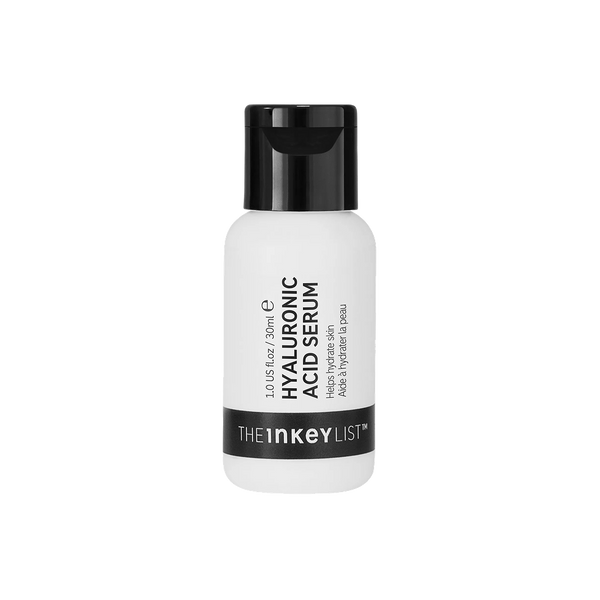
- Hyaluronic Acid — The benchmark humectant in modern skincare. Multi-molecular hyaluronic acid contains molecules of different sizes that target hydration at multiple depths, from the surface down. It is most effective when applied to slightly damp skin. Our Hyaluronic Acid Serum (£9.00) delivers multi-level hydration and forms a solid first step in any TEWL-focused routine.
- Glycerin — One of the most well-researched and effective humectants available, glycerin draws moisture from the environment and the deeper skin layers into the stratum corneum. It is affordable, well-tolerated by even the most sensitive skin, and present in the majority of well-formulated moisturisers.
- Polyglutamic Acid — A high-performing humectant with an exceptional moisture-holding capacity. Our Polyglutamic Acid Serum forms a light, breathable film on the skin’s surface, slowing moisture evaporation while attracting water into the skin.
Occlusives and Emollients: Sealing Moisture In
Without occlusion, humectants can actually draw water upward through the stratum corneum and accelerate evaporation at the surface — particularly in low-humidity environments. Occlusives create a physical barrier on the skin’s surface that slows the rate of water evaporation. Emollients fill the microscopic gaps between corneocytes, smoothing texture and reducing the points through which water can escape.
- Ceramides — The most physiologically relevant occlusive for reducing TEWL. Ceramides do not simply sit on the surface; they integrate into and replenish the lipid matrix of the stratum corneum, addressing TEWL at a structural level. Understanding bio-active ceramides vs regular ceramides is useful context here — not all ceramide formulations deliver the same depth of barrier repair.
- Plant oils and butters — Ingredients such as jojoba esters and shea butter contribute to barrier function as effective occlusives and emollients within a well-formulated moisturiser.
- Squalane and fatty alcohols — Lightweight emollients like squalane and cetearyl alcohol fill intercellular gaps in the stratum corneum, smoothing texture and supporting barrier integrity without heaviness or congestion.
Barrier-Specific Actives: Repairing the Structure
Beyond general humectants and occlusives, there is a third category: ingredients that specifically target the structural integrity of the skin barrier itself, rather than simply working around its deficiencies.
- Ceramides — Mentioned above as occlusives, but worth reiterating here as barrier actives: standalone ceramide treatments replenish the stratum corneum’s lipid matrix directly and reduce TEWL structurally, not just symptomatically.
- Ectoin — A naturally derived barrier-strengthening ingredient with a dual-action mechanism: it simultaneously hydrates the skin and reinforces the barrier against water loss at a cellular level. Ectoin is the subject of the next section’s dedicated spotlight — and its ingredient page provides the full scientific background on how it works.
- Panthenol (Vitamin B5) — A widely used barrier-repair ingredient that supports the skin’s natural regenerative processes and retains moisture within the stratum corneum.
The Role of Layering
Understanding which ingredients to use matters, but so does the order in which you apply them. The principle behind effective TEWL reduction in a routine is simple: apply humectants first to draw water into the skin, follow with barrier-active ingredients to support the structure, then seal with occlusives and emollients to slow the rate of evaporation. This layering approach — sometimes called the moisture sandwich method — is the framework that connects all of the ingredients above into a coherent routine.
Of all the barrier-active ingredients in this category, Ectoin stands out for a mechanism that goes beyond what conventional humectants or occlusives can achieve — which is why it deserves a dedicated look.
Ectoin: The Barrier-Strengthening Ingredient That Targets TEWL
“Most hydrating ingredients draw water into the skin. Ectoin does something more: it strengthens the barrier that keeps that water from escaping. That is why it is one of the most effective ingredients for addressing transepidermal water loss at a structural level.”
What is Ectoin?
Ectoin is a naturally occurring amino acid derivative, first discovered in extremophile bacteria — microorganisms that have evolved to survive in some of the most hostile environments on Earth, including salt deserts and areas of extreme heat, UV radiation, and desiccation. To survive these conditions, these bacteria produce Ectoin as a protective molecule, using it to stabilise their proteins, cell membranes, and cellular machinery against dehydration and environmental stress.
That evolutionary origin is exactly what makes Ectoin so relevant to skin science. The same protective mechanism that extremophile bacteria use to survive in salt deserts can be applied to the human skin barrier to protect against environmental stressors — UV, pollution, temperature extremes, and most critically for our purposes, the loss of moisture. You can read more about Ectoin’s mechanism on the INKEY Ectoin ingredient page.
How Does Ectoin Address TEWL Specifically?
Ectoin’s action on TEWL is direct and structural, which sets it apart from the majority of hydrating ingredients on the market. Here is precisely how it works:
- It forms a structured hydration shell around proteins and cell membranes in the stratum corneum, protecting them from dehydration and the damage caused by environmental stressors including pollution and UV. This is the same “extremolyte” mechanism the bacteria use in salt deserts — applied at the level of human skin cells.
- It reduces the permeability of the stratum corneum — directly slowing the passive diffusion of water through the barrier. This is not a surface-level film; it is structural reinforcement of the barrier itself, reducing the rate at which water can escape.
- It simultaneously hydrates and fortifies. A conventional humectant draws water in but cannot prevent its escape. An occlusive seals moisture in but does not repair the barrier structure. Ectoin does both: it attracts and stabilises water within the skin while also making the barrier itself less permeable to water loss. This dual-action mechanism is what makes it uniquely effective for addressing TEWL at a root cause level, and aligns with current understanding of how environmental stressors compromise skin barrier function.
The Clinical Evidence
Clinical evidence supports Ectoin’s efficacy in ways that go beyond general hydration claims:
- Clinically proven to hydrate and strengthen the skin barrier in just 15 minutes*
- Visibly restores skin bounce in 3 days*
- Visibly improves 5 signs of a compromised skin barrier** — including dryness, flakiness, dullness, redness, and slackness
\Clinical study of 31 people | **4-week clinical study of 26 people*
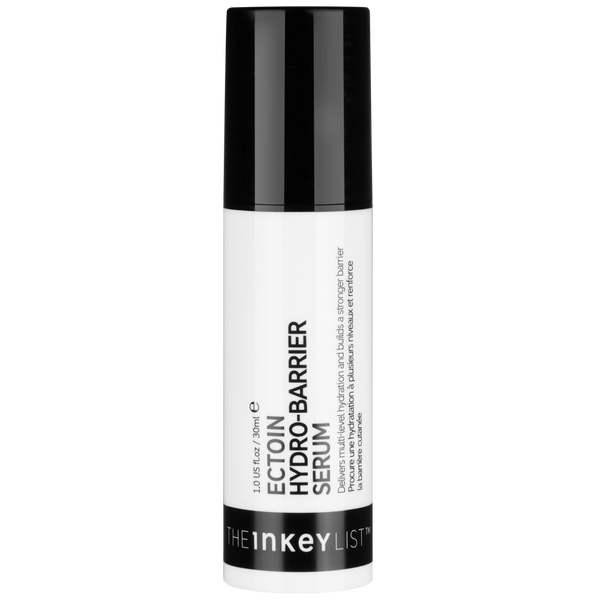
Introducing the Ectoin Hydro-Barrier Serum
Our Ectoin Hydro-Barrier Serum (£15.00) was formulated specifically to target TEWL from three simultaneous angles. It combines:
- 2% Ectoin — to strengthen the barrier and reduce water loss at a structural level
- 2.5% Multi-Molecular Hyaluronic Acid (four molecular weights for multi-depth hydration) — to draw water into the skin across multiple layers simultaneously
- 1% Barrier Blend (3 Ceramides) — to replenish the stratum corneum’s lipid matrix and seal in hydration
This combination is intentional. Ectoin addresses the structural cause of TEWL. Hyaluronic acid addresses the hydration deficit. Ceramides seal and reinforce the barrier. Together, they cover every element of the TEWL cycle — from moisture intake to moisture retention.
The serum is suitable for all skin types and is particularly beneficial for sensitive, dehydrated, or barrier-compromised skin. It is designed to be used morning and evening, applied after cleansing and before other serums and moisturiser. It also pairs exceptionally well with retinol — applied first, it creates a buffer that protects the barrier against the temporary sensitivity that retinoids can cause.
Understanding which ingredients address TEWL is one thing. Putting them together into a coherent, effective daily routine is another — and that is exactly what the final section delivers.
How to Build a Skincare Routine That Minimises TEWL
A routine built specifically to reduce TEWL follows a clear logic: protect the barrier at the cleansing stage, repair and hydrate it immediately after, seal in that hydration with the right moisturiser, and preserve the work done with daily SPF protection. Here is how each step maps to that logic, with specific product recommendations at each point.
Step 1 — Cleanse Without Stripping
The first rule of a TEWL-reducing routine is that cleansing should not undo the barrier before you have had a chance to build it back up. High-surfactant cleansers dissolve the lipid matrix of the stratum corneum along with the day’s impurities — and that is a trade-off not worth making if elevated TEWL is already a concern.
A gentle, non-stripping cleanser preserves the skin’s natural barrier lipids. For sensitive, dry, or barrier-compromised skin, a cleansing balm is particularly well suited — it removes impurities through oil-based dissolution rather than surfactant action, leaving the stratum corneum intact. Our Oat Cleansing Balm (£15.00) contains 1% colloidal oatmeal to soothe reactive skin and 3% oat kernel oil to support the skin’s moisture. It is gentle enough for the most sensitive skin types and ensures that the barrier is still intact and ready for the active steps that follow.
Step 2 — Apply a Barrier-Strengthening Serum to Damp Skin
Immediately after cleansing — while the skin is still slightly damp — is the optimal moment to apply barrier-active and humectant ingredients. Damp skin allows humectants to draw moisture from the water on the surface into the deeper layers of the stratum corneum, rather than from the air alone. Timing matters here: do not wait until the skin is fully dry before applying your serum.
The Ectoin Hydro-Barrier Serum (£15.00) should be your first serum application, before other actives. Its job at this stage is dual: begin repairing the barrier structure while simultaneously drawing hydration in. Applying it before other serums ensures that the barrier is primed and supported before any other active ingredients reach the skin.
Step 3 — Layer Additional Hydration if Needed
For very dehydrated or sensitised skin — or for skin that tends to feel thirsty regardless of what you apply — adding a second humectant serum before moisturiser provides an additional reservoir of water for the barrier to retain. Think of it as filling the tank before sealing the lid.
The Hyaluronic Acid Serum (£9.00) is the natural addition at this step. Its multi-molecular formula delivers hydration at different depths, complementing the barrier repair work already underway from the Ectoin serum. Apply it while the Ectoin serum is still slightly tacky for maximum layering effectiveness — a technique aligned with the moisture sandwich method.
Step 4 — Seal with a Moisturiser Containing Barrier Lipids
A moisturiser is not optional in a TEWL-reducing routine. It is the step that provides the occlusive and emollient layer that slows the rate of water evaporation from the skin’s surface — effectively sealing in everything applied in steps 2 and 3. Without it, the hydration from your serums will simply evaporate.
The right moisturiser for this step depends on your skin type:
- For dry or mature skin: The Bio-Active Ceramide Moisturiser (£19.00) is clinically proven to strengthen the skin barrier using bioactive ceramides. It targets 6 signs of ageing in 28 days and provides the rich, lipid-replenishing seal that dry and mature skin needs to keep TEWL in check.
- For oily or combination skin: The Omega Water Cream (£11.00) offers an oil-free, lightweight alternative with a 0.2% ceramide complex and 5% niacinamide. It balances oil production while providing the occlusive protection needed to seal in hydration and slow TEWL.
Step 5 (AM Only) — Apply SPF to Prevent UV-Induced TEWL
UV radiation is one of the primary environmental drivers of elevated TEWL — it damages the lipid matrix, disrupts ceramide synthesis, and degrades the structural integrity of the stratum corneum with every unprotected minute of exposure. Daily SPF is not optional for barrier preservation. Our Dewy Sunscreen SPF 30 (£15.00) provides reliable broad-spectrum protection with a finish that complements a hydration-focused routine without heaviness.
Daily Habits That Reduce TEWL Beyond Your Routine
The routine above addresses TEWL through product choices — but habits matter equally. These practical adjustments make a meaningful difference in baseline TEWL levels:
- Apply serums to slightly damp skin — as described above, this optimises humectant absorption and maximises moisture retention.
- Avoid hot showers — switch to lukewarm water, and keep shower time short. Hot water strips the lipid matrix every single time.
- Use a humidifier — particularly during winter or in rooms with central heating or air conditioning. Maintaining indoor humidity between 40–60% significantly reduces the environmental gradient driving water evaporation from the skin.
- Limit AHA and BHA use to 2–3 times per week maximum — over-exfoliation is a fast route to a compromised barrier and elevated TEWL. The skin cycling method is a useful framework for structuring exfoliant use without overdoing it.
- Never skip moisturiser, even on oily skin days — oily skin can still be dehydrated. Without an occlusive layer, TEWL increases regardless of how much sebum the skin is producing.
For those looking to simplify and focus only on the most essential steps, the smart skinimalism approach outlines how to build a minimal but effective barrier-protecting routine.
The Science Is Complex. The Solution Does Not Have to Be.
TEWL is a fundamental biological process. Every person on earth experiences it every moment of every day. The difference between skin that is hydrated, resilient, and comfortable, and skin that is persistently tight, reactive, and dull, comes down to one thing: how effectively the stratum corneum is managing and slowing that water loss.
The key takeaways are these. First, TEWL increases when the skin barrier — specifically its lipid matrix — is compromised. Second, everything that compromises the barrier, from hot showers and harsh cleansers to UV exposure, stress, and the natural ageing process, raises the rate of water loss. Third, the ingredients that most effectively address TEWL work not by masking the problem, but by repairing the structure that controls it — humectants draw water in, ceramides and barrier actives rebuild the structure, and occlusives seal it in.
Ectoin is the ingredient that does the most distinctive work in this picture. Unlike a conventional humectant or a plain occlusive, it addresses TEWL at a cellular and structural level — stabilising the barrier against environmental damage, reducing its permeability, and simultaneously hydrating the skin. The Ectoin Hydro-Barrier Serum (£15.00) brings that dual-action mechanism together with multi-molecular hyaluronic acid and a ceramide barrier blend, making it the most complete single product solution to elevated TEWL available in the INKEY range.
You do not need a complex, ten-step routine to address TEWL. You need the right cleanser, the right active serum, the right moisturiser — applied in the right order, with the right habits behind them. That is it.
If you want personalised guidance, the askINKEY team is available — no jargon, no judgement, just honest skincare advice from people who understand the science.
TEWL (Transepidermal Water Loss) — Frequently Asked Questions
Q: What does TEWL stand for?
TEWL stands for transepidermal water loss. It refers to the process by which water passively evaporates through the outer layers of the skin into the surrounding environment. It is an invisible, continuous process that occurs in all people at all times.
Q: What causes transepidermal water loss?
TEWL increases when the skin barrier is compromised. Common causes include cold or dry weather, air conditioning and central heating, UV exposure, harsh cleansers, over-exfoliation, chronic stress, poor sleep, and the natural decline of ceramide production with ageing. Pollution exposure — particularly particulate matter and nitrogen dioxide — has also been clinically shown to increase TEWL.
Q: How can transepidermal water loss be prevented?
Preventative steps include using a gentle, non-stripping cleanser, applying barrier-strengthening ingredients such as Ectoin and ceramides, layering a humectant serum, and sealing with an appropriate moisturiser. Using daily SPF is essential for preventing UV-induced TEWL. Building consistent habits — avoiding hot showers, using a humidifier in low-humidity environments, and limiting exfoliating acid use to two to three times per week — also significantly reduces TEWL over time.
Q: Does evaporation cause transepidermal water loss?
Yes — TEWL is precisely the process of water evaporating from the skin’s surface. A healthy, intact skin barrier slows this evaporation to a controlled and manageable rate. A damaged or compromised barrier allows water to evaporate more quickly and in greater quantities, leading to dehydration, sensitivity, and visible skin changes.
Q: What is the difference between TEWL and sweating?
Sweating is an active process, controlled by the body’s sweat glands in response to heat or physical exertion. TEWL is entirely passive — it occurs continuously and invisibly, regardless of temperature, activity level, or conscious behaviour. You cannot feel TEWL happening, and you cannot stop it through willpower or environmental control alone; it can only be managed by supporting and maintaining the skin barrier.
Q: What ingredients reduce TEWL?
Humectants such as hyaluronic acid and glycerin draw water into the skin. Occlusives and emollients such as ceramides and plant oils seal moisture in and slow evaporation. Barrier-active ingredients such as Ectoin directly strengthen the stratum corneum to reduce its permeability and slow the rate of water loss. Using these ingredients in combination — and in the correct order — provides the most effective approach to reducing TEWL in a daily skincare routine.
Ready to Give Your Skin Barrier the Support It Needs?
The Ectoin Hydro-Barrier Serum is clinically proven to strengthen your skin barrier and reduce water loss — starting in just 15 minutes. At £15.00, it is the no-BS barrier solution your routine needs.
Not sure which products are right for your skin? Take the INKEY Skincare Quiz and get a personalised routine in 2 minutes.
Want expert advice? The askINKEY team is available— no jargon, no judgement, just honest skincare guidance.