



Vitamin C vs Niacinamide vs Exosomes vs PDRN: Which Glow Ingredient Does Your Skin Actually Need?
Four glow ingredients, one simple guide to which your skin actually needs and how to layer them together.
Author
askINKEY skincare advisor
Published
13 March, 2026
Time to read
10 minutes
Vitamin C, niacinamide, exosomes and PDRN all get labelled glow ingredients, and that label hides how different they really are. One is an antioxidant that works on tone. One is a vitamin B3 that works on oil and texture. Two are newer names in skincare that people are still getting to know.
So the useful question is not which one wins. It is which one your skin needs right now, and whether you can use more than one at the same time. That is what this guide answers, including the order to apply them in.
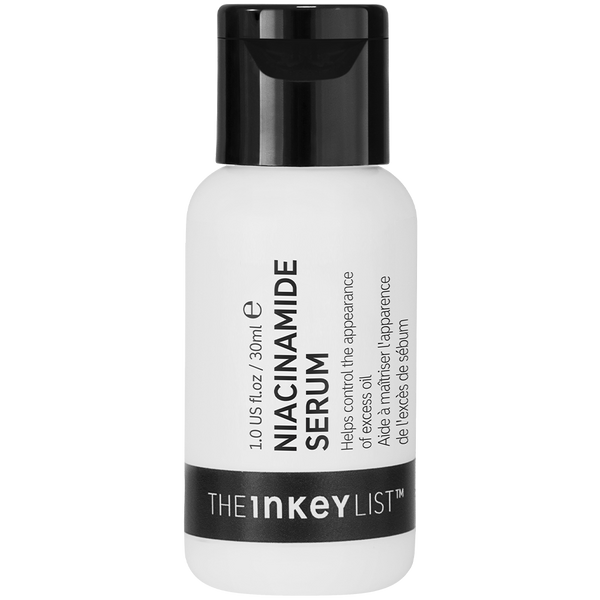
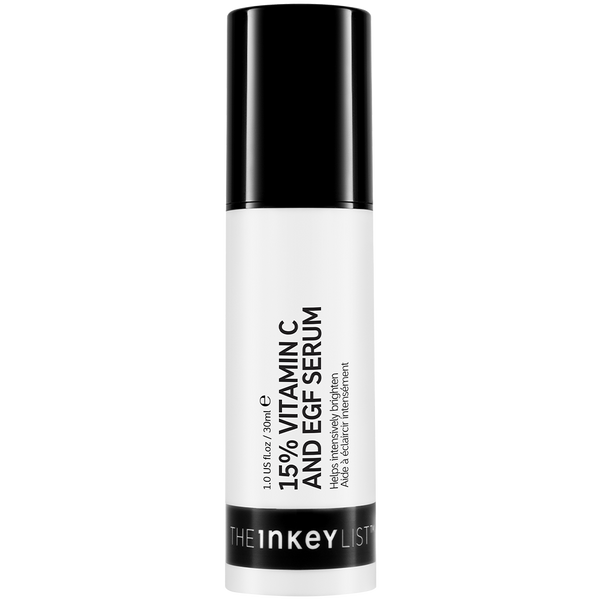
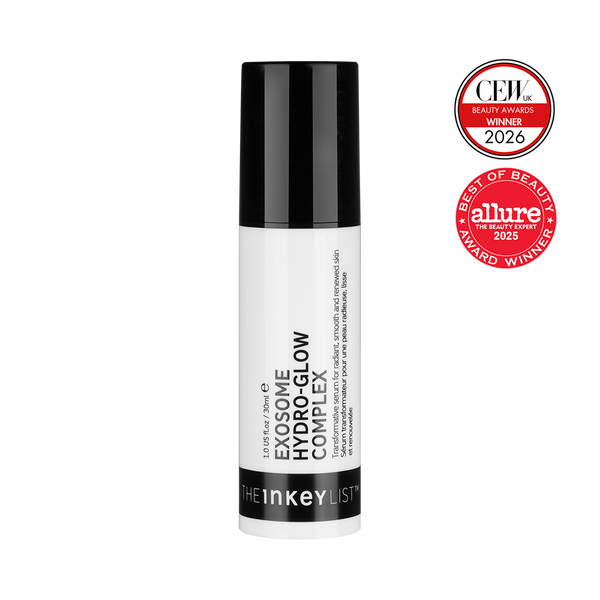
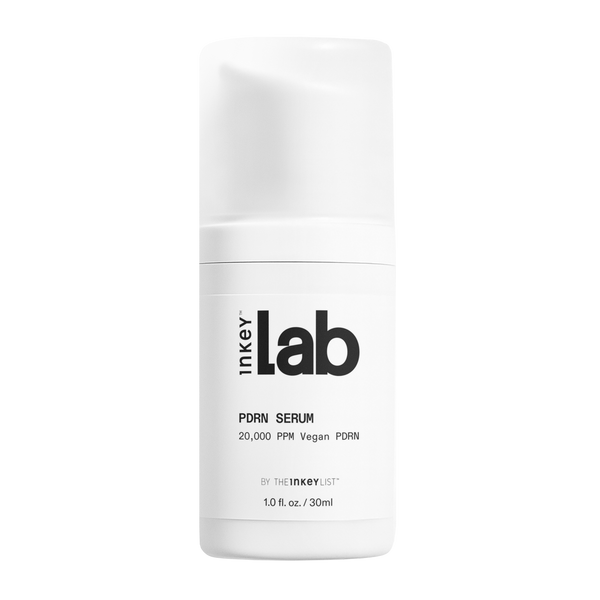
Along the way you will see where our 15% Vitamin C and EGF Serum and Niacinamide Serum fit into a routine. We will do the same for our PDRN Serum and Exosome Glow Serum.
By the end you will know which to reach for first, which to pair, and how to layer them without overcomplicating your morning.
What Each Glow Ingredient Actually Does
Four ingredients, four honest profiles. Read the one that sounds like your skin and you will have your answer in about two minutes. Each profile covers what it does, who it suits, one genuine limitation, and the product it lives in.
Vitamin C for brightness and uneven tone
Vitamin C is an antioxidant. In practical terms, it helps defend your skin against the daily environmental stress it picks up from pollution and general city life, and over time it helps visibly brighten and even out skin tone. It also helps support natural collagen production.
It suits you if your main frustration is dullness, or if you are looking at dark spots and uneven tone and wishing they would fade.
The honest limitation: some vitamin C formats can feel a little sensitising when you first start, and nothing about vitamin C is instant. This is a progressive ingredient that rewards consistency over weeks, not days.
Our 15% Vitamin C and EGF Serum uses stable ascorbyl glucoside rather than pure L-ascorbic acid. That makes it gentler on skin while still doing the job, which matters if you have tried vitamin C before and found it too much.
Want the full breakdown? Head to our vitamin C guide.
Niacinamide for oil, pores and visible redness
Niacinamide is vitamin B3, and it is one of the most versatile ingredients in skincare. It helps control excess oil, refine the look of pores, support your skin barrier and improve overall texture. It also helps calm the look of redness.
It suits you if your skin gets shiny by lunchtime, if your pores look more visible than you would like, or if your skin often looks a bit flushed and uneven.
The honest limitation: niacinamide is a steady worker rather than a headline act. It is not going to transform your skin overnight, and because it does several things reasonably rather than one thing dramatically, some people underrate it.
What makes it genuinely easy to live with is that it is stable and rarely irritating, so it slots into almost any routine without drama. Our Niacinamide Serum is a lightweight way in.
For the full picture, read our niacinamide guide.
Exosomes for overall glow and radiance
Exosomes are the newest name on this list, and they are best understood as an all-rounder rather than a specialist. Where vitamin C targets tone and niacinamide targets oil, exosomes are about overall glow.
Our Exosome Glow Serum contains 3 million cica-derived exosomes per bottle, each one around 300 times smaller than a pore. It is 6-in-1 skin rejuvenation, clinically proven to visibly improve radiance, hydration, tone, firmness, elasticity and texture. In our clinical study, 100% saw more glowing skin, with clinic worthy rejuvenated skin in 14 days. It is also proven to deliver up to 12 hours of hydration.*
It suits you if your skin is not really complaining about one specific thing, it just looks tired and you want it to look lit from within again.
The honest limitation: exosomes are a broad benefit rather than a targeted fix. If you have one specific concern, a specialist ingredient may serve you better.
There is a lot more to say here, so we said it in our exosomes guide.
PDRN for bounce, plumpness and glass-skin glow
PDRN has a reputation problem that is worth clearing up straight away: it is traditionally salmon-derived. Ours is not. Our PDRN Serum uses vegan, plant-derived PDRN from Artemisia capillaris at 2%, which is 20,000 PPM.
What it does is best described as bounce. PDRN supports a smoother, plumper, bouncier look, the quality people usually mean when they say glass skin. If your skin looks flat, or fine lines are starting to show up in a way they did not before, this is the one to look at. It pairs naturally with hyaluronic acid if you want to build hydration and plumpness together.
The honest limitation: PDRN is a newer ingredient in at-home skincare, and like most things worth doing it needs consistent use before you notice the difference.
Get the detail in our PDRN guide.
Four ingredients, four different jobs. Now for the comparison most people actually come here to settle.
Vitamin C vs Niacinamide: Which One Should You Choose?
Niacinamide vs vitamin C is the question we get asked more than any other, and it deserves a proper answer rather than a diplomatic one. The good news is that vitamin C vs niacinamide is one of the easier decisions in skincare, because the two ingredients solve genuinely different problems.
Here is the decision rule.
Choose vitamin C first if your main concern is dullness, dark spots or uneven skin tone. Vitamin C is the tone and brightness ingredient. That is its territory.
Choose niacinamide first if your main concern is excess oil, visible pores or the look of redness. Niacinamide is the texture, oil and comfort ingredient.
There is a second layer to this. If your skin is sensitive, or if you are completely new to active ingredients, niacinamide is the easier starting point. It is well tolerated by most people and unlikely to cause a reaction while you find your footing. That does not mean vitamin C is off the table, and we have written about using vitamin C on sensitive skin if you want to go there carefully.
The best first active is the one you will still be using in six weeks. Tolerability beats intensity every time.
And the honest answer underneath all of this: you do not have to pick. Plenty of people use both, and the next section explains exactly how.
While we are comparing things, one other question comes up a lot.
Exosomes vs peptides: what is the difference?
Peptides are specific messengers. They tend to be targeted at firmness and smoothness, and different peptides are formulated for different jobs. They are precise by design.
Exosomes are broader. Rather than targeting one attribute, they work across several measures of skin quality at once, which is why they get talked about in terms of overall glow and radiance rather than one single outcome.
If you want to address one specific thing, a peptide is a sensible choice. If your skin just looks tired across the board, exosomes are the better fit.
One more comparison we will not do here: vitamin C with retinol. That pairing has enough nuance to need its own space, so we covered it properly in can you use vitamin C and retinol together.
Can You Use Vitamin C and Niacinamide Together?
Yes, you can use vitamin C and niacinamide together. This is one of the most persistent myths in skincare and it is time it went away.
The belief that these two cancel each other out came from older research carried out under conditions that do not reflect how modern serums are actually made or used. Formulation has moved on considerably since then. The idea stuck around anyway, mostly because it sounds technical enough to be true.
The practical reality is straightforward. Huge numbers of people use vitamin C and niacinamide in the same routine every day without any issue at all. They complement each other well, because one is working on tone and the other on oil, texture and barrier support.
If your skin is on the reactive side and you would rather not introduce both at once, split them. Vitamin C in the morning, niacinamide in the evening. You get the benefit of both without asking your skin to process two new actives in the same five minutes.
Here is how the other combinations stack up.
Exosomes with everything. Our Exosome Glow Serum sits comfortably alongside the rest of your routine. It is a lightweight layer that plays well with vitamin C, niacinamide, PDRN and hydrating serums, which is part of why it is such an easy addition.
PDRN with vitamin C. These two pair fine. PDRN is working on bounce and plumpness while vitamin C works on tone, so there is no conflict. If you would rather keep things simple, use vitamin C in the morning and PDRN in the evening.
Niacinamide with retinol. This is a well-established pairing. Niacinamide’s barrier support makes it a sensible companion to retinol, which is why the two turn up together so often. For everything else that belongs in this conversation, read what not to mix with retinol.
One last thing worth saying. Whenever you introduce more than one new active at a time, patch testing is a small step that saves a lot of guesswork if something does not agree with you.
Knowing you can combine them is only half the job. The other half is order.
How to Layer Serums: The Right Order for Your Glow Routine
The universal principle fits in one line: cleanse, then apply thinnest to thickest, then moisturiser, then sunscreen in the morning.
Order matters for a simple reason. Lightweight, watery textures need to reach your skin first, because they cannot get through a rich cream. Thicker textures go last, where they can seal everything underneath in place. That is the whole logic. Nothing more complicated than that.
Here is how a morning routine runs.
- Cleanse.
- Exosome serum, as your lightweight first layer.
- Vitamin C, for tone and antioxidant defence.
- Niacinamide, for oil and texture.
- Moisturiser.
- Sunscreen. Every morning, without exception.
Sunscreen is not an optional extra on a routine like this. If you are working on brightness and even tone, daily SPF is what protects the progress you are making. Skipping it undoes the work.
An evening routine looks like this.
- Cleanse.
- Exosome serum.
- PDRN, for bounce and plumpness.
- Any treatment you use, such as retinol. Worth checking what not to mix with retinol before you combine it with anything else.
- Night moisturiser.
Two practical notes that make a real difference.
You do not need every step every single day. A routine you follow four evenings a week beats an elaborate one you abandon after a fortnight. Skincare is cumulative, and consistency is the ingredient nobody sells.
Hydrating serums work best on slightly damp skin. If you are using our Hyaluronic Acid Serum, apply it while your face is still a little wet from cleansing and follow with moisturiser to lock it in. This is especially worth doing if your skin leans dehydrated.
And the honest caveat. If you are new to active ingredients, do not build the routine above in one go. Add one product at a time over a couple of weeks. It gives your skin time to adjust, and if something does not suit you, you will know exactly which product to blame. For a broader look at putting a routine together, our skincare routine guide covers the fundamentals.
Of course, the right routine depends entirely on what your skin is asking for.
Build Your Routine Around Your Main Skin Concern
Find the concern that sounds most like your skin and start there. These are starting points, not rules, and you can adjust as you learn what your skin responds to.
If your main concern is dullness and uneven tone
Vitamin C is your lead. Cleanse, apply the Exosome Glow Serum first for overall glow, follow with your 15% Vitamin C and EGF Serum, then moisturiser and sunscreen. Sunscreen is doing real work here, because sun exposure is what undoes progress on tone faster than anything else.
If a vitamin C serum feels like too much to start with, our Vitamin B, C and E Moisturiser is a gentler way in. You get vitamin C alongside hydration in a single step, which is often the more realistic beginning for skin that has reacted badly to actives before. Our dull skin collection has more options.
If your main concern is excess oil and visible pores
Niacinamide is your lead, and the pairing that matters most is the moisturiser you put on top of it. Cleanse, apply the Niacinamide Serum, then follow with something lightweight and oil-free.
Our Omega Water Cream is the natural partner here. Oily skin still needs moisturiser, and skipping it is one of the most common mistakes we see. Skin that is stripped often produces more oil to compensate, which is the opposite of what you were going for. Browse the excess oil collection for the full range.
If your main concern is dehydration and a stressed-looking barrier
Keep your actives simple and lead with hydration. Cleanse, apply your Hyaluronic Acid Serum to slightly damp skin, then follow with barrier support before you seal everything in with moisturiser.
Our Ectoin Hydro-Barrier Serum belongs in this routine. When your barrier is struggling, the instinct to add more actives is usually the wrong one. Pull back, hydrate, and rebuild before you reintroduce anything strong. Our dehydrated skin collection is built for exactly this.
If your main concern is glass-skin bounce and early signs of ageing
This is a PM routine. Cleanse, apply the Exosome Glow Serum as your first layer, follow with the PDRN Serum for bounce and plumpness, then moisturiser to seal it all in.
The two work well as a pair because they are aiming at different parts of the same result. Exosomes bring overall glow across several measures at once, while PDRN supports the smoother, plumper look that makes skin appear bouncy rather than flat.
Whichever routine you have landed on, the same thing decides whether it works: consistency matters far more than the number of products you own. A short routine done properly beats a long one done occasionally.
The Right Glow Ingredient Is the One Your Skin Is Asking For
Strip it back and the decision is simple. Vitamin C for tone and brightness. Niacinamide for oil, pores and the look of redness. Exosomes for overall glow. PDRN for bounce and plumpness.
The more useful takeaway is that these ingredients are not competing for a place in your routine. They work alongside each other, and the order you apply them in matters far more than how many you own. Thinnest to thickest, sunscreen every morning, one new active at a time.
Advanced ingredients like exosomes and PDRN are no longer something you can only find in a clinic, and that shift is genuinely good news for anyone building a routine at home.
The best routine is not the longest one or the most impressive one. It is the one you will actually keep doing.
Not sure where to start? Take our skincare quiz and get a personalised routine in about two minutes.
Already know what you need? Head to our bundle builder and build your own routine.
\4-week clinical study of 26 people*
\*Clinical study of 31 people*
\**In-vitro testing of Cica Exosomes showed a 55% reduction in pro-inflammatory markers and a 63% increase in markers associated with skin renewal after 8 hours.*
Frequently Asked Questions
Got a question?
Our askINKEY team are a friendly bunch of skincare experts with deep product knowledge and zero judgement. Whether you're an ingredient obsessive or just starting out, we'll make it make sense. No question too big. No question too small. We Give A Care, Every Day.


