



Why Oily Skin Gets Dehydrated Too: Spotting the Signs and Fixing Your Routine
Oily skin can still be dehydrated - here's how to tell the difference between dry and dehydrated skin, recognise the signs, and rebuild your routine.
Author
askINKEY skincare advisor
Published
06 June, 2026
Time to read
15 minutes
Shiny, oily-looking skin that is also tight, flaky or dull is far more common than most people assume. It sounds like a contradiction, but it isn’t one. “Oily” describes how much oil your skin produces. “Dehydrated” describes how much water is actually in your skin. These are two completely separate systems, which means they can absolutely exist in the same complexion at the same time.
This mix-up causes real problems. When people see shine, they assume their skin has more than enough moisture, so they reach for harsher cleansers to strip it away, or they skip moisturiser altogether out of fear it will make things worse. Others notice tightness or flaking and panic-apply rich, heavy creams designed for genuinely dry skin types, which can clog pores and increase breakouts without ever solving the water deficit underneath. Both responses treat the wrong problem, and both can leave skin more unbalanced than before.
This article breaks down exactly what’s going on. We’ll cover the real difference between dry and dehydrated skin, the specific dehydrated skin symptoms to watch for, why oily skin is just as vulnerable to water loss as any other skin type, and how to build a proper skincare for dehydrated skin routine that doesn’t tip your oil production into overdrive. If you’ve ever looked in the mirror and thought “why does my skin look greasy and feel tight at the same time,” this is for you. The short answer is dehydrated oily skin, and it’s more common than you’d think.
Before we get into fixes, it helps to get the vocabulary straight, because “oily,” “dry” and “dehydrated” get used interchangeably when they really shouldn’t be.
Dry vs Dehydrated Skin: What’s Actually the Difference
This is the single most important distinction in the entire article, and it’s one that gets confused constantly, even in everyday skincare conversations. Dry skin and dehydrated skin are not the same thing, despite sounding almost identical. Understanding the difference is what makes everything else in this piece make sense.
Oily skin, dry skin, and combination skin are all skin types. A skin type is largely determined by genetics and relates to how much natural oil, or sebum, your skin produces. If you have dry skin, your sebaceous glands simply don’t produce enough oil, which means your skin tends to feel tight, look flat, and sometimes flake, consistently, as a baseline characteristic. This doesn’t change day to day. It’s a relatively fixed trait of your skin, in the same way your skin type doesn’t swap from oily to dry overnight.
Dehydrated skin, on the other hand, is a skin condition, not a skin type. A condition is temporary and changeable, influenced by lifestyle, environment, products, and habits rather than genetics alone. Dehydration specifically refers to a lack of water in the outer layer of the skin. It has nothing to do with oil production. This is the detail that changes everything: because dehydration is about water, not oil, it can affect literally any skin type, including oily skin, combination skin, and even skin that’s naturally quite resilient.
Here’s a simple way to understand why water escapes skin in the first place. There’s a process called Transepidermal Water Loss, usually shortened to TEWL, which is simply the natural evaporation of water from the skin’s surface into the air. A small, steady amount of TEWL happens to everyone, all the time, and it’s completely normal. The problem starts when that evaporation speeds up beyond what the skin can keep up with, whether that’s from harsh products, environmental stress, or a weakened outer barrier. When water is leaving faster than it’s being replenished, skin becomes dehydrated, regardless of how much oil sits on the surface.
This is the central idea the whole article is built on: someone can have oily skin, meaning too much sebum, and dehydrated skin, meaning too little water, at the exact same time. They are not opposites, and one does not cancel the other out. In fact, they often show up together far more frequently than people expect.
If you want the full breakdown of what defines oily skin as a type, from pore size to sebum production and common triggers, the oily skin pillar page covers that in detail. Similarly, if dehydration itself is the part you want to understand more deeply, including causes and long-term effects, the dehydrated skin page is the place to go. And if you’re mainly here to sort out your moisturiser choice specifically, Best Moisturiser for Dehydrated Skin is a useful related read once you’ve finished this one.
With that distinction clear, the natural next question is: why does oily skin, of all skin types, end up dehydrated so often? The shine would suggest the opposite. Let’s get into why that assumption is wrong.
Why Oily Skin Gets Dehydrated Too
There’s a persistent myth in skincare that oily skin “doesn’t need hydration” because it already looks shiny, dewy, or moisturised by midday. It’s an understandable assumption, but it’s based on a misunderstanding of what oil actually does. Sebum sits on top of the skin, acting as a surface layer. Hydration is about water content within the skin itself, in the deeper layers. These are two separate systems that don’t automatically support each other. You can have plenty of one and very little of the other.
Oily skin can produce plenty of sebum and still be crying out for water. Oil and hydration are not the same thing.
So what actually causes oily skin to become dehydrated? In most cases, it comes down to a handful of very common, very understandable habits and environmental factors:
- Over-cleansing, or using harsh, stripping cleansers specifically to control shine, which removes water along with oil
- Over-exfoliating with acids, using them daily rather than a few times a week, which can compromise the skin’s outer layer faster than it can recover
- Skipping moisturiser entirely out of fear that it will cause breakouts or add to existing shine
- Central heating and air conditioning, both of which pull moisture from the air and, in turn, from skin
- Seasonal weather changes, particularly cold wind or very dry heat, which accelerate water evaporation from the surface
Each of these individually seems like a reasonable response to oily skin. Using a stronger cleanser feels logical if your goal is less shine. Skipping moisturiser feels logical if you’re worried about breakouts. Exfoliating more often feels logical if you want smoother, clearer-looking skin faster. The problem is that all of these choices target oil while ignoring water, and in doing so, they often make the oiliness worse, not better.
This is where the “rebound” effect comes in, and it’s one of the most frustrating cycles in skincare. When oily skin is stripped of both oil and water through harsh cleansing or excessive exfoliation, the skin senses that its barrier is compromised and its moisture levels have dropped. In response, sebaceous glands can ramp up oil production to compensate, as the skin attempts to protect itself and slow down further water loss. The result is skin that looks shinier than before, feels tighter and more uncomfortable, and seems to need even more stripping to manage, when what it actually needed all along was water, not less oil.
This cycle can feel discouraging, especially if you’ve been doing what seems like “all the right things” for oily skin, cleansing diligently, exfoliating regularly, avoiding rich creams, and still ending up with shine, tightness, and texture issues. The reassuring part is that this is an extremely common pattern, not a sign you’ve been doing everything wrong. It’s simply a sign that the routine has been built around managing oil while overlooking hydration.
A few ingredient categories are worth understanding here, since they come up constantly in oily skin routines and are often misapplied. Salicylic acid is a widely used ingredient for oily and blemish-prone skin because it works within the pore to help clear away excess oil and debris, but it needs to be used at a sensible frequency rather than daily, since overuse contributes directly to the stripping and rebound cycle described above. Niacinamide is another ingredient worth knowing well, as it’s specifically formulated to help visibly balance oil production over time without compromising the skin’s moisture levels, making it one of the few ingredients that genuinely works with both sides of this equation rather than against one of them.
Understanding why this happens is only half the picture. The next step is learning to recognise it on your own skin, because dehydrated oily skin doesn’t always look the way people expect.
Dehydrated Skin Symptoms to Watch For (Even If You’re Oily)
Once you know that oily and dehydrated can coexist, the next useful step is learning to actually spot it. Dehydration doesn’t always announce itself obviously, and because it shows up differently from classic dry skin, it’s easy to miss or misattribute to something else entirely.
Here are the clearest, most relatable dehydrated skin symptoms to look out for, particularly if your skin is naturally on the oilier side:
- Skin feels tight shortly after cleansing, but looks shiny again within a few hours, as if it swung from one extreme to the other
- A dull, tired-looking complexion, even on days when there’s visible shine across the T-zone
- Fine lines that appear more noticeable than usual, sometimes referred to as dehydration lines, which tend to look different from deeper, structural wrinkles
- Patches of skin that feel rough or look flaky, often on the cheeks, while the T-zone remains visibly oily, the classic combination-feeling confusion that throws people off
- Makeup that clings to certain areas of the face rather than sitting smoothly, often in the same rough or flaky patches
- Breakouts appearing alongside flaky or tight-feeling skin, which seems contradictory but is actually a very typical sign of an unbalanced, under-hydrated barrier
A simple way to check at home is the pinch test. Gently pinch a small section of skin, often on the cheek, between two fingers. If it springs back quickly and smoothly, hydration levels are likely in reasonable shape. If it takes a moment to bounce back, or the skin looks slightly crepey or fine-lined as you release it, that’s a reasonably reliable visual cue that water levels are low, regardless of how oily the area might feel to the touch.
It’s worth repeating that these symptoms can appear anywhere on the face, including the T-zone, the area most people automatically assume is “just oily” and nothing else. It’s entirely possible for the T-zone to be both the shiniest part of your face and the most dehydrated, since oil production and water content are being measured completely independently of each other in that same patch of skin.
If some of these symptoms sound familiar, particularly the flaky, tight, or reactive-feeling patches, it’s also worth understanding what’s happening at a slightly deeper level, since this often ties back to the condition of your damaged skin barrier rather than dehydration alone. That connection between barrier health and water loss is exactly where we’re heading next, because protecting the barrier is one of the most overlooked parts of fixing dehydrated oily skin for good.
The Skin Barrier, TEWL and Why Protection Matters
To really understand why oily skin becomes dehydrated, and more importantly, how to stop it happening repeatedly, it helps to understand the skin barrier itself. The skin barrier, sometimes called the moisture barrier, is the outermost layer of skin, and its main job is to lock water in while keeping irritants, pollutants, and bacteria out. When that barrier is healthy and intact, it does this efficiently and quietly, without you ever needing to think about it.
When the barrier is compromised, however, its ability to retain water drops significantly, which directly speeds up Transepidermal Water Loss, the same TEWL process explained earlier in this article. A weakened barrier essentially has small gaps and cracks in its structure, allowing water to escape far more easily than it should. This is precisely why oily skin routines built around aggressive cleansing and frequent exfoliation so often backfire. Habits like harsh, stripping cleansers, excessive exfoliation, alcohol-heavy toners, and skipping moisturiser altogether all chip away at that barrier over time, even if the short-term effect feels like “cleaner” or “more controlled” skin.
One of the most important ingredient categories for repairing and maintaining this barrier is ceramides. Ceramides are naturally occurring lipids, essentially fats, that make up a significant portion of the skin’s outer layer, acting almost like the mortar between bricks, holding skin cells together and keeping that barrier structurally sound. When ceramide levels drop, whether through ageing, harsh products, or environmental stress, the barrier weakens, water escapes faster, and skin becomes more reactive and dehydrated as a result. Replenishing ceramides through skincare is one of the most effective ways to support the barrier directly, which is exactly why they’ve become such a staple ingredient in modern formulations.
There’s also a connection here that often gets overlooked entirely: sun protection. Unprotected daily UV exposure damages the skin barrier over time, breaking down collagen and weakening the very structure responsible for retaining water. This means SPF isn’t just an anti-ageing step, it’s genuinely a hydration step too. Protecting the barrier from UV damage is one of the most direct ways to prevent accelerated water loss in the long run, which makes sunscreen a non-negotiable part of any routine aimed at fixing dehydrated oily skin, not an optional extra.
For readers in the UK looking to put this into practice, Dewy Sunscreen SPF 30, £15.00 is designed to support both barrier protection and hydration in one daily step, making it an easy habit to build into a morning routine without adding complexity. On the hydration and barrier-support side specifically, the Ectoin Hydro-Barrier Serum, £16combines water-binding hydration with ingredients that help reinforce the barrier directly, while the Bio-Active Ceramide Moisturiser, £20 is formulated specifically around ceramides for anyone whose barrier needs more targeted, consistent support. For anyone who wants a deeper explainer on sunscreen fundamentals beyond what’s covered here, the SPF guide is a useful next read.
With the science and the protection groundwork covered, it’s time to move into what you actually came here for: a clear, practical routine built specifically for dehydrated oily skin.
How to Build a Skincare Routine for Dehydrated Oily Skin
This is the part where everything comes together into something actionable. The goal of this routine isn’t to eliminate oil entirely, and it isn’t to layer on rich, heavy products either. It’s about restoring water levels, supporting the barrier, and letting oil production settle naturally once the skin stops feeling like it needs to overcompensate. Think of this as a flexible framework for skincare for dehydrated skin that happens to also be oily, rather than a rigid set of rules.
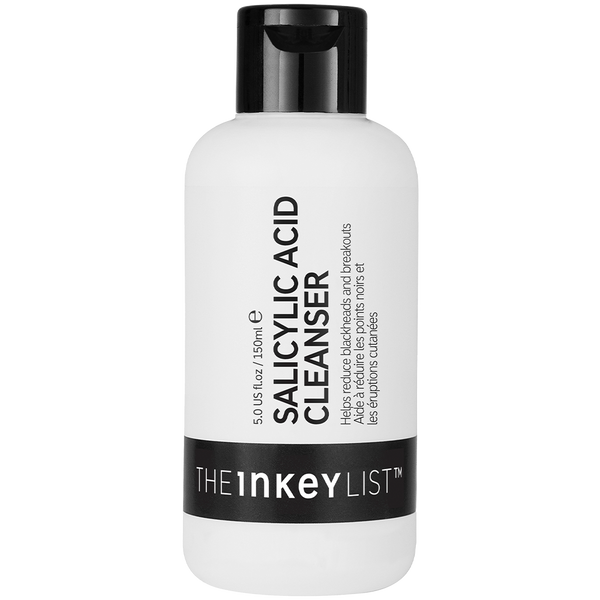
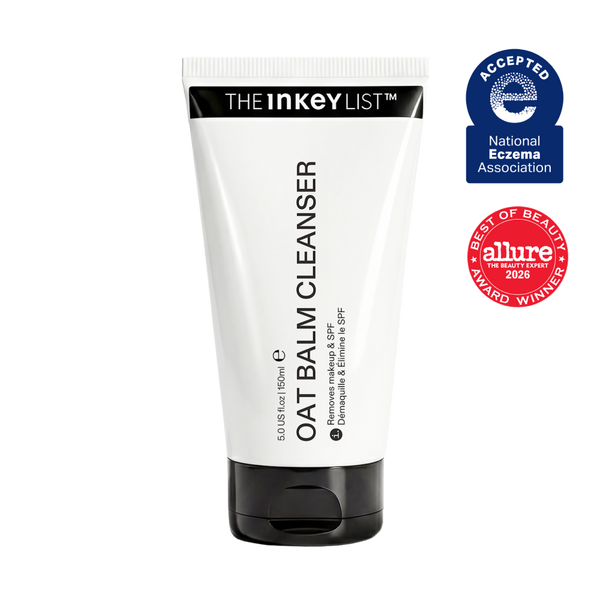
Step 1: Cleanse without stripping. The first step is choosing a cleanser that manages oil and impurities without leaving skin feeling tight or squeaky afterwards, since that tightness is often a sign that water, not just oil, has been removed. For those who want blemish control without over-stripping, the Salicylic Acid Cleanser, £14 is formulated to manage oil and congestion while being gentle enough for regular use. Alternatively, the Oat Cleansing Balm, £15works well as a soothing first cleanse, particularly for anyone whose skin feels reactive or compromised and needs a gentler starting point.
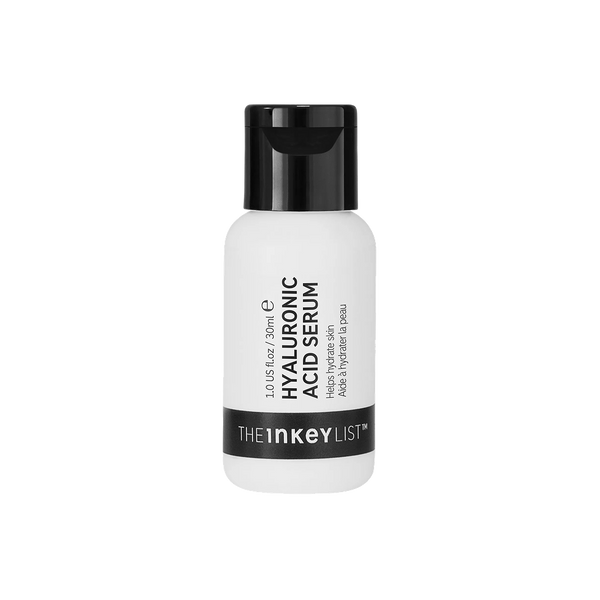
Step 2: Hydrate immediately after cleansing. Applying a lightweight humectant serum onto damp, freshly cleansed skin helps maximise water uptake, since humectant ingredients work by drawing moisture in and holding onto it. The Hyaluronic Acid Serum, £12 is a straightforward, effective way to deliver that hydration quickly, without adding any heaviness or oil to the skin.
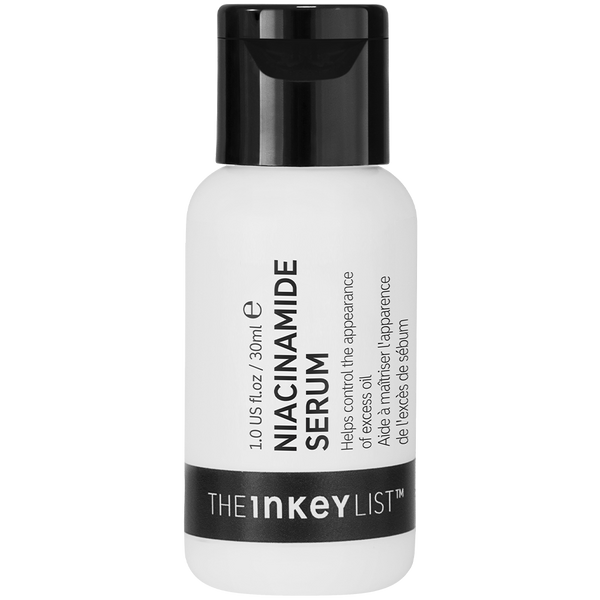
Step 3: Address oil and texture without dehydrating further. This is where the Niacinamide Serum, £12 comes in, helping to visibly balance the look of oil and calm the appearance of redness, all while working alongside hydration rather than against it. This step directly targets the concern that usually drives people toward over-stripping in the first place, giving oil control without the water-loss side effects.
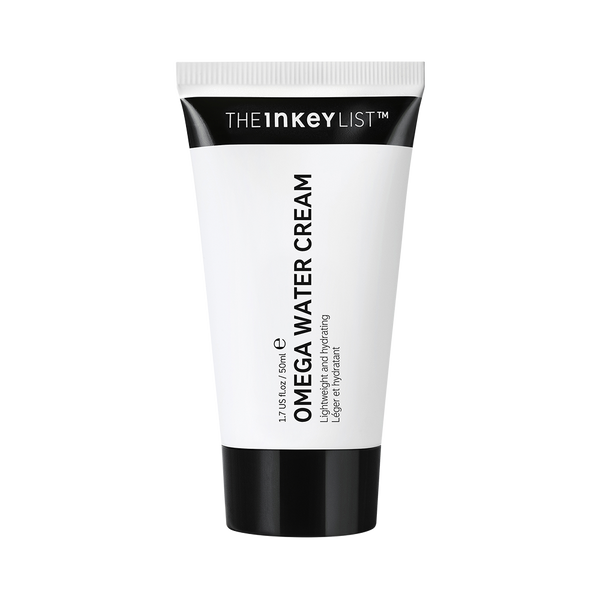
Step 4: Lock it in with a lightweight, oil-free moisturiser. This is often the step people with oily skin skip entirely, out of fear that any moisturiser will add shine or trigger breakouts. The Omega Water Cream, £14 is built specifically around oil-free, water-based hydration, making it suited to oily and combination skin types that still need a sealing step without the heaviness of a traditional cream.
Step 5: Target the eye area if needed. For anyone also noticing puffiness alongside dehydration, particularly around the eyes, the Caffeine Eye Cream, £12 is worth adding into the mix as a targeted addition rather than a mandatory step for everyone.
Step 6: Protect every morning. Finish the morning routine with the Dewy Sunscreen SPF 30, £15.00, reinforcing everything covered earlier about barrier protection and preventing further water loss throughout the day.
It’s worth repeating a point that runs through this entire routine: “oil-free” and “lightweight” do not mean “less hydrating.” This is one of the most common misconceptions holding people back from fixing dehydrated oily skin, the assumption that effective hydration has to feel rich or heavy to actually work. In reality, lightweight, water-based formulas are often exactly what oily and combination skin needs, delivering genuine hydration without disrupting oil balance or clogging pores. This routine is a framework, not a rulebook, so feel free to adapt the order or swap steps in or out based on how your own skin responds.
Building the right routine is only part of the equation. Just as important is avoiding the habits that quietly undo all that progress, which is exactly what we’ll cover next.
Common Mistakes That Make Oily, Dehydrated Skin Worse
Even with the right products, certain habits can keep oily, dehydrated skin stuck in the same frustrating cycle. These mistakes are common, understandable, and entirely fixable once you know what to look out for.
-
Over-cleansing or double-cleansing with harsh products purely to chase a “squeaky clean” feeling. That tight, squeaky sensation isn’t a sign of cleanliness, it’s usually a sign the skin’s natural oils and water content have both been stripped away.
-
Skipping moisturiser altogether out of fear it will increase oiliness or cause breakouts. As covered throughout this article, oil-free, lightweight formulas are designed specifically to hydrate without adding to shine or congestion.
-
Over-exfoliating with acids daily instead of a few times a week. More frequent use doesn’t mean faster results, it means a higher chance of compromising the barrier and accelerating water loss.
-
Relying on blotting papers or powder alone to manage shine, instead of addressing hydration levels directly. These tools manage the symptom on the surface temporarily, without ever touching the underlying water deficit driving the extra oil production.
-
Skipping SPF because skin “already feels oily enough.” As established earlier, sunscreen is directly tied to barrier health and long-term hydration, not just sun damage prevention, which makes it one of the least optional steps in this entire routine.
For anyone navigating breakouts alongside these habits, it’s worth sticking to the right terminology too. In the UK, the preferred language is “blemish-prone skin” and “breakouts” rather than other terms sometimes used elsewhere, and this acne page is a useful resource if blemishes are a recurring concern alongside dehydration.
One last point worth emphasising: rebalancing oily, dehydrated skin takes consistent use over several weeks, not an overnight fix. Skin barrier repair and hydration improvements happen gradually, as the skin rebuilds its ability to retain water and regulate oil production naturally. Patience, paired with the right routine, tends to produce far better long-term results than switching products every few days looking for instant change.
With the mistakes to avoid clearly laid out, let’s address a few of the specific questions readers tend to still have at this point.
Conclusion
Oily and dehydrated are not opposites, and understanding that is the first real step toward fixing the shine-and-tightness cycle for good. Oily skin describes how much sebum your skin produces, while dehydration describes how much water is actually present in the outer layer of skin, and these two things can coexist in the exact same complexion without contradiction. Once that distinction is clear, dehydrated skin symptoms like dullness, dehydration lines, and patchy tight areas alongside shine start making a lot more sense.
The right routine, built around gentle cleansing, lightweight hydration, oil-free moisture, and consistent daily SPF, can genuinely resolve this cycle over time. It isn’t about adding more products or chasing a quick fix, it’s about making sure every step is working toward the same goal: supporting water retention and barrier health, rather than aggressively managing oil in isolation. If your current routine leans heavily on stripping cleansers, skipped moisturiser, or daily acids, it’s worth reassessing those choices against what’s been covered here, rather than assuming the answer is simply more products.
A good, practical place to start is with hydration itself. The Hyaluronic Acid Serum is a simple, immediate first step that fits into almost any existing routine without disrupting it, giving your skin the water it needs while you reassess the rest.
Explore Further
If you want to understand your skin concerns in more depth, the oily skin and dehydrated skin pillar pages are the best place to keep reading. And if you’re ready to put this routine into practice, you can shop the Hyaluronic Acid Serumtoday and build from there.
Frequently Asked Questions
Got a question?
Our askINKEY team are a friendly bunch of skincare experts with deep product knowledge and zero judgement. Whether you're an ingredient obsessive or just starting out, we'll make it make sense. No question too big. No question too small. We Give A Care, Every Day.


