



What Does Glycerin Do for Your Skin?
Discover why this powerful humectant is a skincare essential, how it attracts and locks in moisture, strengthens the skin barrier and keeps all skin types hydrated and healthy-looking.
Author
askINKEY skincare advisor
Published
02 July, 2026
Time to read
14 minutes
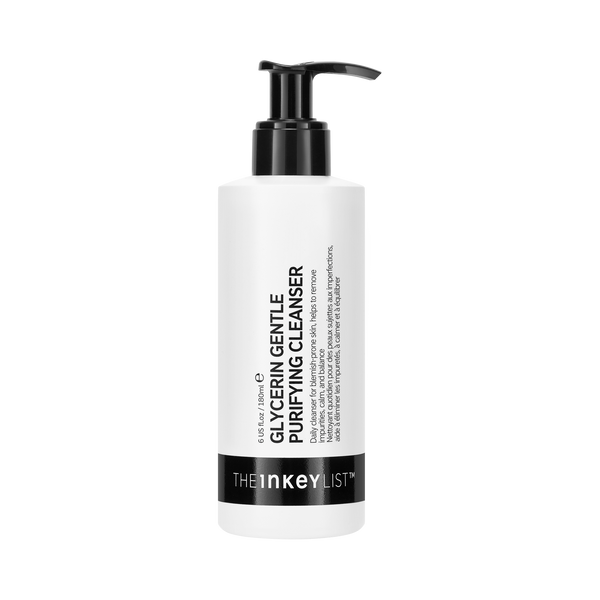
Glycerin is one of skincare’s most studied, most used, and most effective humectants - an ingredient that draws water into the skin and holds it there. This guide covers exactly what glycerin does for your skin, which skin types benefit from it, how it compares to other hydrating ingredients, and how to use it effectively in a daily routine. If you have come across the spelling “glycerine,” that is simply the British English variant of the same compound - the two terms are completely interchangeable. Our Glycerin Gentle Purifying Cleanser is one of the clearest examples of glycerin doing what it does best: delivering clinically proven hydration to blemish-prone skin, oil-free, in a formula you use every single day. For the complete deep-dive into glycerin as a cosmetic ingredient - including the full scientific breakdown and safety data - the INKEY glycerin ingredient guide is the place to start. This blog is the accessible companion: clear, practical, and built around the questions people actually ask.
What Is Glycerin, and Why Is It in Almost Every Skincare Product?
Walk into any pharmacy, browse any skincare shelf, or flip over almost any moisturiser, serum, or cleanser to read its ingredients list - and you will almost certainly find glycerin. According to 2019 data from the US FDA’s Voluntary Cosmetic Registration Program, glycerin is the third most frequently reported ingredient in cosmetics, after water and fragrance alone. It appears in over 23,000 cosmetic products globally. That is not a coincidence. It is not a filler. Glycerin earns its place in nearly every formula because it works, reliably, across every skin type and condition.
So what exactly is it? Glycerin - listed on ingredient labels under its INCI name, Glycerin - is a naturally occurring compound derived from vegetable oils. It is plant-based, vegan-certified, and completely colourless and odourless in its pure form. Chemically, it belongs to a class of skincare ingredients called humectants: substances that attract water molecules and bind them to the skin’s surface.
Understanding the humectant mechanism is key to understanding why glycerin matters. Skincare ingredients that address hydration generally fall into three categories. Humectants draw water in. Occlusives form a physical seal on the skin to prevent water from escaping. Emollients smooth and soften by filling gaps in the skin’s surface texture. Glycerin sits firmly in the humectant category - it does not sit inertly on the skin, and it is not simply a coating. It actively pulls water from the environment and from the deeper layers of the skin upwards into the stratum corneum, which is the outermost layer of the skin and the one most visible to us.
A 2016 study found glycerin to be the most effective humectant for increasing hydration in the outer skin layer - outperforming hyaluronic acid, lactic acid, urea, and a range of other commonly used moisturising agents.
That finding, referenced via Healthline’s review of glycerin for skin and drawn from a published clinical study, is the clearest indicator of just how well-evidenced glycerin’s efficacy is. It is not a new ingredient making bold claims. It is an ingredient with decades of research behind it, consistently demonstrating its ability to improve hydration at the skin’s surface.
The safety profile is equally well-established. The Expert Panel for Cosmetic Ingredient Safety conducted a thorough review of glycerin’s safety data and concluded it is safe for use in cosmetics at concentrations up to 79% in leave-on products and up to 99% in rinse-off products. At the concentrations used in skincare formulations - which are a fraction of those maximums - glycerin presents no known risk of irritation, no allergenic potential, and no contraindications for daily use.
For those who want the full scientific origin story of glycerin - where it comes from, how it is processed, the full scope of clinical evidence - the INKEY glycerin ingredient page covers all of that in detail. What follows here is the practical guide: what glycerin actually does for your skin, and why it belongs in your routine.
What Does Glycerin Actually Do for Your Skin? The Key Benefits
Glycerin’s benefits are not vague or aspirational. They are specific, clinically documented, and relevant to the day-to-day concerns most people have about their skin. Here is what glycerin does, broken down by benefit.
It Hydrates - Without the Heaviness
The most fundamental thing glycerin does is hydrate. It draws water molecules into the stratum corneum - the outermost skin layer - and holds them there, maintaining the skin’s moisture content over time. This is not a surface-level effect. Glycerin actively increases measurable water content in the skin, which is why it appears in virtually every hydrating product on the market.
Critically, glycerin achieves this without adding any oil or heaviness to the skin. It is a lightweight, water-soluble ingredient. There is no greasiness, no occlusive film, and no heaviness on application. For skin types that typically avoid rich or creamy moisturisers - particularly oily and blemish-prone skin - this distinction matters enormously. Hydration without heaviness is not a compromise; it is what glycerin was built for.
For maximum humectant effect, apply glycerin-containing products to damp skin immediately after cleansing. Because glycerin draws water from the nearest available source, giving it moisture to work with at the point of application significantly improves its performance. Our Glycerin Gentle Purifying Cleanser is clinically proven to hydrate blemish-prone skin for 24 hours - oil-free - tested on 28 participants over a full 24-hour period. That is continuous hydration from a single cleansing step.
It Supports Your Skin Barrier
The skin barrier - also known as the stratum corneum - is the skin’s frontline defence system. When it is functioning well, it keeps moisture locked in and external irritants locked out. When it is compromised, skin becomes tight, reactive, dry, and prone to redness or sensitivity. Barrier damage is one of the most common root causes of a wide range of skin concerns, and it can be triggered by over-cleansing, harsh formulations, environmental stressors, or the overuse of active ingredients like exfoliating acids.
Glycerin plays a direct role in supporting and maintaining barrier integrity. By keeping the stratum corneum properly hydrated, it helps the barrier function as it should - flexible, intact, and resilient rather than depleted and reactive. The Glycerin Gentle Purifying Cleanser is clinically proven to support the skin barrier for 24 hours after application, which is a meaningful claim for a cleanser - a product type that often compromises barrier health rather than protecting it.
If you recognise the signs of a compromised skin barrier in your own skin, exploring the INKEY damaged skin barrier collection is a useful starting point for building a routine that repairs rather than aggravates.
It Soothes and Calms Irritated Skin
Beyond hydration and barrier support, glycerin has well-documented soothing properties. It is regularly recommended for use on reactive, redness-prone, or compromised skin - including skin that is in the process of adjusting to active ingredients like retinol or exfoliating acids. Both of those ingredient categories can cause an initial period of dryness, tightness, or sensitivity, particularly during the introductory phase. Glycerin helps counteract those effects by keeping the skin hydrated and reducing the risk of irritation-driven setbacks.
This is one reason glycerin is such a logical base ingredient for formulations designed for sensitive or blemish-prone skin. It does the work of keeping skin comfortable and calm, which in turn creates the conditions for active ingredients to perform without unnecessary side effects. The soothing benefit is not dramatic or instant in the way that some active ingredients announce themselves - but it is consistently present, quietly underpinning the performance of everything else in a routine.
It Improves Surface Texture Over Time
Dehydrated skin - skin that lacks adequate water content - tends to look dull, feel rough, and have an uneven texture. Fine lines become more pronounced when skin is dehydrated, pores look larger, and the overall complexion loses its clarity and luminosity. These are not signs of irreversible damage. They are the visible consequences of a correctable deficit: the skin simply does not have enough water in the stratum corneum.
Glycerin addresses this at the root. With consistent daily use, skin that has been chronically dehydrated begins to look and feel measurably different - softer, smoother, more supple, and more evenly toned. This is not a masking effect or a superficial plumping from a surface film. It is a genuine improvement in the skin’s hydration status that reflects outwardly in how the skin looks. Regular, daily application is the key: glycerin is not an occasional treatment ingredient. It is a maintenance ingredient, and its results compound over time with consistent use.
It Does Not Clog Pores - It Is Non-Comedogenic
There is a persistent misconception among oily and blemish-prone skin types that deeply hydrating ingredients are off-limits - that anything designed to add moisture will block pores and trigger breakouts. Glycerin directly refutes this. It is confirmed non-comedogenic, meaning it does not block pores or contribute to the formation of comedones. It delivers moisture without any of the pore-clogging risk associated with heavier oils or occlusive ingredients.
This makes glycerin particularly valuable for oily, blemish-prone skin types, who often under-moisturise because they fear that hydration means heaviness or breakouts. The reality is that oily skin is frequently dehydrated - it produces excess oil partly as a compensatory response to a lack of water in the skin. Correcting that water deficit with a non-comedogenic, oil-free humectant like glycerin can actually help normalise the skin over time. If dehydration is a recognised concern for your skin type, the INKEY dehydrated skin collection brings together the formulas designed to address it specifically.
Is Glycerin Good for Your Skin Type?
Glycerin is effective across all skin types - but the reasons why it works differ depending on the specific concern. Here is a brief breakdown:
- Dry skin: Glycerin draws water into the outer skin layer and holds it there, addressing the surface dryness that is the hallmark of this skin type. It works best when paired with a moisturiser to seal that hydration in after application.
- Oily and blemish-prone skin: Non-comedogenic and oil-free, glycerin provides the hydration that oily skin often lacks without adding shine or blocking pores. It is one of the most compatible ingredients for this skin type.
- Sensitive skin: Glycerin has no known irritation risk, is fragrance-free in formulation, and is considered safe for rosacea-prone and eczema-prone skin. It is one of the most broadly recommended ingredients for reactive skin.
- Dehydrated skin (all types): Dehydration - a lack of water in the skin - is different from dryness, which refers to a lack of oil. Any skin type, including oily skin, can be dehydrated. Glycerin targets water depletion directly, making it relevant regardless of whether the skin is inherently dry or oily. The dehydrated skin collection is a useful resource for building a routine around this concern.
- Combination skin: Glycerin works across both zones without discrimination - hydrating drier areas without overloading the oilier ones.
The consistent thread across all skin types is that glycerin is not an ingredient you need to qualify for. It is universally suitable. The full skin type suitability breakdown - including more detailed guidance for each concern - is available on the INKEY glycerin ingredient guide. Not sure which skin type applies to you? The INKEY skin type guide helps you identify your skin type and what it needs.
Glycerin vs Other Hydrating Ingredients - How Does It Compare?
Glycerin does not exist in a vacuum. As you research hydrating ingredients, you will inevitably encounter comparisons - most frequently against hyaluronic acid, but also against ceramides and niacinamide. Here is how glycerin fits into the wider picture.
Glycerin vs Hyaluronic Acid
Both glycerin and hyaluronic acid are humectants, meaning they share the same core mechanism: drawing water into the skin and holding it there. The difference lies in molecular structure. Glycerin is a smaller molecule with a lower molecular weight, which allows it to penetrate into the skin more readily. Hyaluronic acid - particularly higher molecular weight forms - tends to work closer to the skin’s surface and has a very high water-holding capacity, but it does not penetrate as deeply.
Glycerin and hyaluronic acid do not compete - they layer. Used together, they provide humectant action at multiple depths for more comprehensive hydration.
They are complementary, not competing ingredients. Using both in a routine gives you humectant coverage at different depths within the skin. For a complete breakdown of what hyaluronic acid does and how it differs from glycerin, the INKEY hyaluronic acid ingredient guide covers the science in full.
Glycerin vs Ceramides
This is not a like-for-like comparison. Glycerin is a humectant - it draws water in. Ceramides are barrier lipids - structural components of the skin’s protective layer that prevent moisture from escaping. They address skin health from two completely different angles, which means they work best together rather than in place of each other. Glycerin handles water delivery; ceramides handle barrier repair and structural integrity. The BioActive Ceramide Moisturiser combines ceramides with glycerin for exactly this reason - addressing both aspects of skin hydration in a single moisturising step.
Glycerin vs Niacinamide
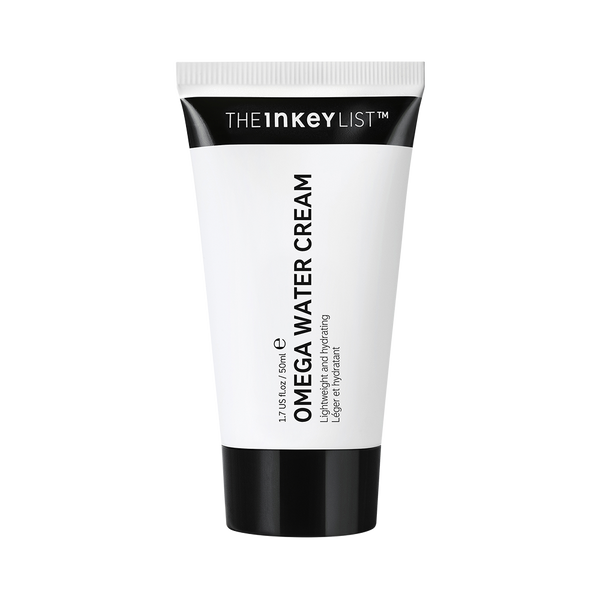
Niacinamide is not a humectant. It is a multi-functional ingredient that addresses oil control, uneven skin tone, mild barrier support, and pore appearance. The comparison with glycerin is something of a category error - they serve different primary functions. What they share is excellent compatibility: both are well-tolerated by sensitive and blemish-prone skin types, and both appear together in formulas like our Omega Water Cream, which combines 5% glycerin with 5% niacinamide for hydration and skin tone benefits in a single lightweight moisturiser. For everything niacinamide does for skin, the INKEY niacinamide ingredient guide is the full reference.
Can You Use Glycerin with Other Actives?
Yes - glycerin is compatible with essentially every active ingredient in a skincare routine. Retinol, AHAs, BHAs, vitamin C, hyaluronic acid, niacinamide - glycerin works alongside all of them. It is particularly smart to use glycerin alongside drying or potentially sensitising actives like retinol and exfoliating acids. By maintaining the skin’s hydration and barrier function, glycerin helps counteract the initial dryness or tightness those ingredients can cause, making it easier to build up tolerance and get the best results from your actives without the setbacks.
How to Get Glycerin into Your Skincare Routine
Understanding the science of glycerin is one thing. Knowing how to actually use it, in what order, and alongside which products is where the real value lies. Here is exactly how to integrate glycerin into a morning and evening routine.
The single most important tip first: apply glycerin-containing products to damp skin. Because glycerin draws moisture from the nearest available source, applying it when the skin already has surface moisture - right after cleansing, before the skin has fully dried - gives it the ideal conditions to pull hydration into the stratum corneum rather than drawing from deeper skin layers. It is a small habit that makes a measurable difference to how well glycerin performs.
Step 1 - Cleanse with glycerin
Our Glycerin Gentle Purifying Cleanser (£13 / 180ml) is where glycerin enters the routine for most people. This is a water-based gel cleanser formulated to cleanse and hydrate simultaneously - removing impurities without stripping the skin’s natural moisture or compromising the barrier. Use it morning and evening. Apply to damp skin, work into a lather, and rinse thoroughly.
It can be used as a standalone single cleanse, or as the second step in a double cleanse for those who wear SPF and makeup. For a complete double cleanse, start with our Oat Cleansing Balm (£15 / 150ml) as the first step to dissolve sunscreen and makeup, then follow with the Glycerin Cleanser as the water-based second cleanse.
INKEY Tip: Start with the Oat Cleansing Balm to melt away SPF and makeup, then follow with the Glycerin Gentle Purifying Cleanser as your second cleanse. It is the most thorough way to clean skin without compromising the barrier. For full guidance on the double cleanse method, see the complete guide to double cleansing.
Step 2 - Hydrate on damp skin
Immediately after cleansing - while skin is still slightly damp - apply any targeted serums. This is the optimal moment for humectant ingredients to perform. If you are using a standalone hyaluronic acid serum or any water-based treatment, this is the step.
Step 3 - Moisturise
For oily, blemish-prone, or combination skin, our Omega Water Cream (£11 / 50ml) is the moisturiser step. This is a lightweight, oil-free gel-cream that combines 5% glycerin with 5% niacinamide and a ceramide complex. It seals in the hydration from the cleanse and serum steps, supports the barrier, and delivers niacinamide’s skin-tone and oil-control benefits at the same time. In an independent 4-week study of 22 participants, 100% said skin felt deeply hydrated after 14 days, and 95% said skin tone looked more even after 28 days.
For dry skin or those focused on anti-ageing and barrier repair, the BioActive Ceramide Moisturiser (£19) is the stronger moisturiser option - pairing glycerin with a rich ceramide complex for intensive barrier support and a firming effect.
Step 4 - SPF (AM only)
In the morning routine, follow moisturiser with an SPF. Sun protection is the single most impactful step for long-term skin health and it always goes on last before makeup.
A simple routine order looks like this:
- Cleanse (Glycerin Gentle Purifying Cleanser, on damp skin)
- Hydrate / treat (serums, applied to still-damp skin)
- Moisturise (Omega Water Cream or BioActive Ceramide Moisturiser)
- SPF (AM only)
For a broader reference on routine building and how to layer products correctly, the INKEY skincare routine guidecovers the full framework. And if you would rather get a personalised routine built around your specific skin type and concerns, the INKEY Skincare Quiz generates a tailored product recommendation in two minutes.
Glycerin Is One of Skincare’s Most Proven Ingredients - Here Is the Bottom Line
Glycerin is a humectant. It draws moisture into the skin, holds it there, supports the skin barrier, soothes reactive skin, improves surface texture over time, and does none of this at the cost of clogged pores or heaviness on the skin. It works for every skin type, it is safe for daily use, it is pregnancy-safe and breastfeeding-safe, it is vegan and plant-derived, and it is compatible with every active ingredient in a well-built routine.
The difference between glycerin appearing on an ingredient label and glycerin actually delivering results comes down to formulation. The concentrations matter. The surrounding ingredients matter. Whether the formula is designed with a specific skin type in mind matters. A token inclusion of glycerin is not the same as a clinically active concentration of glycerin formulated to do a specific job - which is why choosing products where glycerin is doing genuine work, not just padding out a list, is the distinction worth making.
For the complete deep-dive - the full safety profile, the complete clinical breakdown, and the full product recommendations by skin concern - visit the INKEY glycerin ingredient page.
If you are ready to start with the basics, the Glycerin Gentle Purifying Cleanser is £13 for 180ml. Clinically proven to hydrate blemish-prone skin for 24 hours. Clinically proven to support the skin barrier. Oil-free. That is glycerin doing exactly what it should.
Ready to Try Glycerin for Your Skin?
Our Glycerin Gentle Purifying Cleanser is £13 for 180ml - clinically proven to hydrate blemish-prone skin for 24 hours and support the skin barrier, oil-free.
Not sure where to start? Take the INKEY Skincare Quiz and get a personalised routine in two minutes.
Want to build your full routine? Use the Bundle Builder to mix and match and save up to 20%.
Explore all Dehydrated Skin products.
Frequently Asked Questions
Got a question?
Our askINKEY team are a friendly bunch of skincare experts with deep product knowledge and zero judgement. Whether you're an ingredient obsessive or just starting out, we'll make it make sense. No question too big. No question too small. We Give A Care, Every Day.


