
Can You Use Hyaluronic Acid With Vitamin C?
Yes - you can absolutely use hyaluronic acid with vitamin C, and not only is it safe, it’s one of the most effective ingredient pairings in skincare. These two ingredients work through completely different mechanisms, which means they complement rather than compete with each other. Hyaluronic acid is a humectant that draws moisture deep into the skin; vitamin C is an antioxidant that protects against environmental damage, fades dark spots, and supports collagen production. Together, they deliver hydration, brightening, and antioxidant defense in a single streamlined routine.
This guide covers everything you need to know: what each ingredient does, why they work so well together, how to layer them correctly, whether niacinamide can be added to the mix, and which INKEY products to use to get the best results. If you want to go deeper on hyaluronic acid specifically, visit our full hyaluronic acid ingredient guide - here, we’re focused on the combination and how to make it work for your skin.
Start Here: The INKEY Products for This Routine
If you’re ready to build your vitamin C and hyaluronic acid routine right now, here are the products to reach for.
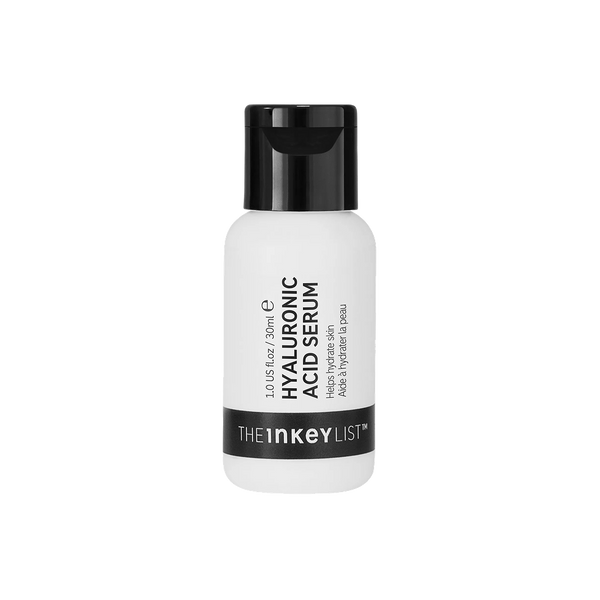
- Hyaluronic Acid Serum – 30ml — Lightweight, non-sticky hydration serum with 2% hyaluronic acid at 3 molecular weights. Apply to damp skin after vitamin C.
- Hyaluronic Acid Serum – 60ml — The same hero formula in a larger size, for when HA becomes a daily non-negotiable.
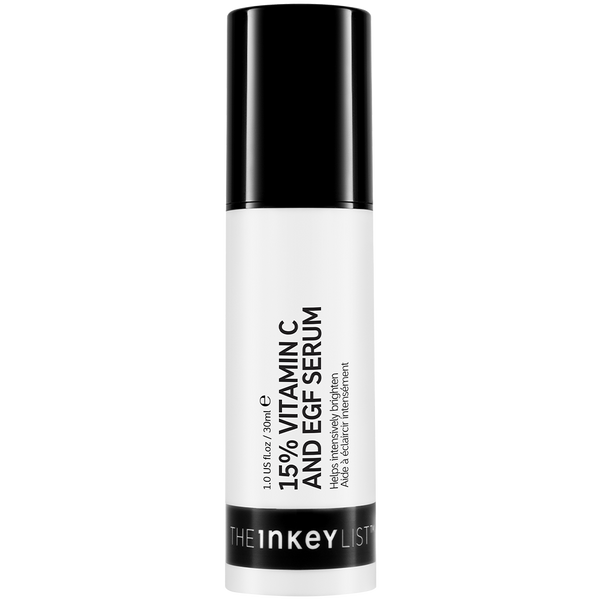
- 15% Vitamin C + EGF Serum — Stable, gentle brightening serum. 87% agree skin looks brighter in just 4 weeks.*
- Vitamin B, C and E Moisturiser — A moisturizer that delivers vitamin C alongside barrier-supporting B and E vitamins, all in one step.
What Is Hyaluronic Acid - and What Does Vitamin C Do for Skin?
Before diving into why these two ingredients work so well together, it helps to understand what each one actually does on its own. Many skincare ingredients are misunderstood, overhyped, or misapplied - not these. Both hyaluronic acid and vitamin C are among the most well-researched, widely validated actives in modern skincare. And once you understand the role each plays, the logic of pairing them becomes immediately obvious.
Hyaluronic Acid: Your Skin’s Built-In Moisture Magnet
Hyaluronic acid - often abbreviated to HA - is not a foreign chemical or a synthetic invention. It’s a naturally occurring molecule already present in your skin, your eyes, and your joints. Its primary function in the body is to retain moisture, and it is extraordinarily good at it. Hyaluronic acid can hold up to 1,000 times its own weight in water, which is why it’s considered one of the most effective hydrating ingredients available in skincare today.
As a humectant, HA works by drawing moisture from its surrounding environment - including from the deeper layers of your skin - and pulling it toward the surface, where it creates a visible plumping effect. This is why skin treated with a well-formulated hyaluronic acid serum looks fuller, smoother, and more supple almost immediately after application.
One of the most important things to understand about hyaluronic acid is that it exists in different molecular weights, and the size of the molecule determines how deeply into the skin it can penetrate. Lower molecular weight HA can move deeper into skin layers; higher molecular weight HA stays closer to the surface, creating that immediate plumping and protective effect. INKEY’s Hyaluronic Acid Serum – 30ml uses 2% hyaluronic acid formulated at three distinct molecular weights, which means it addresses hydration at multiple depths simultaneously — not just on the surface.
Hyaluronic acid is also one of the most universally tolerated ingredients in skincare. It’s suitable for all skin types - including oily and blemish-prone skin - because it hydrates with water, not oil. There’s no greasiness, no heaviness, and no breakout risk. Additionally, HA levels in the skin naturally decline with age, beginning as early as the mid-twenties, which makes topical application increasingly important as you get older. One critical usage note: always apply hyaluronic acid to slightly damp skin. HA needs moisture to work with - if you apply it to completely dry skin in a dry environment, it may actually pull moisture up from deeper skin layers rather than drawing it inward from the surface. A quick face mist or applying it straight after your vitamin C serum (while your skin still has some moisture on it) is all you need. For a comprehensive breakdown of this ingredient, visit our hyaluronic acid ingredient guide.
Vitamin C: The Antioxidant Your Skin Was Born With
Like hyaluronic acid, vitamin C - also called ascorbic acid in its pure form - is not a stranger to your skin. Your skin naturally contains high concentrations of vitamin C, particularly in the epidermis (the outermost layer), where it plays a vital role in protecting cells from oxidative damage caused by UV exposure and environmental pollutants. The problem is that your skin’s vitamin C levels are depleted by exactly the stressors you’re trying to protect against: sun exposure, pollution, and everyday environmental aggressors. Photodamaged skin consistently shows significantly lower vitamin C concentrations than healthy skin, which is why topical replenishment matters.
When applied topically, vitamin C provides antioxidant protection by neutralizing free radicals - unstable molecules generated by UV light and pollution that damage skin cells and accelerate visible aging. But vitamin C does more than protect. It actively boosts collagen synthesis, helping to support skin firmness and elasticity over time. It also inhibits melanin production, which means it visibly fades dark spots, hyperpigmentation, and uneven skin tone - producing the brightening effect that makes it such a beloved active.
Vitamin C comes in several forms, and the form matters a great deal. Pure L-Ascorbic Acid is the most potent form, but it’s notoriously unstable - it oxidizes quickly when exposed to air and light, turning orange or brown and losing its efficacy. It also requires a low pH to work effectively, which can cause irritation for sensitive skin. INKEY’s 15% Vitamin C + EGF Serum sidesteps all of these issues by using Ascorbyl Glucoside — a stable, gentle derivative that converts to active vitamin C on the skin and works at a skin-compatible pH between 6.8 and 7.2. This makes it far more beginner-friendly, sensitive-skin-compatible, and stable on the shelf. According to Healthline’s overview of vitamin C and hyaluronic acid in skincare, dermatologists consistently highlight stable vitamin C derivatives as preferable options for those new to the ingredient or with reactive skin.
In a 4-week independent consumer trial of 64 INKEY users, 87% agreed their skin looked brighter after using the 15% Vitamin C + EGF Serum. Vitamin C is best deployed in the morning, when its antioxidant properties can actively defend your skin against the UV and pollution exposure that happens throughout the day.
Now that you know what each ingredient does individually, the natural next question is: do they actually work well together? The answer is a confident, science-backed yes — and here’s exactly why.
Can You Use Hyaluronic Acid With Vitamin C?
Here’s the straightforward answer: yes, hyaluronic acid and vitamin C are fully compatible. There are no chemical interactions between them that reduce their effectiveness or cause harm. They don’t cancel each other out, destabilize each other’s formulas, or compete for the same skin receptors. They simply work alongside each other - each doing its own thing, making the overall result better than either could achieve alone.
The reason this pairing is so effective comes down to their complementary mechanisms. Hyaluronic acid is a humectant - it works in the water-binding layer of your routine, pulling moisture into the skin and supporting the skin barrier. Vitamin C is an antioxidant - it works at the cellular level, neutralizing free radicals, interrupting melanin production, and stimulating collagen synthesis. These are entirely separate jobs. Using them together means your skin gets deep hydration and antioxidant protection and visible brightening - all in one morning routine. That’s not a small thing.
Here’s what each ingredient contributes to the pairing:
- Hyaluronic acid draws and retains moisture, plumps the skin, supports the skin barrier, and creates an ideal environment for skin cell function.
- Vitamin C (Ascorbyl Glucoside) defends against environmental damage, fades the appearance of dark spots, supports collagen production, and delivers visible brightening over time.
- Together, they address hydration, protection, and radiance — the foundation of healthy, resilient skin.
There’s another important dimension to this pairing that often goes unacknowledged: hyaluronic acid actively helps your skin tolerate vitamin C better. Some forms of vitamin C - particularly pure L-Ascorbic Acid at high concentrations - can cause dryness, stinging, or irritation, especially for those with sensitive or compromised skin barriers. By maintaining optimal hydration and supporting the skin barrier, hyaluronic acid creates a more hospitable environment for vitamin C to work in. The skin is better cushioned, better hydrated, and therefore more resilient. When you use INKEY’s Hyaluronic Acid Serum alongside the 15% Vitamin C + EGF Serum, you’re already working with a gentle Ascorbyl Glucoside form, which reduces irritation risk dramatically - but the added moisture support from HA only makes the experience more comfortable and effective.
Can you mix them together in the same product? Yes - vitamin C and hyaluronic acid are frequently combined in multi-active formulations, and they coexist without issue. If you’re using separate products (as most focused skincare routines do), light-to-heavy layering applies, which we’ll cover in detail in the next section. The short version: vitamin C first, hyaluronic acid second.
It’s also worth addressing a common misconception head-on. Some people have heard that vitamin C requires a low pH to be effective, and worry this might somehow interfere with hyaluronic acid. This concern applies specifically to pure L-Ascorbic Acid formulations, which need a pH below 3.5 to work. INKEY’s Ascorbyl Glucoside form operates at a much more comfortable pH of 6.8–7.2 — close to the skin’s natural range — so this concern simply doesn’t apply here. You can layer these two products confidently, without worrying about pH conflicts or reduced efficacy.
Dermatologists consistently confirm that hyaluronic acid and vitamin C complement each other - HA provides the hydration layer that helps skin tolerate and maximise the benefits of vitamin C.
Knowing they’re compatible is one thing. Knowing exactly how to use them together - what order, which time of day, how to avoid common application mistakes - is where the real results come from. That’s what the next section covers.
How to Layer Vitamin C and Hyaluronic Acid: What Goes First?
The order in which you apply your skincare products matters more than most people realize. Get it right, and your products absorb properly, work at their intended depth, and deliver their full benefit. Get it wrong, and you risk pilling, reduced absorption, or wasted product. The good news is that the vitamin C and hyaluronic acid layering order is simple, logical, and easy to remember.
The Core Principle: Thinnest to Thickest
The foundational rule of skincare layering is to apply products from the thinnest, most water-based texture to the thickest, most occlusive. Lighter serums penetrate more quickly and should have access to clean skin without a heavier product sitting on top blocking their path. Richer creams and oils go last, sealing everything in. For this reason, vitamin C serum - which is typically lighter and more watery — goes before hyaluronic acid serum, which is slightly more viscous. Both are applied before your moisturizer, which is applied before SPF.
Your AM Routine: Step-by-Step
This is the recommended morning routine for the hyaluronic acid and vitamin C combination:
- Cleanse — Start with a clean base. Remove overnight products, excess oil, and any residue before applying actives.
- Apply 15% Vitamin C + EGF Serum — Apply a pea-sized amount to clean, slightly damp skin. Gently pat (don’t rub) across your face and neck. Vitamin C makes direct contact with freshly cleansed skin first, allowing its antioxidant properties to form a protective layer against the UV and pollution you’ll encounter throughout the day.
- Wait approximately 60 seconds — Give the vitamin C serum time to absorb before layering on top. This prevents pilling and allows the formula to settle into skin. For more on how to avoid the frustrating pilling problem, read our guide on how to layer skincare without pilling.
- Apply Hyaluronic Acid Serum to damp skin — If your skin has dried completely, mist lightly first. Use 2–3 drops and press gently into skin. The technique of applying HA to damp skin - sometimes called skin flooding - dramatically increases the ingredient’s hydrating efficacy by giving it existing moisture to work with and amplify.
- Moisturize — Lock in the hydration with your preferred INKEY moisturizer. Hyaluronic acid needs to be sealed in with an occlusive or moisturizing layer — without it, particularly in dry or cold climates, HA can actually draw moisture up from deeper skin layers rather than pulling it inward from the surface.
- Apply SPF — Finish with Dewy Sunscreen SPF 30 every single morning. This step is non-negotiable when you’re using vitamin C. While vitamin C helps defend against UV-induced oxidative damage, it is not a substitute for sunscreen - and vitamin C can mildly increase photosensitivity, making SPF protection even more important.
Key Application Tips to Maximize Results
Apply HA to damp (not soaking wet) skin. There’s a sweet spot here — skin that’s still slightly dewy after the vitamin C serum is ideal. Completely wet skin can dilute your serum; completely dry skin reduces HA’s effectiveness.
Wait 60 seconds between serum layers. Rushing this step is the single most common cause of pilling. Give each layer a moment to absorb.
A pea-sized amount of vitamin C serum is enough for your full face and neck. More doesn’t mean better with actives.
2–3 drops of HA serum is sufficient. Again, resist the urge to over-apply. Both of these serums are concentrated formulas - a little goes a long way.
Always follow HA with moisturizer. This seals in hydration and ensures the moisture HA has attracted doesn’t evaporate. Skip this step and you’re not getting the full benefit.
What About PM Use?
Vitamin C is most powerful when used in the morning, where its antioxidant function actively shields your skin from the UV and environmental stressors of the day. You can use it in the evening too, but you’ll be getting less of its key benefit. In the PM, the hyaluronic acid serum works beautifully as a standalone hydration step before a richer night cream or facial oil. One important note: do not use vitamin C in the same routine as retinol or exfoliating acids like AHAs and BHAs. Keep vitamin C in the AM and save retinol and acids for the PM to avoid unnecessary irritation or interaction. For more detail on what shouldn’t be mixed with retinol, read What Not to Mix With Retinol.
The HA and vitamin C pairing is already one of the most powerful and well-rounded combinations in skincare - but many people wonder whether niacinamide can be added to the mix for even more targeted benefits. The answer, again, is yes.
Can You Add Niacinamide to the Mix? Hyaluronic Acid, Vitamin C, and Niacinamide Together
For anyone building a comprehensive AM routine, niacinamide is one of the most valuable third ingredients you can add to the hyaluronic acid and vitamin C duo. It addresses a different set of skin concerns - excess oil, enlarged-looking pores, redness, and barrier disruption - that HA and vitamin C don’t specifically target. Together, all three cover hydration, brightening, antioxidant protection, oil control, and barrier health. That’s a remarkably complete morning lineup.
Yes - niacinamide is fully compatible with both hyaluronic acid and vitamin C, provided you’re using the right form of vitamin C. This is where an important clarification is needed.
There has been longstanding concern in the skincare community about combining niacinamide with vitamin C. Specifically, some sources have flagged that niacinamide and pure L-Ascorbic Acid can potentially react to form a compound called nicotinic acid, which can cause flushing or redness at high concentrations. This is a real chemical consideration - but it applies exclusively to pure L-Ascorbic Acid formulations, and only at high concentrations.
INKEY’s 15% Vitamin C + EGF Serum uses Ascorbyl Glucoside - a stable vitamin C derivative that does not carry this risk. The INKEY product page confirms it directly: the serum is safe to layer with niacinamide. The L-Ascorbic Acid concern simply does not apply. So if you’re using INKEY’s vitamin C serum, you can add niacinamide to your routine without hesitation.
What Niacinamide Adds to the Routine
Niacinamide is a form of vitamin B3, and it’s one of the most versatile ingredients in skincare. While HA hydrates and vitamin C brightens and protects, niacinamide works to regulate sebum production (reducing excess oiliness), minimize the appearance of enlarged pores, calm visible redness and inflammation, and strengthen the skin barrier. For anyone dealing with combination or oily skin, niacinamide is particularly transformative - it brings balance to a routine that might otherwise feel too focused on glow and hydration.
INKEY’s Niacinamide Serum contains 10% niacinamide and 1% hyaluronic acid - making it both oil-controlling and hydrating. It’s one of the most efficient multi-tasking products in the range, and it slots naturally into the three-ingredient routine without adding complexity or bulk.
If you’re curious about how these glow-driving ingredients compare in terms of their specific brightening mechanisms, our in-depth Vitamin C vs Niacinamide vs Exosomes: The Ultimate Glow Ingredient Showdown breaks it all down.
Layering All Three: The Full AM Sequence
When using vitamin C, niacinamide, and hyaluronic acid together, the layering order is:
- Cleanse
- Vitamin C serum (lightest texture, antioxidant first)
- Niacinamide serum (wait 60 seconds after vitamin C)
- Hyaluronic acid serum (apply to damp skin, wait 60 seconds after niacinamide)
- Moisturizer
- SPF
This sequence respects the thinnest-to-thickest principle and ensures each active makes meaningful contact with your skin before the next layer goes on.
Best For: Oily and Combination Skin
The triple combination of vitamin C + niacinamide + hyaluronic acid is particularly well-suited for oily and combination skin types. Vitamin C brightens without adding heaviness. Niacinamide controls oil and tightens the look of pores. Hyaluronic acid delivers water-based hydration without any greasiness. Together, they create a routine that visibly improves skin without making it feel congested or overwhelmed. To finish this routine, consider the Omega Water Cream - an oil-free moisturizer with 5% niacinamide that’s clinically proven to balance oil while delivering deep hydration. It’s the ideal seal for an oily-skin AM routine.
For more on how hyaluronic acid specifically interacts with oily skin types, our blog Is Hyaluronic Acid Good for Oily Skin? has you covered.
With the ingredient science and layering logic covered, it’s time to look at the full INKEY product lineup - so you know exactly what to buy and why.
The INKEY Products to Use for Your Vitamin C and Hyaluronic Acid Routine
Knowing the right ingredients is only half the equation. The other half is knowing which products to reach for - formulations that are effective, well-tolerated, and designed to work together. Every product in INKEY’s lineup is built around one principle: give people access to serious skincare science without the serious price tag. No unnecessary complexity. No inflated margins. Just ingredients that work, at prices that make sense.
Here’s the full INKEY product guide for building your vitamin C and hyaluronic acid routine.
Hyaluronic Acid Products
This is the hero product for hydration in this routine. Formulated with 2% hyaluronic acid at three molecular weights, it delivers multi-depth moisture — surface plumping, mid-layer hydration, and deeper skin support all in one serum. It’s lightweight, non-sticky, non-comedogenic, and absorbs quickly. Rated 4.7 out of 5 stars from over 3,000 reviews, it’s the kind of product that converts skeptics into daily users. Wondering whether this serum is right for your specific skin concerns? Read 5 Signs You Need Hyaluronic Acid Serum to find out.
The same award-winning formula in a larger format. If you’ve already made the 30ml a daily staple - morning and evening - the 60ml makes practical and financial sense. Bigger bottle, same brilliant results.
For those with sensitive, dehydrated, or compromised skin that needs more than hydration alone, the Ectoin HydroBarrier Serum offers a powerful step-up. Formulated with 2% Ectoin, 2.5% hyaluronic acid, and a 3-ceramide barrier blend, it goes beyond moisture-retention to actively repair and reinforce the skin’s protective barrier. It can be used alongside or instead of the standard HA Serum for anyone whose skin needs extra resilience - particularly those recovering from over-exfoliation, harsh weather exposure, or barrier damage.
Vitamin C Products
INKEY’s brightening hero. Formulated with 15% Ascorbyl Glucoside — a stable, gentle form of vitamin C that won’t oxidize, won’t irritate, and won’t turn orange in the bottle — plus 1% Epitensive EGF (Epidermal Growth Factor), which supports skin renewal and resilience. In an independent consumer trial, 87% of users agreed their skin looked brighter after four weeks. Suitable for all skin types, including sensitive. Dermatologically tested. This is the vitamin C product to pair with your hyaluronic acid serum.
Vitamin B, C and E Moisturiser
For those who want their moisturiser to pull double duty, this formula delivers vitamin C alongside niacinamide (vitamin B3) and tocopherol (vitamin E) - a trio of antioxidants and barrier-supporting actives in a single step. It’s an efficient option for anyone who wants to incorporate vitamin C into their routine without adding another serum layer, or who wants additional antioxidant support in their moisturizing step.
To Complete the Routine
10% niacinamide and 1% hyaluronic acid. A powerhouse for oily, combination, and pore-conscious skin types. Pairs seamlessly with both the vitamin C serum (Ascorbyl Glucoside form) and the HA serum. Add it between your vitamin C and HA steps for a comprehensive oil-balancing, brightening, hydrating AM routine.
An oil-free, water-gel moisturiser with 5% niacinamide, clinically proven to balance oil production while delivering meaningful hydration. Lightweight enough for oily and combination skin types, yet moisturising enough to properly seal in hyaluronic acid. The ideal finishing moisturizer for the triple-active vitamin C + niacinamide + HA routine.
Every AM vitamin C routine needs to end with SPF. Full stop. Vitamin C helps defend against UV-induced damage, but it is not sunscreen — and it mildly increases your skin’s photosensitivity, making daily SPF protection not just recommended but essential. INKEY’s Dewy Sunscreen SPF 30 finishes the routine with broad-spectrum protection and a dewy, skin-like finish that doesn’t pill, slide, or leave a white cast.
Build Your Bundle and Save
If you’re putting together a full routine using multiple INKEY products, use the Build Your Own Routine feature to save up to 20% on your order. There’s no reason to pay full price for a routine you’ve already committed to.
Still have questions about how to use hyaluronic acid with vitamin C? Here are the most common ones - answered clearly and completely.
Frequently Asked Questions About Using Hyaluronic Acid With Vitamin C
Can you use hyaluronic acid with vitamin C?
Yes — hyaluronic acid and vitamin C are fully compatible and work exceptionally well together. They operate through different mechanisms: HA is a humectant that hydrates and supports the skin barrier, while vitamin C is an antioxidant that brightens, protects against environmental damage, and supports collagen production. Together, they deliver hydration, glow, and antioxidant defense in one routine. For everything you need to know about how HA works, visit our full hyaluronic acid ingredient guide.
What goes first — vitamin C or hyaluronic acid?
Apply vitamin C first, on clean skin, then follow with hyaluronic acid. Vitamin C is typically a lighter-weight formula and benefits from direct contact with freshly cleansed skin, where it can perform its antioxidant function most effectively. After vitamin C has had around 60 seconds to absorb, apply your Hyaluronic Acid Serum to slightly damp skin. Always follow with moisturizer and SPF in your morning routine.
Can I use hyaluronic acid and vitamin C every day?
Yes. Both ingredients are well-tolerated for daily use. Vitamin C is best used in the morning, where its antioxidant properties actively defend against UV and environmental stressors throughout the day. Hyaluronic acid can be used both morning and evening. Always finish your morning vitamin C routine with SPF — this is non-negotiable.
Can you mix hyaluronic acid and vitamin C in the same routine?
Yes — they can be used in the same routine, applied one after the other. Apply vitamin C first, wait around 60 seconds, then apply hyaluronic acid. Do not physically blend them together in your palm before applying — apply each product separately to ensure proper absorption and efficacy.
Can I use niacinamide with hyaluronic acid and vitamin C?
Yes — niacinamide is compatible with both ingredients when your vitamin C formula uses a stable form like Ascorbyl Glucoside, as found in INKEY’s 15% Vitamin C + EGF Serum. The concern about niacinamide and vitamin C reacting applies only to pure L-Ascorbic Acid formulations — not to Ascorbyl Glucoside. The recommended layering order for all three is: vitamin C → niacinamide → hyaluronic acid → moisturizer → SPF. Try INKEY’s Niacinamide Serum to add oil control, pore minimizing, and redness-calming benefits to the mix.
Can you use vitamin C and hyaluronic acid together at night?
You can, though vitamin C is most beneficial in the morning, where its antioxidant function is most relevant (UV and pollution exposure happen during the day, not at night). In the evening, hyaluronic acid works beautifully as a standalone hydration step before your night moisturizer. If you do use vitamin C at night, do not combine it with retinol or exfoliating acids — those belong in their own PM routine. For guidance on ingredient conflicts in the PM, read What Not to Mix With Retinol.
Is it safe to layer a vitamin C serum with a hyaluronic acid serum?
Completely safe — and highly effective. Apply your vitamin C serum first, wait 60 seconds, then apply your Hyaluronic Acid Serum to slightly damp skin. Follow with moisturizer and SPF. The two serums work at different levels and through different mechanisms, so there is no risk of adverse reactions or reduced efficacy from layering them.
Can vitamin C and hyaluronic acid be used on sensitive skin?
Yes. INKEY’s 15% Vitamin C + EGF Serum uses Ascorbyl Glucoside — a stable, gentle vitamin C derivative that is dermatologically tested and significantly less irritating than pure L-Ascorbic Acid. Hyaluronic acid is one of the most universally well-tolerated ingredients in skincare, suitable for even the most reactive complexions. Together, they are a gentle, intelligent pairing for sensitive skin.
Did you know? INKEY’s 15% Vitamin C + EGF Serum uses Ascorbyl Glucoside — a form of vitamin C that’s stable, beginner-friendly, and won’t oxidize or turn orange like pure L-Ascorbic Acid.
The Short Version: You’ve Got Everything You Need
Hyaluronic acid and vitamin C don’t just coexist in a skincare routine - they actively enhance each other’s results. HA builds the hydrated, resilient skin environment that allows vitamin C to perform at its best. Vitamin C delivers the brightening, protective, and collagen-supporting benefits that pure hydration alone can’t achieve. Used together - vitamin C first, hyaluronic acid second, sealed with a moisturizer and SPF - they are among the most efficient, results-driven combinations you can build a morning routine around.
If you want to go even further, niacinamide slots in seamlessly between the two (provided you’re using a stable vitamin C like Ascorbyl Glucoside, as found in INKEY’s formula), adding oil control, barrier support, and pore minimizing to an already comprehensive routine. Three ingredients. One streamlined morning routine. Measurable, visible results.
Choosing a stable vitamin C - one that won’t oxidize, won’t irritate, and doesn’t require pH manipulation - makes this entire pairing simpler, gentler, and more effective. INKEY’s 15% Vitamin C + EGF Serum was designed with exactly that in mind.
No guesswork. No jargon. Just a simple, effective routine - backed by the ingredients your skin actually needs.
Ready to Build Your Routine?
Shop the hyaluronic acid and vitamin C routine:
Hyaluronic Acid Serum | 15% Vitamin C + EGF Serum
Save up to 20% when you bundle:
Build Your Own Routine
Want to go deeper on hyaluronic acid?
Read the full hyaluronic acid ingredient guide