How to Tell If Your Skin Is Dehydrated: 7 Signs You Might Be Missing

01.06.2026 | Skincare

Dehydrated skin is one of the most commonly misunderstood skin conditions in skincare - and one of the most frequently misdiagnosed. Unlike dry skin, dehydration is not a skin type. It is a condition: a temporary, correctable state in which the outer layers of the skin lack water. It can affect every skin type, including oily and combination skin, and its symptoms are so varied that most people never connect them to hydration at all.

The problem is that dehydrated skin rarely looks the way people expect. It can present as excess oiliness, sudden sensitivity, worsening dark circles, makeup that refuses to sit properly, or a tightness that no moisturiser seems to resolve. Because these symptoms resemble so many other concerns, dehydration is routinely overlooked - and routinely untreated.

For a comprehensive overview of the condition before diving into the signs, take a look at our guide to What Is Dehydrated Skin?. This article specifically focuses on the seven most commonly missed signs, how to assess your own skin through a self-check and the pinch test, the science behind why dehydration happens, and exactly what to do about it.


Dehydrated Skin vs Dry Skin: Why the Difference Matters

Understanding dehydrated skin properly begins with separating it from dry skin - two terms that are frequently used interchangeably but refer to completely different things.

Dry skin is a skin type. It is characterised by a chronic, largely genetic lack of sebum (oil) production. People with dry skin tend to have had it their whole lives. It presents as flaking, roughness, and a consistent lack of natural moisture. It can be managed effectively, but it does not go away entirely because it is intrinsic to the skin’s biology.

Dehydrated skin is a condition. It occurs when the outer layer of the skin - the stratum corneum - lacks sufficient water. It is entirely temporary and entirely correctable with the right approach. Crucially, it can happen to anyone, at any time, regardless of their skin type. An oily complexion is not a protection against dehydration. In fact, oily skin is often dehydrated for a very specific reason: when the skin senses a lack of water, it can overcompensate by producing more sebum. The result is skin that appears shiny and oily on the surface but feels tight, uncomfortable, and thirsty underneath.

This distinction has significant practical implications. Treating dehydrated skin with products designed for dry skin - thicker, more emollient creams heavy on occlusives - will not resolve the core issue if the underlying cause is water loss rather than oil deficiency. The correct approach requires understanding the difference between two related but separate skincare actions: hydrating and moisturising.

Hydrating means actively delivering water into the skin. This is the role of humectants - ingredients like Hyaluronic Acid and Ectoin, which attract and bind water molecules. Moisturising means sealing that water in by slowing evaporation at the skin’s surface. This is the role of an occlusive moisturiser. Dehydrated skin needs both steps in the correct order. A moisturiser applied without a humectant serum underneath is sealing in very little. A humectant serum applied without a moisturiser on top allows water to evaporate before it can do its work.

The good news - and it bears repeating - is that dehydration is temporary. Unlike a skin type, it does not require permanent management. It requires a targeted, consistent approach over a defined period of time, and the skin responds noticeably and quickly.

To learn more about the underlying causes of dehydrated skin and how the barrier is involved, visit our full guide: What Is Dehydrated Skin? Signs, Causes & How to Treat It.

Now that the distinction is clear, the next step is identifying the condition in the first place. Here are the seven signs most commonly missed.


The 7 Signs of Dehydrated Skin You Might Be Missing

Dehydration is a master of disguise. Its symptoms show up in places and in forms that most people attribute to entirely different problems - the wrong foundation formula, a bad night’s sleep, stress, or simply “sensitive skin.” The following signs, taken individually, can each be explained away. Taken together, they point clearly to one root cause.

Sign 1: Your Skin Is Oily and Tight at the Same Time

This is perhaps the most counterintuitive sign of dehydration, and the one most commonly overlooked by people with oily or combination skin. The assumption is that oily skin is well-hydrated - that all that sebum means the skin is adequately nourished. It does not.

Oil and water are not the same thing, and sebum production has no bearing on water content in the stratum corneum. When the skin lacks water, it can increase sebum output as a compensatory mechanism - an attempt to physically seal in what little moisture remains. The result is a surface that looks and feels greasy, but an underlying sensation of tightness, discomfort, and dryness that persists despite the visible oil.

If your skin shines by midday but still feels uncomfortably tight after cleansing, or if you find yourself reaching for blotting papers while also applying extra moisturiser, this paradox is a significant indicator of dehydration.

Sign 2: Fine Lines That Appear When You Press or Scrunch Your Skin

Not all fine lines are the same. Structural wrinkles - the result of collagen loss, volume depletion, and repeated muscle movement over time - are permanent features that do not change with hydration. Dehydration lines behave very differently.

Dehydration lines are superficial. They appear when the skin lacks water and the stratum corneum loses its plumpness and elasticity. They are particularly visible around the eyes and cheeks, and they have a distinctive quality: they crinkle, scrunch, or appear more prominent when gentle pressure is applied to the skin. When you press or gently scrunch your cheek, do you see a series of fine, crepey lines that settle back slowly? That is a dehydration line - not a structural wrinkle.

The clinical significance of this distinction is that dehydration lines are fully reversible. Well-hydrated skin plumps up from within, smoothing these lines without any intervention beyond consistent, targeted hydration. They can visibly diminish within 24 to 48 hours of a properly applied hydrating routine. For a deeper understanding of how humectant ingredients address this at a molecular level, our article on Ectoin vs Hyaluronic Acid: What’s the Difference? explores the differences in how these key ingredients work.

Sign 3: Makeup That Pills, Patches, or Clings to Texture

Dehydrated skin has an uneven surface. The outer layers are rough, slightly flaky, and lack the smooth, even texture of well-hydrated skin. When foundation or concealer is applied over this surface, it has nothing smooth to grip - it catches on dry patches, pills when blended, and separates into visible lines and flakes throughout the day.

Most people experiencing this reach for a new primer, switch foundation formulas, or blame their tools. The problem is almost never the makeup. A priming step will not remedy the underlying texture issue. The skin’s surface needs water, not a silicone barrier on top of a dehydrated base. When hydration is properly addressed, makeup application typically improves dramatically - sometimes overnight.

Sign 4: Dark Circles That Look Worse Than Usual

The skin around the eyes is the thinnest on the face - typically less than half a millimetre in depth. It loses moisture faster than any other area and shows the effects of dehydration first and most dramatically. When this skin lacks water, it becomes more translucent, the underlying blood vessels become more visible, and the whole area takes on a shadowed, hollow appearance.

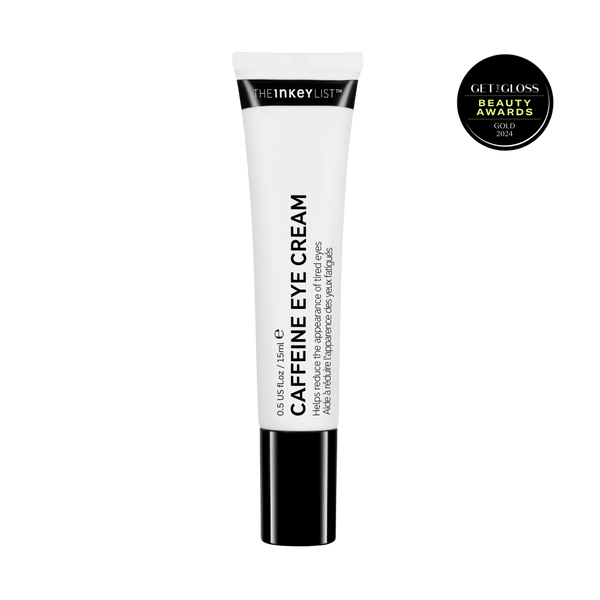
This is why dark circles are frequently worse after a night of poor sleep in a centrally heated room, after long-haul travel, or during winter months. These are all conditions that accelerate water loss from the skin. Targeted hydration in the eye area, combined with an ingredient like caffeine to address the vascular component, produces visible results relatively quickly. Our Caffeine Eye Cream (£10) is formulated specifically to address periorbital dehydration - caffeine constricts blood vessels to reduce shadowing, while the hydrating base targets the thinness and translucency that makes dark circles more prominent.

Sign 5: Products That Used to Work Now Sting or Feel Irritating

A sudden increase in skin sensitivity - particularly towards products that previously caused no reaction - is a reliable indicator of barrier compromise associated with dehydration. When the stratum corneum lacks adequate water, the lipid matrix between skin cells develops gaps. These gaps allow irritants, actives, and environmental aggressors to penetrate the skin more easily and reach nerve endings that would normally be well-protected.

This sign is routinely misattributed to the product in question rather than the skin’s condition. If your usual vitamin C serum, retinol, or even a gentle toner suddenly produces a stinging or burning sensation, consider barrier compromise as the likely explanation. For a full breakdown of what the skin barrier is and how to protect and restore it, our guide on Your Skin Barrier: What It Is, Signs It’s Damaged, and How to Repair It covers the topic in detail.

Sign 6: Dull, Flat Skin With No Glow - Even After Cleansing

Healthy, well-hydrated skin reflects light evenly across its surface. It has a visible luminosity - what most people call a “glow” - that is not the result of any product but of the physical structure of a plump, smooth, water-rich stratum corneum. Dehydrated skin, by contrast, scatters light rather than reflecting it. The result is a flat, dull, grey appearance that no amount of cleansing, exfoliation, or brightening serum seems to resolve.

This is worth distinguishing from hyperpigmentation, which manifests as localised discolouration or dark spots in specific areas. Dehydration-related dullness affects the whole face evenly. Everything looks slightly flat, slightly lifeless, slightly off. It is the kind of dullness that makes people say their skin looks “tired” even when they are not. Many people notice a visible, significant improvement in radiance within 24 to 48 hours of introducing a proper hydrating routine.

Sign 7: Moisturiser Absorbs Instantly and Your Skin Still Feels Dry

If you apply moisturiser and it seems to disappear into the skin immediately - leaving no trace and no lasting comfort - this is not a sign that you need a heavier cream. It is a sign of significantly elevated transepidermal water loss (TEWL). The skin is losing water through a compromised barrier faster than any moisturiser applied to the surface can compensate.

The solution is not to apply more moisturiser, or a thicker one. It is to change the application sequence entirely. A humectant serum must be applied first - to damp skin - to draw water into the stratum corneum. The moisturiser is then applied on top, while the skin is still slightly tacky, to seal in that water and slow its evaporation. Applied in this order, both products perform significantly better. For a full explanation of TEWL and why it matters, our article on What Is TEWL and How to Prevent It covers the science in detail.

With a clear picture of what dehydrated skin looks like in practice, the next step is assessing your own skin accurately.


Checking Your Own Skin: The Pinch Test and a Self-Assessment

Knowing the signs is one thing. Applying them to your own skin is another. There are two practical tools for doing this: the pinch test, a quick physical check, and a self-assessment checklist that maps your symptoms against the most common indicators of dehydration.

The Pinch Test

The pinch test is a simple, widely used method for checking skin hydration. Gently pinch a small section of skin on your cheek between two fingers, hold it for one second, then release. In well-hydrated skin, the pinched area snaps back immediately and smoothly, with no visible mark or delay. In dehydrated skin, the skin takes a noticeable moment to return to its natural position - you may see a slight ridge, crinkle, or residual fold before it settles.

It is worth noting a caveat: the pinch test is a useful rough guide rather than a clinical measurement. Skin laxity also naturally increases with age, which can affect how quickly skin bounces back. Use it as one piece of evidence alongside the other indicators below, rather than a definitive diagnosis on its own.

Self-Assessment: How Many of These Apply to Your Skin Right Now?

Work through this list honestly and count how many statements apply to your skin at this moment:

  1. My skin feels tight or uncomfortable after cleansing
  2. My skin looks dull or flat, even after a shower
  3. I have fine lines that seem to crinkle when I press my skin
  4. My makeup pills, patches, or does not blend smoothly
  5. My skin feels both oily and uncomfortable at the same time
  6. Dark circles under my eyes look more prominent than usual
  7. Products that used to work fine now sting or feel irritating
  8. My moisturiser absorbs immediately but my skin still feels thirsty
  9. My skin looks and feels better in humid weather or straight after a face mask
  10. My skin feels worse in air-conditioned offices or centrally heated rooms

What your score means:

  • 0 to 2: Your skin hydration is likely in reasonable shape. A consistent hydrating routine remains worthwhile as prevention, particularly during the colder months.
  • 3 to 5: Your skin is showing clear, multiple signs of dehydration. Introducing a targeted hydrating serum - applied correctly, on damp skin - is recommended as a priority step.
  • 6 or more: Your skin is likely significantly dehydrated, and your barrier may be compromised. A barrier-first, hydration-focused routine should take precedence over any actives or exfoliants until comfort and resilience are restored.

For further reading on how to identify whether your skin needs targeted hydration, our guide on 5 Signs You Need Hyaluronic Acid Serum covers the topic in detail alongside ingredient recommendations. You can also visit the What Is Dehydrated Skin? pillar page for a complete reference on the condition.

Understanding your skin’s current state is the foundation. But to address dehydration properly and prevent it from recurring, it helps to understand what is causing it.


Why Skin Becomes Dehydrated: The Science Behind the Signs

Skin dehydration is not arbitrary. It has clearly understood biological mechanisms and well-documented causes - and addressing it effectively means understanding both.

The Barrier, the NMF, and TEWL

The skin’s ability to retain water depends on two interconnected systems. The first is the lipid matrix of the stratum corneum - a carefully balanced combination of ceramides, fatty acids, and cholesterol that forms a physical seal between skin cells. The second is the Natural Moisturising Factor (NMF) - a collection of water-soluble compounds found inside skin cells, including amino acids and their derivatives, that actively attract and bind water.

When both systems are functioning well, water is retained effectively within the skin’s layers. When either system is disrupted - through harsh cleansing, environmental exposure, over-exfoliation, or barrier damage - water evaporates from the skin’s surface at an accelerated rate. This is transepidermal water loss, or TEWL. Elevated TEWL is both a symptom and a driver of dehydration: as the barrier weakens, water loss increases, which weakens the barrier further in a self-reinforcing cycle. For a thorough explanation of TEWL and how to interrupt this cycle, our guide on What Is TEWL and How to Prevent It is essential reading.

The Most Common Causes of Dehydrated Skin

Dehydration rarely has a single cause. More often, it is the cumulative result of several factors working in combination:

  • Over-cleansing or using stripping cleansers - Surfactant-heavy cleansers that foam aggressively can strip both surface oils and components of the NMF, leaving the barrier compromised after every wash.
  • Central heating and air conditioning - Particularly relevant in the UK, where central heating is used for a significant portion of the year. Low-humidity indoor environments accelerate TEWL consistently and significantly.
  • Hot showers - Prolonged exposure to hot water disrupts the lipid structure of the stratum corneum and increases water loss in the hours following.
  • Over-exfoliation without barrier support - AHAs, BHAs, and physical exfoliants used too frequently, or without adequate hydrating steps following their use, compromise the barrier and elevate TEWL.
  • Using actives without adequate hydration layers - Retinol, vitamin C, and exfoliating acids all require a well-hydrated barrier to be tolerated. Using them on dehydrated skin without proper hydrating steps amplifies sensitivity and barrier disruption.
  • Cold weather, wind, and UV exposure - Environmental aggressors that degrade the lipid matrix over time. UV exposure in particular is one of the most consistently damaging factors for barrier health.
  • Skipping moisturiser - Without an occlusive layer on top, any water present in the skin’s outer layers evaporates readily, particularly in dry or heated environments.

What Does Not Cause Skin Dehydration

Two persistent myths are worth addressing directly. The first is that skin dehydration is caused by not drinking enough water. While hydration from within supports overall health, skin dehydration is a topical, barrier-driven issue. The fix is topical - drinking more water alone will not meaningfully change the water content of the stratum corneum. The second myth is that oily skin cannot be dehydrated. As established, oil production and water content are entirely independent. Oily skin and dehydrated skin are not mutually exclusive - they frequently co-exist, and the treatment approach is the same regardless of sebum levels.

For further reading on the barrier’s role in skin hydration, our guide on Your Skin Barrier: What It Is, Signs It’s Damaged, and How to Repair It is a thorough resource. You can also read more about the specific role of Ectoin in barrier support on our Ectoin ingredient page.

Knowing the cause clarifies the solution - and the solution is more specific, and more effective, than simply applying any hydrating product and hoping for results.


The Ingredients That Actually Fix Dehydrated Skin

Not all hydrating ingredients work the same way. The distinction between what draws water in and what keeps it there is essential to building a routine that produces real, lasting results. The core principle is simple: attract water into the skin first, then lock it there.

Hyaluronic Acid: The Classic Humectant

Hyaluronic Acid is one of the most well-researched humectant ingredients in skincare. A single molecule can hold up to 1,000 times its own weight in water, making it exceptionally effective at drawing moisture into the skin’s outer layers. The most effective formulations use multiple molecular weights, allowing hydration to reach different depths within the stratum corneum simultaneously.

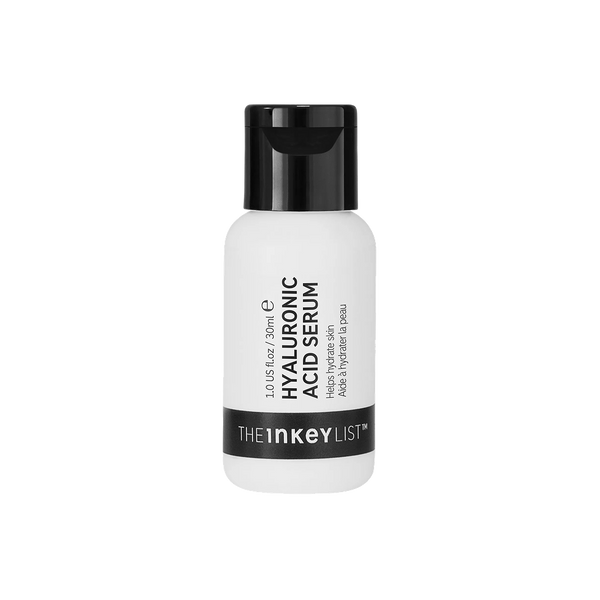
One application detail makes a significant difference to how well Hyaluronic Acid performs: it should always be applied to damp skin. Applied to completely dry skin in a dry environment, it can pull moisture from the deeper layers of the skin rather than drawing it from the air - the opposite of the intended effect. Apply immediately after cleansing or spritz the face lightly with water before application. Our Hyaluronic Acid Serum (£9) delivers multi-depth hydration and works effectively as a standalone hydration step or layered under other serums. For more on how to use it correctly, our guide Hyaluronic Acid: Are You Using It Correctly? covers the common mistakes in detail.

For a deeper understanding of the ingredient itself, the What Is Hyaluronic Acid? pillar page covers the full science. To understand how Hyaluronic Acid compares to Ectoin and how the two can be used together, see Ectoin vs Hyaluronic Acid: What’s the Difference?.

Ectoin: Barrier Repair and Deep Hydration

Ectoin is a naturally derived molecule, originally found in extremophile bacteria that survive in conditions of intense environmental stress - extreme heat, salinity, UV exposure. These bacteria produce Ectoin to protect themselves, and it does the same for skin. Ectoin forms protective hydration shells around skin cells, drawing water in and holding it in a stable structure. Crucially, it does not just hydrate - it simultaneously reinforces the barrier, actively reducing TEWL and strengthening the skin’s resilience over time.

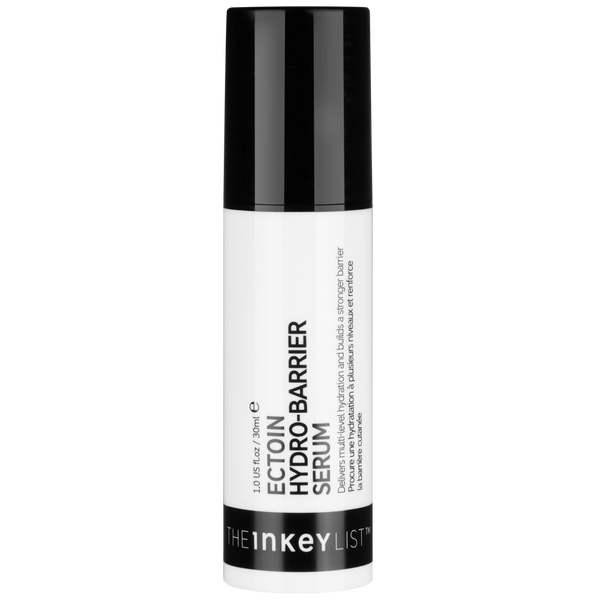
Clinically, Ectoin has been shown to restore skin bounce and hydration in as little as three days of consistent use. It is exceptionally well-tolerated, making it particularly suitable for sensitised, compromised, or reactive skin that cannot yet tolerate stronger actives. For skin that is both dehydrated and showing signs of barrier damage - stinging, increased sensitivity, persistent tightness - Ectoin addresses both issues in a single step. Our Ectoin Hydro-Barrier Serum (£15) is formulated around this ingredient specifically. Learn more about how it works on our Ectoin ingredient page.

Omega Fatty Acids: A Lightweight Barrier Seal

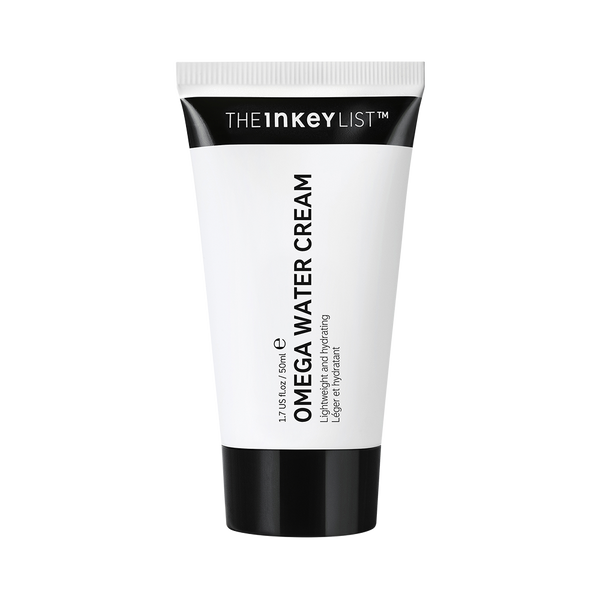
Omega 3, 6, and 9 fatty acids are structural components of the skin’s own lipid barrier. In dehydrated skin with a compromised barrier, replenishing these lipids is as important as delivering water. Omega fatty acids in skincare help to restore the physical integrity of the lipid matrix, reducing the gaps through which water is lost. In a water-cream format, they deliver barrier support without the heaviness of traditional occlusive creams, making them suitable for oily, combination, and dehydrated skin types alike. Our Omega Water Cream (£11) provides this barrier-sealing step in a formula that works across all skin types.

Caffeine: Targeted Support for the Eye Area

The eye area loses water faster than any other part of the face, and it shows dehydration most acutely. Caffeine, applied topically, constricts blood vessels beneath the skin - which reduces the appearance of dark circles by making the underlying vasculature less visible. Applied consistently in a hydrating base, it also addresses the periorbital dehydration that makes fine lines and crepey texture around the eyes more prominent. Our Caffeine Eye Cream (£10) is designed specifically for this area, combining targeted vascular action with a base that restores comfort and hydration to the thinnest skin on the face.

With the right ingredients identified, the final step is understanding how to apply them in a sequence that delivers maximum results.


How to Layer Products for Dehydrated Skin: A Practical Routine

The most effective dehydrated skin routine is not necessarily the most complex. It follows one clear structural rule - thin to thick, humectants first on damp skin, moisturiser last to seal - and it is applied consistently, morning and evening.

Morning Routine

Step 1 - Cleanse: Start with a gentle, non-stripping cleanser. A balm or cream formula is ideal for dehydrated skin - it removes impurities without disrupting the barrier or stripping the NMF. Avoid foaming cleansers with high surfactant content.

Step 2 - Hydrating Serum (on damp skin): Apply two to three drops of our Ectoin Hydro-Barrier Serum (£15) to damp skin immediately after cleansing. Pat gently into the face and neck. The damp-skin application is not optional - it significantly enhances the serum’s humectant action.

Step 3 - Boost (optional): While the skin is still slightly tacky from the Ectoin serum, layer our Hyaluronic Acid Serum (£9) on top to amplify hydration. This step is particularly useful during the first two to four weeks of addressing significant dehydration, or year-round for skin that tends toward dryness.

Step 4 - Eye: Using the ring finger, gently tap our Caffeine Eye Cream (£10) around the orbital bone. The ring finger applies the least pressure, which is important for the delicate skin in this area.

Step 5 - Moisturise: Apply our Omega Water Cream (£11) over the serums while the skin is still slightly tacky. This seals the hydration in and replenishes the barrier’s lipid layer, slowing water evaporation throughout the day.

Step 6 - SPF: Apply a broad-spectrum SPF as the final morning step. UV exposure is one of the most consistent and significant drivers of barrier breakdown and elevated TEWL. Protecting the barrier from UV damage is not optional in an effective dehydration routine - it is foundational. Choose a formula you will wear consistently every day, including during the colder months.

Evening Routine

Step 1 - Cleanse: A thorough but gentle cleanse to remove SPF, makeup, and the day’s environmental exposure.

Step 2 - Hydrating Serum (on damp skin): Apply the Ectoin Hydro-Barrier Serum as in the morning. The evening application supports the skin’s overnight repair cycle, during which cell turnover and barrier regeneration are most active.

Step 3 - Boost (optional): Layer the Hyaluronic Acid Serum over Ectoin as in the morning if needed, particularly for significantly dehydrated skin.

Step 4 - Eye: Apply the Caffeine Eye Cream using the same gentle tapping technique around the orbital bone.

Step 5 - Moisturise: Apply the Omega Water Cream as the final sealing step. Overnight, without the evaporative pressure of environmental exposure, this step supports sustained hydration through the night.

What Results to Expect and When

Dehydrated skin responds to targeted hydration relatively quickly compared to many other skin concerns:

  • 24 to 48 hours: Reduced tightness, improved comfort, and a visible reduction in the flat, dull appearance associated with dehydration.
  • 2 to 4 weeks: Visible improvement in dehydration lines, overall texture, and the oily-yet-tight feeling. Makeup should sit noticeably more smoothly.
  • 28 days: Approximately one full skin cell turnover cycle, at which point the benefits of consistent barrier and hydration support are fully visible.

The Minimum Effective Routine

If a full routine is not practical, the minimum effective version is two steps applied consistently: our Ectoin Hydro-Barrier Serum on damp skin, followed by the Omega Water Cream to seal. This combination addresses both the hydration deficit and the barrier permeability that drives TEWL. Add the Hyaluronic Acid Serum if dehydration is significant, and the Caffeine Eye Cream if the eye area is showing clear signs.

For further guidance on identifying whether your skin specifically needs Hyaluronic Acid, our article 5 Signs You Need Hyaluronic Acid Serum is a useful reference.


Dehydrated Skin Is Temporary - and Entirely Fixable

Dehydrated skin does not always look like what most people expect. It can present as oiliness, sensitivity, worsening dark circles, makeup that will not blend, or a tightness that moisturiser alone does not resolve. Each of these symptoms, in isolation, is easy to attribute to something else. Taken together, they point to a single, correctable condition.

The fix follows a consistent logic regardless of skin type: attract water into the skin using humectants applied to damp skin, then seal it in with a barrier-supporting moisturiser. Protect the barrier from UV damage with SPF. Be consistent. The skin responds quickly - often within 48 hours - and durably when the routine is maintained.

For a complete reference on the condition, including causes, skin types affected, and long-term management, visit What Is Dehydrated Skin?. If you are unsure where to start, Take the Skincare Quiz for a personalised routine recommendation built around your specific skin concerns.


Ready to Start?

Shop our Ectoin Hydro-Barrier Serum - £15 - the targeted barrier-repair and hydration serum formulated to address dehydrated skin from day one.

Browse the full dehydrated skin range at /collections/skin/dehydrated-skin - every product recommended in this article, in one place.

Not sure which routine is right for you? Take the Skincare Quiz for a personalised recommendation based on your skin type and concerns.

Have a question? Chat to askINKEY - expert skincare guidance, whenever you need it.