



How to Hydrate Sensitive Skin Without Causing Irritation
If your sensitive skin feels tight, stingy or dehydrated no matter what you use, this guide explains why — and the simple barrier-first routine that actually fixes it.
Author
askINKEY skincare advisor
Published
01 June, 2026
Time to read
19 minutes
If you apply a hydrating product and your skin stings, tightens or flares up instead of feeling comforted, you are not imagining it and you are not doing something obviously wrong. The product is not necessarily the problem either. In most cases, the real issue is skin barrier repair, not a lack of moisture. Sensitive skin often reacts badly to hydration because the barrier beneath it is compromised, which means the real fix is not more product but the right repair, applied in the right order.
This is the core argument of this guide: barrier repair needs to come before, or at the very least alongside, hydration, not as an afterthought once things have already gone wrong. It is also worth pausing on terminology, because “sensitive skin” and “sensitised skin” are often used interchangeably when they describe two different things. Sensitive skin is typically a long-term, often genetic predisposition to reactivity. Sensitised skin is a temporary state, where an otherwise resilient barrier has been weakened by external factors such as weather, over-exfoliation or harsh products. Many readers of this guide will recognise themselves in one, the other, or both.
By the end of this article, you will understand why irritation happens in the first place, which ingredients genuinely help versus which ones make things worse, and how to build a full AM and PM routine that is gentle by design rather than gentle by accident. For a deeper grounding in what sensitive skin actually is, it is worth starting with What Is Sensitive Skin? Causes, Triggers & Routine, which lays the foundation this guide builds on. The central argument of this piece also leans heavily on Damaged Skin Barrier: Signs, Causes & How to Repair It, since barrier health is the thread running through everything that follows.
Before getting into ingredients or routines, it helps to understand what is actually happening beneath the surface when sensitive skin reacts to hydration that is supposed to help it.
Why Sensitive Skin Reacts Badly to Hydration
The outermost layer of the skin, called the stratum corneum, has one essential job: keep water in and irritants out. Think of it as a wall built from skin cells (the bricks) held together by lipids such as ceramides, cholesterol and fatty acids (the mortar). When that mortar is intact, water stays where it should and external aggressors are kept at bay. When it is compromised, the wall develops gaps, and this is where hydration starts to feel less like relief and more like an attack.
A compromised barrier allows humectants and active ingredients to penetrate unevenly. Instead of being absorbed smoothly and gradually, they rush into areas where the barrier is thinnest, which is exactly why a product marketed as hydrating can cause stinging, tightness or redness on skin that needs it most. This is not a flaw in the product. It is a sign that the barrier was not ready to receive it yet. Applying hydration onto a broken barrier works a little like pouring water into a cracked glass: some of it goes where it is supposed to, and the rest leaks out through the damage, often irritating the surrounding area on the way.
It also helps to separate two terms that get used interchangeably but describe different things. Dry skin is a skin type, meaning the skin produces less oil than normal and tends to be tight, flaky or dull over the long term. Dehydrated skin is a temporary condition, meaning the skin lacks water rather than oil, and can affect any skin type, including oily skin. Sensitive skin can be dry, dehydrated, both, or neither, which is part of why generic advice so often misses the mark. If you are unsure which applies to you, What is Dehydrated Skin? Signs, Causes & How to Treat It is a useful starting point for working out whether dehydration is part of your picture.
For a UK audience specifically, there are some very common, very avoidable barrier disruptors worth naming directly. Central heating dries out indoor air for months at a time. Cold snaps strip moisture from the skin’s surface while wind exacerbates the effect. Hard water, which affects large parts of the UK, can leave a mineral residue that interferes with cleansing and increases irritation. Over-exfoliation, harsh foaming cleansers and fragrance, including “natural” fragrance, round out the list of everyday culprits that quietly erode barrier function long before a person notices anything is wrong. A specific, relatable example of this kind of localised barrier disruption is explored in Dry Skin Around Nose: Causes and How to Fix It, which shows how even a small area of the face can reveal a much bigger barrier story.
If any of this sounds familiar but you are still not sure whether dehydration specifically is at play, How to Tell If Your Skin Is Dehydrated: 7 Signs You Might Be Missing offers a more detailed diagnostic checklist. The throughline here is simple: true skin barrier repair has to come first, because no amount of hydration can hold if the structure meant to contain it is not functioning properly.
With the physiological “why” established, the next logical step is identifying what is actively causing this damage in the first place, so those triggers can be reduced before anything new is introduced.
Common Triggers That Make Sensitive Skin Worse
Before adding anything to a routine, it is worth taking an honest look at what might be taking away from skin health already. Sensitive skin rarely reacts to one single cause. More often, it is the cumulative effect of several small habits or environmental factors stacking on top of each other until the barrier simply cannot keep up.
Over-cleansing is one of the most common and most underestimated triggers. Washing the face too frequently, or using water that is too hot, strips away the natural oils that help maintain the lipid barrier. Hot water feels comforting in the moment, particularly during colder months, but it is one of the simplest habits to adjust for a meaningful improvement in comfort.
Harsh or high-strength actives introduced too quickly are another frequent culprit. Strong acids and high-percentage retinoids can be genuinely transformative for skin over time, but sensitive skin needs a slower, more gradual introduction than skin with a naturally resilient barrier. Jumping in at full strength, rather than easing in, is one of the fastest ways to turn a promising active ingredient into an irritant. This is covered in detail in Retinol for Sensitive Skin: How to Start Without Irritation, which is worth reading before introducing retinol into any sensitive skin routine.
Fragrance deserves its own mention because it remains one of the most common sensitising ingredients in skincare, even when it is labelled as botanical or natural. Natural does not mean non-reactive, and many essential oils and plant extracts used for scent can trigger the same irritation as synthetic fragrance. For a barrier-compromised complexion, fragrance-free is almost always the safer default.
Climate factors specific to the UK compound all of the above. Cold wind outdoors paired with dry, centrally heated air indoors creates a near-constant push and pull on the skin’s moisture levels throughout autumn and winter. Hard water, common across much of the country, can leave behind mineral deposits that interfere with how cleansers rinse away, sometimes leaving residue that irritates on contact.
Finally, there is the habit of layering too many products at once, often with good intentions. A routine stacked with five, six or seven products, each containing multiple actives, can overload even a healthy barrier, let alone one that is already compromised. Simplifying, rather than adding, is usually the more effective move for sensitive skin.
One of the most visible signs that these triggers have taken a toll is redness. Redness is not just a cosmetic concern; it is frequently a direct visual signal of barrier stress and underlying sensitivity. Redness on Face: Causes, Types & How to Reduce It explains the connection between barrier compromise and the redness many people search for a quick fix to cover up rather than treat at the source. For practical next steps once the cause is understood, How to Reduce the Appearance of Redness on Your Face offers actionable guidance that pairs well with the barrier-repair approach outlined in this guide.
The good news is that most of these triggers are free to remove. Lowering water temperature, slowing down on actives, choosing fragrance-free formulas and simplifying a routine all cost nothing and can produce a noticeable difference within days. Once triggers are reduced, the skin has a far better chance of holding onto whatever hydration and repair is introduced next, which brings us to the ingredients that actually do that job well.
The Ingredients That Repair the Barrier and Hydrate at the Same Time
Not all hydrating ingredients work the same way, and for sensitive skin, the distinction matters enormously. Some ingredients draw water in. Others seal it there. Some rebuild the very structure that holds moisture in place. Understanding the difference is the single most useful thing a reader can take from this guide, because it explains why certain products feel transformative while others, despite similar marketing claims, simply do not work for compromised skin.
Ceramides are a logical place to start, because they are quite literally part of the barrier’s architecture. Ceramides are lipids that occur naturally in the skin and make up a significant portion of the “mortar” holding skin cells together. When the barrier is damaged, ceramide levels are often depleted, which is part of why dryness, flaking and sensitivity so often appear together. Replenishing ceramides topically helps rebuild this lipid matrix directly, rather than simply adding water on top of a structure that is still compromised.
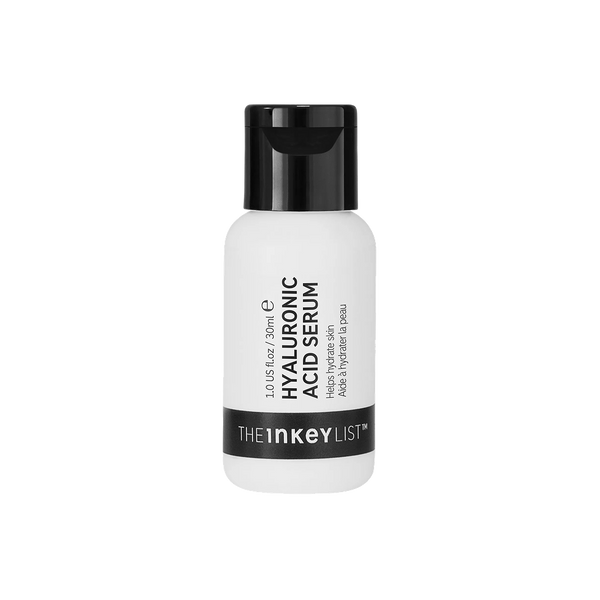
Hyaluronic acid works differently. It is a humectant, meaning its job is to attract and hold water rather than to seal the skin. Because of how it functions, hyaluronic acid is generally well tolerated by sensitive skin, but it works best when applied to damp skin rather than dry skin, since it needs a water source to draw from. Applied to bone-dry skin in a dry environment, a humectant can occasionally pull moisture from deeper skin layers instead of the air, which is why technique matters as much as ingredient choice. For a full breakdown of how this ingredient works and who it suits, see What Is Hyaluronic Acid? Benefits, How to Use & Who It’s For. The Hyaluronic Acid Serum (£12) is a straightforward, barrier-friendly example of this kind of hydrating serum for sensitive skin, formulated to be gentle enough for daily use.
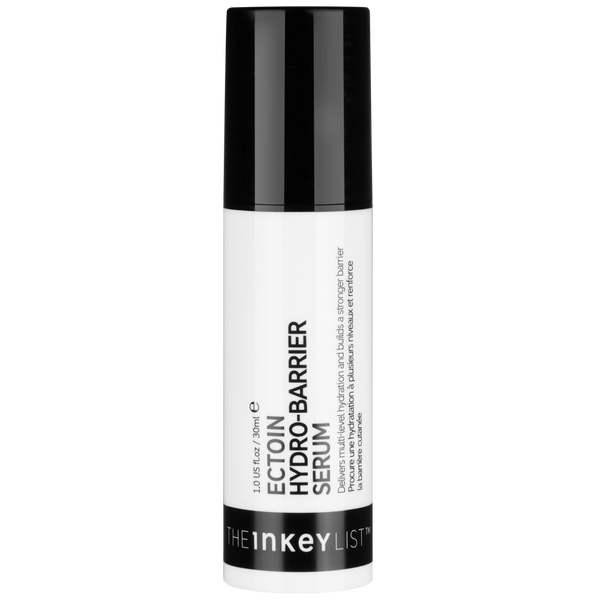
Ectoin is a less widely known ingredient but one that deserves far more attention for sensitive and irritation-prone skin specifically. Originally studied for its ability to help organisms survive in extreme environments, ectoin has been shown to help protect and stabilise skin cells against external stressors while also supporting hydration. For skin that reacts to almost everything, ectoin’s dual action, barrier-strengthening and hydrating at once, makes it one of the more compelling options available. The Ectoin HydroBarrier Serum (£16) is formulated specifically around this barrier-first approach, designed for sensitive, dehydrated skin that needs repair and hydration addressed simultaneously rather than in competition with each other. For those weighing it up against a more familiar option, Ectoin vs Hyaluronic Acid: Key Differences Explained breaks down exactly how the two compare and where each one fits.
Colloidal oatmeal rounds out this list as a time-tested, soothing ingredient with genuine barrier-supportive properties. It is particularly well suited to cleansing steps, where its calming, film-forming qualities help prevent the kind of stripping that harsher cleansers can cause.
A broken barrier cannot hold hydration, no matter how good the serum is.
This is worth sitting with, because it reframes how to think about an entire routine. Humectants and occlusives are not competing options, they are complementary ones, and sensitive skin typically needs both rather than relying on a single hero ingredient. Humectants, like hyaluronic acid, pull water into the skin. Occlusives and emollients, like ceramides, seal that water in and prevent it from evaporating back out. Using a humectant without an occlusive on top is a bit like filling a bucket with no bottom; the water goes in, but it does not stay.
This is precisely why the best hydrating serum for dry sensitive skin is rarely used in isolation. It needs to be followed by something that locks that hydration in place, which is a routine-building principle rather than a product-specific one. Understanding this logic changes the entire way a routine should be assembled, starting with the very first step most people get wrong without realising it: cleansing.
Building a Gentle Cleansing Routine That Doesn’t Strip the Barrier
Cleansing is often treated as the least important step in a skincare routine, something to get through quickly before the “real” products go on. For sensitive skin, this assumption can undo everything else. Cleansing is actually the step most likely to damage the barrier if done incorrectly, because it is repeated twice daily, every day, often with hot water and surfactants strong enough to strip away the very lipids the rest of the routine is trying to protect.
Hot water feels pleasant, particularly in winter, but it accelerates moisture loss and can leave skin feeling tight within minutes of rinsing. Over-cleansing, whether through excessive frequency or scrubbing too vigorously, has the same effect. Harsh surfactants, the foaming agents found in many traditional face washes, can strip natural oils so effectively that the skin barrier is left compromised before a single other product is even applied.
For anyone wearing makeup or SPF, a double cleanse is worth considering, not as an extra chore but as a genuinely gentler approach. The first step uses a balm or oil-based cleanser to dissolve makeup, SPF and surface debris without friction or scrubbing. The second step uses a gentler, water-based cleanser to lift away any remaining residue and leave the skin genuinely clean rather than just rinsed.
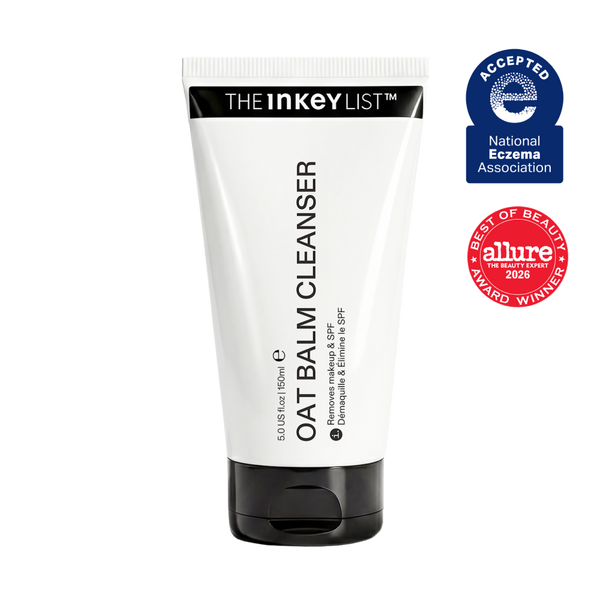
The Oat Cleansing Balm (£15) is designed as exactly this kind of first-cleanse step, formulated for sensitive, dry or irritated skin that needs makeup and SPF removed without the stripping effect of traditional cleansers. Its oat-based formula leans on the same soothing properties mentioned earlier, melting away impurities while supporting rather than fighting the skin’s barrier.
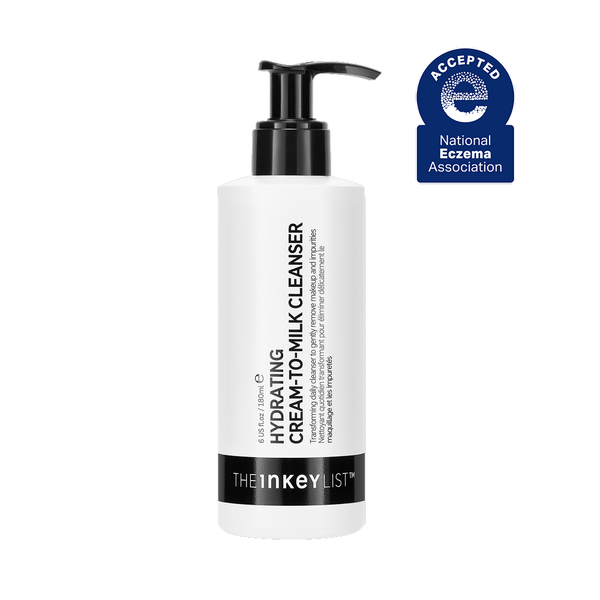
Following this with the Milk Cleanser (£15) provides a gentle, hydrating second-cleanse option, or works equally well as a standalone single-step cleanse for those with very reactive skin who prefer to keep their routine as simple as possible. As a gentle hydrating cleanser for sensitive skin, it is designed to clean thoroughly without the tight, stripped feeling that often follows traditional foaming cleansers.
Two simple habit changes cost nothing and make a measurable difference: limiting each cleanse to around sixty seconds, and using lukewarm rather than hot water throughout. Neither requires buying anything new, and both directly reduce one of the most common and most preventable sources of barrier stress covered earlier in this guide.
For readers who want to compare cleansing options in more depth, Best Cleanser for Sensitive Skin: Gentle & Fragrance-Free offers a broader look at what to prioritise and what to avoid. And for the significant number of people whose sensitivity overlaps with blemishes, a particularly tricky combination to treat, Sensitive Skin and Breakouts: How to Treat Without Stripping addresses how to manage both concerns without one treatment undermining the other.
Once the skin is cleansed gently and consistently, the next question becomes how to layer hydration correctly on top of that clean canvas, which is where many otherwise well-intentioned routines quietly go wrong.
The AM and PM Routine: Repair First, Hydrate Second, Seal Last
With triggers reduced, ingredients understood and cleansing sorted, the final piece is sequencing. Even the right products, used in the wrong order, can undermine the very barrier repair this guide has been building toward. The principle to hold onto throughout both routines below is simple: repair first, hydrate second, seal last.
A Simple AM Routine
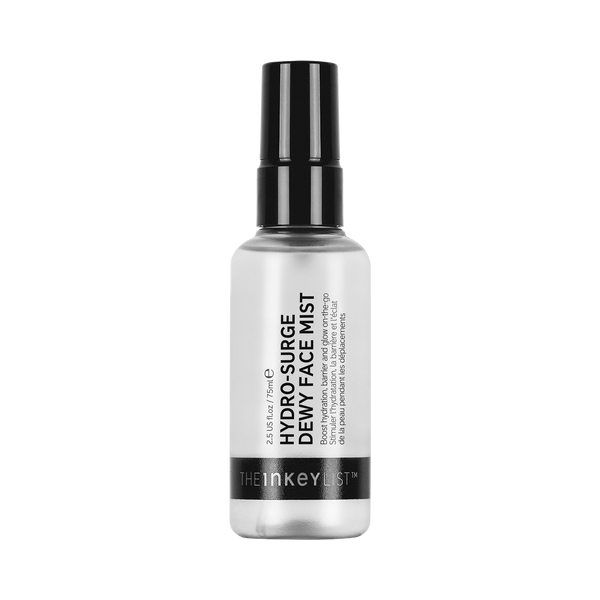
A morning routine for sensitive skin does not need to be complicated to be effective. Start with a gentle cleanse, using either the Milk Cleanser alone or a quick rinse if the skin feels clean from overnight. Follow with a hydrating toner or mist to prep the skin and add a first layer of moisture before anything else is applied. The HydroSurge Dewy Face Mistworks well here as an optional toning and hydrating step for anyone wanting an extra layer of moisture before serum; What to Look For in a Hydrating Face Mist: Ingredients That Work explains what makes a mist genuinely effective rather than just a pleasant sensory step.
Next comes a barrier-supportive serum, applied to the slightly damp skin left behind by the mist or toner. This is the ideal moment for the Ectoin HydroBarrier Serum or Hyaluronic Acid Serum discussed earlier, since both rely on that damp base to work as intended. A moisturiser follows to seal everything in, and SPF comes last, as the final and non-negotiable step of any morning routine.
A Simple PM Routine
In the evening, start with a double cleanse if makeup or SPF has been worn during the day, using the Oat Cleansing Balm followed by the Milk Cleanser. If no makeup or SPF was worn, a single gentle cleanse is sufficient. Apply a hydrating serum to still-damp skin immediately after cleansing, following the same damp-skin technique used in the morning, since this is what allows humectants like hyaluronic acid to draw in water effectively rather than drawing from the skin itself. Finish with a richer, barrier-repair moisturiser to seal hydration in overnight, when the skin does the majority of its natural repair work.
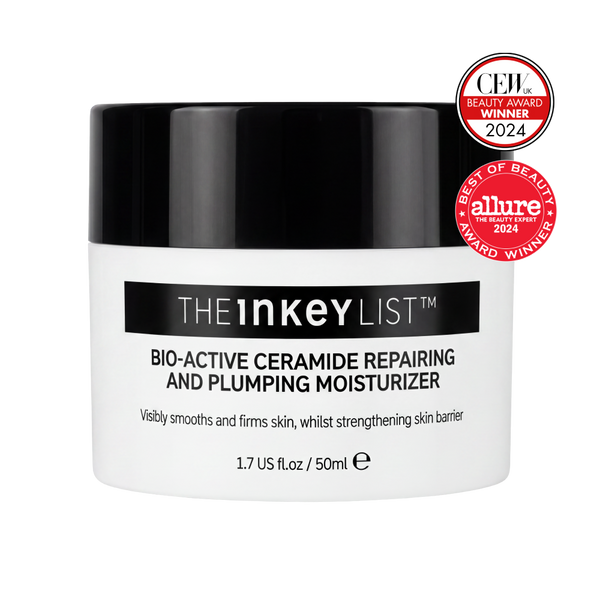
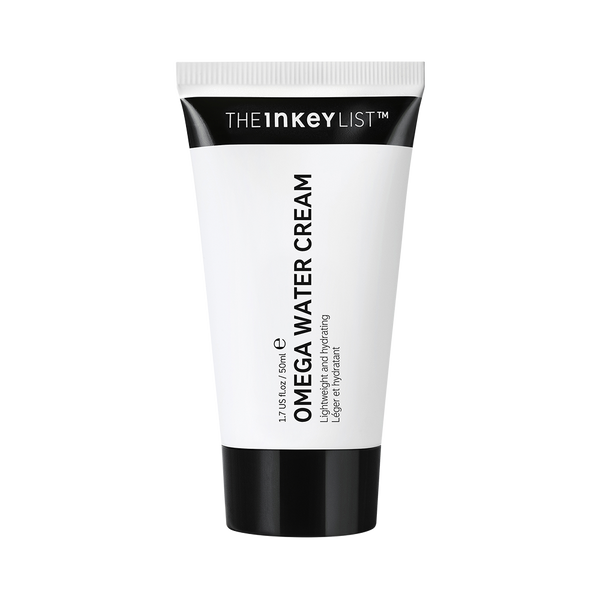
For the moisturising step, two options suit slightly different needs. The Omega Water Cream (£14) is a lightweight formula well suited to combination-sensitive skin that still wants hydration without heaviness. The Bio-Active Ceramide Moisturiser (£20) is the richer, more targeted barrier-repair option, formulated for drier, more visibly compromised skin that needs more substantial lipid replenishment to rebuild that stratum corneum structure discussed earlier.
SPF deserves particular emphasis within this routine, not as an afterthought but as an active part of barrier repair itself. A compromised barrier is more vulnerable to UV damage, not less, which means skipping sun protection while trying to repair sensitive skin works directly against the goal. The Dewy Sunscreen SPF 30 (£15) is formulated as a gentle final AM step for exactly this reason. For UK readers specifically navigating this choice, Sunscreen for Sensitive Skin: SPF That Won’t React addresses formulation concerns unique to reactive skin types.
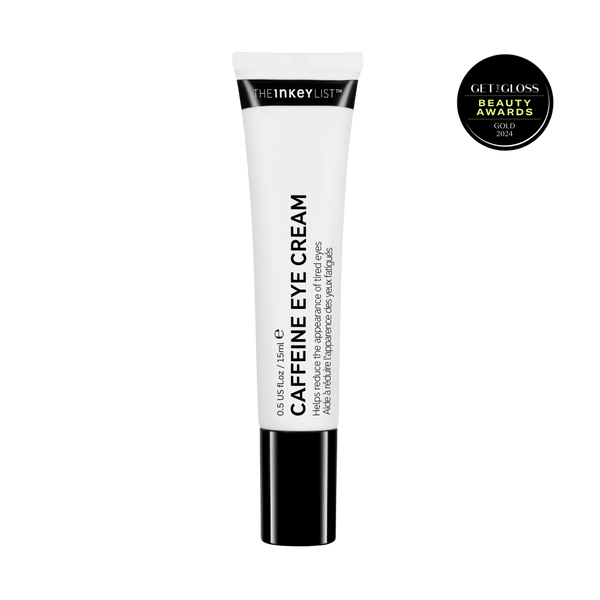
For those also managing puffiness alongside sensitivity, the Caffeine Eye Cream (£12) is a gentle, optional addition suited to all skin types, including sensitive skin, and can be layered into either the AM or PM routine without disrupting the sequencing above. For a more detailed look at moisturiser choice specifically, The Best Moisturiser for Sensitive Skin offers a deeper comparison for readers still deciding between options.
With a full, sequenced routine now in place, it is worth addressing a handful of questions that tend to come up once someone has started: how long this actually takes to work, and what to do if sensitivity overlaps with other changing skin needs.
What to Expect: Timelines, Patch Testing and When to Simplify Further
Patience is not the most exciting advice, but it is the most honest, and sensitive skin specifically rewards consistency over intensity. Initial improvements in comfort, such as reduced tightness or less visible redness, often appear within days of removing triggers and introducing gentler, barrier-supportive products. Fuller barrier recovery, however, is a slower process, and realistically takes several weeks of consistent care rather than overnight. How Long Does Skincare Take to Work? Ingredient Timelines sets out more specific timeframes by ingredient type, which is useful context for anyone tempted to judge a new product within the first few days.
Patch testing deserves more attention than it typically gets, especially for sensitive skin. Before applying any new product to the full face, apply a small amount to an inconspicuous area, such as behind the ear or along the jawline, and wait twenty-four to forty-eight hours to check for a reaction. This single habit can prevent a genuinely useful product from being written off due to a reaction that a fuller test would have caught in advance.
A broader “less is more” approach applies throughout this entire process. Introducing one new product at a time, rather than overhauling a routine all at once, makes it far easier to identify exactly what is working and what might be causing a flare-up. This is slower, admittedly, but it is also the only reliable way to build a routine with confidence rather than guesswork.
It is also worth acknowledging that sensitivity is not always static. Hormonal changes, particularly during perimenopause, can increase both dryness and reactivity in skin that may have previously tolerated a wider range of products without issue. For readers navigating this stage of life, Perimenopause and Your Skin: What Actually Changesexplains why a routine that worked for years might suddenly need adjusting, and what to look for instead.
Ultimately, this entire guide rests on a simple philosophy: clear guidance, proven ingredients, real results. Not trends, not hype, not an ever-expanding shelf of products promising instant transformation, but a small number of well-chosen, evidence-backed steps, used consistently and in the right order. That is what delivers lasting comfort, not the volume of products applied.
Bringing It All Together
The logic running through this entire guide can be distilled into three steps: identify and reduce the triggers making things worse, repair the barrier using ingredients built for that job, and only then focus on hydrating and sealing moisture in. Skip the first two steps and hydration alone will keep falling short, no matter how good the serum is or how often it is applied.
Sensitive skin does not need more products. It needs the right few, used in the right order, with enough patience to let them actually work. That is a less glamorous message than most skincare marketing offers, but it is the one grounded in how skin barrier repair actually functions, not in what sells the fastest. If you want to revisit the fundamentals before building out your own routine, What Is Sensitive Skin? Causes, Triggers & Routine remains the best starting point for understanding your own skin’s specific pattern of reactivity.
A Simple Next Step
If your skin currently feels tight, stingy or dehydrated no matter what you apply, the most useful next move is not to add another product but to simplify. Start with one or two key additions, such as the Hyaluronic Acid Serum or the Ectoin HydroBarrier Serum, rather than overhauling an entire routine overnight. Give your barrier the time and consistency it needs to respond, and build from there. For a personalised starting point based on your specific triggers and symptoms, What Is Sensitive Skin? Causes, Triggers & Routine is the clearest place to begin.
Frequently Asked Questions
Got a question?
Our askINKEY team are a friendly bunch of skincare experts with deep product knowledge and zero judgement. Whether you're an ingredient obsessive or just starting out, we'll make it make sense. No question too big. No question too small. We Give A Care, Every Day.


