



Perimenopause and Your Skin: What Actually Changes and Why
Dryness, itching, jawline breakouts and softening firmness all trace back to one hormonal shift - here is what is happening and what genuinely helps.
Author
askINKEY skincare advisor
Published
20 September, 2026
Time to read
20 minutes
Perimenopause skin changes are one of the most common and least well explained parts of the menopause transition. This article sets out what perimenopause actually is, what falling oestrogen does to the structure and behaviour of skin, the six changes people most commonly notice in the mirror, what skincare can genuinely influence, and what it cannot. Skin changes at this life stage are well documented in both clinical literature and NHS guidance. They are not imagined, and they are not a sign that you have suddenly started doing something wrong.
Here is how this guide is organised. We start with definitions, because perimenopause and menopause are not the same thing and the difference matters for your skin. We then cover the single hormonal mechanism that sits behind everything else. From there we work through the six changes in turn: dryness, itching and sensitivity, loss of firmness, breakouts, uneven tone, and the eye area and neck. After that comes an honest account of the limits of skincare, a simple routine, guidance on when to speak to a GP, and answers to the questions people most often search. If you would rather browse by concern first, our anti-ageing range and our dehydrated skin collection are the two most relevant categories, and our complete skincare concerns guide maps symptoms to ingredients in one place. This guide covers what genuinely helps and what does not.
What Perimenopause Actually Is, And How It Differs From Menopause
Perimenopause is the transition phase leading up to menopause. It commonly begins in the mid-forties, though it can start earlier, and it can last anywhere from a few months to a decade. The defining feature is fluctuation. Oestrogen and progesterone do not decline in a tidy downward line. They rise and fall unpredictably, sometimes reaching levels higher than in your thirties before dropping sharply again.
Menopause is not a phase at all. It is a single retrospective point, defined as twelve consecutive months without a period. Everything after that point is postmenopause, which is where hormone levels settle into a consistently low baseline.
That distinction explains one of the most disorienting things about perimenopausal skin. Because hormone levels swing rather than settle, symptoms come and go. Your skin can feel tight and papery for three weeks, then behave normally for a fortnight, then break out along the jawline. People often assume the inconsistency means they have misidentified the cause, or that a product has stopped working. Usually it means the underlying hormonal picture is genuinely unstable.
Dry and itchy skin are listed among the recognised symptoms in NHS guidance on menopause and perimenopause, and the British Skin Foundation has published specifically on the impact of the menopause on skin. This is established dermatology, not marketing framing. If your skin has changed and nobody has connected it to this life stage, the connection is well documented.
One mechanism sits behind almost every change described in this article, so it is worth understanding before we go symptom by symptom.
Why Falling Oestrogen Changes Your Skin
Oestrogen is not a peripheral player in skin health. It supports collagen production, the lipids that make up the skin’s outer barrier, hydration levels within the tissue, and barrier function overall. When oestrogen falls, all four are affected simultaneously. That simultaneity is the reason symptoms tend to arrive as a cluster rather than one at a time, and it is why treating them as unrelated problems usually fails.
Oestrogen receptors are present throughout skin tissue, including in the epidermis, dermis and hair follicles, which is why the effect of declining oestrogen on skin is direct rather than a knock-on consequence of something else. The 2025 Endocrine Reviews overview of endocrine controls of skin ageing sets out the current peer-reviewed picture in detail.
Now the statistic that almost every article on this subject gets wrong.
The widely repeated figure that women lose 30% of their collagen in five years refers to the first five years after menopause, not to perimenopause. After that initial period, the decline settles to roughly 2.1% per year. This is set out in the 2019 Scientific Statement from the North American Menopause Society.
The distinction matters because the misquoted version implies a cliff edge that arrives the moment your cycle becomes irregular, which is both inaccurate and unnecessarily alarming. Alongside collagen, elasticity declines at approximately 1.5% per year and skin thickness at approximately 1.13% per year. These are gradual, measurable rates, not a collapse.
We have kept this deliberately brief because the deeper hormonal biology is covered properly elsewhere. If you want the fuller mechanism, read our piece on whether bakuchiol is good for menopausal skin, and for everything on collagen itself, including what topical and oral collagen can and cannot do, see collagen for skin: what you need to know.
That single mechanism produces six distinct changes. Let us take them one at a time.
Change 1: Dryness That Feels Different From Normal Dry Skin
Most people arrive at perimenopause already knowing what dry skin feels like. This is not that. The dryness of this life stage has a different character, and the reason comes down to a distinction that skincare marketing routinely blurs: the difference between water loss and lipid loss.
Dehydration is a water problem. Skin lacks water, and humectant ingredients such as hyaluronic acid draw water into the upper layers to address it. Perimenopausal dryness is largely a lipid problem. The oils, ceramides and fatty acids that form the mortar between your skin cells decline as oestrogen falls. Sebum production drops too. The result is a barrier with structural gaps in it, and no amount of water-binding humectant fixes a structural gap on its own.
This is why the hydrating serum that carried you comfortably through your thirties stops being sufficient. It is still doing its job. Its job has simply stopped being the whole job. A weaker lipid barrier also loses water to the environment faster, a process called transepidermal water loss, which we cover properly in our guide to what TEWL is and why it matters.
The practical signals are quite specific:
- Tightness within a minute or two of cleansing, rather than after twenty minutes.
- Makeup clinging to patches it never used to catch on, particularly around the nose, chin and outer cheeks.
- Moisturiser stopping short of the day. It absorbs, feels fine, and then by mid-afternoon the tightness is back.
- Flaking in places that were never dry before, such as the sides of the forehead or along the jaw.
- Products absorbing far faster than they used to, which feels like efficiency but is often the barrier drinking rather than holding.
The reframe here matters more than any product recommendation. The instinct when skin gets drier is to add more steps. Usually the better answer is not more products but better matched textures. A thin, fast-absorbing lotion that suited you at 32 is not underperforming because it is a bad formula. It is underperforming because your skin now needs a lipid-replenishing texture rather than a water-delivering one.
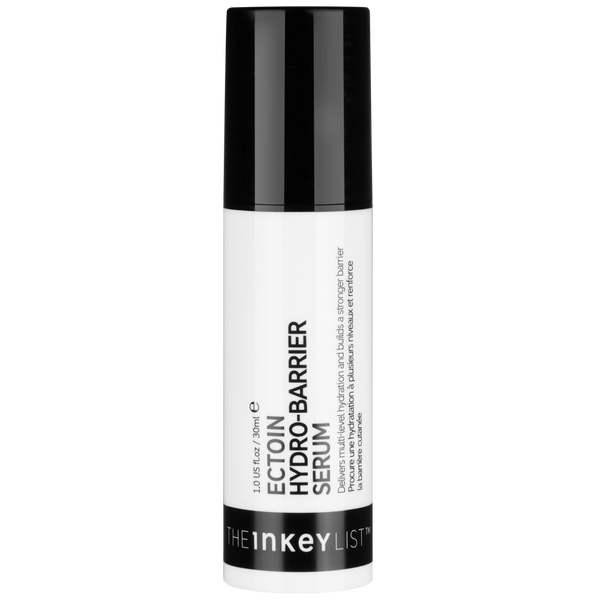
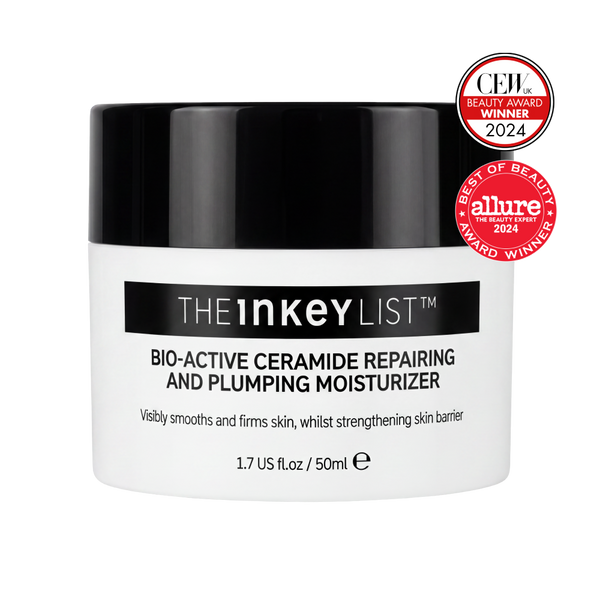
In practice that means two things worth having. A serum that combines hydration with barrier support, such as our Ectoin Hydro-Barrier Serum (£16), works on both fronts at once, and if you are weighing up hydrating routes it is worth reading ectoin versus hyaluronic acid before you choose. Then a moisturiser that replaces the lipids you are losing rather than simply sitting on top of them, which is exactly what our Bio-Active Ceramide Moisturiser (£20) is formulated to do. If you would rather browse the full range, our dry skin collection is the place to start.
Dryness rarely arrives alone, though. For a great many people it arrives with an itch, and that is the symptom almost nobody warned them about.
Change 2: Itchiness, Sensitivity and Skin That Reacts to Products It Used to Tolerate
Of all the changes in this article, itching is the one people search for most and find the least useful information about. It is also the one most likely to have been waved away in conversation. It deserves the most space here, so this is the longest section in the piece.
The mechanism is a direct continuation of the lipid story. As barrier lipids decline and the stratum corneum thins, two things happen at once. Water escapes faster, leaving the upper layers chronically under-hydrated, and the nerve endings within the skin become comparatively more exposed to external stimuli. Skin that is both drier and structurally thinner registers ordinary sensory input as irritation. Fabric that felt like nothing now registers. Water temperature registers. A moisturiser you have used for six years registers. The peer-reviewed review of menopause, skin and common dermatoses covers the barrier and water-loss changes in this population in detail.
The reactivity piece needs saying plainly, because it is where people tend to blame themselves. A product you have tolerated happily for a decade can start to sting, and that is not evidence that you have developed an allergy, that the formula has been reformulated, or that you have done something to damage your skin. It is a barrier change. A compromised barrier lets ingredients penetrate faster and further than a healthy one does, so actives that were perfectly comfortable at full strength now announce themselves. The formula has not become harsher. The skin has become more permeable.
There is also a sensation that almost no brand content mentions, and it deserves to be named. Formication is the medical term for the feeling of insects crawling on or under the skin, sometimes experienced as pins and needles, tingling, or a sensation of movement with no visible cause. It is a documented symptom associated with the menopause transition. People searching for it at two in the morning generally find either nothing or something frightening. If you have experienced it, you are not imagining it and it is not a sign that something is seriously wrong with you. It is an unusual symptom, it is recognised, and it is worth mentioning to your GP if it persists or disturbs your sleep.
Skin that has become reactive is not skin that has become fragile forever. In most cases it is a barrier that needs rebuilding, and barriers respond to consistency far better than they respond to intensity.
One more thing to flag, because it confuses people enormously: sensitive and oily can now coexist. The old model where skin was one type or the other stops applying at this stage. You can have a compromised, reactive, easily stung barrier and simultaneously have more oil along the jawline than you have had in twenty years. These are not contradictory. They are two separate consequences of the same hormonal shift, and we come back to the oil side of it in the next section.
Is itchy skin a sign of perimenopause?
Yes. Dry and itchy skin is listed as a recognised symptom in NHS guidance on perimenopause and menopause, alongside the better-known symptoms such as hot flushes and sleep disruption.
That said, it needs qualifying honestly. Itching is common at this stage but it is not universal, and plenty of people go through the entire transition without it. It is also not the only possible explanation. Eczema, thyroid conditions, iron deficiency, medication side effects, allergic reactions and liver conditions can all cause itching, and some of those become more likely with age independently of hormones. Perimenopause is a reasonable first hypothesis if the timing fits and other symptoms are present. It is not a diagnosis.
What causes itchy skin during perimenopause?
In plain English: less oestrogen means fewer barrier lipids, a weaker barrier means faster water loss, and drier, thinner skin means nerve endings that are more readily provoked. Add reduced sebum production and slower cell turnover, and the skin’s ability to keep itself comfortable declines on several fronts simultaneously.
The location catches people out. Facial itching happens, but the most commonly reported sites are the lower legs, the forearms, the back and the neck. The lower legs in particular have relatively few oil glands to begin with, so they feel lipid loss early and sharply. A great many people spend months treating this as an unrelated body problem, buying body lotions, wondering about their washing powder, never connecting it to the same hormonal change affecting their face. If your shins have started itching in the evening and your face has started feeling tight after cleansing, those are the same story.
How to help skin feel more comfortable
The interventions that work are unglamorous, which is precisely why they are underused. In rough order of impact:
- Drop the water temperature. Hot water strips lipids from an already lipid-poor barrier faster than almost anything else you do. Lukewarm, and shorter. This is free and it is the single highest-return change on this list.
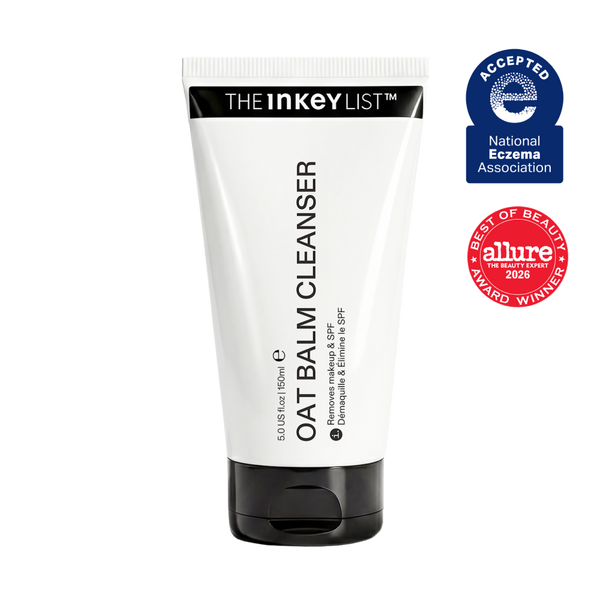
- Change how you cleanse, not just how often. Foaming cleansers that leave skin feeling squeaky are removing more than they should. A non-stripping balm or cream cleanser is a better match, and colloidal oatmeal is a genuinely well-evidenced soothing ingredient for uncomfortable skin. Our Oat Cleansing Balm (£15) is built around exactly that.
- Moisturise on damp skin. Within sixty seconds of washing, before the water has evaporated. This one timing change measurably improves how much hydration stays put.
- Simplify before you add. The instinct with uncomfortable skin is to buy something for it. Frequently the faster route is to strip the routine back to cleanse, moisturise and SPF for two weeks and let the barrier settle.
- Pause the strong actives. High-strength exfoliating acids, strong vitamin C and potent retinoids all ask something of the barrier. If the barrier is struggling, that is a bad time to be asking. Reintroduce gradually once comfort returns.
- Go fragrance-free where you reasonably can, particularly in anything that stays on the skin.
- Patch test everything new, even from brands you have used for years. Newly reactive skin changes the rules, and our guide on why patch testing matters explains how to do it properly.
For the rebuilding phase, the two products that do the heavy lifting are a barrier-supporting hydrator and a lipid-replenishing moisturiser to seal it. Our Ectoin Hydro-Barrier Serum (£16) suits reactive skin because it supports the barrier while hydrating rather than relying on actives, and our Bio-Active Ceramide Moisturiser (£20) replaces the lipid content the barrier is short of. Our damaged skin barrier collection gathers the relevant options together. For the general method of hydrating skin that has turned reactive, our guide to hydrating sensitive skin without causing irritation goes into far more depth than we can here.
Please speak to a GP if your itch is persistent, severe or widespread, if it disturbs your sleep, or if it comes with a rash, hives, or broken or bleeding skin. Skincare supports barrier comfort. It does not address a medical itch, and no product on our site or anyone else’s should be positioned as though it does. The British Association of Dermatologistsis a reliable UK source for understanding when a skin symptom warrants clinical attention.
So far we have covered how skin feels. The next three changes are about how it looks.
Change 3: Loss of Firmness and Bounce
Firmness is not a single quality. It is the combined output of collagen providing structure, elastin providing recoil, hyaluronic acid providing volume, and a healthy fat pad underneath providing support. Perimenopause affects several of these at once, which is why the change registers as something broader than lines. Skin does not simply crease. It sits differently.
The rates are known. Beyond the post-menopausal collagen figures cited earlier, elasticity declines at approximately 1.5% per year and skin thickness at approximately 1.13% per year, as set out in the 2025 narrative review on managing menopausal skin changes. What that looks like in practice is skin that takes slightly longer to spring back when you smile, jawline definition softening, and the appearance of laxity around the cheeks and under the chin.
Now the part most brands will not put in writing.
No topical product replaces lost collagen.
Not a serum, not a cream, not a peptide, not a collagen supplement applied to the face, and not anything we sell. Collagen molecules are far too large to penetrate to the dermis where they would need to go, and if they could, the skin does not simply install donated collagen into its existing matrix. Any product marketed as though it rebuilds your collagen scaffolding is overpromising, and you are entitled to be sceptical of it.
What topicals do genuinely influence is the appearance of firmness, and that is less of a consolation prize than it sounds. Well-hydrated skin with an intact barrier looks visibly plumper and firmer than dehydrated skin with a compromised one, and that difference is real and observable day to day. Surface smoothness affects how light behaves on skin, which affects how firm it looks. Consistent barrier support will not alter the underlying structural trajectory, but it meaningfully changes the daily result.
Peptides are the most reasonable evidence-backed route at this stage. As a category they are signalling ingredients that support the skin’s own processes, they are generally well tolerated by skin that has become reactive, and they layer comfortably. We are keeping this at category level deliberately, because the comparison is covered properly in peptides versus retinol and the deeper science in what Matrixyl 3000 actually is. Our peptides collection is the browsing route, and our Peptide Moisturiser (£16) combines the peptide route with the moisturising step you are already doing.
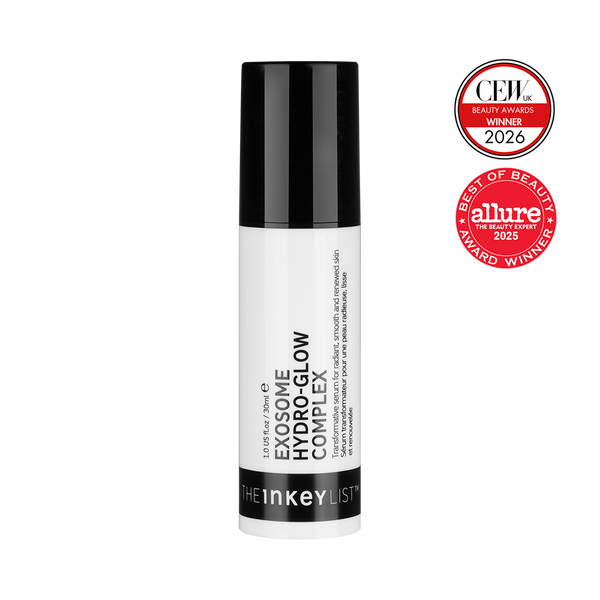
If you want something with clinical testing behind it for overall appearance, our Exosome Glow Serum (£20) is a 6-in-1 skin rejuvenation serum, clinically proven to visibly improve radiance, hydration, tone, firmness, elasticity and texture*, and helps support natural collagen production.
*4-week clinical study of 26 people.
Alongside it, our Bio-Active Ceramide Moisturiser (£20) continues to earn its place, because firmness that is undermined by a dehydrated barrier is firmness you will not see.
There is a counterintuitive pairing that catches most people out at this stage, and it is the one that generates the most frustration.
Change 4: Breakouts That Behave Nothing Like They Did at Sixteen
Getting blemishes in your late forties feels genuinely unfair, and the frustration is entirely reasonable. Here is what is actually happening.
Oestrogen and androgens exist in a balance. As oestrogen falls during perimenopause, that balance shifts. This is the part usually explained badly: androgens are not necessarily rising. In most cases they are declining too, just more slowly. It is the ratio that changes, and the relative increase in androgenic influence is enough to affect sebum production and follicular behaviour in some areas of the face. The review of menopause, skin and common dermatosescovers this shift in detail.
The pattern is distinctive and recognisable. Where teenage breakouts favoured the T-zone, perimenopausal breakouts cluster along the jawline, chin and lower face, often around the neck and under the jaw. They tend to be fewer in number but deeper, slower to surface, slower to clear, and more likely to leave a mark behind. They frequently track the cycle while a cycle still exists, which is one reason they feel unpredictable once cycles become irregular.
Here is the difficulty that defines this stage, and it is the thing worth taking away from this section:
You are now dealing with skin that is drier and breaking out at the same time. Those two problems have historically been treated with opposite approaches, and following either one in isolation makes the other worse.
The instinct is to reach for the routine that worked at sixteen. Strong foaming cleanser, high-percentage actives, astringent toner, anything that makes skin feel clean and tight. That approach was tolerable on teenage skin with abundant oil production and a robust barrier. On perimenopausal skin it is counterproductive on both fronts. A stripped barrier worsens the dryness directly, and it also worsens the breakouts, because compromised barriers are more inflamed, heal more slowly, and are more prone to the exact congestion you are trying to clear.
The workable approach is narrower than it sounds:
- Target blemishes without stripping. Choose actives that address congestion while being tolerable for reactive skin, rather than the strongest option available.
- Keep hydration and barrier support in the routine permanently. Do not remove your moisturiser because you are breaking out. This is the most common and most counterproductive mistake at this stage.
- Do not stack multiple strong actives. One targeted active, used consistently, beats three used aggressively and then abandoned when skin rebels.
- Give it longer than you want to. Slower cell turnover means slower results. Eight to twelve weeks is a realistic assessment window.
Azelaic acid is unusually well suited to this profile because it addresses blemishes and visible redness at the same time, which matters when skin is both reactive and blemish-prone. Our 10% Azelaic Acid Serum for Redness Relief (£16) is the relevant option, and our azelaic acid ingredient page explains how it works before you commit. For more congestion-focused concerns, our 360 Skin Clearing Serum targets blemishes at multiple stages, and our blemishes and breakouts collection holds the full range.
Blemishes at this stage tend to leave something behind, which leads directly into the next change.
Change 5: Dark Spots and Uneven Tone
Two separate forces converge here, and confusing them leads people to buy the wrong products.
The first is hormonal. Oestrogen and progesterone both influence melanocyte behaviour, and the fluctuation characteristic of perimenopause can make pigment production less predictable. The second is cumulative and has nothing to do with hormones at all. Decades of UV exposure produce damage that sits below the surface for years before becoming visible, and it tends to surface in the forties and fifties. Your skin is not creating new sun damage this week. It is revealing sun damage from 1998.
The combined result is not usually a few discrete spots. It is a general loss of evenness. Patches sit slightly darker, the overall canvas becomes less uniform, and skin photographs differently than it used to. Marks left behind after a blemish also linger considerably longer than they once did, because cell turnover has slowed, so a spot that would have faded in three weeks at twenty-five may take three months now.
We are deliberately not going to tell you which type of pigmentation you have. Melasma, post-inflammatory marks and sun-induced spots look similar to a non-specialist, respond to different approaches, and identifying them properly matters. Our guide to working out what type of hyperpigmentation you have walks through the distinctions, our piece on uneven skin tone covers the broader picture, and our hyperpigmentation education page is the evergreen reference.
Daily SPF is the single highest-value habit for tone at this stage, full stop. Everything else you do for pigment is undermined without it, including the expensive things. Our Dewy Sunscreen SPF 30 is formulated to sit comfortably under makeup, which matters because the sunscreen you actually wear outperforms the one you do not.
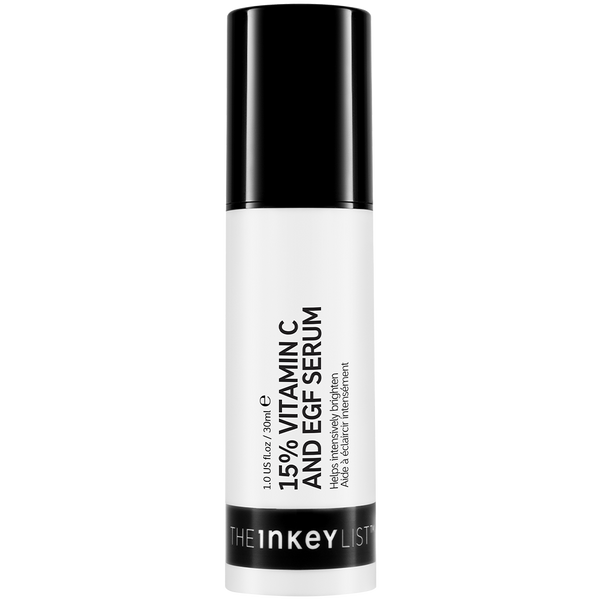
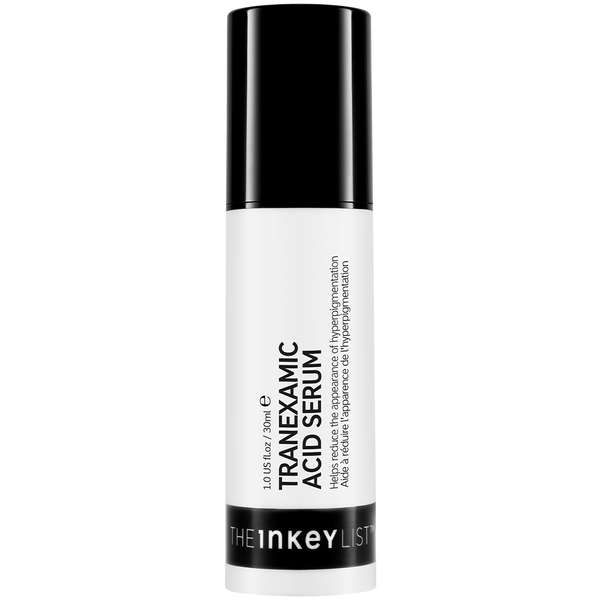
For targeted work, tranexamic acid is well suited to skin that is also more reactive now, and our Tranexamic Acid Serum (£17) is the gentler route to visibly brighter, more even-looking tone. Vitamin C remains worthwhile, though pure L-ascorbic acid can be poorly tolerated by a compromised barrier, which is why our 15% Vitamin C + EGF Serum (£16) uses a stable, gentler form.
Be realistic about timescales. Pigment is slow. Twelve weeks of consistent use before meaningful assessment is normal, and anything promising a transformation in a fortnight is selling you something.
All of these changes tend to appear earliest in the places where skin is thinnest.
Change 6: The Eye Area and Neck Show It First
There is a structural reason these two zones lead the way. The skin around the eyes is the thinnest on the body, in places under half a millimetre, with minimal subcutaneous fat and very few oil glands. The neck and chest have a similarly low density of oil glands and thinner dermal structure than the face. Both are also in near-constant motion. When lipid production drops and collagen density declines, these areas register it first and most visibly.
What people notice is fairly consistent. Expression lines that used to disappear when the face relaxed begin to hold. Crepiness appears under the eyes and across the neck, a fine crinkled texture distinct from a defined line. Concealer sits in texture rather than over it. And the neck starts looking older than the face, which is frequently the moment that prompts people to search for answers in the first place.
The single most effective habit is also the simplest: extend whatever you use on your face down the neck and across the chest. Decades of stopping at the jawline is the main reason for the mismatch. Our guide to tech neck covers neck skin, posture-related creasing and crepiness properly, so we will not duplicate it here.
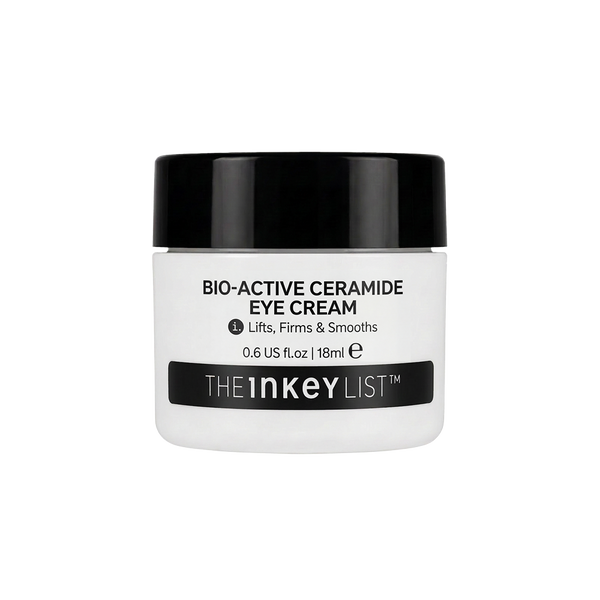
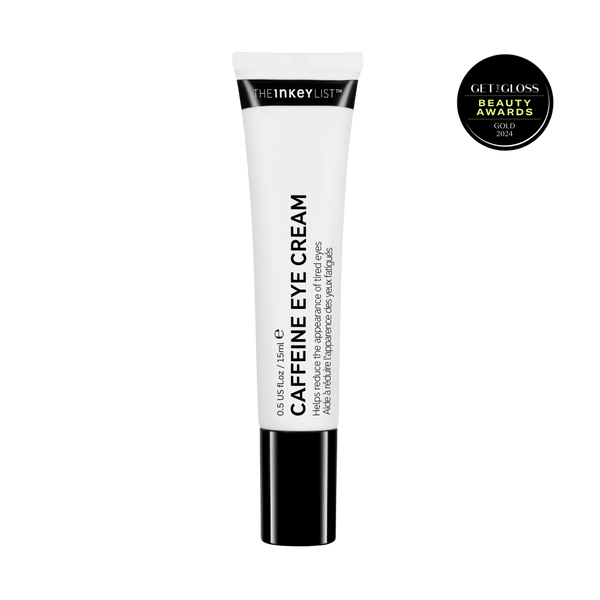
It is worth being clear that our two eye products solve different problems, because buying the wrong one is a common and avoidable disappointment. Our Bio-Active Ceramide Eye Cream (£15) is the one for dryness, crepiness and the appearance of fine lines in thin, lipid-depleted skin. Our Caffeine Eye Cream (£12) is for puffiness and tired-looking eyes specifically. It is not a lines product and will not behave like one. For the neck, our Bio-Active Ceramide Neck Stick (£15) exists largely because the format removes the excuse. Our eye treatments collection has the full range.
Apply eye products with a ring finger, patting rather than dragging, and be realistic. A cream can visibly improve hydration, smoothness and how light sits on the skin. It cannot alter the structure underneath.
Which brings us to the conversation worth having openly.
What Skincare Can and Cannot Do
Start with the limits, because the limits are what make everything else credible.
No cream affects your hormones. Nothing applied to the surface of your skin alters oestrogen levels, and any product implying otherwise is making a claim it cannot support.
No topical replaces lost collagen. Covered above, and worth repeating because it is the most common overclaim in this category.
Skincare cannot stop perimenopause or change its course. It is a biological transition, not a skin condition, and the transition proceeds regardless of your routine.
That is the honest floor. Here is what sits genuinely above it.
Topical skincare meaningfully influences barrier comfort, which is not a small thing when itching and tightness are your daily reality. It influences hydration levels, directly and measurably. It influences the appearance of firmness and plumpness, because well-hydrated skin with an intact barrier looks different from skin without one. It influences the appearance of tone and dark spots over a period of months. And it influences texture and smoothness, which affects how skin looks in every light it encounters.
Timescales, stated conservatively rather than optimistically:
- Barrier comfort: days to two weeks. The fastest and most noticeable improvement available to you.
- Hydration and plumpness: two to four weeks of consistent use.
- Texture and smoothness: four to eight weeks.
- Tone and dark spots: eight to twelve weeks minimum, often longer.
Two further points. The first is that effective, science-backed formulas do not require a premium price tag. The ingredients discussed throughout this article, ceramides, peptides, azelaic acid, tranexamic acid, ectoin, are not expensive to formulate well. Price in this category frequently reflects packaging and positioning rather than efficacy, and we have built our entire range on that observation.
The second is an argument against buying more. Consistency with four well-chosen products beats a twelve-step routine used sporadically, every time. The most common reason a routine fails at this stage is not that the products were wrong. It is that reactive skin made the routine uncomfortable, the routine became intermittent, and intermittent skincare does not compound. If you want to browse by concern, our complete skincare concerns guide and our anti-ageing collection are the two most useful starting points, and if you are wondering about timing specifically, our guide to when to start using anti-ageing products answers that question properly.
Here is the routine that follows from all of it.
A Simple Perimenopause Skincare Routine
The honest starting point is that most readers already own half of this. What usually needs to change is a texture swap and one added step, not a full rebuild.
Morning, four steps:
- Gentle cleanse. Or simply rinse with lukewarm water if your skin is feeling reactive. Nothing stripping.
- Hydrating or barrier serum, applied to damp skin. Damp application meaningfully improves how much hydration is retained.
- Moisturiser. Richer than whatever you used five years ago. This is the swap that does the most work.
- SPF, every day. The highest-value step on this list for tone and long-term appearance.
Evening, three steps:
- Cleanse. Double cleanse if you have worn makeup or SPF, starting with a balm or oil.
- Targeted serum, chosen according to which of the six changes bothers you most: barrier support for itching, peptides for firmness, azelaic acid for blemishes, tranexamic acid or vitamin C for tone. Retinol as a general category remains an option for texture and firmness, though it needs introducing cautiously on a barrier that has become reactive.
- Moisturiser, the same one as morning or something richer overnight.
Two rules matter more than the specifics. Introduce one new product at a time, leaving at least two weeks between additions, because newly reactive skin makes identifying a culprit nearly impossible if you change three things at once. And give each product a fair window before judging it.
For the fuller build, including how to layer and sequence properly, our anti-ageing skincare routine guide goes considerably deeper, and our skincare routine guide covers the fundamentals. If you would rather not work it out yourself, our skincare quiz builds a routine around your specific concerns in a couple of minutes, and our dehydrated skin collection is the right category for most people reading this.
There are also situations where skincare is not the answer at all.
When to Speak to a GP
Some symptoms need clinical attention rather than a new moisturiser, and it is worth being clear about which.
Speak to a GP if your itch is persistent, severe or widespread, particularly if it disturbs your sleep. Seek advice for any rash, hives, broken or bleeding skin, or a sudden severe change in your skin. If skin changes are affecting your daily life or your mental wellbeing, that is a legitimate reason to make an appointment and not something to minimise. Any new or changing mole or lesion should be examined promptly.
A GP can also discuss the full range of options for managing menopause symptoms, which extends well beyond anything skincare addresses. If your symptoms go past skin, that conversation is worth having. NHS guidance on menopause and perimenopause symptoms is a good place to prepare for it, and the British Association of Dermatologists publishes reliable patient information on skin conditions specifically.
Perimenopause Skin Changes, Summed Up
One mechanism explains almost all of it. Falling oestrogen affects collagen, barrier lipids, hydration and barrier function at the same time, which is why several changes tend to arrive together and why treating them as separate problems rarely works. Dryness, itching, reduced firmness, jawline blemishes, uneven tone and earlier change around the eyes and neck are common, documented and not imagined.
The limit is real: no topical product replaces lost collagen and nothing you apply to your skin changes your hormones. The upside is equally real. Comfort, hydration, texture and the appearance of firmness and tone all respond meaningfully to consistent, well-matched skincare. That is not a small return, particularly when itching and tightness are what you actually live with day to day.
The thesis of this article is simple. Once you understand what is driving the change, choosing products stops being guesswork. Our complete skincare concerns guide is there when you want to go deeper.
If you have recognised yourself in more than one of the six changes above, our skincare quiz will build a routine around the concerns that matter most to you. Our anti-ageing collection and dehydrated skin collection are good places to start browsing if you already know what you are looking for.
Because at The INKEY List, We Give A Care.
Frequently Asked Questions

Got a question?
Our askINKEY team are a friendly bunch of skincare experts with deep product knowledge and zero judgement. Whether you're an ingredient obsessive or just starting out, we'll make it make sense. No question too big. No question too small. We Give A Care, Every Day.


