



Uneven Skin Tone: What Causes It and How to Even It Out
Uneven skin tone is one of the most common skin concerns, here's exactly what causes it and the simple, science-backed routine that helps even it out.
Author
askINKEY skincare advisor
Published
02 June, 2026
Time to read
12 minutes
Uneven skin tone is exactly what it sounds like: patches of skin that appear darker, redder, or duller than the rest of your face. It’s one of the most searched skin concerns out there, and also one of the most misunderstood. If you’ve ever typed “how to even out skin tone” into a search bar at 11pm, you’re in good company.
The good news is that uneven skin tone is common, explainable, and treatable, and you don’t need a 12-step routine or a cabinet full of products to see change. You need to understand what’s actually causing it, then use ingredients that are proven to work on that specific cause.
This blog walks through exactly that: the real causes of uneven skin tone, the five ingredients backed by evidence to help even it out, and a simple routine you can actually stick to. This applies whether your skin tone is fair, deep, or anywhere in between, and across most skin types, because uneven tone isn’t exclusive to one group of people. It’s one of the most universal skin concerns there is.
Clarity over complication, clear guidance, proven ingredients, real results. That’s the approach we’re taking here, starting with the “why” before we ever get to the “what to buy.”
What Causes Uneven Skin Tone?
Before recommending a single product, it’s worth understanding what’s actually happening underneath the surface. Uneven skin tone isn’t one single issue, it’s usually a combination of a few different triggers working together, and knowing which ones apply to you makes choosing the right ingredients far easier.
Sun exposure and UV damage. This is the big one. UV rays trigger your skin to produce excess melanin as a defence mechanism, and that melanin doesn’t always distribute evenly. The result is patches of hyperpigmentation and visible dark spots, particularly in areas that get the most sun, like the cheeks, forehead, and nose. Over years, this cumulative sun exposure is one of the most significant contributors to patchy, uneven-looking skin.
Post-blemish marks. If you’ve ever had a spot fade and leave a flat, discoloured mark behind, that’s post-inflammatory hyperpigmentation, often shortened to PIH. It’s incredibly common after acne, eczema flare-ups, or even minor skin trauma, and it can take months to fade on its own. We’ve covered this in detail in our guide on post-inflammatory hyperpigmentation (PIH) and how to treat it, which is worth a read if this is your main concern.
Hormonal changes. Fluctuating hormones, particularly during pregnancy or while using certain contraceptives, can trigger a specific type of pigmentation called melasma. It tends to show up as larger, symmetrical patches, often across the cheeks, forehead, or upper lip, and it behaves differently to sun-induced dark spots. If this sounds like what you’re dealing with, our guide on what melasma is and how to treat it breaks down the specifics.
Natural ageing. As skin matures, cell turnover slows down. Dead skin cells sit on the surface for longer instead of shedding efficiently, which can make skin look duller and patchier over time, alongside other common signs of ageing like fine lines and lost firmness.
A damaged skin barrier. Your skin barrier is the protective outer layer that keeps moisture in and irritants out. When it’s compromised, whether through over-exfoliation, harsh products, or environmental stress, skin becomes more reactive and prone to visible redness and blotchiness, which reads as uneven tone even when pigmentation isn’t the main issue. If this sounds familiar, it’s worth understanding what a damaged skin barrier actually looks like and how to support it.
It’s also worth separating uneven skin tone from uneven skin texture. Tone refers to colour variation, while texture refers to bumpiness or roughness on the skin’s surface. They often show up together and share some of the same causes, but they’re not identical, and understanding the difference helps you pick the right tools for the job.
Once you know what’s driving your uneven tone, choosing the right ingredients stops being guesswork. Next, let’s get into the five that actually make a measurable difference.
The Key Ingredients That Help Even Out Skin Tone
Think of this less as a shopping list and more as a routine, where each ingredient plays a distinct, specific role rather than competing for the same job. This is where we move from “here’s why it happens” to “here’s what actually works,” based on evidence rather than trend cycles.
Tranexamic Acid targets the look of stubborn dark spots and discolouration at the source, interrupting the process that creates excess pigment in the first place. Vitamin C brightens dull-looking skin, protects against future dullness, and supports a more even-looking tone over time. Niacinamide calms the appearance of redness and helps balance both tone and texture, making it a strong all-rounder for reactive or blotchy-looking skin. Glycolic Acid gently exfoliates to reveal fresher, more even-looking skin underneath, while also improving rough or bumpy texture. And SPF is the step that makes everything else worth doing, preventing existing marks from darkening and stopping new ones from forming in the first place.
Every one of these ingredients is backed by clinical data, not trend-driven hype. That’s the INKEY approach: tell you what an ingredient does, why it does it, and what results you can realistically expect, nothing more and nothing less.
Let’s break each one down individually, starting with the ingredient most people reach for first when stubborn dark spots are the main concern: Tranexamic Acid.
Tranexamic Acid: For Stubborn Dark Spots and Discolouration
Tranexamic Acid works by interrupting the pigment-making process that causes dark spots and patchy tone to form in the first place, rather than just sitting on top of the skin and masking what’s underneath. It’s particularly effective for post-blemish marks, sun-induced dark spots, and general discolouration that’s resistant to fade on its own.
It’s a straightforward ingredient to use: apply it after cleansing, either morning or night, and it layers well with Vitamin C or Niacinamide if you want to build out a more targeted routine. There’s no complicated sequencing required, which is part of why it’s such an accessible starting point for people new to treating pigmentation.
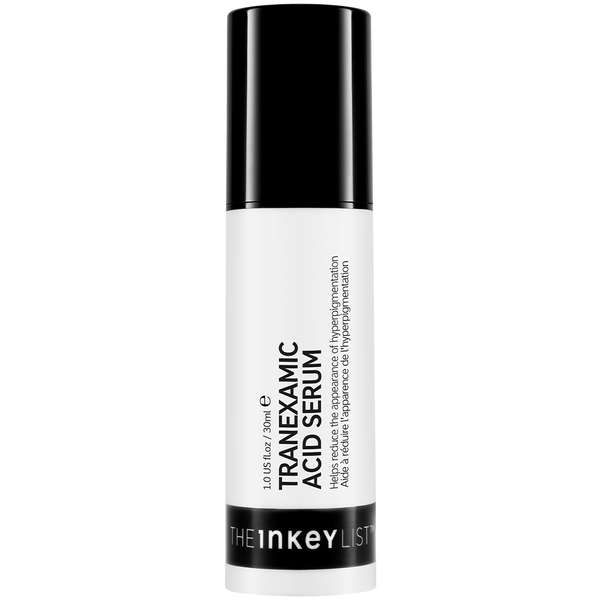
Our Tranexamic Acid Serum is £17.00 for 30ml, and it’s formulated specifically to target the look of dark spots and uneven discolouration without unnecessary extras.
One honest expectation to set here: visible results take consistent use over several weeks, not overnight. Pigmentation took time to form, and it takes time to visibly fade, so patience is part of the process rather than a sign that something isn’t working.
Tranexamic Acid handles the fading side of things. Next, Vitamin C steps in to brighten and protect, working from a different angle entirely.
Vitamin C: For Brightening and Protecting Skin Tone
Vitamin C plays a dual role in an uneven-tone routine. First, it brightens dull-looking skin and helps visibly fade the appearance of sun damage and uneven patches. Second, and just as important, it works as an antioxidant, helping defend skin against the environmental stress, think pollution and UV exposure, that worsens uneven tone over time if left unchecked.
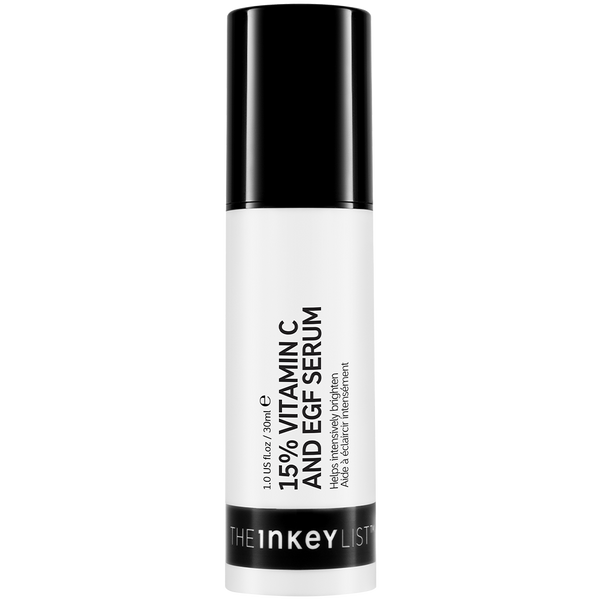
For beginners or anyone with sensitive skin, a gentler, more stable form of Vitamin C is usually the better entry point rather than jumping straight to a high-strength formula. Our 15% Vitamin C + EGF Serum is designed with exactly that in mind, offering brightening benefits without the irritation that some stronger Vitamin C formulas can cause.
Timing matters here too. Vitamin C works best applied in the morning, layered underneath SPF, since that combination offers the strongest protective effect against the environmental damage that contributes to uneven tone. If you want a deeper breakdown of how to build this into a full morning routine, our guide on the best Vitamin C skincare routine for beginners walks through it step by step.
With brightening and protection covered, it’s time to address the redness and blotchiness that often sits alongside uneven tone, and that’s where Niacinamide comes in.
Niacinamide: For Calming Redness and Balancing Tone
Redness and blotchiness are incredibly common, and they’re not a flaw, they’re just another form of visible unevenness that responds well to the right ingredient. Niacinamide helps reduce the appearance of redness, blotchiness, and visible pores, all of which contribute to skin looking uneven even when pigmentation isn’t the main driver.
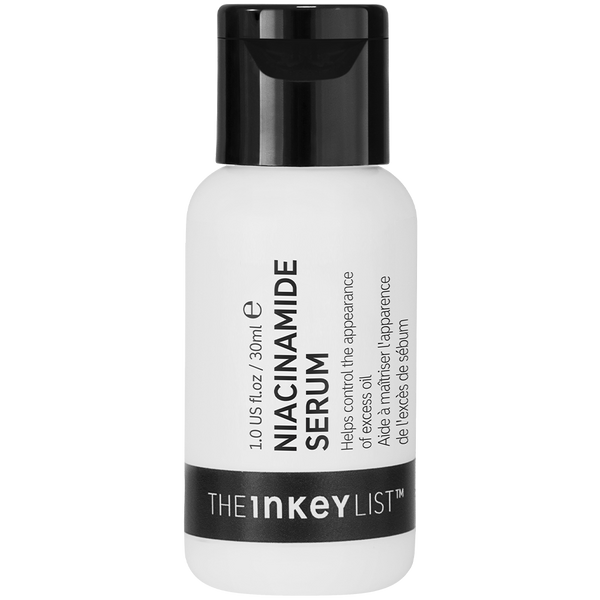
It’s a particularly good fit for oily, combination, and sensitive skin types, since it’s generally well tolerated and doesn’t tend to cause the irritation that some stronger actives can. Our 10% Niacinamide Serum is priced at around £12 and can be used both morning and night.
As your skin adjusts, Niacinamide layers well with Vitamin C or Tranexamic Acid, allowing you to build a more targeted routine over time rather than introducing everything at once. If you want the exact detail on how and when to apply it, our guide on how and when to use Niacinamide covers the specifics.
Niacinamide calms the skin and balances tone from the inside out. Next, Glycolic Acid takes care of the surface, resurfacing skin for a smoother, more even finish.
Glycolic Acid and SPF: Resurfacing and Protecting Skin Tone
Glycolic Acid and SPF work together as the maintenance and prevention half of an uneven-tone routine, one clears the way, and the other protects what you’ve built.
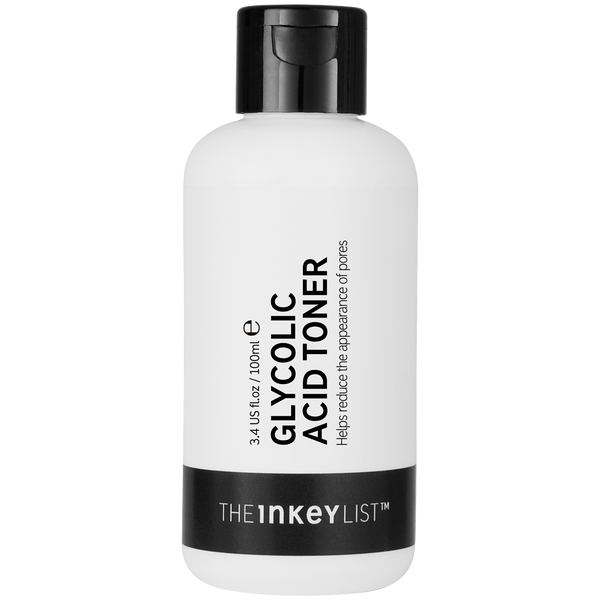
Glycolic Acid gently removes built-up dead skin cells, improving both uneven skin texture and tonal unevenness over time by encouraging fresher skin to come through. Our Glycolic Acid Toner is around £14 and is designed to be used a few times a week rather than daily, since over-exfoliating can actually compromise the skin barrier and make unevenness worse, not better.
Now for the non-negotiable part. Sunscreen is, without exaggeration, the single most important step for preventing dark spots from darkening or new ones from forming. If you’re asking “does sunscreen help with uneven skin tone,” the answer is an unambiguous yes, it’s arguably doing more preventative work than any other step in this routine. Our Dewy Sunscreen SPF30 is around £15 and is formulated as a final AM step, every single day, rain or shine.
This matters even more when you’re using actives like Tranexamic Acid, Vitamin C, or Glycolic Acid, all of which can increase your skin’s sensitivity to the sun. Skipping SPF while using these ingredients can actively undo the progress you’re working towards. For more on why this pairing is essential rather than optional, see Vitamin C and SPF: why you always need both.
With the core five-ingredient routine covered, let’s look at what to do if uneven tone is showing up alongside ageing concerns or a weakened skin barrier.
Uneven Tone, Ageing Skin, and Barrier Repair: Where Exosomes Fit In
As skin matures, uneven tone rarely shows up in isolation. It often appears alongside dullness, fine lines, and a less resilient barrier, all connected to skin’s natural ageing process rather than being separate, unrelated issues. If this sounds like your current concern, it’s worth reading more about mature skin and how these changes interact.
For this stage, our Exosome Glow Serum is worth knowing about. In a 4-week clinical study of 26 people, “100% saw more glowing skin, clinically proven“ (4-week clinical study of 26 people). It’s also shown to deliver “clinic-worthy rejuvenated skin in 14 days“ (4-week clinical study of 26 people), and it offers “6-in-1 skin rejuvenation: clinically proven to visibly improve radiance, hydration, tone, firmness, elasticity, and texture“ (4-week clinical study of 26 people).
Hydration is part of the story too. The formula is “proven to deliver up to 12-hours of hydration“ (clinical study of 31 people), and it “helps support natural collagen production,” with a glow boosting effect that complements rather than replaces the core routine above.
The skin’s barrier function and its appearance of tone are closely linked, a calmer, better-hydrated barrier simply looks more even. - a principle central to how we think about skin health at INKEY.
This isn’t a replacement for the five-ingredient foundation, it’s an optional next step for people whose uneven tone is tied to ageing and barrier concerns specifically. If you want to understand the science behind exosomes themselves, our exosomes pillar page explains the full picture, and our page on a damaged skin barrier is useful background if that’s your starting point.
Now that we’ve covered every ingredient in the lineup, including this optional next step, let’s pull it all together into one simple, buildable routine.
How to Build a Simple Routine for Even, Healthy-Looking Skin
Here’s where everything comes together, because knowing what works means nothing if you don’t know how to actually build it into your day.
Your AM routine is simple: cleanse, apply Vitamin C, moisturise, then finish with SPF. This order maximises Vitamin C’s protective, brightening effect while SPF locks in that protection for the day ahead.
Your PM routine is just as straightforward: cleanse, apply either Tranexamic Acid or Niacinamide (alternating nights if you’re new to actives), then moisturise. There’s no need to use every active every night, especially when you’re first introducing new ingredients to your skin.
Glycolic Acid Toner fits in a few evenings per week, used on its own rather than combined with other strong actives on the same night, to avoid overwhelming the skin barrier.
- Consistency over quantity. More products doesn’t mean faster results, the right few ingredients used regularly will always outperform a crowded shelf used sporadically.
- Patience is part of the plan. Most visible improvements in tone take 4-8 weeks of consistent use, which is a realistic timeline worth holding onto when progress feels slow.
- Build gradually. Introduce one active at a time so you can see how your skin responds before adding the next.
If you’re starting from scratch or want to rebuild your entire routine around this concern, our guide on how to build your skincare routine walks through the process in more detail.
Bringing It All Together
Uneven skin tone has clear causes, sun exposure, post-blemish marks, hormonal shifts, ageing, and barrier damage, and it has clear, evidence-backed solutions to match. The five-ingredient framework of Tranexamic Acid, Vitamin C, Niacinamide, Glycolic Acid, and SPF forms the foundation of almost any uneven-tone routine, with the Exosome Glow Serum available as an optional next step for those also navigating ageing or barrier concerns.
None of this requires overcomplicating your shelf or chasing the next trending ingredient. It requires understanding your skin, choosing a few proven actives, and giving them the weeks of consistent use they need to actually work. Clear guidance, proven ingredients, real results, that’s the whole approach.
Ready to put it into practice? You can shop skincare for uneven skin tone to explore the full edit, or go straight to the essentials: the Tranexamic Acid Serum for stubborn dark spots, the 15% Vitamin C + EGF Serum for brightening and protection, or the 10% Niacinamide Serum for calming redness and balancing tone. Start with one, build from there, and give your skin the time it needs to show you what it can do.
Frequently Asked Questions
Got a question?
Our askINKEY team are a friendly bunch of skincare experts with deep product knowledge and zero judgement. Whether you're an ingredient obsessive or just starting out, we'll make it make sense. No question too big. No question too small. We Give A Care, Every Day.


