



Peptides vs Retinol: Which One Does Your Skin Actually Need?
Peptides or retinol - which is right for your skin? Discover the key differences, who each ingredient is best for, and why using both together can deliver stronger anti-ageing results with minimal irritation.
Author
askINKEY skincare advisor
Published
12 July, 2026
Time to read
13 minutes
Peptides and retinol are two of the most talked-about anti-ageing ingredients in skincare - and for good reason. Both have strong clinical backing. Both target signs of ageing. But they work in completely different ways, suit different skin types and timings, and come with very different expectations for use. The peptides vs retinol debate is one that fills comment sections, skincare forums, and dermatology waiting rooms alike - and yet the answer is rarely as binary as people assume.
If you’ve been wondering which one belongs in your routine - or whether you actually need both - this is the breakdown you need. We’ll cover what peptides actually are and how they function in skin, what retinol does at a cellular level, the key differences between the two, when to use one over the other, and whether combining them is genuinely beneficial or just another overcomplicated skincare trend. No jargon for the sake of it. No fear-mongering. Just the science, clearly explained.
The Science Behind Peptides and What They Do for Skin
To understand why peptides have become a cornerstone of modern anti-ageing skincare, you need to understand what’s happening inside your skin as it ages. Collagen, elastin, and keratin - the structural proteins responsible for skin’s firmness, bounce, and strength - naturally decline with age. From your mid-twenties onwards, collagen production begins to slow, and the visible signs of that slowdown eventually appear as fine lines, loss of firmness, and a subtle shift in overall skin texture. Peptides are one of the most scientifically credible tools we have for signalling to the skin that it needs to do something about that.
At their most fundamental level, peptides are short chains of amino acids. Amino acids are the building blocks of proteins, and when they link together in specific sequences - typically between two and fifty of them - they form peptides. In skincare, these molecules function as signal messengers. When applied topically, they communicate with skin cells, essentially sending instructions that encourage collagen production, support barrier repair, and improve hydration retention. Think of them less as active agents forcing change, and more as intelligent communicators nudging the skin to behave more like it did when it was younger.
The Three Peptide Types That Matter Most
Not all peptides work the same way, and understanding the three main categories relevant to anti-ageing skincare helps clarify why peptide serum benefits go far beyond surface-level hydration.
Signal peptides are the most widely studied and commercially used. Matrixyl 3000, which contains Palmitoyl Tripeptide-1 and Palmitoyl Tripeptide-7, is perhaps the most well-known example. These peptides signal fibroblasts - the cells in the dermis responsible for producing collagen and elastin - to ramp up production. Research published in PubMed examining collagen peptide activity in dermal fibroblasts found that peptides can upregulate gene expression for both collagen and elastin, supporting the mechanism that makes them effective at reducing fine lines over time.
Carrier peptides work differently - they help deliver trace minerals like copper and manganese to the skin, both of which are essential cofactors in the enzymatic processes that produce collagen. These are less about signalling and more about ensuring the skin has what it needs to carry out its own repair processes effectively.
Neurotransmitter-inhibiting peptides are the third category, and they work by temporarily relaxing the muscle contractions that cause expression lines - the fine lines that form from repeated facial movements like squinting and smiling. These are often found in products targeting the eye area and forehead.
Why Peptide Serum Benefits Extend Beyond Anti-Ageing
What makes peptides particularly compelling as a skincare ingredient is their versatility and tolerability. A systematic review of 19 randomised controlled trials looking at the efficacy of both oral and topical peptides for skin ageing found significant evidence supporting their role in improving skin hydration, elasticity, and the appearance of fine lines. Crucially, across all the studies reviewed, peptides demonstrated a strong safety profile with virtually no reported irritation or adverse reactions.
This is not a minor detail. It means peptides are appropriate for essentially every skin type - including sensitive and reactive skin, skin compromised by conditions like rosacea or eczema, and even skin that has been over-treated and needs a period of rebuilding. It also means they are safe to use during pregnancy and breastfeeding, a period during which many active ingredients are off-limits. For anyone navigating the early stages of an anti-ageing routine who isn’t sure where to start, or anyone who has found stronger actives too irritating, peptides offer a genuinely low-risk and high-reward entry point.
Results from consistent peptide use typically begin to show between four and eight weeks of regular application. This is because the mechanism is biological and cumulative - you’re asking cells to behave differently, and cellular change takes time. There’s no purging, no adjustment period, and no increase in photosensitivity. Peptides can be applied in the morning or evening, worn under SPF without issue, and layered comfortably with most other skincare actives. For a deeper dive into the science of how these molecules function, visit our peptides pillar page.
Understanding how peptides work through gradual, supportive cellular signalling makes the contrast with retinol all the more striking - because retinol takes a fundamentally different and more active approach to skin renewal.
What Retinol Actually Does - and Why It Requires Patience
Retinol has earned its status as one of the most clinically validated anti-ageing ingredients in skincare history. Decades of research, across multiple skin types and age groups, consistently show that it reduces fine lines, improves skin texture, evens tone, and stimulates collagen production in ways that most other topical ingredients cannot match. But retinol’s power comes with requirements - and understanding those requirements is what separates a successful retinol journey from an unnecessarily uncomfortable one.
Retinol is a derivative of Vitamin A, specifically a retinoid. When applied to the skin, it is converted by skin enzymes first to retinaldehyde, and then to retinoic acid - the active form that binds to retinoid receptors in skin cells and drives the changes that make it so effective. This multi-step conversion process is actually one of retinol’s key characteristics: it means the ingredient is active, but the conversion creates a buffer that makes it more tolerable than prescription-strength retinoic acid, which skips the conversion process entirely and goes straight to the active form.
How Retinol Works at a Cellular Level
The mechanism of retinol is essentially one of acceleration and resurfacing. By binding to retinoid receptors in keratinocytes - the cells that make up most of the skin’s outer layers - retinol speeds up cell turnover. Old, surface-level skin cells are shed more rapidly, and new cells replace them faster than they would without intervention. The result, over time, is skin that looks more refined, more even, and more luminous.
Simultaneously, retinol stimulates fibroblasts to produce more collagen. A landmark clinical study published in the Archives of Dermatology demonstrated that retinol significantly improved the appearance of naturally aged skin, increasing collagen types I and III and improving both skin texture and overall appearance with consistent use. A further study comparing retinol and retinoic acid confirmed that retinol increases epidermal thickness and upregulates the genes responsible for collagen production - visible changes that compound over months of use.
The Retinol Adjustment Period - What to Expect
This is where honest expectation-setting matters. Retinol requires a gradual introduction. Starting at two to three nights per week and building slowly over four to six weeks is not a recommendation made out of overcaution - it’s based on how the skin adapts to an ingredient that is fundamentally changing its rate of cell turnover. In the early weeks, some people experience temporary dryness, mild flaking, or a sensation of sensitivity. This is the adjustment period, and for most people it is manageable and temporary.
The key word is temporary. The adjustment period is not a sign that retinol is damaging your skin - it’s a sign that your skin is adapting to a new rate of activity. Keeping the skin well moisturised, introducing retinol slowly, and not using it alongside other strong actives in the same routine are the practical steps that get most people through this phase without significant disruption.
There are two non-negotiables with retinol. First, it must be used in the evening only. Retinol increases the skin’s sensitivity to UV radiation, and using it in the morning - even in overcast conditions - increases the risk of sun damage. Daily SPF use is not optional when retinol is part of your routine. Second, retinol is not suitable during pregnancy or breastfeeding. This is a firm contraindication, not a precautionary grey area. Anyone who is pregnant, breastfeeding, or planning to become pregnant should avoid retinol entirely and explore alternative approaches.
It’s also worth knowing that retinol is just one form of retinoid. Retinaldehyde (retinal) is more potent and converts to retinoic acid in fewer steps, meaning it works faster. Retinyl acetate is gentler and slower-releasing. For a detailed breakdown of how these forms compare and which might suit you, the Retinol vs Retinal blog covers this in depth.
With both ingredients now clearly defined, it becomes much easier to compare them directly - and that comparison reveals something important about how the decision of retinol vs peptides should really be framed.
Peptides vs Retinol: The Core Differences That Shape Your Routine
This is the heart of the matter. Peptides vs retinol is not a question of which ingredient is better in an absolute sense - it’s a question of which is right for a specific skin type, concern, life stage, and routine structure. Understanding the key differences across several important dimensions makes that decision far more straightforward.
How Each Ingredient Works
The most fundamental difference between peptides and retinol is their mechanism of action. Peptides are supportive and communicative - they signal skin cells to produce more collagen, repair the barrier, and retain moisture. They work with the skin’s existing processes, encouraging the skin to do more of what it already knows how to do. Retinol, by contrast, is active and accelerating. It increases the rate of cell turnover, resurfaces the skin from the inside out, and stimulates collagen production through a process of cellular renewal that goes deeper than most topical actives. One supports. The other renews. Both outcomes are valuable - but they are different.
Irritation Potential and Skin Tolerance
This dimension is where the two ingredients diverge most significantly in practical terms. Peptides carry virtually zero irritation risk. They do not cause redness, flaking, or sensitivity. There is no adjustment period. A person with extremely reactive skin, a compromised barrier, or a history of intolerance to active ingredients can start using a peptide serum today without concern. This is a genuine clinical strength, not just marketing language - the safety profile of peptides across clinical literature is consistently excellent.
Retinol, as discussed, requires acclimatisation. The adjustment period - particularly in the first four to six weeks - can involve temporary dryness, flaking, or a mild sensitivity sensation. For the majority of people this is manageable, but it does mean retinol is not an appropriate first-line active for very sensitive or compromised skin without careful management. According to a review of retinoid use in topical anti-ageing treatments, the side effect profile of retinol is well characterised and manageable with appropriate titration - but it exists, and it matters for routine planning.
Who Each Ingredient Is Best Suited For
Peptides are genuinely suitable for all skin types and all ages. Whether your skin is sensitive, dry, oily, combination, or blemish-prone, peptides fit. They are safe during pregnancy and breastfeeding. They work for someone in their early twenties building a preventative routine, and equally for someone in their fifties managing more established signs of ageing. This universality is one of the most compelling arguments for peptides as a foundational ingredient.
Retinol is best suited for adults aged 25 and over who are ready to introduce a more active approach to skin renewal. It is not recommended during pregnancy or breastfeeding. It is not ideal for very reactive or sensitive skin without a careful, slow introduction. For skin that is stable and tolerant, however, retinol offers a level of clinically proven efficacy that is difficult to match. To understand what combinations to avoid when introducing retinol, this guide to what not to mix with retinol is essential reading.
Timing in Your Routine
Peptides are highly flexible. They can be used in the morning, in the evening, or both - and they layer compatibly with most other skincare actives. Vitamin C in the morning with a peptide serum underneath? Absolutely fine. Niacinamide alongside peptides? No issue. This flexibility makes peptides an easy addition to almost any routine without requiring restructuring.
Retinol is exclusively a PM ingredient. It must not be used in the morning due to its photosensitivity-increasing effect. It also should not be layered in the same routine application with Vitamin C, AHAs, or BHAs - doing so risks over-exfoliation and unnecessary irritation. The guide to what not to mix with retinol explains these interactions clearly if you want to plan your full routine around it.
Results Timeline
Both ingredients require consistent, long-term use to deliver their most meaningful results - but their timelines differ. Peptide results build gradually and cumulatively over four to eight weeks of regular use, with hydration and skin texture improvements often being the first things people notice, followed by progressive improvements in firmness and the appearance of fine lines. Retinol tends to show measurable skin texture improvements from four to twelve weeks with consistent use, while the deeper collagen remodelling benefits compound over several months of continued use.
The Skin Concerns Each Addresses
Peptides are particularly effective for fine lines, loss of firmness, barrier damage, dehydration, and early signs of skin ageing. They also address lip volume when formulated in lip-specific products. Retinol addresses a broader range of more established concerns: fine lines, deeper wrinkles, uneven skin tone, hyperpigmentation, dullness, and overall skin texture. For deeper reading on peptides and the specific concerns they target, the Peptides: What You Need to Knowblog is a useful companion to this one.
With those differences clearly mapped, the practical question becomes: which one is right for you - and is there a scenario where using both makes sense?
Choosing the Right Ingredient for Your Skin
The comparison above makes clear that retinol vs peptides isn’t a competition - it’s a decision framework. The right ingredient depends on where your skin is right now, what concerns you’re addressing, and what your lifestyle allows for in terms of routine complexity. Here’s how to think about it.
Choose Peptides If…
Your skin is sensitive, reactive, or has a compromised barrier. Peptides will support and strengthen without any risk of making things worse. If you’re new to anti-ageing skincare and want a gentle, proven starting point, peptides are an ideal first active - they deliver real results without the learning curve. If you’re pregnant or breastfeeding, peptides are one of very few clinically backed anti-ageing options available to you, and they work without any safety concerns.
Peptides also make excellent sense if you want an AM anti-ageing option. Because they’re photostable and cause no increase in UV sensitivity, they layer beautifully under SPF and can do meaningful work throughout the day as part of your morning routine. And if your primary concerns are hydration, early firmness loss, and a healthy skin barrier - rather than more established lines or uneven texture - peptides may be all you need at this stage.
Choose Retinol If…
Your skin is ready for a more active approach. If you’re seeing persistent fine lines that gentler approaches haven’t shifted, if skin texture and tone have become concerns that hydration alone hasn’t resolved, or if you’re looking to proactively address collagen loss from your mid-twenties onwards, retinol is a strong and clinically justified choice. The key is commitment: commitment to the gradual introduction, to consistent PM use, and to daily SPF in the morning without exception.
If you have blemish-prone skin, retinol can also be worth considering - its cell turnover-accelerating effect can help improve post-breakout marks and contribute to a more even, refined skin texture over time. For anyone who has considered retinol but isn’t sure they’re ready for it, it’s worth knowing that there are natural retinol alternatives that can bridge the gap between no active and full retinol use.
Use Both Peptides and Retinol If…
You want a comprehensive anti-ageing routine that covers both support and renewal. Using peptides in the morning and retinol in the evening is not overcomplicated - it’s actually one of the most strategically sound approaches to addressing signs of ageing from multiple angles simultaneously. If you’re already using retinol at night and finding the adjustment period challenging, adding a peptide-rich product to your morning routine can help support barrier function and make the overall experience more comfortable. If your skin is experienced with actives and you want to optimise results rather than maintain them, combining both ingredients is the natural next step.
Can You Use Peptides and Retinol Together?
Yes - clearly, directly, and without qualification. Peptides and retinol are fully compatible ingredients that can and do work well together. They are not competing actives. They do not neutralise each other. They do not cause interactions that would make either less effective. In fact, the combination is arguably more logical than using either ingredient in isolation.
The reason they work so well together comes down to their complementary mechanisms. Retinol accelerates cell turnover and stimulates collagen, but during the adjustment period it can temporarily compromise the skin barrier - causing dryness, mild sensitivity, and a feeling of tightness. Peptides support barrier function, encourage collagen production through a separate signalling pathway, and help the skin retain moisture. When you use peptides in the morning and retinol in the evening, you’re giving your skin active support on both ends of the day, with each ingredient reinforcing what the other is working towards.
The practical approach to combining them is straightforward. Because peptides are photostable and cause no UV sensitivity, they belong in your morning routine, where they can work effectively under SPF. Retinol, which must be used at night, belongs in your evening routine. There’s no conflict, no timing complexity, and no need to take days off from one to use the other.
A practical combined routine might look like this:
Morning: Cleanse - Hyaluronic Acid Serum (with Matrixyl 3000 peptide) - Peptide Moisturiser - SPF
Evening: Cleanse - Starter Retinol Serum or Advanced 0.2% Retinal Serum - Retinol Eye Cream - Peptide Moisturiserto support and buffer
Applying a peptide-containing moisturiser after your retinol in the evening is particularly useful during the adjustment period. It helps the skin feel supported and hydrated while the retinol does its work - without interfering with the retinol’s efficacy in any way. For clarity on what combinations should be avoided with retinol, the what not to mix with retinol guide is worth bookmarking. Peptides, helpfully, are not on that list.
INKEY List Products for Peptides and Retinol
Knowing the science is the first step. Knowing which products to reach for is where it becomes actionable. The INKEY List range includes both peptide and retinol options designed to be accessible, ingredient-honest, and effective - with clear guidance on how and when to use each.
Peptide Products
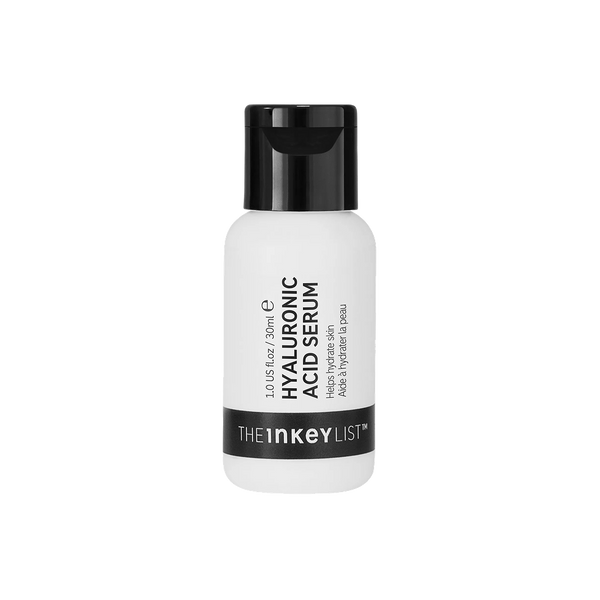
Hyaluronic Acid Serum - £12
Contains Matrixyl 3000 alongside 2% Hyaluronic Acid at multiple molecular weights. Lightweight and fast-absorbing, it hydrates deeply, plumps fine lines, and supports the skin barrier. An excellent first peptide step after cleansing. Suitable for all skin types. Use AM or PM.
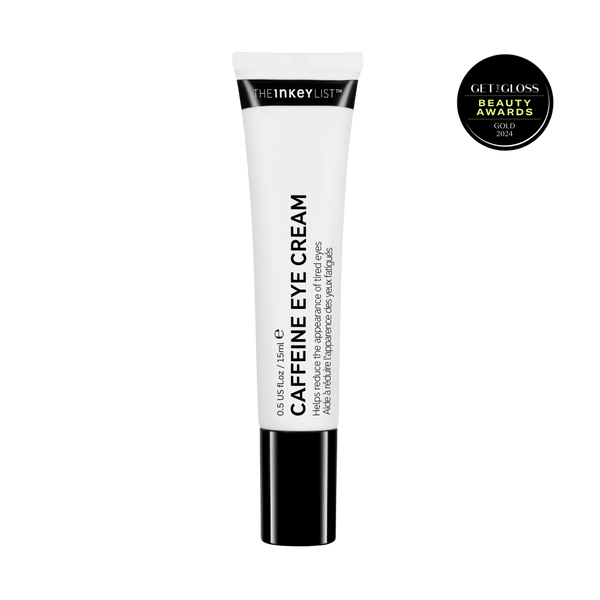
Caffeine Eye Cream - £12
Formulated with Matrixyl 3000 peptide to support collagen and visibly smooth the under-eye area, alongside Caffeine to reduce the appearance of puffiness. Suitable for all skin types. Best used in the morning for optimal depuffing results.
15% Vitamin C + EGF Serum - £16
Contains 1% Epitensive EGF - Epidermal Growth Factor - a plant-based peptide that supports skin renewal and boosts elasticity, combined with 15% Ascorbyl Glucoside Vitamin C for brightening and antioxidant protection. A strong AM serum for those wanting both peptide activity and Vitamin C in one step.
Peptide Moisturiser - £16
Powered by 2% Royal Epigen P5 and 1% Hydrating Peptide Solution. This lightweight moisturiser helps even skin tone, supports the moisture barrier, and delays the visible signs of skin cell ageing. Suitable for all skin types, including sensitive. Works well both as a standalone moisturiser and as a buffer layer over retinol in the evening routine.
Tripeptide Plumping Lip Balm - £11
Contains 6% Tripeptide Complex to visibly boost lip volume, alongside 2% Ultra Filling Spheres with Hyaluronic Acid for targeted plumping. Clinically proven to increase lip volume by up to 40% in four weeks. Use at least three times daily for best results.
For more detail on how Matrixyl 3000 and other peptides function in these formulations, the Peptides: What You Need to Know blog is a useful next read.
Retinol Products
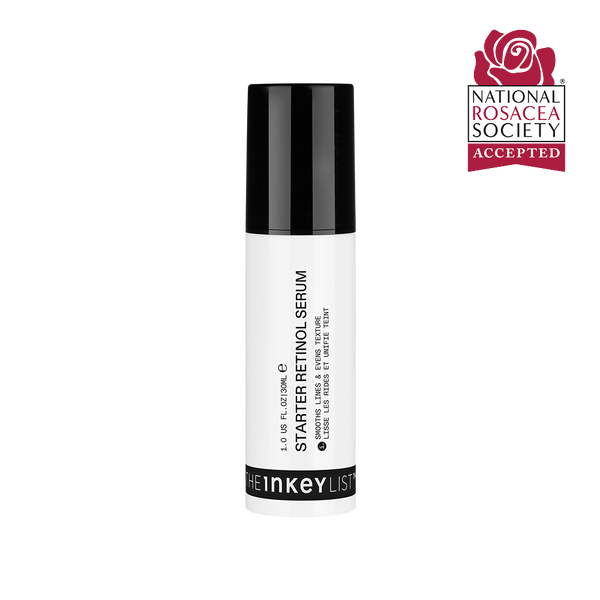
Starter Retinol Serum - £13
A gentle, slow-release retinol formula built specifically for those new to retinoids. Clinically proven to smooth fine lines in just seven days, with a formulation designed to minimise the intensity of the adjustment period. Start with two to three nights per week and build gradually over four to six weeks. PM use only.
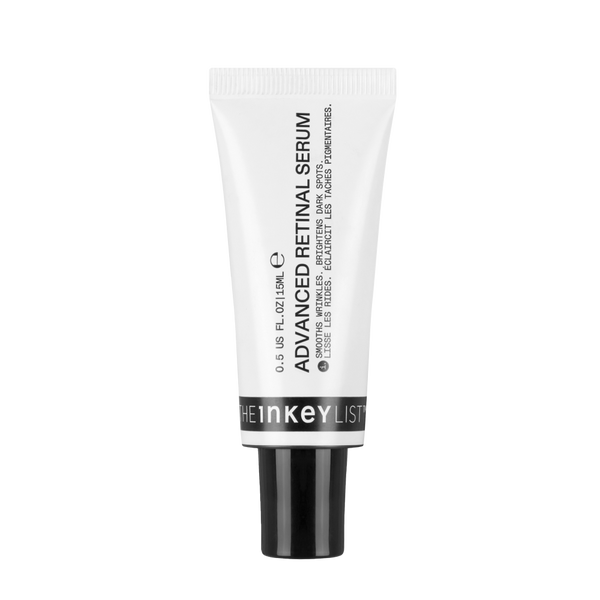
Advanced 0.2% Retinal Serum - £18
A more potent retinal (retinaldehyde) formula designed for those who are already experienced with retinoids and want to progress. Clinically proven to deliver anti-ageing results 11 times faster than standard retinol, with visible improvements in as little as one week. PM use only. The Retinol vs Retinal blog explains the difference between these two forms in detail - worth reading before deciding which to start with.
Retinol Eye Cream - £13
Contains 3% Vitalease - a slow-release retinol complex - specifically formulated for the delicate skin around the eye area. Targets fine lines and wrinkles in a zone where standard retinol formulas can often be too strong. PM use only. Start with one to two nights per week and increase gradually. Not suitable during pregnancy or breastfeeding.
Whether you’re building a peptide-first routine, introducing retinol for the first time, or combining both in a morning and evening approach, the range makes it straightforward to take action without needing to cross-reference a dozen different products.
Bringing It All Together: What Your Skin Actually Needs
Peptides and retinol are both genuinely effective, scientifically validated anti-ageing ingredients. Neither is a gimmick. Neither is overhyped. But they are different - different in mechanism, different in who they suit, different in when and how they should be used.
Peptides signal. Retinol renews. Peptides are the patient, supportive approach - gentle, broadly compatible, suitable for anyone at any stage. Retinol is the active, accelerating approach - powerful, proven, and worth the gradual introduction for anyone who is ready for it. The choice between them is not about which is objectively superior, because that question has no single answer. The right choice is the one that fits your skin type, your concern, your life stage, and your routine.
What’s equally clear from the science is that using both is not only possible but often the most effective long-term approach. Peptides in the morning, retinol in the evening, with a peptide moisturiser doing useful work at both ends of the day - this is a routine that covers support and renewal simultaneously, giving the skin what it needs across the full 24 hours.
If you’re new to both and not sure where to start, begin with peptides. Build confidence. Understand how your skin responds. Then, when you’re ready, introduce retinol gradually alongside them. There’s no rush, and the gradual approach consistently produces better outcomes than jumping in at maximum strength.
The goal is skin that looks and functions better over time - not overnight, not through shortcuts, but through consistent, informed choices made with the right ingredients.
Not sure where to start? Take our Skincare Quiz and get a personalised routine built around your skin in under 2 minutes.
Ready to shop? Explore our Anti-Ageing range or go straight to our Retinol collection.
Frequently Asked Questions
Got a question?
Our askINKEY team are a friendly bunch of skincare experts with deep product knowledge and zero judgement. Whether you're an ingredient obsessive or just starting out, we'll make it make sense. No question too big. No question too small. We Give A Care, Every Day.


