



Can You Use Niacinamide and Vitamin C Together?
Discover why this brightening duo works so well, the benefits of combining them in your routine, and how to layer them for healthier, more radiant-looking skin.
Author
askINKEY skincare advisor
Published
09 July, 2026
Time to read
13 minutes
Yes - you can use niacinamide and vitamin C together. Despite the persistent myth that these two ingredients should never be combined, the science tells a different story. Modern formulations, particularly those using stable vitamin C derivatives, are entirely compatible with niacinamide. The concern is outdated, and for most people building a brightening or balancing routine, using them together is not just safe - it is one of the smartest combinations in skincare.
This blog covers everything you need to know: where the myth came from, what each ingredient actually does, why they work better as a pair than they do separately, why the form of vitamin C is the critical variable, and exactly how to layer them in a routine that delivers results.
If you are building a routine designed to target uneven skin tone, dullness, excess oil, or the appearance of blemishes, this is your guide.
The INKEY Products That Make This Combination Work
Before getting into the science, it helps to know exactly which products to use. Both of INKEY’s core formulas in this pairing are built with compatibility in mind - and that is not a coincidence.
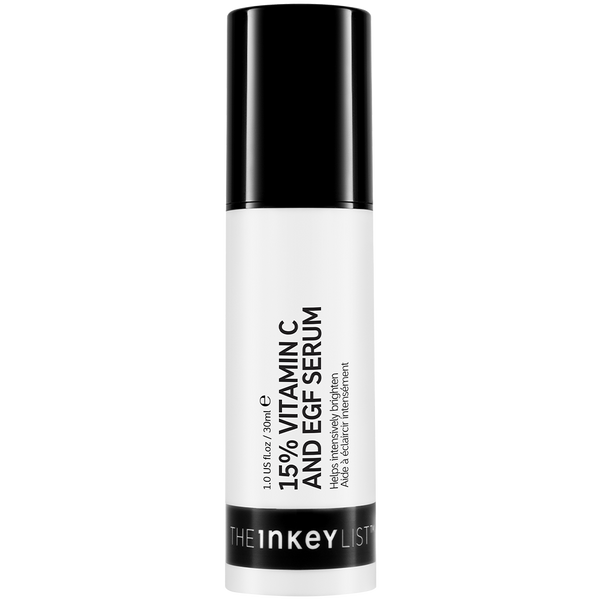
15% Vitamin C + EGF Serum - £16
This is INKEY’s vitamin C formula, and it uses Ascorbyl Glucoside rather than L-ascorbic acid. That distinction matters enormously - more on that in a later section. Ascorbyl Glucoside is a stable, gentler form of vitamin C that converts to active vitamin C on the skin. The serum is formulated at a near-neutral pH of 6.8 to 7.2, which is meaningful because it sidesteps the compatibility concerns that historically surrounded high-strength, low-pH vitamin C formulas. In an independent 4-week consumer trial, 87% of participants agreed their skin looked brighter, and 88% saw visible improvement in skin tone and texture. At £16 a bottle, it delivers clinical results without the clinical price tag.
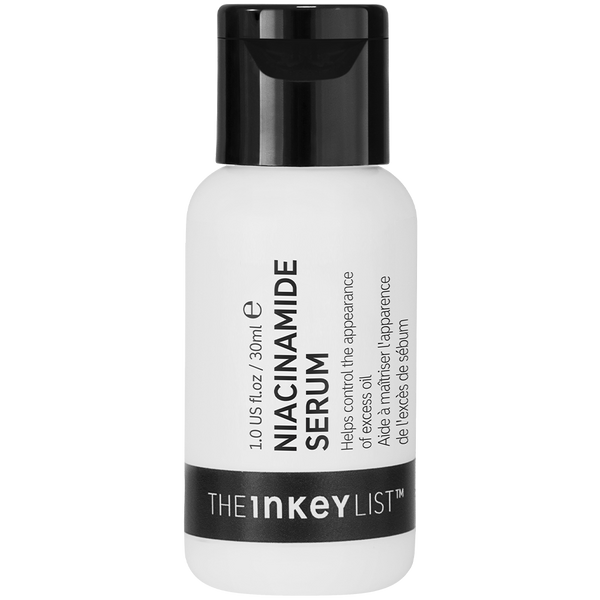
10% Niacinamide Serum - £12
This serum combines 10% niacinamide - the concentration shown to be effective for daily use without causing irritation - with hyaluronic acid for added hydration. Niacinamide at this level targets excess oil production, calms redness, minimises the appearance of enlarged pores, and helps to fade the look of post-blemish marks over time. It is suitable for all skin types, including sensitive skin, and it is explicitly formulated to be used alongside the 15% Vitamin C + EGF Serum. These two serums are designed as a system.
Both product pages confirm that this pairing is compatible - that is built into how INKEY develops its formulas. Ingredient synergy is not an afterthought; it is part of the design process.
To complete the routine, a few supporting products earn their place. The Hyaluronic Acid Serum (£12) is an excellent first serum step applied to damp skin before actives, giving the skin a hydrated base that helps everything absorb better. For moisture sealing, the Bio-Active Ceramide Moisturiser (£20) supports barrier repair and long-term skin health, while the Omega Water Cream (£14) is a lighter, oil-free option suited to blemish-prone or combination skin types. And because vitamin C is doing its best work in the morning, SPF is non-negotiable: the Dewy Sunscreen SPF 30 (£15) finishes every AM routine that includes vitamin C.
Now that you know which products to use, it makes sense to understand why these formulas work together - starting with the myth that has confused so many people.
Where the “Don’t Mix” Myth Actually Came From
Skincare myths are stubborn. Once they take root online, they spread across forums, beauty blogs, and social feeds far faster than the science that contradicts them. The myth that niacinamide and vitamin C cannot be used together is a particularly persistent example - and, like most skincare myths, it contains a kernel of outdated truth wrapped in a great deal of misunderstanding.
The concern originated from older research into what happens when niacinamide is combined with L-ascorbic acid, the pure, most reactive form of vitamin C. Scientists identified two reactions that raised initial alarm: the possible conversion of niacinamide into niacin, and the formation of what is called a niacinamide-ascorbate complex.
The niacin conversion concern
Niacin, also known as nicotinic acid, is a structurally related compound to niacinamide - but it is a different molecule with different effects. At high concentrations, niacin can cause a skin flushing response. The early worry was that combining niacinamide with vitamin C could trigger a conversion of niacinamide into niacin, and therefore cause flushing on the skin.
The reality is considerably less dramatic. Niacinamide is a highly stable compound. The conditions required to convert it to niacin in any meaningful quantity involve extreme heat and highly concentrated acid conditions - conditions that simply do not exist during skincare application, or on the surface of the skin. At room temperature and at the pH ranges relevant to skincare, this conversion is effectively negligible. The niacinamide in your serum is not converting to niacin on your face. Niacinamide itself does not cause flushing; that reaction is specific to niacin, and the two should not be conflated.
The niacinamide-ascorbate complex
The second concern relates to the formation of a molecular complex when niacinamide and ascorbic acid are combined. Here, there is more scientific substance - but the conclusion is still broadly reassuring. When mixed, these two molecules can form what is known as a reversible charge-transfer complex, where they are loosely held together by weak intermolecular forces. The critical word in that sentence is reversible. The molecules are not bonded permanently. They are not chemically destroyed. As the complex penetrates deeper into the skin - where the pH environment shifts - the two molecules separate and become independently active, each going on to deliver its intended effects.
Furthermore, modern vitamin C formulations have moved the conversation on significantly. Stable vitamin C derivatives like Ascorbyl Glucoside are formulated at a near-neutral pH, which reduces any potential for this interaction even further. The real-world concern that informed the original myth was always most relevant to pure L-ascorbic acid at very low pH - a formulation type that represents only one corner of the broader vitamin C category.
The myth has persisted not because the science supports it, but because old information is difficult to correct once it has been repeated enough times. For a broader guide to which ingredients genuinely should not be layered together, the What Products Should I Not Layer Together? blog provides proper context.
For a deeper look at how vitamin C functions in the skin, the Vitamin C ingredient page is worth a read.
With the myth properly dismantled, it is worth stepping back to understand what each ingredient actually does on its own - which makes the case for combining them even clearer.
What Niacinamide and Vitamin C Each Do for Your Skin
Understanding the individual benefits of these two ingredients is what makes their combination feel like an obvious choice rather than a happy accident.
Vitamin C
Vitamin C is one of skincare’s most well-established antioxidants. Applied topically, it helps protect the skin against the daily environmental damage caused by UV exposure, pollution, and free radicals - the unstable molecules that degrade collagen and trigger visible signs of ageing over time. This antioxidant protection is arguably most valuable during daylight hours, which is why vitamin C is considered a core morning routine ingredient.
Beyond protection, vitamin C directly targets the appearance of hyperpigmentation and uneven skin tone by inhibiting the activity of tyrosinase, the enzyme responsible for melanin production. Less melanin production means fewer dark spots forming in the first place, as well as a gradual lightening of existing discolouration with consistent use. Over time, vitamin C also supports the skin’s natural collagen processes, contributing to firmer, more resilient-looking skin.
Our 15% Vitamin C + EGF Serum uses Ascorbyl Glucoside, a stable derivative that delivers these benefits with a gentler profile than pure L-ascorbic acid - making it suitable for all skin types, including sensitive skin. For a full breakdown of how vitamin C works, visit the Vitamin C ingredient page. For guidance on when to use it in your routine, see When to Use Vitamin C Serum.
Niacinamide
Niacinamide is a form of vitamin B3, and its breadth of skin benefits makes it one of the most versatile ingredients in modern skincare. It regulates oil production, helping to keep shine in check and reducing the likelihood of clogged pores. It visibly reduces the appearance of enlarged pores over time and calms redness and uneven skin tone. For those dealing with post-blemish marks, consistent niacinamide use helps fade the discolouration left behind as skin heals.
Crucially, niacinamide also reinforces the skin barrier - the protective outer layer that keeps moisture in and environmental irritants out. A stronger barrier means skin that is more resilient, less reactive, and better equipped to handle actives like vitamin C. At 10%, it is effective for daily use without tipping into irritation territory, which makes it a reliable choice for all skin types, including sensitive skin.
For a deep dive into how niacinamide works, visit the Niacinamide ingredient page. For routine and timing guidance, see How and When to Use Niacinamide Serum.
With a clear picture of what each ingredient contributes individually, the case for combining them becomes compelling - particularly when you understand that they work through different mechanisms that complement rather than duplicate each other.
Why Niacinamide and Vitamin C Work Better Together
The real reason this pairing is so effective is not simply that it is safe - it is that the two ingredients target overlapping skin concerns through entirely different biological pathways. That distinction is what makes the combination genuinely more powerful than either ingredient used alone.
Brightening through two separate mechanisms
Take hyperpigmentation as the clearest example. Vitamin C works upstream: it inhibits tyrosinase activity, meaning it reduces how much melanin the skin produces in the first place. Niacinamide works downstream: it inhibits the transfer of existing melanin from melanocytes (the cells that produce pigment) to keratinocytes (the surface skin cells where pigmentation becomes visible). These are two distinct steps in the same biological process. Vitamin C targets the source; niacinamide targets the delivery mechanism. Together, they intercept pigmentation at two separate points in its lifecycle, which makes the combination meaningfully more comprehensive than using either alone.
This is not theoretical. It is the reason that brightening-focused routines consistently feature both ingredients rather than choosing between them. You are not doubling up on the same action - you are addressing the problem from two different angles simultaneously.
Barrier strength amplifies vitamin C’s benefits
Niacinamide’s barrier-strengthening effects create a secondary advantage when the two are paired. A well-functioning skin barrier means that skin is more able to tolerate active ingredients, absorb them effectively, and benefit from their effects without becoming sensitised or reactive. In practical terms, niacinamide makes the skin environment more receptive to vitamin C - particularly important for those who are new to actives or have previously found vitamin C irritating.
Protection and balance working in tandem
Vitamin C provides robust antioxidant protection against environmental stressors during the day - UV exposure, pollution, and oxidative stress. Niacinamide manages oil production, calms inflammation, and supports barrier integrity throughout the day. These roles do not overlap; they cover different bases within the same routine. The result is a morning routine that simultaneously protects, brightens, balances, and strengthens - four distinct outcomes from two affordable serums.
For readers who want to explore how these ingredients compare against other brightening actives, the Vitamin C vs Niacinamide vs Exosomes: The Ultimate Glow Ingredient Showdown blog offers a thorough comparison.
The case for combining niacinamide and vitamin C is clear - but there is one important caveat that determines whether the combination works seamlessly or requires a little more thought. It comes down to the form of vitamin C you are using.
Why the Form of Vitamin C Is the Key Variable
Not all vitamin C is the same, and understanding the difference is essential to answering the compatibility question accurately. The nuance here is what separates a confident “yes” from a qualified “it depends.”
The original compatibility concerns - however overstated - were always most relevant to L-ascorbic acid: the pure, most reactive form of vitamin C. L-ascorbic acid requires a very low pH (typically below 3.5) to remain stable and effective in a formula. At that low pH, there is a marginally greater potential for the niacinamide-ascorbate complex described earlier. Even then, as established in the myth-busting section, the real-world impact of this is minimal - the complex is reversible and both ingredients remain active in the skin. But it is the context in which the concern was originally framed.
Vitamin C derivatives operate very differently. Ascorbyl Glucoside, for example, is a glycoside form of vitamin C - glucose-bound, which gives it exceptional stability across a much wider pH range. It does not require an acidic environment to remain stable, which means formulas using it can be developed at a near-neutral pH. Our 15% Vitamin C + EGF Serum sits at pH 6.8 to 7.2 - comfortably within the range where any potential interaction with niacinamide is negligible. Ascorbyl Glucoside converts to active vitamin C once absorbed by the skin, where it delivers its antioxidant and brightening benefits in the same way as L-ascorbic acid, but with a gentler, more stable delivery.
This formulation choice is why the product page for the 15% Vitamin C + EGF Serum explicitly confirms compatibility with our 10% Niacinamide Serum. The formulas are designed to be used together. That compatibility is engineered, not assumed.
A note on high-strength L-ascorbic acid formulas
If someone is using a very high-strength, pure L-ascorbic acid formula - particularly one above 15% concentration at a very low pH - some formulators and dermatologists suggest applying the two products in separate routine steps: vitamin C first, allowing it to fully absorb before applying niacinamide, rather than applying them in immediate succession. This is a sensible precaution for the most reactive vitamin C formulations, not a blanket rule that applies to all vitamin C products.
With stable derivatives like Ascorbyl Glucoside, simultaneous layering within the same routine is entirely appropriate. This also makes our 15% Vitamin C + EGF Serum a particularly well-suited choice for those who are new to vitamin C, have sensitive skin, or have previously experienced the stinging or irritation associated with high-strength L-ascorbic acid formulas. For more on vitamin C layering combinations, the Can You Use Hyaluronic Acid With Vitamin C? blog provides useful additional context.
With the formulation question answered, the logical next step is the practical one: exactly how to layer these two ingredients in a routine that works.
How to Layer Niacinamide and Vitamin C: Step-by-Step Routine Guidance
Understanding the science is one thing. Knowing exactly what to do with your products every morning is another. This section turns everything covered above into a clear, actionable routine - including three variations tailored to different skin concerns.
The Core Layering Rule
Apply products in order from thinnest to thickest consistency, allowing each layer time to absorb before applying the next. For these two serums specifically: vitamin C goes first. Apply the 15% Vitamin C + EGF Serum, wait 30 to 60 seconds, then apply the 10% Niacinamide Serum. That short wait time allows the vitamin C to settle into the skin and significantly reduces the risk of pilling when the next layer is applied on top.
Morning vs Evening Use
Both ingredients can technically be used morning and evening. The recommended approach, however, is to use them together in the morning routine. Vitamin C’s antioxidant protection is most relevant during daylight hours when the skin is exposed to UV radiation and environmental pollution. Niacinamide provides all-day oil control and barrier support that is equally valuable from first application. Finishing the AM routine with SPF - specifically our Dewy Sunscreen SPF 30(£15) - is essential when using vitamin C.
In the evening, niacinamide can continue to work well alongside peptides or a ceramide moisturiser. What to avoid in the same PM routine step: retinol and exfoliating acids (AHAs, BHAs, and PHAs). Those are separate evening options that should not be combined with niacinamide and vitamin C in the same routine. For detailed vitamin C timing guidance, see When to Use Vitamin C Serum.
Routine for Brightening (All Skin Types)
A daily morning routine targeting overall brightness, evenness, and skin health.
- Cleanser
- Hyaluronic Acid Serum (£12) - apply to damp skin before actives
- 15% Vitamin C + EGF Serum (£16) - wait 30 to 60 seconds
- 10% Niacinamide Serum (£12) - wait 30 to 60 seconds
- Bio-Active Ceramide Moisturiser (£20) - seals in hydration and supports barrier
- Dewy Sunscreen SPF 30 (£15) - always finish with SPF in the AM
Routine for Oily or Blemish-Prone Skin
A streamlined AM routine for skin that tends to overproduce oil or is prone to blemishes.
- Cleanser
- 15% Vitamin C + EGF Serum (£16)
- 10% Niacinamide Serum (£12) - niacinamide actively regulates oil production
- Omega Water Cream (£14) - a lightweight, oil-free moisturiser
- Dewy Sunscreen SPF 30 (£15)
Routine for Uneven Skin Tone and Hyperpigmentation
For those targeting stubborn dark spots or significant uneven tone, adding a third brightening ingredient creates a more comprehensive approach.
- Cleanser
- Hyaluronic Acid Serum (£12) - on damp skin
- 15% Vitamin C + EGF Serum (£16) - inhibits melanin production
- 10% Niacinamide Serum (£12) - inhibits melanin transfer
- Tranexamic Acid Serum (£17) - targets stubborn dark spots via a third distinct pathway, creating a powerful three-ingredient brightening system
- Moisturiser of choice
- Dewy Sunscreen SPF 30 (£15)
What to Avoid in the Same Routine
Do not combine this niacinamide and vitamin C pairing with retinol, AHAs, BHAs, or PHAs in the same routine step. The practical rule: keep vitamin C and niacinamide in the AM; use retinol or exfoliating acids in the PM, as separate evening options.
For the full ingredient layering guide, see What Products Should I Not Layer Together?. For specific guidance on using niacinamide alongside retinol, see Can You Use Niacinamide With Retinol?.
With the practical routine laid out, the final section addresses the specific questions that come up most often around this combination.
The Answer Is Clear - and So Is the Routine
Niacinamide and vitamin C can absolutely be used together. The myth was rooted in outdated research that does not reflect how modern, well-formulated skincare works - and it certainly does not apply to stable vitamin C derivatives like Ascorbyl Glucoside. Together, these two ingredients offer complementary brightening, barrier, and balancing benefits that make them one of the most effective pairings available for a morning routine.
Now you have the science, the reasoning, and the step-by-step plan. All that is left is to use them.
Shop the combination: Our 15% Vitamin C + EGF Serum (£16) and 10% Niacinamide Serum (£12).
Not sure where to start? Take the Skincare Quiz and get a personalised routine built for your skin.
Keep reading:
Frequently Asked Questions
Got a question?
Our askINKEY team are a friendly bunch of skincare experts with deep product knowledge and zero judgement. Whether you're an ingredient obsessive or just starting out, we'll make it make sense. No question too big. No question too small. We Give A Care, Every Day.


