



Best Vitamin C Skincare Routine for Beginners: Your Complete Step-by-Step Guide
New to Vitamin C? Discover a simple beginner-friendly skincare routine, learn how to introduce Vitamin C correctly, and build brighter, healthier-looking skin with confidence.
Author
askINKEY skincare advisor
Published
09 July, 2026
Time to read
15 minutes
Vitamin C is one of the most extensively studied brightening ingredients in modern skincare - and one of the most misunderstood. For beginners, the questions stack up quickly: Which form should I use? How often? In the morning or at night? Can I layer it with my other products? The confusion is understandable, but it doesn’t have to be a barrier.
This guide cuts through all of it. You’ll find everything you need to build a complete vitamin C skincare routine from scratch - including how to choose the right product for your skin, a full step-by-step AM and PM routine, a week-by-week introduction schedule, guidance for different skin types, the most common beginner mistakes (and how to avoid them), and answers to the questions beginners ask most.
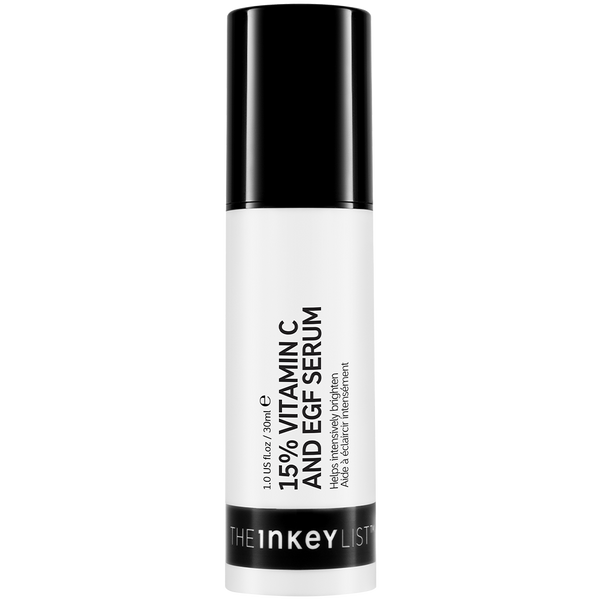
This guide is built around our 15% Vitamin C + EGF Serum (£16) - the beginner-friendly option this guide is designed around - and is written specifically for those who are curious about vitamin C but haven’t yet built a reliable routine around it.
If you want to go deeper on the ingredient science itself, the What is Vitamin C? page covers that in full. This guide focuses on what to do, step by step, from day one.
What Vitamin C Actually Does for Your Skin - And Why Beginners Should Care
Before committing to any new ingredient, it helps to understand what it actually does. Not in a clinical, wall-of-text kind of way - but in a “does this address my skin concerns and is it worth my time?” kind of way. For vitamin C, the answer is almost universally yes. The science behind it is solid, the benefits are wide-ranging, and when used correctly, the results are visible. Let’s break it down plainly.
The Science, Simplified
Vitamin C - the umbrella term for ascorbic acid and its derivatives - is an antioxidant. That word gets thrown around a lot in skincare, but what it actually means is this: antioxidants intercept and neutralise free radicals before they can damage your skin cells. Free radicals are unstable molecules generated by UV exposure, air pollution, cigarette smoke, and other environmental stressors. Left unchecked, they accelerate the visible signs of ageing - dullness, fine lines, uneven tone - by breaking down collagen and triggering oxidative stress in the skin.
Using an antioxidant serum in the morning means you are actively shielding your skin from that daily environmental assault before it begins. That’s why vitamin C earns its place as a morning-routine staple. According to Healthline’s overview of vitamin C serum benefits, vitamin C is one of the best-studied ingredients in skincare, with well-documented effects on skin brightness, tone, and collagen production.
The Benefits Beginners Notice Most
There are four core benefits of vitamin C that matter most to beginners - and they compound over time with consistent use:
- Brighter, more radiant skin. Vitamin C inhibits melanin production, which means it gradually reduces the appearance of dullness and gives skin a more luminous, healthy-looking glow.
- Fading of dark spots and hyperpigmentation. By interrupting the skin’s melanin synthesis process, vitamin C visibly reduces the appearance of post-blemish marks, sun spots, and uneven patches of pigmentation. For a deeper look at this benefit, our hyperpigmentation guide is worth reading alongside this one.
- Support for collagen synthesis. Vitamin C plays a direct role in the body’s production of collagen - the structural protein responsible for skin’s firmness and elasticity. With age, collagen production slows. Topical vitamin C helps support that process and contributes to a plumper, more resilient skin barrier over time.
- Improved overall skin health. Beyond the cosmetic benefits, an antioxidant-rich routine supports skin’s natural defence mechanisms against daily damage.
Why the Form of Vitamin C Matters
Not all vitamin C is the same - and for beginners, this is one of the most important things to understand. The two most relevant forms are:
L-Ascorbic Acid - the purest, most potent form of vitamin C. Highly effective, but unstable. It oxidises quickly when exposed to air and light (that’s what causes a serum to turn brown), and at higher concentrations, it carries a meaningful risk of stinging, redness, and sensitivity - especially for beginners or those with reactive skin.
Ascorbyl Glucoside - a stable derivative of vitamin C that converts to active ascorbic acid directly on the skin. It does not oxidise, it does not degrade quickly, and it is significantly gentler. For beginners, this form represents the most sensible and reliable starting point.
The stability question is not just about shelf life - it’s about consistency of results. A formula that oxidises halfway through the bottle delivers diminishing returns. A stable formula delivers the same level of efficacy from the first use to the last.
Clinical data from our 15% Vitamin C + EGF Serum - which uses Ascorbyl Glucoside - supports this: in a 4-week independent consumer trial with 64 participants, 87% agreed their skin looked brighter and 84% agreed skin looked healthier and less dull.
Understanding the ingredient is step one. The next question every beginner faces is: which product do I actually buy?
How to Choose the Right Vitamin C Serum as a Beginner
The vitamin C serum market is enormous - and navigating it without guidance is genuinely confusing. Concentrations range from 5% to 30%. The forms of vitamin C vary wildly. Formulas differ in texture, pH, and compatibility with other skincare. For a beginner, the sheer volume of options can make the whole thing feel more trouble than it’s worth.
It doesn’t have to be. When you strip it back to the two criteria that actually matter for beginners - form and concentration - the decision becomes straightforward.
Form First: Why Stability Beats Potency for Beginners
The appeal of L-Ascorbic Acid is its potency. At the right concentration and pH, it is highly effective. But for someone new to vitamin C, it introduces two practical problems: instability (the product may degrade before you finish it) and a higher risk of irritation. Beginners who experience redness, stinging, or sensitivity on their first introduction to vitamin C often attribute it to the ingredient itself - when in fact the issue is the form of the ingredient at too high a concentration.
Ascorbyl Glucoside removes that risk. It is inherently stable, meaning it will not oxidise or turn brown in the bottle under normal storage conditions. It converts to active vitamin C on the skin, delivering the brightening and antioxidant benefits without the volatility. The American Academy of Dermatology recognises the importance of selecting well-formulated antioxidant products that remain stable throughout their use - and that’s exactly what this form offers.
For beginners, gentleness and reliability are more important than maximum potency. You need to be able to trust what you’re using and build a consistent habit around it. Stability enables consistency. Consistency delivers results.
Concentration: Why 15% Is the Right Starting Point
15% Ascorbyl Glucoside sits in a considered middle ground. It is high enough to deliver visible, meaningful results - brightening, antioxidant defence, support for skin renewal - without being so aggressive that skin needs significant time to adjust. For reference, pure L-Ascorbic Acid formulas at 20% or above are often recommended only for experienced users with a tolerance already built up. Starting at 15% Ascorbyl Glucoside gives you results without the risk.
The Beginner’s Hero Product: 15% Vitamin C + EGF Serum
Our 15% Vitamin C + EGF Serum at £16 is designed precisely for where beginners need to start. Lightweight, fast-absorbing, with zero stickiness - it sits effortlessly under moisturiser and SPF without heaviness or residue. It works for all skin types, including sensitive skin.
What makes it distinctive is its dual-action formula. The 15% Ascorbyl Glucoside delivers brightening and antioxidant protection. The 1% Epitensive EGF - a plant-derived peptide - works alongside it to support skin renewal and improve elasticity. Two targeted functions in one beginner-friendly step. No complexity, no confusion.
The clinical results speak clearly: 87% of participants agreed skin looked brighter. 88% saw visible improvement in tone and texture. 84% agreed skin looked healthier and less dull. These figures come from a 4-week independent consumer trial with 64 participants - not a marketing claim, but real-world evidence.
There’s also a complementary option worth knowing about from the start: our Vitamin B, C & E Moisturiser at £12. This triple-vitamin formula contains Niacinamide and Sodium Ascorbyl Phosphate - a form of vitamin C - in a lightweight daily moisturiser. It’s an accessible way to layer vitamin C benefits without adding complexity to the routine. Pair it with the serum and you have a full beginner vitamin C routine at £28 combined.
If you want to explore the broader range, all our Vitamin C products are available in one place.
With the right products selected, the next step is building the actual routine - morning and evening - in the right order, with the right timing.
Your Complete Vitamin C Skincare Routine - Step by Step
This is the practical centrepiece of the guide. If you want to know exactly how to use vitamin C serum - what goes before it, what goes after, and when to use it - this section answers all of that directly. The routine is split into AM (morning) and PM (evening), because what your skin needs from each differs in important ways.
For a broader overview of routine building, How to Build Your Skincare Routine and The Complete Skincare Routine Guide are helpful supplementary reads.
Morning Routine (AM) - The Vitamin C Routine
Morning is when vitamin C earns its biggest return. Applied before daily environmental exposure, it acts as a shield - neutralising free radicals from UV and pollution before they cause cumulative damage. This is the routine to build and protect from.
Step 1 - Cleanse
Start every morning with a gentle cleanse to remove anything that has accumulated on skin overnight - remnants of evening skincare, sweat, or environmental residue from open windows. The Oat Cleansing Balm (£15) is the recommended starting point for beginners. It removes everything - including SPF from the night before if worn - without stripping the skin’s natural moisture barrier. Non-foaming, non-drying, and suitable for all skin types including sensitive. Massage in gently, then rinse with lukewarm water.
Step 2 - Vitamin C Serum
With skin cleansed and still slightly damp - not dripping, but not fully dry - apply our 15% Vitamin C + EGF Serum. Use a pea-sized amount. That is genuinely enough. Pat gently across the face and neck using fingertips - do not rub or drag. Patting, rather than rubbing, ensures even distribution and minimises friction on freshly cleansed skin.
The reason for applying to damp skin is practical: slightly damp skin is more permeable, meaning active ingredients are absorbed more effectively. It also reduces the chance of the serum sitting on the surface and causing dryness.
Wait approximately 60 seconds before moving to the next step. This brief pause allows the serum to absorb before the next layer is applied, preventing pilling and ensuring each product performs as intended.
Step 3 - Moisturise
Seal in the serum with our Vitamin B, C & E Moisturiser (£12). This is not just any moisturiser - its formula includes Niacinamide and Sodium Ascorbyl Phosphate, which complement the serum’s brightening work while providing a lightweight, non-greasy seal. It sits comfortably on the skin without heaviness, making it suitable for all skin types including oily and combination. Apply to the face and neck using upward strokes.
Step 4 - SPF
This step is non-negotiable. Vitamin C is an antioxidant - it is not a sunscreen. Without SPF, the brightening work you are doing with vitamin C is partially undermined by continued UV exposure. Sunscreen is what locks in and protects progress. The Dewy Sunscreen SPF 30 (£15) is a reliable, lightweight choice, or browse the full SPF collection to find the right texture and finish for your preference.
Apply SPF as the final step, over moisturiser, and reapply throughout the day if you are spending significant time outdoors.
Layering tip: apply serums from thinnest to thickest consistency. Wait approximately 60 seconds between layers to allow absorption and prevent pilling.
Evening Routine (PM) - Supporting the Results
The evening routine has a different purpose: recovery, repair, and preparation for tomorrow’s skin. Vitamin C is not essential in the PM - but it can be used, with one important caveat.
Step 1 - Cleanse
The PM cleanse is the most important cleanse of the day. Use the Oat Cleansing Balm to dissolve and remove SPF, makeup, and daily environmental buildup. If you’ve worn heavy makeup or SPF, follow with a second water-based cleanse to ensure the skin is fully clear before applying any actives.
Step 2 - Vitamin C Serum (Optional)
Our 15% Vitamin C + EGF Serum can be used morning and evening if you choose - the formula is gentle enough for twice-daily use. However, morning application is recommended for maximum antioxidant benefit, since that’s when environmental exposure occurs. If you do use it in the PM, do not apply it on nights when you are using exfoliating acids (AHAs, BHAs, or PHAs) or retinol. These combinations can cause irritation and undermine both ingredients’ efficacy. The rule is simple: vitamin C in the AM, actives like retinol and acids in the PM - never both in the same routine.
For a thorough breakdown of this, Can You Use Vitamin C and Retinol Together? and When to Use Vitamin C are both worth reading.
Step 3 - Moisturise
Apply the Vitamin B, C & E Moisturiser or your chosen moisturiser to seal in hydration overnight. If skin feels particularly dry, this is the step where a heavier cream or a few drops of a facial oil can be added on top.
With the full routine mapped out, the next question every beginner rightly asks is: how fast should I introduce this to my skin?
Week-by-Week: How to Introduce Vitamin C Without Overwhelming Your Skin
One of the most common reasons people give up on vitamin C - or write it off as “not for my skin type” - is that they introduced it too quickly. The skin, like most things, responds better to gradual change than sudden shifts. Even a gentle form of vitamin C like Ascorbyl Glucoside benefits from a considered introduction period, particularly for those with sensitive or reactive skin.
The good news: it doesn’t take long. Most people build up to full daily use within five weeks.
Why a Gradual Introduction Matters
When you introduce any new active ingredient, your skin needs time to acclimatise. Transient dryness, minor tightness, or slight sensitivity in the first week is normal and doesn’t mean the product is wrong for you - it means your skin is adjusting. By starting slowly, you allow that adjustment to happen without stress, and you give yourself the ability to monitor how your skin responds at each stage.
Patch testing before your very first full-face application is always the right move: apply a small amount of the serum to a discreet area (inner wrist or behind the ear) and wait 24 hours before applying to the face.
The Introduction Schedule
Weeks 1-2: Start with 2-3 times per week
In your morning routine only, apply our 15% Vitamin C + EGF Serum on alternating days - for example, Monday, Wednesday, and Friday. On the days you don’t use it, simply follow your normal cleanser, moisturiser, and SPF routine. Observe how your skin feels and looks in the 24 hours after each application. Is there any redness? Dryness? Tightness? If not - and for most people, there won’t be - you’re good to progress.
Weeks 3-4: Increase to every other day (4-5 times per week)
If skin has tolerated the initial introduction well, step up the frequency. Apply the serum every other day - Monday, Wednesday, Friday, Sunday, and so on. Continue observing. This is the point where most skin types will have fully adjusted and where you’ll start to see the first signs of the brightening effect beginning.
Week 5 and beyond: Daily morning use
This is the target routine - daily application in the morning as the consistent foundation of your skincare practice. At this point, vitamin C is working cumulatively and consistently, which is exactly when its benefits compound most meaningfully.
A note for those with normal or combination skin: many beginners with non-sensitive skin will find they can use this serum daily from week one with no issue whatsoever. This schedule is a precautionary framework, not a mandatory path. Listen to your skin.
What to Realistically Expect - and When
Consistency beats frequency every time with vitamin C. Sporadic use - applying it enthusiastically for a week, then forgetting it for two - yields limited, inconsistent results. A routine used three times a week for eight weeks will outperform a daily routine abandoned after ten days.
Here’s an honest timeline:
- 2-4 weeks: Initial brightening and a visible improvement in radiance. Skin looks fresher and more even.
- 6-12 weeks: Meaningful reduction in the appearance of dark spots, post-blemish marks, and uneven tone. This is the longer game - and it’s worth playing.
If at any point you experience irritation, reduce the frequency back to 2-3 times per week, check that you are not layering with conflicting actives, and ensure SPF is being applied consistently each morning. For those with sensitive skin, the dedicated guide Can You Use Vitamin C on Sensitive Skin? addresses this in much greater detail.
Skin type plays a big role in how the routine is experienced day to day - which is exactly what the next section addresses.
How to Adapt Your Vitamin C Routine for Your Skin Type
A single routine doesn’t work identically for everyone. The steps are the same, but the nuances - how the serum feels, what to layer with it, how often to start - shift depending on your skin type. Here’s how to make the vitamin C routine work specifically for yours.
Oily and Combination Skin
If your skin leans oily or combination, our 15% Vitamin C + EGF Serum is particularly well-suited to you. Its texture is lightweight and fast-absorbing, with zero stickiness - which means it won’t add any heaviness or contribute to that midday shine. Apply the serum thinly. A pea-sized amount is all that’s needed, and using more doesn’t increase efficacy.
Pair the serum with our Vitamin B, C & E Moisturiser for a light, non-greasy finish that seals without blocking pores. The Niacinamide in this formula is an added bonus - it helps control oil production and minimise the appearance of pores while the vitamin C works on brightness. These two ingredients work harmoniously together. For more on layering options, Can You Use Hyaluronic Acid with Vitamin C? offers useful context on ingredient compatibility.
Dry and Dehydrated Skin
For dry or dehydrated skin, a small adjustment to the application method makes a meaningful difference. Rather than waiting for skin to fully dry after cleansing, apply the serum while skin is still noticeably damp. This takes advantage of the skin’s increased permeability post-cleanse, helping the active ingredients absorb more efficiently and carrying some of that surface moisture into the skin barrier.
Follow immediately with our Vitamin B, C & E Moisturiser to lock everything in. The Sodium Ascorbyl Phosphate in the moisturiser complements the serum’s brightening effect while providing an additional layer of hydration. In winter or particularly dry conditions, consider adding a Hyaluronic Acid serum between the vitamin C step and your moisturiser - layering a dedicated hydrator in the middle supports the skin barrier without disrupting the routine. The Can You Use Hyaluronic Acid with Vitamin C? guide covers this pairing in detail.
Sensitive Skin
Ascorbyl Glucoside is already the gentler form of vitamin C - which is precisely why it is the form used in this formula and why this serum suits sensitive skin specifically. That said, sensitive skin benefits most from an extended introduction period. Follow the introduction schedule above, but add an extra week to each phase: start at 2 times per week for two full weeks before moving up.
Always patch test before the first full-face application. And if you do notice any sensitivity, stepping back the frequency is the right move - not stopping altogether. The Can You Use Vitamin C on Sensitive Skin? guide is the dedicated resource for this skin type and goes into far greater depth than is covered here.
Skin Prone to Blemishes
Vitamin C is not a blemish-specific treatment. It won’t replace a salicylic acid serum or a targeted spot treatment. But as an antioxidant, it contributes meaningfully to overall skin health and helps create a more even, clearer-looking complexion over time. The gentle formula will not exacerbate breakouts - the concern that vitamin C causes spots is a common misconception. The Can Vitamin C Cause Breakouts? article addresses this head-on with clarity.
For a broader approach to achieving a healthy glow across all skin types, How to Get Glowing Skin: The Complete INKEY Guide is a natural next read.
Even with the right product and the right routine, a handful of avoidable mistakes trip up almost every vitamin C beginner. The next section covers them directly.
Common Vitamin C Routine Mistakes Beginners Make - and How to Avoid Them
These mistakes are not signs of ignorance - they’re the natural result of navigating a confusing category without a clear guide. Most people make at least one of them. Here’s how to sidestep every single one.
Mistake 1: Skipping SPF in the Morning Routine
This is the most consequential mistake on the list. Vitamin C provides antioxidant protection against environmental damage - but it is not a sunscreen, and it cannot replace one. Without SPF, continued UV exposure actively undermines the brightening work vitamin C is doing. You are essentially taking two steps forward and one step back. Every morning routine that includes vitamin C must end with SPF. Always. The Dewy Sunscreen SPF 30 is a reliable, lightweight choice, or explore the full SPF collection for the format that suits you best.
Mistake 2: Mixing Vitamin C with Retinol or Acids in the Same Routine
Layering vitamin C with retinol, AHAs, BHAs, or PHAs in a single routine is one of the most common beginner errors - and it can cause real irritation. These ingredient combinations don’t necessarily cancel each other out, but the cumulative load of multiple actives at once is often more than skin needs and can compromise the skin barrier. The practical rule is simple: vitamin C in the morning routine, retinol or exfoliating acids in the evening. Keep them separated by time of day, not just by product. Can You Use Vitamin C and Retinol Together? and Can You Use Salicylic Acid with Vitamin C? are both worth reading if you already use either of these actives.
Mistake 3: Starting with Daily Use Immediately
Enthusiasm is understandable - but jumping straight to daily vitamin C use, especially for reactive or sensitive skin, risks triggering transient dryness or sensitivity that can put you off the ingredient entirely. Follow the week-by-week introduction schedule in this guide. A few weeks of patience leads to years of confident daily use.
Mistake 4: Applying Vitamin C to Dry Skin
After cleansing, many people wait until skin is completely dry before applying their first serum. With vitamin C, slightly damp skin is the better approach. Application to damp (not dripping wet) cleansed skin improves absorption and reduces the risk of the serum sitting on the surface and drawing moisture away from the skin. Pat the serum in - never rub.
Mistake 5: Expecting Results in a Week
Vitamin C works cumulatively. One week of use tells you very little about what the ingredient can do. Two to four weeks is when the first visible brightening typically appears. Six to twelve weeks is where the meaningful improvement in dark spots and uneven tone becomes clear. The metric for success with vitamin C is not the first week - it’s the eighth. Stick with it.
Mistake 6: Using an Oxidised Serum
A vitamin C serum that has turned dark brown or smells unusual has oxidised and is no longer delivering full efficacy. This is primarily a risk with L-Ascorbic Acid formulas - which is one of several reasons Ascorbyl Glucoside is the better beginner choice. Our 15% Vitamin C + EGF Serum uses Ascorbyl Glucoside precisely because it does not oxidise under normal conditions. That said, all skincare should be stored away from direct sunlight and excessive heat - a bathroom cabinet or drawer is ideal.
Mistake 7: Introducing Multiple New Actives at Once
When multiple new ingredients are introduced simultaneously, it becomes impossible to identify which one is responsible for any reaction - positive or negative. Introduce one new active at a time. Start with vitamin C. Add anything else only once vitamin C is firmly established in your routine and skin is responding well.
With a clear picture of what to avoid, the final section answers the questions that beginners most frequently search for - directly and concisely.
For anyone who wants to go deeper on the ingredient science behind all of this, the What is Vitamin C? Complete Guideis the definitive resource. And if you’d prefer a personalised recommendation based on your specific skin concerns, the Skincare Quiz will build a custom routine for you in under two minutes.
Building Your Vitamin C Routine: The Clear Path Forward
Building a vitamin C skincare routine as a beginner does not need to be complicated. The ingredient itself is well-understood and well-studied. The products to build around are straightforward. The steps are logical. What makes the difference is choosing the right form of vitamin C, introducing it gradually, following the routine consistently, and giving it the time it needs to show results.
Start with the right foundation: our 15% Vitamin C + EGF Serum at £16 - stable Ascorbyl Glucoside at an effective concentration, backed by clinical data showing 87% of users agreed their skin looked brighter in just four weeks. Pair it with our Vitamin B, C & E Moisturiser at £12 for a complete beginner routine that layers vitamin C benefits across two steps, at a combined price of £28. Add a gentle cleanser and daily SPF, and the full routine is built.
That’s it. No complexity. No guesswork. No premium price tag required.
The INKEY List’s purpose is to cut through the noise of the skincare industry and give people clear information, proven ingredients, and the confidence to make good choices for their own skin. This guide is that in practice. You now know what vitamin C does, why the form matters, exactly how to use it, and what to realistically expect. The rest is just showing up consistently each morning.
Clear guidance. Proven ingredients. Real results.
Ready to Start?
Shop our 15% Vitamin C + EGF Serum - £16
Or explore more ways to build your routine:
- Shop all Vitamin C products to see the full range
- Take the Skincare Quiz for a personalised routine built around your skin’s needs
- Build Your Own Bundle and save up to 20% - pair your favourites and make the routine your own
- Read: What is Vitamin C? - The Complete Guide if you want to go deeper on the ingredient science
Frequently Asked Questions
Got a question?
Our askINKEY team are a friendly bunch of skincare experts with deep product knowledge and zero judgement. Whether you're an ingredient obsessive or just starting out, we'll make it make sense. No question too big. No question too small. We Give A Care, Every Day.


