



Vitamin C and Tranexamic Acid for Dark Spots: The Complete Guide to Using This Power Duo
Target dark spots from every angle with Vitamin C and Tranexamic Acid—discover how this clinically backed pairing brightens existing pigmentation, helps prevent new discoloration and delivers a more even-looking complexion over time.
Author
askINKEY skincare advisor
Published
07 July, 2026
Time to read
15 minutes
Dark spots and uneven skin tone are among the most common skin concerns - and amongst the most frustrating to treat. The ingredient landscape can feel overwhelming: brightening serums, exfoliating acids, vitamin derivatives, and a flood of conflicting advice about what to layer, what to avoid, and what actually works. This guide cuts through the noise.
Two ingredients stand out in the clinical evidence for hyperpigmentation treatment: Tranexamic Acid and Vitamin C. This blog covers exactly how each one works, why they complement rather than compete with each other, how to use them together correctly, and what results you can realistically expect over time.
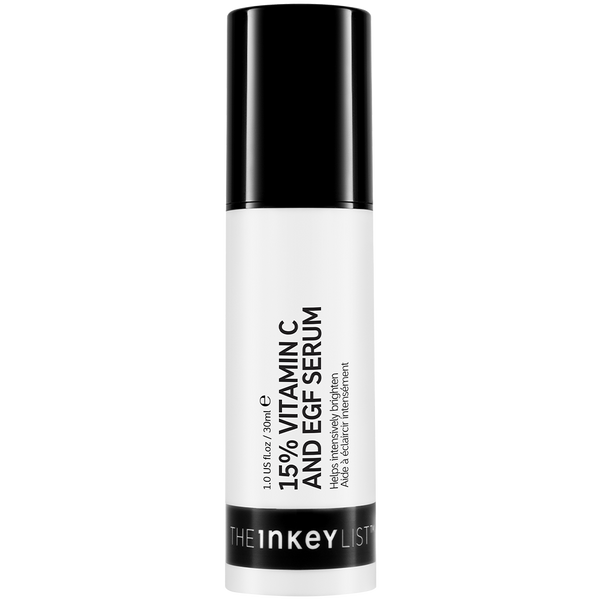
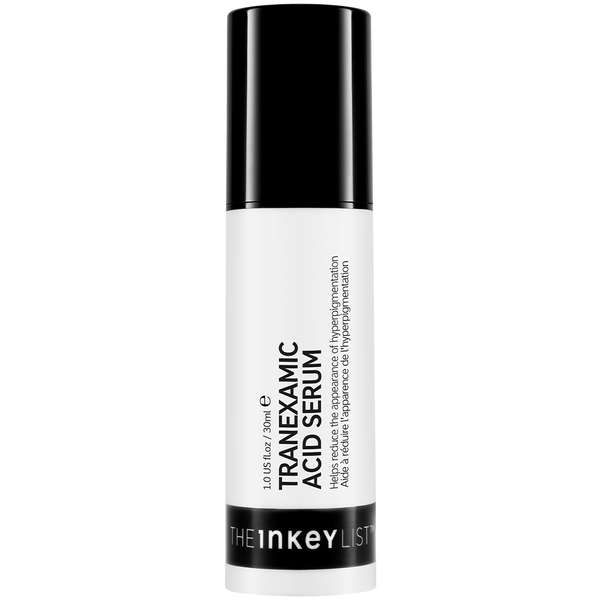
The two products this guide is built around are our Tranexamic Acid Serum (£17.00) and our 15% Vitamin C + EGF Serum (£16.00). Both are formulated for all skin types, including sensitive skin, and both are confirmed safe during pregnancy and breastfeeding. These are not competing products. They work at different stages of the same pigmentation process - which is precisely why they work better when used together.
Here is what this guide covers, in order: the science of hyperpigmentation, how Tranexamic Acid works, how Vitamin C works, why the combination is effective, how to layer them step by step, who this routine is for, and what timeline of results to expect.
What Is Hyperpigmentation and Why Is It So Persistent?
Hyperpigmentation is one of those terms that sounds more complex than it is. At its core, it refers to areas of skin that appear darker than the surrounding skin - patches, spots, or uneven tone caused by an excess of melanin, the pigment that gives skin its colour. It is extraordinarily common, affects every skin tone, and - as anyone who has dealt with it knows - can be stubbornly resistant to treatment.
Understanding why it persists starts with understanding how it forms. Melanin is produced by specialist cells in the skin called melanocytes. Under normal conditions, melanin production is a controlled process that gives skin its natural colour and offers some protection against UV radiation. The problem arises when this process is disrupted or overstimulated. When the skin receives a signal that something is wrong - whether from UV exposure, inflammation, hormonal shifts, or physical trauma - the melanocytes can go into overdrive, producing far more melanin than the skin needs. That excess melanin gets deposited in the upper layers of skin, where it shows up as dark spots, patches, or generalised uneven tone.
There are three main types of hyperpigmentation, and each has a slightly different origin:
Sun damage and solar lentigines are caused by cumulative UV exposure over time. UV radiation stimulates melanocytes directly, which is why dark spots tend to appear in areas of regular sun exposure - the face, chest, hands, and shoulders. These spots can take years to form and years to fade without targeted treatment.
Post-blemish marks - also known as post-inflammatory hyperpigmentation (PIH) - develop after the skin has experienced inflammation. When the skin heals from a blemish, wound, or irritation, it can leave behind a flat, darkened mark even after the original concern has resolved. This is particularly common in medium to deep skin tones, where melanocytes are more reactive to inflammatory signals. These marks are not scarring - they are a pigmentation response - but they can linger for months without the right ingredients to address them.
Melasma is driven by hormonal shifts and is more common in women, particularly during pregnancy or when using hormonal contraception. It typically appears as symmetrical patches on the cheeks, upper lip, and forehead, and tends to be more diffuse and harder to treat than isolated dark spots. Melasma is also notoriously susceptible to UV exposure, which can deepen and re-trigger it even when it appears to be improving. For more detail on the different types, the guide on what type of skin hyperpigmentation you have is a useful starting point.
The reason hyperpigmentation is so persistent comes down to a combination of biology and behaviour. Melanin, once deposited in the upper layers of the skin, breaks down slowly. The natural skin cell turnover cycle - which refreshes the surface layers every 28 to 40 days, slowing further with age - means that even when melanin overproduction has stopped, the discolouration lingers until those cells shed. More significantly, the triggers rarely disappear. Daily UV exposure continues to stimulate melanin. Hormonal fluctuations continue for months or years. And the inflammatory process that causes post-blemish marks can repeat with each new blemish. Treating hyperpigmentation without addressing the underlying triggers is like mopping the floor without fixing the leak.
This is exactly where a targeted, dual-ingredient approach becomes valuable. To understand how to get rid of dark spots effectively, you need ingredients that address both the trigger and the overproduction itself - which is what this combination does.
Understanding how and why hyperpigmentation forms makes it easier to understand exactly how Tranexamic Acid and Vitamin C target it - and why each works differently.
How Tranexamic Acid Targets Dark Spots at the Source
Tranexamic Acid is not a name that immediately evokes skincare. Originally used in medicine as a haemostatic agent - a compound that reduces bleeding by stabilising blood clots - its applications in topical skincare emerged from observations that patients using it systemically were experiencing reductions in hyperpigmentation. Researchers began investigating its mechanism in the skin, and what they found has made it one of the most clinically supported brightening ingredients available today.
It is important to clarify what Tranexamic Acid is not. It is not an exfoliating acid like glycolic or lactic acid. It does not resurface the skin or accelerate cell turnover. It is not a retinol. It belongs to an entirely separate category of brightening ingredient - one that works by interrupting the internal signalling process that triggers excess melanin production in the first place.
To understand the mechanism, it helps to know what normally happens when the skin is stressed by UV radiation or inflammation. The skin releases compounds - particularly plasmin and prostaglandins - that act as chemical messengers, signalling to the melanocytes that they need to produce more pigment. Tranexamic Acid works by inhibiting plasminogen activator, which is part of this signalling chain. By blocking this signal before it reaches the melanocytes, Tranexamic Acid interrupts the overproduction process at source - rather than trying to correct it after the fact. For a deeper look at the ingredient, visit the Tranexamic Acid ingredient page.
Our Tranexamic Acid Serum (£17.00) contains 2% Tranexamic Acid - a clinically relevant concentration - alongside 2% Acai Berry Extract and, significantly, 2% Magnesium Ascorbyl Phosphate, which is a stable Vitamin C derivative. The inclusion of a Vitamin C derivative in the Tranexamic Acid Serum is not accidental. It signals that these two brightening mechanisms are designed to work in tandem, and that the combination has been a deliberate formulation choice from the outset.
The clinical evidence supporting this pairing is compelling. A 2023 pilot study by Kaikati et al., published on PubMed, investigated the efficacy of a topical combination of 2% Tranexamic Acid and 2% Vitamin C applied nightly for eight weeks in patients with refractory melasma - that is, melasma that had not responded to previous treatments. The Melasma Area and Severity Index (MASI) score dropped from a mean of 12.76 at baseline to 3.39 at week eight. No major side effects were reported. The authors concluded that the combination represents a useful and safer alternative for managing resistant hyperpigmentation, particularly in environments with high UV exposure.
“The MASI score dropped from 12.76 at baseline to 3.39 at week eight - a clinically significant reduction achieved with a topical combination of Tranexamic Acid and Vitamin C, with no major side effects reported.” Kaikati et al., 2023 (PubMed)
In practical terms, what does this mean for the skin? Most users notice a subtle brightening of overall radiance within the first two to four weeks of consistent use. The more visible fading of individual dark spots and post-blemish marks typically becomes apparent between six and eight weeks - which aligns with the timeline of the Kaikati study and with the natural skin cell turnover cycle. For more detail on what to expect week by week, the guide on how long Tranexamic Acid takes to work covers this in full.
The Tranexamic Acid Serum is suitable for all skin types, including sensitive skin. It is lightweight, non-comedogenic, and appropriate for all skin tones. It is one of the few brightening ingredients that is confirmed safe during pregnancy and breastfeeding - a meaningful distinction in a category where many actives carry restrictions. Whether the concern is sun damage, post-blemish marks, or the diffuse uneven tone associated with melasma, TXA addresses the underlying production mechanism that causes all three. For more on treating melasma specifically, see what is melasma and how to treat it.
Tranexamic Acid works by blocking the process that creates pigmentation. Vitamin C works differently - protecting against the triggers that cause it, and brightening the skin at the surface level. Together, they cover both sides of the same problem.
How Vitamin C Brightens Skin and Defends Against Dark Spots
Vitamin C has one of the longest track records of any ingredient in skincare. Its role in skin health spans multiple mechanisms - antioxidant protection, collagen synthesis support, and, critically for hyperpigmentation, the inhibition of tyrosinase, the enzyme that catalyses the conversion of the amino acid tyrosine into melanin. It works at a different point in the pigmentation chain to Tranexamic Acid, which is what makes the combination so effective.
The antioxidant function of Vitamin C is central to its role in dark spot prevention. When UV radiation and environmental pollutants - traffic fumes, cigarette smoke, airborne particulates - hit the skin, they generate free radicals: unstable molecules that damage skin cells and trigger an inflammatory response. That inflammatory response, as covered in the previous section, is one of the primary signals that tells melanocytes to produce more pigment. Vitamin C neutralises free radicals before they can cause that damage, interrupting the chain of events that leads to hyperpigmentation in the first place. This is why Vitamin C is particularly valuable in the morning routine, when the skin is about to face a full day of UV and environmental exposure.
Beyond its protective role, Vitamin C also works on existing hyperpigmentation by inhibiting tyrosinase activity. By reducing the activity of this enzyme, it slows the rate at which new melanin is produced and contributes to a gradual brightening of the skin’s overall tone. The result is not just the fading of existing dark spots but a more luminous, even complexion over time.
The main challenge with Vitamin C in skincare has historically been stability. Ascorbic acid - the purest form of Vitamin C - is notoriously prone to oxidising when exposed to air, light, and heat, which causes it to lose efficacy and, in some formulations, can cause yellowing or irritation. Our 15% Vitamin C + EGF Serum (£16.00) addresses this by using Ascorbyl Glucoside, a stable, water-soluble form of Vitamin C that converts to active ascorbic acid once absorbed into the skin. This means the serum retains its potency throughout use - including towards the end of the bottle - without the irritation risk associated with high concentrations of pure ascorbic acid. For guidance on when to use a Vitamin C serum in your routine, that linked guide covers timing and layering in detail.
The serum also contains 1% Epitensive, a plant-derived Epidermal Growth Factor (EGF) that supports the skin’s natural renewal process and contributes to improved texture and resilience. This is a meaningful addition: whilst Vitamin C targets pigmentation and protects against environmental damage, the EGF component works to improve the overall quality and smoothness of the skin surface.
The efficacy data from an independent four-week consumer trial of 64 participants is striking: 87% agreed their skin looks brighter, 88% saw a visible improvement in skin tone and texture, and 84% agreed their skin looks healthier and less dull. These are not marginal improvements - they reflect a consistent and significant response across a broad range of users.
Vitamin C is confirmed safe during pregnancy and breastfeeding, and our 15% Vitamin C + EGF Serum is suitable for all skin types, including sensitive skin. For those who have historically found Vitamin C products irritating, the stabilised form used here is considerably gentler than high-concentration ascorbic acid formulations. There is further reassurance in the published research: a 2021 PubMed study on Tranexamic Acid for hyperpigmentation disorderssupports the broader clinical picture of stable Vitamin C derivatives working effectively alongside other brightening actives. For guidance specific to reactive complexions, can you use Vitamin C on sensitive skin addresses this directly.
Both ingredients target hyperpigmentation - but via different mechanisms and at different stages of the pigmentation process. That is precisely why they work better together.
Why Vitamin C and Tranexamic Acid Work Better Together
One of the most common questions around these two ingredients is whether using both simultaneously is necessary, or even advisable. The concern is understandable - in some skincare combinations, layering two actives targeting the same concern can cause irritation, pH conflicts, or simple redundancy. With Vitamin C and Tranexamic Acid, none of these concerns apply. The science is straightforward, and the combination is not only safe but genuinely more effective than either ingredient used alone.
The reason comes down to what might be described as a two-stage approach to hyperpigmentation. Each ingredient intervenes at a different point in the pigmentation pathway:
Stage 1 - Prevention (Vitamin C): Free radicals generated by UV radiation and pollution trigger inflammatory signalling in the skin. Vitamin C neutralises those free radicals before they can activate the cascade that leads to melanin overproduction. In this sense, Vitamin C acts upstream - reducing the signals before they are sent.
Stage 2 - Treatment (Tranexamic Acid): Even when environmental triggers do fire - as they inevitably will, given daily UV exposure - Tranexamic Acid blocks the downstream signalling that tells melanocytes to overproduce pigment. It interrupts the process even after the trigger has occurred.
Using both ingredients together means the skin is protected at the point of trigger and treated at the point of production. This dual-pathway approach explains why the clinical data on combination therapy is so markedly better than that of single-ingredient treatments. The Kaikati et al., 2023 study demonstrated the power of this pairing directly - a MASI score reduction from 12.76 to 3.39 over eight weeks in cases of refractory melasma that had previously resisted other treatments.
A further study published on PubMed comparing the efficacy of Tranexamic Acid versus Vitamin C following microneedling found that both ingredients were independently effective at reducing MASI scores and improving pigmented lesions under dermoscopic examination - but crucially, TXA also demonstrated additional benefits in addressing the vascular component of melasma. This is not a competition between two ingredients; it is evidence that each has distinct strengths, and that those strengths are complementary.
There are no pH conflicts between these two ingredients. There are no known interaction risks. And as noted in the formulation of our Tranexamic Acid Serum, the product already contains Magnesium Ascorbyl Phosphate - a Vitamin C derivative - within its formula. The combination was built into the product design itself.
For those looking to build an even more comprehensive routine for uneven skin tone, it is worth noting that our Niacinamide Serum (£12.00) can add a further layer of pigmentation control. Niacinamide works by inhibiting the transfer of melanin from melanocytes to the surrounding skin cells - another distinct mechanism that complements both TXA and Vitamin C without conflict. For a fuller comparison of brightening ingredients, Vitamin C vs Niacinamide vs Exosomes explores the differences in depth.
The short answer to “can I use Tranexamic Acid with Vitamin C?” is yes - and the evidence suggests you should. The question is not which one to choose, but how to incorporate both correctly into a daily routine.
Now that the science is clear, the practical question is: how do you actually use these two ingredients together in your daily routine?
How to Layer Vitamin C and Tranexamic Acid in Your Skincare Routine
Knowing that two ingredients are compatible is only half the equation. Using them correctly - in the right order, at the right time, with the right supporting products - is what translates the science into visible results. The layering approach for Vitamin C and Tranexamic Acid is straightforward, and once established, it becomes second nature.
The general principle for serum layering is to apply products from thinnest to thickest consistency, working from the most water-like textures up to richer formulations. Both serums are lightweight, which means they sit early in the routine and absorb readily without pilling or interfering with subsequent steps.
Morning Routine (AM)
The morning is the most important time for Vitamin C application, because this is when the skin is about to face UV and environmental exposure. TXA is equally effective morning or evening, making the AM routine the ideal moment to use both.
- Cleanse - Start with clean skin.
- Hyaluronic Acid Serum (£12.00) - Apply to damp skin immediately after cleansing. Hyaluronic acid draws moisture into the skin and works best when applied before other serums whilst the skin is still slightly damp.
- 15% Vitamin C + EGF Serum (£16.00) - Apply a pea-sized amount and press gently into the skin. Allow a moment to absorb.
- Tranexamic Acid Serum (£17.00) - Apply a pea-sized amount and press gently into the skin. After applying this step, wait 30 minutes before applying moisturiser. This allows the Tranexamic Acid to absorb fully and work effectively without being diluted.
- Eye treatment - Apply any eye cream or treatment if using.
- Vitamin B, C and E Moisturiser - Lock in hydration and support the skin barrier.
- Dewy Sunscreen SPF 30 - This step is non-negotiable. SPF is not optional when using brightening actives - it is essential. Without daily sun protection, UV exposure will continue to stimulate melanin production and actively counteract the brightening work of both serums. For a full explanation of why, the guide on SPF for hyperpigmentation is essential reading.
Evening Routine (PM)
In the evening, Vitamin C is less critical since there is no UV exposure to defend against. The focus shifts to Tranexamic Acid as the working active overnight.
- Cleanse - Double cleanse if you have been wearing SPF or makeup during the day.
- Hyaluronic Acid Serum (£12.00) - Apply to damp skin, as in the morning routine.
- Tranexamic Acid Serum (£17.00) - Apply a pea-sized amount and allow 30 minutes before applying moisturiser.
- Eye treatment - If using.
- Moisturiser - Seal in hydration overnight.
Key Application Tips
- Use gentle pressing and patting motions rather than rubbing when applying serums. This supports absorption without causing unnecessary friction on the skin.
- A pea-sized amount of each serum is sufficient for the full face. Using more does not accelerate results.
- Always patch test when introducing a new product to your routine. Apply a small amount to the inner arm or behind the ear for a few days before using on the face.
- Do not mix Vitamin C with Retinol or AHAs/BHAs in the same routine step. If you use any of these ingredients, keep them in a separate routine slot - typically the evening, with Vitamin C reserved for the morning.
- Consistency is the defining factor in results. Using these serums sporadically will significantly delay visible improvement.
For a broader understanding of how to incorporate multiple actives without conflict, the guide to using acids in your skincare routine provides useful context.
The layering approach is straightforward once you know the order. But this combination is not one-size-fits-all - knowing whether it is right for your specific skin concern makes all the difference.
Who Is This Combination Right For?
One of the most appealing aspects of the Vitamin C and Tranexamic Acid pairing is how broadly applicable it is. This is not a niche combination designed for one specific skin type or concern - it is genuinely suitable across a wide range of people and complexions.
Those with sun damage and solar lentigines are perhaps the most obvious candidate. Years of UV exposure accumulate on the skin as dark spots, particularly on the face, chest, and hands. Vitamin C addresses the ongoing UV-triggered oxidative stress that continues to feed these spots, whilst Tranexamic Acid interrupts the melanin signalling pathway that caused them. Used consistently with daily SPF, this combination provides both corrective and preventative action.
Those with post-blemish marks will find this routine particularly effective. Post-blemish marks - flat, darkened areas left after a blemish has healed - are the result of post-inflammatory hyperpigmentation rather than true scarring. Tranexamic Acid targets the signalling pathway that overproduces melanin in response to inflammation, whilst Vitamin C helps to brighten and even out the overall tone. For practical guidance on managing these marks specifically, how to get rid of post-acne dark marks covers this in detail.
Those with melasma or hormonally driven uneven skin tone will benefit from both the upstream and downstream protection this combination offers. Melasma is particularly challenging to treat because it is driven by internal hormonal signals rather than exclusively by external triggers - but both TXA and Vitamin C have demonstrated efficacy specifically in melasma studies, including the Kaikati et al. trial cited throughout this guide.
Sensitive skin types are well served here. Both serums are lightweight, non-comedogenic, and formulated to minimise the risk of irritation. The stabilised Ascorbyl Glucoside in the Vitamin C serum is considerably gentler than pure ascorbic acid, and Tranexamic Acid is broadly well tolerated even by reactive complexions. For reassurance specific to sensitive skin, can you use Vitamin C on sensitive skin is a helpful reference.
Medium to deep skin tones benefit particularly from this combination. Deeper skin tones have a higher density of active melanocytes and can be more reactive to inflammatory triggers, making post-blemish marks both more common and more pronounced. Tranexamic Acid’s mechanism - blocking the melanin signalling pathway before overproduction occurs - is especially relevant for these skin tones. Vitamin C’s antioxidant protection adds a further layer of defence against the triggers that compound the concern.
During pregnancy and breastfeeding, both the Tranexamic Acid Serum and the Vitamin C + EGF Serum are confirmed safe - a meaningful distinction, given that melasma and hormonal pigmentation are common during pregnancy and many commonly recommended brightening ingredients (including retinoids and some chemical exfoliants) carry restrictions during this period.
Pigmentation around the mouth - a specific and often stubborn concern - is also well addressed by this combination. The causes are varied (sun exposure, hormonal shifts, friction), but the mechanism of action is the same. For more guidance on this particular area, pigmentation around the mouth explores the concern in detail.
Now you know who this combination is for - and how to use it. The final piece of the puzzle is understanding what results to expect and when.
Results Timeline: What to Expect From the Vitamin C and Tranexamic Acid Combination
Skincare actives do not work overnight, and being honest about this is important. The skin’s biological processes operate on their own timeline - but when you understand what is happening at each stage, the process becomes easier to trust and to sustain.
Here is a realistic, evidence-informed guide to what you can expect week by week.
Weeks 1 to 2: The changes at this stage are subtle and largely internal. The Tranexamic Acid is beginning to interrupt the melanin signalling pathway, and the Vitamin C is actively neutralising free radicals and protecting the skin from environmental triggers. Visibly, you may notice a mild improvement in overall radiance - the skin looking a little more awake and even - but significant changes to dark spots are not yet expected. This is the foundation-laying phase, and consistency matters most here.
Weeks 2 to 4: The first visible improvements in overall skin tone typically emerge during this period. The brightening effect of Vitamin C becomes more apparent, and the skin’s texture may begin to feel smoother and more refined. The 87% who agreed their skin looked brighter and the 88% who saw visible improvement in tone and texture in the independent consumer trial were assessed at the four-week mark - this timeframe reflects the point at which most users begin to notice a meaningful change.
Weeks 4 to 6: Noticeable fading of individual dark spots and post-blemish marks becomes more apparent during this phase. The skin cell turnover cycle - which takes approximately 28 to 40 days - means that the upper layers of skin, where much of the melanin discolouration sits, are beginning to shed and renew. As fresh cells come to the surface, the visible effect of the TXA and Vitamin C’s work on the underlying pigmentation pathway becomes clearer.
Weeks 6 to 8: This is the clinically significant milestone. The Kaikati et al., 2023 study recorded its most significant results at week eight, with a MASI score reduction from 12.76 to 3.39 - a dramatic improvement even in patients with previously resistant hyperpigmentation. Most users will see clear, visible fading of dark spots and an improved overall evenness of skin tone by this point. Post-blemish marks are typically considerably lighter, and those with diffuse uneven tone will notice a more uniform complexion.
Weeks 8 to 12 and beyond: For those dealing with melasma or longer-established sun damage, continued improvement is expected in this phase. Melasma in particular responds over a longer timeline because its hormonal drivers are ongoing rather than resolved, and because deeper pigmentation takes longer to surface and shed. Maintaining the routine - including the daily SPF step - is essential to preventing re-triggering and compounding the results achieved so far.
Consistency is the single most important factor in brightening results. The ingredients work continuously, but only if you do.
The most important variable in any results timeline is daily SPF use. This cannot be overstated. UV exposure is the most significant trigger for melanin overproduction, and without daily protection, each day of sun exposure partially undoes the previous night’s work. The Dewy Sunscreen SPF 30 is the final step of every morning routine for good reason - it is not optional. For a detailed explanation of the relationship between sun protection and hyperpigmentation treatment, SPF for hyperpigmentation is essential reading.
Both the Tranexamic Acid Serum and the 15% Vitamin C + EGF Serum are suitable for continuous, long-term use. There is no need to cycle off either ingredient - in fact, consistent long-term use is what produces and maintains the best results.
The science is clear, the routine is simple, and the results are consistent with committed use.
The Bottom Line on Vitamin C and Tranexamic Acid for Dark Spots
Vitamin C and Tranexamic Acid are not competitors in the brightening space. They are partners - each addressing a different part of the same pigmentation problem in a way that makes the other more effective.
Vitamin C works upstream, neutralising the free radical damage and oxidative stress that triggers melanin overproduction in the first place. It also inhibits tyrosinase, contributing to a gradual brightening of existing discolouration and an overall improvement in skin tone. Tranexamic Acid works downstream, blocking the signalling pathway that instructs melanocytes to overproduce pigment - catching the process at the source even when triggers have already fired. Together, they create a two-stage defence: prevention followed by treatment.
Both products are accessible. The Tranexamic Acid Serum is £17.00. The 15% Vitamin C + EGF Serum is £16.00. Both are lightweight, non-comedogenic, and suitable for all skin types - including sensitive skin and all skin tones. Both are confirmed safe during pregnancy and breastfeeding. And both are designed for long-term, continuous use - not short-term fixes.
The results follow a predictable and clinically supported trajectory, from subtle radiance improvements in the first two weeks through to significant, visible dark spot fading at the six-to-eight-week mark - with continued improvement for those dealing with deeper or hormonally driven pigmentation.
The one step that amplifies every part of this routine is daily SPF. Without it, UV exposure continues to retrigger the melanin pathway that TXA and Vitamin C are working to quieten. Make the Dewy Sunscreen SPF 30 the final step of every morning routine - not an afterthought, but a non-negotiable part of any serious dark spot treatment plan.
Hyperpigmentation is persistent, but it is not immovable. With the right ingredients, applied consistently, the skin has everything it needs to even itself out. This combination gives it precisely that.
Start Building Your Dark Spot Routine
The duo:
Not sure where to start? Take our Skincare Quiz and we will build a routine around your specific skin concerns.
Learn more:
Frequently Asked Questions
Got a question?
Our askINKEY team are a friendly bunch of skincare experts with deep product knowledge and zero judgement. Whether you're an ingredient obsessive or just starting out, we'll make it make sense. No question too big. No question too small. We Give A Care, Every Day.


