



Vitamin C for Acne Scars: Does It Actually Work?
Discover how Vitamin C helps brighten post-acne marks, prevent new pigmentation and support a more even-looking complexion - plus how to use it for the best results
Author
askINKEY skincare advisor
Published
17 July, 2026
Time to read
8 minutes
Vitamin C is one of the most searched skincare ingredients when it comes to post-blemish marks - but the honest answer to whether it works is more nuanced than a simple yes or no. The effectiveness of vitamin C for acne scars depends entirely on what type of mark you are dealing with, how consistently you use it, and whether you are pairing it with the right supporting ingredients. This guide cuts through the noise and gives you the complete picture: the science, the realistic timelines, the correct application method, and the full routine.
In this blog, you will learn:
- The difference between PIE and PIH - and which one vitamin C actually targets
- The science behind how vitamin C works on dark post-blemish marks
- Realistic timelines for visible results
- How to use vitamin C correctly for best results
- How vitamin C compares to retinol, niacinamide, and tranexamic acid
- A complete AM and PM routine built around vitamin C
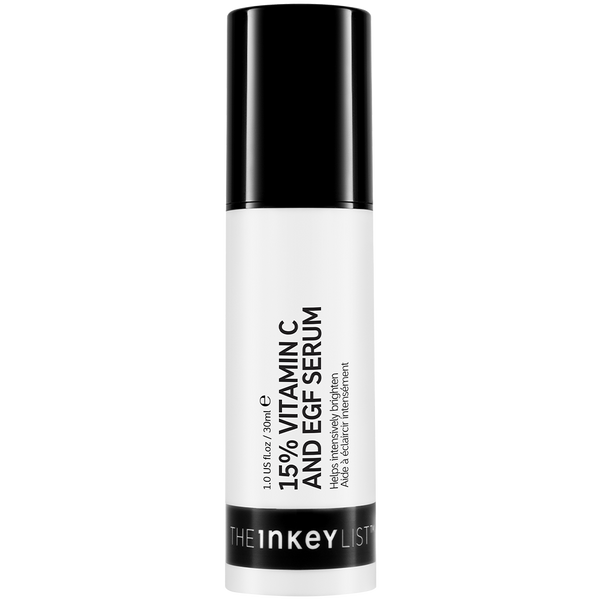
The serum at the centre of this guide is our 15% Vitamin C + EGF Serum (£16) - a stable, skin-brightening formula designed to deliver meaningful brightening action without irritation. For deeper background on the ingredient itself, see our guide to What is Vitamin C?. For a full overview of mark types, visit What are Acne Scars and Post-Blemish Marks?
PIE, PIH, and Structural Scars: What Vitamin C Can Actually Target
The most important thing to understand before using vitamin C for post-blemish marks is that the term “acne scar” is an umbrella that covers several very different skin concerns. Lumping them together is where most skincare confusion begins - because the treatment approach, and the likely effectiveness of vitamin C, varies significantly between each type.
Post-Inflammatory Hyperpigmentation (PIH) is the mark type that vitamin C is most directly suited to addressing. PIH presents as flat, dark marks - brown, dark brown, or occasionally grey-toned - that remain on the skin after a blemish has healed. These marks are not scars in the structural sense. They are the result of excess melanin production triggered by the skin’s inflammatory response to a blemish. When skin becomes inflamed, it signals melanocytes - the pigment-producing cells - to produce more melanin than usual. That excess melanin becomes deposited in the deeper layers of the epidermis, creating the flat dark marks that can linger for weeks or months. PIH is more common and typically more pronounced in medium to deeper skin tones, where melanocytes are naturally more active. A key identifying feature: pressing a clean fingertip firmly onto the mark and releasing it will not cause the mark to whiten or fade. It stays exactly as it is.
Post-Inflammatory Erythema (PIE) is a different concern entirely. PIE presents as flat red or pink marks and is caused by dilated or damaged capillaries beneath the skin’s surface - a vascular response to blemish inflammation rather than a pigmentation response. PIE is more commonly seen in lighter skin tones and has a distinct identifying feature: pressing a fingertip firmly onto the mark will cause it to temporarily blanch or turn white, then return to red when pressure is released. This tells you the discolouration is coming from blood vessels, not melanin. Vitamin C has limited direct effect on PIE. It is primarily a melanin-targeting ingredient, and it does not directly address vascular damage. For PIE, niacinamide is a more relevant supporting ingredient - more on that in Section 6.
True atrophic or structural scarring - the pitted, indented marks known as ice-pick, boxcar, and rolling scars - involves actual loss of collagen beneath the skin surface. These form when the inflammation from a severe blemish destroys tissue faster than the skin can repair it, leaving a physical depression. Topical skincare, including vitamin C, cannot reverse structural scarring. However, because vitamin C supports collagen synthesis, consistent long-term use may contribute gradually to improved skin resilience and a subtle softening in the appearance of shallow texture changes. This is a secondary benefit rather than a primary treatment outcome.
Being precise about which type of mark you are working with is not pedantic - it is the single most important step in building a routine that will actually deliver results.
The takeaway from this section is simple but significant: vitamin C is most effective for PIH (flat, dark, brown marks). It has limited value for PIE (flat, red marks caused by vascular damage) and will not resolve true structural, pitted scarring. For a full guide to identifying your mark type, see What are Acne Scars and Post-Blemish Marks? and What is Hyperpigmentation?. If you are exploring options for pitted scarring alongside pigmentation, it is also worth reading about Retinol for Acne Scars and Post-Blemish Marks.
Understanding what vitamin C targets sets the foundation for understanding how it achieves those results - which is where the science becomes genuinely compelling.
The Science of Vitamin C on Post-Blemish Marks: Tyrosinase, Free Radicals, and Collagen
Vitamin C - known in its pure form as ascorbic acid - is one of the most extensively studied topical skincare ingredients available. Its effectiveness for PIH specifically is not a marketing claim. It is grounded in well-understood biochemical mechanisms that dermatologists and researchers have documented across decades of clinical literature. There are three distinct mechanisms through which vitamin C targets post-blemish marks, and each one is worth understanding.
Mechanism 1: Tyrosinase Inhibition
The primary mechanism through which vitamin C fades PIH is tyrosinase inhibition. Tyrosinase is the enzyme responsible for catalysing the conversion of the amino acid tyrosine into melanin - the pigment that gives skin its colour and that, when overproduced in response to inflammation, creates post-blemish dark marks. Vitamin C interacts directly with the copper ions at the active site of tyrosinase, interfering with the enzyme’s ability to function. Less active tyrosinase means less melanin is produced. Over time, as the skin naturally sheds and renews, the existing excess melanin is cycled out and replaced by new cells with a more even pigmentation level.
A systematic review published in the Journal of Oral and Maxillofacial Pathology confirmed that vitamin C “inhibits melanin synthesis through downregulation of tyrosinase enzyme activity” and is “widely used in dermatology as a treatment modality in depigmentation of hyperpigmented spots on the skin.” This is not a fringe finding - it represents the scientific consensus on how and why vitamin C works for PIH.
Mechanism 2: Antioxidant Protection Against UV-Triggered Melanin Stimulation
The second mechanism is arguably just as important for long-term results - and it is the reason morning application matters. UV exposure triggers the production of free radicals in the skin. Those free radicals stimulate melanocytes to produce more melanin, which means every unprotected sun exposure actively worsens and prolongs PIH. Vitamin C is a potent antioxidant that neutralises free radicals before they can trigger that melanin-stimulating cascade. Applied in the morning, it provides a layer of antioxidant defence that works alongside SPF to reduce the daily UV-driven pigmentation input. This is why using vitamin C without SPF dramatically limits its effectiveness.
Mechanism 3: Collagen Synthesis Support
Vitamin C is a co-factor in the hydroxylation of proline and lysine - two amino acids that are essential building blocks in collagen production. Without adequate vitamin C, collagen synthesis is impaired. Topically applied, vitamin C contributes to the ongoing maintenance of the skin’s collagen matrix, which supports skin resilience, structure, and overall skin quality over time. While this mechanism does not directly resolve pitted scarring, it supports the skin’s long-term ability to maintain its own structure and repair process.
A 2024 randomised, controlled study published in the Journal of Clinical and Aesthetic Dermatology (PMID: 38638185) confirmed that ascorbic acid is part of established treatment protocols for acne-induced post-inflammatory hyperpigmentation, validating its role as a core therapeutic ingredient for this specific concern.
Ascorbyl Glucoside: A Stable, Effective Derivative
One of the practical challenges with vitamin C is that pure L-ascorbic acid is inherently unstable. It oxidises when exposed to light and air, turning yellow or orange, and losing its efficacy. Ascorbyl Glucoside - the form of vitamin C used in our 15% Vitamin C + EGF Serum - is a stabilised derivative that addresses this problem. Once applied to the skin, Ascorbyl Glucoside is enzymatically converted to active L-Ascorbic Acid, delivering the same brightening and antioxidant benefits in a gentler, more shelf-stable formulation. This makes it particularly well suited to sensitive skin, as it is less likely to cause the tingling or irritation sometimes associated with high-concentration pure L-ascorbic acid.
For more detail on the ingredient, see our What is Vitamin C? guide. If you are wondering whether vitamin C is suitable for your skin specifically, Does Vitamin C Cause Breakouts? is also worth reading.
Now that the mechanism is clear, the next logical question is: how long does this process actually take?
How Long Does Vitamin C Take to Work on Post-Blemish Marks?
This is one of the most common questions around vitamin C for acne scars - and one of the most important to answer honestly. Vitamin C is not a quick fix. It works by gradually reducing the activity of the enzyme driving melanin overproduction, and by neutralising the environmental triggers that sustain it. These are biological processes that operate on the skin’s own timeline.
Here is what realistic progress looks like:
-
Weeks 2 to 4 - Initial brightening: Most people using vitamin C consistently in the morning will begin to notice a general improvement in skin radiance and luminosity within the first two to four weeks. The skin may look more even and less dull overall. This is partly the antioxidant effect reducing oxidative dullness, and partly the early stages of reduced tyrosinase activity beginning to influence melanin production.
-
Weeks 6 to 12 - Meaningful PIH reduction: Genuine, visible reduction in dark post-blemish marks typically becomes apparent between six and twelve weeks of daily use. In an independent consumer trial of 64 people using the 15% Vitamin C + EGF Serum, 87% agreed that their skin looked brighter after just four weeks. Meaningful improvement in tone and texture was reported by 88% of participants.
-
Weeks 12 to 16 and beyond - Deeper or older marks: Older, more established PIH - the kind that has been present for several months or longer - can take significantly longer to fade. These marks have deeper melanin deposits, and the skin’s natural cell turnover cycle, which is the mechanism through which the excess melanin is gradually cleared, operates at a pace of roughly 28 to 40 days per cycle depending on age and skin condition.
Several factors directly influence how quickly you see results:
- Consistency of use - Daily morning application is the most impactful variable. Missing days disrupts the sustained tyrosinase inhibition that drives results.
- SPF use - UV exposure is the biggest obstacle to fading PIH. Every unprotected sun exposure replenishes the melanin stimulus that vitamin C is working to reduce. Pairing with Dewy Sunscreen SPF 30 (£15) is non-negotiable.
- Skin tone - Darker skin tones have more active melanocytes, meaning PIH can be more pronounced and may take longer to fully fade.
- Mark age and severity - Fresh post-blemish marks respond faster than older, long-established pigmentation.
The single most important thing you can do to accelerate results is to apply vitamin C every morning and follow it with SPF - every day, including overcast days. For further guidance on timing, see When to Use Vitamin C Serum and What is Hyperpigmentation?.
With timelines established, it is time to look closely at the specific product formulated to deliver these results.
The Best Vitamin C Serum for Post-Blemish Marks: 15% Vitamin C + EGF Serum
Choosing the right vitamin C serum for post-blemish marks is not just about concentration. Stability, formulation, skin compatibility, and supporting ingredients all determine whether a serum delivers genuine results or simply sits on the surface without converting to its active form.
The 15% Vitamin C + EGF Serum (£16 / 30ml) is built around Ascorbyl Glucoside at a 15% concentration. As covered in the science section above, Ascorbyl Glucoside is a stabilised vitamin C derivative that converts to active L-Ascorbic Acid on the skin - delivering the tyrosinase-inhibiting, antioxidant, and collagen-supporting benefits of pure vitamin C in a gentler, more stable delivery system. At 15%, the concentration is meaningful enough to drive visible brightening results, without the irritation risk associated with very high concentrations of pure L-ascorbic acid.
EGF: The Supporting Ingredient
Alongside Ascorbyl Glucoside, the serum includes EGF (Epitensive at 1%) - a plant-derived Epidermal Growth Factor peptide. EGF supports skin renewal and elasticity, contributing to improved skin quality and resilience over time. This is particularly relevant in the context of post-blemish skin recovery, where supporting the skin’s natural renewal process complements the brightening action of vitamin C.
Clinical Evidence
The formula has been tested in an independent consumer trial of 64 people over four weeks. The results:
- 87% agreed their skin looks brighter
- 88% saw a visible improvement in the tone and texture of their skin
- 84% agreed their skin looks healthier and less dull
These are not vague, qualitative impressions - they are the results of consistent, daily use of a serum built around stable, clinically supported ingredients.
Suitability
The 15% Vitamin C + EGF Serum is suitable for all skin types, including sensitive skin. It is also confirmed as safe for use during pregnancy and breastfeeding - a relevant consideration for many people dealing with post-blemish marks or hormonal pigmentation changes. The formula is lightweight, fast-absorbing, and non-sticky, making it easy to layer under moisturiser and SPF without pilling or heaviness.
For more on whether vitamin C is right for your specific skin type, see Can You Use Vitamin C on Sensitive Skin?.
Understanding the product is only half the equation. Getting the application right is equally important.
How to Use Vitamin C Serum for Acne Scars: Application, Layering, and Routine Order
Vitamin C serum is one of those ingredients where correct application genuinely affects results. Applied correctly, it absorbs efficiently and works with the rest of your routine. Applied incorrectly - in the wrong order, on top of incompatible ingredients, or at the wrong time of day - its effectiveness is significantly reduced.
When to use it: Morning is the optimal time for vitamin C application. This is because its antioxidant properties are most active against daytime UV radiation and environmental stressors. Applying it in the morning means it is working precisely when your skin needs antioxidant defence most.
Step-by-step application:
- Cleanse your skin thoroughly to remove overnight product residue.
- Apply the 15% Vitamin C + EGF Serum to damp skin - slightly damp skin improves absorption and delivery. Use a pea-sized amount, distributing it evenly across the face and neck with gentle patting motions. Do not rub.
- Wait 60 seconds before applying your next product. This allows the serum to settle and begin absorbing properly.
- Layer any additional serums in order of thinnest to thickest consistency.
- Apply your moisturiser.
- Finish with Dewy Sunscreen SPF 30 (£15). This is the step that makes or breaks your results - do not skip it.
Building up frequency:
If you are new to vitamin C, start with 2-3 applications per week and assess how your skin responds over the first two weeks. Once you have confirmed that your skin is tolerating it well with no adverse reaction, increase to daily use. This approach is especially important for those with reactive or sensitive skin.
What to avoid layering in the same routine:
Not all active ingredients play well with vitamin C in the same session. The following should not be used in the same routine as vitamin C:
- Retinol - Use vitamin C in the AM and retinol in the PM. Both are highly effective, but they work best when given separate application windows. See Can You Use Vitamin C and Retinol Together? for the full breakdown.
- AHAs, BHAs, and PHAs - These exfoliating acids can conflict with vitamin C at a pH level and may increase the risk of irritation. Use them in the PM routine.
Safe combinations:
The following ingredients are fully compatible with vitamin C and can be layered in the same AM routine to amplify results:
- Niacinamide - Apply the Niacinamide Serum (£12) after vitamin C.
- Hyaluronic Acid - A gentle hydrating layer that pairs seamlessly.
- Tranexamic Acid - Apply the Tranexamic Acid Serum (£17) after vitamin C for enhanced PIH-targeting from two different mechanisms simultaneously.
Storage tip: Store your vitamin C serum in a cool, dry place away from direct sunlight. Light exposure accelerates oxidation and degrades the active ingredient.
Once you have your application approach dialled in, it is worth understanding how vitamin C compares to the other active ingredients you might be considering for post-blemish marks.
Vitamin C vs Other Ingredients for Post-Blemish Marks: What Works Best?
One of the most frequently asked questions in the context of vitamin C for acne scars is how it stacks up against other well-known brightening and resurfacing ingredients. The answer, in most cases, is that these ingredients work through different mechanisms - which means the real question is not which one to choose, but how to use them together most effectively.
Vitamin C vs Tranexamic Acid for PIH
Tranexamic acid is one of the most compelling brightening ingredients for PIH, and it works via a different pathway than vitamin C. Where vitamin C inhibits tyrosinase directly, tranexamic acid works by interrupting the communication between keratinocytes and melanocytes that triggers excess melanin production in the first place. Used together in the same AM routine, they address PIH from two distinct angles simultaneously, offering a more comprehensive approach than either ingredient alone.
Our Tranexamic Acid Serum (£17) is also safe for use during pregnancy and breastfeeding, and it can be used both AM and PM - giving it additional versatility in a post-blemish routine. For a deep dive into how the two work together, see Vitamin C and Tranexamic Acid for Dark Spots and What is Tranexamic Acid?
Is Vitamin C or Retinol Better for Acne Scars?
The answer depends on which mechanism you are prioritising. Vitamin C targets PIH directly via tyrosinase inhibition and antioxidant action - making it faster at addressing dark post-blemish marks specifically. Retinol works by accelerating cell turnover, encouraging the skin to shed pigmented cells faster and stimulate collagen production - a powerful but slower process. For most people, the most effective approach is not choosing between them but using both: vitamin C in the AM, retinol 2-3 times per week in the PM. See Retinol for Acne Scars and Post-Blemish Marksand Can You Use Vitamin C and Retinol Together? for full guidance.
Is Niacinamide or Vitamin C Better for Acne Scars?
For PIH specifically - the dark brown flat marks - vitamin C has a more targeted, direct mechanism through tyrosinase inhibition. Niacinamide is more relevant for reducing redness (making it helpful for PIE), calming inflammation, and regulating sebum production. The two ingredients actually complement one another significantly. In the context of a post-blemish routine, using both together in the AM gives you broader coverage: vitamin C targeting pigmentation, niacinamide managing redness and skin barrier support. Our Niacinamide Serum (£12) layers cleanly after vitamin C without conflict.
The most effective post-blemish routine is rarely built around a single hero ingredient. It is built around well-chosen combinations that target different aspects of the same concern.
Summary:
- Vitamin C is the strongest option specifically for PIH - dark, flat post-blemish marks
- Tranexamic Acid works via a different pathway and compounds results when used alongside vitamin C
- Retinol is best used PM to complement vitamin C’s AM action
- Niacinamide is better suited to PIE but works synergistically with vitamin C for overall post-blemish skin recovery
The next section puts all of this into practice with a complete AM and PM routine.
A Complete Routine for Post-Blemish Marks: Full AM and PM Guide
Building an effective routine for post-blemish marks is not about using as many active ingredients as possible. It is about selecting the right ingredients, pairing them intelligently, and applying them in the correct order and at the correct times. The following routines are built around vitamin C as the AM anchor, supported by ingredients that complement its mechanism without competing with it.
Morning Routine (AM) - PIH Fading and Prevention
The AM routine focuses on actively targeting pigmentation while simultaneously protecting against the UV-driven melanin stimulation that prolongs post-blemish marks.
-
Cleanse - Begin with the Salicylic Acid Cleanser 150ml (£12) if you have blemish-prone or oily skin - salicylic acid helps manage the active blemishes that create new post-blemish marks in the first place. For a gentler start, the Oat Cleansing Balm is a hydrating, skin-comfortable option.
-
Vitamin C Serum - Apply the 15% Vitamin C + EGF Serum (£16) to damp skin, patting gently across the face and neck. Wait 60 seconds.
-
Tranexamic Acid Serum - Apply the Tranexamic Acid Serum (£17) to layer a second, complementary brightening mechanism on top.
-
Niacinamide Serum - Apply the Niacinamide Serum (£12) to address redness, support the skin barrier, and manage sebum.
-
Moisturiser - Apply the Vitamin B, C and E Moisturiser (£12) to seal in hydration and provide additional antioxidant support through its own vitamin C content.
-
SPF - Finish with Dewy Sunscreen SPF 30 (£15). This is not optional. Daily SPF use is the single most impactful step in preventing PIH from deepening and in allowing vitamin C’s brightening action to take effect without being counteracted by daily UV exposure.
Evening Routine (PM) - Renewal and Continued Treatment
The PM routine focuses on skin renewal and continued treatment of PIH through cell turnover support, with tranexamic acid continuing its brightening work throughout the night.
-
First Cleanse - Begin with the Oat Cleansing Balm to thoroughly remove SPF, makeup, and the day’s environmental buildup. Double cleansing is important here - SPF in particular needs effective removal.
-
Second Cleanse (if needed) - If active blemishes are present, follow with the Salicylic Acid Cleanser to treat the skin more directly and manage the conditions that create new post-blemish marks.
-
Tranexamic Acid Serum - The Tranexamic Acid Serum (£17) is suitable for PM use and continues its brightening action overnight.
-
Retinol (2-3 times per week, PM only) - The Retinol Serum accelerates cell turnover, helping the skin cycle through pigmented cells more rapidly. Use 2-3 times per week initially and build up gradually. On nights you are not using retinol, this step can be skipped or replaced with an additional serum.
-
Niacinamide Serum - The Niacinamide Serum (£12) supports skin barrier recovery overnight, particularly important if you are using retinol.
-
Moisturiser - Finish with the Vitamin B, C and E Moisturiser (£12) to support overnight skin recovery and maintain hydration levels.
Simplest Starting Routine
If you are just beginning and want to start with the essentials before building to a fuller routine:
- AM: Vitamin C Serum + Moisturiser + SPF
- PM: Tranexamic Acid Serum + Moisturiser
This paired-down approach covers the two most impactful steps - active brightening in the morning and continued treatment in the evening - without overwhelming the skin with multiple new actives at once. Build from here as your skin adapts.
For more guidance on salicylic acid’s role in post-blemish skin management, see Salicylic Acid for Acne Scars. For a full overview of mark types and how each routine step relates to them, revisit What are Acne Scars and Post-Blemish Marks?
Key Takeaways: What Vitamin C Can and Cannot Do for Post-Blemish Marks
Vitamin C - specifically in the form of Ascorbyl Glucoside - is one of the most well-evidenced, reliably effective brightening ingredients available for PIH (dark, brown, flat post-blemish marks). Its mechanism is clear, its safety profile is strong across all skin types, and when used consistently in the morning alongside daily SPF, it delivers measurable results. But it is not a universal solution for every type of post-blemish concern, and setting honest expectations is central to what makes a skincare routine actually work.
Here is a plain summary of everything covered in this guide:
- Vitamin C works best on PIH - dark or brown flat marks caused by excess melanin production following a blemish
- It has limited direct effect on PIE (red, pink marks caused by vascular damage) and does not resolve pitted or structural atrophic scarring
- Tyrosinase inhibition is the primary mechanism through which vitamin C fades dark post-blemish marks
- Apply in the AM on damp skin and always follow with SPF - this pairing is the foundation of effective PIH treatment with vitamin C
- Expect initial brightening within 2-4 weeks and meaningful PIH reduction from 6-12 weeks of consistent daily use
- Older or deeper marks may take 12-16 weeks or longer
- Layering with Tranexamic Acid and Niacinamide in the AM provides broader, more comprehensive post-blemish coverage
- The 15% Vitamin C + EGF Serum (£16) uses stable Ascorbyl Glucoside, is suitable for all skin types including sensitive skin, and is safe during pregnancy and breastfeeding
Used correctly, vitamin C is not just a brightening ingredient - it is an active part of a well-built, evidence-based approach to post-blemish skin recovery.
Ready to Start?
- Shop the 15% Vitamin C + EGF Serum (£16) - the brightening serum at the heart of this guide
- Build a complete post-blemish routine and save up to 20% with the Bundle Builder
- Not sure where to start? Take the Skincare Quiz for a personalised routine recommendation
- Use the Breakout Analyser Pro for AI-powered, dermatologist-backed guidance on blemish-prone skin
- Read next: Retinol for Acne Scars | Salicylic Acid for Acne Scars | Vitamin C and Tranexamic Acid for Dark Spots
Frequently Asked Questions
Got a question?
Our askINKEY team are a friendly bunch of skincare experts with deep product knowledge and zero judgement. Whether you're an ingredient obsessive or just starting out, we'll make it make sense. No question too big. No question too small. We Give A Care, Every Day.


