



What Causes Clogged Pores? The Complete Guide
Clogged pores affect every skin type - here's what's really causing yours, and the simple, science-backed routine that clears them for good.
Author
askINKEY skincare advisor
Published
07 October, 2026
Time to read
12 minutes
Clogged pores are one of the most common skin concerns there is. They don’t discriminate by age, skin type or background — whether you’re sixteen and navigating your first breakouts or forty-five and noticing new texture around your chin, the chances are you’ve dealt with blocked or congested skin at some point. And yet, despite how universal the problem is, most of the advice around it is confused, contradictory, or built on myths that have been repeated so often they’ve started to sound like facts.
This guide is here to cut through that noise. We’re going to walk through exactly what pores do, what blocked and congested skin actually looks like, the real root causes behind it, the ingredients that genuinely work to clear it, and a simple routine you can start today. We’ll also bust the most common pore myths and answer the questions people ask us most at askINKEY. No fear-mongering, no overcomplicated science, no products you don’t need — just clear, honest information about clogged pores and congested skin, and what to do about them.
If you want to skip ahead to the ingredients, here’s the shortlist we’ll be referring back to throughout this guide:
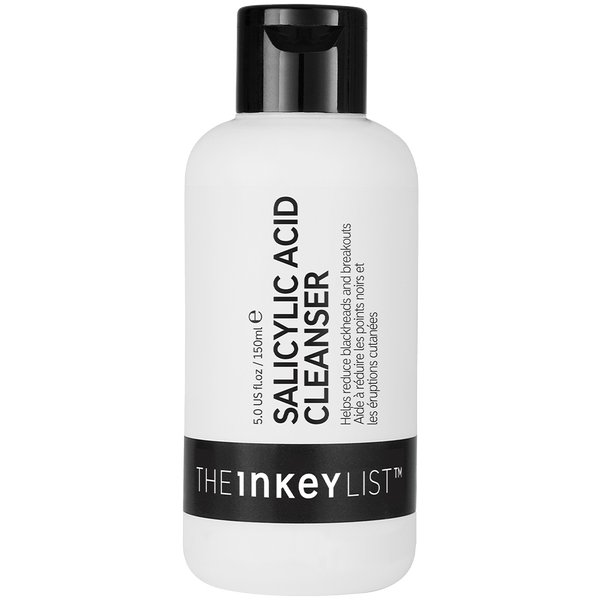
- Salicylic Acid Cleanser 150ml – £14
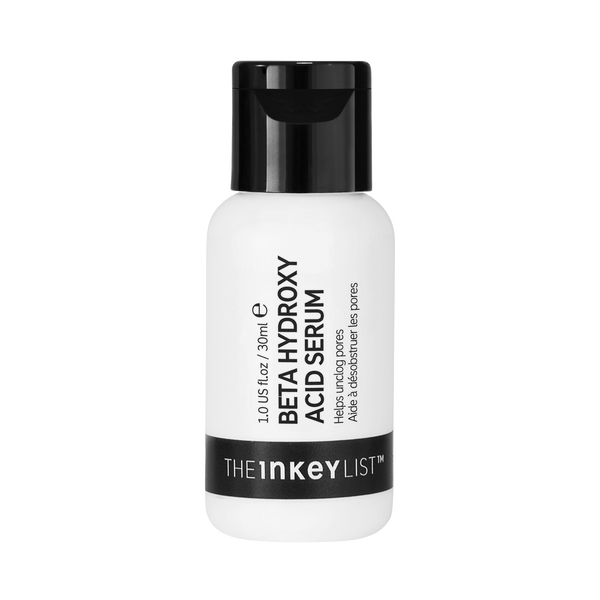
- Beta Hydroxy Acid (BHA) Serum – £12
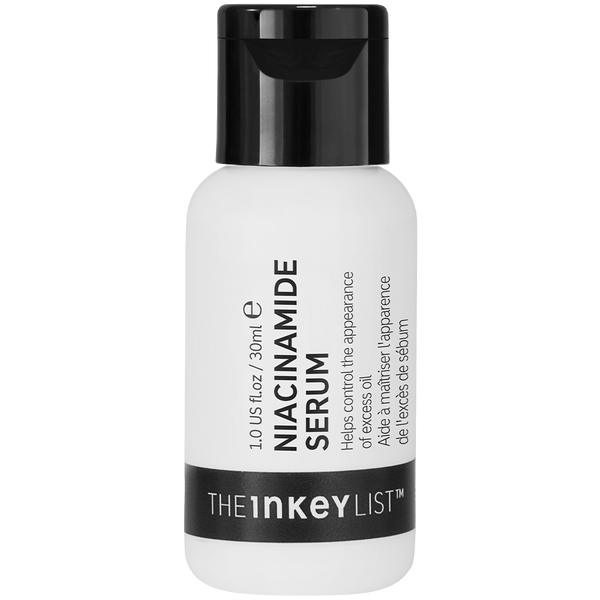
- 10% Niacinamide Serum – £12
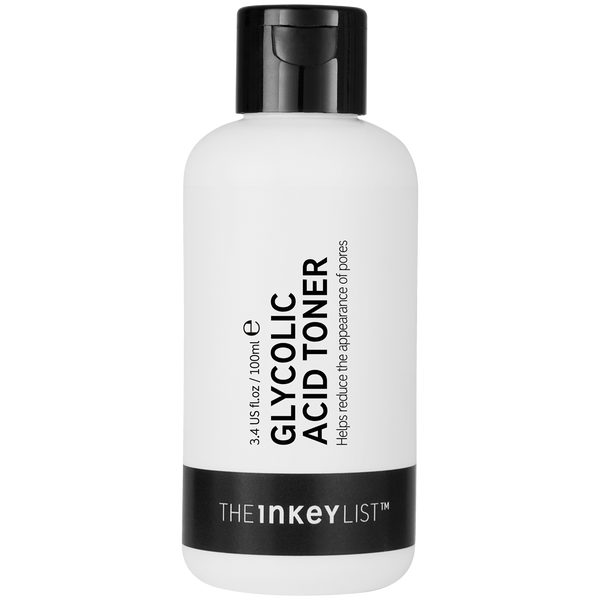
- Glycolic Acid Toner – £14
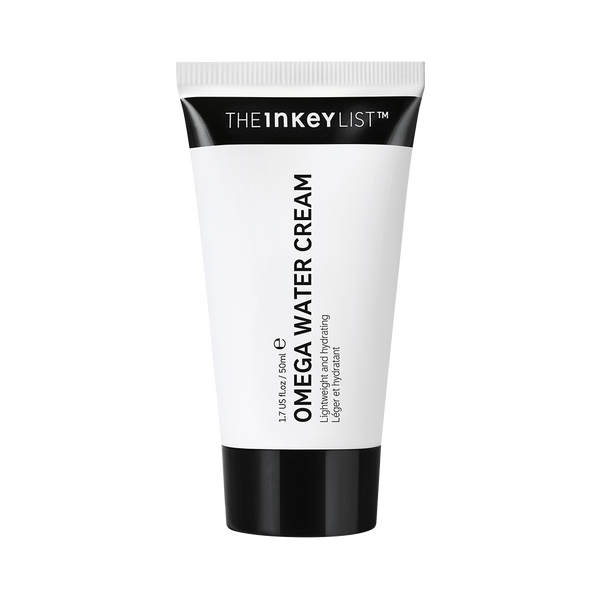
- Omega Water Cream 50ml – £14
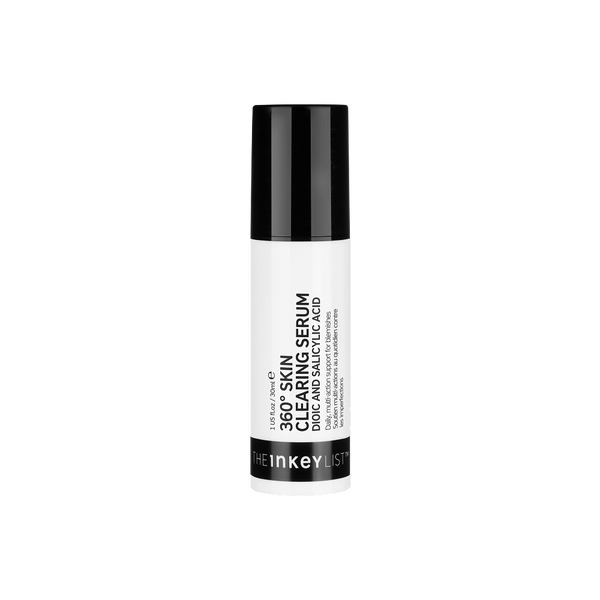
- 360° Skin Clearing Serum – £16
- Succinic Acid Treatment – £13
- Oat Cleansing Balm 150ml – £15
Before we get to any of that, though, it’s worth understanding what pores are actually doing day to day — because once you understand their job, it becomes much easier to understand why they sometimes stop doing it properly.
What Pores Do and Why They Matter
A pore, in the context of this guide, is the visible opening of a hair follicle that sits just beneath the surface of your skin. Attached to that follicle is a sebaceous gland, whose job is to produce sebum — the oily, waxy substance that travels up through the follicle and onto the skin’s surface. Sebum isn’t a design flaw or something your skin is doing “wrong.” It’s a protective mechanism. It lubricates the skin, helps maintain the barrier that keeps moisture in and irritants out, and even has mild antimicrobial properties. Without it, skin would be drier, more reactive and far more vulnerable to the environment around it.
It’s worth being precise here, because the word “pore” gets used loosely. This guide is specifically about hair follicle pores — the ones linked to sebaceous glands, which is where blackheads, whiteheads and general congestion all originate. These are different from sweat pores, which are connected to sweat glands and don’t produce sebum, and therefore don’t become congested in the same way. When people talk about “clogged pores,” they are, almost without exception, talking about hair follicle pores.
So if sebum itself is protective and necessary, why does it cause so many problems? The honest answer is that sebum isn’t the enemy — the balance between sebum production and sebum clearance is. Skin is designed to shed dead cells and clear oil from the follicle at a steady, manageable rate. Congestion happens when that balance tips: when oil is produced faster than it can be cleared, or when dead skin cells aren’t shedding efficiently enough to keep the follicle open. The Cleveland Clinic describes this plainly — clogged pores are, at their core, a buildup of dead skin cells and oil inside the follicle, and they’re one of the most common skin conditions people experience.
This is also the point where it’s worth addressing a question almost everyone has asked at some stage while staring into a magnifying mirror: can you actually shrink your pores? The honest, slightly less satisfying answer is no — not physically. Pore size is largely determined by genetics, and no skincare product can permanently change the structural size of a follicle opening. What can change is how that pore looks. A pore that’s stretched and filled with trapped oil and dead skin will naturally appear larger and more visible than one that’s clear. So while true pore minimising in a structural sense isn’t realistic, visibly reducing the appearance of enlarged pores absolutely is — and that happens by treating congestion, not by chasing a myth.
This also explains why some areas of the face show more visible pores than others. Oily and combination skin types, along with the T-zone specifically (forehead, nose and chin), have a higher density of sebaceous glands than the cheeks or jawline. More glands means more sebum production in that area, which means a higher likelihood of visible congestion and enlarged-looking pores. If you have oily skin, this is likely a familiar pattern — but it’s not a flaw in your skin, it’s simply biology doing what it’s built to do, just with a bit more enthusiasm in certain zones.
Understanding this biology matters because it reframes the whole conversation. Clogged pores aren’t a hygiene failure, and they’re not a sign that something is fundamentally wrong with your skin. They’re the predictable result of a very normal system occasionally getting overwhelmed — and once congestion builds up visibly enough, it can also contribute to the next stage of the problem, which is why this topic connects so closely to our complete guide to blemish-prone skin. Pores and blemishes are part of the same story; congestion is very often the chapter that comes first.
With the basic mechanics in place, the next logical step is identifying what that congestion actually looks like on your own skin — because “clogged pores” isn’t one single thing, it’s a spectrum of different presentations, and knowing which one you’re dealing with changes how you treat it.
What Blocked Pores Look Like: Types of Congestion and Where They Appear
Not all congestion looks the same, and one of the most common reasons people feel like “nothing is working” is that they’re treating the wrong type of blockage. Broadly, blocked and congested pores fall into three categories, and most people experience some combination of all three depending on the area of the face.
Open comedones, more commonly known as blackheads, happen when a pore becomes blocked with a mix of sebum and dead skin cells, but the top of that plug remains exposed to air. That exposure causes oxidation, which turns the surface dark — hence the colour. It’s a common misconception that blackheads are dirt that hasn’t been washed away; they’re not. They’re oxidised sebum, and no amount of scrubbing will “clean them out” if the underlying cause isn’t addressed. Blackheads are most commonly seen on the nose, chin and forehead, which lines up exactly with the higher sebaceous gland density we covered earlier. If this is your main concern, our complete blackheads guide goes much deeper into causes and treatment specifically for this type of congestion.
Closed comedones, or whiteheads, are different. Here, the follicle is blocked beneath a layer of skin that hasn’t broken the surface, which is why they appear as small, flesh-coloured or white bumps rather than dark spots. MedlinePlusdescribes comedones — both open and closed — as small bumps that form specifically based on whether the blocked follicle’s surface is disrupted or intact. Whiteheads are frequently linked to hormonal activity, which is why they tend to cluster around the chin, jawline and forehead, and why they often appear or worsen around specific points in a hormonal cycle.
Then there’s general skin congestion — arguably the most under-discussed form, and the one most people are actually dealing with day to day without naming it. This is the early, diffuse stage: skin that feels rough or looks slightly bumpy under makeup, without a clearly defined blackhead or whitehead to point to. It’s incredibly common, and the encouraging news is that it’s also the most responsive to a consistent congested skin routine, precisely because it hasn’t yet solidified into a more stubborn, visible blockage.
It’s worth noting here that a lot of what people call “sebaceous filaments” gets mistaken for blackheads, when they’re actually a completely normal part of skin structure rather than something to be treated or removed. If you’ve ever wondered why your pores never seem to “fully clear,” our breakdown on sebaceous filaments vs blackheads explains the difference in detail.
Location matters almost as much as type. The T-zone sees the most congestion generally, for the sebaceous-gland reasons already discussed. The chin and jawline tend to flare with hormonal shifts specifically. The forehead often congests due to haircare product transfer or fringe contact — something people rarely connect to their skincare routine until it’s pointed out. Cheeks, interestingly, often congest from external contact: phone screens pressed against skin multiple times a day, or pillowcases that haven’t been changed in a while, both transferring oil, product residue and bacteria back onto the skin. And congestion isn’t limited to the face at all — chest, back and shoulders have sebaceous glands too, and body congestion is extremely common, particularly after exercise if skin isn’t cleansed promptly afterward. If nose congestion specifically is your main frustration, our guide to getting rid of blackheads on your nosetackles that area in focused detail.
This is also the point worth repeating: enlarged-looking pores and congestion are almost always the same conversation. A pore that’s stretched by trapped sebum and dead skin will look bigger than it structurally is, and as that congestion clears, the visible size reduces — not because the pore has shrunk, but because it’s no longer being pushed open from the inside.
Recognising your own pattern here — blackheads on the nose, whiteheads along the jaw, general texture across the cheeks, or some mix of all three — is genuinely useful, because it sets up the next and most important part of this guide: understanding exactly why all of this happens in the first place.
What Causes Clogged Pores? The Root Causes of Congested Skin
This is the part most guides rush through, and it’s the part that actually matters most. Clogged pores don’t have one single cause — they’re almost always the result of several overlapping factors, and understanding which ones apply to you is what makes a routine actually work instead of being a guess.
Excess Sebum Production
The most obvious starting point is sebum itself. Sebaceous glands vary significantly in size and activity from person to person, and that variation is largely genetic. Hormones — specifically androgens — stimulate these glands to produce more oil, which is part of why oil production tends to spike during puberty and can fluctuate throughout adult life. If you naturally have oily skin, you’re simply producing more raw material that has the potential to clog a pore; it doesn’t mean your skin is doing anything abnormal.
Dead Skin Cell Buildup
Skin is constantly renewing itself, shedding old cells from the surface to make way for new ones. When that renewal process slows down — which can happen due to age, dehydration, environmental stress or simply skin type — dead cells don’t shed efficiently and instead get trapped inside the follicle, mixing with sebum to form a blockage. This is precisely the mechanism that Salicylic Acid is built to interrupt: because it’s oil-soluble, it can penetrate into the follicle itself, rather than just sitting on the surface, and help clear this buildup from within.
Incomplete Makeup, SPF and Skincare Removal
Many modern formulas — especially long-wear makeup and SPF — are designed to be water-resistant, which is great for staying put during the day but means a single cleanse often isn’t enough to fully remove them at night. Leftover residue sits on the skin, mixes with natural oils, and contributes directly to congestion. This is the entire logic behind double cleansing: an oil or balm-based first step to break down product and sunscreen, followed by a water-based cleanser to clear away what’s left, including any natural oil buildup from the day.
Pore-Clogging Ingredients
Not every ingredient behaves the same way on every skin type. Certain oils, waxes and silicones are more likely to sit inside the follicle and contribute to blockages — these are often referred to as comedogenic ingredients. “Non-comedogenic,” the label you’ll see on a lot of skincare and makeup, simply means a formula has been designed or tested to minimise this risk. It’s not a guarantee for every single person, since individual skin reacts differently, but it’s a genuinely useful signal when you’re trying to figure out why a particular product seems to be making congestion worse rather than better.
Hormonal Fluctuations
Hormones deserve their own section because of how significant their impact is. Puberty, the menstrual cycle, pregnancy and perimenopause all involve hormonal shifts that can directly increase sebum production or change its consistency, making it more likely to clog a follicle. Stress plays a role too — elevated cortisol has been linked to increased oil production, which is part of why congestion so often flares during genuinely stressful periods, not just “random” ones. This is exactly where Niacinamide earns its reputation: it works at the level of the sebaceous gland itself to help regulate oil production, rather than simply absorbing oil after it’s already on the surface. Our complete Niacinamide guide covers this mechanism in more depth for anyone who wants the full picture.
Skin Type, Genetics and Environmental Factors
Finally, there’s the combination of what you were born with and what you’re exposed to. Genetics determine baseline oil production and pore structure. Environmental factors — pollution particles settling on skin, repeatedly touching your face throughout the day, unwashed pillowcases, and phone screens pressed against your cheek during calls — all add external oil, bacteria and debris into the mix. None of these factors work in isolation; congestion is almost always a layered result of several of these combining at once, which is exactly why a single-ingredient fix rarely solves the problem on its own, and why a proper congested skin routine needs to address multiple causes simultaneously. For a deeper look at how two of the most important ingredients here work together, Salicylic Acid and Niacinamide: The Best Duo for Oily, Blemish-Prone Skin breaks down exactly why this pairing is so effective, and our guide to Salicylic Acid for blackheads goes further into that oil-soluble mechanism specifically.
Once you can see your own congestion reflected in these causes — maybe it’s genetics and hormones, maybe it’s double cleansing you’ve been skipping, maybe it’s a rich moisturiser that’s quietly working against you — the next step becomes much clearer: matching each cause to an ingredient that’s actually built to address it.
How to Unclog Pores: The Ingredients and Products That Actually Work
This is where cause meets solution. Every ingredient recommended here exists to address one of the specific root causes covered above — there’s no filler, and nothing included just because it sounds impressive on a label.
Step 1: Double cleanse. Start with the Oat Cleansing Balm 150ml (£15) to dissolve makeup, SPF and the day’s buildup of oil, then follow with the Salicylic Acid Cleanser 150ml (£14) to clear the skin’s surface and start working inside the pore itself. In independent trial testing, 90% of users saw visibly clearer skin after just 3 days of use.* This single two-step swap addresses two root causes at once: incomplete product removal and surface-level buildup.
Step 2: Exfoliate inside the pore with BHA. The Beta Hydroxy Acid (BHA) Serum (£12) is oil-soluble, meaning it can travel past the surface of the skin and into the follicle itself — exactly where dead skin cells and oil are accumulating in the first place. This is the step most routines skip, and it’s arguably the most important one for anyone dealing with blackheads or deeper congestion. Our complete Salicylic Acid guide covers exactly how and how often to use it depending on your skin’s sensitivity.
Step 3: Exfoliate the surface with AHA. Once the inside of the pore is being addressed, the Glycolic Acid Toner(£14) works on the skin’s surface to clear away dead cells before they even have the chance to build up and trap oil underneath. Glycolic Acid is a water-soluble alpha hydroxy acid, which makes it the natural surface-level partner to BHA’s deeper work — together they cover both parts of the congestion process. For a full breakdown of what this ingredient does and how to build it into your routine, see our guide: Glycolic Acid: Benefits, How to Use & Best Products. And if you’re still deciding which acid your skin needs first, Glycolic Acid vs Salicylic Acid: Which Is Right for Your Skin? walks through exactly how to choose.
If your skin doesn’t tolerate Glycolic Acid well — some sensitive skin types find AHAs can be a little much — the PHA Toner (£14) is a gentler alternative. Polyhydroxy acids work in a similar way to AHAs but with a larger molecular size, meaning they exfoliate the surface more gradually and with less irritation potential, making this a genuinely useful swap rather than a compromise.
Step 4: Regulate sebum with Niacinamide. The 10% Niacinamide Serum (£12) works at the source, helping to visibly balance oil production at the gland level rather than simply treating the aftermath. Over consistent use, this is also where the realistic version of “pore minimising” shows up — less trapped oil stretching the follicle means pores visibly appear smaller, even though their structural size hasn’t changed. Our complete Niacinamide guide explains this mechanism and how it compares to other oil-regulating ingredients.
Step 5: Target all three stages of congestion at once. For anyone who wants a more streamlined approach, the 360° Skin Clearing Serum (£16) is formulated to address excess oil, surface buildup and deeper congestion simultaneously, making it a strong option for people who want fewer steps without sacrificing results.
Step 6: Hydrate without congesting. This step gets skipped more than any other, usually out of fear that moisturiser will “add more oil” to already oily skin — but the opposite tends to be true. The Omega Water Cream 50ml (£14) is a lightweight, non-congesting formula designed specifically to hydrate oily and congestion-prone skin without clogging pores further, keeping the skin barrier balanced while the active ingredients above do their job.
Step 7: Spot-treat where needed. For individual areas of active congestion or emerging blemishes, the Succinic Acid Treatment (£13) offers a targeted option that doesn’t require reworking your entire routine around a single breakout.
*Based on an independent consumer trial.
Having the right ingredients is genuinely half the solution — but using Salicylic Acid and Glycolic Acid on the same night, for example, or layering too many actives at once, can undo the benefit entirely by irritating the skin barrier. That’s exactly why sequencing matters just as much as selection, which is what the next section lays out step by step.
The Clear Pores Routine: Morning and Evening Steps
A routine only works if it’s realistic enough to actually follow, so here’s how all of the above fits together across a simple morning and evening sequence.
Morning routine:
- Cleanse with the Salicylic Acid Cleanser (£14) to start the day with a clear, balanced base.
- (Optional) Apply a targeted treatment such as the Succinic Acid Treatment (£13) to any active areas of concern.
- Apply the 10% Niacinamide Serum (£12) to regulate oil throughout the day.
- Moisturise with the Omega Water Cream (£14) to hydrate without adding congestion risk.
- Protect with the Dewy Sunscreen SPF 30, which also sets up a clean base for makeup without the heaviness that contributes to blockages later in the day.
Evening routine:
- Double cleanse: Oat Cleansing Balm (£15) followed by Salicylic Acid Cleanser (£14).
- Exfoliate — alternate nights between the BHA Serum (£12) and the Glycolic Acid Toner (£14), or substitute the PHA Toner (£14) if your skin is more sensitive.
- Apply 10% Niacinamide Serum (£12) to continue regulating oil overnight.
- Spot-treat active areas with the Succinic Acid Treatment (£13) as needed.
- Finish with the Omega Water Cream (£14) to support the skin barrier while it works overnight.
A genuinely important guardrail here: don’t use BHA and AHA on the same night. Both are exfoliating acids, and stacking them increases the risk of over-exfoliation, which can damage the skin barrier and ironically make congestion and sensitivity worse, not better. Alternating them — or using the gentler PHA Toner on alternate nights — gives your skin the benefit of both without the irritation risk.
A few more practical guardrails worth holding onto: introduce new actives one at a time rather than all at once, patch test anything new before applying it to your whole face, and leave roughly 2 to 4 weeks between adding each new product so you can actually tell what’s working and what isn’t. Set realistic expectations too — most people see visible change within 8 to 12 weeks of consistent use, not overnight, because skin cell turnover and sebaceous gland regulation genuinely take time to shift.
And please don’t skip moisturiser because your skin feels oily or congestion-prone. Stripping skin of hydration often triggers it to produce even more oil to compensate, which can actively work against everything else in this routine.
If you’d rather not build this routine from scratch yourself, INKEY’s diagnostic tools are built for exactly this. The Breakout Analyser Pro gives you a dermatologist-backed, AI-powered read on your specific skin, the Skincare Quizbuilds a personalised routine in a couple of minutes, and the Build Your Own Bundle tool lets you combine products at a discount once you know what you need.
With a routine in hand, it’s worth pausing before you start — because there’s a lot of well-meaning but inaccurate pore advice circulating, and some of it can actively slow down your progress.
Common Pore Myths: What the Science Actually Says
Skincare advice spreads fast, and not all of it holds up. Here are the five myths about clogged pores that come up most often — and what’s actually true.
Myth: “You can shrink your pores.” As covered earlier, pore size is structural and genetic — no product physically shrinks the opening of a follicle. What you can do is clear the congestion stretching a pore open, which visibly reduces how large it appears. This is the honest version of “pore minimising,” and it’s achievable; the myth is only in the word “shrink.”
Myth: “Hot water opens pores, cold water closes them.” Pores don’t have muscles, so they can’t physically open or close in response to water temperature. Heat can soften the sebum inside a pore, which might make it slightly easier to clear during cleansing, but it isn’t “opening” anything in a structural sense, and cold water definitely isn’t “closing” anything either. Lukewarm water is the most skin-friendly option, since very hot water can actually strip the skin barrier over time.
Myth: “Pore strips clear blocked pores.” This is one of the most persistent myths out there, largely because pore strips do produce a visually satisfying result. But that result is misleading.
Pore strips can remove the very tip of a blackhead, but they do nothing for the sebum and buildup sitting underneath — which means the pore typically refills within days, and overuse can actually damage the skin barrier.
Our deeper breakdown on whether pore strips are bad for your skin covers exactly why this happens, and our guide to how to get rid of blackheads lays out the evidence-based alternative. If you’re looking for a long-term, sustainable approach rather than a quick visual fix, how to prevent blackheads long-term is the better place to start.
Myth: “Only oily skin gets blocked pores.” Oily and combination skin are statistically more prone to visible congestion due to higher sebum output, but dry and normal skin types can absolutely experience clogged pores too — particularly from dead skin cell buildup, incomplete cleansing, or comedogenic ingredients in rich moisturisers. Congestion mechanisms are consistent across skin types, even if oily skin shows it more visibly; our complete guide to blemish-prone skin covers how this plays out across different skin types. If you want to understand your own oil production patterns specifically, our oily skin guide is a useful next read.
Myth: “Squeezing makes it go faster.” It’s tempting, but squeezing a blocked pore typically pushes trapped material deeper into the surrounding tissue rather than clearing it out cleanly. This increases inflammation, raises the risk of infection, and significantly increases the chance of post-inflammatory marks that can linger for weeks or months after the original blockage would have cleared on its own.
Clearing up these myths matters because so much wasted effort — and wasted money — goes into “quick fixes” that don’t actually touch the root cause. With the misinformation out of the way, let’s move into the specific questions people ask us most.
Blocked Pores Are Manageable: Here’s Where to Start
If there’s one thing worth taking away from everything above, it’s this: clogged pores are not a personal failing, and they’re not permanent. They’re the result of a very normal, very common combination of factors — excess sebum, slowed dead skin cell turnover, incomplete cleansing, certain product choices, hormonal shifts and genetics — and every single one of those factors has a corresponding, evidence-based way to address it.
The approach that actually works comes down to four consistent principles: clear inside the pore with BHA, clear the surface with AHA (or PHA if your skin needs something gentler), regulate oil production with Niacinamide, and support the skin barrier with consistent double cleansing and non-congesting hydration. None of this requires a ten-step routine or an overnight transformation — it requires consistency, and realistically, somewhere between 8 and 12 weeks before you see the full picture of what your skin can look like once congestion is under control.
If all of this feels like a lot to take in at once, don’t try to change everything tonight. Start with one shift — swapping in a Salicylic Acid cleanser, for example — and build from there. Small, consistent changes compound far more reliably than a complete routine overhaul that’s abandoned after a week.
And if you’d rather not figure this out alone, you don’t have to. The Breakout Analyser Pro gives you a personalised, dermatologist-backed read on your skin in minutes, the Skincare Quiz builds a routine around your specific concerns, and askINKEY is there for live, judgement-free answers to anything this guide didn’t quite cover. That’s the whole ethos behind what we do — clear guidance, proven ingredients, real results, no jargon and no judgement.
Explore more guides: What Are Blackheads? The Complete Guide · Sebaceous Filaments vs Blackheads · How to Get Rid of Blackheads on Your Nose · Salicylic Acid for Blackheads · Are Pore Strips Bad for Your Skin? · How to Get Rid of Blackheads · Does Niacinamide Help With Acne? · How to Prevent Blackheads Long-Term · Salicylic Acid and Niacinamide: The Best Duo · Glycolic Acid vs Salicylic Acid · What is Salicylic Acid? Complete Guide · What is Niacinamide? Complete Guide · Glycolic Acid: Benefits, How to Use & Best Products · The Complete Guide to Blemish-Prone Skin
Ready to Clear Your Congestion? Here’s Exactly What to Do Next
You don’t need to buy everything at once, and you don’t need a complicated routine to see real change. Shop the ingredients covered in this guide individually, or build your own bundle and save up to 20% when you combine them. If you’re still unsure where to start, take the Skincare Quiz or try the Breakout Analyser Pro for a personalised, no-pressure recommendation based on your actual skin. And if you’ve still got questions after all of this, askINKEY is there, live, with real answers — no jargon, no judgement, just honest guidance to help you get your skin where you want it to be.
Frequently Asked Questions
Got a question?
Our askINKEY team are a friendly bunch of skincare experts with deep product knowledge and zero judgement. Whether you're an ingredient obsessive or just starting out, we'll make it make sense. No question too big. No question too small. We Give A Care, Every Day.


