



Is Glycerin Good for Oily and Blemish-Prone Skin?
Think oily skin doesn't need hydration? Discover why glycerin is one of the best ingredients for oily and blemish-prone skin, how it delivers weightless hydration without clogging pores, and why it can help support a healthier skin barrier.
Author
askINKEY skincare advisor
Published
03 July, 2026
Time to read
12 minutes
If you have oily or blemish-prone skin, you have probably approached hydrating ingredients with a fair amount of suspicion. More moisture sounds like more shine, more congestion, and more breakouts. Glycerin sits right at the centre of that suspicion - it is one of the most widely used hydrating ingredients in skincare, and yet it is one of the most misunderstood by people with oily skin types.
The core misconception is this: glycerin is a deeply hydrating ingredient, therefore it must be an oil, and therefore it will make oily skin worse. That logic sounds reasonable on the surface. It is also entirely wrong.
Glycerin is a humectant - not an oil. It draws water into the skin and retains it. It does not add sebum, does not interact with oil production, and does not block pores. In fact, for oily and blemish-prone skin specifically, glycerin can be one of the most useful ingredients in your routine.
This blog covers what glycerin actually is, why it does not clog pores, how it interacts with oily and blemish-prone skin, which INKEY products use it to best effect, and how to build it into a complete routine. For a deeper look at the ingredient itself, the glycerin ingredient guide covers it in full. This blog focuses specifically on the oily and blemish-prone skin question.
What Glycerin Is - and Why Oily Skin Gets It Wrong
To understand why glycerin is beneficial for oily and blemish-prone skin, it helps to start with what it actually is and how it functions in a formula - because the fear of glycerin largely comes from a fundamental misunderstanding of ingredient categories.
Glycerin is a humectant. In skincare chemistry, a humectant is an ingredient that attracts water molecules and binds them to the skin. It works by drawing moisture from the environment and from the deeper layers of the skin (the dermis) up into the outermost layer (the stratum corneum), where hydration is most often lacking. The result is skin that is more plump, more supple, and better able to maintain its moisture levels over time.
This is completely different from what an oil does. Oils - whether plant-derived, synthetic, or produced naturally by the skin itself - are lipid-based. They create a physical film on the surface of the skin, fill in gaps in the skin’s lipid barrier, and slow down water loss. They work through a different mechanism entirely. Glycerin contains no lipids. It is water-soluble. It does not behave like an oil because it is not one.
The three main categories of moisturising ingredients are humectants, emollients, and occlusives. Understanding the distinction between these three is key to understanding why the “glycerin will make oily skin worse” argument does not hold up.
Humectants draw water into the skin. Emollients soften and smooth the skin by filling in tiny gaps between skin cells - many plant oils and fatty acids fall into this category. Occlusives create a physical seal over the skin’s surface, trapping moisture in and preventing transepidermal water loss (TEWL). Occlusives and certain heavier emollients are the ingredient categories most associated with pore congestion risk, because they physically sit on or within the skin’s surface in ways that can interact with sebum and dead skin cells. Humectants, by contrast, are primarily water-binding and carry no meaningful pore-blocking risk.
Glycerin is a humectant through and through. It scores 0 on the comedogenicity scale - the standard 0-to-5 rating system used in cosmetic science to assess how likely an ingredient is to cause or contribute to pore congestion. A score of 0 means there is no meaningful comedogenic risk. Ingredients at the higher end of the scale, such as certain mineral oils or coconut oil, sit between 3 and 5. Glycerin sits at the very bottom: zero.
This rating is not simply theoretical. The Cosmetic Ingredient Review (CIR) Expert Panel - the independent scientific body that evaluates the safety of cosmetic ingredients - has reviewed the full body of evidence on glycerin and confirmed that it is safe for cosmetic use in leave-on products at concentrations up to 79%. Their review assessed dermal irritation, sensitisation, and other safety parameters extensively. Glycerin passed comprehensively.
A note on spelling: In the UK, you will often see both “glycerin” and “glycerine” used interchangeably - on product packaging, in pharmacy labelling, and across skincare editorial. Both spellings refer to exactly the same ingredient: glycerol, a naturally derived compound that also occurs endogenously in healthy skin. The INCI name used on all ingredient labels is Glycerin. Whether you are searching for “glycerine for oily skin” or “glycerin for oily skin,” the ingredient and the evidence are identical. The rest of this blog uses “glycerin,” but everything here applies equally if you arrived via the glycerine spelling.
For people with oily skin, the key distinction is this: glycerin adds water, not sebum. These are entirely different things. When your skin produces excess oil, it is your sebaceous glands producing lipid-rich sebum. Glycerin does not stimulate that process, does not add to it, and does not interact with it. It simply delivers water-based hydration to a skin layer that may well be lacking it - even if the skin’s surface appears shiny and oily.
The fear of glycerin in oily skin routines is understandable, but it is based on a confusion between hydration and oiliness. These are not the same thing. Skin can be simultaneously oily and dehydrated - two conditions driven by entirely different biological mechanisms. Glycerin addresses dehydration without touching the oil question. That distinction is exactly what makes it such a well-suited ingredient for oily skin types.
For a comprehensive breakdown of how glycerin works at a molecular level, including its role in natural moisturising factor (NMF) synthesis and aquaporin function, the glycerin ingredient guide is the place to go. What follows in this blog is focused on the practical question that brings most oily skin readers here: does glycerin cause problems for oily and blemish-prone skin, and how can it be used effectively?
Does Glycerin Clog Pores? The Science Behind Comedogenicity
The most direct question this blog is written to answer is: does glycerin clog pores? The short answer is no. The longer answer involves understanding why, and why this matters for blemish-prone skin specifically.
Pore congestion happens when the opening of a hair follicle becomes blocked. The primary contributors to this process are excess sebum production, a build-up of dead skin cells (a process called hyperkeratinisation), and - in blemish-prone skin - the presence of Cutibacterium acnes (formerly Propionibacterium acnes), the bacteria associated with inflammatory blemishes. When these factors combine within a follicle, the result is a comedone - a blocked pore that may present as a blackhead, whitehead, or, if inflammation develops, a papule or pustule.
Glycerin does not contribute to any part of that sequence. It does not increase sebum production. It does not promote dead skin cell accumulation. It does not interact with the bacterial environment of the follicle. Because it is water-soluble and non-lipid, it does not create the kind of occlusive, lipid-rich environment that can encourage congestion.
The comedogenicity scale used in cosmetic science rates ingredients from 0 (non-comedogenic, no pore-blocking risk) to 5 (highly comedogenic). Glycerin is rated 0. This rating reflects extensive testing, including the repeated application studies and dermatological assessments that form part of the ingredient’s comprehensive safety record. It is one of the few ingredients in widespread cosmetic use that carries this definitive 0 rating.
A 2001 study published in the International Journal of Cosmetic Science examined the effects of a cream containing 20% glycerin on skin over a ten-day application period. The study found that repeated application of the 20% glycerin cream significantly increased skin hydration levels (measured via corneometer), with no adverse effects on skin tolerance or pore behaviour. This kind of clinical evidence reinforces what the theoretical comedogenicity rating already suggests: glycerin hydrates the skin reliably and without causing congestion.
There is another important misconception worth addressing here: the idea that if skin is already producing excess oil, adding any form of hydration will make congestion worse. This conflates oil with water. The skin’s sebum is a lipid-based secretion. Glycerin’s action is entirely water-based. When a humectant draws moisture into the stratum corneum, it does not increase the volume of sebum in the pore, does not change the viscosity of sebum, and does not affect the rate at which the pore sheds dead skin cells. The two processes are biologically separate.
The dehydration side of this matters too. When the skin’s outer layer is dehydrated, it can become thicker and less pliable - a state that actually increases the likelihood of dead skin cell accumulation within the follicle, contributing to the kind of congestion that leads to breakouts. By keeping the stratum corneum well-hydrated and supple, glycerin may in fact help maintain the kind of healthy skin cell turnover that reduces congestion risk.
Hydration and oiliness are governed by different biological systems. Addressing one does not worsen the other. For blemish-prone skin, the goal is not to strip hydration - it is to deliver the right kind of hydration.
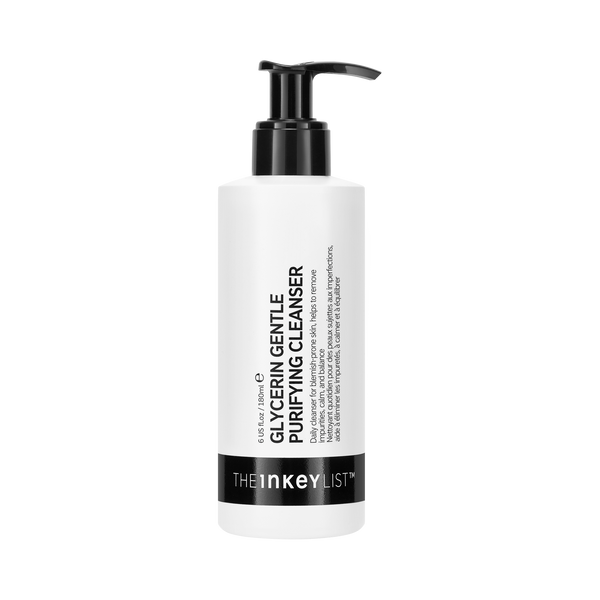
Our Glycerin Gentle Purifying Cleanser - priced at £13.00 for 180ml - has been clinically tested on blemish-prone skin and carries confirmed non-comedogenic certification. It contains 20% glycerin as the lead hydrating ingredient, alongside a 3% Centella Complex for barrier support and a 2% Sea Water and Algae Complex. It is fragrance-free, vegan, and formulated specifically to deliver hydration without contributing to oiliness or pore congestion.
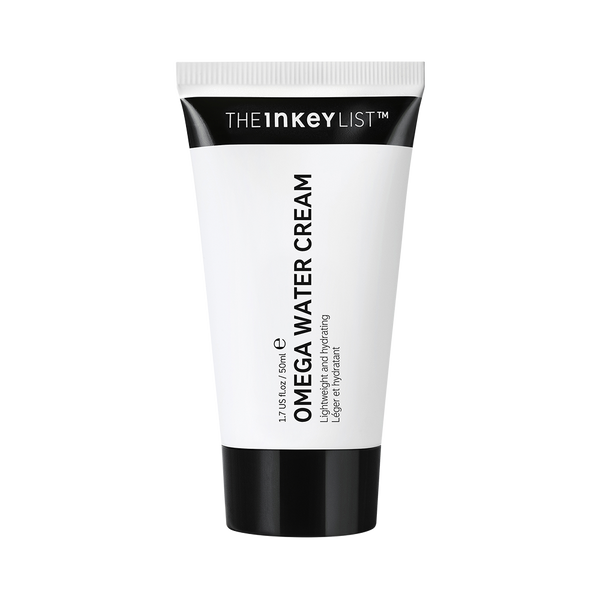
Our Omega Water Cream - £11.00 for 50ml - is similarly certified non-comedogenic. It is oil-free and fragrance-free, with 5% glycerin working alongside 5% niacinamide and a 0.2% ceramide complex. Both products carry this certification not as a marketing claim but as a tested, documented outcome of clinical evaluation.
For more on what causes pore congestion and how to address it, our guide to clogged pores covers the full picture. The short version as it applies to glycerin is simple: it does not clog pores, it is not comedogenic, and the clinical evidence supports this unambiguously.
Why Oily Skin Still Needs Hydration - and How Glycerin Delivers It
One of the most persistent myths in skincare is that oily skin does not need moisturiser. The logic seems straightforward: the skin is already producing oil, so adding more hydration will only compound the problem. In practice, this belief leads a lot of people with oily and blemish-prone skin to skip moisturiser entirely - and in doing so, they often make their skin’s oil production significantly worse.
The key insight here is that oiliness and hydration are not the same thing. Sebum - the oil your skin produces - is a lipid-based substance secreted by sebaceous glands. It plays an important role in skin health, acting as part of the skin’s natural barrier and helping to protect the surface from environmental damage. The problem in oily skin is not that sebum exists, but that it is being produced in excess.
Skin hydration refers to the water content of the stratum corneum - the outermost layer of the skin. This is entirely distinct from the skin’s oil level. A person with oily skin can have a shiny, sebum-rich surface and a simultaneously dehydrated stratum corneum. In fact, this combination is extremely common in people with oily skin types, particularly those who use harsh cleansers or strong exfoliating actives that strip the skin barrier without replenishing moisture.
When the skin’s outer layer becomes dehydrated, it sends signals that can trigger a compensatory response in the sebaceous glands - increased sebum production to try to protect a barrier that has become compromised. This is one of the mechanisms behind the cycle that many people with oily skin are familiar with: the harder you strip the skin, the oilier it becomes. A well-hydrated skin barrier, by contrast, requires less sebum to maintain its protective function - which means targeted hydration can actually help to moderate oil production over time. To understand this cycle in more depth, our explainer on why skin becomes oily covers the underlying biology in detail.
Glycerin is particularly well-positioned to break this cycle because it delivers pure water-based hydration - nothing that adds to the skin’s oil burden, nothing that interacts with sebum chemistry, just water drawn into the stratum corneum and retained there. Multiple humectants have been studied in this context, and glycerin consistently emerges as one of the most effective. Its small molecular size allows it to penetrate the stratum corneum efficiently, and it holds moisture at multiple levels of the skin’s surface rather than simply sitting at the top layer.
Our Glycerin Gentle Purifying Cleanser has been clinically proven to hydrate blemish-prone skin for 24 hours continuously, within an oil-free formula - tested across 28 participants over a 24-hour period. The fact that a cleanser - a product that spends perhaps 60 seconds on the skin before being rinsed off - can deliver measurable 24-hour hydration speaks to just how effective glycerin is as a humectant. It binds water to the skin efficiently enough that even rinse-off contact leaves a lasting effect.
The Omega Water Cream pushes this further for leave-on application. In an independent 4-week study of 22 people, 100% of users agreed that their skin felt deeply hydrated after 14 days of use. That is not a qualified result - it is unanimous. The combination of 5% glycerin with 3% betaine (another humectant) in the Omega Water Cream creates a layered moisture-binding effect that maintains hydration over extended periods.
One practical note on application: glycerin works most effectively when applied to damp skin. Because it is a humectant that draws moisture from its immediate environment, applying it to already-moist skin means it has immediate access to water molecules to bind and retain. Applying to completely dry skin in a very low-humidity environment can, in theory, mean the humectant draws moisture upward from the dermis rather than from the surface - which is why damp skin application is the consistent recommendation for glycerin-based products.
For readers who are also navigating the hyaluronic acid versus glycerin question, these two humectants work via different mechanisms and are fully complementary rather than interchangeable. Glycerin has a lower molecular weight and penetrates the stratum corneum more readily, while hyaluronic acid works primarily at the surface. Is hyaluronic acid good for oily skin? explores this in more detail. The practical answer for most oily skin routines is that both have a place - and neither will worsen oiliness.
INKEY Products with Glycerin for Oily and Blemish-Prone Skin
The INKEY List has built two of its most clinically validated products for oily and blemish-prone skin around glycerin as a lead ingredient. Both products have been independently tested, carry non-comedogenic certification, and are formulated without fragrance, oil, or ingredients that would compromise blemish-prone skin.
Glycerin Gentle Purifying Cleanser - £13.00 / 180ml
The Glycerin Gentle Purifying Cleanser is the most direct glycerin product in the INKEY range for oily and blemish-prone skin. At 20% glycerin - a concentration that puts it comfortably within the range associated with significant clinical results - it is formulated to clean the skin thoroughly while simultaneously delivering lasting hydration.
The formula brings together three active complexes. The 20% glycerin base delivers the 24-hour hydration that clinical testing confirmed across 28 participants. The 3% Centella Complex - derived from the adaptogenic plant also known as gotu kola - supports the skin barrier and provides calming benefit, which is particularly relevant for blemish-prone skin that is often dealing with underlying inflammation. The 2% Sea Water and Algae Complex contributes trace minerals and additional hydrating benefit.
Clinically, this cleanser has been shown to hydrate blemish-prone skin for 24 hours on an oil-free basis, and to support skin barrier function over the same period. These are meaningful outcomes for a cleanser - a category that is often dismissed as a functional step without real skin benefit. The Glycerin Gentle Purifying Cleanser challenges that assumption directly. It is non-comedogenic, fragrance-free, and vegan.
Application is straightforward: dispense a raspberry-sized amount onto damp skin, work it gently into the face and neck, and rinse. It functions effectively as a standalone cleanser in an AM routine and as the second step in a double-cleanse PM routine - following an oil-based first cleanser when wearing SPF or makeup. Its gentle formulation makes it appropriate for daily use at both ends of the day.
Omega Water Cream - £11.00 / 50ml
The Omega Water Cream is the moisturiser in this glycerin-centred approach to oily skin. At £11.00 for 50ml, it is one of the most cost-effective clinically-backed moisturisers available for this skin type.
The formula is structured around complementary active ingredients: 5% glycerin for water-based hydration, 5% niacinamide for oil regulation and pore refinement (more on the niacinamide ingredient and why it matters for oily skin in the ingredient compatibility section), 0.2% Ceramide Complex for barrier support, and 3% Betaine as a secondary humectant. It is entirely oil-free, fragrance-free, and vegan.
The clinical results for the Omega Water Cream are particularly strong. In an independent 4-week study: 100% of participants agreed their skin felt deeply hydrated after 14 days. 95% agreed their skin tone looked more even after 28 days. And the formula has been clinically proven to help balance oil - which means it is not simply hydrating the skin but actively working on the oil regulation question that oily skin types most care about.
This oil-balancing effect is largely attributable to the 5% niacinamide, which reduces the production of sebum by acting on the sebaceous glands over time. When combined with glycerin’s water-based hydration - which reduces the dehydration signal that can trigger compensatory oil production - the Omega Water Cream addresses oiliness from two complementary directions simultaneously.
In the AM routine, the Omega Water Cream pairs naturally with our Dewy Sunscreen SPF 30 (£15) as the final step. Sun protection is a non-negotiable part of any blemish-prone skin routine - UV exposure accelerates post-blemish pigmentation and slows barrier repair - and the Dewy Sunscreen SPF 30 provides broad-spectrum protection with a finish that suits oily and blemish-prone skin. For more context on building the best moisturiser routine for oily skin, our guide to moisturisers for oily skin is worth reading alongside this.
Building a Complete Routine for Oily and Blemish-Prone Skin
Glycerin works at its best not in isolation but within a well-structured routine that addresses oiliness, blemishes, and hydration as connected priorities. Below is a practical framework for both AM and PM use, using INKEY products formulated for this skin type.
AM Routine
-
Cleanser - Glycerin Gentle Purifying Cleanser (£13): Apply to damp skin, massage gently, and rinse. Delivers 24-hour hydration from the first step and sets a clean, balanced base for the products that follow.
-
Serum - Niacinamide Serum (£10): Applied after cleansing to damp or dry skin. Niacinamide at an effective concentration targets oil regulation, refines the appearance of pores, and helps even skin tone. A consistent AM application over several weeks produces cumulative results on oiliness and skin texture.
-
Moisturiser - Omega Water Cream (£11): The lightweight, oil-free formula hydrates without adding shine. Layer over the niacinamide serum once absorbed. The combination of glycerin and niacinamide within this single step - alongside ceramides for barrier support - makes the Omega Water Cream a comprehensive moisturiser for this skin type.
-
SPF - Dewy Sunscreen SPF 30 (£15): The final AM step and a non-negotiable one. Apply as the last product before going outside. Broad-spectrum protection prevents UV-induced inflammation, reduces the risk of post-blemish pigmentation darkening, and supports overall skin health.
PM Routine
-
First cleanse (if wearing SPF or makeup): Use an oil-based cleanser to dissolve and lift surface product before proceeding to the water-based step.
-
Second cleanse - Glycerin Gentle Purifying Cleanser (£13): The second cleanse removes any residue from the first cleanse and the day’s sebum accumulation while laying down that 24-hour hydration foundation.
-
Treatment serum - 360° Skin Clearing Serum (£16 / 30ml): Use 2 to 3 times per week on active blemish-prone nights. This serum combines 1% Dioic Acid, 2% Salicylic Acid, and 0.4% Dendriclear to target existing blemishes and prevent new ones from forming. Clinical results from a 9-week independent study (26 participants): 91% had visibly clearer skin after 2 weeks, and 94% reported fewer spots after 8 weeks.
-
Optional - BHA Serum (£10): Alternate with the 360° Skin Clearing Serum on off nights, 2 to 3 times per week. Beta hydroxy acid (salicylic acid) penetrates into the pore lining to dissolve congestion from within. On nights you use one, rest from the other.
-
Optional spot treatment - Succinic Acid Treatment (£11): For targeted application directly onto active blemishes. Succinic acid has antibacterial and anti-inflammatory properties that make it well-suited for spot treatment use. Apply directly to individual blemishes after serums and before moisturiser.
-
Serum - Niacinamide Serum (£10): Apply nightly after actives have absorbed. Niacinamide is well-tolerated alongside salicylic acid and BHA, and its oil-regulating and barrier-supporting properties are beneficial in the PM routine.
-
Moisturiser - Omega Water Cream (£11): Close the routine with a lightweight, oil-free layer that seals in hydration, supports the barrier overnight, and allows actives to do their work without the skin becoming dehydrated.
INKEY Tip: For visible active blemishes, Hydrocolloid Invisible Pimple Patches (£9, pack of 22) can be applied directly onto individual spots overnight or under makeup during the day. They absorb fluid from surface blemishes, protect the area from external contact, and support faster resolution without picking.
For more on managing blemish-prone skin alongside sensitivity, our guide to sensitive skin and breakouts covers the specific challenges of navigating actives on reactive skin. If the best cleanser for blemish-prone skin is the question bringing you here, our dedicated guide on that topic covers the category in full. And for those navigating the blemish and breakout landscape more broadly, the INKEY blemish guide is the comprehensive starting point.
Glycerin and Blemish-Fighting Ingredients - What Works Together
One of the practical strengths of glycerin as an ingredient is how broadly compatible it is with the rest of the blemish-fighting toolkit. For oily and blemish-prone skin, which often requires a multi-active approach, glycerin rarely requires special scheduling or careful separation. It simply works alongside the ingredients that matter most.
Glycerin and Salicylic Acid
Salicylic acid is a beta hydroxy acid (BHA) and one of the most well-established ingredients for blemish-prone skin. As a lipophilic acid, it can penetrate the pore lining and dissolve the sebum-and-dead-cell plugs that cause congestion from within. It is effective and genuinely works - but it can also be drying with repeated use.
This is where glycerin is particularly useful as a pairing ingredient. Glycerin counterbalances the drying effect of salicylic acid by maintaining water-based hydration in the stratum corneum, reducing the tightness and flaking that salicylic acid can cause at higher frequencies of use. The two ingredients work at different sites - salicylic acid within the pore lining, glycerin in the outermost skin layer - and their mechanisms do not interfere with each other in any meaningful way.
Our Salicylic Acid Cleanser (£12 / 150ml) delivers exfoliating BHA action in a rinse-off format. In a 4-week trial of 66 people, 90% agreed their skin looked visibly clearer after 3 days of use, and 92% agreed their skin did not feel tight or stripped - results that reflect the careful formulation balance in this product. Used alongside the glycerin-rich Omega Water Cream as a moisturiser, the combination delivers BHA-level pore clearing without the dehydration that often comes with acid use.
Glycerin and Niacinamide
Niacinamide and glycerin are among the most frequently paired ingredients in oily skin formulations - and for good reason. They work through entirely complementary mechanisms. Glycerin hydrates; niacinamide regulates sebum production, refines pore appearance, reduces post-blemish pigmentation, and strengthens the skin barrier. Neither ingredient limits the other’s activity. They are not competing for the same biological target, and there is no interaction concern.
The Omega Water Cream combines both at 5% each - a deliberate formulation decision that makes it a dual-action moisturiser for oily and blemish-prone skin. The result is a product that hydrates without adding oil and actively works on the sebum and pore concerns that sit at the top of most oily skin wish lists.
Glycerin and BHA
The relationship here mirrors the glycerin-salicylic acid discussion above, since BHA and salicylic acid are the same ingredient category. Glycerin and BHA operate at different levels of the skin and through different mechanisms, making them fully compatible and genuinely complementary. Using a glycerin-containing moisturiser after a BHA serum or treatment helps to maintain skin comfort and hydration at the surface while the BHA works deeper.
Glycerin and Hyaluronic Acid
Both glycerin and hyaluronic acid are humectants, but they differ in molecular size and depth of action. Hyaluronic acid - particularly low molecular weight forms - works closer to the surface and has a more immediate plumping effect. Glycerin penetrates the stratum corneum more readily and tends to deliver a more sustained, stable hydration over time.
Used together, they create a layered humectant approach: apply a hyaluronic acid serum first to damp skin, allow it to absorb, then follow with a glycerin-containing moisturiser like the Omega Water Cream. This sequence allows both ingredients to deliver their respective moisture-binding actions without competition.
Glycerin and Actives Generally
Glycerin is compatible with retinol, vitamin C, AHAs, and PHAs. In all of these cases, glycerin plays a similar supporting role: it maintains the skin’s water-based hydration while the active ingredient does its targeted work, reducing the risk of the dryness, sensitivity, or barrier disruption that can accompany regular active ingredient use. For combination skin - where different areas may have different needs - glycerin is particularly useful because its lightweight, water-based nature suits both oilier zones and drier patches simultaneously.
What You Need to Know - and Where to Go Next
Glycerin does not clog pores. It does not cause or worsen breakouts. It does not make oily skin oilier. These are not tentative conclusions - they are supported by a 0 comedogenicity rating, confirmed non-comedogenic product certification, and a robust body of clinical and safety evidence built over decades of cosmetic science.
For oily and blemish-prone skin, the argument for glycerin is not just that it is safe - it is that it actively helps. By delivering water-based hydration to a skin layer that is frequently dehydrated despite surface oiliness, glycerin addresses one of the hidden drivers of excess sebum production and supports a skin barrier that is better able to manage the blemish cycle. The Glycerin Gentle Purifying Cleanser at 20% glycerin is the most direct way to put this ingredient to work at scale. The Omega Water Cream, combining 5% glycerin with 5% niacinamide, extends that benefit into a leave-on format that simultaneously targets oiliness from within.
Glycerin works best as part of a routine - supported by oil-regulating and pore-clearing ingredients that address blemish-prone skin from multiple angles. For the full scientific background on the ingredient, the glycerin ingredient guide is the place to start.
Shop the Routine
Start here:
- Glycerin Gentle Purifying Cleanser - £13.00 / 180ml - the 20% glycerin cleanser clinically proven to hydrate blemish-prone skin for 24 hours.
- Omega Water Cream - £11.00 / 50ml - oil-free, fragrance-free, with 5% glycerin and 5% niacinamide. 100% of users felt deeply hydrated after 14 days.
Not sure where to begin? Take the Skincare Quiz for a personalised routine recommendation in 2 minutes.
Want AI-powered skin assessment? Try the Breakout Analyser Pro - backed by dermatologists, built to help you understand your breakout patterns.
Save on your full routine: Build Your Own Bundle and save up to 20%.
Explore More
- What is Glycerin? Benefits, Uses and Best Products
- The Complete Guide to Oily Skin
- Why Is My Skin So Oily?
- What Causes Clogged Pores?
- Does Niacinamide Help With Acne?
- Sensitive Skin and Breakouts
- Is Hyaluronic Acid Good for Oily Skin?
- Sunscreen for Oily and Blemish-Prone Skin
- Your Guide to Pregnancy-Safe Skincare
Frequently Asked Questions
Got a question?
Our askINKEY team are a friendly bunch of skincare experts with deep product knowledge and zero judgement. Whether you're an ingredient obsessive or just starting out, we'll make it make sense. No question too big. No question too small. We Give A Care, Every Day.


