



Pregnancy-Safe Skincare: Your Complete Guide to Glowing, Healthy Skin
From hormonal breakouts to melasma, discover exactly which skincare ingredients are safe during pregnancy — and how to build a routine that works for you and your baby.
Author
askINKEY skincare advisor
Published
22 January, 2022
Time to read
18 minutes
If you have spent any time searching “is this safe during pregnancy?” at midnight, you are far from alone. The internet is full of conflicting advice - forum threads that contradict each other, social media posts that veer into scaremongering, and well-meaning guidance that leaves you more confused than when you started. It is genuinely overwhelming, and your instinct to want clarity is completely reasonable. You are responsible for your own health and your baby’s, and that matters.
Here is the reassurance you are looking for: pregnancy does not mean abandoning effective skincare. It means being ingredient-conscious. The vast majority of your routine can continue safely throughout all three trimesters — and for the small number of ingredients that should be paused, there are genuinely effective, clinically supported alternatives ready to take their place.
From hormonal breakouts to melasma, this guide covers exactly which skincare ingredients are safe during pregnancy - and how to build a routine that works for you and your baby.
This guide walks you through the science of how your skin changes, which ingredients to avoid and why, a comprehensive reference of pregnancy-safe actives, deep dives into the hero ingredients worth knowing in detail, step-by-step morning and evening routines, and a full FAQ to answer the questions you have been Googling.
One important note before we begin: this guide is educational and ingredient-led. It is not a substitute for personalised medical advice. Always consult your GP or midwife before making changes to your skincare routine during pregnancy, particularly if you have existing skin concerns or medical conditions.
Why Your Skin Changes So Dramatically During Pregnancy
Understanding why your skin is behaving differently is the first step towards knowing what to do about it. Pregnancy triggers one of the most significant hormonal shifts the human body ever experiences — and your skin is one of the first places you will notice the effects.
The Hormonal Revolution Happening Beneath Your Skin
Oestrogen levels during pregnancy can rise by up to 1,000 times their pre-pregnancy baseline. That is not a typo. It is a seismic shift, and it has profound effects on skin behaviour — stimulating melanin production, altering sebum regulation, and changing the way your skin barrier functions.
Progesterone rises simultaneously, and it is progesterone that is largely responsible for the increase in sebum (oil) production that leads to congestion and breakouts in many pregnant women. While oestrogen tends to support collagen and plumpness, progesterone works against it by ramping up oil production and contributing to the clogging of pores.
Blood volume increases by up to 50% during pregnancy — another remarkable physiological change that manifests in the skin as flushing, warmth, and the well-known “pregnancy glow.” It also contributes to heightened sensitivity, as increased blood flow brings more immune cells to the skin’s surface. The immune system itself modulates during pregnancy to protect the developing baby, which can make skin more reactive and easily irritated than usual.
A Trimester-by-Trimester Breakdown of Skin Changes
Pregnancy skin does not follow a straight line. Different concerns tend to dominate at different stages, and understanding the timeline can help you adapt your routine accordingly.
During the first trimester, hormones surge rapidly and unpredictably. Skin may feel oilier almost overnight, breakouts can appear even in those who never experienced them before, and sensitivity often spikes. Some women experience the opposite — early dryness and a feeling of tightness across the cheeks and forehead. The skin is adjusting to entirely new hormonal conditions, and it takes time to find its footing.
The second trimester is often when the so-called pregnancy glow becomes most visible. Increased blood flow and elevated oestrogen create a luminous effect for many. However, this is also when melasma — sometimes called the mask of pregnancy — begins to develop. Melasma appears as patches of darker pigmentation, most commonly on the forehead, cheeks, upper lip, and chin, and it is driven by oestrogen stimulating the skin’s melanocytes to produce more melanin, particularly in response to UV exposure.
By the third trimester, the skin barrier can begin to feel stretched and stressed, particularly across the abdomen. Dehydration and dryness often intensify as the body prioritises the baby’s needs. Sensitivity frequently continues throughout, and the feeling of tight, parched skin becomes more common.
The Most Common Pregnancy Skin Concerns
Knowing the usual suspects helps you address them directly. The most frequently reported pregnancy-related skin concerns are:
Blemishes and breakouts: Surging progesterone increases oil production, which leads to congestion and blocked pores. If you have blemish-prone skin, pregnancy can intensify this tendency considerably during the first and second trimesters.
Melasma: One of the most emotionally significant pregnancy skin concerns. Oestrogen drives melanocytes into overdrive, and UV exposure worsens the effect dramatically. Preventing UV exposure and using the right brightening actives are the two most important actions you can take.
Sensitivity and reactive skin: A more reactive skin barrier is common throughout all three trimesters. Products and ingredients that your skin previously tolerated without issue may suddenly cause redness or irritation. This is a sign to simplify and support, not to push through with strong actives. If you are experiencing a compromised barrier, our guide to damaged skin barrier provides helpful context.
Dehydration and dryness: The body diverts hydration and nutrients to support the developing baby, often leaving skin feeling tight and parched. Dehydrated skin is distinct from dry skin — it is a condition rather than a skin type, and it responds well to the right humectants and barrier support.
Stretch marks: As the skin stretches rapidly to accommodate a growing baby, the deeper layers can be disrupted. Supporting skin barrier hydration and elasticity throughout pregnancy is the most evidence-backed approach to minimising their appearance.
With a clear picture of what is happening in your skin and why, you are now better equipped to understand the ingredient guidance that follows. The next question is simple and important: which ingredients should you avoid altogether during pregnancy?
Skincare Ingredients to Avoid During Pregnancy
There is a relatively short list of ingredients that are best avoided during pregnancy — and knowing exactly what they are and why removes a significant amount of the anxiety around skincare label-reading. INKEY’s philosophy is always transparency first, so this section covers each ingredient honestly, without alarmism and without vagueness.
Retinol and Retinoids - Avoid During Pregnancy
Retinoids are the most well-documented skincare ingredients to avoid during pregnancy, and the guidance here is consistent across dermatology and obstetrics. The retinoid family includes retinol, tretinoin, adapalene, retinaldehyde, and retinyl palmitate - any ingredient with “retin” in the name falls into this category.
The concern originates from high-dose oral retinoids such as isotretinoin, which are classified as known teratogens - meaning they can cause serious harm to a developing baby. While topical retinoids are absorbed in far smaller quantities, the precautionary consensus among dermatologists and the NHS is to avoid all topical retinoid use during pregnancy. The principle is simple: when the potential risk is non-zero and the alternatives are effective, it makes sense to pause.
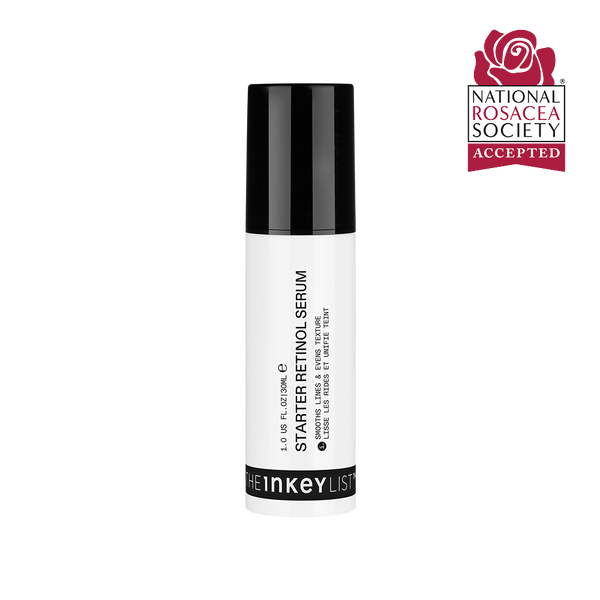
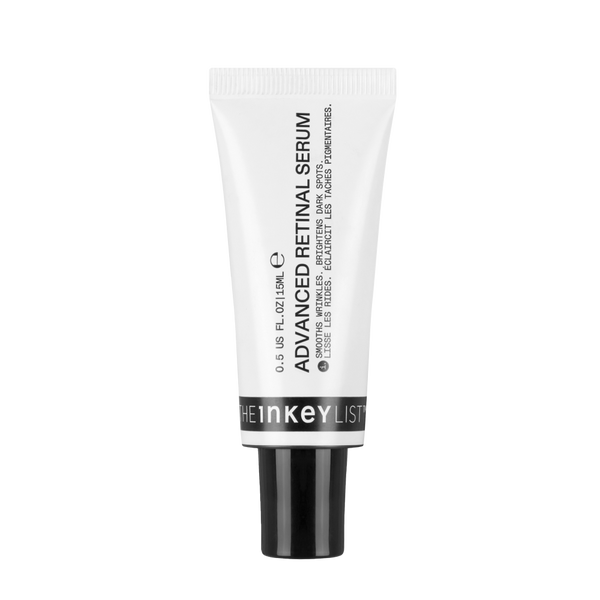
This includes INKEY’s own retinol products. The Starter Retinol Serum and Advanced Retinal Serum should both be paused during pregnancy. The positive news: once pregnancy and breastfeeding are complete, they can be confidently reintroduced. More on that in the postpartum section below.
Salicylic Acid at High Concentrations - Use With Caution
Salicylic acid is a BHA (beta hydroxy acid) and a highly effective ingredient for blemish-prone skin. The concern during pregnancy relates specifically to high-concentration, leave-on formulations - the kind found in targeted spot treatments and leave-on exfoliant pads at concentrations above 2%. At high concentrations, salicylic acid can penetrate deeply into the skin and, in large quantities, has been associated with concerns during pregnancy.
Low-concentration, rinse-off formulations are considered lower risk. INKEY’s Salicylic Acid Cleanser, as a rinse-off product, falls into this lower-risk category - however, as with any active during pregnancy, the recommendation is to consult your GP or midwife before continuing to use it.
Hydroquinone - Avoid During Pregnancy
Hydroquinone is a skin-lightening ingredient commonly prescribed for hyperpigmentation and melasma. It has a high absorption rate and is contraindicated during pregnancy. If you have been using hydroquinone pre-pregnancy to manage pigmentation, you will need to pause it and switch to pregnancy-safe alternatives.
The good news is that there are genuinely effective alternatives. Azelaic acid and Vitamin C are both pregnancy-safe, both clinically supported for pigmentation management, and both covered in detail in the sections that follow. You do not need hydroquinone to manage melasma during pregnancy - you need the right combination of safe actives and rigorous SPF protection.
Chemical Sunscreen Filters - Prefer Mineral SPF
Some chemical sunscreen filters - particularly oxybenzone - have raised concerns during pregnancy due to their potential for systemic absorption and possible hormonal disruption. The guidance from many dermatologists is to favour mineral SPF (containing zinc oxide or titanium dioxide) during pregnancy as a precaution.
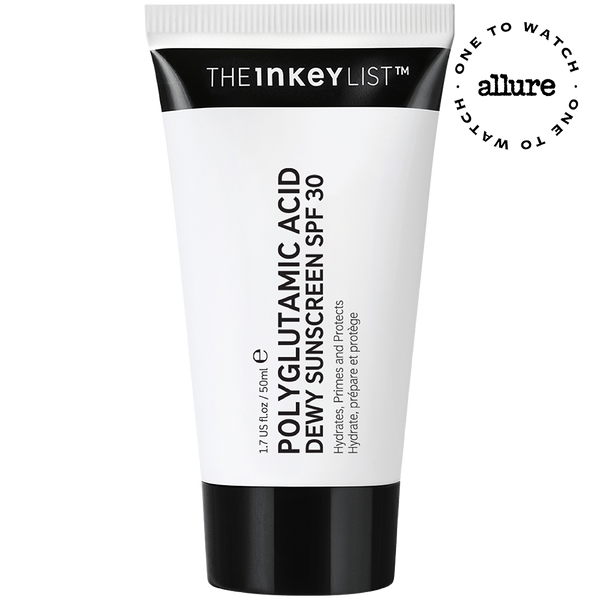
In the interest of transparency: INKEY’s Dewy Sunscreen SPF 30 uses chemical filters and is not a mineral SPF. During pregnancy, we recommend consulting your GP or midwife and choosing a mineral SPF formulation as your primary sun protection. INKEY’s Dewy Sunscreen SPF 30 can be returned to after pregnancy. For broader SPF context, our SPF guide covers everything you need to know about sunscreen ingredients and choices.
Now that the “what to avoid” list is clearly established - and it is genuinely shorter than many people expect - the guide turns to something far more expansive and reassuring: the long list of ingredients that are not only safe during pregnancy, but genuinely effective.
Pregnancy-Safe Ingredients That Actually Work
One of the most important things to understand about pregnancy skincare is this: the list of safe ingredients is long. Most of the most effective ingredients in modern skincare are completely fine to use during pregnancy. Being pregnancy-safe does not mean being ineffective - it means being well-evidenced and low-risk.
Here is a clear reference guide to the ingredients you can use with confidence.
Hyaluronic Acid - Safe. A humectant that draws moisture into the skin from the surrounding environment. Topically applied hyaluronic acid does not penetrate to the bloodstream and is widely considered safe across all three trimesters. It is one of the most beneficial ingredients you can use during pregnancy. For more, see our hyaluronic acid ingredient guide.
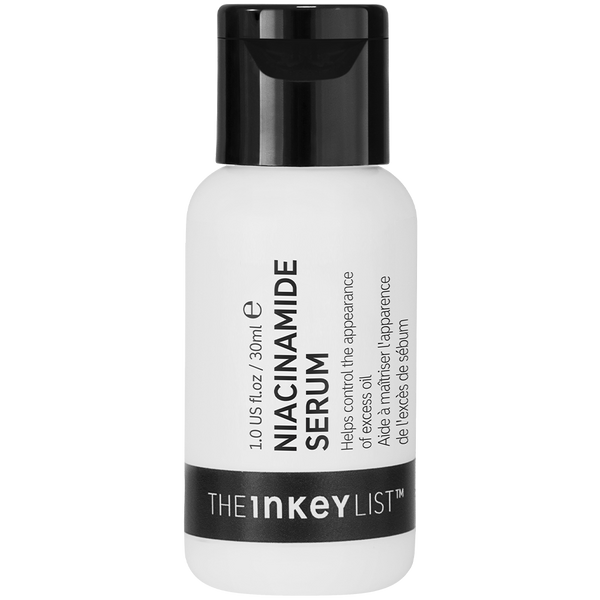
Niacinamide - Safe. A form of Vitamin B3 with a well-established safety profile and no known systemic risk during pregnancy. It directly addresses excess oil production, visible redness, and uneven skin tone - all common pregnancy skin concerns. Our niacinamide guide covers its full range of benefits.
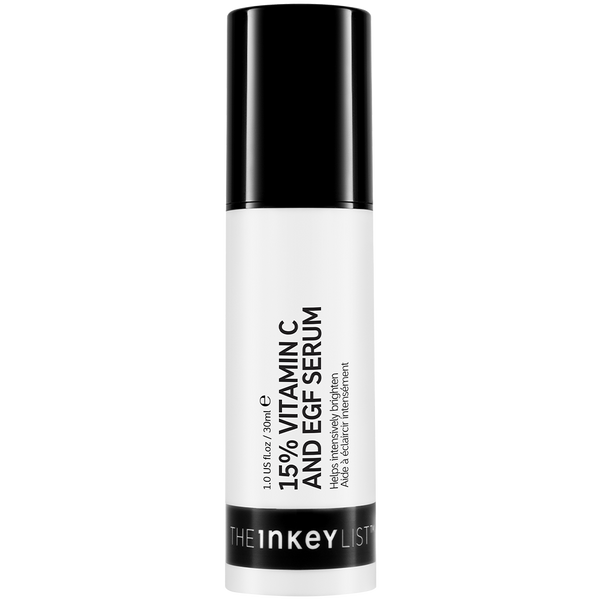
Vitamin C - Safe. Topical Vitamin C, including the ascorbyl glucoside form used in INKEY’s formula, is considered safe during pregnancy. It is an antioxidant and brightening ingredient with no systemic concerns at topical concentrations. Particularly valuable for protecting against UV-triggered pigmentation. See our Vitamin C ingredient page.
Azelaic Acid - Safe. One of the very few actives that dermatologists routinely recommend during pregnancy. Clinically proven to address pigmentation, redness, and blemishes safely. A true hero ingredient for pregnancy skin. Our azelaic acid guide provides full ingredient detail.
PHA (Polyhydroxy Acids) - Safe. The gentlest form of exfoliating acid. PHAs have a larger molecular structure than AHAs, meaning they exfoliate at the skin’s surface without penetrating as deeply. Widely considered a safe alternative to stronger acids during pregnancy. For more, visit our PHA ingredient page.
Glycerin - Safe. A gentle, universal humectant and skin soother. No concerns during pregnancy. A reliable hydration staple. See our glycerin ingredient guide.
Ceramides - Safe. Lipid molecules that naturally occur in the skin barrier. Topical ceramides support barrier function and lock in moisture with no known pregnancy concerns. Find out more on our ceramides ingredient page.
Bakuchiol - Generally considered safe, consult your healthcare provider. A plant-derived ingredient often positioned as a retinol alternative. The evidence base is growing, and most dermatologists consider it low risk during pregnancy - however, the long-term research is smaller than for established actives. Always consult your GP or midwife before introducing bakuchiol during pregnancy. See our bakuchiol ingredient page.
Peptides - Safe. Short chains of amino acids that support collagen production and skin repair. A gentle, effective option for those looking to address early signs of ageing safely during pregnancy. Our peptides ingredient guide explains how they work.
Retinol - Avoid. As covered in Section 2, retinoids of all types should be paused during pregnancy. See our retinol ingredient page for context - and the postpartum section below for how to reintroduce it safely after pregnancy and breastfeeding.
Salicylic Acid at high concentrations - Avoid in leave-on, high-dose forms. Lower-concentration, rinse-off formulations carry lower risk, but the precautionary advice is to consult your GP or midwife. See our salicylic acid ingredient page.
With the full landscape of safe and avoid-list ingredients established, the guide now goes deeper - giving you the detailed, product-specific knowledge to actually build your routine with confidence.
Deep Dives: Your Pregnancy-Safe Hero Ingredients
These are the ingredients worth knowing in real depth - why they work, what the science says, and which INKEY products deliver them most effectively. Each one addresses at least one of the key skin concerns that pregnancy brings with it.
Niacinamide: The Pregnancy Blemish Hero
Niacinamide - also known as Vitamin B3 - is one of the most versatile actives in skincare, and it is particularly well-suited to pregnancy because it directly addresses the two skin concerns that progesterone and oestrogen drive most aggressively: excess oil and uneven skin tone.
Progesterone’s effect on sebum production is significant. It ramps up oil output, clogs pores, and creates the conditions for breakouts and congestion - often in women who rarely experienced these issues before pregnancy. Niacinamide works by regulating sebum production at the follicle level, reducing the excess oil that leads to congestion in the first place. At 10% concentration, it delivers meaningful, visible results without causing irritation to pregnancy-sensitised skin.
Alongside its sebum-regulating properties, niacinamide calms visible redness, supports an even skin tone, and helps to minimise the appearance of pores. For skin that is dealing with hormonally driven changes in both texture and tone simultaneously, it is one of the most efficient single ingredients you can use.
INKEY’s 10% Niacinamide Serum (£12/30ml) is our recommendation here. It is affordable, effective, and completely pregnancy-safe. In the morning routine, it layers well after Vitamin C to provide both antioxidant protection and oil control simultaneously. For deeper reading, our blog on niacinamide for hyperpigmentation, dark spots, and brightening covers the full picture.
Vitamin C: The Ultimate Pregnancy Protector
Vitamin C holds a particularly important role in pregnancy skincare because it addresses two distinct and interconnected concerns at once. First, it provides antioxidant defence against environmental stressors - UV radiation, pollution, and oxidative stress - that can all worsen the skin’s condition during pregnancy. Second, it directly targets melanin overproduction, making it one of the most powerful tools available for managing the early stages of melasma.
The form of Vitamin C matters, particularly during pregnancy when skin is more reactive. INKEY’s formula uses ascorbyl glucoside, a stabilised form of Vitamin C that is gentler than pure L-ascorbic acid and less likely to cause the tingling and sensitivity that can come with more potent Vitamin C formats. For pregnancy-sensitised skin, this stability and gentleness is a meaningful advantage.
The 15% Vitamin C + EGF Serum (£16/30ml) pairs the ascorbyl glucoside with EGF peptide (Epitensive), which simultaneously supports skin renewal and elasticity. Applied in the morning before your SPF, it forms a protective antioxidant shield against the UV exposure that triggers melanin overproduction. If you are experiencing early melasma, this is a non-negotiable morning step. For further reading, see our blog: Can You Use Vitamin C When Pregnant?. And for full ingredient background, our Vitamin C ingredient page has everything you need.
Azelaic Acid: The Dermatologist’s Pregnancy Pick
If there is one active that dermatologists reach for most confidently when a patient asks what they can use during pregnancy, it is azelaic acid. It occupies a remarkable position in pregnancy skincare: a genuinely active, clinically proven ingredient that addresses multiple concerns at once, and one that is widely considered safe throughout all three trimesters.
Azelaic acid works through three complementary mechanisms that make it particularly relevant to pregnancy skin. It inhibits tyrosinase - the enzyme responsible for triggering melanin overproduction - making it a clinically validated treatment for melasma and post-breakout marks. It gently exfoliates to clear congestion and prevent blocked pores. And it reduces inflammatory responses in the skin, calming the redness and sensitivity that are so common during pregnancy.
At 10% concentration, it is clinically proven to minimise visible redness in as few as four days. INKEY’s 10% Azelaic Acid Serum for Redness Relief (£16/30ml) is formulated for sensitive and rosacea-prone skin, making it well-suited to pregnancy-sensitised complexions. Use it in the evening routine as your active treatment step. For pairing guidance, our blog on azelaic acid and niacinamide is worth a read. Full ingredient science is on our azelaic acid ingredient page.
Hyaluronic Acid: The Pregnancy Hydration Essential
Hyaluronic acid is, quite simply, one of the most beneficial ingredients you can use throughout pregnancy - and one of the most straightforward in terms of safety. It is a molecule that occurs naturally in the body, and topically applied hyaluronic acid does not penetrate to systemic circulation. It is completely safe across all three trimesters.
During pregnancy, the body’s resources are diverted significantly towards supporting the developing baby. One of the most common side effects of this is skin that feels perpetually dehydrated - tight, parched, and dull despite drinking plenty of water. Hyaluronic acid is one of the most effective tools for restoring surface hydration because it functions as a humectant: it draws moisture into the outer layers of the skin and holds it there.
The key to getting the most from hyaluronic acid is application technique. Apply it to slightly damp skin immediately after cleansing, before any serums or moisturisers. This allows the HA to draw moisture from the film of water on your skin’s surface, delivering optimal hydration uptake. INKEY’s formula uses three molecular weights of HA to target hydration across multiple layers of the skin’s surface - not just the very top.
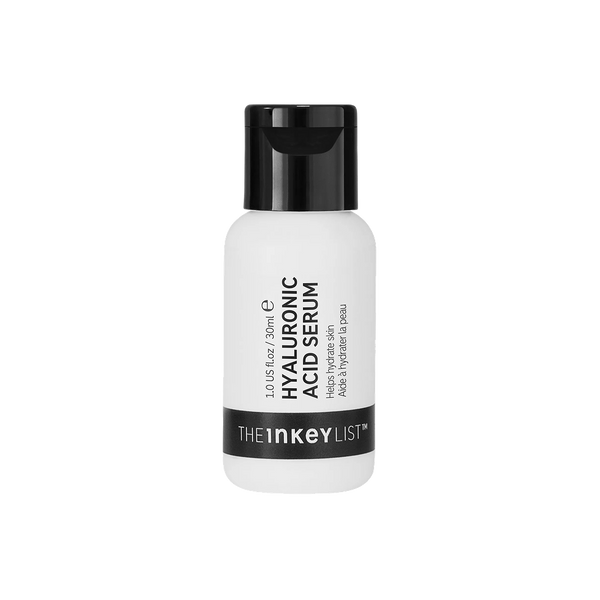
INKEY’s Hyaluronic Acid Serum (£12/30ml) is the most straightforwardly essential product in a pregnancy routine. Affordable, effective, and without a single ingredient concern. Full detail at our hyaluronic acid ingredient page.
Ceramides: Rebuilding Your Pregnancy Skin Barrier
Ceramides are lipid molecules that form a critical structural component of the skin’s natural barrier. Think of the skin barrier as a brick wall: the skin cells are the bricks, and ceramides are the mortar that holds them together. When that mortar is compromised - as it frequently is during pregnancy due to hormonal shifts, increased sensitivity, and environmental stressors - moisture escapes more easily, irritants get in more readily, and the skin feels reactive and vulnerable.
Topical ceramides work by replenishing this barrier from the outside in. They lock in moisture, reduce transepidermal water loss, and help restore the protective function that keeps skin comfortable and resilient. For pregnancy skin dealing with a combination of sensitivity, dryness, and external stressors, ceramide-based moisturisation is foundational.
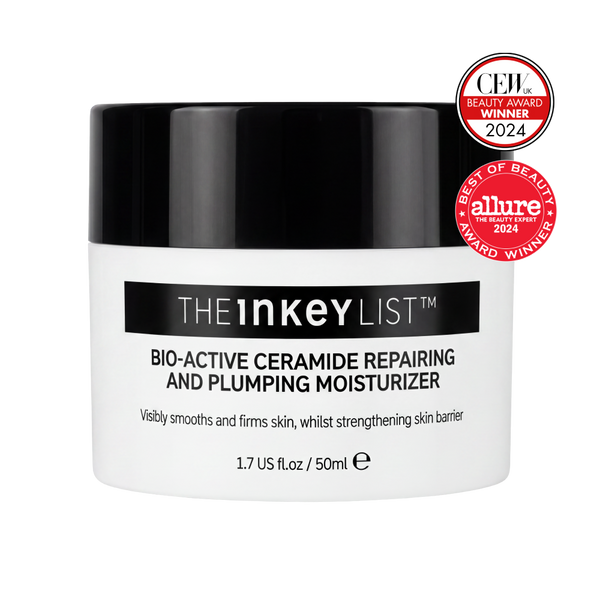
INKEY’s Bio-Active Ceramide Moisturiser (£20/50ml) contains bioactive ceramide NP alongside shea butter to soothe and Gransil Blur X11 for a soft-focus finish. It is suitable for both morning and evening use, acting as the final moisturising step to seal in all the hydration and treatment layers applied beforehand. Further reading: ceramides ingredient page and our damaged skin barrier guide.
PHA: The Gentle Pregnancy-Safe Exfoliant
Maintaining exfoliation during pregnancy requires a rethink. AHAs like glycolic and lactic acid, and BHAs like salicylic acid at higher concentrations, are generally advised against during pregnancy. But stopping exfoliation entirely is not the answer either - dead skin cell build-up leads to dullness, congestion, and uneven texture, all of which are already challenged during pregnancy.
PHA - Polyhydroxy Acid - is the solution. PHAs have a larger molecular structure than AHAs, which means they exfoliate at the very surface of the skin without penetrating as deeply. This makes them significantly gentler, without any of the systemic concern associated with stronger acids. PHAs also have the added benefit of being humectants themselves, meaning they exfoliate and hydrate simultaneously - a useful property for skin that is dealing with both congestion and dehydration at the same time.
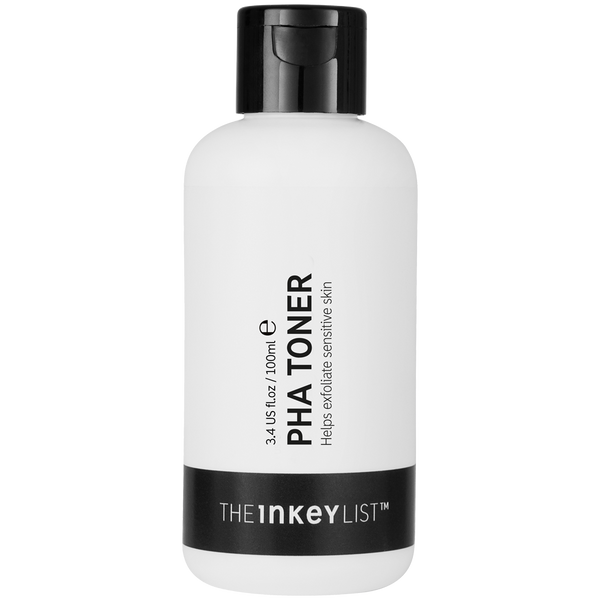
INKEY’s PHA Toner (£14/100ml) is designed for 2-3 times weekly use in the evening routine, on alternate evenings to your Azelaic Acid Serum, or alongside it depending on your skin’s tolerance. Use it after cleansing, before serums and moisturiser. On sensitive nights or during periods of heightened reactivity, skip it in favour of straight hydration. For full context, see our blog Is PHA Safe During Pregnancy? and our PHA ingredient page.
Bakuchiol: The Pregnancy-Safe Retinol Alternative
Bakuchiol is derived from the seeds of the babchi plant and has attracted significant attention in recent years as a plant-based alternative to retinol. Studies suggest it can support skin cell renewal and reduce the visible appearance of fine lines - but through a different biological mechanism to retinol, one that does not carry the same teratogenic concern.
Unlike retinol, bakuchiol is widely considered low risk during pregnancy. However, it is important to be honest about the evidence base: while bakuchiol is promising and most dermatologists regard it as safe, the long-term clinical data is smaller than for well-established actives. For this reason, the recommendation is to treat it as generally considered safe - but always consult your GP or midwife before introducing any new active during pregnancy.
INKEY does not currently carry a bakuchiol product, but we have dedicated content on the ingredient for those who want to explore it further: Is Bakuchiol Safe During Pregnancy? and our bakuchiol ingredient page.
With a comprehensive understanding of the hero ingredients now in place, the guide turns to two of the most specific and pressing pregnancy skin challenges - melasma and SPF protection - and how they work together.
Managing Melasma, Hyperpigmentation, and Pregnancy-Safe SPF
Melasma and sun protection are deeply interconnected during pregnancy, and understanding this relationship is essential to managing both effectively. Treating one without addressing the other is like mopping the floor with the tap still running.
Managing Melasma and Hyperpigmentation During Pregnancy
Melasma affects an estimated 50-70% of pregnant women - making it one of the most common and often most emotionally significant pregnancy skin concerns. It develops as patches of deeper pigmentation, most commonly appearing on the forehead, cheeks, upper lip, and chin - a pattern sometimes referred to as the mask of pregnancy.
The mechanism is hormonal. Oestrogen stimulates melanocytes - the pigment-producing cells in the skin - to increase their melanin output. The critical factor that determines whether this melanin overproduction becomes visible melasma is UV exposure. UV light is the trigger that activates the melanocytes that oestrogen has already primed. This is why SPF protection is not just helpful for melasma management - it is the single most important step. You can use the most effective brightening actives available, but without consistent UV protection, melasma will continue to develop and darken.
The conventional prescription treatment for melasma is hydroquinone - but as covered in Section 2, hydroquinone is contraindicated during pregnancy due to its high absorption rate. The pregnancy-safe alternative approach uses two actives in combination: Vitamin C in the morning (for antioxidant protection and melanin inhibition) and Azelaic Acid in the evening (for tyrosinase inhibition and gentle exfoliation). This combination is not a compromise - it is a genuinely clinically supported approach to managing pregnancy melasma safely.
For deeper context on melasma and hyperpigmentation, our hyperpigmentation pillar page is a comprehensive resource. You may also find our guides on what melasma is and how to treat it and pigmentation around the mouthparticularly relevant.
Pregnancy-Safe SPF: Why Mineral Is the Recommendation
Sun protection is non-negotiable during pregnancy. Not optional. Not an occasional step. An unprotected skin barrier during pregnancy is more vulnerable to UV-triggered melanin production, environmental oxidative stress, and the accelerated pigmentation that comes with melasma. SPF worn every single morning - rain or shine, indoors or outdoors - is the most impactful thing you can do for your pregnancy skin.
The distinction during pregnancy is between mineral and chemical SPF filters. Mineral SPF, formulated with zinc oxide or titanium dioxide, is the recommended choice. Mineral filters work by physically sitting on the surface of the skin and reflecting UV rays away, rather than being chemically absorbed. They are not associated with systemic absorption concerns and are widely recommended by dermatologists for use during pregnancy.
Chemical SPF filters - such as oxybenzone - work differently. They are absorbed into the skin and converted UV radiation into heat. Some chemical filters, particularly oxybenzone, have raised concerns in pregnancy research regarding potential hormonal disruption due to systemic absorption. The guidance from many dermatologists is to avoid them during pregnancy as a precaution.
A note on transparency that reflects INKEY’s commitment to honesty: our Dewy Sunscreen SPF 30 (£15/50ml) uses chemical filters and is not a mineral SPF. During pregnancy, we recommend choosing a mineral SPF (zinc oxide or titanium dioxide) as your primary sun protection, and consulting your GP or midwife for specific product guidance. INKEY’s Dewy Sunscreen SPF 30 can be returned to confidently after pregnancy. Our SPF pillar page provides broader context on sunscreen ingredients and choices.
Even in the UK’s lower-UV climate, mineral SPF should be applied every morning throughout pregnancy. UV rays are present on overcast days and penetrate through windows - waiting for sunshine is not a reliable strategy.
With the full ingredient picture in place, the guide now brings everything together into practical, step-by-step morning and evening routines you can start using today.
Building Your Pregnancy-Safe Skincare Routine
All the ingredient knowledge in the world is most useful when it is translated into a practical routine you can actually follow. This section gives you a clear, product-specific morning and evening routine for pregnancy, plus targeted guidance for specific skin concerns.
Your Pregnancy-Safe Morning Routine
The morning routine prioritises protection - antioxidant defence against UV damage, melanin inhibition, oil control, barrier support, and SPF.
Step 1 - Cleanse: Begin with the Oat Cleansing Balm (£15/150ml). It melts away overnight product residue and impurities without stripping the skin’s natural moisture. Colloidal oatmeal soothes and calms reactive, pregnancy-sensitised skin. Suitable for all skin types, including sensitive.
Step 2 - Brighten: Apply the 15% Vitamin C + EGF Serum (£16/30ml) to cleansed skin. The stable ascorbyl glucoside form delivers antioxidant protection and targets early melasma without the irritation risk of more potent Vitamin C formats.
Step 3 - Balance and treat: Layer the 10% Niacinamide Serum (£12/30ml) after Vitamin C. This controls oil production, calms visible redness, and supports an even skin tone - working in complement to the Vitamin C’s brightening action.
Step 4 - Moisturise: Apply the Bio-Active Ceramide Moisturiser (£20/50ml) to lock in moisture, support barrier function, and create a smooth base for SPF.
Step 5 - Protect: Finish with a mineral SPF (zinc oxide or titanium dioxide) applied generously across the face, neck, and any exposed areas. Reapply every two hours when spending time outdoors. This step is essential, non-negotiable, and the most important thing you can do to prevent melasma worsening.
Your Pregnancy-Safe Evening Routine
The evening routine focuses on gentle exfoliation, deep hydration, and active treatment - the restorative work that supports skin overnight.
Step 1 - Cleanse: Begin with the Oat Cleansing Balm (£15/150ml) to remove SPF, makeup, and the day’s impurities. For a double cleanse, follow with the Glycerin Gentle Purifying Cleanser for a lighter, thorough second cleanse.
Step 2 - Exfoliate (2-3 times per week): Apply the PHA Toner (£14/100ml) after cleansing on alternate evenings. Use a cotton pad or press into the skin with clean hands. On particularly sensitive nights, skip this step and move straight to hydration.
Step 3 - Hydrate: Apply the Hyaluronic Acid Serum (£12/30ml) to slightly damp skin immediately after cleansing (or after the PHA Toner). The damp-skin application technique is key to maximising moisture uptake.
Step 4 - Treat: Apply the 10% Azelaic Acid Serum for Redness Relief (£16/30ml) to areas of congestion, redness, or pigmentation. This is the evening workhorse for blemish-prone or melasma-affected skin - addressing multiple concerns in a single step.
Step 5 - Moisturise: Seal in all treatment layers with the Bio-Active Ceramide Moisturiser (£20/50ml). This supports overnight barrier repair and prevents transepidermal water loss while you sleep.
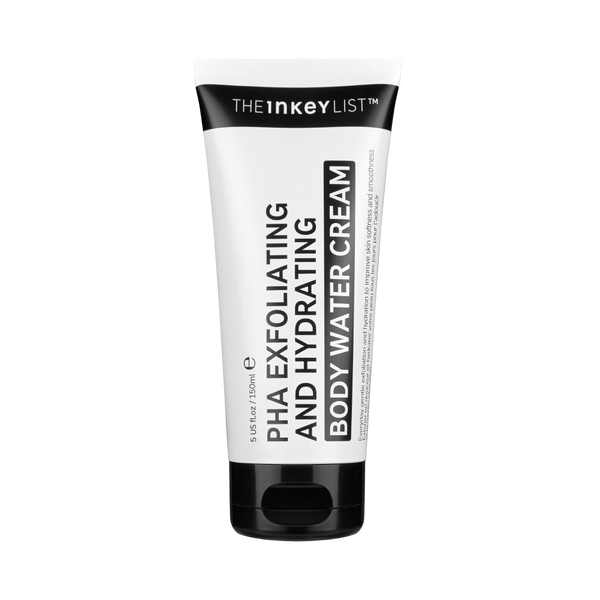
Step 6 - Body: For the bump, thighs, and other areas of skin stretch, the PHA Body Water Cream (£15/150ml) provides gentle surface exfoliation and deep hydration for the body, helping to maintain softness and suppleness throughout pregnancy.
Targeting Specific Pregnancy Skin Concerns
For pregnancy breakouts and blemishes: Prioritise the 10% Niacinamide Serum in the morning for oil control and the 10% Azelaic Acid Serum in the evening for blemish treatment. Use the PHA Toner 2-3 times weekly to prevent congestion build-up. Avoid high-dose salicylic acid leave-on treatments. Our blemish guide and blog on 4 product types for clearing blemishes are helpful companions.
For melasma and pigmentation: Vitamin C in the morning, Azelaic Acid in the evening, and mineral SPF every single morning without exception. Consistency is everything with melasma - a missed SPF day can undo weeks of progress. Visit our hyperpigmentation pillar for comprehensive guidance.
For sensitivity and a compromised skin barrier: Simplify your routine. Lean on the Oat Cleansing Balm, Hyaluronic Acid Serum, and Bio-Active Ceramide Moisturiser as your core three. Reduce exfoliation frequency - or pause it entirely during periods of heightened sensitivity. Our damaged skin barrier guide provides further support.
For dehydration and dryness: Layer the Hyaluronic Acid Serum on damp skin before your moisturiser every morning and evening. The HydroSurge Dewy Face Mist is a helpful on-the-go hydration top-up during the day, particularly in dry indoor environments. For more on addressing dehydration from the inside out of your routine, see our dehydrated skin guide.
Planning for Postpartum and Your Pregnancy Skincare FAQs
What to Expect From Your Skin After Birth
The immediate postpartum period brings another significant hormonal shift. After delivery, oestrogen and progesterone levels drop rapidly - and just as they shaped your skin during pregnancy, they will continue to influence it in the months that follow. The pregnancy routine outlined above can largely continue into the immediate postpartum period. The priority in those first weeks is the same as in pregnancy: gentle, barrier-supportive, and hydrating.
For those who are breastfeeding, the same caution that applied during pregnancy continues. High-dose salicylic acid in leave-on formulations is generally avoided while breastfeeding as a precaution, as are retinoids. The skin is still in a hormonally transitional state, and simplicity and barrier support remain the priority. Always consult your GP or midwife before making changes to your routine while breastfeeding.
Sleep deprivation is a near-universal postpartum experience, and it shows in the skin. Dark circles and puffiness around the eyes are common. INKEY’s Caffeine Eye Cream is a practical addition to the postpartum routine - caffeine constricts blood vessels to reduce puffiness and temporarily brighten the undereye area.
Once pregnancy and breastfeeding are both complete, retinol can be confidently reintroduced. INKEY offers two options for the reintroduction stage. The Starter Retinol Serum (£13/30ml) is formulated with gentle retinoids, ideal for those restarting after a break or new to the ingredient. The Advanced Retinal Serum (£18/15ml) contains 0.2% Retinal - a more potent retinoid for those ready to step up after building a tolerance with a starter formula. Begin slowly, use once or twice per week, and build up gradually. Our retinol ingredient page has full guidance on reintroduction.
Pregnancy-Safe Skincare Is About Doing It Smarter, Not Less
The goal of this guide has never been to make pregnancy skincare feel more complicated. It is to do the opposite - to give you the ingredient knowledge that makes the whole thing feel manageable, clear, and even reassuring.
The core truth is worth restating: pregnancy-safe skincare is not about compromise. Hyaluronic Acid, Niacinamide, Vitamin C, Azelaic Acid, Ceramides, and PHA are not backup choices. They are genuinely effective, clinically supported, and worthy of any skincare routine at any stage of life. The temporary pause on retinoids and one or two other ingredients is a small adjustment in the context of a routine that largely continues intact.
INKEY’s role is always to give you the knowledge to make informed choices - not to overwhelm you, not to alarm you, and not to make skincare feel like a minefield when it does not have to be. Pregnancy is a remarkable and demanding time, and your skincare routine should be one less thing to worry about.
Always consult your GP or midwife for personalised medical advice, particularly around any specific ingredients or health circumstances that apply to you.
Ready to build your pregnancy-safe routine? Explore our skincare collection and find the products featured throughout this guide. And if you are looking for more specific ingredient guidance, our blogs on Is PHA Safe During Pregnancy? and Can You Use Vitamin C When Pregnant? are the ideal next read.
Frequently Asked Questions

Got a question?
Our askINKEY team are a friendly bunch of skincare experts with deep product knowledge and zero judgement. Whether you're an ingredient obsessive or just starting out, we'll make it make sense. No question too big. No question too small. We Give A Care, Every Day.


