
Does Sunscreen Really Help with Hyperpigmentation? Here Is What the Science Says

31.05.2026 | Skincare

UV exposure is the single biggest external driver of hyperpigmentation - and the single biggest barrier to fading it. If you are dealing with dark spots, uneven skin tone, or post-blemish marks that refuse to budge, sunscreen for dark spots is not an optional add-on to your routine. It is the foundation everything else is built on.

This guide covers everything you need to know: the science behind UV radiation and dark spots, how different types of hyperpigmentation are affected, what SPF can and cannot realistically do, which ingredients to pair with it, and how to build a complete morning routine that actually delivers results. Whether you are just starting to tackle hyperpigmentation or you have been at it for months without seeing the progress you expected, this is the guide that fills in the gaps.

At a Glance: The Key Takeaways

  • UV exposure triggers and worsens every type of hyperpigmentation - making daily SPF non-negotiable, 365 days a year.
  • Sunscreen does not directly fade dark spots, but it prevents UV from re-triggering melanin overproduction, protecting the results your brightening actives are working to deliver.
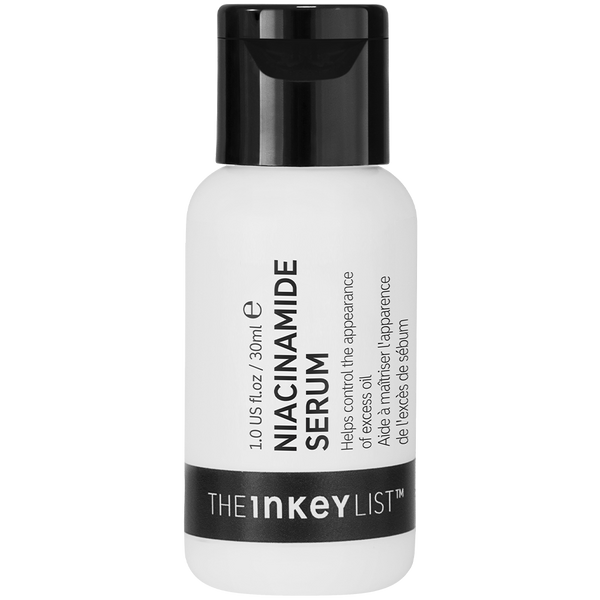
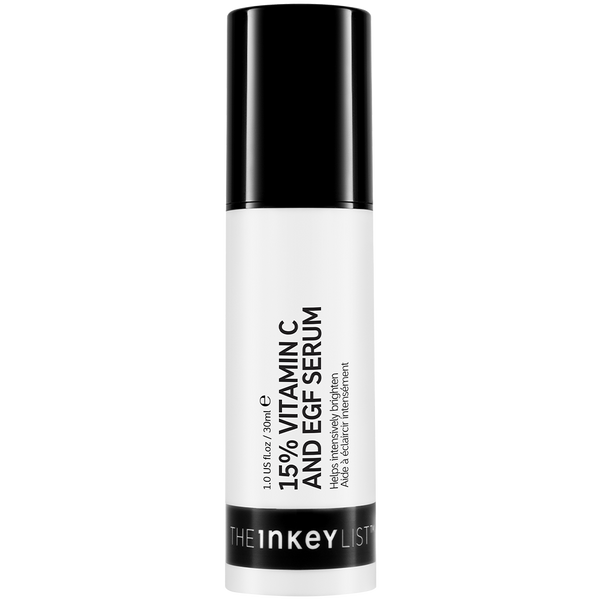
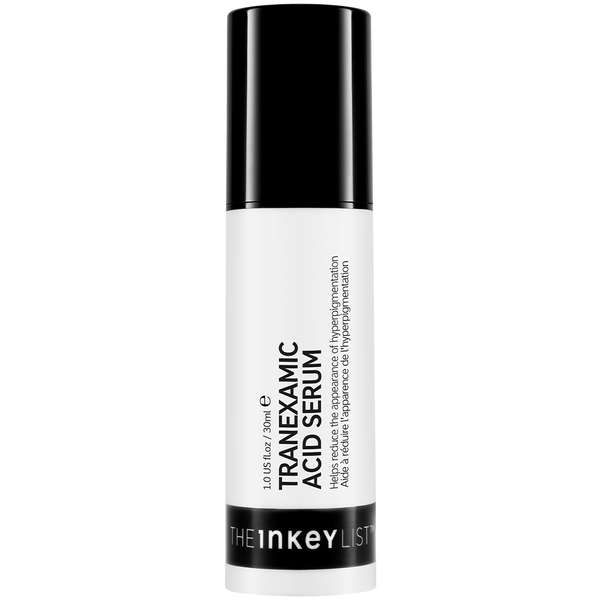
  • The most effective approach combines daily broad-spectrum SPF with targeted brightening ingredients: our Tranexamic Acid Serum (£16.00), 15% Vitamin C + EGF Serum (£15.00), and Niacinamide Serum (£10.00).
  • SPF 30 minimum is the dermatologist-recommended standard for daily protection - and how much you apply matters more than the SPF number on the bottle.
  • For a complete overview of causes, types, and treatments, visit our Hyperpigmentation guide and SPF guide.

Why UV Exposure Makes Hyperpigmentation Worse: The Science Behind Dark Spots and Sun Damage

To understand why SPF for hyperpigmentation is so critical, you first need to understand what is happening beneath the surface of your skin every time it is exposed to UV radiation. This is not abstract biology - it is a direct explanation of why your dark spots are there, why they deepen in warmer months, and why no brightening serum on earth will deliver its full potential without sun protection working alongside it.

Your skin contains specialised cells called melanocytes. These cells produce melanin - the pigment responsible for giving your skin, hair, and eyes their colour. Under normal circumstances, melanin production is relatively stable. But the moment UV radiation hits your skin, your body reads it as a threat and triggers melanocytes to produce more melanin as a defence mechanism. Think of it as an alarm system: UV is the intruder, and melanin is the response.

The problem is that this alarm system does not reset cleanly. For people with hyperpigmentation, melanocytes are already primed to overproduce - whether because of hormonal influences, prior skin inflammation, or cumulative sun damage. Every unprotected exposure to UV keeps hitting that alarm button, signalling melanocytes to produce more pigment. Existing dark spots cannot fade when the stimulus that created them is constantly being reapplied.

UVA vs UVB: Understanding the Full Spectrum of Damage

Not all UV radiation works the same way, and understanding the difference between UVA and UVB is essential for understanding why everyday SPF matters - not just on sunny summer days.

UVB rays are the shorter-wavelength rays most people associate with sunburn. They are strongest in summer, during peak daylight hours, and are partially blocked by cloud cover and glass. UVB contributes to hyperpigmentation by causing direct DNA damage to skin cells, which can trigger irregular melanin production as part of the skin’s repair process.

UVA rays are longer in wavelength, which means they penetrate significantly deeper into the dermis - the deeper layer of skin where collagen lives and where lasting photoageing damage accumulates. UVA rays are present year-round, at roughly consistent levels regardless of season or weather. They pass through cloud cover and through glass, meaning you are exposed to them while sitting by a window, driving a car, or working in an office with natural light. UVA is the primary driver of pigmentation-related UV damage: it stimulates melanocyte activity directly and contributes to the breakdown of the structural proteins that keep skin looking even and youthful.

This distinction matters enormously for anyone managing hyperpigmentation. The American Academy of Dermatologyconsistently reinforces that broad-spectrum protection - covering both UVA and UVB - is the only clinically meaningful standard for daily sun protection. An SPF that only blocks UVB is leaving the most insidious source of pigmentation damage completely unaddressed.

The UV-Melanin Feedback Loop

Here is where the science becomes particularly relevant for dark spots specifically. UV exposure does not just cause new pigmentation - it actively prevents existing pigmentation from fading. Research published in JAMA Dermatologyhas documented the role of UV radiation in inducing lasting DNA damage in skin cells, with downstream effects on how melanin is regulated over time.

The UV-melanin feedback loop works like this: UV stimulates melanocytes to produce more melanin. In areas where melanocytes are already overactive - existing dark spots, post-blemish marks, areas of melasma - this stimulation is amplified. Without SPF, this stimulation is constant and cumulative. The skin never gets a break from the input that is causing the problem in the first place.

This is the fundamental reason that brightening serums underperform without SPF. It is not that those serums are ineffective - it is that they are working against a stimulus that is continuously opposing their results. You can apply the most evidence-backed Tranexamic Acid and Vitamin C formulas available, but if UV is still hitting your skin unprotected every day, you are attempting to reverse a process that keeps being restarted.

For readers who want to explore the full science of UV and skin protection in depth, our SPF guide covers broad-spectrum protection, application guidance, and the difference between mineral and chemical filters in detail.

Understanding the biology makes every recommendation in this blog make sense. With that foundation in place, the next step is recognising that not all hyperpigmentation is the same - and different types have slightly different relationships with UV exposure.


Types of Hyperpigmentation and How UV Affects Each One

Hyperpigmentation is not a single condition. It is an umbrella term for several distinct types of excess pigmentation, each with different causes, different triggers, and slightly different priorities when it comes to sun protection. Knowing which type you are dealing with helps you understand exactly where SPF sits in your routine - and why it is non-negotiable regardless of type.

If you are unsure which type of hyperpigmentation you have, the blog What type of skin hyperpigmentation do I have?is the best place to start. For a comprehensive overview of causes and treatment approaches, our Hyperpigmentation guide covers everything in detail.

Melasma: The UV-Reactive Pigmentation

Melasma is one of the most challenging types of hyperpigmentation to manage, largely because it is so highly reactive to UV. It presents as symmetrical patches of deeper pigmentation - typically on the cheeks, forehead, upper lip, and chin - and is strongly associated with hormonal shifts, including pregnancy and hormonal contraception.

The critical thing to understand about melasma is that even brief, unprotected UV exposure can trigger a flare. Not a prolonged sunbathing session. Not a summer holiday. A walk to the shops on an overcast day. Melasma is driven by hormones, but UV is the key that unlocks the overproduction response. This makes melasma sun protection arguably more urgent than for any other hyperpigmentation type. Many dermatologists position daily broad-spectrum SPF as the single most important step in melasma management - above any brightening serum, above any in-clinic treatment.

Managing melasma without strict, consistent daily SPF is not managing melasma. It is simply cycling through flares.

Post-Inflammatory Hyperpigmentation: The Dark Marks Left Behind

Post-inflammatory hyperpigmentation (PIH) is the dark discolouration left after skin inflammation resolves - whether from blemishes, eczema, a cut, or any other form of skin trauma. PIH occurs because inflammation signals melanocytes in the affected area to overproduce melanin as part of the healing response.

UV does not directly cause PIH. But it significantly prolongs and deepens it. When melanocytes in a PIH-affected area are already overactive, UV stimulation amplifies that overproduction further, making marks darker and more persistent than they would otherwise be. For blemish-prone skin where PIH is a recurring concern, SPF is essential not just for prevention but for allowing existing marks to actually fade.

Our Niacinamide Serum (£10.00) is a particularly valuable ingredient for PIH-prone skin because it works by calming the inflammation that triggers the overproduction in the first place. Combined with daily SPF, it gives skin the best possible environment for post-blemish marks to resolve cleanly.

Sunspots (Solar Lentigines): Directly UV-Driven

Sunspots - also known as solar lentigines or age spots - are the most directly UV-caused form of hyperpigmentation. They result from cumulative sun exposure over years and decades, appearing most often on the face, hands, chest, and shoulders. Unlike melasma, there is no hormonal component. Unlike PIH, there is no inflammatory trigger. Sunspots are simply the visible legacy of years of unprotected UV exposure on melanocyte activity.

For sunspots, SPF serves two functions: it prevents new spots from forming, and it stops existing spots from deepening. Brightening actives can fade existing sunspots over time, but without daily SPF, new spots will continue to form and existing ones will continue to darken - largely cancelling out the progress actives are making.

Why Skin Tone Matters

An important point that is frequently overlooked: SPF for hyperpigmentation is relevant for every skin tone. The AAD’s guidance on skin of colour is clear that UV-driven pigmentation and photodamage affect all skin tones. Darker skin tones have more active melanocytes, which actually makes them more reactive to UV pigmentation triggers - particularly for PIH. The idea that people with darker skin do not need daily SPF is a damaging myth that we address directly in the myths section below.

With the different types of hyperpigmentation and their relationship to UV now understood, we can address the question that drives most people to this blog in the first place: does sunscreen actually help with dark spots, or does it only prevent new ones?


Does Sunscreen Help With Hyperpigmentation? What SPF Can and Cannot Do

This is the question. And it deserves a straight answer, not a hedged non-answer dressed up as nuance. So here it is.

Sunscreen does not directly fade existing dark spots. It is not a brightening active. It contains no ingredient that inhibits melanin production or disperses existing pigment. If you apply SPF and expect your dark spots to lighten, you will be disappointed - not because SPF has failed, but because that is simply not what SPF does.

But SPF is still the single most important step in any hyperpigmentation routine. Here is why.

SPF Protects the Results Your Actives Work to Deliver

Every brightening ingredient - Tranexamic Acid, Vitamin C, Niacinamide - works by interrupting or reducing the melanin overproduction that causes dark spots. They are working against a specific biological process. But UV exposure is what keeps restarting that process. Without SPF, your skin is being continually re-exposed to the primary stimulus driving hyperpigmentation, partially reversing the progress your actives are making - sometimes faster than those actives can deliver it.

Think of it this way: trying to brighten dark spots without daily SPF is like mopping a floor with the tap still running. The mop - your brightening serum - is doing real work. But the tap is undoing it just as fast. SPF turns off the tap. That is when you actually start to see the floor get dry.

Our Tranexamic Acid Serum (£16.00) is a clear example of this dynamic. Tranexamic Acid is one of the most well-tolerated and effective brightening ingredients available. Clinical and consumer evidence supports its ability to reduce excess melanin production significantly over consistent use. But that consistency only delivers when UV is not continuously re-triggering the process. SPF is what allows Tranexamic Acid to compound its results over time rather than constantly fighting a losing battle.

Can Sunscreen Prevent Hyperpigmentation From Forming?

Yes - with important caveats. Broad-spectrum SPF, applied daily in an adequate amount, prevents UV-triggered melanin overproduction from occurring. For sunspots, this is close to a complete prevention strategy: consistent SPF use throughout your life is the most powerful thing you can do to prevent new sunspots from developing. For melasma and PIH, which have additional hormonal or inflammatory triggers respectively, SPF is the most powerful preventative step but not the only one required.

The critical phrase here is “applied in an adequate amount.” This is where many SPF routines fail in practice. Most people apply roughly a quarter to a half of the recommended amount of sunscreen, dramatically reducing the real-world protection level. For face and neck coverage, you need approximately three-quarters of a teaspoon. SPF applied too thinly does not deliver the protection stated on the bottle - a point consistently raised by dermatologists and backed by clinical evidence. For a full breakdown of application technique, our SPF guide covers exactly this.

SPF 30 vs SPF 50 for Hyperpigmentation

A common question is whether SPF 50 is meaningfully better than SPF 30 for managing dark spots. The honest answer is: marginally, in specific circumstances. SPF 30 blocks approximately 97% of UVB rays, while SPF 50 blocks approximately 98% - a difference that is real but modest. For most people in most daily situations - commuting, office work, incidental outdoor exposure - SPF 30 applied correctly is the standard. SPF 50 becomes more advisable for extended outdoor time or higher UV environments. In both cases, the application amount matters more than the number on the bottle. A generous application of SPF 30 will outperform a thin application of SPF 50 every time.

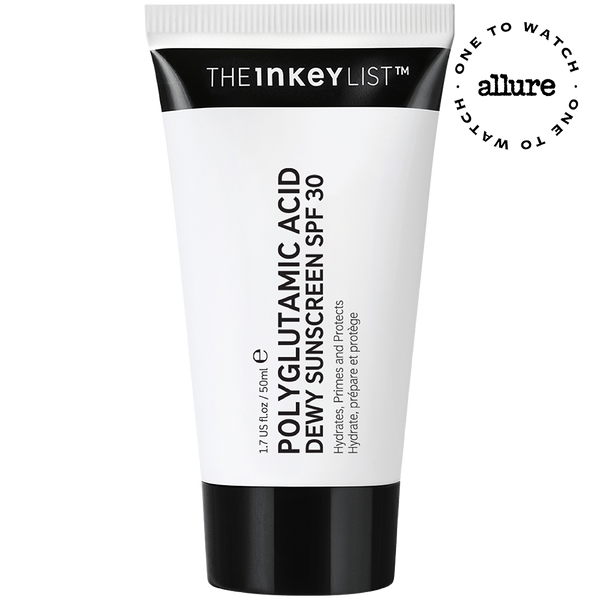
Our Dewy Sunscreen SPF 30 (£15.00) offers broad-spectrum UVA and UVB protection in a lightweight, dewy-finish formula. In consumer trials, 97% of users reported it looked invisible on their skin tone - making it genuinely wearable as a daily step for all skin tones.

With SPF’s role clearly established, the next question is: what goes alongside it to actively target existing dark spots?


The Best Ingredients to Combine With SPF for Dark Spots

SPF is the shield. The ingredients in this section are the actives that do the brightening work. They are not alternatives to each other - they work via different biological pathways, which means they can be used together without conflict and with compounding benefit.

The three most effective brightening ingredients to combine with daily SPF are Tranexamic Acid, Vitamin C (as Ascorbyl Glucoside), and Niacinamide. Tranexamic Acid works by blocking the signalling pathway between skin surface cells and melanocytes upstream, and can be used both morning and evening. Vitamin C inhibits the enzyme required to synthesise melanin while also providing antioxidant defence against UV-generated free radicals, making it best used in the morning. Niacinamide calms the inflammation that triggers post-inflammatory hyperpigmentation and supports overall barrier resilience, and can be used in either routine. Together, these three ingredients address hyperpigmentation from multiple angles - making them more effective in combination than any single active used alone.

Tranexamic Acid: Upstream Melanin Interruption

Tranexamic Acid works by blocking the signalling pathway between keratinocytes (skin surface cells) and melanocytes. When UV radiation or inflammation occurs, keratinocytes send chemical signals to melanocytes instructing them to produce more melanin. Tranexamic Acid intercepts that signal before it reaches the melanocyte - addressing the problem upstream rather than after the fact.

This upstream action makes Tranexamic Acid particularly effective for hyperpigmentation types driven by chronic UV exposure or inflammation. It is exceptionally well-tolerated across all skin types and tones, including sensitive skin. It is safe to use during pregnancy. And because it works via a completely different mechanism to Vitamin C, the two ingredients complement rather than compete with each other.

Our Tranexamic Acid Serum (£16.00) can be used both morning and evening, making it the most flexible brightening active in a hyperpigmentation routine.

15% Vitamin C (Ascorbyl Glucoside): Dual-Action Brightening and Antioxidant Defence

Our 15% Vitamin C + EGF Serum (£15.00) uses Ascorbyl Glucoside - a stabilised derivative of Vitamin C that converts to active ascorbic acid on the skin. Unlike L-Ascorbic Acid, Ascorbyl Glucoside does not oxidise in the bottle and is significantly gentler on the skin, making it accessible to a much wider range of skin types, including reactive and blemish-prone skin.

Vitamin C does two things that are both critical for hyperpigmentation management. First, it directly brightens existing dark spots by inhibiting tyrosinase - the enzyme required to synthesise melanin. Second, it acts as a potent antioxidant, neutralising the free radicals that UV radiation generates in skin tissue. This antioxidant function means Vitamin C and SPF are genuinely synergistic: SPF blocks UV; Vitamin C mops up the oxidative damage that does get through.

Vitamin C is best used in the morning, where its antioxidant properties add a layer of protection to the UV defence provided by SPF. Consumer trial data showed that 87% of users saw visible skin brightness improvement within four weeks of consistent use.

Niacinamide: Inflammation Control and Tone Evenness

Niacinamide (Vitamin B3) works primarily by calming inflammation in the skin - and inflammation is a direct trigger for post-inflammatory hyperpigmentation. For blemish-prone skin where PIH is a recurring concern, Niacinamide is an essential supporting ingredient.

Beyond its anti-inflammatory role, Niacinamide helps reduce the appearance of redness and uneven skin tone, and supports barrier function. It is also one of the most broadly compatible skincare ingredients available, pairing well with Tranexamic Acid, Vitamin C, and SPF without conflict.

Our Niacinamide Serum (£10.00) can be incorporated into both morning and evening routines. For a fuller list of ingredients relevant to every type of hyperpigmentation, our Hyperpigmentation guide is the comprehensive reference.


How to Build an AM Skincare Routine for Hyperpigmentation: Step by Step

Knowing which ingredients to use is only half the equation. How you layer them, in what order, and with what supporting steps determines how well they actually perform.

The Full Morning Routine for Hyperpigmentation

Step 1 - Cleanse: Start Clean

A gentle, non-stripping cleanser is the foundation of every effective skincare routine - and particularly important for hyperpigmentation. Harsh cleansers that disrupt the skin barrier create micro-inflammation that can worsen PIH over time.

Step 2 - Hydrate: Prep on Damp Skin

A lightweight hydrating layer applied to slightly damp skin before actives helps prepare the skin to absorb what follows and prevents any potential dryness from active ingredient use.

Step 3 - Tranexamic Acid Serum: The Core Brightening Step

Apply our Tranexamic Acid Serum (£16.00) and allow it to absorb before the next layer. Allow approximately 60 seconds before layering the next product.

Step 4 - 15% Vitamin C + EGF Serum: Brighten and Protect

Layer our 15% Vitamin C + EGF Serum (£15.00) on top once Tranexamic Acid has absorbed. Vitamin C is best used in the morning specifically because its antioxidant properties work synergistically with SPF to provide comprehensive protection against UV-generated oxidative damage. Allow around 60 seconds before moving to the next step.

Step 5 - Moisturise: Seal and Support the Barrier

A moisturiser supports barrier function and creates a smooth, even base for SPF application. For normal to dry skin, the Bio-Active Ceramide Moisturiser provides deep barrier support with ceramides and peptides. For oily or combination skin, the Omega Water Cream offers lightweight hydration without heaviness.

Step 6 - SPF (Always Last): The Non-Negotiable Final Step

SPF is always the last step in a morning routine. Nothing goes on top of it.

Our Dewy Sunscreen SPF 30 (£15.00) offers broad-spectrum UVA and UVB protection with a lightweight, dewy finish. Apply approximately three-quarters of a teaspoon to cover face and neck thoroughly - pressing gently into the skin rather than rubbing. Allow two to three minutes before applying makeup.

For blemish-prone skin where PIH is a recurring concern, our Niacinamide Serum (£10.00) can be added between steps 3 and 4, or used in the evening as part of a PM routine.

The Beginner’s Routine: Four Steps That Work

If a six-step routine feels overwhelming, this stripped-back version delivers the essential framework:

  1. Gentle cleanser
  2. Tranexamic Acid Serum (£16.00)
  3. Moisturiser
  4. Broad-spectrum SPF 30 minimum

A Note on PM Routines and Morning SPF

If your evening routine includes retinoids or exfoliating acids, your morning SPF becomes even more critical. These ingredients increase photosensitivity by accelerating cell turnover, leaving newer, more UV-vulnerable skin at the surface. For full guidance on PM-to-AM SPF considerations, our SPF guide is the place to go.

Not sure which routine is right for your specific skin concerns? The Skincare Quiz builds a personalised routine recommendation around your skin type, concerns, and goals.


SPF Myths Debunked: What You Need to Stop Believing About Sunscreen and Dark Spots

Misinformation about SPF is one of the primary reasons hyperpigmentation routines fail to deliver results. These myths are widespread, often confidently stated, and sometimes directly harmful. Here they are - addressed plainly.

MYTH: “People with darker skin don’t need SPF for dark spots.”

TRUTH: Every skin tone is susceptible to UV-triggered pigmentation. Darker skin tones contain more active melanocytes - which, far from providing protection against pigmentation, actually makes them more reactive to UV stimulation. PIH in particular is more prevalent and more persistent in darker skin tones. The AAD’s guidance on skin of colour is unambiguous on this point.

MYTH: “The SPF in my foundation is enough.”

TRUTH: Foundation SPF is typically SPF 15, and to achieve even that level of protection, you would need to apply significantly more foundation than most people use. Foundation is not a substitute for a dedicated SPF product. Use both.

MYTH: “I only need SPF in summer.”

TRUTH: UVA rays - the primary driver of pigmentation - are present year-round at consistent levels. They pass through cloud cover and through glass. Skipping SPF in winter, on overcast days, or when spending most of your time indoors is one of the most common reasons hyperpigmentation routines stall. Year-round, daily SPF is the standard.

MYTH: “SPF will make my skin break out.”

TRUTH: Blemishes associated with sunscreen are caused by specific formulations - not by SPF itself. Lightweight, non-comedogenic formulas like our Dewy Sunscreen SPF 30 (£15.00) are designed for blemish-prone skin. In consumer trials, 97% of users said it looked invisible on their skin tone, and its fragrance-free, lightweight formula makes it accessible for even reactive skin types.

MYTH: “If I’m using brightening serums, I don’t need SPF too.”

TRUTH: Brightening actives and SPF are not alternatives. Brightening actives work to reduce existing pigmentation; SPF prevents UV from continuously re-triggering the process that creates it. Both are required.

MYTH: “I can see results from actives without using SPF - so SPF can’t be that important.”

TRUTH: You may see some improvement without SPF - but results will be slower, less significant, and potentially reversed during periods of higher UV exposure. SPF does not make brightening actives optional. Brightening actives do not make SPF optional.

MYTH: “SPF 50 is always the better choice.”

TRUTH: SPF 50 blocks approximately 98% of UVB rays; SPF 30 blocks approximately 97%. The difference is meaningful in high-UV environments or during extended outdoor time, but for everyday daily exposure, SPF 30 correctly applied in the right quantity offers clinically adequate protection. Application amount matters more than the number on the bottle. See our SPF guide for a deeper breakdown.


Frequently Asked Questions: SPF and Hyperpigmentation

Does sunscreen help with hyperpigmentation?

Yes - not by directly brightening dark spots, but by preventing UV from continuously worsening them and by protecting the results of brightening actives. Without daily SPF, hyperpigmentation routines cannot deliver their full potential. SPF does not fade dark spots on its own, but it is the step that makes everything else work.

Can sunscreen prevent hyperpigmentation?

Yes. Broad-spectrum SPF prevents UV-triggered melanin overproduction, which is the root cause of sunspots and a major worsening factor for all hyperpigmentation types including melasma and PIH. Consistent daily SPF is the most effective preventative step available for UV-driven pigmentation.

What SPF should I use for dark spots?

A broad-spectrum SPF 30 minimum for daily use. For a daily lightweight option that works across all skin tones, our Dewy Sunscreen SPF 30 (£15.00) provides broad-spectrum UVA and UVB protection. SPF 50 is advisable for extended outdoor time or higher UV environments.

Does sunscreen clear dark spots?

No - SPF does not actively fade existing dark spots. That is the role of brightening ingredients like our Tranexamic Acid Serum (£16.00), 15% Vitamin C + EGF Serum (£15.00), and Niacinamide Serum (£10.00). SPF prevents new dark spots from forming and stops existing ones from deepening - the essential foundation that allows those brightening actives to work.

How long does it take for SPF to help with hyperpigmentation?

SPF begins working immediately as a protective barrier against UV. Consistent SPF use combined with targeted brightening actives typically shows visible improvement in six to eight weeks, with more significant fading over three to six months. Without SPF, results from actives alone will be slower and less consistent.

Does SPF help with melasma?

Yes - and for melasma specifically, SPF is arguably the most important single daily step above all other treatments. Melasma is highly reactive to UV: even brief unprotected exposure can trigger a flare. Strict daily broad-spectrum SPF use is essential alongside any brightening treatment.

Can sunscreen help with post-inflammatory hyperpigmentation (PIH)?

Yes. While UV does not directly cause PIH, it prolongs and deepens existing marks by stimulating already-overactive melanocytes in affected areas. Daily SPF prevents UV from worsening PIH and creates the conditions for brightening actives to deliver their results. Our Niacinamide Serum (£10.00) is a particularly effective companion for PIH-prone skin. For more on identifying and managing PIH, see What type of skin hyperpigmentation do I have?

Should I wear SPF every day if I have dark spots?

Yes - without exception. UVA rays are present year-round, including on overcast days and indoors near windows. Skipping SPF even occasionally undermines the results of an entire brightening routine, particularly for UV-reactive conditions like melasma. Daily SPF is not a summer habit. It is a skin health habit.


The Bottom Line on SPF and Hyperpigmentation

Dark spots are common. They are manageable. And with the right approach, they are treatable - for every skin type, every skin tone, and every age group. But the right approach requires understanding what each step in your routine is actually doing.

SPF is not optional in a hyperpigmentation routine. It is the step that makes everything else possible. Without it, brightening actives fight against a UV stimulus that keeps restarting the problem. With it, Tranexamic Acid, Vitamin C, and Niacinamide are free to do the work they are designed to do - compounding their results over consistent, protected weeks and months.

The science is clear. UV exposure worsens every type of hyperpigmentation, prevents existing dark spots from fading, and reverses the progress your actives are delivering. Broad-spectrum SPF 30, applied daily in an adequate amount, is the single most important preventative and protective step in any dark spot routine.

Knowledge is the foundation of better skin. For the complete picture, our Hyperpigmentation guide covers every cause, type, and treatment approach in depth. For everything you need to know about sun protection, our SPF guide is the definitive reference. And if you are still working out which type of hyperpigmentation you are dealing with, What type of skin hyperpigmentation do I have? will help you identify your starting point.


Start Your Hyperpigmentation Routine

Ready to build a routine that actually works? These are the products featured in this guide:

Not sure where to start? Take the Skincare Quiz for a personalised routine recommendation built around your skin type and concerns. Or reach out to the askINKEY team for real advice, no jargon, and no judgement.