



What is Melasma & How to Treat It
Melasma, also known as chloasma, causes symmetrical dark patches triggered by hormones, sun and heat, here's what actually works to fade them.
Author
askINKEY skincare advisor
Published
13 May, 2026
Time to read
18 minutes
Melasma is a common skin condition that causes darker patches of pigmentation to develop, usually on the face, and usually in a symmetrical pattern across both sides. It is also known as chloasma, and the two names describe exactly the same thing.
Melasma is a form of hyperpigmentation, which simply means it is caused by an excess of melanin, the natural pigment that gives skin its colour. In areas affected by melasma, pigment-producing cells are working overtime and depositing more melanin than they do in the surrounding skin. The result is a patch that reads as noticeably darker than the skin around it.
It is worth saying clearly and early: melasma is not dangerous, it is not contagious, and it is not a sign of anything harmful happening inside your body. It is a cosmetic concern. It can, however, be a persistent and genuinely frustrating one, which is why so many people spend years trying to work out what to do about it. If your concern is discrete individual marks rather than broad patches, our guide on how to get rid of dark spots is the better starting point.
This article covers what causes melasma, how it differs from other kinds of pigmentation, and the ingredients that genuinely help to fade it.
If you are here for the shortlist, these are the INKEY products that target melasma.
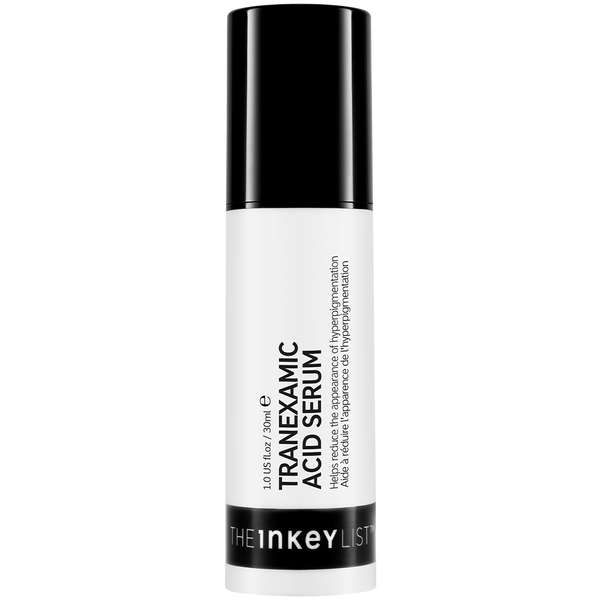
- 2% Tranexamic Acid Serum - the hero for melasma, AM and PM.
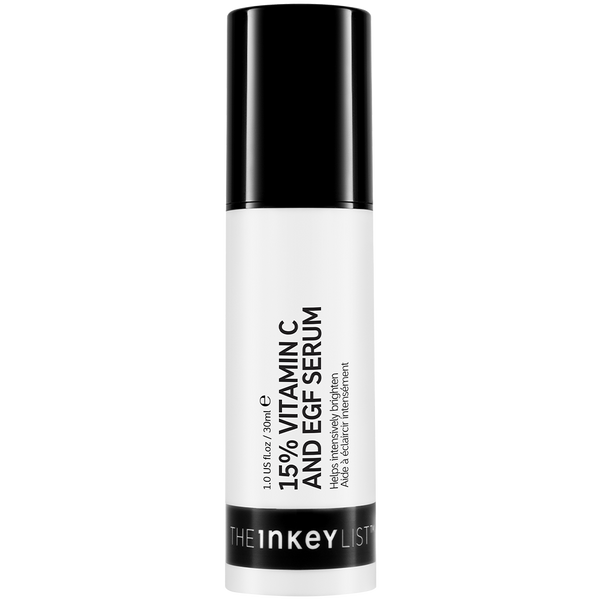
- 15% Vitamin C & EGF Serum - brightens and defends in the morning.
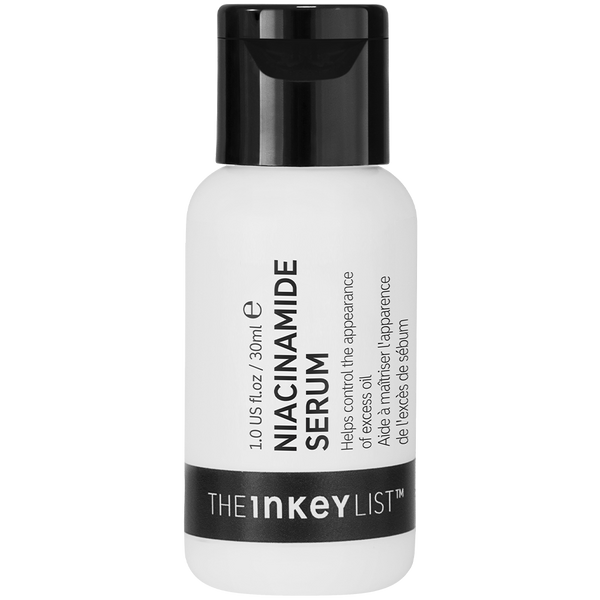
- Niacinamide Serum - calms and supports a more even tone.
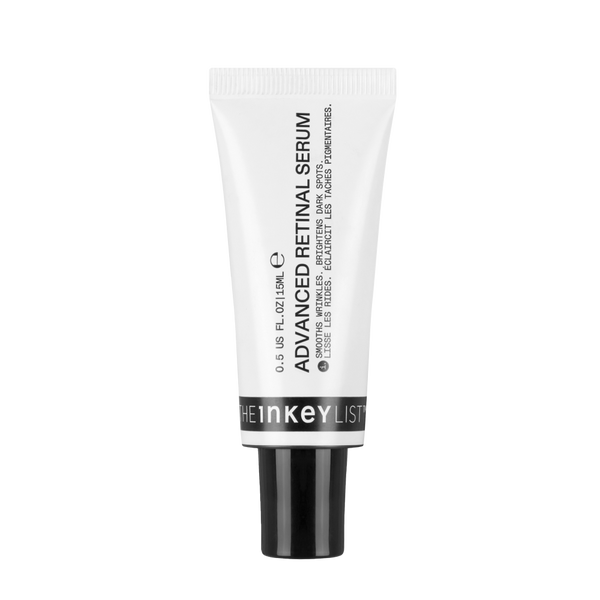
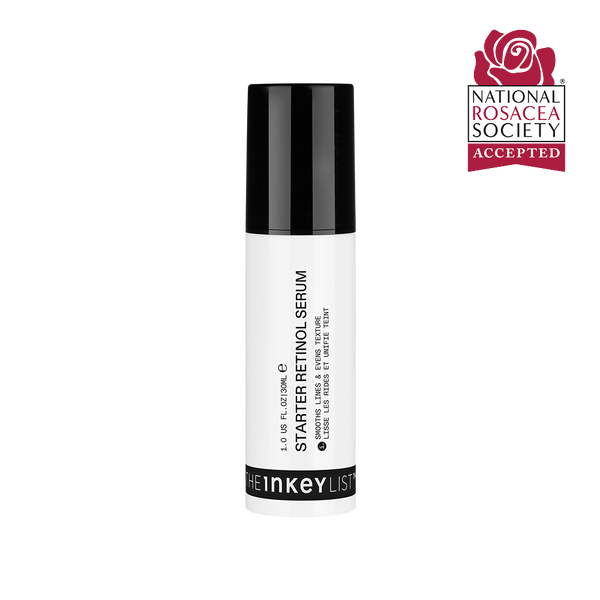
- Starter Retinol or Advanced Retinal - PM cell renewal.
- Hyaluronic Acid Serum - hydration base under everything.
- Dewy Sunscreen SPF 30 - the step that protects all the others.
- Shop all pigmentation products
What is Melasma (Chloasma)?
Melasma is a common form of hyperpigmentation in which patches of skin produce more melanin than the area surrounding them, creating visibly darker patches. It is also known as chloasma. The two words are interchangeable, though chloasma tends to be used most often when the condition appears during pregnancy.
The mechanism underneath it is straightforward. Your skin contains cells called melanocytes, whose job is to produce melanin. In melasma, those melanocytes become overactive in specific areas. They keep producing pigment when they should be idling, and that pigment accumulates. What you see on the surface is the visible end point of a process happening several layers down.
What Melasma Actually Looks Like
One of the most useful things you can do is learn to recognise melasma by sight, because misidentifying it is the single most common reason people end up using the wrong products for years.
- It is flat. Melasma sits level with the surrounding skin. It is not raised, not bumpy, and has no texture to it. If you can feel a bump when you run a finger over it, you are dealing with something else.
- The colour varies. Patches range from light brown through to greyish-brown and deeper brown, depending on your natural skin tone and on how deep in the skin the pigment is sitting. Pigment held closer to the surface tends to look browner. Pigment sitting deeper often reads as greyer or bluish-brown.
- The edges are soft. Melasma patches tend to have diffuse, blurry borders that fade gradually into the surrounding skin, rather than the sharp defined outline you get with a freckle or a sunspot.
- The patches are large. Melasma presents as broad blotchy areas rather than as small individual dots.
Why Symmetry Is the Giveaway
If there is one identifying feature worth committing to memory, it is this: melasma is bilateral and symmetrical. It shows up in mirrored patches on both sides of the face at once.
A patch on the left cheek will usually have a counterpart in roughly the same position on the right. Forehead patches tend to spread across the centre in a broadly even band. This mirrored quality is what most reliably separates melasma from almost every other kind of facial pigmentation, and it is the first thing a dermatologist looks for. Sun damage lands wherever the sun happened to hit, which is rarely symmetrical. Post-inflammatory marks land wherever the skin was injured, which is rarely symmetrical either. Melasma is the pigmentation that shows up in pairs.
Where Melasma Usually Appears
Melasma has strong preferences about location. The most common sites are the cheeks, the forehead, the bridge of the nose, the jawline and the upper lip.
The upper lip pattern is common enough that it has earned its own informal nickname: the melasma moustache. It is a shaded band across the skin above the top lip, and because of where it sits, it tends to be the pattern people notice first and feel most self-conscious about. If that is your main concern, we have a dedicated guide on pigmentation around the mouth that goes into more detail on this specific area.
Melasma is not exclusively facial. It also appears on the forearms and the neck, which is no coincidence. These are the areas that receive the most regular, unthinking sun exposure across the year.
Who Gets Melasma?
Melasma is far more common in women than in men, and the gap is substantial. This is a strong clue about the mechanism, and it points directly to hormones.
It is also more common in people with medium to deeper skin tones. The reason is biological rather than anything else: deeper skin tones have more active melanocytes to begin with. Present the same trigger to two people and the skin with more reactive pigment cells will mount a stronger pigment response. It is a difference in how skin behaves, not a flaw in it.
Melasma frequently begins during pregnancy or in the months after starting hormonal contraception. For a lot of people, the onset is sudden enough that they can name the month it started.
To close the loop on the reassurance: melasma is harmless. It is not contagious, it does not develop into anything more serious, and it requires no medical intervention for your health. It is purely cosmetic. Once you can recognise it, the natural next question is why it appeared at all.
What Causes Melasma?
Melasma is not caused by one thing. It is caused by several factors working together, which is precisely why it is so stubborn and why single-ingredient approaches so often disappoint.
Across all four of the drivers below, the underlying mechanism is identical: a trigger stimulates the melanocytes, the melanocytes produce more melanin, and that melanin surfaces as a darker patch. Hold that sequence in your head as you read, because once you can see the same process repeating behind each trigger, the whole condition becomes much easier to manage.
Sun Exposure: The Primary Trigger
Ultraviolet light stimulates melanocytes to produce more melanin. That is a normal protective response in everyone, and it is what a tan actually is. In melasma-prone skin, those cells are already overactive, so the response is disproportionate. Even short, incidental exposure can deepen existing patches.
That word incidental is the important one. There is a widespread assumption that sun damage requires a beach, a swimming pool and a fortnight abroad. Melasma does not need any of that. The exposure that drives it is the exposure nobody counts.
- The ten minute walk to the station.
- Driving, where UVA passes straight through side windows.
- Sitting at a desk beside a window all day.
- Hanging out washing, walking the dog, standing at a bus stop.
None of it feels like sun exposure. All of it is. This accumulation of small, unnoticed doses is why melasma so often deepens across a season with no single event the person can point to.
It also explains the seasonal pattern that catches people out. Melasma typically looks worse in summer and lighter in winter. Every autumn a proportion of people conclude their melasma has cleared up. It has not. It has faded because the trigger reduced, and it will return with the lengthening days unless something changes in the meantime. Recognising this pattern for what it is tends to be the moment people start taking daily protection seriously.
Hormonal Changes: The Mask of Pregnancy
The second major driver is hormonal, and it is the reason melasma affects women so disproportionately.
Changes in oestrogen and progesterone increase melanin production. Pregnancy produces some of the most dramatic hormonal shifts the body ever experiences, and pigmentation frequently responds. This connection is so well established and so widely observed that pregnancy-related melasma has its own nickname, the mask of pregnancy, and it is where the term chloasma originates.
Pregnancy is not the only hormonal trigger. Melasma is also commonly set off by:
- Combined hormonal contraception, including the pill, patches and implants.
- Hormone replacement therapy.
- Other significant hormonal fluctuations.
Here is the honest position on whether it resolves. Pregnancy-related melasma often does fade in the months following birth, once hormone levels settle. The same is frequently true after stopping hormonal contraception. But often is not always. For a meaningful number of people the pigmentation persists well beyond the hormonal trigger, and it is also common for melasma to return with a subsequent pregnancy even if it faded completely after the first.
That is not a reason for alarm. It is a reason to start protecting and supporting your skin early rather than waiting to see what happens.
Genetics and Skin Tone
Melasma runs in families. A large proportion of people who develop it have a parent, sibling or grandparent who had it too, and asking around your family often produces a quick answer about where yours came from.
Skin tone plays a significant role alongside genetics. Melasma is most common in medium to deeper skin tones, broadly Fitzpatrick types III to V, because these skin types have naturally more reactive melanocytes. The same amount of UV exposure produces a larger pigment response.
This is worth framing carefully. Having reactive melanocytes is not a defect. It is a genuine advantage in many respects, since more melanin means better natural photoprotection. The trade-off is that when the pigment response becomes uneven, it shows more clearly and takes longer to settle. It is a difference in how your skin responds, and it means your approach needs to account for it, particularly when it comes to avoiding irritation.
Heat and Infrared Radiation
This is the trigger almost nobody talks about, and it is often the missing piece for people who cannot understand why a diligent routine is not holding.
Melasma responds to heat as well as to light. Raising the temperature of the skin can stimulate melanocyte activity entirely independently of any UV exposure. That means the following can all provoke a flare on their own:
- Saunas and steam rooms.
- Hot yoga and intense exercise in hot conditions.
- Standing over a hot stove or oven, especially regularly.
- Prolonged exposure to any significant heat source.
There is a scenario that plays out constantly. Someone applies sunscreen faithfully, keeps out of direct sun, uses all the right ingredients, and still watches their melasma deepen across the summer. The heat itself is contributing, and no amount of SPF addresses that.
Visible light, including the light emitted by screens and indoor lighting, is also being studied as a contributing factor, with the research so far suggesting it is more relevant for deeper skin tones. This is an emerging area rather than settled science, so treat it as something worth being aware of rather than something to reorganise your life around.
The practical takeaway is simple but important: SPF alone will not solve a heat-driven flare. If your melasma worsens in situations where you have had no sun exposure at all, heat is the likely explanation, and managing it means managing the temperature as well as the light. Knowing your triggers only helps, though, if you are certain melasma is what you are actually dealing with.
Melasma vs Hyperpigmentation
There is a persistent confusion here that leads directly to people using the wrong products, and it is worth resolving in two sentences.
Hyperpigmentation is the umbrella term for any area of skin containing excess melanin. Melasma is one specific type of hyperpigmentation that sits underneath that umbrella.
Every patch of melasma is hyperpigmentation, but not all hyperpigmentation is melasma. That single distinction is the reason so much melasma gets mistreated.
The practical consequence matters. A product formulated to fade a sunspot is working on pigment that was deposited once and has stayed put. Melasma is an ongoing process with active hormonal and thermal drivers behind it. Treat the second as though it were the first and you will fade the surface while the underlying signal keeps producing more.
Here is how the three most common types compare.
Melasma
- Symmetrical, mirrored patches appearing across both sides of the face at once.
- Larger and blotchy, with diffuse soft edges rather than clearly defined borders.
- Driven by hormones, UV and heat acting together rather than by any single cause.
- Recurs whenever triggers return. Chronic rather than a one-off event.
- Most commonly found on the cheeks, forehead, nose bridge, jawline and upper lip.
Sunspots
- Small, distinct and clearly defined spots rather than broad patches.
- Asymmetrical, appearing wherever cumulative sun exposure happened to land.
- Driven by UV alone, accumulating gradually across years of exposure.
- Do not typically recur in the same place once faded, although new ones form with new exposure.
- Most common on the face, hands, chest and shoulders, the areas that catch the most sun over a lifetime.
Post-Inflammatory Hyperpigmentation (PIH)
- Appears exactly where the skin was previously injured or inflamed, following a breakout, a cut, a scratch or an irritating product.
- Follows the shape and footprint of the original inflammation, so its placement is irregular and unpredictable.
- Usually fades on its own over a period of months once the inflammation has fully resolved, which is a meaningful difference from melasma.
- Can be prevented to a large degree by treating the underlying inflammation early and resisting the urge to pick.
If you have read all three and still are not certain which one you are looking at, our guide to what type of skin hyperpigmentation do I have walks through the identification process in more detail. If the description of PIH sounded most like your skin, our dedicated guide to post-inflammatory hyperpigmentation (PIH) covers the right approach for it, which differs in several respects from melasma.
It is also entirely possible to have more than one type at the same time. Melasma across the cheeks alongside PIH from a recent breakout is a common combination, and the good news is that the core ingredients overlap considerably.
Can Melasma Go Away on Its Own?
This deserves a straight answer rather than a hopeful one.
Sometimes, yes. Melasma triggered by pregnancy often fades within several months of giving birth, as hormone levels return to their previous state. The same is frequently true for melasma triggered by hormonal contraception once it is stopped. For some people it resolves without any intervention whatsoever.
Often, though, no. For a great many people melasma is a long-term condition that is managed rather than cured. The pigmentation can be significantly faded and the skin can look considerably more even, but the underlying tendency remains, and it responds when triggers reappear.
Without addressing UV and heat, patches typically return or deepen regardless of how good the rest of your routine is. This is the part that trips people up most: they fade their melasma successfully over a winter, stop protecting their skin, and watch it come back the following summer.
So it is worth reframing what success actually looks like. The realistic goal is significantly faded, more even-looking skin that stays that way with consistent ongoing care. It is not a permanent one-time cure, and any product or protocol promising one is not being straight with you. Set against that honest benchmark, melasma is very manageable indeed. With the condition correctly identified and expectations set sensibly, we can get to what actually works.
How to Treat Melasma: The Best Skincare Ingredients
Melasma responds best to a combination approach, because it is caused by a combination of things. You want ingredients that slow melanin production at the source, ingredients that help brighten the pigment already visible, and daily protection that stops the whole cycle restarting. Any one of those working alone will underperform. Together they compound.
The order below is deliberate. Tranexamic acid leads because it has the most specific relevance to melasma of anything in the list.
Tranexamic Acid for Melasma
Tranexamic acid has become the ingredient most closely associated with melasma specifically, and there is a good mechanistic reason for that.
Most brightening ingredients work on pigment that has already been made. Tranexamic acid works further upstream. It interrupts the signalling between skin cells and melanocytes, the communication that tells pigment cells to start producing. Interrupt that conversation and less melanin gets made in the first place.
For melasma, that upstream action matters more than it does for other kinds of pigmentation. Melasma is a condition of ongoing overproduction rather than a one-off deposit, so addressing the signal rather than only the output is working on the actual problem.
There is a second reason it suits melasma so well, and it is about what tranexamic acid does not do:
- It does not exfoliate. No physical or chemical sloughing of the skin surface, which means no associated irritation.
- It does not cause photosensitivity. It will not make your skin more vulnerable to the UV that drives melasma in the first place.
- It can be used morning and night. No cycling off, no alternating nights, no complicated scheduling.
Those three points matter enormously for a condition aggravated by both sun and inflammation. Plenty of effective brightening ingredients come with a trade-off of increased sensitivity, which in melasma can end up being counterproductive. Tranexamic acid does not ask you to make that trade.
Our 2% Tranexamic Acid Serum is formulated around this, combining 2% Tranexamic Acid with 2% Acai Berry and a 2% Vitamin C derivative, so you get the upstream action alongside antioxidant support in a single step. You can read more about how the ingredient works on our tranexamic acid page.
It is also generally considered suitable during pregnancy and breastfeeding with advice from your GP or midwife, which is unusually helpful given how many people first encounter melasma during pregnancy. There is more detail in the pregnancy section further down.
Vitamin C
Vitamin C plays a different and complementary role. It is a powerful antioxidant that helps brighten pigmentation already present, while also defending the skin against the free radical damage that drives further melanin production.
That dual action is why it earns its place in a melasma routine. It works on what is visible now and helps reduce the load creating what would be visible later.
Vitamin C is best used in the morning, where it works alongside sunscreen. Think of it as the internal layer of your daytime defence, with SPF as the external one. Neither replaces the other and the combination is considerably stronger than either alone.
Our 15% Vitamin C & EGF Serum uses 15% Vitamin C in the form of Ascorbyl Glucoside, a stable derivative that converts to active vitamin C on the skin, paired with Epitensive EGF. The stability matters practically: this form is gentler than pure L-ascorbic acid while remaining effective, and it does not degrade as readily in the bottle. For melasma-prone skin, which is frequently reactive, that gentleness is a real advantage rather than a compromise. Our guide on whether you can use vitamin C on sensitive skin covers this in more depth.
Vitamin C and tranexamic acid are a particularly well-matched pair because they address pigmentation from different angles, and we have written about vitamin C and tranexamic acid for dark spots if you want the detail on layering them. You can also read more on our vitamin C page.
Niacinamide
Niacinamide takes a third distinct route, which is exactly why it stacks so well with the first two.
Pigment does not stay in the melanocyte that produced it. It gets transferred outward to the surrounding skin cells, and it is that transfer which makes the pigment visible at the surface. Niacinamide interferes with the transfer step. The melanin may be produced, but less of it makes the journey up to where you would see it.
Niacinamide also calms visible redness and supports the skin barrier. In melasma this is more relevant than it first appears. Inflammation is itself a pigment trigger, so an ingredient that reduces irritation is indirectly reducing one of the drivers. Calmer skin produces less pigment.
It pairs comfortably with tranexamic acid with no conflict between them, and it sits happily in either a morning or evening routine.
Our Niacinamide Serum combines 10% Niacinamide with 1% Hyaluronic Acid, so you get the tone-supporting action alongside a hydration boost. Our guide to niacinamide for hyperpigmentation, dark spots and brightening goes further into the evidence, and the niacinamide page covers the ingredient itself.
Retinoids (PM Only)
Retinoids accelerate cell turnover. Pigmented cells move up through the layers of the skin and shed more quickly than they otherwise would, which helps clear existing pigmentation while also improving overall tone and texture.
For melasma, retinoids are best understood as a supporting act rather than the lead. They help move visible pigment along, but they do not address the signal that keeps producing it. Used alongside tranexamic acid they earn their place. Used alone, they are working on the symptom.
There are two clear entry points depending on your experience:
- Starter Retinol for anyone new to retinoids or with more sensitive skin. It is formulated at 2x the effectiveness of standard retinol while remaining approachable, and it is also listed as suitable for rosacea-prone skin, which makes it a sensible option if your skin runs reactive.
- Advanced Retinal for experienced retinoid users. It contains 0.2% retinal, which works 11x faster than standard retinol, so it is the stronger choice once your skin is well accustomed.
Two cautions here, and both are firm.
Retinoids are strictly PM only. They break down in sunlight and can increase sensitivity to UV, which is the last thing melasma-prone skin needs during the day.
Avoid retinoids entirely during pregnancy and breastfeeding. This is not a cautious suggestion, it is a clear rule, and it applies to both products above.
Introduce any retinoid slowly, starting with alternate nights or even twice weekly, and build from there. This matters more in melasma than in almost any other context, because irritation is actively counterproductive. Inflammation drives pigment production. Pushing a retinoid too hard and triggering redness can leave you worse off than not using one at all. More on the ingredient on our retinol page.
SPF: The Non-Negotiable Foundation
Without daily SPF, every other ingredient in this article is working against a tide.
That is not an exaggeration for effect. UV is the primary driver of melasma. You can use tranexamic acid morning and night, layer vitamin C, add niacinamide and run a retinoid, and if you are getting unprotected daily UV exposure, you are fading pigment at one end while actively producing it at the other. Daily sun protection is the single highest-impact habit for melasma, and it is not close.
What that looks like in practice:
- Every day, year round. Not just sunny days, not just summer. UVA levels stay meaningfully high through cloud cover and across winter.
- Indoors as well, if you sit near a window. UVA passes through glass. A desk beside a window is a daily exposure you are probably not counting.
- Reapplied across the day. Morning application does not last until evening, particularly if you are outdoors, warm or touching your face.
- Across the whole affected area. Including the upper lip, the jawline and the sides of the neck, all of which get missed routinely.
The practical obstacle for most people is not knowledge, it is finish. A sunscreen that leaves a grey cast, sits heavily or pills under makeup will not get worn daily no matter how good the intention. Given that melasma disproportionately affects medium to deeper skin tones, a formula that leaves a visible cast is not a minor inconvenience, it is the reason the step gets skipped.
Our Dewy Sunscreen SPF 30 was developed with exactly that in mind. It is broad-spectrum and lightweight, with an 8% Hydration Trio of Polyglutamic Acid, Glycerin and Squalane, so it hydrates rather than sitting dry on the skin. In a consumer study, 97% of users said it looked invisible on their skin tone. That last detail is directly relevant here rather than a general nicety, because the sunscreen that works for melasma is the one you will genuinely wear every single day.
It is also worth knowing that mineral or tinted formulas offering some degree of visible light protection are often recommended specifically for melasma, since visible light appears to play a role that standard UV filters do not address. That is general guidance worth discussing with a dermatologist rather than a claim about any particular product.
For the full picture, our complete guide to SPF covers filters, application amounts and reapplication, and our guide to SPF for hyperpigmentation focuses specifically on the pigmentation angle.
One further ingredient you may come across in reading about melasma is azelaic acid, which is sometimes discussed in this context, though we position it primarily for redness. Knowing the ingredients is one thing. Knowing what order to apply them in is what actually gets results.
Building Your Melasma Skincare Routine
The guiding principle for a melasma routine is simple: consistency beats intensity, and irritation is the enemy. A gentle routine followed daily for six months will outperform an aggressive one abandoned after three weeks, and because inflammation itself drives pigment production, pushing too hard can actively set you back.
Here is how the ingredients fit together across a day.
Your Morning Routine
- Gentle cleanse. Nothing stripping. Skin should feel comfortable afterwards, never tight.
- 2% Tranexamic Acid Serum. Apply to clean dry skin across the whole affected area rather than spot-treating individual patches, since melasma is diffuse.
- Vitamin C serum, if using. The 15% Vitamin C & EGF Serum can be layered after your tranexamic acid, or alternated with it on different days if your skin prefers a lighter load. Both approaches work, so let tolerance decide.
- Hyaluronic Acid Serum on damp skin. Our formula uses 2% Pure Hyaluronic Acid at 3 molecular weights plus Matrixyl 3000, so it hydrates at different depths. Applying to damp skin gives it moisture to draw on.
- Bio-Active Ceramide Moisturiser. Seals in the layers underneath and supports the barrier that everything else depends on.
- Dewy Sunscreen SPF 30. The last step, applied generously, and the one that protects every step before it.
Your Evening Routine
- Cleanse. Double cleanse if you have worn SPF or makeup, since a single pass will not fully remove either and leftover sunscreen under a retinoid is a recipe for congestion.
- 2% Tranexamic Acid Serum again. It is suitable twice daily, and consistent twice-daily use is where the results come from.
- Retinoid. Starter Retinol or Advanced Retinal, on alternate nights to begin with, building up only once your skin is comfortable.
- Hyaluronic Acid Serum on damp skin. Particularly valuable on retinoid nights, when skin appreciates extra hydration.
- Bio-Active Ceramide Moisturiser. Seals everything in and supports overnight barrier recovery, which is when your skin does most of its repair work.
Routine Tips Worth Following
- Introduce one active at a time, two to three weeks apart. Start everything at once and you will have no idea what is working and no idea what is causing a reaction. Staggered introduction gives you information.
- Do not layer a retinoid with strong exfoliating acids on the same night. The combination is a common route to a compromised barrier, and in melasma that is a step backwards rather than sideways.
- Barrier health is not optional. A compromised barrier means more inflammation, and more inflammation means more pigment. Supporting your barrier with ceramides is doing real work on your melasma, not just making your skin feel nicer.
- Patch test new actives. Particularly relevant on the upper lip, where the skin tends to be thinner and more reactive than the cheeks.
- If skin stings, flakes or looks red, scale back. This is not perseverance, it is counterproductive. Irritation actively works against melasma. Drop back to the frequency your skin tolerated and rebuild from there.
- Apply to the full area, not just the darkest part. Melasma has soft edges, so treating only the visible centre leaves you managing a moving boundary.
Melasma During Pregnancy: What Is Safe to Use
Melasma is so commonly triggered by pregnancy that it earned the nickname the mask of pregnancy, so this question comes up constantly and it deserves a clear answer.
Generally considered safe: tranexamic acid and niacinamide are both widely regarded as suitable during pregnancy and breastfeeding, which is fortunate given they are two of the most useful ingredients for this concern.
Avoid: all retinoids, without exception. That includes both Starter Retinol and Advanced Retinal. This is the clearest rule in pregnancy skincare and there is no version of it that involves a lower dose or a shorter contact time.
Essential: daily SPF. If you do only one thing for pregnancy-related melasma, make it consistent daily sun protection. Dewy Sunscreen SPF 30 is a straightforward option, though what matters most is that you wear something broad-spectrum every day.
Always consult your GP or midwife before starting or continuing any active ingredient during pregnancy or breastfeeding. General guidance in an article cannot account for your individual circumstances, and this is a conversation worth having rather than a decision to make alone.
On the reassuring side, pregnancy-related melasma often does fade in the months after birth as hormone levels settle. It does not always, and it is common for it to return in a subsequent pregnancy, so protecting your skin in the meantime is genuinely worthwhile. With the routine set, the fair next question is how long before any of it actually shows.
How Long Does It Take to See Results?
Melasma is slow. Knowing the realistic timeline in advance is the difference between staying consistent and quietly giving up in week three, which is when most people do.
Weeks 2 to 4. Expect little to no visible change in the pigmentation itself. What usually improves first is everything around it: hydration, comfort, and a slightly brighter, healthier general look to the skin. This is the stage where most people conclude it is not working and stop. It is worth naming that openly, because the pigmentation has not had time to respond yet and nothing has gone wrong.
Weeks 6 to 8. This is typically when patches start to look lighter and less sharply defined against the surrounding skin. Overall tone begins to look more even. The change is usually gradual rather than sudden, and it is often other people who notice before you do.
Months 3 to 6. The most meaningful change happens here, and this is the realistic window for judging whether an approach is working. If you have been genuinely consistent for three to six months and seen nothing at all, that is the point to reassess or speak to a dermatologist. Before then, you are judging too early. Our guide on how long does tranexamic acid take to work covers the timeline for the hero ingredient in more detail.
Two factors shift these timelines significantly.
How deep the pigment sits. Melasma held in the deeper dermal layer is slower and more stubborn than pigment sitting near the surface. Deeper pigment tends to look greyer or bluish rather than brown, which gives you a rough visual clue about what you are working with.
How consistently you use SPF. This one is decisive. Someone skipping sunscreen may see very little progress regardless of how good the rest of their routine is, because they are producing new pigment as fast as they are fading the old. It is the variable that most reliably explains why two people with identical routines get completely different outcomes.
A genuinely useful practical tip: take a photo once a month, in the same light, at the same time of day, from the same angle. Gradual fading is remarkably hard to perceive in the mirror when you see your face every day. Month-to-month photos routinely show progress that the daily view completely hides.
Finally, a word on maintenance. Because melasma recurs when triggers return, results are held rather than finished. There is no point at which you have completed the job and can stop. Ongoing tranexamic acid combined with daily SPF is the maintenance model, and it is a light enough commitment to sustain indefinitely. That covers the core, and what remains are the questions readers ask most often.
Shop INKEY Products for Melasma
2% Tranexamic Acid Serum
The hero for melasma, suitable morning and night. It works upstream by interrupting the signal that tells melanocytes to produce pigment, with 2% Tranexamic Acid, 2% Acai Berry and a 2% Vitamin C derivative.
15% Vitamin C & EGF Serum
A morning antioxidant step that helps brighten existing pigmentation while defending against free radical damage. Uses 15% Vitamin C as Ascorbyl Glucoside, a stable form that is gentler on reactive skin.
Niacinamide Serum
Blocks the transfer of pigment to surface skin cells and calms visible redness, which helps prevent further pigment being triggered. Combines 10% Niacinamide with 1% Hyaluronic Acid.
Starter Retinol or Advanced Retinal
PM cell renewal to help move pigmented cells up and off the surface faster. Starter Retinol is 2x as effective as standard retinol and suitable for rosacea-prone skin. Advanced Retinal contains 0.2% retinal and works 11x faster than standard retinol. Avoid both during pregnancy and breastfeeding.
Hyaluronic Acid Serum
The hydration base that sits under everything else, with 2% Pure Hyaluronic Acid at 3 molecular weights plus Matrixyl 3000. Well-hydrated skin tolerates actives better.
Bio-Active Ceramide Moisturiser
Supports the skin barrier, which matters more than it sounds. A strong barrier means less inflammation, and less inflammation means less pigment.
Dewy Sunscreen SPF 30
The step that protects all the others. Broad-spectrum and lightweight with an 8% Hydration Trio of Polyglutamic Acid, Glycerin and Squalane, and in a consumer study 97% of users said it looked invisible on their skin tone.
Shop all pigmentation products
The Bottom Line on Managing Melasma
Melasma, or chloasma, is a manageable form of hyperpigmentation rather than a permanent verdict on your skin. It is driven by hormones, UV and heat working together, which is exactly why trigger management matters as much as anything you apply. A serum working against unprotected daily sun exposure is a serum working uphill.
Consistent daily care is what genuinely shifts it: tranexamic acid to slow pigment production at the source, brightening ingredients to help fade what is already there, and unfailing SPF to protect the progress. Give it three to six months before you judge the outcome.
One last honest note. Melasma is often managed rather than cured, and that is a realistic, achievable goal rather than a disappointing one. Skin that looks noticeably more even and stays that way is a genuine result.
Clear guidance, proven ingredients, real results. That is the whole approach.
Not sure where to start? Take the Skin Quiz for a personalised routine built around your skin.
Got a specific question? askINKEY for free, one to one advice from our skincare experts.
Ready to build your routine? Use the Bundle Builder to put your melasma routine together in one go.
Frequently Asked Questions
Got a question?
Our askINKEY team are a friendly bunch of skincare experts with deep product knowledge and zero judgement. Whether you're an ingredient obsessive or just starting out, we'll make it make sense. No question too big. No question too small. We Give A Care, Every Day.


