



The Smarter 3-Step Winter Routine for a Stronger Barrier
A barrier-first 3-step winter routine to stop dryness, flaking and tightness - cleanse gently, hydrate, then seal with ceramides.
Author
askINKEY skincare advisor
Published
03 October, 2026
Time to read
8 minutes
Winter does not just dry your skin out. It actually weakens your skin barrier, which is the outer layer of your skin that holds moisture in and keeps irritation out. When that barrier is under pressure from cold air and dry indoor heating, your skin starts to feel tight, look dull and react to products it used to tolerate. That is why a good winter skincare routine is not about piling on more steps. It is about choosing the right few and using them in the right order.
This guide keeps things clear and practical. You will learn why skin gets drier and more reactive in winter, a smarter 3-step winter skincare routine built around cleansing, hydrating and then sealing and strengthening, and the hero ceramide step that holds it all together. We will finish with simple winter habits and a quick FAQ so you can act on everything today.
The star of the whole routine is our Bio-Active Ceramide Moisturiser (£20), which does the heavy lifting in Step 3. Everything else is there to support it. The brand belief behind this is simple: you do not need more skincare, you need clarity you can trust and a few proven steps you will actually stick to.
What you will learn:
- Why your skin barrier struggles more in winter
- The 3-step routine that protects and strengthens it
- The daily habits that make those three steps work even harder
Before we get to the routine, start with these reads and products so you can build as you go: our pillar guide on the damaged skin barrier, the hero Bio-Active Ceramide Moisturiser (£20), and if you want the wider seasonal picture, your complete seasonal skincare routine guide.
Why Your Skin Gets Drier in Winter and What Happens to Your Barrier
Let us start with a plain definition. Your skin barrier is the top layer of your skin that locks moisture in and keeps irritants out. When it is working well, your skin feels soft, calm and comfortable. When it is compromised, water escapes too easily and everyday life starts to sting.
Winter puts that barrier under real strain, and it does so from several directions at once. Cold outdoor air simply holds less moisture than warm air, so being outside pulls water away from your skin. Indoors is not much kinder, because central heating creates a dry, low-humidity environment that does exactly the same thing. Add long hot showers and the picture gets worse, because hot water strips away the natural oils your barrier depends on.
The main winter triggers, at a glance:
- Cold outdoor air that holds very little moisture
- Low humidity both outside and in heated rooms
- Indoor heating that dries the air around you all day
- Hot showers and baths that strip natural oils
All of this feeds into something called TEWL, short for transepidermal water loss, which is a scientific way of saying water escaping out through the skin. It happens naturally all the time, but in winter it speeds up, which is a big reason your skin feels tight by mid-afternoon. If you want the full explainer, we break it down in what is TEWL (transepidermal water loss).
There is one more piece worth understanding, because it shapes the whole routine. Ceramides are the natural fats that sit between your skin cells and hold them together, a bit like mortar between bricks. Research shows that barrier lipids including ceramides tend to drop in colder months, which lets more water escape and leaves skin feeling tight, flaky and reactive. A peer-reviewed study on stratum corneum ceramides and TEWL by season found exactly this pattern of lower ceramides and higher water loss in winter. If ceramides are new to you, here is a simple primer on what is ceramide NP.
None of this means your skin is damaged for good. It means your winter skin barrier is working harder and needs a little more support. The British Association of Dermatologists notes that regular, well-chosen moisturising is one of the most effective ways to care for dry, barrier-stressed skin, as covered in their guidance on emollient use in skin conditions. Reassuringly, this is normal and fixable, and the fix is a smarter routine rather than a longer shelf of products.
The Smarter 3-Step Winter Skincare Routine, Explained
Here is the whole plan in three moves, so the logic is clear before we go deep on each one.
- Gentle cleanse - clean your skin without stripping the oils your barrier needs.
- Hydrate - add water back into the skin so it is plump and comfortable.
- Seal and strengthen - lock that water in and reinforce the barrier with ceramides.
Think of it as a simple sequence. First you avoid making things worse, then you put water back in, then you make sure it stays there while topping up the barrier fats winter steals. Each step sets up the next, which is why order matters so much.
The good news is that this routine works morning and night with only small swaps. In the daytime you can keep things a little lighter, and at night you can go richer because your skin does most of its repair while you sleep. The order stays the same all winter, which makes it easy to keep up when life gets busy.
If you are wondering what to add to your winter skincare routine, this is the honest answer: usually not much. Most people already own a cleanser and a moisturiser. What changes in winter is choosing gentler, more supportive versions and layering in hydration and ceramides deliberately. For the bigger picture on why barrier care sits at the centre of all of this, revisit our damaged skin barrier guide. Now to Step 1.
Step 1: Cleanse Gently, Without Stripping
Cleansing is where a winter routine is quietly won or lost. The goal in cold months is to remove makeup, SPF and the day’s buildup while leaving your skin feeling comfortable rather than squeaky. That squeaky-clean feeling many of us grew up chasing is actually a warning sign, because it usually means you have stripped away natural oils your barrier needs.
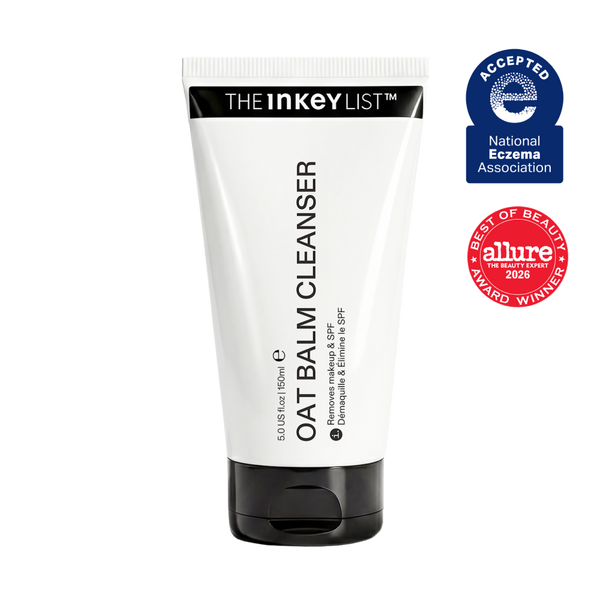
Harsh or heavily foaming cleansers are the main culprits. They can lift away too much of the skin’s protective oils, which makes an already stressed winter barrier even more prone to tightness and flaking. A cream or balm texture is a smarter choice, because it dissolves makeup and grime while keeping the skin soft and calm. Our Oat Cleansing Balm (£15) is a gentle, barrier-friendly first step that suits sensitive winter skin and melts away the day without leaving you tight.
One practical tip: cleanse for around 60 seconds using lukewarm water, never hot. Hot water feels lovely on a cold morning, but it strips oils and leaves skin drier. If you have oily or combination skin that still gets dry patches in winter, you do not need a stronger cleanser. A non-stripping cleanse is still the goal, because balanced skin starts with not overcorrecting. Clean, comfortable skin is now ready to take on water, which is Step 2.
Step 2: Hydrate to Put Water Back In
Here is a distinction that changes how people shop for winter skincare. Hydration means adding water to the skin. Sealing means locking that water in. In winter you need both, because adding water without sealing it lets it evaporate straight back out, and sealing without hydrating just traps skin that is still thirsty. Step 2 is all about the water part.
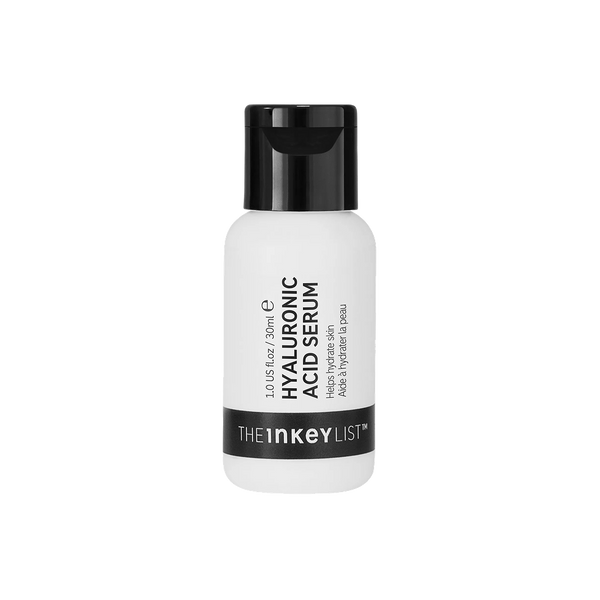
Option A - for most skin types. A hyaluronic acid serum is a lightweight, water-grabbing hydrator that suits almost everyone. Hyaluronic acid draws water into the skin and holds it there, which plumps up fine lines and leaves skin feeling bouncy rather than tight. Our Hyaluronic Acid Serum delivers multi-depth hydration and sits easily under the rest of your routine.
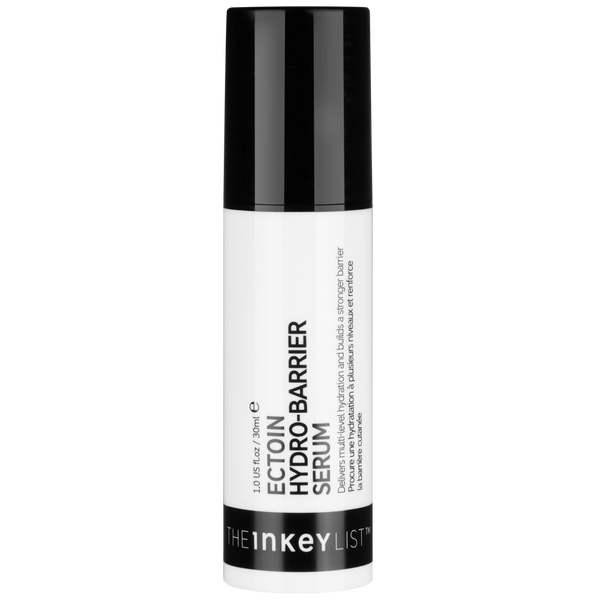
Option B - for sensitive, reactive or very barrier-stressed winter skin. If your skin is easily irritated or feeling especially fragile, choose a serum that hydrates and supports the barrier at the same time. Our Ectoin Hydro-Barrier Serum (£16) pairs ectoin, a soothing hydrator, with ceramides to comfort skin while it drinks. Ectoin is simply an ingredient that helps skin hold water and stay calm under stress, which makes it a smart pick for harsh winter conditions.
Practical tip: apply your serum to slightly damp skin, straight after cleansing, so there is more water available to lock in. This is also why hydration alone is never the full answer for winter dry skin. A serum feels great in the moment, but without a sealing step the moisture does not last, which is exactly what the next step solves. To understand why the two work better together, read hyaluronic acid vs ceramides. Now for the hero step that locks everything in.
Step 3: Seal and Strengthen With Ceramides, the Hero Step
This is the centre of the whole routine, and it is where ceramides earn their reputation as the smart winter choice. Remember that barrier fats including ceramides drop in cold months. A ceramide moisturiser tops those fats back up, which helps seal in the hydration you just applied and reduces the water loss that causes tightness and flaking. In other words, it does not just coat the skin, it helps rebuild what winter takes away.
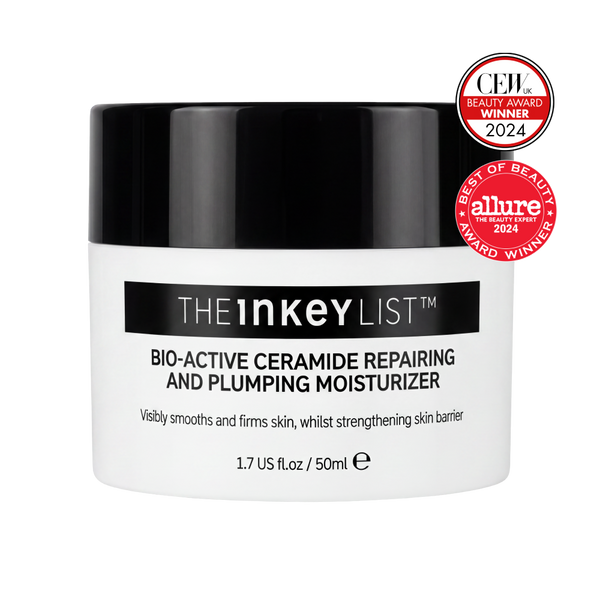
Our Bio-Active Ceramide Moisturiser (£20) is built for exactly this job. It uses bioactive ceramide to help visibly firm, smooth and strengthen the look of the skin barrier, while soothing the dryness and early signs of ageing that winter tends to exaggerate. It is rich enough to seal in moisture overnight yet comfortable enough for daily use, and it is honestly priced so it can be a routine staple rather than an occasional treat. If you are searching for the best moisturiser for winter dry skin, this is our answer, and it is the clearest example of how to repair the look of a stressed skin barrier with the right ingredient rather than more steps.
You may be wondering what makes a bioactive ceramide different from a regular one. Rather than over-explain it here, we have a dedicated breakdown in bio-active ceramides vs regular ceramides. The short version is that it is designed to work harder with your skin, which is why it headlines this step.
Do not forget your eyes and neck. Winter dryness and fine lines often show up first around the eyes, where skin is thinnest and most delicate. Our Bio-Active Ceramide Eye Cream (£15) brings the same ceramide support to that fragile area. The neck is the other commonly forgotten zone, exposed to cold and scarves all season yet rarely moisturised properly. Our Bio-Active Neck Stick (£15) makes it easy to treat the neck as part of your face, which is exactly how you should think of it.
For oily or combination skin that still wants barrier support without a heavy finish, reach for a lighter texture. Our Omega Water Cream (£14) seals in hydration with a gel-cream feel, so you get the protection without the weight.
Practical tip: apply your moisturiser as the final skincare step at night so nothing blocks it from sealing everything in, and under your SPF during the day. Speaking of which, your daytime finish matters too, which brings us neatly to the habits that make all three steps work even harder. For more on the bigger goal behind this step, our damaged skin barrier guide ties it all together.
Winter Skin Habits That Strengthen Your Barrier
The three steps do the heavy lifting, but a few everyday habits can make a real difference to how your skin copes with winter. These are small, low-effort changes that protect the work your routine is doing and help stop winter skin from flaking.
- Keep showers and washes lukewarm and shorter. Hot water strips oils fast, so dial back the temperature and the time.
- Run a humidifier indoors. Heated air is dry air, and a humidifier puts moisture back into the room, which eases the pull on your skin.
- Apply to slightly damp skin. Both your hydrating serum and your moisturiser work better when there is water on the surface to seal in.
- Ease off exfoliation. Over-exfoliating thins an already stressed barrier, so scale it back and let your skin settle in winter.
- Protect by day. Finish your morning routine with our Dewy Sunscreen SPF 30, because UV exposure does not stop in winter and daily protection supports the barrier you are working to strengthen.
- Treat the edges too. Reapply hand and lip care often, and remember the neck and eye area are part of your face, not an afterthought.
Consistent moisturising sits at the heart of all of this. The British Association of Dermatologists highlights regular moisturising as a cornerstone of caring for dry skin in its guidance on emollient use in skin conditions, which is reassuring confirmation that simple, repeated care really does work. With the routine and the habits in place, here are quick answers to the questions people ask most.
The Takeaway and Your Next Step
Winter weakens the skin barrier, so the smartest response is also the simplest one: cleanse gently, hydrate to put water back in, then seal and strengthen with ceramides. Repeat it morning and night, make small daytime and night-time swaps, and keep it up all season. That is the entire winter skincare routine, and it works because it treats the cause rather than chasing symptoms.
This is the heart of what we believe. You do not need more skincare to get through winter, you need the right few steps you can trust and actually keep doing. Clear guidance, proven ingredients, real results.
Ready to go deeper? Learn how to spot and support a stressed barrier on our pillar page, damaged skin barrier. And to make Step 3 effortless, let our hero do the work with the Bio-Active Ceramide Moisturiser (£20). Your winter skin will thank you for it.
Frequently Asked Questions
Got a question?
Our askINKEY team are a friendly bunch of skincare experts with deep product knowledge and zero judgement. Whether you're an ingredient obsessive or just starting out, we'll make it make sense. No question too big. No question too small. We Give A Care, Every Day.


