



Can You Use NAD+ With Retinol and Vitamin C?
Can you layer NAD+ with retinol and vitamin C? Clear guidance on whether it is safe, the right order to apply, and which INKEY products fit your routine.
Author
askINKEY skincare advisor
Published
19 October, 2026
Time to read
9 minutes
Yes. In most routines, NAD+ can sit comfortably alongside both retinol and vitamin C, and the real skill is simply in the order and the timing. If you have been wondering whether adding a buzzy new ingredient to your shelf means tearing up a routine you already like, the short answer is that you probably do not have to. NAD+ is a team player. It is designed to support the look of energised, resilient skin, which means it slots in around the proven actives you may already be using rather than fighting them for space.
This article answers the three questions people actually type into a search bar. First, can you use NAD+ with retinol? Second, can you use NAD+ with vitamin C? And third, if you want to use all of them, what is the correct order to apply everything? Along the way you will get a quick NAD+ refresher with a link up to our full NAD+ guide, a clear morning and night routine you can copy, and the honest cautions worth knowing before you start layering.
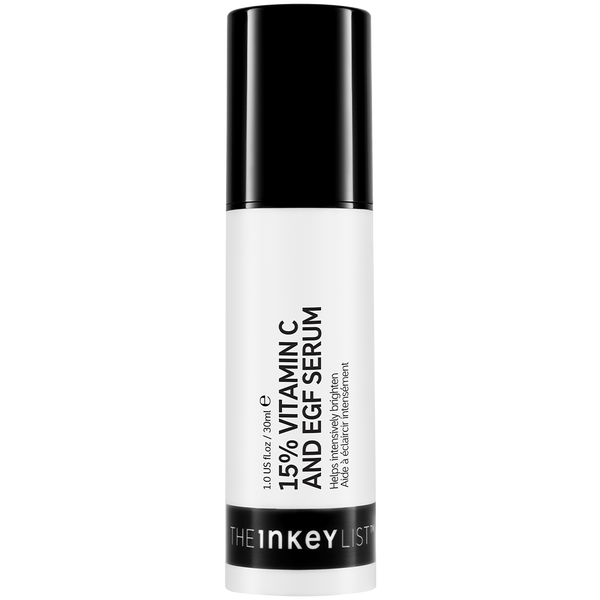
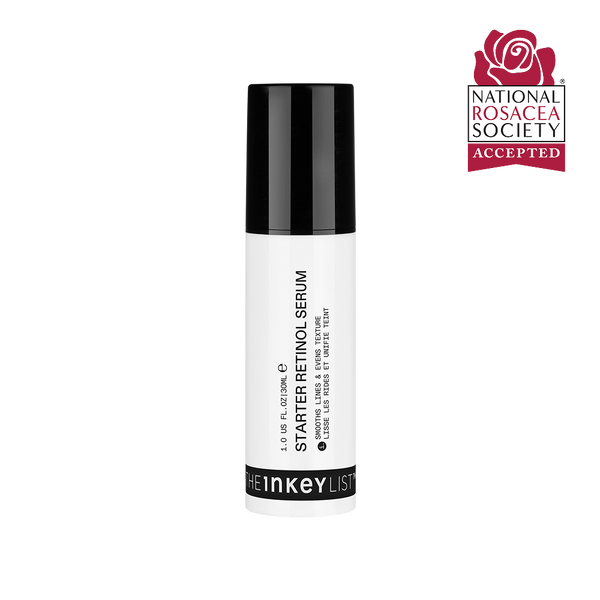
Because the whole point of good layering is to make life simpler, we will keep the product recommendations practical and placed exactly where they belong. If you are building a retinol step, most people start with Starter Retinol Serumand work up over time. If you want a brightening morning step, the 15% Vitamin C + EGF Serum is the hero we will come back to again and again. Think of those two as the anchors, with NAD+ support woven in around them.
Before we start layering anything, though, it helps to have a quick reminder of what NAD+ actually is.
A Quick Refresher on NAD+ and Your Skin
NAD+ is a coenzyme, which is a small helper molecule found in every cell in your body. In the simplest terms, it is one of the behind-the-scenes workers your skin relies on to make energy and to keep renewing itself. Scientists describe it as a coenzyme involved in hundreds of reactions, which is a useful way to picture why it matters so much to healthy-looking, functioning skin.
When we talk about NAD+ for skin, the realistic goal is appearance based. We are talking about supporting the look of energised, resilient, radiant skin, not reversing ageing or rewriting your biology. That distinction matters, because it is exactly why NAD+ layers so politely with your other steps. It is a supportive story, not a competing one.
One quick clarification people often ask about: NAD+ is not a peptide, even though it sometimes gets grouped with other high-tech-sounding ingredients. The chemistry behind that is worth a read, so rather than repeating it here we will point you to is NAD+ a peptide. If you want the full picture of what NAD+ is and why it is having a moment, start with our full NAD+ guide. Curious how it compares to a well-known precursor ingredient? See NAD+ vs niacinamide. And if you want the ageing-and-levels angle specifically, how NAD+ levels change covers it in detail.
With that refresher in place, let us answer the first big question.
Can You Use NAD+ With Retinol?
Yes, NAD+ and retinol can generally be used together, and for most people this is a sensible, low-drama pairing. The reason comes down to division of labour. Retinol is one of the most studied, most trusted actives in all of skincare, prized for refining texture and softening the look of fine lines over time. The NAD+ story sits on a different side of the shelf, supporting the energy-and-renewal side of how skin looks and behaves. Because they are aiming at different jobs, they tend to complement each other rather than clash.
A quick but important note before we get into the how. Retinol is a nighttime active. It is not a morning step, and it rewards a slow, steady introduction rather than a dramatic one. If you are new to it, the golden rule is to start gently, build up gradually, and resist the urge to go all in on day one. That single habit does more to keep skin comfortable than almost anything else.
Why they work well together
The easiest way to understand NAD+ with retinol is to think of them as teammates with different positions. Retinol is the long-game specialist. Used consistently, it works to refine the look of uneven texture and tone and to help smooth the appearance of fine lines. The NAD+ energy-and-renewal story, meanwhile, is about supporting fresh, resilient-looking skin. One is targeting the look of surface refinement, the other is supporting the look of overall vitality. They are complementary, not competing.
There is also a comfort angle worth mentioning. Retinol can feel like a demanding ingredient when you first introduce it, and skin that is well looked after tends to tolerate it more comfortably. Pairing retinol with a hydrating, supportive routine, which is exactly the kind of routine the NAD+ story fits into, can help your skin take retinol in its stride. A happy, well-supported skin barrier is almost always the quiet secret behind a retinol routine that actually sticks.
How to layer NAD+ and retinol (order and timing)
The layering rule is refreshingly simple. Cleanse first, then apply your products from thinnest to thickest, and finish with moisturiser to seal everything in. Retinol goes in at the end of your treatment steps, at night, before your final moisturising layer.
Here is the practical version:
- Cleanse thoroughly so you are working on fresh skin.
- Apply your lightest, most watery serums first.
- Apply your retinol as your evening treatment step.
- Finish with moisturiser to lock it all in.
A few habits make all the difference. Introduce only one new active at a time, so if your skin reacts you know exactly what caused it. Always patch test a new product before committing it to your full face. And build strength gradually rather than chasing the highest percentage straight away.
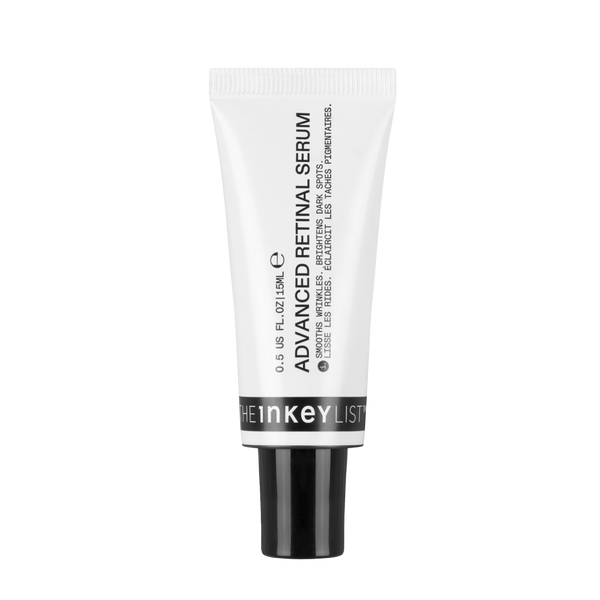
For most people, the smart starting point is Starter Retinol Serum, which at £13 is a genuinely beginner-friendly entry into the world of retinol. As your skin builds tolerance over the weeks, you can progress to the stronger Advanced Retinal Serum at £18. If you are not sure which is right for you, retinol vs retinal breaks down the difference between the two so you can choose with confidence, and retinol for beginners is the best place to learn how to start without irritating your skin. If you would rather browse everything in one place, take a look at our retinol collection.
Because retinol lives firmly at night, that naturally raises the question of the morning hero: vitamin C.
Can You Use NAD+ With Vitamin C?
Yes, NAD+ and vitamin C work well together, and vitamin C is typically a morning active. If retinol is the nighttime specialist, vitamin C is the daytime one. It is the classic brightening and antioxidant-style step that helps skin look more awake, which makes it a natural partner for the NAD+ story in your AM routine.
The pairing makes intuitive sense once you look at what each one is for. Vitamin C works to visibly brighten and to target the look of uneven tone, helping skin appear fresher and more even. The NAD+ energy-and-renewal story supports that same energised, radiant-looking finish. Rather than pulling in different directions, they stack toward the same glow goal. You are essentially layering two steps that both want your skin to look lit from within.
Why the pairing makes sense
Vitamin C in the morning does a specific job. It is your brightening, antioxidant-style step, the thing that helps skin face the day looking more radiant and even. The NAD+ support is about energy and renewal, the quiet background work that keeps skin looking fresh and resilient. Put them together and you are building toward the same outcome from two angles, which is exactly the kind of stacking that makes a routine greater than the sum of its parts.
One of the reasons this pairing layers so easily is the form of vitamin C involved. The 15% Vitamin C + EGF Serum, at £16, uses ascorbyl glucoside, a stable form of vitamin C that tends to be gentler and easier to live with than some harsher versions. Gentle and stable is precisely what you want in an ingredient you plan to layer with other actives. If you want to understand why that form matters, ascorbyl glucoside vs L-ascorbic acid explains the difference in plain English.
How to layer NAD+ and vitamin C (order and timing)
In the morning, keep it simple. Cleanse, then apply your vitamin C onto clean skin so it has a clear run at your complexion, then move from lighter to heavier products, and finish by moisturising.
Here is the morning order:
- Cleanse.
- Apply vitamin C on clean skin.
- Layer any lighter serums.
- Moisturise.
- Finish with your SPF step to protect all that good work.
The real elegance of this setup is the natural separation it creates. Vitamin C lives in the morning, retinol lives at night, so your two strongest actives are kept at opposite ends of the day without any effort on your part. They never have to share the same step, which keeps everything comfortable. For more on timing your brightening step, when to use vitamin C is a handy companion read. And if you want the dedicated story on how those two powerhouse actives interact with each other, can you use vitamin C and retinol together is the natural next step. For the science-minded, the broader picture of how this coenzyme behaves is well documented in research on NAD+ metabolism.
The easiest way to see all of this click into place is to look at a full day-and-night routine.
A Simple NAD+ Routine, Morning and Night
Theory is lovely, but a routine you can actually copy is better. Here is how everything we have covered fits into a real morning and a real night, with each active sitting exactly where it performs best. Think of the morning as your protective, brightening block and the night as your renewing, refining block.
Your morning routine
- Cleanse to start on fresh skin.
- Apply your 15% Vitamin C + EGF Serum (£16) on clean skin for a brightening, antioxidant-style start to the day.
- Layer any lighter supportive serums next.
- If you want the accessible, well-studied precursor step, this is where a Niacinamide Serum (£12) sits comfortably.
- Moisturise.
- Finish with your SPF step.
Your night routine
- Cleanse to remove the day.
- Apply your lighter treatment serums first.
- Apply your retinol step: Starter Retinol Serum (£13) if you are building up, or Advanced Retinal Serum (£18) once your skin is ready for more.
- Moisturise to seal everything in.
A quick word on niacinamide, because it earns its place here. Niacinamide is a well-studied form of vitamin B3 and is the accessible way most people already touch the NAD+ precursor story without thinking of it that way. It is a gentle, friendly multitasker that layers happily in either your morning or evening routine, which is why it slots so naturally into the lists above.
If you want to add a glow-focused supportive step, the Exosome Hydro-Glow Complex (£20) is designed to help support natural collagen production and can fit neatly into this kind of routine. In a clinical study, 100% saw more glowing skin.*
The single most important thing is how you build this, not how fast. Introduce one product at a time, patch test before you commit, and give each new step a few weeks before you judge it. Consistency beats intensity every single time. If you are not sure where to begin, the 2-minute Skincare Quiz can point you to a personalised starting point in less time than it takes to make a coffee.
A good routine also means knowing a few combinations to be a little careful with, so let us cover those briefly.
*4-week clinical study of 26 people.
Ingredients to Be Careful Layering
Here is the honest truth, delivered without drama. NAD+ is one of the easier ingredients to layer, and it does not demand any special handling to sit alongside retinol or vitamin C. The cautions worth knowing are not really about NAD+ at all. They are about not overwhelming your skin by piling several demanding actives on top of each other at once.
The most common misstep is stacking multiple strong exfoliating acids on top of retinol in the same routine. That combination can tip skin toward irritation, not because any single ingredient is bad, but because together they ask a lot of your barrier in one go. The fix is simple and it is the same advice that runs through this whole article: introduce one active at a time, do not overload your skin, and always patch test before you commit something new to your full face.
This is a confidence message, not a fear message. Knowing a couple of sensible guardrails is what lets you layer freely and enjoy your routine rather than second-guessing it. For the specifics, we have dedicated guides so this piece does not have to repeat them. See what not to mix with retinol for retinol-specific pairings to watch, and what products you should not layer together for the broader picture.
With the cautions covered, let us pull it all together into a clear bottom line.
The Bottom Line
So, can you use NAD+ with retinol and vitamin C? Yes, on both counts. NAD+ can generally be used with retinol, which lives at night, and with vitamin C, which lives in the morning. The key is not whether these ingredients get along, because they do. The key is order, timing, and introducing your actives slowly enough that your skin stays comfortable.
The routine logic is easy to remember. Vitamin C in the morning for a brightening, protective start. Retinol at night for renewal and refinement. Supportive steps like niacinamide and the NAD+ story woven in around them. And above everything, consistency over intensity, because a gentle routine you actually keep up with will always beat an aggressive one you abandon after a week.
That is really the philosophy behind all of this: clear guidance, proven ingredients, and real, visible results you can see for yourself. If you want to go deeper on the headline ingredient, our full guide to what NAD+ is has the complete story. And if you are ready to build the routine, a 15% Vitamin C + EGF Serum in the morning is one of the easiest first steps you can take.
Your Next Step
If you take one action after reading this, make it the 2-minute Skincare Quiz. It is the fastest, lowest-pressure way to get a personalised starting point built around your skin, your goals, and the ingredients we have covered here. No guesswork, just a clear place to begin.
When you are ready to build the routine itself, you can shop the retinol collection to find the right strength for your nighttime step, and add the 15% Vitamin C + EGF Serum for your brightening morning step. There is no rush and no pressure. Start with one product, give it time, and build from there.
And if you still want the full background on the ingredient that started this whole conversation, read the full NAD+ guide. It is the perfect place to keep exploring.
Frequently Asked Questions
Got a question?
Our askINKEY team are a friendly bunch of skincare experts with deep product knowledge and zero judgement. Whether you're an ingredient obsessive or just starting out, we'll make it make sense. No question too big. No question too small. We Give A Care, Every Day.


