



Niacinamide and Glycolic Acid: Can You Use Them Together?
Can you use niacinamide and glycolic acid together? Discover why these powerhouse ingredients complement each other, how to layer them correctly, and how to achieve brighter, smoother, more even-looking skin with minimal irritation.
Author
askINKEY skincare advisor
Published
13 July, 2026
Time to read
10 minutes
Niacinamide and glycolic acid are two of the most commonly searched active ingredient pairings in skincare - and the short answer is: yes, you can use them together safely and effectively. Not only are they compatible, but when used correctly, they actively complement each other in ways that deliver stronger results than either ingredient achieves on its own.
This guide covers everything you need to know about this combination. You will find a clear breakdown of what each ingredient is and how it works, the science behind why they are compatible (and why some old concerns are largely unfounded), the correct layering order, AM/PM routine guidance, which skin types benefit most, and which INKEY products to use to build the pairing into your routine.
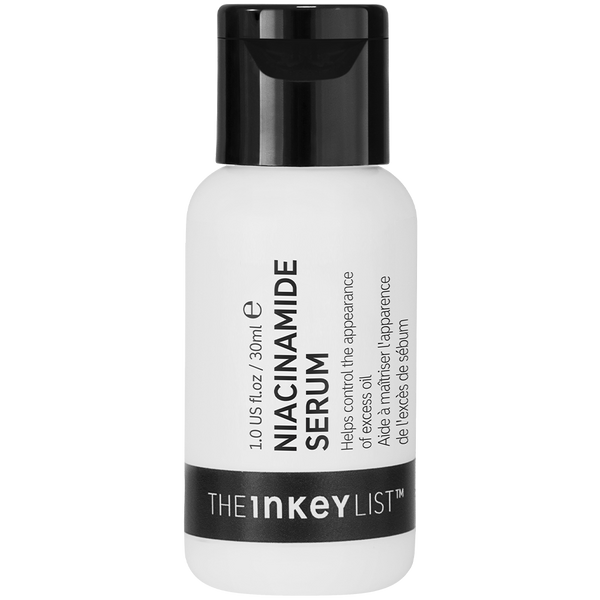
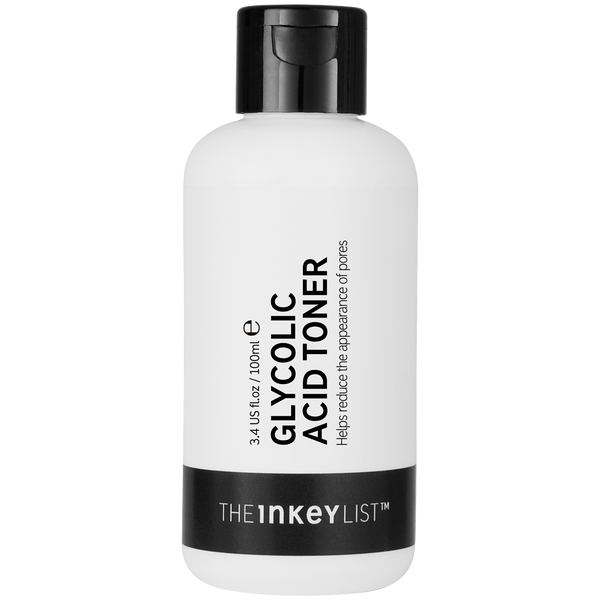
The two hero products in this blog are our 10% Niacinamide Serum (£12) and our Glycolic Acid Toner (£14) - both formulated to work seamlessly as part of a structured routine. If you are looking for a complete deep-dive into niacinamide as a standalone ingredient, our dedicated niacinamide guide covers everything in one place. This blog focuses specifically on the pairing.
Niacinamide: A Multi-Tasking Vitamin B3 Active
Before exploring how these two ingredients work together, it helps to understand what each one brings to the table individually. Niacinamide is one of skincare’s most genuinely versatile actives - and its range of benefits is grounded in clearly understood biological mechanisms, not marketing language.
Niacinamide is a form of Vitamin B3. It is water-soluble, stable, and remarkably well-tolerated across all skin types - including sensitive, oily, dry, combination, and blemish-prone. Unlike some actives that do one job well, niacinamide works across multiple pathways simultaneously.
Here is what it actually does at a mechanistic level:
- Sebum regulation: Niacinamide reduces the overproduction of sebum (skin oil), making it particularly valuable for those dealing with excess shine, enlarged pores, and blemish-prone skin.
- Melanin transfer inhibition: Niacinamide inhibits the transfer of melanosomes - the melanin-carrying vesicles - from melanocytes to keratinocytes. In practical terms, this means it slows the movement of pigment to the visible skin surface, helping to reduce the appearance of post-blemish marks and uneven skin tone over time.
- Ceramide synthesis support: Niacinamide promotes the production of ceramides in the skin, which are the lipid molecules that hold the skin barrier together. A stronger barrier means better moisture retention, reduced sensitivity, and more resilient skin overall.
- Anti-inflammatory action: It helps calm visible redness and irritation, which makes it one of the few actives that can be used even when skin is already feeling reactive.
Because of this multi-pronged action, niacinamide addresses oil control, uneven skin tone, texture, pore appearance, and barrier health - all at the same time. It is non-photosensitising, meaning it does not make the skin more vulnerable to UV damage, and it is suitable for both AM and PM use.
Our 10% Niacinamide Serum (£12) pairs niacinamide with hyaluronic acid in a lightweight, easily layerable formula - the kind of serum that sits comfortably in virtually any routine without adding weight or complexity. For the full ingredient deep-dive, head to our niacinamide guide, and for practical guidance on timing and usage, our existing blog on how and when to use niacinamide covers that in detail. If you are trying to decide between niacinamide and hyaluronic acid as a starting point, we have also broken down hyaluronic acid vs niacinamide to help you navigate the decision.
With niacinamide’s role clearly defined, the next step is understanding glycolic acid - what it is, how it works at a pH level, and why that chemistry matters when combining it with other actives in your routine.
Glycolic Acid: How It Resurfaces Skin at a Molecular Level
Glycolic acid is an alpha-hydroxy acid (AHA) derived from sugarcane, and it holds a particular distinction among its AHA peers: it has the smallest molecular size of all AHAs. That small size is not a minor detail - it directly enables glycolic acid to penetrate the uppermost layers of skin more effectively than other AHAs like lactic acid or mandelic acid, making it one of the most potent and well-studied chemical exfoliants available.
Its primary mechanism is desquamation - the process of dissolving the bonds between dead skin cells at the surface of the stratum corneum, the outermost layer of skin. By breaking those bonds, glycolic acid accelerates natural cell turnover, clearing away the accumulated dead cells that cause dullness, rough texture, and a congested appearance. What emerges beneath is fresher, smoother skin that reflects light more evenly.
But glycolic acid’s benefits extend beyond simple exfoliation. A 2020 study published in PubMed demonstrated that glycolic acid formulated at pH 4 stimulates collagen production and epidermal renewal without increasing pro-inflammatory markers - a meaningful finding that positions glycolic acid as both a resurfacing and a skin-renewing active. For a comprehensive overview of glycolic acid from a clinical perspective, the Cleveland Clinic’s glycolic acid guide is an excellent high-authority reference.
Why pH Matters With Glycolic Acid
pH is central to understanding how glycolic acid functions - and it is the piece of the puzzle that most commonly generates questions when combining glycolic acid with other actives. Glycolic acid is most effective when formulated at a lower pH, typically in the range of 3.5 to 4.0. This lower pH environment is what allows it to exfoliate effectively. The skin’s own natural pH sits between approximately 4.5 and 5.5, which means glycolic acid temporarily lowers the local pH on application before the skin’s natural buffering system gradually rebalances it.
The result of this exfoliating action is a long list of measurable benefits: smoother skin texture, unclogged pores, reduced dullness, improved skin tone, support for collagen production, and - importantly for anyone thinking about combining it with other products - enhanced absorption for the products applied afterwards, since dead cell build-up is no longer creating a barrier at the surface.
One important consideration with glycolic acid is photosensitivity. Because it exfoliates the outermost skin layer, it leaves skin more vulnerable to UV damage in the hours and days after use. Daily broad-spectrum SPF is non-negotiable when glycolic acid is part of your regular routine. Our Dewy Sunscreen SPF 30 is an ideal AM step when glycolic acid features in your PM routine.
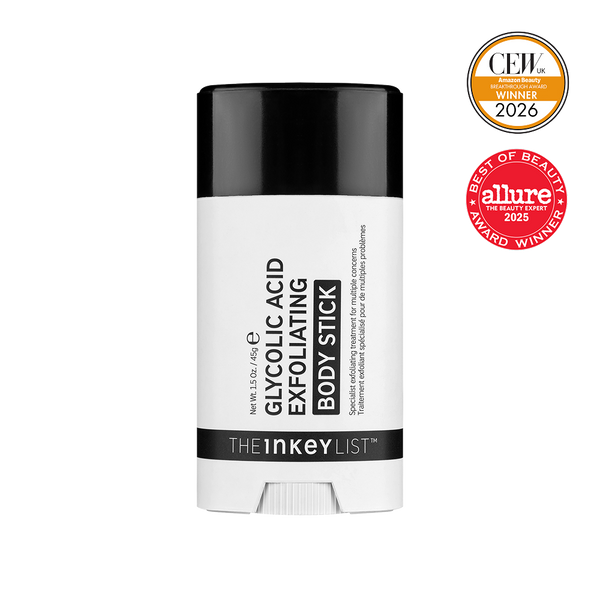
Our Glycolic Acid Toner (£14) is the primary INKEY glycolic acid product for facial use. For those dealing with body concerns - keratosis pilaris (KP), rough skin texture, or body breakouts - our Glycolic Acid Exfoliating Body Stick (£15) is clinically proven to deliver visible results in as little as 7 days. For a broader look at what this ingredient delivers, our blog on 5 benefits of glycolic acid is worth bookmarking.
Understanding how glycolic acid operates at a pH level sets up the central question of this blog directly: given that glycolic acid requires a low pH environment to function and niacinamide is stable at a more neutral pH, can these two ingredients genuinely be used together without compromising each other’s efficacy?
The Science Behind Using Niacinamide and Glycolic Acid Together
This is the section that matters most. Let us answer the question clearly, address the most common misconceptions, and explain the science that underpins this combination’s compatibility.
Yes - niacinamide and glycolic acid can be used together. They are not chemically incompatible and do not cause any problematic reaction when combined in a skincare routine. The combination is safe, and when used correctly, it is genuinely effective.
Addressing the pH Question
The most common concern about this pairing relates to pH. Glycolic acid works optimally at a pH of around 3.5 to 4.0. Niacinamide is stable across a broad pH range but is most effective closer to pH 5 to 6. The worry is that combining them somehow neutralises one or both.
Here is why that concern, while understandable, does not hold up in practice: when these two ingredients are used as separate products applied in sequence - rather than mixed together in a single formula - each product maintains its own pH environment during the time it takes to absorb into the skin. The glycolic acid toner, once applied, functions at its lower pH while it is working. By the time you apply the niacinamide serum as the next step, the skin’s natural buffering system has already begun rebalancing. The two products are not competing in a single environment; they are operating in sequence, in their own windows. The science of how pH-adjusted emulsions behave on skin, including their absorption dynamics, is documented in published research on glycolic acid formulation.
The “Niacin Flush” Myth - Debunked
There is a longer-standing concern that mixing niacinamide with an acid like glycolic acid converts niacinamide into niacin - a related but distinct compound that can cause a flushing or tingling reaction on the skin. This conversion is real in theory, but the conditions required for it to occur meaningfully - namely, very high temperatures and highly specific chemical environments - are simply not present in a normal skincare routine applied at skin temperature. Modern formulations are also pH-buffered to prevent this. The concern has been largely debunked in the context of routine skincare use, and there is no credible clinical evidence to suggest that layering these two products causes niacin flush. For a deeper look at niacinamide’s chemistry, our niacinamide pillar page provides the full picture.
Why They Are Complementary, Not Competing
The most important reason this combination works is mechanistic: niacinamide and glycolic acid work on entirely different biological targets.
Glycolic acid operates at the skin’s surface - it disrupts the bonds between dead skin cells, accelerates cell turnover, and stimulates collagen production. Niacinamide operates on sebum regulation, melanin transfer, ceramide synthesis, and inflammation - all processes that occur deeper in the skin and are entirely separate from surface exfoliation.
Because these two actives work through completely different pathways, they enhance each other’s outcomes rather than competing for the same biological target. Glycolic acid primes the surface; niacinamide addresses what is happening beneath it.
This is the core of why combining them makes sense: they are not two versions of the same thing. They are two different tools addressing two different layers of the same concern. Research on glycolic acid’s mechanism at pH 4reinforces this - its collagen-stimulating and epidermal renewal properties operate independently of niacinamide’s regulatory functions.
If you want to understand how to combine acids more broadly in your routine, our guide to using acids in your skincare routine is a useful companion, as is our general product layering guide for anyone building a multi-active routine.
The Real Benefits of Using Niacinamide and Glycolic Acid Together
Understanding compatibility is one thing - but knowing why it is worth building this combination into your routine is what turns information into motivation. Each benefit below reflects the compounded outcome of both ingredients working on different mechanisms simultaneously.
Smoother Skin Texture
Glycolic acid’s exfoliating action physically clears the dead skin cell build-up at the surface that creates rough, uneven texture. When those surface cells are removed, skin immediately feels and appears smoother. Niacinamide works in parallel by minimising the appearance of enlarged pores over time and helping to even out the micro-texture of skin. Together, they deliver a more refined, consistently smooth result that is more sustained than exfoliation alone - because niacinamide continues working on pore appearance and oil control between glycolic acid applications.
Brighter, More Even Skin Tone
This is perhaps where the combination is most compelling. Glycolic acid accelerates the shedding of pigmented surface cells - the cells that make skin look dull or uneven - and stimulates the fresh cell turnover that replaces them. Niacinamide works at a different level entirely: it inhibits the transfer of melanosomes from melanin-producing cells to the visible skin cells, which means it slows the process of pigmentation reaching the surface in the first place. Research published in PubMed supports niacinamide’s role in reducing melanosome transfer as a mechanism for improving uneven skin tone.
These are two distinct mechanisms targeting the same concern from different angles - exfoliation clearing pigment that is already at the surface, while niacinamide reduces the rate at which new pigmentation develops. For post-blemish marks and uneven skin tone, this dual approach is meaningfully more effective than either ingredient alone.
Oil Control and Blemish Management
For oily and blemish-prone skin, this combination is particularly well-matched. Niacinamide works upstream - it regulates sebum production directly, reducing the excess oil that leads to clogged pores, blackheads, and breakouts. Glycolic acid works at the surface - it dissolves the bonds between dead skin cells that trap sebum and bacteria within pores, physically unclogging them.
In practical terms: niacinamide addresses excess oil at the source, while glycolic acid clears the congestion that has already formed. They tackle the same underlying concern from opposite ends, which is why oily and blemish-prone skin types tend to respond particularly well to this pairing. Our 10% Niacinamide Serum (£12) and Glycolic Acid Toner (£14) are the natural product pair for this concern.
Enhanced Product Absorption
Post-exfoliation, skin is genuinely more receptive. When glycolic acid removes the dead cell layer at the surface, it removes one of the primary barriers to ingredient penetration. Products applied after - including niacinamide serum - may benefit from this primed, more absorbable surface environment. This is one of the practical reasons why layering order matters: glycolic acid first creates the optimal conditions for everything that follows.
Barrier Support Without Compromise
A common hesitation with chemical exfoliants is the concern about barrier disruption. Used appropriately and not over-applied, glycolic acid does not damage the skin barrier - but it can, over time or at high frequency, create some dryness or sensitivity for certain skin types. This is where niacinamide becomes a particularly smart companion: it actively supports barrier function by promoting ceramide synthesis - the very same ceramides that hold the barrier together. Niacinamide effectively offsets any potential dryness or sensitivity from regular glycolic acid use by continuously reinforcing the barrier infrastructure. For anyone who finds their skin feeling a little more reactive after exfoliation, applying niacinamide afterwards helps restore balance and calm.
This combination is more sustainable than using glycolic acid alone without barrier support - and that sustainability is what leads to long-term results rather than cycles of exfoliation and irritation.
How to Use Glycolic Acid and Niacinamide Together: The Right Way
Practicality is everything here. Knowing the science is useful - but what you actually do each morning and evening is what determines your results. Here is exactly how to use glycolic acid and niacinamide together, including layering order, AM/PM timing, full routine examples, and frequency guidance.
The Correct Layering Order
The guiding principle for layering skincare products is simple: apply thinnest textures first, thickest last. The Glycolic Acid Toner is a toner-step product; the Niacinamide Serum is a serum-step product. This already determines their place in the lineup.
If you are using both products in the same evening session, the correct order is:
- Cleanse
- Glycolic Acid Toner - apply and allow 1 to 2 minutes to fully absorb before moving on
- Hyaluronic Acid Serum - applied to slightly damp skin
- 10% Niacinamide Serum
- Moisturiser
- Broad-spectrum SPF (AM only)
The 1 to 2 minute wait after glycolic acid is not optional. It ensures the acid’s lower pH environment has time to work before being diluted by the next product, and it allows the skin’s natural buffering system to begin rebalancing before niacinamide is applied. This small step meaningfully protects the efficacy of both products.
Do not mix both products in your palm before applying. Each product is pH-optimised as a standalone formula. Combining them before application undermines the pH design of both.
The AM/PM Split - Recommended for Most Skin Types
The most effective and irritation-minimising approach for the majority of users is to split these two ingredients across morning and evening routines. This removes any concern about pH sequencing, maximises the performance window of each product, and naturally aligns each ingredient with when it is most beneficial.
PM routine - Glycolic Acid Toner:
Use our Glycolic Acid Toner (£14) in the evening. Because glycolic acid increases photosensitivity by exfoliating the outermost skin layer, evening use means the skin does not face immediate UV exposure after application. Apply after cleansing, follow with Hyaluronic Acid Serum (£12) on damp skin, then a moisturiser suited to your skin type - our Omega Water Cream (£14) works particularly well for oily and combination skin.
AM routine - Niacinamide Serum:
Use our 10% Niacinamide Serum (£12) in the morning. Niacinamide has no photosensitivity concerns and its oil-regulating, barrier-supporting benefits are ideally suited to daytime skin management. Follow with your moisturiser and - critically - our Dewy Sunscreen SPF 30 every morning. Daily SPF is essential when glycolic acid is a regular part of your evening routine.
A Complete Routine Example
Morning:
- Cleanse
- Hyaluronic Acid Serum (£12) on damp skin
- 10% Niacinamide Serum (£12)
- Moisturiser
- Dewy Sunscreen SPF 30 - daily, non-negotiable
Evening:
- Cleanse
- Glycolic Acid Toner (£14) - allow 1 to 2 minutes to absorb
- Hyaluronic Acid Serum (£12)
- Moisturiser - our Omega Water Cream (£14) works well for oily or combination skin; a ceramide-rich moisturiser is a good choice for drier or barrier-compromised skin
Frequency Guidance
Not every skin type will start at the same frequency, and that is completely fine.
Beginners with glycolic acid: Start with 2 to 3 evenings per week and build up gradually as your skin adjusts. Niacinamide can be used daily from day one - it is gentle and exceptionally well-tolerated.
Experienced users: Daily or near-daily glycolic acid use is achievable for some skin types, but most people benefit from 3 to 5 evenings per week to avoid over-exfoliation. There is no benefit to daily exfoliation if the skin is not ready for it.
Signs of over-exfoliation to watch for: Persistent redness, visible peeling, a feeling of tightness or sensitivity, or skin that feels raw or reactive. If any of these appear, reduce frequency immediately and focus on barrier recovery with a hydrating serum and ceramide-rich moisturiser before reintroducing glycolic acid at a lower cadence.
Always Patch Test
When introducing any new active, always patch test first. Apply a small amount to a discreet area and monitor for 24 to 48 hours before applying more broadly. Our blog on why you need to do a patch test explains the process in detail.
A Gentler Alternative: PHA Toner
For those who find glycolic acid too intense, our PHA Toner (£14) is a well-suited alternative. PHAs (polyhydroxy acids) have a larger molecular size than AHAs, which means they penetrate more slowly and are significantly gentler on reactive or sensitive skin. They deliver a similar exfoliating effect with a lower risk of irritation, and they are fully compatible with niacinamide under the same layering principles. Our comparison of PHA Toner vs Glycolic Acid Toner can help you decide which is the better fit for your skin.
Who Benefits Most - and Who Should Approach With Care
Not every combination suits every skin type equally well. Here is how to determine where you fall and what adjustments, if any, to make.
Who Benefits Most From This Combination
Oily and combination skin is where this pairing really delivers. Glycolic acid unclogs pores and smooths texture while niacinamide regulates oil production and minimises pore appearance. If you deal with congestion, blackheads, excess shine, or blemish-prone skin, this combination addresses the root causes from multiple directions simultaneously.
Dull or uneven skin tone responds very well. Glycolic acid’s exfoliating action combined with niacinamide’s melanin transfer inhibition creates a two-pronged approach to improving overall skin clarity and radiance - one that works faster and more comprehensively than either ingredient alone.
Those dealing with post-blemish marks or uneven pigmentation will find this combination particularly useful. Both ingredients contribute to fading residual pigmentation through entirely different pathways - glycolic acid at the surface through accelerated cell turnover, niacinamide at a deeper level through reduced melanin transfer. Together they make meaningful progress on this concern.
Skincare beginners introducing their first exfoliant are also well-served by this pairing - perhaps counterintuitively. Because niacinamide actively supports the skin barrier and calms inflammation, it naturally counterbalances any potential dryness or irritation that a new acid routine might cause. Starting both together is actually a smarter approach than starting glycolic acid alone.
Who Should Approach With Care
Dry or very dehydrated skin needs to be thoughtful about glycolic acid frequency. It can amplify dryness if used too often without adequate hydration and moisturisation. Always ensure our Hyaluronic Acid Serum (£12) is applied before glycolic acid has fully absorbed, and that a nourishing moisturiser seals everything in afterwards. Reduce glycolic acid frequency to 2 to 3 evenings per week and monitor closely.
Sensitive or reactive skin - including rosacea-prone skin - should approach glycolic acid cautiously. Start with once per week in the evening and build up slowly over several weeks. If glycolic acid causes persistent irritation, our PHA Toner (£14) is the gentler, more suitable alternative. Niacinamide, by contrast, remains one of the most suitable actives for sensitive skin and can be used daily without concern.
Those with a compromised skin barrier should not introduce glycolic acid until the barrier has recovered. If your skin is already showing signs of disruption - persistent redness, peeling, sensitivity to products that were previously fine - focus first on barrier recovery using our Hyaluronic Acid Serum (£12) and a ceramide-rich moisturiser. Niacinamide actively supports barrier repair and is safe and beneficial to continue using throughout this process.
During pregnancy and breastfeeding, niacinamide is widely considered safe. Glycolic acid in low concentrations - such as those found in leave-on toner formulations - is generally considered acceptable, but it is always best to consult a doctor or dermatologist before introducing exfoliating acids during pregnancy.
If you are still unsure which exfoliant is right for your skin more broadly, our comparison of glycolic acid vs salicylic acid can help you make that call with confidence.
The Takeaway: A Combination Worth Building Into Your Routine
Niacinamide and glycolic acid are not just compatible - they are genuinely complementary. Glycolic acid resurfaces, renews, and primes. Niacinamide regulates, protects, and balances. Used together in a well-structured routine, they deliver smoother texture, more even skin tone, better oil control, and a stronger barrier - outcomes that neither ingredient achieves as comprehensively when used in isolation.
The recommended approach for most skin types is clear: use glycolic acid in the evening and niacinamide in the morning. If you use both in the same session, apply glycolic acid first, allow it to absorb for 1 to 2 minutes, and then layer niacinamide after. Never mix them together before applying, and always follow your routine with our Dewy Sunscreen SPF 30 every morning.
Knowing your ingredients and understanding how they work together is the foundation of a routine that actually delivers results. That is what INKEY is here for - cutting through the noise and giving you the information you need to make confident, informed choices about your skin.
For anyone who wants a complete overview of niacinamide beyond this pairing guide, our niacinamide pillar page is the place to start. And when you are ready to build your routine, the products are here.
Shop the Pair
Also featured in this blog:
- Hyaluronic Acid Serum - £12
- Omega Water Cream - £14
- PHA Toner - £14 (gentler exfoliating alternative)
- Glycolic Acid Exfoliating Body Stick - £15
- Dewy Sunscreen SPF 30
Not sure where to start? Take the INKEY Skincare Quiz for a personalised routine recommendation tailored to your specific skin concerns. Or build your own routine and save up to 20% at Build Your Own Routine.
Written by one of our askINKEY skincare advisors. Chat to askINKEY - available on live chat for personalised skincare advice.
Frequently Asked Questions
Got a question?
Our askINKEY team are a friendly bunch of skincare experts with deep product knowledge and zero judgement. Whether you're an ingredient obsessive or just starting out, we'll make it make sense. No question too big. No question too small. We Give A Care, Every Day.


