



PHA Toner vs Glycolic Acid Toner: Which One Is Right for Your Skin?
A clear, no-fluff comparison of PHA and Glycolic Acid toners to help you pick the gentler or stronger exfoliant your skin actually needs.
Author
askINKEY skincare advisor
Published
16 June, 2026
Time to read
12 minutes
Exfoliating toners are not one-size-fits-all. The right strength depends on what your skin can actually tolerate, not on what’s trending or what delivers the most dramatic before-and-after. That distinction matters more than most routines admit, and it’s exactly where this comparison starts.
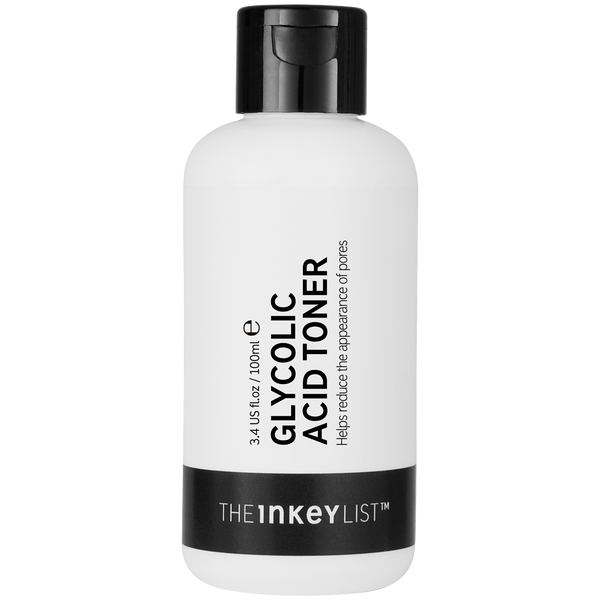
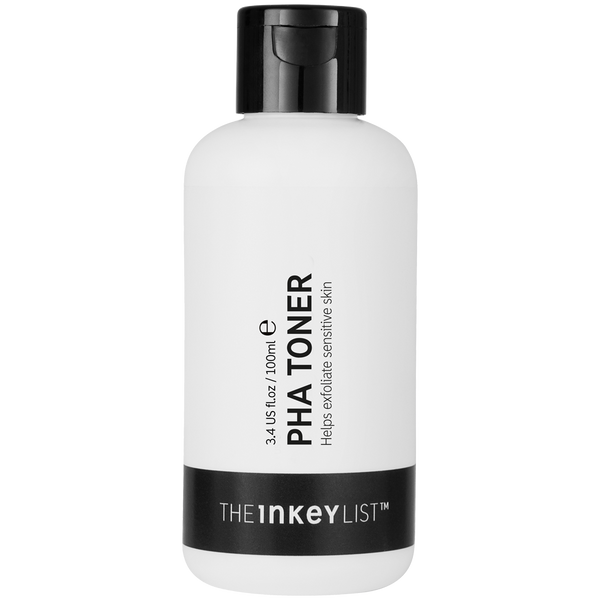
This article compares two of INKEY’s exfoliating toners: the PHA Toner and the Glycolic Acid Toner. Both exfoliate. Both come in a toner format designed to slot easily into an existing routine. But they are built to do different jobs. The PHA Toner uses 3% gluconolactone for gentle, surface-level exfoliation, while the Glycolic Acid Toner uses 10% glycolic acid alongside 5% witch hazel for deeper, faster resurfacing.
By the end of this guide, you’ll know exactly which toner suits your skin type, your tolerance, and your goals, whether that’s calming sensitive skin, refining texture, or just getting a clear answer instead of more guesswork. This is the practical side of the PHA toner vs glycolic acid toner question: not which one wins, but which one is actually right for you. Let’s start by breaking down what each ingredient is and how it behaves on skin, so you understand the “why” before the “which.”
What Is a PHA Toner and How Does It Work?
Before talking about the product itself, it helps to understand the ingredient class behind it. PHA stands for polyhydroxy acid, and it’s widely considered the gentlest of the major exfoliating acid families. The reason comes down to chemistry: PHA molecules are physically larger than AHA molecules like glycolic acid. A larger molecule penetrates the skin more slowly, which means less intense activity at the skin’s surface and a lower potential for irritation. In plain terms, PHA does the same basic job as other exfoliating acids, loosening the bonds between dead skin cells, but it does it at a gentler pace.
INKEY’s PHA Toner is formulated with 3% gluconolactone at a pH of 3.62, a concentration and acidity level specifically chosen for surface-level exfoliation rather than deep resurfacing. This makes it a sensible entry point for people who want the benefits of chemical exfoliation, smoother texture, a more even surface, a brighter-looking complexion, without the sting or redness that stronger acids can sometimes cause.
Who is this toner actually for? A few groups in particular:
- Sensitive or reactive skin that flares up easily with new actives.
- Dry skin that needs exfoliation without further compromising an already fragile barrier.
- Complete beginners to acids who haven’t built any tolerance yet.
- Anyone who has tried a stronger exfoliant before and found it too intense.
There’s a secondary benefit worth highlighting: gluconolactone has humectant properties, meaning it helps draw moisture into the skin even as it exfoliates. For dry or dehydrated skin types, this dual action, “exfoliating while hydrating”, is a meaningful point of difference compared with acids that focus purely on resurfacing. You can read the full science in What is Gluconolactone? The PHA Ingredient Explained if you want to go deeper into the chemistry.
As for how to actually use it: patch test first, always. From there, most people start by applying the PHA Toner two to three times per week after cleansing, ideally while the skin is still slightly damp, which can help the formula spread more evenly. This is a reasonable default answer to “how often to use PHA toner”, though as with any active, individual tolerance should guide how quickly you increase frequency. If your skin is especially reactive, it’s worth connecting this ingredient to the Sensitive Skin resource to understand how it fits into a broader sensitive-skin routine, not just as a standalone step. You can find the full product here: PHA Toner, £14.
With the gentler option laid out, it’s worth holding that picture in mind while we look at the stronger, faster-acting alternative, so you can start comparing the two directly.
What Is a Glycolic Acid Toner and How Does It Work?
Glycolic acid sits at the opposite end of the exfoliating-acid spectrum from PHA, though it’s worth saying clearly: opposite doesn’t mean better. It means different, and suited to different skin.
Glycolic acid is an AHA, alpha hydroxy acid, and specifically the AHA with the smallest molecular size in its class. That small size is the whole story here. Where PHA’s larger molecules move slowly across the skin’s surface, glycolic acid’s tiny molecules penetrate deeper and faster. The practical result is quicker, more visible exfoliation, but also a higher likelihood of sensitivity if the skin isn’t properly introduced to it.
INKEY’s Glycolic Acid Toner is formulated with 10% glycolic acid plus 5% witch hazel. The glycolic acid handles the resurfacing work, sweeping away the build-up of dead skin cells that dulls the complexion and roughens texture. The witch hazel plays a supporting role: it helps tone the skin and refine the visible appearance of pores, working alongside the acid’s exfoliating action rather than competing with it.
This formula tends to suit:
- Oily or combination skin that can comfortably handle stronger actives.
- More resilient skin that doesn’t react easily to new products.
- Anyone specifically targeting dullness, rough texture, or visible congestion.
- People who have already built some tolerance to exfoliating acids.
So what does a glycolic acid toner actually do, in the most direct terms possible? It accelerates the removal of dead skin cells from the surface, revealing smoother, brighter-looking skin underneath, faster than a gentler acid would. That speed is the appeal, but it’s also the catch. Because glycolic acid works quickly and penetrates more deeply, it carries a higher chance of purging or temporary irritation if it’s introduced too aggressively, something we’ll come back to in more detail shortly. You can find the full product here: Glycolic Acid Toner, £14.
If your skin tends to run oily, this is worth pairing with the Oily Skin resource for broader routine guidance. And because glycolic acid is also a popular pick for combination skin types navigating both oily and dry zones on the face, the Combination Skin page is a useful companion read too. For readers who want the full, dedicated breakdown of how often to use this particular acid, rather than a quick summary buried in a comparison article, the detailed guide is here: How Often Should You Use Glycolic Acid?
Now that both ingredients have been explained on their own terms, it’s time to put them side by side and look at exactly where they diverge.
PHA vs Glycolic Acid: How They Actually Compare
Think of this less as a contest and more as two different paces of the same journey. PHA is gentle and steady. Glycolic acid is stronger and faster. Neither approach is objectively superior; they’re simply suited to different starting points and different skin.
Here’s how the two toners actually differ, point by point:
- Strength and concentration: The PHA Toner uses 3% gluconolactone. The Glycolic Acid Toner uses 10% glycolic acid combined with 5% witch hazel. That’s a meaningful gap in both concentration and overall formula intensity.
- Exfoliation depth: PHA works primarily at the skin’s surface, thanks to its larger molecular size. Glycolic acid penetrates deeper and acts faster, owing to its small molecular size.
- Best suited skin types: PHA tends to suit sensitive skin and dry skin particularly well. Glycolic acid tends to suit oily skin and more resilient, acid-tolerant skin.
- Irritation and purging risk: PHA carries minimal purging risk thanks to its gentler action. Glycolic acid carries a higher chance of initial purging, tightness, or sensitivity, especially if introduced too quickly.
- Hydration angle: PHA has a mild humectant effect built into its exfoliating action, which softens its overall impact. Glycolic acid is more purely exfoliating, which means pairing it with a hydrating step afterwards matters more, not less.
- Pace of visible results: PHA delivers gradual, cumulative smoothing that builds over weeks. Glycolic acid tends to show faster visible texture change, often within a shorter window of consistent use.
On the question of when and how to use the Glycolic Acid Toner specifically: evening use is the standard recommendation, applied to cleansed, dry skin rather than damp skin (unlike PHA). Start at a low frequency and build tolerance gradually, and always follow with SPF the next morning, since any acid exfoliation increases the skin’s sun sensitivity.
One question that comes up often: is PHA toner good for acne? The honest answer is that PHA alone isn’t a dedicated blemish treatment, and it shouldn’t be marketed as one. What it can do is support clearer-looking skin as part of a wider routine, particularly for people whose skin reacts badly to stronger actives and needs a gentler way to keep pores clear and texture smooth.
If you want the fuller landscape of acid types beyond just these two, the Guide to Using Acids in Your Skincare Routine is worth a read. And if you’re weighing glycolic acid against a different acid entirely rather than PHA, Glycolic Acid vs Salicylic Acid: Which Is Right for Your Skin? covers that specific comparison. Both acids are also frequently searched in relation to blackheads, which we’ll touch on again later in a different context.
The real takeaway here is reassurance, not ranking: neither toner is inherently “better.” One is better suited to your skin’s current tolerance and your goals, and that’s the decision we’ll help you make next.
Which Toner Should You Choose? Matching the Product to Your Skin
With the comparison laid out, the practical question remains: which one should you actually buy? Here’s how to match the product to your skin rather than to a trend.
If your skin is sensitive, reactive, or you’re completely new to acids, the PHA Toner is the safer starting point. Its gentler profile means a lower risk of the redness, stinging, or flaking that can come with jumping straight into a stronger acid. It’s a sensible first step into exfoliation, not a compromise.
If your skin is oily, combination, or already acid-experienced, and you’re after faster, more visible texture results, the Glycolic Acid Toner is the better match. Skin that’s used to handling actives without reacting badly is generally well placed to make the most of glycolic acid’s deeper resurfacing action.
For dry skin specifically, the PHA Toner’s mild humectant quality tends to make it the more comfortable everyday option, since it’s exfoliating and drawing in moisture at the same time. That said, glycolic acid isn’t off the table for dry skin; it simply needs to be paired with solid hydration support to avoid leaving the skin feeling tight or stripped.
It’s also worth knowing that this isn’t necessarily a permanent, one-or-the-other decision. Many people build tolerance over time, starting with PHA to get their skin accustomed to acids, then gradually introducing glycolic acid once their skin has adjusted. Others alternate between the two depending on how their skin feels week to week, leaning gentler during a flare-up and stronger when skin is in a good, resilient place.
Neither toner is the ‘right’ one. The right one is the one your skin can comfortably keep up with.
A common follow-up question: can you use niacinamide with a glycolic acid toner? Yes, the two can be used together with sensible spacing in your routine. Rather than repeating the full pairing logic here, the dedicated breakdown is available in Niacinamide and Glycolic Acid: Can You Use Them Together?, and the Niacinamide pillar page is a useful starting point if you’re new to the ingredient generally.
Regardless of which toner you choose, hydration should follow exfoliation, not be an afterthought. The Hyaluronic Acid Serum (£12) layers well after either toner, helping replenish moisture right when the skin is most receptive to it. For more on how hyaluronic acid supports this step, the Hyaluronic Acid pillar page covers the fundamentals. And if dry skin is your main concern throughout this decision, the Dry Skin page is worth bookmarking alongside this guide.
Once you’ve settled on the right toner for your skin, the next question becomes just as important: how do you actually introduce it without overdoing it?
How to Introduce Either Toner Without Overdoing It
Choosing the right toner is only half the job. How you introduce it determines whether your skin reaps the benefits or ends up irritated, confused, and worse off than before you started.
The general rule applies to both products: patch test first, start at a low frequency, and increase gradually based on how your skin actually responds, not based on how quickly you want results. Skin doesn’t reward impatience; it punishes it, usually with redness, flaking, or a weakened barrier.
For the PHA Toner, its gentle nature means many people can use it more frequently from the start compared with stronger acids. But “gentle” doesn’t mean “unlimited.” It still deserves a gradual introduction, typically starting at two to three times per week before considering daily use, and paying attention to how skin feels along the way.
The Glycolic Acid Toner needs a more cautious build-up. Because it works faster and penetrates deeper, overuse shows up more clearly and more quickly. Watch for tightness, redness, flaking, or a general increase in sensitivity, all signs that you’ve introduced it too fast or used it too often for where your skin currently is.
This is also where “purging” becomes relevant. Purging refers to a temporary increase in breakouts as acids accelerate cell turnover, bringing existing congestion to the surface faster than it would naturally clear. It’s far more associated with glycolic acid, given its depth of action, than with PHA, which rarely triggers this kind of reaction thanks to its gentler, surface-level approach. If you’ve started an acid and are seeing new breakouts, understanding this distinction helps you judge whether it’s a normal adjustment phase or a sign to scale back.
A frequently asked follow-up: what should I use after a glycolic acid toner? Always follow with a hydrating, barrier-supportive step, something built around hyaluronic acid or ceramides works well, and never skip SPF the next morning. Exfoliated skin is more vulnerable to UV damage, so sun protection isn’t optional here; it’s part of the routine.
It’s also worth thinking about what happens before the toner, not just after. Double-cleansing beforehand, for example with the Oat Cleansing Balm (£15, 150ml), ensures your skin is properly prepped, free of makeup, SPF, and daily residue, so the toner can actually work on clean skin rather than fighting through a barrier of leftover product.
Frequency, ultimately, is individual. For a genuinely in-depth breakdown of glycolic acid frequency specifically, rather than treating this section as the final word, the dedicated resource is here: How Often Should You Use Glycolic Acid?. And if you’re still mapping out how acids fit into a wider routine, including sequencing with other actives, the Guide to Using Acids in Your Skincare Routine is worth revisiting here in this practical, routine-building context.
With safe usage covered, a few nuanced situations deserve their own attention before we wrap up with direct answers to the most common questions.
Special Considerations: Pregnancy, Value, and Long-Term Use
A handful of questions come up repeatedly that don’t fit neatly into either the comparison or the usage sections, but matter enough to address directly.
On pregnancy: PHA is generally considered one of the more pregnancy-friendly exfoliating acids, owing to its gentler profile and lower penetration. Glycolic acid use during pregnancy is a conversation worth having with a healthcare provider rather than deciding independently. For the full, dedicated guidance on this topic, see Is PHA Safe During Pregnancy? rather than treating this brief mention as complete medical advice.
On value: both toners are priced at £14. That’s a deliberate point worth repeating, because it means cost isn’t the deciding factor here at all. The decision should rest entirely on your skin type and tolerance, not on which product feels like the “better deal.” Pricing both the same way reflects a straightforward principle: neither product is positioned as the premium upgrade or the budget compromise. They’re simply built for different jobs.
On anti-ageing: regular, appropriate exfoliation from either acid supports smoother-looking texture over time, which is a genuine and realistic benefit. But it’s worth being honest here rather than overselling it: neither toner is a stand-alone anti-ageing solution. Pairing consistent exfoliation with proper hydration and daily SPF matters far more for long-term results than the acid alone ever could.
On blackheads: both acids can support clearer-looking pores over time, though they take different routes to get there. Glycolic acid typically works faster on surface congestion thanks to its deeper penetration, while PHA offers a gentler, slower path better suited to those whose skin reacts badly to stronger actives. If blackheads are your main concern, it’s worth reading the Blackheads page for a fuller picture beyond just acid choice.
On combination skin: this skin type often tolerates either toner well, but the right choice genuinely depends on where oiliness and sensitivity sit across your face. Someone with an oily T-zone and sensitive cheeks might lean PHA; someone with more generalised oiliness and good tolerance might lean glycolic acid. The Combination Skin resource can help you map out your specific pattern before deciding. And if sensitivity is your overriding concern regardless of skin type, Best Exfoliator for Sensitive Skin is a useful next read.
These nuances cover most of the grey areas readers run into, but a few direct questions still deserve quick, clear answers on their own.
Conclusion
If you’re still deciding between these two, here’s the decision in its simplest form. The PHA Toner is built for gentle, steady exfoliation, suited to sensitive, dry, or beginner skin that wants results without risk. The Glycolic Acid Toner is built for stronger, faster exfoliation, suited to oilier, more resilient, acid-tolerant skin chasing quicker texture change.
Both are priced at £14, so the decision genuinely comes down to your skin’s tolerance and your goals, not your budget. And whichever one you choose, the acid itself is only part of the equation. Pairing it with proper hydration and consistent daily SPF is what actually delivers real, lasting results over time.
If you want to revisit the fundamentals behind either ingredient before making your final call, the PHA and Glycolic Acid pillar pages are good places to start.
Ready to Choose Your Toner?
You now have what you need to make this decision with confidence rather than guesswork. If your skin is sensitive, dry, or new to acids, the PHA Toner (£14) is the sensible starting point. If your skin is oilier, more resilient, and ready for faster texture results, the Glycolic Acid Toner (£14) is built for that job. Free delivery applies on orders over £30, making it easy to pick up a hydration step or cleanser alongside whichever toner suits you.
And if you’d like to see how either toner fits into a complete routine, from cleansing through to SPF, the Guide to Using Acids in Your Skincare Routine is a solid next read.
Frequently Asked Questions
Got a question?
Our askINKEY team are a friendly bunch of skincare experts with deep product knowledge and zero judgement. Whether you're an ingredient obsessive or just starting out, we'll make it make sense. No question too big. No question too small. We Give A Care, Every Day.


