



How to Prevent Hair Loss and Thinning Hair: The Science-Backed Guide to a Healthier Scalp
Hair thinning isn’t something you just have to live with, here’s what actually causes it and the scalp-first routine that can help slow it down.
Author
askINKEY skincare advisor
Published
10 October, 2026
Time to read
12 minutes
Hair loss is not the same as the hair you find on your pillow or in the shower drain. True hair loss is progressive thinning that builds gradually over time, things like androgenetic alopecia (pattern thinning) or a slowly receding hairline. It is different from the everyday shedding that is part of a normal hair growth cycle, and understanding that distinction is the first step to actually addressing it.
This guide is here to help you tell the two apart, understand what is really driving your hair thinning, and build a routine that supports your scalp rather than just masking the symptoms. If what you are actually noticing is more hair than usual in the shower or on your brush, rather than visible thinning or a widening parting, you may find our dedicated guide on how to reduce hair shedding more useful, since that is a different (and usually more temporary) issue with its own causes and solutions.
Here is the thing we want you to walk away with before anything else: your scalp is skin. It has pores, it produces oil, it can become congested, and it responds to the same kind of thoughtful, ingredient-led care you would give the rest of your skin. Healthy hair does not start at the ends, or even at the root, it starts at the scalp. That is why scalp health sits at the centre of everything we recommend in this piece, and why we have a dedicated scalp health hub where you can explore the full picture beyond this single article.
Over the next few sections, we will walk through the real causes of thinning hair, help you work out how much shedding is actually normal, unpack the role of stress and nutrition in hair health, and then move into a simple, logical scalp-first routine, including the specific products that make it up. No fear tactics, no miracle claims, just clear information and a plan you can actually stick to.
What Causes Thinning Hair? Understanding the Real Triggers
If you are asking yourself “why is my hair thinning,” you are already doing the most useful thing you can do, which is paying attention. Thinning hair is rarely caused by one single thing, it is usually a combination of genetics, hormones, lifestyle, and scalp condition working together. Understanding what causes thinning hair means looking at each of these in turn, without panic and without jumping to the worst-case conclusion.
Genetics and androgenetic alopecia. This is the most common cause of progressive hair thinning in both men and women, and it is largely hereditary. It tends to show up as a gradual narrowing at the crown, a widening centre parting, or a receding hairline, developing slowly over years rather than appearing overnight. Because it is driven by genetics and hormone sensitivity in the hair follicles, it cannot be “cured” by topical products alone, but a consistent, scalp-focused routine can help support the healthiest possible environment for the hair you do have.
Hormonal shifts. Thyroid changes, menopause, and conditions like PCOS can all gradually affect hair density. The thyroid, for example, plays a role in regulating the hair growth cycle, and both an underactive and overactive thyroid can be linked to diffuse hair thinning. Menopause brings its own hormonal shifts that can affect hair thickness over time, which is why so many people notice changes to their hair in their forties and fifties specifically. These are physiological changes, not a reflection of how well you are (or are not) looking after your hair.
Nutrient deficiencies. We will go into this in more depth shortly, but it is worth flagging here as a core contributing factor. Hair follicles are metabolically active and need a steady supply of nutrients to function properly, so when the body is lacking certain vitamins or minerals, hair growth is often one of the first things to be deprioritised.
Chronic stress. Prolonged, ongoing stress (as opposed to a single stressful event) can disrupt the hair growth cycle over time, nudging more hairs than usual into a resting phase. This is distinct from the acute, stress-triggered shedding we cover in our shedding guide, though the two are related.
Scalp conditions. Buildup from product residue, excess natural oil, or flaking can all affect the environment immediately around the follicle. While this is rarely a sole cause of thinning on its own, an unbalanced scalp is not the ideal setting for healthy hair growth, which is exactly why scalp care plays such a central role in prevention.
According to the NHS page on hair loss, some hair loss is permanent (such as pattern baldness, which tends to run in families), while other types are temporary and can be linked to illness, stress, weight loss, or iron deficiency. This lines up with what we have outlined above: thinning hair is rarely a mystery once you break it down into its likely contributing factors. For a deeper look at how all of this connects back to scalp condition specifically, our scalp health hub covers both thinning and shedding causes in more detail.
Understanding the causes naturally raises another question many people have, which is simply: how much hair loss is actually normal, and at what point does it become something worth paying closer attention to?
How Much Hair Loss Is Normal Per Day?
This is one of the most searched hair-related questions for a reason: most of us have no real baseline for what “normal” looks like, which makes it easy to either panic over nothing or dismiss something worth addressing. So let’s answer it plainly.
Hair shedding is a normal part of the natural hair growth cycle. Every hair on your head moves through a growth phase, a transitional phase, and a resting phase, before it eventually falls out to make way for new growth. Because you have roughly 100,000 hairs on your scalp at any given time, and they are not all in the same phase simultaneously, some natural daily loss is expected and is not a sign of a problem.
Shedding versus thinning, defined simply:
- Shedding is hair falling out after it has completed its natural growth cycle. It is temporary, cyclical, and usually regrows.
- Thinning is a gradual reduction in the number or thickness of hairs regrowing over time, meaning the overall density of your hair decreases, even if individual strands are still shedding and regrowing as expected.
Here are a few simple signs to help you tell the difference:
- Likely normal shedding: noticeably more hair than usual on your pillow, in the shower drain, or caught in your brush, particularly after a stressful period, illness, or change in routine, but your overall hair density looks the same.
- Possible progressive thinning: a parting that looks gradually wider than it used to, more visible scalp through your hair (especially in bright light or photos), or a hairline that has noticeably moved back over months or years.
If your experience sounds more like the first list, our guide on how to reduce hair shedding is the better next read, since it is built specifically around that kind of temporary, cycle-related hair loss. If it sounds more like the second list, keep reading, because the rest of this guide is built for you.
One more honest note: if your thinning feels sudden, severe, or is accompanied by other symptoms, it is always worth speaking to a doctor or dermatologist. There is no harm in getting reassurance, and a professional can help identify whether there is an underlying cause worth investigating further, including bloodwork if appropriate. For a broader explanation of normal hair cycles and how they relate to scalp condition, our scalp health hub is a useful next stop.
With a clearer sense of what counts as normal, it is worth looking more closely at two of the most common, and most often misunderstood, contributing factors: stress and nutrition.
Does Stress Cause Hair Loss?
The honest, short answer is yes, but the full picture is more nuanced than that single sentence suggests, and the nuance matters.
Chronic, prolonged stress, the kind that builds up over months rather than a single bad week, can disrupt the hair growth cycle over time. When your body is under sustained pressure, it can push more hair follicles than usual into the resting phase, which can eventually show up as reduced density if the stress continues unaddressed. This is different from the more commonly discussed acute stress response (known as telogen effluvium), where a specific stressful event triggers a wave of shedding a few months later. That particular pattern is covered in more depth in our dedicated guide to reducing hair shedding, since it behaves differently and typically resolves on its own once the underlying stressor passes.
What we want to focus on here is what you can actually do about it, because “just stop stressing” is not useful advice to anyone.
A few realistic, grounded approaches worth considering:
- Prioritise sleep consistency. Hormonal regulation, including the hormones involved in hair growth, is closely tied to sleep quality. Going to bed and waking at roughly the same time each day can help your whole system, scalp included, function more predictably.
- Build small routines you can actually keep. Stress often comes from feeling like things are out of your control. A short, consistent scalp care ritual, even just a couple of minutes a few times a week, gives you something tangible and calming that you are fully in control of.
- Treat scalp care as a grounding moment, not a chore. Gently massaging product into your scalp, whether that is an exfoliating treatment or a stimulating one, can double as a brief, sensory pause in a busy day. It will not undo chronic stress on its own, but it is a meaningful, achievable habit.
This is also where scalp care starts to become genuinely actionable rather than abstract advice. A calm, balanced scalp environment, free from excess oil, buildup, or irritation, supports healthier-looking hair growth over time, and it is one of the few variables in this entire conversation that you have direct, daily control over. For more on how we think about the relationship between stress, scalp condition, and hair health more broadly, visit our scalp health hub.
Stress is only one half of the lifestyle picture, though. The other half, and one that is just as frequently overlooked, is nutrition, particularly a handful of specific vitamins and minerals.
Which Vitamin Deficiency Causes Hair Loss? (And Can Low Iron Cause Hair Thinning?)
Nutrient-related hair thinning is one of the more fixable causes on this list, but it is also one of the most commonly misunderstood, so let’s break it down clearly.
Several nutrients are commonly cited in connection with hair thinning when they fall below healthy levels:
- Iron. Iron plays a direct role in carrying oxygen to the cells responsible for hair growth, including the cells within the hair follicle. When iron levels drop, hair follicles can be among the first things to be affected, since the body prioritises oxygen delivery to more essential organs first.
- Vitamin D. Involved in the hair follicle cycle, low vitamin D has been associated with increased shedding and slower regrowth in some people.
- Vitamin B12. Supports red blood cell production, which ties back into the same oxygen-delivery pathway as iron.
- Zinc. Plays a role in hair tissue growth and repair, and supports the oil glands around the follicles that help keep the scalp balanced.
So, can low iron cause hair thinning? In short, yes, it is one of the more well-documented nutrient-related causes. According to the NHS page on iron deficiency anaemia, hair loss can be one of the associated symptoms when iron levels are low, alongside fatigue and pale skin. This does not mean every case of thinning hair is caused by low iron, but it is a common enough link that it is worth ruling in or out, particularly if thinning has appeared alongside tiredness or other symptoms.
It is important to frame all of this as informational rather than diagnostic. We are not able to tell you whether you personally have a deficiency, and we would never encourage self-diagnosing or self-supplementing based on a blog post. If you suspect a nutrient deficiency might be playing a role in your hair thinning, the right next step is a conversation with your doctor, who can run bloodwork and give you an answer grounded in your actual results rather than general information like this.
What we can say with confidence is this: a well-nourished body supports a well-nourished scalp, and a well-nourished scalp is simply a better environment for hair to grow in. This is also where we want to be transparent about something important, because it reflects how we think about skincare and haircare more broadly: clarity is what people actually need, not more products. If your hair thinning is being driven by something happening inside the body, like a deficiency or a hormonal shift, no amount of topical scalp care is going to fully resolve that on its own. What scalp care can do is support the healthiest possible external environment while you address the internal piece, whether that is through diet, supplementation under medical guidance, or treatment of an underlying condition.
With the causes and contributing factors now clearly laid out, from genetics through to hormones, stress, and nutrition, it is time to shift from understanding the problem to actually doing something about the part of the equation you can control directly: your scalp.
Building a Scalp-First Routine to Help Prevent Hair Loss
If there is one message we want you to take from this entire guide, it is this: healthy hair starts at the scalp, not just at the strand. Too much hair care conversation focuses on the hair itself, the ends, the shine, the texture, while completely overlooking the skin it is actually growing out of. That is a gap worth closing.
Think about your scalp the way you think about the skin on your face. It has pores. It produces natural oils. It can become congested with product buildup, dead skin cells, and environmental residue, especially if you are using a lot of styling products or not cleansing thoroughly. Left unaddressed, this buildup can sit around the follicle opening and create a less-than-ideal environment for hair to grow through. This is where gentle exfoliation becomes genuinely useful, not as an extra step for the sake of it, but as a way of actively clearing the pathway for healthier growth.
Exfoliation is only one half of the picture, though. The other is stimulation. Gently massaging and stimulating the scalp supports a healthier-feeling scalp and can be a genuinely pleasant, grounding part of a hair care routine (not least because it ties back into the stress-management point from earlier in this guide). Combined, exfoliation and stimulation form the backbone of a simple, logical scalp-first routine: clear the environment, then actively support it.
If you want to understand the science behind the exfoliating step in more depth before trying it, our glycolic acid ingredient page explains exactly how this particular acid works on skin (and scalp) to lift away buildup gently, without being overly stripping or harsh.
Here is how we think about a scalp-first routine in practice, broken into three simple, repeatable steps:
- Exfoliate to clear away buildup, oil, and flaking that can crowd the scalp environment.
- Treat ongoing buildup or flaking between exfoliation sessions, keeping the scalp consistently balanced rather than only addressing it periodically.
- Stimulate to support a healthier-feeling scalp as part of a regular rhythm.
For anyone who wants the full routine without having to piece it together product by product, our 3 Month Hair Growth Trio bundle brings all three steps together in one straightforward package. We mention it here not as a hard sell, but because it genuinely reflects how we think these products work best: together, consistently, over a meaningful stretch of time rather than as a single quick fix. You can explore the full philosophy behind this approach any time on our scalp health hub, which ties the entire routine concept back to the broader thinking in this guide.
With the logic of the routine now established, the next section breaks down exactly what each product does, the ingredient science behind it, and how the three fit together across a realistic weekly rhythm.
The Science-Backed Products That Support a Healthier Scalp
Here is where education meets action. Below are the three products that make up our current scalp-first routine, each one chosen for a specific, explainable role rather than as a catch-all solution.
Glycolic Acid Exfoliating Scalp Scrub, £14.00
Glycolic acid is an alpha hydroxy acid known for its ability to gently dissolve the bonds between dead skin cells, allowing them to be lifted away more easily. On the scalp, this translates to removing buildup, product residue, and dead skin that can sit around the base of the follicle, creating a clearer environment at the root. Used a couple of times a week, this scrub is designed to be the foundation of the exfoliation step in your routine, physically and chemically clearing the way for everything that follows. You can explore the Glycolic Acid Exfoliating Scalp Scrub here, or read more on how glycolic acid works if you want the full ingredient breakdown first.
Salicylic Acid Exfoliating Scalp Treatment, £15.00
This is our newest addition to the routine, and it is specifically designed for anyone dealing with scalp buildup, flaking, or excess oil that may be contributing to the appearance of thinning. Unlike the scrub, which is a rinse-off, scheduled step, this is a leave-on treatment designed to work between exfoliation sessions, offering ongoing support for a balanced scalp rather than only addressing buildup periodically. Salicylic acid is a beta hydroxy acid, which means it is oil-soluble and particularly effective at getting into pores (or in this case, follicle openings) to clear congestion from within, rather than just on the surface. You can find the Salicylic Acid Exfoliating Scalp Treatment here.
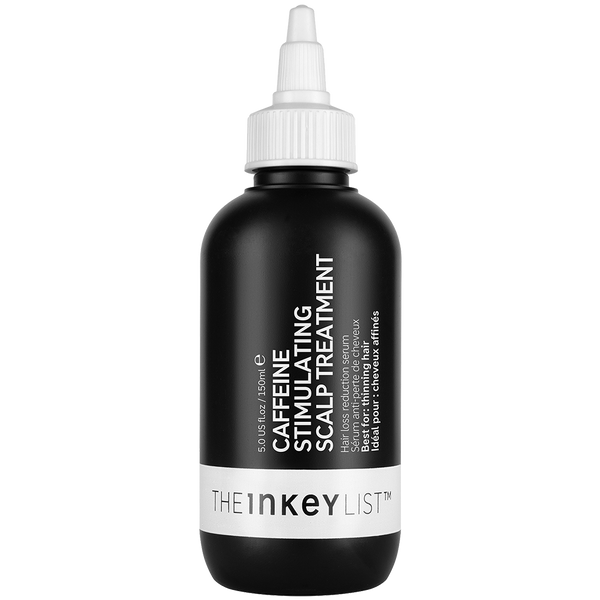
Caffeine Stimulating Scalp Treatment, £15.00
Caffeine is widely used in scalp care for its invigorating effect when applied topically, and this treatment is designed to be used regularly as the “stimulate” step in your routine. Think of it as the consistent, ongoing piece that pairs with the more targeted exfoliation steps, supporting a scalp that feels energised and cared for as part of your daily or near-daily habits. You can shop the Caffeine Stimulating Scalp Treatment here.
Here is a simple way to think about how these three work together across a realistic week:
- A couple of times a week: use the Glycolic Acid Exfoliating Scalp Scrub during your regular wash to clear buildup and dead skin.
- Regularly (a few times a week, or as part of your daily routine): use the Caffeine Stimulating Scalp Treatment to keep the scalp consistently supported between wash days.
- As needed: reach for the Salicylic Acid Exfoliating Scalp Treatment when you notice buildup, flaking, or excess oil creeping back in, using it as a targeted, leave-on top-up rather than a daily non-negotiable.
We want to be fully transparent here: these products are not a treatment for genetic pattern thinning, nor are they a substitute for medical advice if a deficiency, hormonal condition, or underlying health issue is driving your hair thinning. What they are is a genuinely useful, ingredient-led way to support the healthiest possible scalp environment, which is the one part of this entire conversation that is fully within your control, day to day. For anyone ready to commit to the full three-step approach without assembling it individually, the 3 Month Hair Growth Trio remains the simplest, most accessible way to get started, reflecting our belief that effective routines should not be complicated or overpriced to access.
Bringing It All Together
Hair loss is progressive, gradual, and genuinely different from the everyday shedding most of us experience without a second thought. Once you understand that distinction, along with the real causes behind it, genetics, hormones, stress, nutrition, and scalp condition, the whole topic becomes far less overwhelming and far more actionable.
Consistency matters more here than novelty. A scalp-first routine, used regularly over weeks and months rather than abandoned after a few days, is where real change happens. We also believe, fundamentally, that effective, honest hair and scalp care should be accessible to everyone, not complicated, not overpriced, and not built around chasing the next trending ingredient. Clear guidance, proven ingredients, and realistic expectations will always get you further than hype.
One last, honest note: scalp and hair changes take time to show, typically weeks to months rather than days, so patience is part of the process, not a sign that something is not working.
If you would like to go deeper into any of the topics covered here, our scalp health hub is the best next step, bringing together everything we know about shedding, thinning, and the routines that genuinely support healthier-looking hair.
And if you are ready to start building your own scalp-first routine today, the 3 Month Hair Growth Trio brings the Glycolic Acid Exfoliating Scalp Scrub, Salicylic Acid Exfoliating Scalp Treatment, and Caffeine Stimulating Scalp Treatment together as a simple, value-led starting point. No pressure, no hard sell, just a clear, realistic way to start caring for your scalp the way it deserves.
Frequently Asked Questions
Got a question?
Our askINKEY team are a friendly bunch of skincare experts with deep product knowledge and zero judgement. Whether you're an ingredient obsessive or just starting out, we'll make it make sense. No question too big. No question too small. We Give A Care, Every Day.


