



Skincare Ingredients You Should Not Mix
A comprehensive guide to the skincare ingredient combinations that cause irritation, reduce efficacy, and damage your skin barrier — plus the expert strategies to use conflicting ingredients safely in your routine.
Author
askINKEY skincare advisor
Published
20 September, 2021
Time to read
17 minutes
Skincare has never been more ingredient-led. Walk into any bathroom today and you will likely find a shelf lined with acids, retinols, Vitamin C serums, niacinamides, and SPFs - each one chosen for a specific purpose, each one promising real results. The problem is that more ingredients means more opportunity for conflict. Layering mistakes are more common than ever, and most of them are entirely avoidable. This guide exists to close that gap. A comprehensive guide to the skincare ingredient combinations that cause irritation, reduce efficacy, and damage your skin barrier - plus the expert strategies to use conflicting ingredients safely in your routine - this is practical, science-backed guidance drawn from ingredient chemistry, not anecdote.
The good news is that ingredient conflicts are not random. They follow predictable rules rooted in chemistry - specifically pH conflict, chemical instability, and over-exfoliation. Once you understand why certain combinations fail, the “never mix” rules stop feeling like arbitrary restrictions and start making intuitive sense. You will not have to give up any ingredient you love. You will simply learn to time them correctly. What follows covers the specific combinations that should never be layered together, the science behind why they clash, and the simple separation strategies that let you use all of them safely and effectively.
The place to start is the science itself - because understanding why ingredient conflicts happen makes every rule that follows feel obvious rather than overwhelming.
Why Skincare Ingredients Clash - The Science in Plain English
Most skincare ingredient conflicts come down to a handful of well-understood chemical realities. They are not mysterious. They are not unpredictable. And once you have a working understanding of them, you will be able to look at any combination of products and make a reasonably informed judgement about whether they belong in the same routine session.
pH: The Invisible Factor That Governs Every Active
Your skin has a natural surface pH of approximately 4.5 to 5.5 - mildly acidic, which is essential for maintaining a healthy barrier and supporting the microbiome that lives on its surface. The reason this matters for ingredient layering is that many skincare actives are formulated to work only within a very specific pH range. They are not universally effective across the entire pH spectrum - they are optimised for a narrow window.
Vitamin C in its most potent form, L-Ascorbic Acid, requires a pH of around 3.5 to be effective. Retinol, by contrast, functions closer to neutral - around pH 6 to 7. When you layer these two ingredients in the same routine, you are creating a pH environment at the skin’s surface that is too high for the Vitamin C to function optimally and too low for the Retinol to do its best work. Neither ingredient is performing at its peak. Worse, the sharp pH mismatch dramatically increases the risk of irritation, redness, and sensitivity - not because either ingredient is inherently harsh, but because the chemistry of the combination is working against you.
This pH conflict is not limited to Retinol and Vitamin C. Exfoliating acids - both AHAs like Glycolic Acid and BHAs like Salicylic Acid - work at a low pH. Stack two of them together in a single session and you compound the pH drop to a level that most skin simply cannot manage comfortably.
Chemical Instability and Oxidation
Some skincare ingredients are reactive molecules. They do not just sit inertly on the skin surface - they interact with the environment around them, including with other ingredients applied in the same session. Certain actives, when exposed to incompatible compounds, can break down or oxidise before they have the chance to do their job.
This is one of the key reasons that combining Retinol and Vitamin C is problematic beyond pH alone. Vitamin C can accelerate the oxidation of Retinol - effectively degrading the Retinol molecule before it has a chance to be absorbed and drive the cell renewal process it is known for. The result is reduced Retinol activity and a routine that is actively working against itself. You are not just missing out on efficacy - you are potentially introducing degraded molecules that can irritate the skin rather than treat it.
Over-Exfoliation and Barrier Disruption
Retinol and exfoliating acids - AHAs and BHAs - both accelerate the skin’s cell turnover rate, but through entirely different mechanisms. Retinol works biologically, binding to receptors in the skin cells and speeding up the natural renewal cycle. AHAs work chemically, dissolving the bonds between dead skin cells at the surface so they shed more quickly. BHAs penetrate further, working within the pore lining to exfoliate from within.
Each of these is a powerful intervention on its own. The skin barrier - its ability to retain moisture and protect itself against environmental stressors - needs time to regenerate after any significant exfoliation. Stack two or more of these accelerants in a single session and you are asking the barrier to handle more than it can manage. The result is a damaged skin barrier: persistent flaking, redness, increased sensitivity, and a reactive skin state where even gentle products start to sting or irritate. The skin barrier takes 14 to 28 days to fully regenerate after significant disruption. This is not a minor inconvenience. It is a meaningful setback that can compromise your entire routine for weeks.
Molecular Size and the Order of Application
Not every conflict is about chemistry in the reactive sense. Sometimes the issue is simpler: physical layering order. Certain ingredients, when applied first, create a film or barrier on the skin’s surface that prevents subsequent products from penetrating effectively. Oil-based products applied before water-based serums are the most common example. The water-based active cannot penetrate through the oil layer - it sits on top rather than reaching the skin where it needs to work. This is why application order matters as much as ingredient choice.
The Adjustment Period Versus a Genuine Reaction
One important distinction before moving into the never-mix list: not every skin response to a new active is a sign that something has gone wrong. When you introduce Retinol for the first time, it is entirely normal to experience mild dryness, slight flaking, or brief tingling in the first few weeks. This is the skin adjusting - not a sign of incompatibility. The difference between a normal adjustment and a genuine reaction is in the persistence and intensity of the response. Brief, mild tingling that fades quickly and resolves within days as the skin acclimates is normal. Persistent burning, worsening redness across multiple sessions, and skin that becomes increasingly reactive rather than settling down is a signal to stop, reassess, and simplify.
Understanding this distinction will prevent you from abandoning ingredients prematurely - and will also help you catch genuine problems before they escalate.
With that foundation in place, the specific combinations that consistently cause problems become far easier to understand.
The Never-Mix List - Ingredient Combinations to Avoid
This is the core of the guide - the specific pairings that are most likely to cause problems, why they fail, and what to do instead. Each combination has a clear explanation, a practical consequence, and a straightforward fix. Save this. Return to it. Share it with anyone whose bathroom shelf is looking as crowded as yours.
Retinol + Vitamin C: The pH Clash
Of all the ingredient combinations that circulate in skincare conversation, Retinol and Vitamin C together is the most misunderstood. Both are among the most well-researched actives in skincare. Both deliver proven results. The problem is not the ingredients themselves - it is the chemistry of using them at the same time.
Vitamin C in its most potent form - L-Ascorbic Acid - is most effective at a pH of approximately 3.5. Retinol functions optimally at a pH closer to 6 or 7, significantly higher on the scale. Layering them in the same routine session creates a pH environment that compromises the efficacy of both. Neither ingredient can perform in the conditions created by the other. And because both are actives that interact with the skin’s chemistry, the combination also meaningfully increases irritation risk - redness, stinging, and sensitivity that can persist beyond the session.
There is an additional layer to this conflict: Vitamin C can accelerate the oxidation of Retinol. This means the Retinol molecule begins to degrade before it can be absorbed and drive the cell renewal it is responsible for. You are not just reducing efficacy - you are actively undermining the ingredient you are relying on.
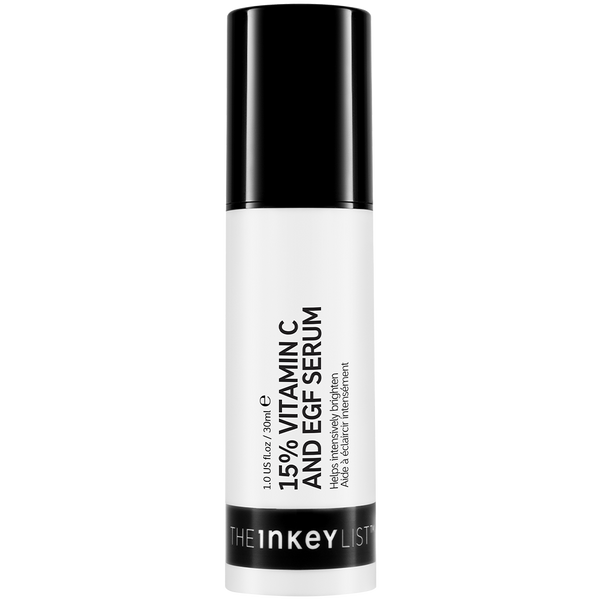
It is worth noting that not all Vitamin C formats carry the same level of pH sensitivity. The stable Vitamin C form used in the INKEY List 15% Vitamin C + EGF Serum (£16.00/30ml) - ascorbyl glucoside - is less pH-sensitive than L-Ascorbic Acid and more stable as a molecule. However, AM/PM separation remains best practice regardless of the Vitamin C format you are using. The safe approach is simple and effective: Vitamin C in the morning, Retinol at night. These two ingredients actually complement each other beautifully across a full day - antioxidant protection during daylight hours, cell renewal driving overnight. For a deeper look at the Retinol side of this equation, the guide on what not to mix with Retinol covers it in full.
Retinol + AHAs (Glycolic Acid): The Over-Exfoliation Risk
Both Retinol and AHAs accelerate cell turnover, but through different mechanisms. Using both in the same evening session compounds the exfoliation effect far beyond what most skin can manage. Retinol drives biological renewal; Glycolic Acid removes the surface layer of dead cells through low-pH chemical exfoliation. Together in the same PM session, they strip the skin barrier faster than it can regenerate.
The consequences are uncomfortable and slow to resolve: persistent flaking, redness, heightened sensitivity, and a reactive skin state where products that were previously tolerated start to sting. As noted, the skin barrier takes 14 to 28 days to fully regenerate after significant disruption - meaning a single misjudged session can affect your entire routine for weeks.
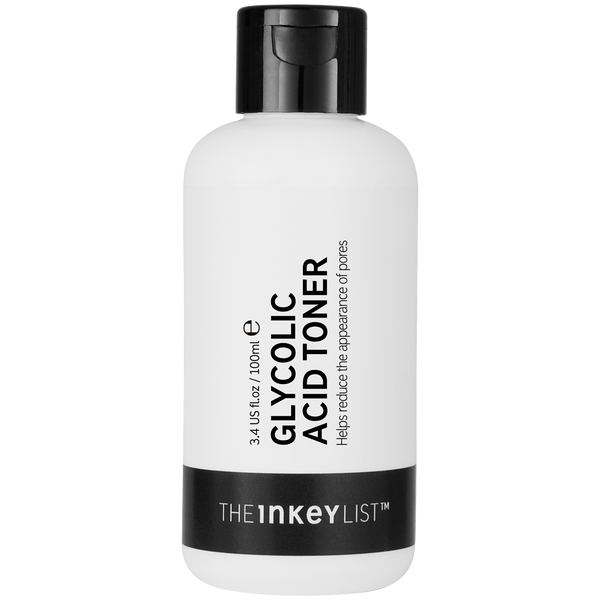
The INKEY List Glycolic Acid Toner (£14.00/100ml) is the brand’s primary AHA, and it should be kept to separate evenings from Retinol use. The solution here is skin cycling - a structured rotation that gives each active its own dedicated night with recovery nights built in between. You can read the full framework in the Skin Cycling guide.
Retinol + BHAs (Salicylic Acid): The Dual-Exfoliation Problem
BHAs like Salicylic Acid operate differently to AHAs - they are oil-soluble and penetrate into the pore lining, exfoliating from within rather than at the surface. But the mechanism is still exfoliation. And combined with Retinol’s cell-turnover promotion, the result is the same: barrier disruption and heightened sensitivity.
This combination is particularly tempting for anyone managing blemish-prone skin who wants to address both congestion and texture simultaneously. It feels logical to reach for both - but stacking them in the same session is counterproductive. You are not accelerating results; you are introducing more irritation that will slow your progress and compromise the barrier you need intact for any active to work properly.
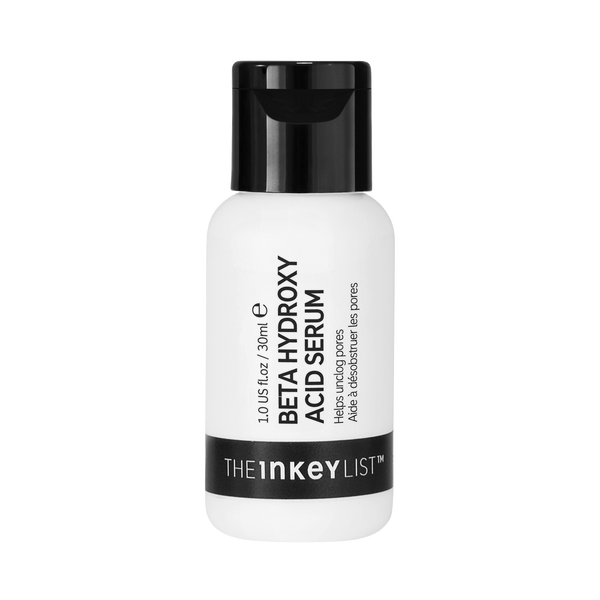
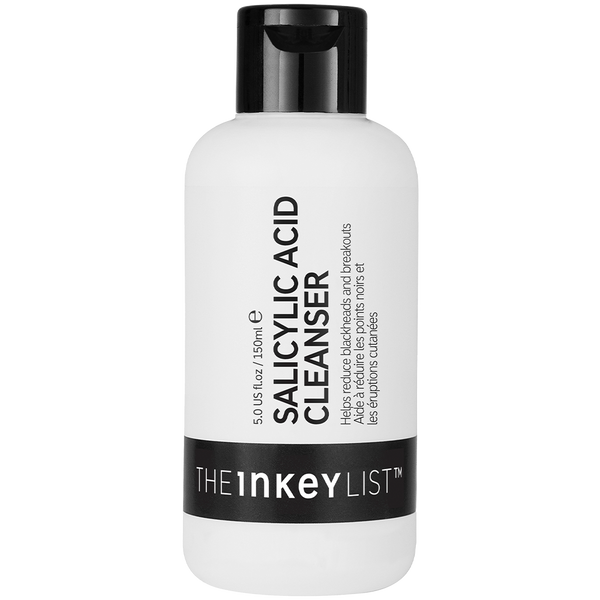
The INKEY List Salicylic Acid Cleanser (£14.00/150ml) and BHA Serum (£13.00/30ml) are both excellent for blemish-prone routines - but on non-Retinol nights, or in the morning routine. Not in the same PM session as Retinol. The what not to mix with Retinol guide provides a comprehensive breakdown for Retinol users managing blemishes.
Multiple Acids Together: The Chemical Overload
Using an AHA and a BHA together in the same session - or adding Vitamin C into an already acidic routine - creates a cumulative pH drop that the skin cannot comfortably manage. Each acid individually lowers the skin’s surface pH. Stacked together, even at the concentrations used in well-formulated consumer products, the combined drop can become excessive. The barrier pays the price.
The most common version of this mistake is applying a Glycolic Acid Toner followed immediately by a BHA Serum in the same evening. Neither product feels aggressive in isolation - but together, they are meaningfully increasing the risk of barrier disruption, sensitivity, and inflammation over time.
The rule is straightforward: one primary exfoliating acid per session, alternated across different nights. This is where the guide to using acids in your skincare routine becomes essential reading for anyone building a multi-acid routine. It is also worth noting that exfoliating acids should always be used in the PM. Applying AHAs or BHAs before SPF in the morning undermines the SPF’s protective function and leaves freshly exfoliated skin unnecessarily exposed to UV - the exact kind of damage these actives are meant to help address over time.
Retinol + Niacinamide: What the Science Actually Says
This combination deserves a specific mention because it is surrounded by a persistent myth that needs correcting. Older guidance warned that Niacinamide and Vitamin C used together could form niacin and cause skin flushing. More recent, robust research has shown that this is not a meaningful concern in properly formulated products used at normal concentrations.
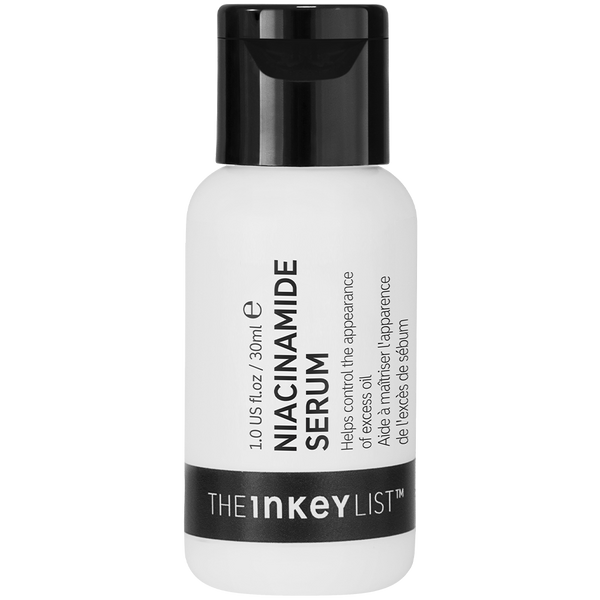
In fact, Niacinamide and Retinol are genuinely excellent together in the same PM routine. Niacinamide calms visible redness and actively supports barrier function - both of which are highly relevant to Retinol users, particularly during the adjustment period. These two ingredients work through entirely different mechanisms and do not create pH conflict. The INKEY List 10% Niacinamide Serum (£12.00/30ml) is a recommended partner ingredient for Retinol nights, not something to avoid. For more on the Niacinamide and Vitamin C question specifically, the article on whether you can use Niacinamide and Vitamin C together addresses the science in full.
How to Spot a Skincare Ingredient Conflict - Warning Signs to Watch For
Knowing which combinations to avoid is one thing. Knowing how to identify an existing conflict in your current routine is another - and arguably just as important. Many people assume any skin reaction to a new product is a normal adjustment process, dismiss it, and continue building on a routine that is already causing harm. This section gives you the tools to tell the difference.
Immediate Red Flags - Stop and Reassess
Some responses to ingredient conflicts are immediate and unmistakable. If you experience any of the following, stop using the combination and allow the skin to settle before reintroducing anything:
- Persistent burning or stinging that continues beyond the first few minutes of application and does not subside
- Rapid redness or flushing that does not resolve within 10 to 15 minutes of application
- Products pilling, changing colour, or altering in texture when layered together - a visible sign of chemical instability between two formulations
- Skin tightness or a raw sensation immediately after applying a product to skin that has just had another active applied
Each of these is a signal that something in the combination is creating a response the skin cannot absorb without consequence. The instinct to push through is understandable - particularly if you have read that certain actives require an adjustment period. But these specific responses are not adjustment. They are reactions.
Delayed Warning Signs - Monitor Over 24 to 48 Hours
Not every conflict reveals itself immediately. Some of the most telling signs of an ingredient incompatibility reaction develop over the following day or two:
- Increased sensitivity to products previously well-tolerated - a gentle cleanser suddenly stinging, or a moisturiser that previously felt soothing now causing tightness. This is a classic indicator of compromised barrier function.
- New texture changes - small bumps, rough patches, or unusual congestion appearing 24 to 48 hours after a new combination has been introduced
- Persistent dryness or flaking that does not respond to moisturiser, even when the moisturiser itself is perfectly well tolerated on its own
- Worsening blemishes rather than improvement, or new breakouts appearing in areas that were previously clear
These delayed responses are easy to misattribute - it is tempting to blame the new product introduced most recently rather than the combination itself. The most reliable way to identify the culprit is through the elimination method.
The Adjustment Period Versus a Genuine Reaction
A brief but essential clarification. When starting a new Retinol routine, mild tingling on first application, slight dryness in the first week or two, and some initial flaking are all within the normal range of adjustment. These responses typically settle as the skin acclimates - usually within two to four weeks, depending on the starting point and the Retinol concentration being used.
What is not normal: burning that persists across multiple sessions, redness that is worsening rather than stabilising, and skin that becomes increasingly reactive rather than gradually more comfortable with the ingredient. If your skin is becoming more sensitive over time, not less, that is a genuine signal to pause and simplify.
Before introducing any new active into your routine, a patch test is always the most practical preventative step. Apply the new product to a small area - the inside of the forearm or behind the ear - and monitor for 24 hours before using it on the full face.
The Elimination Method
If you suspect a conflict but cannot pinpoint what is causing it, the elimination method is the most reliable approach. Strip the routine back to basics: cleanser, moisturiser, and SPF only. Allow three to seven days for the skin to settle. Then reintroduce products one at a time, leaving 48 to 72 hours between each addition, and note any response carefully.
Keeping a simple log - noting new product introductions, any reactions, and their timing - makes patterns obvious quickly. It feels like an extra step, but it saves significant time and discomfort compared to trying to diagnose a multi-product reaction while continuing to use all of them simultaneously.
If you need a clear reference point for what a compromised barrier looks and feels like in practice, the damaged skin barrier guide is a useful companion.
Safe Separation Strategies - How to Use Conflicting Ingredients Effectively
Here is the key insight that this entire guide builds towards: you do not have to choose between powerful ingredients. You do not have to sacrifice Retinol to keep using AHAs. You do not have to drop Vitamin C because you have started a Retinol routine. You simply need to time them correctly. These strategies make the full range of actives available to your routine without the conflict, the irritation, or the setbacks.
AM/PM Split - The Most Reliable Strategy
The simplest and most effective separation strategy is dividing your actives by time of day. This is not an arbitrary split - it aligns directly with the biology of each ingredient and what each one is designed to do.
Morning actives - Vitamin C, Niacinamide, Hyaluronic Acid, and SPF - are protective and preparatory. Vitamin C provides antioxidant neutralisation of the free radicals generated by UV exposure and environmental pollution throughout the day. It makes biological sense to have this protection active during daylight hours.
Evening actives - Retinol and exfoliating acids - are renewal-focused. Retinol drives cell turnover overnight when the skin is in its natural repair cycle and there is no UV exposure to degrade the molecule or increase photosensitivity risk.
Here is a clear routine structure for a Retinol user managing multiple actives:
AM Routine:
- Cleanser
- 15% Vitamin C + EGF Serum (£16.00/30ml)
- Hyaluronic Acid Serum (£21.00/60ml) applied to damp skin
- BioActive Ceramide Moisturiser (£20.00)
- Dewy Sunscreen SPF 30 - last step, non-negotiable
PM (Retinol Nights):
- Cleanser
- Hyaluronic Acid Serum applied to damp skin
- Starter Retinol Serum (£13.00/30ml)
- 10% Niacinamide Serum (£12.00/30ml)
- BioActive Ceramide Moisturiser (£20.00)
PM (Non-Retinol / Acid Nights):
- Cleanser
- Glycolic Acid Toner (£14.00/100ml) OR BHA Serum (£13.00/30ml) - not both
- Hyaluronic Acid Serum
- Moisturiser
This structure allows every active to operate in its optimal conditions without competing for the same pH window or compounding exfoliation effects.
Alternating Nights - The Skin Cycling Framework
For those who want to use both Retinol and exfoliating acids regularly, alternating nights is the answer. Skin cycling is a structured approach to managing this - rotating actives across different nights with deliberate recovery nights built into the schedule.
A basic skin cycling rotation looks like this: Night 1 is an exfoliation night (acid night - AHA or BHA, not both). Night 2 is a Retinol night. Nights 3 and 4 are recovery nights - hydration and barrier support only, no actives. Then the cycle repeats. This framework gives each active sufficient time to do its job, and gives the skin barrier the breathing room it needs to regenerate between sessions.
The full Skin Cycling guide covers this in detail, including how to adapt the rotation for different skin types and concerns. If you are using multiple actives and not yet following a structured rotation, this is the single most effective change you can make to your routine. For those focussed on the acid side of the schedule, the guide to using acids in your skincare routine pairs well with this framework.
The Buffering Method - For Sensitive Skin Starting Retinol
For those new to Retinol, or for anyone whose skin tends to be reactive, the buffering method reduces the speed and intensity of Retinol absorption to minimise the risk of irritation during the adjustment period.
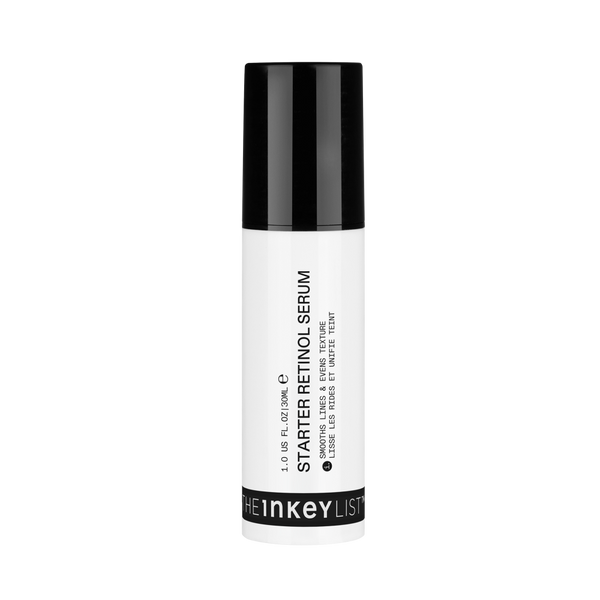
The approach is simple: apply a thin layer of moisturiser before applying Retinol, so the active is absorbed more gradually. Alternatively, use the “sandwich method” - a hydrating layer before Retinol and a second layer of moisturiser afterwards to lock in hydration and soften the delivery. The Starter Retinol Serum (£13.00/30ml) is the appropriate starting point for anyone new to the ingredient - a thoughtfully dosed formulation that makes the adjustment period more manageable without requiring buffering for most skin types. But for those who do need it, this method is straightforward and effective.
Wait Times Between Products
Even compatible ingredients benefit from brief wait times between application steps, particularly when pH-sensitive actives are involved. Allowing a product to stabilise on the skin before applying the next layer ensures each ingredient has the best possible conditions to begin absorption before the surface environment is altered by what comes next.
Suggested wait times as a guide: AHAs and BHAs - allow 10 to 15 minutes before applying the next product; Retinol - 5 to 10 minutes before moisturiser; Hyaluronic Acid - apply to damp skin and follow quickly with moisturiser to seal in the humectant action. These wait times are not mandatory for every combination in every routine, but they are especially useful in the early stages of building a multi-active routine.
One Active at a Time - The Minimalist Starting Point
For anyone new to actives, or for anyone whose skin has become reactive and needs to recover, the most effective approach is also the simplest: focus on one primary active ingredient, use it consistently for four to six weeks, then consider adding anything else.
This is not a restriction - it is strategy. The goal is not to use every ingredient simultaneously. It is to use the right ingredients effectively. Consistency with one well-chosen active will always outperform an over-complicated routine that causes intermittent irritation and forces the skin into a reactive state. The how to improve skin texture guide is useful context for anyone building a targeted acid and Retinol routine from scratch.
Ingredient Combinations That Are Safe - and Work Better Together
With the never-mix list clearly set, it is worth spending equal time on the positive side of the equation: the ingredient combinations that are not only safe to use together but actively make each other more effective. Understanding which pairings work well is just as important as knowing which ones to separate. These combinations are the building blocks of a smart, conflict-free routine.
Retinol + Niacinamide: A Well-Matched PM Pair
As addressed in the never-mix section, this pairing carries a lot of unnecessary hesitation in the skincare space. Niacinamide and Retinol are not only compatible - they are genuinely complementary. Niacinamide calms visible redness and actively supports the skin barrier, which is exactly what a Retinol user needs during the adjustment period when barrier function can be temporarily compromised. They work through entirely different mechanisms. There is no pH conflict. There is no chemical instability.
Apply the 10% Niacinamide Serum (£12.00/30ml) after Retinol in the PM routine as a calming, barrier-supporting step. For a thorough answer to the Niacinamide and Vitamin C question that still circulates widely, the can you use Niacinamide and Vitamin C together guide addresses the science confidently.
Hyaluronic Acid + Any Active: The Universal Buffer
Hyaluronic Acid is the closest thing skincare has to a universally compatible ingredient. As a humectant, it draws moisture into the skin - a function that supports rather than conflicts with acids, Retinol, Vitamin C, peptides, or any other active in a routine. It does not compete for the same receptors. It does not alter the pH environment significantly. It simply helps the skin stay hydrated, which is beneficial alongside every active that carries any risk of dehydration or barrier stress.
Applied first to damp skin, or layered after actives before moisturiser, Hyaluronic Acid helps offset any dehydration that exfoliation or Retinol use might otherwise cause. The Hyaluronic Acid Serum (£21.00/60ml) fits into both the AM and PM routine without modification.
Vitamin C + SPF: The Morning Protection Duo
This is one of the most evidence-backed pairings in skincare. Vitamin C provides antioxidant neutralisation of the free radicals generated by UV exposure - free radicals that SPF alone does not address, since SPF works by blocking UV at the surface rather than neutralising the downstream oxidative stress it can still generate. Together, the 15% Vitamin C + EGF Serum (£16.00/30ml) and Dewy Sunscreen SPF 30 provide layered protection against UV-induced damage, hyperpigmentation, and early skin ageing. These two ingredients were designed to complement each other. Using them together every morning is one of the highest-return habits in a skincare routine. See the SPF guide for full guidance on daily sun protection.
Ceramides + Retinol: Barrier Repair Alongside Cell Renewal
Ceramides are lipid molecules that form part of the skin’s barrier structure - the mortar between the cellular bricks that keeps moisture in and irritants out. Retinol use, particularly in the early weeks, can temporarily stress this structure as the skin adjusts to the accelerated turnover rate. A ceramide-rich moisturiser used after Retinol actively helps restore and reinforce the barrier that Retinol is working. These two ingredients are not in conflict - they are complementary in a very direct, structural sense.
The BioActive Ceramide Moisturiser (£20.00) used as the final step on Retinol nights is one of the most effective routine habits for anyone managing the adjustment period.
Peptides + Retinol: Two Anti-Ageing Mechanisms, No Conflict
Peptides signal the skin to support collagen production - an entirely different mechanism to Retinol’s cell renewal action. There is no pH conflict between peptides and Retinol. There is no chemical instability. They work through different pathways and can sit comfortably in the same PM routine, each contributing to skin quality from a distinct angle. If your primary skin concern is texture and early ageing, pairing a peptide serum or moisturiser with your Retinol routine is an intelligent combination.
Niacinamide + Azelaic Acid: Calming and Tone-Evening Together
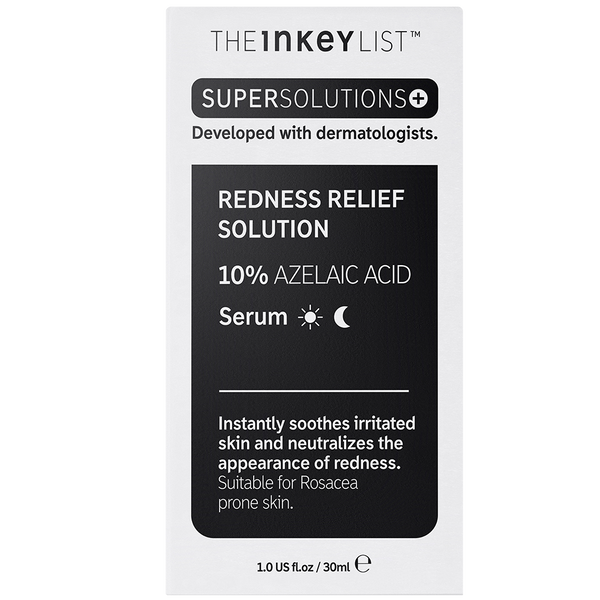
Both Niacinamide and Azelaic Acid are well-tolerated, low-irritation actives suited to blemish-prone and uneven-toned skin. Neither requires an extreme pH to function, and they do not create chemical conflict when used together. For skin that is reactive or sensitive but still benefits from an active approach, this pairing offers meaningful results without the barrier disruption risk associated with higher-strength acids or Retinol combinations.
Ectoin + Retinol: Barrier Protection During Adjustment
Ectoin is a stress-protection molecule that strengthens the skin barrier and reduces sensitivity by forming a water shell around skin cells that helps them resist environmental and chemical stressors. As a partner for Retinol - particularly during the initial weeks of use - it reduces the reactive sensitivity that can make the adjustment period uncomfortable. The Ectoin HydroBarrier Serum used alongside or in place of Hyaluronic Acid in the PM routine is an intelligent choice for anyone starting Retinol who wants additional barrier support from day one.
Building a Conflict-Free Skincare Routine - UK Recommendations
Everything covered in this guide - the science, the never-mix rules, the separation strategies, the compatible pairings - comes together here. A complete, conflict-free routine using INKEY List products, with UK pricing, designed to make the most of every active without layering mistakes, irritation, or setbacks.
The INKEY List range is built with ingredient compatibility in mind. Every product is formulated to sit within a clearly compatible routine structure, which means you are never choosing between efficacy and safety - you are choosing how to sequence what already works.
Your Complete Morning Routine
The morning routine is built around protection and preparation for the day ahead.
- Cleanser - The Salicylic Acid Cleanser (£14.00/150ml) for oily or blemish-prone skin, or the Milk Cleanser for dry and normal skin types
- Vitamin C - 15% Vitamin C + EGF Serum (£16.00/30ml) applied to clean skin for antioxidant protection throughout the day
- Hydration - Hyaluronic Acid Serum (£21.00/60ml) applied to slightly damp skin to maximise humectant action, or the Ectoin HydroBarrier Serum for those focused on barrier strengthening
- Moisturiser - BioActive Ceramide Moisturiser (£20.00) to seal in hydration and support barrier function, or the Omega Water Cream for oily and combination skin types
- SPF - Dewy Sunscreen SPF 30 as the final, non-negotiable step every morning
Your Complete Evening Routine - Retinol Nights
On Retinol nights, the PM routine is focused on renewal and barrier support in equal measure.
- Cleanser
- Hydration first - Hyaluronic Acid Serum (£21.00/60ml) applied to damp skin
- Retinol - Starter Retinol Serum (£13.00/30ml) applied after the hydrating serum
- Calming support - 10% Niacinamide Serum (£12.00/30ml) after Retinol to calm visible redness and support the barrier
- Moisturiser - BioActive Ceramide Moisturiser (£20.00) to seal and repair overnight
Your Complete Evening Routine - Acid Nights
On non-Retinol nights, exfoliating actives take the lead.
- Cleanser
- Exfoliating acid - Glycolic Acid Toner (£14.00/100ml) for surface renewal, OR BHA Serum (£13.00/30ml) for pore exfoliation on blemish-prone skin - not both in the same session
- Hydration - Hyaluronic Acid Serum after the acid has settled
- Moisturiser to finish
For blemish-prone skin specifically: the Salicylic Acid Cleanser (£14.00/150ml) is an excellent daily option for morning and evening cleansing. Pair it with the BHA Serum (£13.00/30ml) on non-Retinol nights for targeted pore work. On Retinol nights, keep the cleanser in the routine but do not add the BHA Serum - that is where the Salicylic Acid cleanser’s relatively brief contact time becomes genuinely useful.
Finding Your Personalised Routine
If you are not yet sure which actives are the right priority for your skin concerns, the INKEY Skincare Quiz takes approximately two minutes and builds a personalised routine matched to your specific skin type, concerns, and goals. It removes the guesswork from ingredient prioritisation and gives you a clear starting point.
For anyone whose primary concern is blemish-prone skin, the Breakout Analyser Pro is an AI-powered, dermatologist-backed tool that builds a personalised blemish routine for your specific situation - no guesswork, no trial and error.
Ready to build and shop your compatible routine in one place? The Bundle Builder lets you select your full routine and save up to 20%. Free UK standard delivery on orders over £30.
Knowledge Is What Makes Skincare Work
Ingredient conflicts are not random. They are not mysterious. They are predictable chemistry - and predictable chemistry can be planned around. Every rule covered in this guide follows from a small number of underlying principles: pH compatibility, chemical stability, and the skin barrier’s finite capacity to handle simultaneous exfoliation. Once those principles are understood, the rules become intuitive.
The three most important takeaways from this guide are worth restating clearly.
First: keep Retinol and Vitamin C in separate sessions. Vitamin C belongs in the morning routine, where its antioxidant action aligns with daytime UV and pollution exposure. Retinol belongs in the evening, where it drives cell renewal during the skin’s overnight repair cycle without UV degradation risk.
Second: never stack two exfoliating acids in the same session. One primary exfoliating acid per session - AHA or BHA, not both - and always in the PM, never before SPF in the morning. Alternate acids across different nights rather than combining them.
Third: Retinol and exfoliating acids should not share the same PM session. Use skin cycling or alternating nights to give each active its own dedicated window.
These three rules alone will protect most people from the majority of ingredient conflicts that undermine skincare results. They are not limitations - they are the framework that makes everything else work better.
Skincare does not have to be complicated to be effective. In fact, the most effective routines are almost always the clearest ones: a small number of well-chosen ingredients, used consistently, at the right times, in the right order. The complexity of the ingredient science sits in the background so that your routine does not have to. That is what real skincare education looks like - not an overwhelming list of rules, but the understanding that makes those rules feel obvious.
Not sure which actives are right for your skin? Take the INKEY Skincare Quiz - a 2-minute personalised routine builder that matches your skin concerns to the right ingredients. Free full-size cleanser* with your first routine.
If blemishes and breakouts are your main concern, the Breakout Analyser Pro is the AI-powered, dermatologist-backed tool that builds a personalised blemish routine for your skin. No guesswork, no wasted products.
Ready to build your compatible routine? Use the Bundle Builder to shop your full routine in one place and save up to 20%. Free UK standard delivery on orders over £30.
Frequently Asked Questions
Got a question?
Our askINKEY team are a friendly bunch of skincare experts with deep product knowledge and zero judgement. Whether you're an ingredient obsessive or just starting out, we'll make it make sense. No question too big. No question too small. We Give A Care, Every Day.


