



How to Improve Skin Texture (and Get Rid of Textured Skin)
Uneven, bumpy or rough skin texture is usually down to dead skin build-up - here’s how to smooth it with a simple, consistent routine.
Author
askINKEY skincare advisor
Published
22 December, 2021
Time to read
9 minutes
Textured skin is the term for skin that looks or feels uneven, bumpy or rough rather than smooth. It covers small raised bumps, rough patches, flakiness, congestion and the dips and shadows left behind by past blemishes. In almost every case, the main driver is the same: a build-up of dead skin cells sitting on the surface, usually alongside congestion in the pores and a natural slowing of skin cell renewal. Understanding that mechanism is the first real step in learning how to improve skin texture, because it tells you what your routine actually needs to do.
Here is the honest framing before we go any further. Texture responds well to consistency, and most people see a genuine difference within a few weeks of a sensible routine. But nobody has flawless, poreless skin, and chasing that is the fastest way to end up with an irritated barrier and worse texture than you started with. This guide covers what textured skin is and what it is not, what causes it, a six step routine you can actually stick to, how to layer actives without irritation, how long results realistically take, and what to do about body texture and keratosis pilaris bumps.
Before you change anything in your routine, it helps to be precise about what you are actually looking at, because texture is routinely confused with something else entirely.
What Textured Skin Actually Is (and What It Is Not)
Texture is a tactile and structural concern. It describes how your skin feels under your fingertips and how light behaves when it hits the surface. Roughness, small bumps, congestion, flaky patches, visible pores and indentation left by past blemishes all sit under the texture umbrella.
Tone is a colour concern. Dark marks, patches of pigmentation, redness and general unevenness in shade are all tone. The distinction matters more than most people realise, because skin can be completely smooth to the touch and still uneven in colour. It can also be perfectly even in colour and still rough to the touch.
Why does this matter practically? Because the ingredients differ. Exfoliants and retinoids are texture-first ingredients: they work on surface build-up and on the renewal process underneath it. Brightening ingredients are tone-first: they work on how pigment is produced and distributed. Plenty of people spend months on a brightening routine while their actual concern is bumpy skin texture, then conclude that skincare does not work for them. If your real issue is colour rather than surface, uneven skin tone is the better starting point.
How textured skin usually shows up
There is a reason texture is so often noticed in specific conditions and specific places. Smooth skin reflects light fairly evenly. An uneven surface scatters it in every direction, which reads to the eye as dull, flat or patchy rather than luminous. That is why dull skin and rough skin so often turn up together, and why texture looks dramatically worse in raking side light, in a lift mirror, in a front-facing camera, or under a layer of foundation that settles into every irregularity.
The most common presentations people search for are worth naming directly. Bumpy skin texture across the forehead and cheeks, often lots of tiny bumps rather than individual blemishes. Rough, slightly congested patches around the nose and chin. Small colourless bumps just under the surface that never come to a head, which are congestion rather than blemishes. Flaky patches that catch on makeup. And the soft, uneven surface left where a blemish has healed.
What is not a flaw
All skin has texture. Skin is a living organ, not a sheet of glass, and a completely uniform surface does not exist outside of a soft-focus filter. Pores are a normal, functional part of skin: they are the openings through which oil reaches the surface, they cannot be closed, and they cannot be removed. Their appearance can be minimised when they are clear and when the skin around them is firm and well hydrated, but the goal is refined and healthy looking, not absent.
The useful news is that texture and tone overlap constantly. Congestion leaves marks. Sun exposure affects both pigment and structure. A well built routine that improves surface smoothness tends to improve clarity and radiance at the same time, which is why the six steps later in this article do more than one job at once. If you are not sure where your skin sits, What’s Your Skin Type? is a genuinely useful starting point, because texture behaves differently on oily, dry and combination skin.
Now that you know what you are dealing with, the next question is why it is happening at all.
What Causes Textured Skin
Textured skin is rarely down to a single thing. Most people have two or three of the following running at once, which is why a routine that only addresses one of them tends to plateau. Here is what causes textured skin, mechanism by mechanism.
Dead skin cell build-up
This is the primary driver, and the one behind most cases. Your skin renews itself continuously: new cells form in the lower layers, travel upward, flatten, and eventually shed from the surface. When that shedding slows, or when cells do not lift away cleanly, they accumulate as a rough, disorganised layer. That layer is what your fingertips catch on and what scatters light instead of reflecting it. It is also what makes everything applied on top of it work less effectively, because your serums have to get through it first.
Congestion and clogged pores
Oil, dead skin cells and daily grime collect inside the pore. When that mixture sits and oxidises at the opening you get blackheads. When it stays trapped below the surface you get the small, firm, colourless bumps that so many people mistake for a flare-up. Congestion is a texture concern at least as much as it is a blemish concern, and it tends to cluster where oil production is highest, which for most people means the nose, chin and centre of the forehead. If most of your texture is small dark dots around the nose, blackheads is the more precise place to start.
Slower cell renewal with age
This one has real numbers behind it. In a study of epidermal cell renewal, researchers found that stratum corneum transit time was approximately 20 days in young adults, and more than 10 days longer in older adults. In plain English, the journey a skin cell takes to reach the surface and shed gets meaningfully longer as you age. Because the number of cell layers does not change, that slowdown reflects reduced cell production rather than thicker skin. The same research suggested the decline is not steady across adult life: it stays relatively constant through the younger years and then drops more noticeably after around age 50. Dead cells simply linger longer, so build-up happens faster than it clears.
Sun exposure and photoageing
UV exposure is cumulative, and its effect on texture is structural rather than superficial. Research on photoageingshows that UV radiation triggers enzymes known as matrix metalloproteinases, which break down collagen and elastin in the layers beneath the surface. Collagen and elastin are the scaffolding that keeps skin firm and even. As that scaffolding weakens over years, the surface above it loses support and becomes coarser and rougher. This is not a reason to panic about every sunny afternoon. It is a reason to treat daily SPF as a texture step, which is exactly how it is framed later in this article.
Dehydration
Dehydrated skin lacks water, and it sits flatter and rougher as a result. Fine lines look more pronounced, the surface feels tight, and skin loses the plumpness that makes it look smooth. It is worth separating two things that get used interchangeably. Dehydration is a temporary state caused by a lack of water in the skin, and it can absolutely affect oily skin. Dryness is a skin type caused by a lack of oil. Oily and dehydrated at the same time is extremely common, and it is often why people with oily skin find that stripping products make their texture worse rather than better. Dehydrated skin covers this in more depth.
A compromised skin barrier
Your skin barrier is the outermost layer that holds moisture in and keeps irritants out. Over-washing, over-exfoliating, water that is too hot and harsh products all damage it. A damaged barrier flakes, stings, reddens easily and develops rough patches, which is a texture problem created entirely by the routine meant to solve one.
This deserves saying plainly, because it is the single most common mistake: scrubbing harder to get rid of texture is one of the most reliable ways to cause more texture. Aggressive physical scrubs, daily acid use, and stacking multiple exfoliants all push the barrier past what it can repair. Even the NHS advises against harsh scrubs for rough, bumpy skin, noting that they can make things worse. If tight, shiny, sensitised skin sounds familiar, damaged skin barrier is where to begin, before any exfoliant.
Keratosis pilaris on the body
Keratosis pilaris, usually shortened to KP, causes small rough bumps most often on the upper arms, thighs and bottom. According to the NHS, it happens when hair follicles become blocked with a build-up of keratin, a protein found in skin, hair and nails. It is very common, entirely harmless, and thought to run in families. It is more likely if your skin is dry, and many people find it eases in summer and worsens in winter. There is a dedicated section on body texture and KP further down.
The good news in all of this is that these causes are not seven separate problems requiring seven separate solutions. They converge, and they respond to the same six step routine.
How to Get Rid of Textured Skin: Routine Steps 1 to 3
If you want to know how to get rid of textured skin, the honest answer is a sequence of small, correct decisions repeated over weeks. Not one product. These first three steps do the active work of clearing build-up and supporting renewal.
Step 1: Cleanse properly, not harshly
Cleansing sets the tone for everything that follows. Strip your skin at this stage and every subsequent step has to work harder, because you have compromised the barrier that keeps your actives tolerable. Under-cleanse and you leave behind the makeup, SPF and oil that feed congestion.
The technique matters more than most people expect. Cleanse for a full 60 seconds rather than the eight or nine seconds most of us default to, giving the product time to actually dissolve what is on your skin. Use lukewarm water, never hot, since heat strips lipids and leaves skin tight. And in the evening, if you have worn makeup or SPF, cleanse twice.
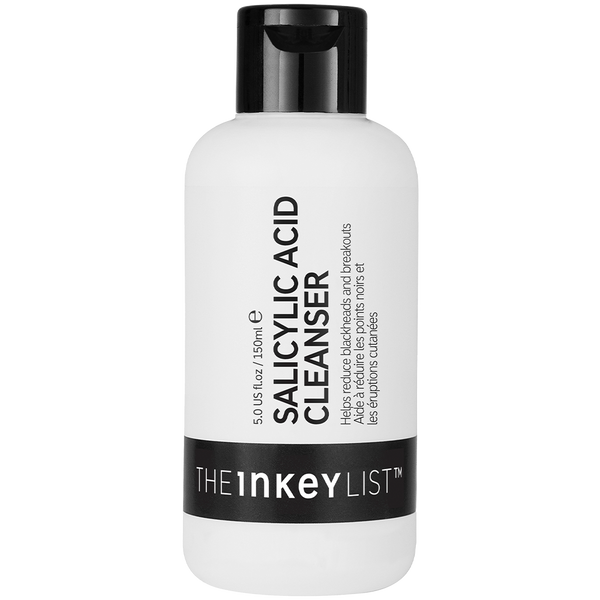
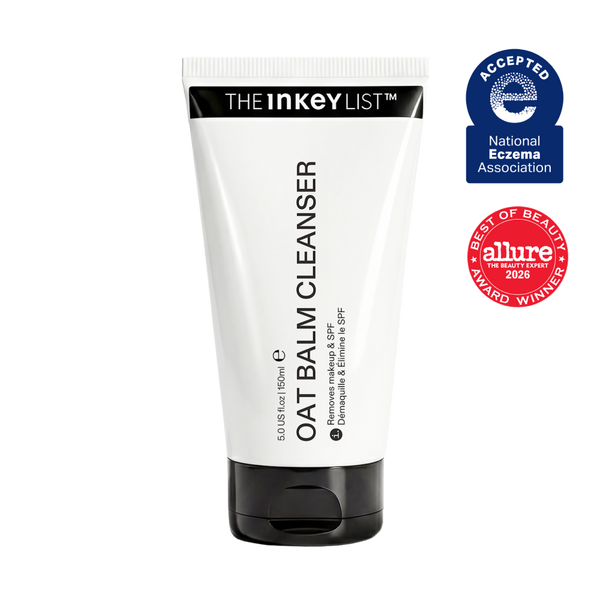
That second point is a genuine texture win. Leftover SPF and makeup contribute directly to congestion, and a single quick cleanse rarely removes them completely. A balm first to melt everything, then a water-based cleanser to clean the skin underneath. The Oat Cleansing Balm - 150ml at £15.00 uses colloidal oatmeal to soothe while it breaks down makeup and SPF, which suits skin that reacts to more aggressive removers. For congestion prone and oily skin, the Salicylic Acid Cleanser 150ml works into the pore itself to help clear blackheads and reduce blemishes, without the squeaky, over-dried finish that sends oil production into overdrive. For the full method, The Complete Guide to Double Cleansing walks through it properly.
Step 2: Exfoliate consistently, not aggressively
This is the most important behavioural message in this article, so it gets stated once, clearly: consistency beats intensity. Exfoliating twice a week for three months will transform your texture. Exfoliating aggressively for four days and then repairing your barrier for a fortnight will not.
Start at two to three times a week. Build only if your skin remains genuinely comfortable, and treat any tightness, stinging or flaking as a signal to scale back rather than push on.
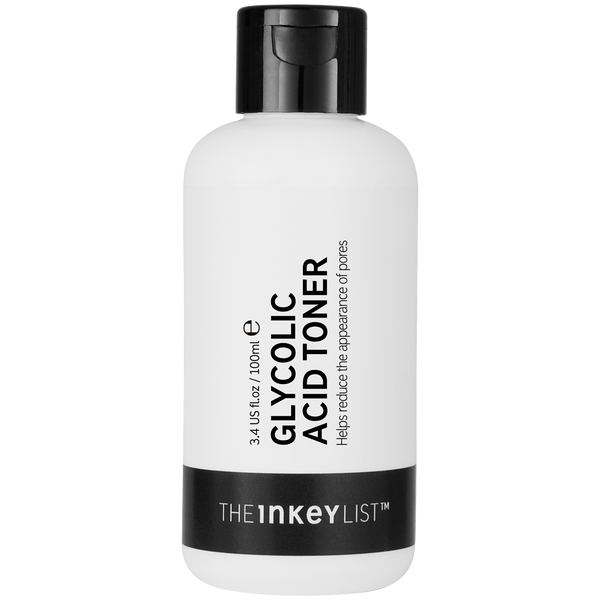
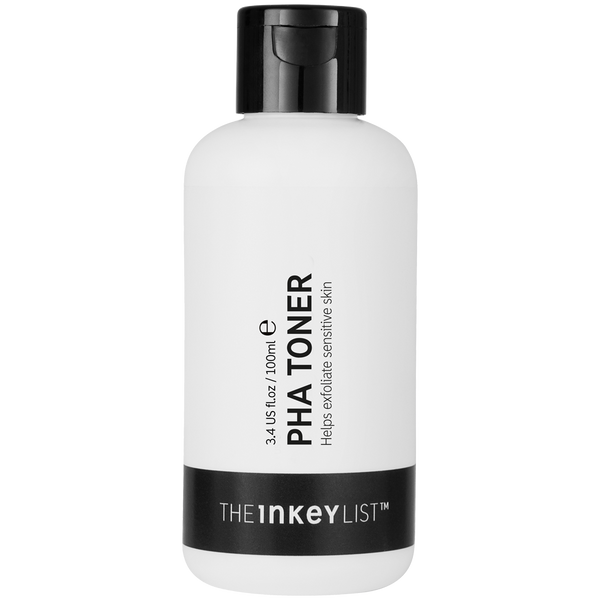
A quick orientation on the three families. AHAs, such as glycolic acid, work on the surface to loosen the bonds holding dead cells in place. BHAs, such as salicylic acid, are oil soluble, so they get into the pore itself and are better suited to congestion. PHAs are larger molecules that work more gently at the surface while also holding onto moisture, which makes them the softer landing for reactive skin.
The Glycolic Acid Toner at £14.00 is the AHA choice for resurfacing and brightness. The PHA Toner at £14.00 is the gentlest option and the smarter starting point if your skin is sensitive or easily irritated, with more detail on the PHA ingredient guide. You can browse the full range of exfoliants, or read up on glycolic acid specifically.
Two firm warnings. Do not use a physical scrub on top of chemical exfoliation, because you are removing the same layer twice and going straight through into the barrier beneath. And never use more than one exfoliating product in the same routine, however gentle each one seems individually. If exfoliation consistently irritates you, Best Exfoliator for Sensitive Skin is the better guide.
Step 3: Add a retinoid
Exfoliation clears what has already accumulated. A retinoid addresses why it accumulated, by supporting the skin’s natural renewal process. That is precisely the process that slows with age and allows dead cells to linger.
Retinoids are PM only, always. Beyond that the practical rules are simple. Start twice a week and increase slowly over several weeks. Apply to completely dry skin, since damp skin increases absorption and irritation. Use a pea sized amount for the entire face, because more does not work faster. Expect a short adjustment period of mild dryness or flaking, and follow with moisturiser. And pair it with daily SPF without exception.
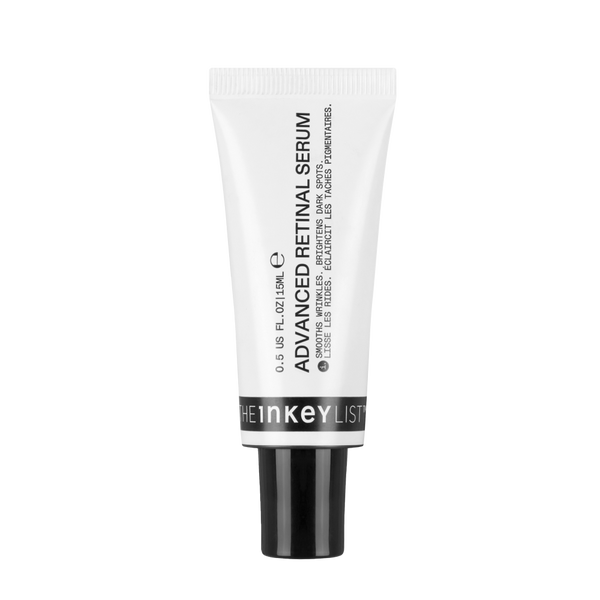
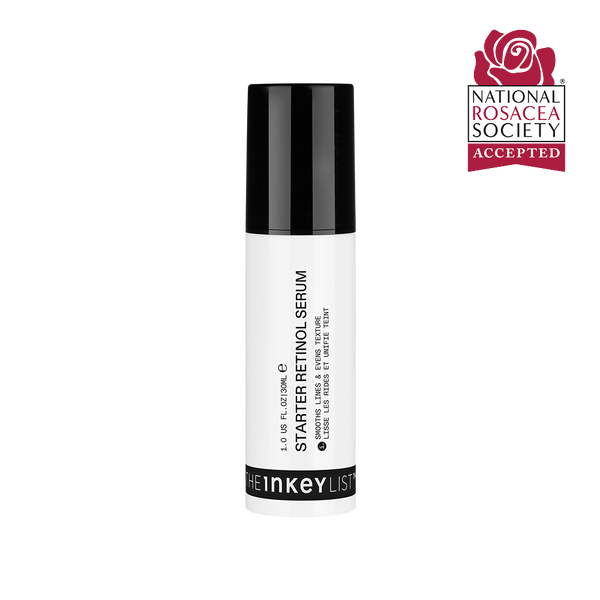
The Starter Retinol Serum at £13.00 is the entry point for beginners and sensitive skin. The Advanced 0.2% Retinal Serum at £18.00 suits skin already comfortable with retinoids. For the full picture, see What is Retinol? and the wider retinol range, and because it is the very next question everyone asks, What Not to Mix with Retinol.
Clearing and renewing is only half the job. What you do afterwards decides whether any of it holds.
How to Get Smooth Skin: Routine Steps 4 to 6
Most people treat the next three steps as optional extras. They are not. If you want to know how to get smooth skin and keep it that way, these are the steps that protect the results the first three earned.
Step 4: Hydrate and support your barrier
This is the step people skip while chasing smoothness, and skipping it is self-defeating for two reasons.
First, hydration changes texture immediately and physically. Well hydrated skin cells are plumper, so the surface sits more evenly and reflects light more uniformly. Dehydrated skin looks and feels rougher regardless of how much exfoliating you do.
Second, and more importantly, a strong barrier is what allows you to keep using exfoliants and retinoids at all. Barrier support is not the opposite of active skincare. It is the thing that makes active skincare sustainable.
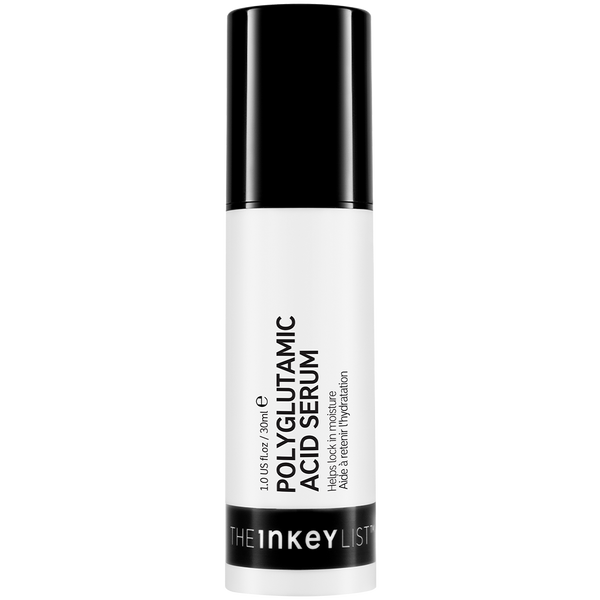
The Polyglutamic Acid Serum at £15.00 holds moisture at the surface for an instantly smoother finish, working on the same principle covered in What is Hyaluronic Acid?. The Bio-Active Ceramide Moisturiser at £20.00 replaces the lipids that hold the barrier together, which makes it the sensible partner to any routine containing actives. One practical tip that costs nothing: apply hydrating serums to damp skin, so there is water present for them to hold onto. If your skin is already struggling, start at damaged skin barrier or dehydrated skin rather than adding another active.
Step 5: Boost renewal and glow
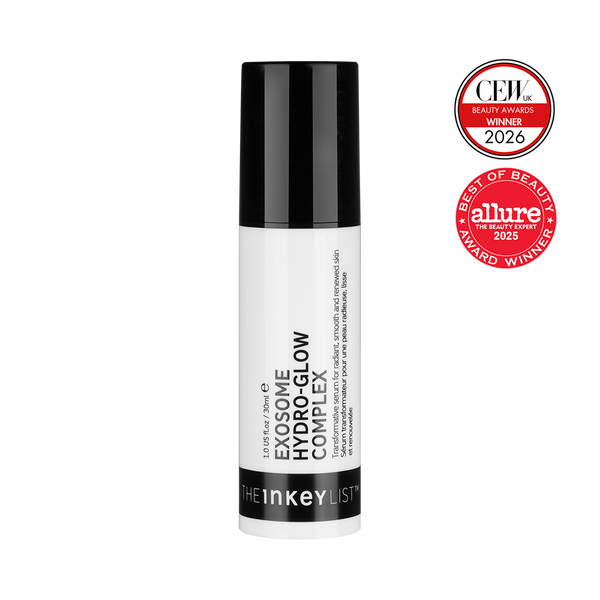
Once your routine is stable, this is where you add support rather than intensity. The Exosome Glow Serum at £20.00 supports skin renewal and hydration, and layers comfortably alongside the rest of the steps here without competing with them. If you want the science behind the ingredient rather than a summary, What are Exosomes? covers it properly.
Step 6: Protect daily with SPF
SPF belongs in a texture article, not just an ageing one, and the reason is mechanical. As covered earlier, UV exposure breaks down the collagen and elastin that hold a smooth surface in place. Skip it and you are steadily dismantling the structure underneath while working on the surface above. NICE guidance on sunlight exposure sets out the UK position on sensible protection.
There is a second, more immediate reason. Exfoliating acids and retinoids both increase sun sensitivity, so the routine described in the previous section actively requires SPF to work safely.
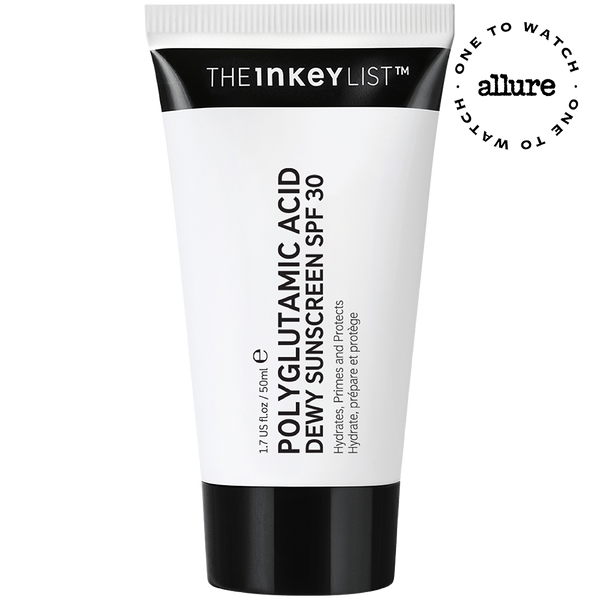
The practical version: every morning, as your final skincare step, before makeup. Reapply across the day when you are outdoors for extended periods. The Dewy Sunscreen SPF 30 is designed to sit comfortably under makeup, which matters, because the best SPF is the one you do not resent applying. More detail sits at What is SPF? and across the SPF range.
Texture does not stop at the jawline, and the areas below it are usually the most neglected.
Body Texture, KP Bumps and Rough Patches
Body skin is thicker and generally more tolerant than facial skin. It is also, for most people, dramatically under-cared for. A quick wash with whatever is in the shower, occasionally some moisturiser, and that is the entire routine. Then we wonder why the backs of our arms feel like sandpaper.
The common complaints cluster in predictable places. Rough bumps on the upper arms, thighs and bottom. Congestion and breakouts across the chest and back, where oil glands are dense and fabric traps sweat. Ingrown hairs anywhere you shave or wax. Thickened, rough patches on elbows and knees. None of these are unusual, and all of them respond to essentially the same approach: gentle, consistent exfoliation followed by proper moisturising.
Understanding KP bumps
Keratosis pilaris deserves its own explanation, because it is widely misidentified as a blemish problem and consequently mismanaged. Per the NHS, KP occurs when hair follicles become blocked with a build-up of keratin, the protein that makes up skin, hair and nails. The result is patches of small, rough bumps, most often on the arms, thighs or bottom. They are usually the same colour as your skin, though they can look red on white skin or darker on brown and black skin. The skin can feel itchy, and many people notice it improves in summer and worsens in winter.
Three things worth internalising. It is harmless. It is extremely common. And it tends to run in families, so if a parent has it, you may well have it too.
Now the honest part. KP can be visibly improved, softened and managed, sometimes substantially. It cannot be permanently removed, and anyone promising otherwise is selling you something. The NHS notes that most people have it for years and that it may eventually clear up by itself. Consistent care makes the skin smoother, more comfortable and less noticeable. That is a worthwhile and achievable outcome, and it is the one to aim for.
The NHS-aligned basics are unglamorous and effective. Moisturise regularly, and more often than you think you need to. Use mild, unperfumed washing products, since perfumed ones dry the skin further. Keep showers and baths cool or lukewarm rather than hot. Be gentle, avoid harsh scrubs, and do not scratch, pick or rub the bumps, all of which aggravate the follicle and prolong the problem.
On top of that foundation, chemical exfoliation is the useful addition. The Glycolic Acid Exfoliating Body Stick at £15.00 lets you target specific areas directly, which suits KP bumps, ingrown hairs and rough patches on elbows and knees. The PHA Body Water Cream at £15.00 is the gentler route, combining mild exfoliation with hydration so you smooth and moisturise in one step, which is realistically the only body routine many people will maintain.
Practical guidance: start at two to three times a week, apply to clean dry skin, and always follow with moisturiser. For the full method see How to Exfoliate Body Skin: The Complete Guide, or browse body care. If shaving irritation and ingrown hairs are a significant part of your texture picture, the Men’s Skincare Routine Guide covers that ground directly.
Back to the face, and to the ingredients you will have seen mentioned alongside everything above.
Other Ingredients Worth Knowing, and How to Layer Them Safely
Knowing how to improve skin texture is only partly about which ingredients exist. It is mostly about how you combine them and how patient you are willing to be.
Other ingredients worth knowing
Niacinamide helps regulate excess oil and improve the look of visible pores, which makes it a natural companion to texture work on oilier skin. It is well tolerated and layers easily alongside most things. See What is Niacinamide?.
Vitamin C, in the 15% Vitamin C and EGF Serum, targets dullness and uneven tone. Since texture and tone so often appear together, it complements exfoliation rather than duplicating it. More at What is Vitamin C?.
Azelaic acid, in the 10% Azelaic Acid Serum for Redness Relief, addresses redness and uneven tone. Useful if your texture concerns sit alongside persistent flushing. Detail at What is Azelaic Acid?.
PDRN supports skin renewal, making it a reasonable addition once your core routine is established rather than a starting point. See What is PDRN?.
If the under eye area is part of your concern, the Caffeine Eye Cream at £12.00 is formulated for that thinner, more delicate skin.
How to build the routine without irritating your skin
Three rules. They are simple, and almost all irritation comes from breaking one of them.
- Introduce one new active at a time. Give it two to three weeks before adding anything else. If you add three products at once and your skin reacts, you have no way of knowing which one caused it, and you will likely abandon all three.
- Alternate nights rather than stacking. An exfoliating acid on one night, a retinoid on another. Stacking actives in a single routine multiplies irritation without multiplying results.
- Never layer two exfoliants in the same routine. Not an acid toner plus a scrub. Not two acids. One exfoliating product per routine, without exception.
Around those rules sit the supporting behaviours. Patch test anything new on a small area first. Always follow actives with moisturiser. And if your skin feels tight, stings on application or starts flaking, scale back rather than pushing through. Discomfort is information, not a sign that something is working.
A realistic weekly rhythm might look like this: exfoliant twice a week, retinoid two to three nights a week on different nights, hydration and moisturiser every single day, SPF every single morning. That is genuinely enough. The daily steps do more work than the twice-weekly ones. What Not to Mix with Retinol covers the specific combinations to avoid, and The Complete Skincare Guide sets out full routine order. If you would rather start from a ready-built routine than assemble one, browse skincare sets.
How long it takes to see results
Here is what the evidence actually supports, rather than what makes for a better before-and-after post.
In the first one to two weeks you will likely notice improved smoothness and glow. That is real, but it is largely the result of removing surface build-up and improving hydration, not deeper change.
From around four weeks, measurable improvement begins. A study of an acid exfoliating blend in sensitive skin found visible texture improvement at this point, and it is roughly when consistent users start noticing their skin behaving differently rather than just looking better temporarily.
Between eight and twelve weeks is where results become clear and consistent. A clinical comparison of retinoid formulations over 12 weeks documented improvements in texture, tone and the appearance of pores across that window.
Deeper structural change continues well beyond that. Research published in JAMA Dermatology on retinol and naturally aged skin tracked improvements developing out to around twenty four weeks.
Tie this back to the biology and it makes sense. Skin renewal takes roughly a month in younger skin and longer as you age, per the transit time research cited earlier. One complete renewal cycle is therefore the minimum fair test of any routine. Judging a product after ten days is judging it before it has had a chance to do anything.
One necessary caveat. Indentation left by past blemishes is structural, sitting in the deeper layers rather than on the surface. It responds far more slowly than surface texture, and significant improvement often needs professional input. A good routine supports the skin around it and will not make it worse, but this article is not going to promise it disappears.
That covers the routine. Here are the questions that come up most often.
The Routine That Actually Improves Skin Texture
Six steps, in order. Cleanse properly rather than harshly. Exfoliate consistently rather than aggressively. Add a retinoid at night. Hydrate and support your barrier every day. Boost renewal once your routine is stable. And protect with SPF every single morning.
Expect early improvement in smoothness and glow within the first couple of weeks, clearer and more consistent results across eight to twelve weeks, and continued change beyond that. The largest variable in that timeline is not which products you choose. It is whether you actually use them.
If you take one thing from this article, take this: gentler and more consistent beats harder and faster, every time. Over-exfoliating is the fastest route back to rough, irritated skin, and it is the mistake we see most often. Clear guidance, proven ingredients, real results. No hype required.
Not sure where to start? Take our Skincare Quiz and get a routine built around your skin in about two minutes. If you already know what you need, browse products to improve textured and bumpy skin. And if you have a question that this guide did not answer, askINKEY and our team will help you work it out.
Frequently Asked Questions
Got a question?
Our askINKEY team are a friendly bunch of skincare experts with deep product knowledge and zero judgement. Whether you're an ingredient obsessive or just starting out, we'll make it make sense. No question too big. No question too small. We Give A Care, Every Day.


