



Azelaic Acid & Niacinamide: Can You Use Them Together?
Azelaic acid and niacinamide are one of skincare’s most complementary pairings. Here is how to layer them for calmer, clearer, more even-toned skin.
Author
askINKEY skincare advisor
Published
12 May, 2026
Time to read
11 minutes
Yes. Azelaic acid and niacinamide can absolutely be used together, and they are one of the most complementary pairings in skincare. The question comes up so often because both ingredients get recommended for the same three concerns: visible redness, blemishes and uneven tone. When two actives appear on the same shortlist, it is natural to assume they overlap, compete or somehow cancel each other out. They do not. They approach the same concerns from different directions, which is exactly what makes them work.
There is a useful nuance, though. While azelaic acid and niacinamide can share a routine, most people get better results and better comfort by splitting them across morning and evening. Below, we cover what each ingredient actually does, why the pairing is so effective, how to layer them properly, what to avoid alongside them, and the questions we get asked most.
What Is Azelaic Acid and What Does It Actually Do?
Azelaic acid is a gentle, multi-tasking active that helps calm the look of visible redness, smooth uneven texture and support a clearer, more even-looking complexion. It is one of those rare ingredients that does several jobs at once without demanding much from your skin in return.
That last part matters more than people expect. The word “acid” tends to set off alarm bells, conjuring images of tingling, flaking and a week of hiding indoors. Azelaic acid does not behave that way. It is not an exfoliating acid in the way glycolic or salicylic acid are, and it is unusually well tolerated compared to how the name sounds. If you have previously tried an active and found it too much, azelaic acid is often the one that changes your mind.
Inside the 10% Azelaic Acid Serum for Redness Relief
Our 10% Azelaic Acid Serum for Redness Relief (£16.00, 30ml) is formulated at a pH of 4.0 to 4.3, which is the range azelaic acid needs to perform properly. Alongside the 10% azelaic acid, the formula contains 0.3% Allantoin, a well-known soothing ingredient included specifically to keep the experience comfortable.
There is also a Gardenia tint, and this is the detail people notice first. The formula carries a soft, subtly coloured tone that visually counteracts the appearance of redness the moment it goes on. It is not makeup and it is not a colour corrector in the traditional sense, but it does mean skin looks calmer immediately while the azelaic acid gets on with its longer-term work.
What the Results Actually Show
We are careful about the claims we make, so here is exactly what has been tested. The serum is clinically proven to minimise redness in 4 days, based on an independent study of 22 people. In the same testing, 91% agreed their skin felt instantly soothed.
Those are deliberately specific numbers on a deliberately small study, and we would rather share them precisely than round them into something vaguer and more impressive-sounding. Four days is fast for a skincare active, but it describes the reduction in the look of redness, not a permanent change to your skin type.
Who It Is Formulated For
The serum is formulated for sensitive and rosacea-prone skin, which is a meaningful distinction. Plenty of actives are described as “suitable for” sensitive skin as an afterthought. This one was built with reactive skin as the starting point, which is why the Allantoin and the moderate pH are in there.
It is also Vegan Society certified.
And it is safe to use during pregnancy and while breastfeeding. That deserves its own sentence, because pregnancy is the point at which a lot of people are told to abandon most of their routine. Retinoids go, several other actives go, and what is left often feels like a compromise rather than a plan. Azelaic acid is one of the few genuinely effective actives that stays on the list, which is why it comes up so often in conversations about rebuilding a routine during and after pregnancy.
Dermatologist Dr Adeline Kikam is among the skin experts who have spoken about the formula on our product page, and her perspective is worth reading directly if you want a clinical view on where azelaic acid fits.
A couple of related questions come up constantly and have their own dedicated guides on the site rather than being squeezed in here. If you are specifically dealing with rosacea-prone skin, we have a full article on how azelaic acid fits into that picture. And if you are wondering whether azelaic acid causes purging when you first introduce it, that also has its own detailed answer worth reading before you start.
So that is one half of the pairing. Now for the ingredient that turns up in almost every routine going.
What Is Niacinamide and Why Is It So Widely Recommended?
Niacinamide is a form of vitamin B3, and it has become one of the most recommended ingredients in skincare for a simple reason: it does a lot, it suits almost everyone, and it very rarely causes problems.
In plain terms, niacinamide helps regulate excess oil, calm the look of redness, refine the appearance of pores and support the skin barrier. That is an unusually broad remit for a single ingredient, and it explains why niacinamide shows up in serums, moisturisers, cleansers and treatments across every price point and every skin type.
Here is what it works on:
- Excess oil. Niacinamide helps regulate how much oil your skin produces, which is why it is a staple for combination and oily skin.
- The appearance of pores. Less congestion and less excess oil tends to mean pores look smaller and less obvious.
- Visible redness. It helps calm the look of irritation and general reactivity.
- Barrier support. This is the underrated one. A stronger barrier means skin copes better with everything else you put on it, including other actives.
- Blemishes and breakouts. Niacinamide is a well-established choice for blemish-prone skin, and it does that job without the harshness of some alternatives.
Inside the 10% Niacinamide Serum
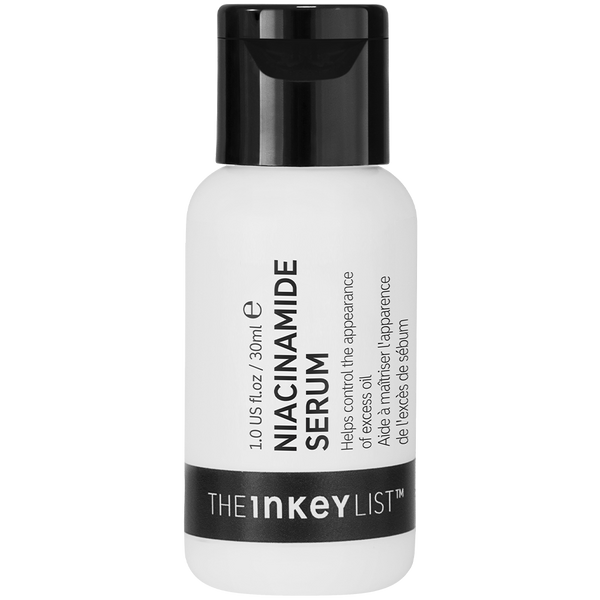
Our 10% Niacinamide Serum (£12.00, 30ml) pairs 10% niacinamide with Hyaluronic Acid, so you get the oil-regulating and barrier-supporting benefits alongside a hydration boost in the same step. It targets excess oil, blemishes and visible redness, and it is suitable for sensitive skin.
The formula sits at pH 6.09. Hold that number in mind, because it becomes relevant when we get to layering. For now, it is enough to know that niacinamide works best in a near-neutral environment, while azelaic acid prefers a more acidic one.
It is also pregnancy safe. That is worth flagging alongside the same status for azelaic acid, because it means this particular pairing is available to people who have had to cut most of their other actives. Two effective, well-tolerated, pregnancy-safe actives that work on redness, blemishes and tone is not a compromise routine. It is a genuinely good one.
The serum is rated 4.5 stars from over 700 reviews, which tells you something about how consistently it performs across very different skin types.
Being Honest About What Niacinamide Can and Cannot Do
Niacinamide is excellent, but it is not magic, and the internet occasionally treats it as though it is. It will not resurface skin the way an exfoliating acid does. It will not deliver the kind of dramatic textural change a retinoid can over months. What it does is steady, cumulative and reliable: less oil, calmer-looking skin, a better-functioning barrier and a more even overall appearance.
That reliability is precisely why it pairs so well with something more targeted. Niacinamide handles the daily maintenance. Azelaic acid handles the specific problem.
If you want to go deeper on niacinamide for blemishes specifically, or on the practical question of how and when to use a niacinamide serum, both have dedicated guides on the site.
Now let us look at what happens when the two share a routine.
Why Azelaic Acid and Niacinamide Work So Well Together
The core argument is straightforward: azelaic acid and niacinamide are not competing for the same job. They cover different parts of the same problem.
Niacinamide works upstream. It regulates oil production, supports the barrier and calms general reactivity, which reduces the conditions that lead to congestion and irritation in the first place. Azelaic acid works on what is already visible: persistent redness, uneven tone and the marks left behind after a breakout has healed.
Think of it as prevention and correction running in parallel. Most routines do one or the other. This pairing does both, and it does so using two of the most tolerable actives available.
Azelaic Acid vs Niacinamide: Do You Actually Have to Choose?
Search “azelaic acid vs niacinamide” and you will find plenty of comparisons trying to crown a winner. In practice, the versus framing is usually the wrong question, because the two are not substitutes for one another.
That said, if budget, routine length or simple preference means you are only adding one right now, here is the honest steer:
- Skew to niacinamide if your main concerns are excess oil, the appearance of pores and general blemish-prone skin that needs steady, everyday support.
- Skew to azelaic acid if your main concerns are persistent visible redness, uneven tone or the marks left behind by past breakouts.
Start with whichever describes your skin better. You can always add the second later, and most people eventually do.
Calming Visible Redness From Two Directions
Redness is where the complementary logic is easiest to see. Niacinamide supports the barrier, and a compromised barrier is one of the most common reasons skin looks flushed and reactive in the first place. Strengthen that foundation and a lot of everyday redness settles down on its own.
Azelaic acid comes at it from the other side, working directly on the appearance of redness that is already there. In our serum, the Gardenia tint adds an immediate visual layer to that, softening how red skin looks the moment it is applied while the active ingredient works over the following days.
One addresses the cause, one addresses the appearance. Together they cover considerably more ground than either alone.
Supporting Blemish-Prone Skin Without the Harshness
Both ingredients suit blemish-prone skin, and crucially, neither is harsh about it.
This matters because a lot of blemish-focused routines get built around stripping. Strong cleansers, aggressive exfoliation, drying spot treatments. That approach can work briefly and then backfire, because a damaged barrier produces more oil, more sensitivity and more breakouts.
Niacinamide regulates oil while supporting the barrier. Azelaic acid works on clarity and evenness without the sting. Neither one asks your skin to suffer for the result, which is why the combination works so well for people whose skin is both blemish-prone and easily irritated. If that sounds familiar, our guide to sensitive skin and breakouts is a useful companion read.
You can browse everything we make for blemishes and breakouts if you want to see how the two fit into a wider routine.
Uneven Tone and the Marks Left Behind
This is arguably the strongest case for using both.
Hyperpigmentation is a broad term covering several different things, and the marks left behind after a breakout are one of the most common versions of it. Azelaic acid is particularly well suited here, working on the appearance of uneven tone and helping skin look more consistent overall. Niacinamide contributes by keeping oil and congestion in check, which reduces how many new marks get created in the first place.
Before you start treating anything, it genuinely helps to know what you are looking at. Our guide to what type of skin hyperpigmentation do I have walks through the differences, and how to get rid of dark spots covers the practical approaches for each. If you would rather shop by concern, our blemish scars collection is the direct route.
Niacinamide for hyperpigmentation and azelaic acid for blemish scarring both have their own dedicated articles on the site if you want to go deeper on either.
Why the Combination Does Not Overload Skin
The final reason this pairing works: both are low-irritation actives suited to sensitive skin.
Most warnings about combining actives exist because of over-exfoliation. Layer two or three exfoliating acids and you strip the barrier, and everything gets worse before it gets better. Neither azelaic acid nor niacinamide belongs to that category. Combining them does not stack irritation the way stacking exfoliants does, which is precisely why this pairing is recommended so freely.
That does not mean the order and timing are irrelevant. Here is how to get it right.
How to Layer Niacinamide and Azelaic Acid in Your Routine
If you take one thing from this article, take this:
Niacinamide in the morning, azelaic acid in the evening. That is the routine that suits most people, most of the time.
Here is the reasoning. Niacinamide’s oil control and barrier support are genuinely useful during the day, sitting comfortably under SPF and makeup while helping keep shine and congestion in check. Azelaic acid suits an uninterrupted evening routine, where it has hours to work and where the Gardenia tint is not something you need to think about.
The pH Point, Explained Properly
You may have read that niacinamide and acids should never be combined. That claim gets overstated, so here is the accurate version.
Azelaic acid performs best at a pH of 4.0 to 4.3, which is where our serum sits. Niacinamide performs best in a more neutral environment, and our serum sits at pH 6.09. The two formulas are simply designed to work at different pH levels.
That is not a warning, and it does not mean they cancel each other out. It is one practical reason why splitting them across morning and evening lets each formula perform in its ideal environment rather than compromising toward the middle. If you use both in one routine, you will still see benefits. Splitting them just gets you more.
If You Want to Use Both in One Routine
Some people prefer everything in one go, and that is fine. The rule is the standard one: apply the thinner texture first.
In practice that means the 10% Niacinamide Serum goes on first, followed by the 10% Azelaic Acid Serum for Redness Relief. Pause for a minute or two between layers so the first has properly absorbed before the second goes on.
That answers the question directly: niacinamide before azelaic acid, if the two are sharing a routine.
A Sample Morning Routine
- Cleanse with the Salicylic Acid Cleanser (£14.00, 150ml) to clear excess oil and congestion before anything else goes on.
- Optional hydration. Apply the Hyaluronic Acid Serum (£12.00, 30ml) to damp skin if your skin needs the extra water.
- Niacinamide. Apply the 10% Niacinamide Serum (£12.00) across the face.
- Moisturise with the Peptide Moisturiser (£16.00, 50ml), or pick another option from our moisturisers.
- Finish with SPF. The Dewy Sunscreen SPF 30 is the recommended final morning step. If you want to understand why this matters so much when treating tone and redness, our SPF page covers it.
A Sample Evening Routine
- Cleanse to remove the day, including SPF and makeup.
- Optional hydration. Hyaluronic Acid Serum on damp skin.
- Azelaic acid. Apply the 10% Azelaic Acid Serum for Redness Relief (£16.00). The Gardenia tint is one reason most people prefer this step in the evening.
- Moisturise with the Peptide Moisturiser (£16.00, 50ml) to seal everything in.
For a fuller walkthrough of routine building, including where treatments and eye care fit, read how to build your skincare routine.
Frequency and One Optional Swap
Start azelaic acid a few times a week and build up as your skin adjusts. There is no prize for going straight to nightly, and easing in is how you avoid the irritation that makes people abandon an active in week two.
Niacinamide can generally be used daily, morning and evening if you like.
On nights you are not using azelaic acid, the Tranexamic Acid Serum (£17.00, 30ml) is a good alternative evening active for uneven tone, alternating rather than layering.
With the routine settled, here is the short list of things worth being thoughtful about.
What Not to Mix With Azelaic Acid and Niacinamide
Good news first: neither of these ingredients is difficult to work around. This is a short section by design, because there genuinely is not much to avoid. It is a matter of sensible sequencing, not danger.
-
Retinol. This is the main consideration. Azelaic acid and retinol are both effective, but they are best used in separate routines rather than layered on top of each other in one sitting. Alternate nights, or use one in the morning and one in the evening. We have a dedicated guide on using azelaic acid with retinol if you want the full picture, and what not to mix with retinol covers the wider question.
-
Strong exfoliating acids. Stacking several exfoliating actives in a single routine raises the risk of irritation regardless of how gentle each one is individually. Alternate nights rather than piling them up. For the broader rules, read skincare ingredients you should not mix.
-
Vitamin C with niacinamide. This is a persistent myth that refuses to die. Modern niacinamide and vitamin C formulas are perfectly fine used together, and we have a full article dedicated to explaining why if you want the detail.
-
Salicylic acid with niacinamide. Not a warning at all. This is a genuinely well-matched combination for oily, blemish-prone skin. Read more on why in salicylic acid and niacinamide, or see salicylic acid for blackheads if congestion is your main concern.
-
Patch test first. Whenever you introduce either active, patch test, especially if your skin is sensitive or reactive. It takes very little time and saves a great deal of frustration. Here is why do I need to do a patch test.
-
Pregnancy. Worth repeating once: both the 10% Niacinamide Serum and the 10% Azelaic Acid Serum for Redness Relief are pregnancy safe, and azelaic acid is also safe while breastfeeding. For the full list of what to keep and what to pause, see your guide to pregnancy-safe skincare.
That covers the practical rules. Here are the questions we get asked most.
The Takeaway on Using Azelaic Acid and Niacinamide Together
Yes, azelaic acid and niacinamide can be used together, and they complement each other across all three of the concerns they share: visible redness, blemishes and uneven tone. One regulates oil and supports the barrier. The other works on what is already showing on the surface.
The practical rule is simple. Niacinamide in the morning, azelaic acid in the evening. If you would rather use both in one routine, apply the thinner texture first.
Introduce new actives gradually, build up frequency as your skin adjusts, and patch test before you start. Consistency will always beat intensity.
Ready to build the pairing? The 10% Niacinamide Serum is £12.00 and the 10% Azelaic Acid Serum for Redness Relief is £16.00, and they work just as well individually as they do together. If you would rather browse by what your skin actually needs, start with shop redness or shop blemishes and breakouts.
Frequently Asked Questions

Got a question?
Our askINKEY team are a friendly bunch of skincare experts with deep product knowledge and zero judgement. Whether you're an ingredient obsessive or just starting out, we'll make it make sense. No question too big. No question too small. We Give A Care, Every Day.


