



Why Your Cleansing Balm Should Come in a Tube, Not a Pot
The packaging your cleansing balm comes in isn't just a design choice — it directly affects hygiene, ingredient freshness, and how well your cleanser actually works.
Author
askINKEY skincare advisor
Published
21 April, 2026
Time to read
9 minutes
Cleansing balms have quietly become one of the most-loved steps in modern skincare routines. They melt stubborn makeup, dissolve SPF, and leave skin feeling genuinely clean rather than stripped. But while most of us obsess over what is in our cleansing balm, almost nobody stops to ask a far simpler question: what is it packaged in, and does that actually matter?
It turns out it matters quite a lot. The jar many of us grew up scooping cleanser from may be quietly working against the very skin barrier benefits the formula inside it is designed to deliver. This isn’t about fear-mongering or implying your current products are dangerous. It’s about understanding a basic, overlooked piece of product science: packaging is not just a design choice, it’s a functional part of how a formula performs over its lifetime.
This blog will answer three things plainly: what a cleansing balm actually is, how tube versus pot packaging affects hygiene and product performance, and how to use a cleansing balm properly so you get the most out of it. The core argument is straightforward. Tubes keep formulas cleaner and more stable over time than open pots, and that has real implications for product safety and skin results. It’s also the exact reason The INKEY List moved its own Oat Cleansing Balm into a tube format, and this piece walks through that thinking in plain English, backed by actual research rather than marketing spin.
Before getting into the packaging debate itself, it helps to understand exactly what a cleansing balm is, why its texture makes it different from other cleansers, and why that difference is precisely what makes hygiene a bigger consideration than people assume.
What Is a Cleansing Balm, and Why Does Packaging Matter More Than You Think?
So, what is a cleansing balm, exactly? In plain English, it’s a solid-to-oil textured cleanser that melts on contact with warm skin, transforming from a balm into a silky oil that dissolves makeup, SPF and the general buildup of the day. Unlike a gel cleanser that lathers or a foam cleanser that’s already liquid in the tube, a balm starts as something closer to a solid, almost like a soft wax or a thick butter, and only becomes fluid once it meets the heat of your fingertips and skin.
That texture isn’t incidental, it’s the whole point. Balms are typically formulated using oils, butters and waxes rather than water as their primary base. This is what gives them that rich, melting quality and what makes them so effective at breaking down oil-based residues like waterproof mascara or long-wear SPF, since oil dissolves oil far more efficiently than water alone ever could. But this oil- and wax-heavy formulation also means cleansing balms behave differently to water-based cleansers once they’re opened and exposed to daily use.
Because many balms are water-free or very low-water formulas, they don’t always rely on the same preservation systems that keep bacteria at bay in water-based products. That’s not a flaw, it’s simply a different formulation category with different considerations. And one of the biggest considerations is this: once a balm is opened and repeatedly exposed to air, fingers and the humid environment of a bathroom, how it’s packaged becomes a meaningful factor in whether that formula stays consistent, stable and genuinely hygienic from the first scoop to the last.
This is really the heart of the matter. Packaging isn’t just about how satisfying a product feels to open or how it looks on a shelf. It is part of how a formula stays effective and safe to use for the weeks or months you’ll actually be reaching for it. A beautifully formulated balm with barrier-supporting oils can lose some of its value if the packaging allows that formula to degrade or become contaminated before you’ve even finished the tub.
If you want to go deeper on how skincare formulas are actually built, Ingredients Explained is a useful place to start, since understanding formulation basics makes it much easier to understand why packaging choices aren’t arbitrary. For the rest of this blog, we’ll use The INKEY List Oat Cleansing Balm as the working example, since it’s a real product that recently made this exact packaging shift, and its reasoning is a useful case study for the broader argument.
Once you understand what a cleansing balm actually is and why its oil-rich, low-water texture behaves differently from a typical cleanser, the next logical question becomes obvious: what actually happens, physically and microbially, every time you dip your fingers into an open pot versus squeezing formula from a sealed tube?
Pot vs Tube: What Actually Happens Every Time You Dip Your Fingers In
Here’s the plain mechanical reality. Every single time a finger touches the surface of an open pot of cleansing balm, it introduces something to that product: skin oils, residual makeup, environmental bacteria, and whatever else happened to be on that fingertip in the last few minutes. Multiply that by two applications a day, every day, for weeks or months, and you start to see how an open pot becomes less of a sealed vessel and more of an ongoing exchange between your hands, the air, and the product itself.
A tube works fundamentally differently. The formula sits inside a sealed container and is dispensed through a narrow opening without ever requiring direct finger contact with the bulk of the product. Each squeeze only exposes the small amount being dispensed, not the entire remaining supply. This isn’t a minor technical distinction, it’s the basic design principle that separates packaging formats that protect a formula from those that leave it more exposed.
This isn’t just a brand opinion, either. It’s a well-documented area of cosmetic science. A 2025 peer-reviewed review published in Cosmetics (MDPI) examined microbial contamination risk across different cosmetic packaging formats and found that jars and wide-opening containers are more likely to allow microbial contamination during consumer use precisely because they expose a larger surface area to air, fingers and the surrounding environment, particularly through repeated handling after the product has left the factory. By contrast, packaging that limits direct contact and reduces exposed surface area, such as tubes with narrow openings, was associated with better protection against that kind of secondary contamination.
A separate 2025 paper by Alshehrei on the preservation of cosmetics against microbial contamination makes a similarly direct point about jar design specifically.
Wide-neck jars are not quite as good as tubes, which are frequently used in the pharmaceutical industry, because a tube’s narrower opening limits how much of the product is exposed to air and contact with each use.
That’s a useful line to sit with, because it comes from formal cosmetic science literature, not a marketing brief. It’s also echoed by earlier academic work. A 2020 study published in PMC specifically developed a standardised method to evaluate how well different cosmetic packaging designs protect products against microbial contamination, underlining that this isn’t a casual observation, it’s something formally studied and tested across the industry because packaging genuinely affects contamination outcomes.
This matters more for some formulas than others. Cleansing balms built around active ingredients, plant oils and natural extracts, like oat kernel oil, tend to be more sensitive to repeated air and finger exposure than simpler, highly preserved formulas. That sensitivity can affect both hygiene and how consistently the product performs from the first use to the very last, since oils are more prone to oxidation and textural change when they’re regularly exposed to oxygen and fluctuating temperatures.
To be clear, none of this means a pot-packaged balm is automatically dangerous or that anyone using one needs to panic. This is about doing things properly rather than implying risk where there isn’t an emergency. It’s the same logic that applies to washing your hands before touching food, not because every unwashed hand causes illness, but because reducing unnecessary contamination opportunities is simply good, sensible practice. That’s precisely the thinking that sat behind INKEY’s own decision to move its Oat Cleansing Balm into a tube rather than keep it in its original pot format.
With the science behind pot versus tube hygiene clearly laid out, it’s worth looking at exactly how that thinking translated into a real, brand-owned product decision, and what actually changed when the Oat Cleansing Balm made that switch.
Why INKEY Moved the Oat Cleansing Balm Into a Tube
The Oat Cleansing Balm is built around a formula containing 5% Oat Kernel Oil and Sea Buckthorn Oil, chosen specifically to support the skin barrier rather than strip it, which is often the problem with harsher, foaming cleansers that leave skin feeling tight. A barrier-supporting formula like this is only as good as its ability to stay consistent and intact from the first use to the last, which is exactly where packaging becomes a genuine performance factor rather than a cosmetic afterthought.
Moving to a tube wasn’t a surface-level packaging refresh, it was a considered decision tied directly to both the formula and how people actually use the product day to day. A sealed tube means the oat oil and the rest of the actives inside aren’t being exposed to air and fingers with every single use, which helps the formula stay more consistent across its full lifespan rather than degrading unevenly from the top layer down, the way an open pot formula can.
There’s also a practical dispensing benefit that ties directly back to hygiene. The tube format is designed so the formula comes out clean, without requiring fingers to dip into the product at all. That single design choice removes the main contamination pathway discussed in the previous section almost entirely, simply by changing how the product leaves its packaging.
It’s worth noting this change comes with a secondary benefit too. The new tube uses an easy-squeeze, softer format that also reduces the amount of plastic required compared to a rigid jar, which means the hygiene improvement and a genuine sustainability win happened to align in the same decision, rather than being two separate trade-offs.
For anyone who used the original pot version and is wondering why the format changed, the honest answer is that this was a deliberate reformulation and packaging decision made with both hygiene and everyday usability in mind, not a random cosmetic update. If you want the full detail on what changed in the formula itself alongside the packaging, The New Oat Cleansing Balm: What’s Changed and Why covers that reformulation story in depth. And if you’re curious what kind of visible results people have seen since using the updated formula, Oat Cleansing Balm Before & After: Real Results & Timeline walks through real usage timelines.
There’s one more quietly useful benefit to the tube format worth mentioning: dosing. A tube makes it far simpler to dispense a consistent, controlled “raspberry-sized amount” each time, rather than guessing how much balm you’ve scooped from a pot. That consistency matters more than it sounds, because using too much or too little balm affects how well it performs, which brings us neatly to the next question most people actually have: how do you use a cleansing balm properly in the first place?
How to Use a Cleansing Balm Properly (And Why Technique Matters for Hygiene Too)
Getting the technique right isn’t just about better results, it’s also part of the hygiene picture, since how a product is used day to day affects how well it performs over time regardless of what it’s packaged in. Here’s the method worth sticking to.
- Start with completely dry hands and dry skin. Dispense a raspberry-sized amount of balm onto your fingertips.
- Massage it across your face for roughly 30 to 60 seconds, giving the balm time to melt and properly dissolve makeup, SPF and the day’s buildup.
- Add a small amount of warm water directly to your face and continue massaging. This is the moment the balm transforms from an oil-like texture into a milky emulsion, which signals it’s doing its job.
- Rinse thoroughly with warm water until all residue is gone.
The dry-hands, dry-skin starting point matters more than people assume. Introducing water too early, before the balm has had a chance to properly melt and bind to makeup, SPF and oil on the skin’s surface, can reduce how effectively the formula emulsifies and dissolves everything it’s meant to lift away. Patience in that first 30 to 60 seconds genuinely changes the outcome.
A cleansing balm is ideally used as the first step in a double cleanse, rather than a standalone wash. Its job is to melt away makeup, SPF and surface oil, after which a second, water-based cleanser finishes the job of cleaning the skin itself. This two-step approach tends to get skin considerably cleaner than a single wash alone, without over-stripping it in the process. For a full breakdown of that two-step method, The Complete Guide to Double Cleansing covers the entire routine in more detail than we’ll repeat here.
It’s worth clarifying that daily use, both morning and evening, is entirely safe with a cleansing balm formulated like this one. It’s designed for consistent, everyday use without stripping the skin barrier, which is precisely the point of building a formula around barrier-supporting oils rather than harsher surfactants.
A question that comes up often alongside this one is the difference between a cleansing balm and a cleansing oil, since the two get used almost interchangeably in conversation. The short answer: balms are typically solid or semi-solid at room temperature and melt into an oil once they meet warm skin, while cleansing oils are already liquid from the moment you dispense them. Despite that textural difference, both work on the same underlying principle, oil dissolves oil, which is why both formats are effective at breaking down makeup and SPF in a way that water-based cleansers alone often struggle to match.
It’s also worth noting that a well-formulated cleansing balm can suit a genuinely wide range of skin types, including sensitive, dry and blemish-prone skin. That versatility is part of why balm cleansing has become such a staple step rather than a niche one. If you’re new to a formula and have reactive or sensitive skin, it’s always sensible to patch testbefore applying anything new across your whole face, and the sensitive skin pillar page and dry skin pillar page are both useful resources if you want to understand suitability for your specific skin type in more depth.
Technique is one half of the hygiene equation. The other half is what happens after you’ve opened the product and started using it regularly, which is exactly where questions about shelf life and storage come in.
How Long Does a Cleansing Balm Last Once Opened, and How Should You Store It?
Once any cosmetic product is opened, its shelf life is no longer indefinite, even if the sealed, unopened product has a longer general lifespan. This is why most skincare packaging carries a Period After Opening (PAO) symbol, that small open-jar icon with a number and an “M” inside it, indicating roughly how many months a product remains at its best once it’s been opened and exposed to air for the first time.
Oil-based balms can be particularly sensitive to temperature fluctuation and air exposure. It’s entirely normal for a natural separation to occur over time, where the oil and wax components shift slightly in texture or appearance, without this affecting how the product actually performs on skin. This is simply the nature of a formula built around natural oils rather than heavily stabilised synthetic ingredients, and it isn’t something to be alarmed by.
This is also where tube packaging continues to earn its keep well beyond the point of first opening. Because a tube limits air exposure with every single use, rather than leaving the entire surface of the product exposed the way an open pot does, it helps maintain formula consistency for longer across the product’s full lifespan. The difference isn’t dramatic on any single use, but it compounds meaningfully across weeks and months of regular application.
Simple, practical storage habits make a real difference too. Keep your cleansing balm in a cool, dry place, away from direct sunlight, and avoid leaving it somewhere that regularly gets very warm, such as a steamy bathroom shelf directly above a radiator or a sunny windowsill. Heat and light are the two biggest accelerants of textural change and oxidation in oil-based formulas, so simply choosing a sensible storage spot goes a long way.
If the balm becomes a little too firm to dispense easily, running the tube under warm water for 30 to 60 seconds will soften it back to its usual texture. If it becomes slightly runny instead, usually from warmer storage conditions, a gentle shake before use redistributes the formula evenly. Neither scenario means something has gone wrong, they’re simply the normal behaviour of an oil-rich formula responding to its environment.
For a deeper, dedicated breakdown of PAO symbols and general skincare shelf life across your whole routine, Skincare Expiry Dates, Shelf Life and Storage covers that topic in full. And since formula integrity directly affects how well barrier-supporting ingredients can actually do their job, it’s worth understanding a little more about the damaged skin barrier pillar page and the ceramides pillar page, since ceramides naturally present in oat kernel oil are part of what makes this formula worth protecting properly in the first place.
With storage and shelf life covered, it’s worth zooming out to the bigger picture: why does any of this matter more for some skin types than others, and who should be paying closest attention to packaging choices like this one?
Why This Matters Most for Sensitive, Dry and Blemish-Prone Skin
Not all skin reacts the same way to inconsistency. Sensitive and compromised skin barriers tend to be far more reactive to formulas that have degraded, separated unevenly, or picked up contamination over repeated use, which is exactly why consistent, hygienic packaging matters more for these skin types than it might for skin that’s naturally more resilient.
The Oat Cleansing Balm’s 5% Oat Kernel Oil is a genuine source of ceramides and omega fatty acids, both of which play a direct role in supporting the skin’s natural barrier function. Ceramides essentially act like the mortar between skin cells, helping skin retain moisture and defend against external irritants. Protecting that formula from contamination and degradation isn’t a cosmetic nicety, it’s what allows those barrier-supporting ingredients to actually do the job they were included to do, use after use.
Blemish-prone skin deserves particular mention here too. Skin that’s prone to breakouts and blemishes can be especially affected by the repeated introduction of bacteria into a product that then gets applied back onto the face, day after day. This isn’t about implying blemish-prone skin is more “at risk” in a dramatic sense, it’s a straightforward reflection of how skin that’s already dealing with excess oil or inflammation can respond more visibly to inconsistent or contaminated formulas than skin without those concerns.
Good hygiene practice isn’t about fear, it’s about giving every skin type the best possible chance to respond well to a formula that was designed to help it.
To be clear, this is a point about good practice and smart formulation choices, not a reason to feel anxious about your current skincare routine. The overwhelming majority of skincare products, in pots or tubes, are formulated with preservative systems designed to handle normal use. This section is simply about understanding why some formulation and packaging choices are built with extra care for skin that’s more reactive to begin with.
It’s also worth mentioning Sea Buckthorn Oil here, not as a separate hygiene claim, but as a complementary formulation detail. Sea Buckthorn Oil is valued in skincare for its antibacterial and antioxidant properties, which pair naturally with the barrier-supporting role of oat kernel oil in the same formula. If you want to understand more about how this applies to your specific skin concerns, the dry skin pillar page, the sensitive skin pillar page, the acne pillar page for blemish-prone skin, and the ceramides pillar page all go into far more depth than we can cover in a single section here.
Packaging Is Part of the Formula, Not an Afterthought
The core idea running through everything above is a simple one: packaging isn’t an afterthought bolted onto a finished formula, it’s part of how that formula stays effective and safe to use across its entire lifespan. A beautifully formulated cleansing balm built around barrier-supporting oils only delivers on that promise if the packaging protects it properly between the first use and the last.
INKEY’s move to a tube for the Oat Cleansing Balm reflects exactly this thinking. It wasn’t a trend-chasing cosmetic refresh, it was a decision grounded in real formulation science and genuine hygiene research, aimed at protecting a formula built with 5% Oat Kernel Oil and Sea Buckthorn Oil so it performs consistently for everyone using it, particularly those with sensitive, dry or blemish-prone skin who benefit most from that consistency.
At its heart, this is really about clarity. Not more products, not more confusion, just a clearer understanding of why the small decisions behind a formula, including the packaging it comes in, genuinely matter to the results you see in the mirror.
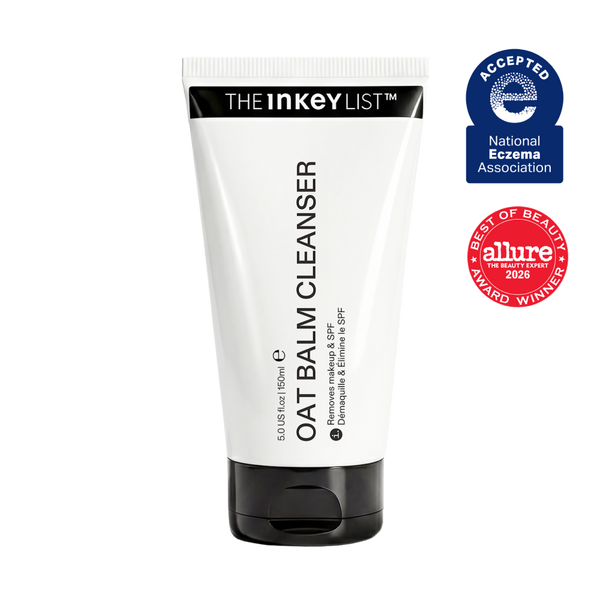
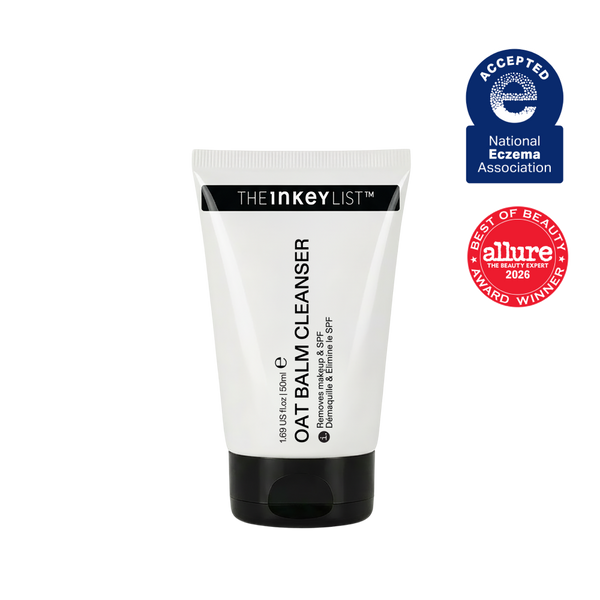
If you haven’t made the switch yet, the Oat Cleansing Balm 150ml is available for £15.00, now in the tube format discussed throughout this piece. And if you’re looking to build out a complete double cleanse routine rather than just the first step, the Brightening Double Cleanse Duo is a natural next addition, pairing the balm with a second cleanser designed to finish the job properly. No pressure, no hype, just clear guidance, proven ingredients, and a formula worth protecting properly.
Frequently Asked Questions
Got a question?
Our askINKEY team are a friendly bunch of skincare experts with deep product knowledge and zero judgement. Whether you're an ingredient obsessive or just starting out, we'll make it make sense. No question too big. No question too small. We Give A Care, Every Day.


