



The 10-Minute Face Mask Hack You Didn’t Know Your Oat Cleansing Balm Could Do
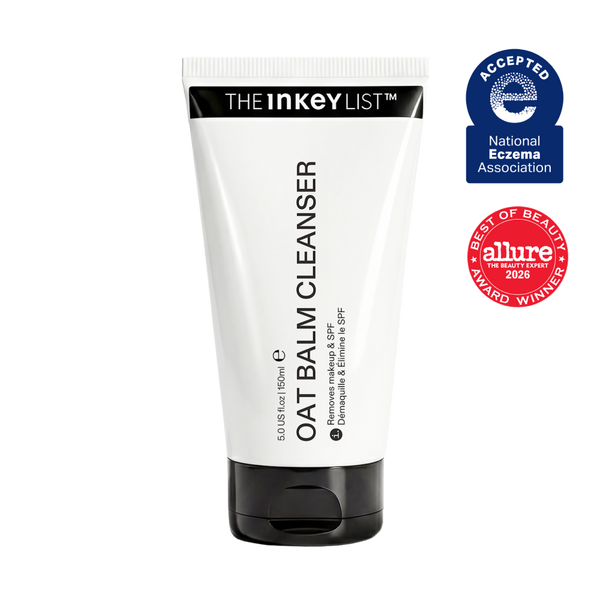
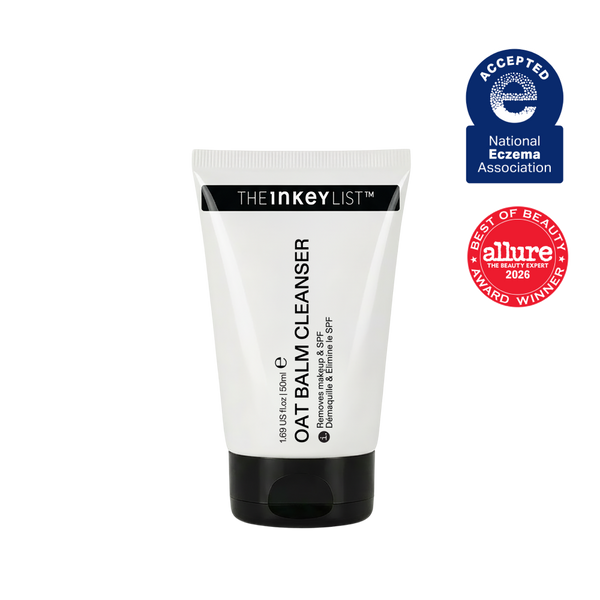
Your Oat Cleansing Balm isn't just a cleanser, left on for 10 minutes it becomes a nourishing mask that calms, hydrates and softens skin.
Author
askINKEY skincare advisor
Published
21 April, 2026
Time to read
13 minutes
There’s a good chance the most underused product in your bathroom cabinet right now is your cleanser. Not because you’re not using it, but because you’re probably only using it for thirty seconds before rinsing it straight down the plughole. Here’s the thing: your Oat Cleansing Balm is capable of a lot more than a quick wipe of the day’s makeup and SPF. Left on for just ten minutes, it becomes something closer to a nourishing, leave-on mask, one that calms redness, softens texture, and preps skin for everything you put on afterwards.
This isn’t a trend we’ve invented for the sake of a catchy headline. It’s simply a logical extension of what’s already inside the formula. In this blog, we’ll walk through the science behind why this works, give you a clear step-by-step method for trying it yourself, help you work out whether it suits your specific skin type, clear up the double cleansing confusion it tends to raise, and show you exactly what to layer on afterwards to get the most out of your ten minutes.
If there’s one belief that sits underneath everything we do, it’s this: skincare doesn’t need to be complicated or expensive, you just need to understand the ingredients you already own. You don’t need a new product to get a new result. Sometimes you just need ten extra minutes and a bit of insight into what’s already in the jar on your shelf.
Let’s start with the part that makes this whole hack possible in the first place: the formula itself.
Why Oat Cleansing Balm Works as a Leave-On Mask (Not Just a Cleanser)
It’s worth saying plainly: not every cleanser could survive being left on skin for ten minutes. Many are built purely to lift away makeup, oil, and grime as efficiently as possible, then get rinsed off before they can do anything else. Oat Cleansing Balm is different, and the reason comes down to two key ingredients doing more work than you’d expect from a product that usually lives in the “quick step” category of a routine.
The first is colloidal oatmeal. This is finely milled oat that’s been used for decades in skincare for one simple reason: it’s exceptionally good at calming skin. Colloidal oatmeal is widely recognised for its ability to visibly reduce redness and soothe dryness and sensitivity, which is precisely the kind of ingredient you want doing its job for longer rather than being rinsed away after a few seconds. Think about it logically: if an ingredient is known for calming the skin, then giving it more contact time should, in theory, let it do more of that calming work. That’s the entire premise behind turning a cleanse into a mask.
The second ingredient carrying weight here is oat kernel oil, and it plays a genuinely dual role. On one hand, it helps lift and remove impurities, which is exactly what you’d expect a cleansing oil to do. But oat kernel oil doesn’t stop there. It also contributes to supporting the skin’s moisture barrier, which is a very different job to simply dissolving makeup. This dual function is the reason the formula behaves more like a treatment than a basic cleanser. Most cleansing products are formulated to be effective and then get out of the way. This one is formulated to be effective and then quietly keep working if you let it.
To understand why that barrier-supporting role matters so much, it helps to understand what the skin barrier actually is. Think of it as the thin outer wall of your skin, made up largely of lipids, including ingredients like ceramides, that hold everything together. A healthy barrier is what keeps moisture locked in and keeps irritants, pollution, and other everyday aggressors locked out. When that barrier is compromised, even slightly, skin tends to feel tighter, look duller, and react more easily to products it would normally tolerate just fine. This is why a nourishing balm left on the skin for longer can actively support that barrier, rather than simply existing to remove the day’s makeup and SPF before moving on to the “real” steps of your routine.
Skincare brands talk a lot about barrier health, but the principle is simple: a strong barrier is the foundation everything else is built on. Hydration, calming, and glow all depend on it holding steady.
It’s also worth noting how gentle this formula is by design. Colloidal oatmeal and oat kernel oil are chosen specifically because they tend to suit even the most sensitive, reactive complexions, which is part of why we’re comfortable recommending this longer-contact method rather than keeping it strictly to a quick cleanse. We’ll get into exactly who benefits most from this hack a little further down, but it’s worth flagging early: this isn’t a mask method reserved for one specific skin type. The formula was built to be broadly tolerated, which is exactly what makes extending its use so low-risk.
So to summarise the logic simply: you have an ingredient that calms (colloidal oatmeal), an ingredient that cleanses and conditions (oat kernel oil), and a barrier that benefits from both when given time to actually absorb their effects. Rinse it off in thirty seconds and you get a clean face. Leave it on for ten minutes and you get a calmer, better-supported one. Now that you understand why this works at an ingredient level, let’s get into exactly how to do it properly.
How to Use Oat Cleansing Balm as a 10-Minute Face Mask
The appeal of this hack is that it requires zero new purchases and almost no extra effort, just a shift in how you use something you already own. Here’s the method, broken down into five simple steps.
Step 1: Apply generously to dry skin.
This is not the moment for your usual quick-cleanse amount. Scoop a proper, generous layer of Oat Cleansing Balmand smooth it over completely dry skin, making sure to cover your whole face evenly, including areas you might normally rush past like your jawline and hairline. Dry skin matters here because the balm needs full contact with the surface to do its work, rather than being diluted too early.
Step 2: Leave it on for ten minutes.
Instead of massaging it straight off, simply leave it be. This is the entire premise of the hack, and it’s also the easiest step to get impatient with. Ten minutes gives the oat kernel oil and colloidal oatmeal genuine time to soothe and soften the skin, rather than being rinsed away before they’ve had a chance to do much at all. Set a timer, put your phone down, and treat it as a small, deliberate pause in your day.
Step 3 (optional): Add a warm, damp flannel.
If you want to make the experience feel a little more indulgent, lay a warm, damp flannel over your face for the first minute or two. The gentle heat helps the balm melt further into the skin and creates a spa-like warmth that makes the whole ten minutes feel less like a chore and more like a small ritual. This step isn’t essential to the method working, but it’s a lovely addition if you have the time.
Step 4: Massage briefly, then rinse thoroughly.
Once your ten minutes are up, massage the balm for a few seconds to help loosen everything before rinsing thoroughly with lukewarm water. Hot water can be unnecessarily stripping, so lukewarm is the sweet spot for washing away the balm without disturbing the barrier you’ve just spent ten minutes supporting.
Step 5: Pat, don’t rub, dry.
Use a clean towel to gently pat your skin dry rather than rubbing, which can cause unnecessary friction on skin that’s just been treated to ten minutes of calm. Once patted dry, your skin is ready for the next steps in your routine, which we’ll cover properly later in this blog.
Here’s a numbered recap for quick reference:
- Apply a generous layer to dry skin, covering evenly.
- Leave on for 10 minutes instead of rinsing straight away.
- Optionally, place a warm, damp flannel over the face for 1 to 2 minutes.
- Massage briefly, then rinse thoroughly with lukewarm water.
- Pat skin dry and move on to the rest of your routine.
It’s worth pausing on the value side of this, too, because it’s genuinely one of the more compelling parts of the hack. A 150ml jar of Oat Cleansing Balm costs £15 and gives you roughly 100 uses, which works out to about 15p per use. That means turning your cleanse into a ten-minute mask a few times a week costs next to nothing extra, because you’re not buying a separate mask product at all. You’re simply using more of what you already own, in a slightly different way. For a treatment that calms, softens, and preps the skin, 15p feels less like a skincare cost and more like a rounding error.
Now that you know exactly how to do it, the next logical question is whether this method suits your specific skin, because not everyone’s skin behaves the same way, and it helps to know what to expect.
Is the Oat Cleansing Balm Mask Right for Your Skin Type?
One of the most common hesitations people have with any new skincare method is simply not knowing if it applies to them. The good news here is that this hack was never designed with a narrow audience in mind. Still, different skin types will notice slightly different benefits, so let’s break it down properly. If you’re not yet sure which category best describes your skin, our guide to what’s your skin type is a good place to start before coming back to this section.
Sensitive or redness-prone skin
This is arguably the group that benefits most from the ten-minute leave-on method. Colloidal oatmeal is especially suited to sensitive skin, helping to visibly calm and soothe discomfort rather than simply cleansing and moving on. If your skin tends to flush easily, feel tight, or react to new products, giving this familiar, gentle formula extra contact time is a low-risk way to introduce a calming step into your week. For those specifically dealing with visible redness, it’s also worth exploring our dedicated redness collection, which offers further products designed to work alongside this kind of calming routine.
Dry skin
If your skin regularly feels tight, flaky, or in need of more comfort, oat kernel oil’s moisture-supporting properties make this one of the easiest upgrades you can make without introducing a single new product. Rather than adding another step or another bottle, you’re simply letting the product you already use do more. For a deeper understanding of what’s happening beneath the surface and how to support dry skin more broadly, that page is worth bookmarking alongside this hack.
Oily or combination skin
This is often where people assume a mask isn’t for them, worried that anything described as “nourishing” will leave their skin feeling heavier or greasier. That’s a fair instinct, but it’s worth reframing. Balancing hydration matters for oily skin too, because oily skin can still experience water loss through the surface, a phenomenon known as transepidermal water loss, even while looking shiny or feeling oily to the touch. If you want to understand this in more depth, our explainer on what is TEWL (transepidermal water loss) breaks down exactly why oily-looking skin isn’t necessarily well-hydrated skin. In practice, this means the mask isn’t working against oily or combination skin, it’s addressing a hydration need that’s often overlooked because the surface oil masks it. Readers who suspect their skin falls into the dehydrated category more broadly might also find our dehydrated skin page useful for connecting the dots.
The key message across all three groups is the same: no skin type is “too much” or “too little” for this method. It’s simply a question of what you’ll notice most. Sensitive skin may notice calming first. Dry skin may notice softness first. Oily and combination skin may notice a subtler, more balanced feel rather than a dramatic shift. None of these outcomes are better or worse than the others, they’re just different expressions of the same underlying formula doing its job.
With your skin type in mind, there’s one practical question almost everyone asks next, and it’s a fair one: if you’re spending ten minutes on your cleanser, does that mean you can skip double cleansing altogether?
Do You Still Need to Double Cleanse?
Short answer: yes, in most cases, and this hack actually fits neatly into that method rather than replacing it. Let’s unpack why.
Double cleansing exists for a simple, practical reason. It’s a two-step method designed to remove makeup, SPF, and the general build-up of the day thoroughly, before you move on to treating the skin with serums and moisturiser. The first cleanse, typically an oil or balm-based formula, is there to break down stubborn things like waterproof makeup and sunscreen. The second cleanse, often a gentler water-based formula, finishes the job and makes sure skin is properly clean before anything else is applied. If you skip straight to one quick cleanse, there’s a real chance you’re layering your serums and moisturiser on top of residue that was never fully removed in the first place. For a full breakdown of the method, the complete guide to double cleansing is worth reading if you’re new to the concept.
This is exactly where the ten-minute mask method slots in. Using Oat Cleansing Balm as your extended first step works beautifully, especially if you wear makeup or SPF daily, both of which can be genuinely stubborn to remove properly. In fact, this formula is clinically proven to remove 100% of waterproof makeup and SPF in 30 seconds*, which tells you something important: if it can do that in half a minute, giving it ten full minutes as a first cleanse step is more than enough time to properly break down the day’s build-up before you move to your second cleanse. Sunscreen in particular can be one of the trickiest things to remove fully, which is part of why we have a dedicated guide on how to remove sunscreen properly, worth a read if SPF is a non-negotiable part of your daily routine, as it should be.
So to be clear: turning your first cleanse into a longer, mask-like ritual doesn’t break the double cleanse method, it simply makes the first half of it more thorough and more enjoyable. Once your ten minutes are up and you’ve rinsed properly, a second cleanse afterwards (where relevant, particularly if you’ve worn makeup or SPF) ensures your skin is fully clean and genuinely ready to absorb whatever comes next. Think of it less as replacing a step and more as upgrading one.
With the cleansing question settled, there’s one more piece of the puzzle left, and it might be the most important part of the whole hack: what you do in the minutes immediately after rinsing.
What to Apply After: Building the Rest of Your Routine
Here’s something worth understanding about freshly cleansed skin: it’s primed. Immediately after rinsing, your skin is in an ideal state to absorb whatever you apply next, which makes this the perfect moment for a hydration-focused step rather than skipping straight to moisturiser.
A great first move is Hyaluronic Acid Serum, priced at £12 for 30ml. This lightweight serum works by drawing moisture into the skin, making it a natural next step on freshly cleansed, slightly damp skin. If you want to understand the ingredient in more depth beyond this one product, our dedicated page on hyaluronic acid explains how and why it works the way it does.
For those who read the earlier section on sensitive or dehydrated skin and recognised themselves in it, Ectoin Hydro-Barrier Serum, at £16 for 30ml, is worth considering as an option for extra barrier support. This is particularly relevant if your skin leans sensitive or has felt compromised lately, picking up directly from the barrier conversation we started earlier in this blog.
To seal everything in, Bio-Active Ceramide Moisturiser, priced at £20, is designed to lock in hydration while supporting the skin barrier directly, tying back neatly to the ceramides science we introduced when explaining why oat kernel oil does more than just cleanse. It’s a fitting bookend: you started by learning why barrier support matters, and you finish your routine by actively reinforcing it.
If your skin leans more combination or oily, and the idea of a rich moisturiser feels like too much, Omega Water Cream is a lighter, oil-free alternative worth exploring. It’s designed to deliver hydration without heaviness, which suits the oily and combination skin types we discussed earlier who still need hydration but don’t want anything that feels occlusive.
One optional extra worth mentioning: finishing with a spritz of HydroSurge Dewy Face Mist, priced at £12, can add an extra layer of hydration and glow. This isn’t a required step by any means, simply a nice-to-have for those who enjoy an extra bit of ritual in their routine. In fact, pairing a hydrating serum with a face mist can work particularly well together, something we go into more detail on in hyaluronic acid serum and face mist: the power duo, worth a read if you’re curious about layering the two properly.
If you’re building out your full routine from scratch and want to understand where all of these pieces fit together, beyond just the steps that follow this particular mask, our skincare routine guide lays out the complete order from cleanser through to SPF, which is worth bookmarking regardless of whether you try this specific hack.
Bringing It All Together
When you strip this hack back to its core logic, it’s really quite simple. The ingredients, colloidal oatmeal and oat kernel oil, already support calming and barrier health. The method takes almost no extra effort, just ten minutes a few times a week instead of a thirty-second rinse. And it fits naturally into a routine you’re already following, rather than asking you to overhaul anything or buy something new.
It’s also worth sitting with the value side of this one more time. At roughly 15p per use, this isn’t a hack that asks you to spend more to get more. If anything, it’s proof of the opposite: that effective skincare doesn’t need to be complicated or expensive, it just needs a bit of understanding about what’s already sitting on your shelf. The formula is clinically proven to leave skin hydrated for up to 12 hours, and clinically proven to instantly improve radiance and smoothness*, which means those ten minutes aren’t just a nice ritual, they’re doing measurable work.
That’s really the belief sitting underneath this whole blog, and underneath how we think about skincare more broadly: clarity, not more products, is what good skincare is built on. You don’t need another step, another bottle, or another ten-step routine. Sometimes you just need ten extra minutes with the one you already trust.
Try It Tonight
Next time you reach for your Oat Cleansing Balm, consider giving it the full ten minutes instead of rinsing it straight off. If you don’t already have a jar in your bathroom, now’s a fair time to start. And if you’re still working out how this fits into your wider routine, our skincare routine guide is a good next stop to make sure every step, before and after this one, is working as hard as it can for your skin.
*Clinically proven to remove 100% of waterproof makeup and SPF in 30 seconds.
**Clinically proven to leave skin hydrated for up to 12 hours.
*Clinically proven to instantly improve radiance and smoothness.
Frequently Asked Questions
Got a question?
Our askINKEY team are a friendly bunch of skincare experts with deep product knowledge and zero judgement. Whether you're an ingredient obsessive or just starting out, we'll make it make sense. No question too big. No question too small. We Give A Care, Every Day.


