
The 10-Minute Face Mask Hack You Didn’t Know Your Oat Cleansing Balm Could Do

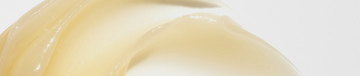
The Oat Cleansing Balm 150ml is a cleanser. That is what it is designed to do, and it does it exceptionally well - removing 100% of waterproof makeup and SPF in 30 seconds*, leaving skin clean, nourished, and never stripped. But there is a second function built directly into the product instructions that most people skip straight past. It is called an INKEY Tip for a reason: leave the balm on for 10 minutes before emulsifying and rinsing, and it performs as a genuinely nourishing face mask.
This is not a social media trend. It is not a workaround that someone discovered by accident. It is an officially recommended application method, written into the product’s how-to guide, supported by the formula itself. And when you understand why the ingredients behave differently over extended contact time, it stops feeling like a hack and starts feeling like an obvious use of what is already in the tube.
This blog covers everything you need to know. Why the 10-minute mask works, what the ingredients are actually doing to your skin during that window, who it works for, how to do it correctly, and what to layer on afterwards. The value equation is simple: one £15 product, 100 uses, 15p per use, and two distinct jobs. No extra spend required for a dedicated hydrating mask.
If you are still building your skincare routine and looking for ways to get more from fewer products, this is the kind of thing that makes the difference.
To understand why 10 minutes makes the difference, it helps to know what is actually in the formula - and what those ingredients are doing to your skin.
More Than a Cleanser: What the Oat Cleansing Balm Actually Does
Most people reach for a cleanser and expect one thing from it: clean skin. The best cleansers deliver that without compromise - no tightness, no irritation, no stripped feeling that sends you straight for the moisturiser before your skin even has time to breathe. The Oat Cleansing Balm does all of this, and its new and improved formula means it now does it better than ever.
A cleansing balm is an oil-based formula that transforms on contact with warm skin, shifting from a smooth, dense texture into something that melts into your pores and dissolves makeup, SPF, and daily impurities at a molecular level. Oil dissolves oil. This is the chemistry that makes balm cleansers so effective at breaking down even waterproof mascara and full-coverage foundation, without the friction of scrubbing or the harshness of certain foaming cleansers that strip the skin’s natural lipids. Many conventional cleansers, particularly those designed with a focus on maximum cleansing power, do not distinguish between the impurities sitting on top of the skin and the natural oils the skin produces to protect itself. The result is that taut, uncomfortable feeling some people mistake for “clean.” It is not clean. It is stripped.
The Oat Cleansing Balm works differently. Its oil-based formula works with the skin’s own chemistry rather than against it - and the new and improved version takes that principle further. The formula has been updated with Oat Kernel Oil increased from 3% to 5%, Sea Buckthorn Oil added for the first time, and a reworked emulsifier system that creates a creamier, more thorough rinse with zero greasy residue left behind.
As a cleanser, the Oat Cleansing Balm fits into a morning and evening routine as the first step - and it is particularly effective as the first step in a double cleanse, where an oil-based cleanser removes makeup and SPF before a water-based second cleanser addresses the skin itself. It is suitable for all skin types, including sensitive skin, sensitive eyes, blemish-prone skin, and is confirmed safe for use during pregnancy and breastfeeding, as well as for teenagers. It is non-comedogenic, fragrance-free, dermatologically tested, and ophthalmologically tested. The clinical credentials are equally strong: removes 100% of waterproof makeup and SPF in 30 seconds, clinically proven to leave skin hydrated for up to 12 hours**, and clinically proven to instantly improve radiance and smoothness**.
So the cleanser itself is well established. What makes it uniquely positioned to double as a face mask is not just the quality of the formula - it is the specific behaviour of its ingredients over time. And that is where the mask use case becomes genuinely interesting.
The reason this formula can do more than a standard cleanser comes down to what is inside it. And that is where the mask hack becomes genuinely interesting.
The Ingredient Science Behind the 10-Minute Mask Hack
The cleansing balm mask hack is not a marketing claim invented to make a product sound more versatile. It is a function of ingredient science - specifically, what happens when a lipid-rich, oil-based formula is given extended dwell time on the surface of the skin rather than being rinsed away after 30 to 60 seconds.
To understand it properly, you need to understand what the two key ingredients are actually doing.
5% Oat Kernel Oil: Your Barrier’s Best Friend
Oat Kernel Oil is the formula’s star ingredient, and the reason the concentration was deliberately raised from 3% to 5% in the new formula. At 5%, it delivers a meaningful dose of ceramides and omega 3 and 6 fatty acids - skin-identical lipids that mirror the composition of your skin’s own natural barrier.
Think of your skin barrier - the outermost layer of the epidermis, known as the stratum corneum - as a brick wall. The skin cells are the bricks. Ceramides and fatty acids are the mortar. When that mortar becomes depleted through over-cleansing, environmental exposure, harsh weather, or simply ageing, the barrier becomes compromised. Water escapes more easily (a process called trans-epidermal water loss, or TEWL). External irritants find it easier to get in. Skin feels tight, reactive, sensitive, or perpetually dehydrated, regardless of how much moisturiser you apply.
When the Oat Cleansing Balm is used as a standard cleanser and rinsed after 30 seconds, the primary job is makeup and SPF removal. The nourishing lipids in the formula do contribute to the skin during that window - the clinical data confirms this - but contact time is limited. When the balm is left on the skin for 10 minutes as a mask, something measurably different happens. The occlusive nature of the oil-based formula creates a temporary barrier over the skin’s surface, reducing TEWL during that 10-minute window. This means the skin retains more of its own moisture. Simultaneously, the ceramides and fatty acids in the Oat Kernel Oil have extended time to interact with the upper layers of the epidermis, reinforcing the barrier rather than simply sitting on its surface before being rinsed away. The result is what the clinical data confirms: skin that is hydrated for up to 12 hours* and that shows measurable improvements in plumpness and radiance after four weeks of regular use.
This is the principle behind many leave-on treatment masks. The ingredient is not fundamentally different - the dwell time is. And with the Oat Cleansing Balm, the formula is rich enough in the right kinds of lipids to make that dwell time genuinely productive.
Sea Buckthorn Oil: Calm, Antioxidant Protection
Sea Buckthorn Oil is a new addition to the reformulated Oat Cleansing Balm, and it earns its place. Naturally antibacterial and exceptionally rich in antioxidants, it targets two of the most common skin concerns in one ingredient: blemishes and redness.
The antibacterial properties make it particularly relevant for blemish-prone skin - it helps manage the bacterial environment on the skin’s surface during the cleanse, and its non-comedogenic status means there is no risk of it clogging pores during the extended mask contact time. The anti-inflammatory properties are equally valuable. When left on reactive or redness-prone skin for 10 minutes, Sea Buckthorn Oil has the opportunity to calm irritation rather than simply pass over it. The clinical evidence reflects this: it is proven to reduce visible redness after four weeks of regular use**. For skin that frequently feels reactive, tight, or sensitised, this ingredient is not a nice-to-have. It is the reason the formula works as a soothing treatment, not just a cleanser.
Beyond these two key actives, the formula’s fragrance-free, ophthalmologically tested, and dermatologically tested credentials mean that the extended mask contact time is appropriate even for the most reactive skin types. This is not a formula that becomes problematic when left on - it is designed to be gentle enough for exactly that.
Understanding how dehydrated skin works helps clarify why the mask is so effective. Dehydration is not the same as dryness - it is a condition that affects all skin types and involves the skin’s inability to retain water at the barrier level. The mask hack addresses this directly, by giving the formula’s barrier-reinforcing ingredients the time they need to do more than a standard cleanse allows.
Now that you know why it works, here is exactly how to do it.
How to Do the 10-Minute Oat Cleansing Balm Mask
The method is straightforward. No specialist equipment, no extra products, no complicated prep. The same tube you use every day. The difference is what you do with it once it is on your skin.
Step 1: Start with dry skin and dry hands.
Water and oil do not mix. If your hands or face are damp when you apply the balm, it will begin to emulsify immediately and will not adhere properly to the skin. Dry hands, dry face - this is non-negotiable for the mask to work correctly.
Step 2: Dispense a raspberry-sized amount and warm it between your fingertips.
Squeeze a raspberry-sized amount from the tube and press it gently between your fingers for a few seconds. The warmth softens the balm and makes it easier to spread evenly. If the tube feels stiff, particularly in cooler months, run it under warm water for 30 to 60 seconds first.
Step 3: Massage across the face in slow, upward circular motions.
Apply the warmed balm across your face using slow, circular upward movements. Cover the full face including the eye area - the formula is ophthalmologically tested and safe for use around the eyes. Take your time. This is not a quick swipe. The massage itself improves circulation and helps the formula make full contact with the skin’s surface.
Step 4: Leave on for 10 minutes.
Set a timer. The balm will remain soft and comfortable on your skin - it does not dry down, tighten, or pull. There is no sensation of tightening as there might be with a clay mask. The formula simply sits, working quietly. Use this time to do whatever you would do while waiting: make a cup of tea, run a bath, catch up on something.
Step 5: Add warm water to emulsify.
After 10 minutes, add a few drops of warm water to your fingertips and work them across your face in circular motions. The balm transforms into a soft, milky texture - this is the emulsification process at work. The makeup, SPF, and impurities that the balm has broken down are now suspended in this milky rinse, ready to be removed.
Step 6: Rinse thoroughly with lukewarm water and pat dry.
Rinse until the skin feels completely clean. No residue, no greasiness, no film. Pat dry with a clean towel rather than rubbing.
Step 7: Continue straight into your routine while skin is still slightly damp.
Post-mask skin is primed for absorption. Move immediately into your serums while the skin retains a small amount of moisture - this amplifies the effectiveness of what goes on next, particularly any humectant serums.
A note on frequency: Use the mask one to two times per week for consistent results. It does not need to replace your regular evening cleanse every night - the standard 30-second cleanse covers your daily routine perfectly well. Reserve the 10-minute mask for the moments your skin needs a deeper reset.
Pro tip: Doing the mask in or immediately after a warm shower makes the rinsing process easier and adds a steam-like benefit that supports the balm’s ability to soften and open the skin’s surface.
💡 New to double cleansing? The Oat Cleansing Balm is the ideal first step in a double cleanse routine - find out exactly how and why in our Complete Guide to Double Cleansing. And if you want to understand how to properly remove SPF each evening, read How to Remove Sunscreen Properly: Why Double Cleansing Matters.
Is the Oat Cleansing Balm Mask Right for Your Skin Type?
The short answer is yes - and the product’s clinical suitability across all skin types is confirmed on the product page. But the why differs depending on what your skin is currently dealing with, and that nuance is worth understanding. If you are unsure of your skin type before reading on, the What’s Your Skin Type? guide is a useful starting point.
Dry Skin
The Oat Cleansing Balm mask was made with dry skin in mind. Dry skin is a skin type characterised by a structural inability to produce sufficient natural oils, which means the barrier is chronically under-resourced. The lipids in Oat Kernel Oil - ceramides, omega 3 and 6 fatty acids - are precisely the building blocks that dry skin is missing. When you give those lipids 10 full minutes of contact time, rather than rinsing them away before they have had a chance to interact with the skin, you are giving the barrier the best possible opportunity to absorb and benefit from what the formula provides. The clinically proven 12-hour hydration claim* is particularly relevant here - for dry skin, sustained hydration across the day without the need for constant product application is a meaningful outcome.
Dehydrated Skin (All Types, Including Oily)
Dehydration is not a skin type. It is a skin condition - a temporary or chronic state in which the skin lacks water, regardless of how much oil it produces. This is one of the most important distinctions in skincare, and it is one that many people miss. If your skin feels tight after cleansing, looks dull despite a solid routine, or develops fine surface lines that seem to disappear when you apply a serum, it is likely dehydrated. This can happen to any skin type, including oily skin.
For dehydrated skin, the mask hack addresses the root issue at the barrier level. By reducing TEWL during the 10-minute window - that is, slowing down the rate at which moisture evaporates from the surface of the skin - the formula helps the skin hold onto the water it already has. Combined with a hydrating serum applied immediately after rinsing, this creates a layered approach that addresses dehydration from both inside and outside the barrier.
Oily and Combination Skin
This is where the biggest misconception lives. Many people with oily skin avoid rich, oil-based formulas on the assumption that more oil means more shine, more clogged pores, more breakouts. The reality is more nuanced.
Oily skin can absolutely be dehydrated. When the skin lacks water, it can compensate by overproducing sebum - so what presents as excess oiliness is sometimes the skin’s response to a depleted barrier. A gentle, non-comedogenic, barrier-supporting mask like this one helps regulate that cycle over time by addressing the dehydration that may be driving the excess oil production. If this is something your skin is dealing with, Why Oily Skin Gets Dehydrated Toogoes into this in depth and is worth reading alongside this guide.
The formula rinses completely clean with no greasy or heavy residue - the reformulated emulsifiers in the new version were specifically improved to address exactly this concern. Non-comedogenic is clinically confirmed, which means the 10-minute dwell time will not contribute to congestion or breakouts.
Sensitive and Redness-Prone Skin
For reactive skin, the combination of Sea Buckthorn Oil and Oat Kernel Oil makes this one of the most appropriate mask options available. Fragrance-free. Dermatologically tested. Ophthalmologically tested. Anti-inflammatory Sea Buckthorn Oil that has been clinically proven to reduce visible redness after four weeks**. These are not incidental features - they are the reason this formula is designed for sensitive skin first, and extended contact time does not change that. If anything, those with reactive skin often find that the occlusive, calming nature of an oil-based formula is exactly what their skin needs during a flare-up or period of heightened sensitivity.
Blemish-Prone Skin
Non-comedogenic status is confirmed, and Sea Buckthorn Oil brings antibacterial properties that make thorough cleansing more relevant, not less, for blemish-prone skin. A clean skin surface with fewer lingering impurities, no pore-clogging residue, and an actively antibacterial ingredient doing quiet work during the mask window - this is a genuinely useful combination for skin that is managing breakouts.
Pregnancy and Breastfeeding
Confirmed safe. No further conditions apply.
Knowing when to reach for the 10-minute mask is just as useful as knowing how. Here are the moments your skin will thank you for it most.
When to Use the Mask: Seasonal, Situational, and Routine Triggers
Beyond the twice-weekly maintenance recommendation, there are specific moments and situations in which the Oat Cleansing Balm mask earns its place more visibly than others. Knowing what those are means you can reach for it instinctively, rather than waiting for a dedicated “pamper” occasion.
Weekly maintenance: One to two times per week as a baseline gives your skin consistent barrier support and keeps radiance and plumpness building over time. The four-week clinical results - improved plumpness, reduced redness - are based on regular use, not occasional use. Consistency is what creates visible change.
After long-haul travel or flights: Cabin pressure and recycled air are among the most dehydrating environments most people regularly experience. Humidity levels in aircraft cabins can drop to as low as 10 to 20 percent, well below the 40 to 60 percent level that skin is comfortable in. The Oat Cleansing Balm mask on the evening of a long flight is one of the most effective skin resets you can do - fast, easy, no additional product required, and directly targeted at the dehydration that travel causes.
In cold or dry weather: Central heating pulls moisture from the air. Cold air holds less humidity than warm air. Winter is consistently the time when skin barrier function is most challenged, and when dehydration complaints spike. Making the mask a more frequent fixture during colder months - three times a week rather than two, or whenever skin feels particularly tight - is a practical and proactive way to get ahead of seasonal skin changes rather than reacting to them.
After heavy SPF or makeup wear: The 10-minute mask is an excellent option for evenings when you have worn heavy SPF, long-wear foundation, or waterproof makeup throughout the day. The extended dwell time gives the formula maximum opportunity to fully dissolve those formulas before rinsing - particularly relevant for high-factor mineral sunscreens, which can be resistant to a standard quick cleanse. This pairs naturally with the Guide to Double Cleansing for those who want the most thorough cleanse possible. And for a deeper look at why thorough SPF removal matters, How to Remove Sunscreen Properly covers exactly that.
After nights using active ingredients: Retinol, glycolic acid, and other exfoliating or resurfacing actives do their best work on alternating nights to allow the skin to recover in between. On the evenings that follow an active ingredient night, when the barrier can feel slightly reactive or sensitised, the Oat Cleansing Balm mask is the ideal reset - calming, nourishing, and targeted at exactly the barrier support the skin needs after active ingredient use. Do not combine active ingredients and the mask on the same night. Use them on alternating evenings and let each do its job in sequence.
When skin feels reactive, tight, or sensitive: Sometimes skin just has bad days. Stress, hormones, diet, weather, a new product that did not agree - any of these can leave skin feeling irritable and uncomfortable without an obvious cause. On those days, the Oat Cleansing Balm mask is the most straightforward intervention in your routine. Slow circular massage, 10 minutes of anti-inflammatory barrier support, a thorough rinse. Skin tends to feel measurably calmer afterwards.
Before a big event: Skin is noticeably softer and more radiant immediately after the mask - the combination of the massage, the dwell time, and the barrier support creates a visible glow effect that makes it a reliable pre-event step. Use it the evening before rather than the morning of, to give your post-mask routine time to settle and your skin time to fully benefit.
Summer storage note: In warm weather, the balm can soften and become more fluid. This does not affect performance - shake the tube before use if the formula has separated slightly, and store in a cool, dry place away from direct sunlight.
Once you have rinsed the mask off, your skin is in an optimal state to absorb what comes next. Here is how to build on the mask with the right products.
What to Layer After the Mask: Building Your Post-Mask Routine
Post-mask skin is primed. The barrier has been supported, the surface is clean, and the skin is still slightly damp from the rinse - which is exactly the state you want it in before applying the next step of your routine. What goes on immediately after the mask matters more than it does in a standard cleanse, because absorption is at its most receptive in this window. For a full guide on product sequencing, see The Complete Skincare Guide. Here is how to make the most of it.
Step 1: Hydrating Serum - Apply to Damp Skin
Apply the Hyaluronic Acid Serum immediately after patting the face dry - before the skin is fully dry, while it still retains a small amount of moisture from the rinse. This matters because hyaluronic acid is a humectant: it works by binding to water molecules and drawing them into the skin’s upper layers. When applied to damp skin, it has a ready supply of water to work with. Applied to completely dry skin, it can actually draw moisture out of the skin if the environment is dry - the opposite of what you want.
The post-mask rinse creates the perfect damp canvas for the Hyaluronic Acid Serum to work at its most effective. Want to understand the ingredient first? Read What is Hyaluronic Acid?. The barrier support provided by the mask means the hydration that HA pulls in is more likely to be retained rather than immediately lost through TEWL. These two steps work together - the mask creates the conditions, the HA serum maximises them.
Optional: Face Mist between steps. If your skin dries quickly before you can apply your serum, a spritz of HydroSurge Dewy Face Mist between the mask rinse and serum application keeps the skin appropriately damp. The combination of face mist and hyaluronic acid serum is backed by evidence - Hyaluronic Acid Serum + Face Mist: The Power Duo That Boosts Hydration by 39% explains precisely why this pairing amplifies the serum’s hydrating impact.
Step 2: Barrier Serum - Lock In the Work the Mask Started
The Ectoin Hydro-Barrier Serum layers directly after the hyaluronic acid serum and continues the barrier-focused work that the mask began. Ectoin is an extremolyte - a naturally derived molecule that stabilises cell membranes and protects the skin barrier against environmental stress. For sensitive, dehydrated skin, or skin that is in a reactive or compromised state, the Ectoin Hydro-Barrier Serum is a particularly valuable second step after the mask - it reinforces at the barrier level what the Oat Kernel Oil started during the mask window.
Not everyone will need or want both serums. If your skin is dry or compromised, the full two-serum approach is worthwhile. If your skin is generally balanced, the hyaluronic acid alone may be sufficient as your serum step.
Step 3: Moisturiser - Seal and Protect
The moisturiser is the final step, and its job is to seal in everything that came before it while providing its own layer of hydration and protection.
For those dealing with visible signs of ageing, a compromised barrier, or significant dryness, the Bio-Active Ceramide Moisturiser is the strongest choice at this step. It is clinically proven to firm, plump, and reduce signs of ageing in 28 days, and its ceramide base makes it a direct continuation of the barrier-repair work the mask started.
For oily or combination skin types who want a lightweight occlusive finish without heaviness, the Omega Water Creamis the more appropriate option - a gel-cream texture that delivers omega fatty acids and lasting hydration without sitting heavily on the skin or contributing to shine.
Keep It Simple
Not everyone needs every product listed here. If you are new to post-mask layering, the minimum effective routine is two steps: Hyaluronic Acid Serum followed by your moisturiser. Start there, see how your skin responds, and add steps as needed. Skincare does not need to be complicated to work well. The INKEY ethos has always been that effective skincare is about using the right ingredients correctly - not about using the most products.
Ten minutes. One product. One hundred uses. Here is why it adds up.
The Takeaway: One Product, Two Jobs, Zero Compromise
One £15 product. A hundred uses at 15p each. A formula that removes 100% of waterproof makeup and SPF in 30 seconds* as a cleanser, and doubles as a clinically proven nourishing face mask with nothing more than a 10-minute wait.
The mask hack works because of three things working in combination. 5% Oat Kernel Oil delivers ceramides and omega fatty acids that reinforce the skin barrier when given the dwell time to interact with the epidermis. Sea Buckthorn Oil brings antibacterial and anti-inflammatory properties that calm, balance, and protect during the mask window. And the occlusive nature of the oil-based formula reduces TEWL during those 10 minutes, allowing the skin to retain moisture rather than lose it. The outcome - skin hydrated for up to 12 hours*, with clinically proven improvements to redness and plumpness after four weeks of regular use - reflects what the formula is capable of when it is used correctly.
This works for every skin type. Dry skin, dehydrated skin, oily skin, sensitive skin, blemish-prone skin, combination skin. The formula is non-comedogenic, fragrance-free, dermatologically tested, and ophthalmologically tested. It is safe during pregnancy and breastfeeding. It is suitable for teenagers. There is no skin type this does not apply to.
The method is the same as a standard cleanse - same product, same tube, same process. The only difference is that you wait before you rinse. That 10-minute window is not wasted time. It is the formula doing more of what it is designed to do, given the space to do it.
Effective skincare does not need to be expensive or complicated. It needs to be used correctly. The INKEY List was built on that principle - real knowledge, real ingredients, real results at a price that makes sense. The Oat Cleansing Balm is a product that earns that positioning every time you use it.
Ready to Try It?
Shop the Oat Cleansing Balm 150ml. £15. 100 uses. 15p per use. Cleanser and face mask in one.
Not sure where to start with your routine? Take the Skincare Quiz and get a free personalised recommendation built around your skin type and concerns - it takes two minutes.
Want to save on the full post-mask routine? Build Your Own Routine and save up to 20% when you shop your essentials together.
Still learning about your skin? What’s Your Skin Type? is the place to start if you are unsure how to categorise your skin before reading the sections above. And if the dehydration section resonated with you, What is Dehydrated Skin? is the authoritative deep-dive - it explains exactly what dehydration is, why it affects all skin types, and what to do about it.
Based on a consumer trial with 29 participants.
Based on a clinical trial with 29 participants over 4 weeks. Based on a clinical trial with 23 participants over 24 hours.

More Skincare articles
See all


What Causes Back Acne in Females? Hormones, Periods & How to Treat It


Natural Alternatives to Retinol: Do They Actually Work?

Is Bakuchiol Safe During Pregnancy? The Facts, the Caveats, and What to Use Instead

Is Bakuchiol Good for Menopausal Skin? What to Use Instead

How to Apply Eye Cream: The Right Way, The Right Order, The Right Amount

How to Get Rid of Dark Circles Under Eyes


