


Black Friday: up to 40% off everything
Shop now ›
Hyperpigmentation on Darker Skin Tones: Causes and How to Fade It Safely
A clear, science-backed guide to fading hyperpigmentation and dark spots on darker skin tones, covering the causes, the gentlest proven ingredients, and how long results really take.
Author
askINKEY skincare advisor
Published
29 October, 2026
Time to read
12 minutes
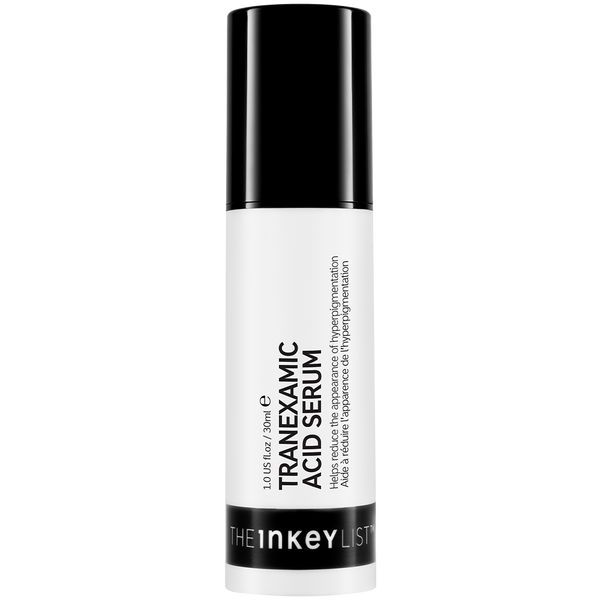
This guide explains, in plain English, why hyperpigmentation on darker skin tones happens, the main types you are likely to see, and the gentlest proven ingredients that fade it without causing more harm. Darker skin tones are more prone to hyperpigmentation and lingering dark spots because deeper skin produces pigment more readily in response to triggers, so the fading process asks for patience rather than force. The honest promise here is simple: fading is absolutely possible with the right gentle actives, consistent use and daily sun protection, while harsh treatments can backfire and leave marks worse than they started. If you want a calm, effective place to begin, our Tranexamic Acid Serum (£17) is one of the kindest brightening options for deeper skin.
If you want the short version before the detail, the quick answer is next.
Quick Answer: How to Fade Hyperpigmentation on Darker Skin Tones
Here is how to fade hyperpigmentation on dark skin without making it worse. Use a gentle, proven brightening active every day, protect your skin from the sun every single morning, steer clear of harsh scrubs and aggressive peels, and give the process a realistic 8 to 12 weeks before you judge the results. Fading is a slow, steady fade, not a switch you flip overnight, and that patience is exactly what keeps deeper skin safe.
The gentle actives worth knowing are tranexamic acid, niacinamide, vitamin C and azelaic acid. Each one works with your skin rather than stripping it, which matters enormously on melanin-rich complexions. The safest starting point for most people on deeper skin is our Tranexamic Acid Serum, because it brightens while calming the inflammation that triggers pigment in the first place.
If you are new to actives, keep it simple:
- Do start with one gentle active, not three at once.
- Do patch test on a small area for a few days before full use.
- Do build up slowly, every other day at first if your skin is reactive.
- Avoid gritty physical scrubs that rough up the skin.
- Avoid very high-strength acids and at-home peels until your skin is settled.
- Avoid skipping sunscreen, even on grey days.
For the full ingredient hub and deeper reading, the hyperpigmentation pillar is your home base. Now, let us explain why darker skin tones are more prone to pigment in the first place, because understanding the cause makes every later decision easier.
Why Darker Skin Tones Are More Prone to Hyperpigmentation
To fade dark spots safely, it helps to know what is actually happening beneath the surface. The reason darker skin tones are more prone to hyperpigmentation is not a flaw or a fault; it is simply biology doing its job a little too enthusiastically. Once you understand that, the case for gentle care becomes obvious, and the temptation to scrub and strip disappears.
More Active Melanin and a Stronger Pigment Response
Everyone has melanocytes, the cells that produce melanin, the pigment that gives skin its colour. In darker skin tones, those melanocytes are more active and produce more melanin, which is wonderful for natural sun resilience and for keeping skin looking even and radiant. The trade-off is that the same cells respond strongly to almost any trigger. A spot, a scratch, a patch of dryness or a flare of irritation can prompt those busy melanocytes to deposit extra pigment in that exact spot. On lighter skin that reaction tends to show up as redness that settles quickly. On deeper skin it often shows up as a darker mark that lingers for weeks or months. This is simply what causes hyperpigmentation in dark skin: a more generous pigment response to everyday triggers.
Why Inflammation Leaves Marks More Easily
The most common form of pigmentation on deeper skin is post-inflammatory hyperpigmentation, or PIH, and it follows a predictable pattern. Something inflames the skin, the skin heals, and a dark mark is left behind where the inflammation was. Blemishes and breakouts are frequent culprits, but so are friction from clothing or tools, over-exfoliation, harsh products and the very tempting habit of picking or squeezing spots. According to the Skin of Colour hub from the British Association of Dermatologists, pigmentation issues like these are among the most common concerns reported by people with richly pigmented skin, precisely because the pigment response is so active.
The practical takeaway is short and worth remembering: Calm and prevent triggers. Do not attack the skin. Aggressive treatment creates the exact inflammation that causes more pigment.
This is why the brand belief in proven, gentle ingredients matters so much for darker skin. Every time you irritate the skin trying to speed things up, you risk adding a fresh layer of PIH on top of the marks you are already trying to fade. For a deeper look at this specific type of pigmentation, our dedicated guide on post-inflammatory hyperpigmentation (PIH) and how to treat it goes much further.
Now that you know why it happens, the next step is learning to recognise what you are actually looking at, because the right fix depends on the type.
What Hyperpigmentation Looks Like on Darker Skin
One of the most useful things you can do is identify your type of pigmentation correctly, because it saves you from chasing the wrong fix for months. If you have ever wondered what does hyperpigmentation look like on dark skin, the honest answer is that it shows up in a few distinct forms, and each one behaves a little differently. Here is how to tell them apart on deeper complexions.
PIH and Post-Blemish Marks
Post-inflammatory hyperpigmentation is the flat mark left behind after a spot, blemish or patch of irritation has healed. On darker skin tones these marks range from tan and warm brown to deep brown, and occasionally they take on a greyish or slate tone. They are flat, not raised, which distinguishes them from a true scar, and they tend to appear exactly where the original blemish or friction was. The clinical reference from DermNet on postinflammatory hyperpigmentation notes that this type of pigmentation is particularly common and more persistent in richly pigmented skin, which matches what so many people experience: the spot clears in days, but the mark hangs around for months.
Melasma
Melasma looks quite different. Rather than small marks dotted where blemishes once were, melasma shows up as larger, often symmetrical patches, typically across the cheeks, the forehead, the bridge of the nose or the upper lip. It is strongly linked to hormones and to sun exposure, which is why it can flare in pregnancy or with certain medications. Melasma is famously stubborn and tends to come and go, so it rewards a patient, consistent and very sun-smart approach more than almost any other kind of pigmentation. If your patches are broad, symmetrical and recurring rather than tied to old blemishes, melasma is worth considering.
Sun-Triggered Dark Spots, and the SPF Myth
The third category is pigmentation driven or deepened by the sun, and it comes wrapped in one of skincare’s most persistent myths: the idea that darker skin does not need sunscreen. It is true that higher melanin offers some natural defence, but it is nowhere near full protection. As the Sun Advice for Skin of Colour guidance from the British Association of Dermatologists makes clear, sun exposure can trigger new pigmentation and deepen existing dark spots on richly pigmented skin. So let us be direct:
Darker skin still needs daily sun protection.
Without it, every mark you are working to fade is being quietly topped up by daily UV. Sunscreen is not an optional extra in a pigmentation routine; it is the step that lets everything else actually work.
If you want to go further and pinpoint your exact type, our guide on what type of skin hyperpigmentation do I havewalks through it in detail. Once you know your type, you can choose the ingredients that will genuinely help fade it, which is where we go next.
The Gentlest Proven Ingredients for Fading Dark Spots on Deeper Skin
This is the part that matters most. Fading dark spots on darker skin tones is less about finding the strongest product and more about finding the gentlest effective one, used consistently. The goal is to reduce excess pigment and even tone while keeping inflammation to an absolute minimum. These are the proven actives worth your attention, with a plain-English note on why each one works and who it suits.
Tranexamic Acid
Why it works: Tranexamic acid helps reduce the excess melanin behind dark spots while calming the inflammation that drives pigment in the first place, which makes it one of the gentlest brightening ingredients available. A 2026 review on tranexamic acid for hyperpigmentation disorders found it effective at improving skin tone and reducing dark spots and redness, with early visible lightening often appearing within 4 to 8 weeks.
Who it suits: Sensitive, reactive and deeper skin tones, and anyone who has found acids too harsh. Our Tranexamic Acid Serum (£17) is the ideal starting point because it brightens without stripping.
Niacinamide
Why it works: Niacinamide helps reduce the look of dark spots, supports a healthy skin barrier and is very well tolerated, which is why it is a mainstay in pigmentation routines. A widely cited review of postinflammatory hyperpigmentation treatments notes that topical niacinamide has shown promise for pigmentation while being gentle enough for daily use.
Who it suits: Almost everyone, especially barriers that feel compromised. Our Niacinamide Serum pairs brightening support with barrier care, and our full niacinamide for hyperpigmentation, dark spots and brightening guide goes deeper if you want it.
Vitamin C
Why it works: Vitamin C brightens over time and helps defend the skin against the daily environmental stressors that can worsen pigmentation. The key for deeper skin is choosing a stable, gentle form that brightens without irritating.
Who it suits: Anyone wanting a morning antioxidant that supports fading and daily defence. Our 15% Vitamin C + EGF Serum (£16) is formulated to be effective yet kind.
Azelaic Acid
Why it works: Azelaic acid helps even skin tone and target pigment while being notably gentle on reactive skin, which has made it a dermatologist favourite for skin of colour. It is a quiet multitasker that calms redness while it works on tone.
Who it suits: Reactive, blemish-prone or easily irritated skin. Our 10% Azelaic Acid Serum for Redness Relief (£16) is a calming, tone-evening option.
What to Be Cautious With
Not every popular ingredient is a friend to deeper skin. The things most likely to cause more pigment are the aggressive ones:
- Harsh physical scrubs that create micro-irritation and friction.
- Very high-strength acids introduced too fast or too often.
- Aggressive at-home peels that provoke inflammation.
- Stacking several new actives at once, which makes it impossible to know what your skin reacted to.
The safe way forward is unglamorous but reliable: patch test, introduce one active at a time, and give your skin time to adjust. With your ingredients chosen, the next step is putting them into a simple daily routine you can actually keep up.
A Simple Routine for Darker Skin Tones (AM and PM)
You do not need more skincare. You need the right skincare, used consistently. The routine below is deliberately minimal, because a short routine you follow every day will always beat a complicated one you abandon after a fortnight. It builds in the non-negotiable step for fading pigmentation on darker skin: daily sun protection.
Morning
- Cleanse gently to start with a clean, calm base.
- Hydrate with a light, soothing layer.
- Apply a gentle brightening active, for example our Tranexamic Acid Serum or a vitamin C serum.
- Moisturise to lock in hydration and support the barrier. If you need help choosing, browse our Moisturisers.
- Finish with daily broad-spectrum SPF, such as our Dewy Sunscreen SPF 30 (£15). This step protects all the work the others are doing.
Evening
- Cleanse to remove the day, including sunscreen and any build-up.
- Hydrate to prep the skin.
- Apply a brightening or tone-evening active, for example niacinamide or azelaic acid.
- Moisturise to seal everything in and keep the barrier strong.
- Rest. Overnight is when skin recovers, so a calm, well-moisturised barrier does a lot of quiet work.
A couple of gentle reminders: introduce only one new active at a time, and patch test each one first. If your skin is reactive, use your active every other evening before building to nightly. Keep it simple and keep it going, because the next question everyone asks is how long this actually takes.
How Long Does It Take to Fade?
Let us be honest about timelines, because unrealistic expectations are the single biggest reason people give up right before things improve. How long does it take to fade hyperpigmentation on darker skin? For most people, gradual improvement shows over 8 to 12 weeks of consistent use, and deeper or older marks can take longer still. This is fading over time, not an overnight fix, and that is genuinely a good thing on deeper skin, where slow and steady is far safer than any aggressive shortcut.
Here is a realistic sense of what to expect, week by week.
Weeks 1 to 4: You probably will not see dramatic fading yet, and that is completely normal. What you should notice is that your skin feels calmer and more comfortable, with no new irritation. This phase is about consistency and tolerance, letting your skin get used to its new actives.
Weeks 4 to 8: This is often when the first visible change appears. Marks may start to look a little lighter, tone a little more even, and newer post-blemish marks tend to respond before older, deeper ones. Keep going exactly as you are.
Weeks 8 to 12: The cumulative effect becomes clearer. With daily sun protection and a gentle active used consistently, most people see a meaningful, gradual improvement by this point. Stubborn melasma and long-standing deep marks may need more time, and that is to be expected rather than a sign of failure.
The two things that make results stick are consistency and daily sun protection, full stop. Skipping sunscreen quietly undoes your progress, and skipping days with your active slows everything down. For the fuller picture, our hyperpigmentation hub and our dark spots page both offer more context. Once your marks begin to fade, the priority shifts to stopping new ones forming, which leads neatly into prevention.
How to Prevent Dark Spots Coming Back
Fading existing marks is only half the job. Protecting your progress is what turns a temporary improvement into a lasting one, and the good news is that prevention is largely about a few consistent habits rather than any complicated regimen. Here is how to prevent new dark spots on darker skin.
- Wear sun protection every morning, all year round. This is the single biggest prevention step, because UV deepens existing marks and triggers new ones even in winter and through cloud.
- Treat blemishes gently and never pick or squeeze. Squeezing a spot almost guarantees a dark mark on deeper skin, because it drives inflammation deeper and prompts the pigment response.
- Calm irritation early. The moment skin feels reactive, dial back actives and lean into hydration and barrier support rather than pushing through.
- Keep a gentle brightening active in rotation. Maintenance matters. A well-tolerated active used consistently keeps tone even and helps prevent pigment from creeping back.
For ongoing maintenance, our Niacinamide Serum supports brightness and the barrier at the same time, while our 10% Azelaic Acid Serum for Redness Relief helps calm reactive skin and even tone over the long term. Prevention is a habit, not a sprint, and these small daily choices compound. Still, there are moments when at-home care is not enough, and being honest about that is the final piece of the practical arc.
When to See a Professional
At-home care handles a great deal, but it has sensible limits, and recognising them is a sign of good skincare rather than defeat. A dermatologist can assess deeper skin safely, tailor stronger options to your exact type of pigmentation, and reduce the risk of treatments that might otherwise make marks worse. Seeking that help is simply the next sensible step for some cases, not a failure of your routine.
Consider booking a professional appointment if any of the following apply:
- Your pigmentation is spreading or getting noticeably darker despite consistent, gentle care.
- You have been consistent for 12 weeks or more with no improvement at all.
- The pigmentation is causing you real distress or affecting your confidence.
A specialist can offer in-clinic options and prescription-strength formulas that are carefully matched to richly pigmented skin. For reliable background reading and help finding trustworthy guidance, the Skin of Colour hub from the British Association of Dermatologists is an excellent UK resource, and DermNet on postinflammatory hyperpigmentation offers trusted clinical detail.
Clear Guidance, Proven Ingredients, Real Results
Fading hyperpigmentation on darker skin tones is genuinely achievable with the right gentle actives, daily sun protection and the patience to let your skin respond on its own timeline. The approach that works is the kind one: calm and prevent triggers, choose proven ingredients, and keep going.
If you are ready to start, explore the full hyperpigmentation hub for deeper guidance, or begin with our gentlest hero, the Tranexamic Acid Serum, and give it the weeks it deserves.
Frequently Asked Questions
Got a question?
Our askINKEY team are a friendly bunch of skincare experts with deep product knowledge and zero judgement. Whether you're an ingredient obsessive or just starting out, we'll make it make sense. No question too big. No question too small. We Give A Care, Every Day.


