



Post-Inflammatory Hyperpigmentation (PIH): How to Treat It
Discover what post-inflammatory hyperpigmentation (PIH) is, what causes dark marks after breakouts or irritation, and the skincare ingredients that help visibly fade discolouration for a more even-looking complexion.
Author
askINKEY skincare advisor
Published
13 July, 2026
Time to read
12 minutes
Post-inflammatory hyperpigmentation (PIH) is a flat, discoloured mark - ranging from light brown to dark brown or grey-black - that develops on the skin after an area of inflammation has healed. It is one of the most common pigmentation concerns across all skin types and tones, and one of the most frequently misunderstood.
This blog covers PIH specifically. Not all hyperpigmentation types - for a broader overview of the full spectrum of pigmentation concerns, visit our hyperpigmentation guide. And not only the blemish-related PIH that tends to dominate the conversation. PIH can be triggered by eczema flares, burns, contact dermatitis, waxing, insect bites, ingrown hairs, psoriasis, laser treatments, and any other event that causes inflammation in the skin. If the skin was inflamed and a dark mark was left behind, that is PIH.
PIH affects every skin tone, but it is more pronounced - deeper in colour and slower to fade - in medium to deeper skin tones. Understanding why is part of treating it effectively.
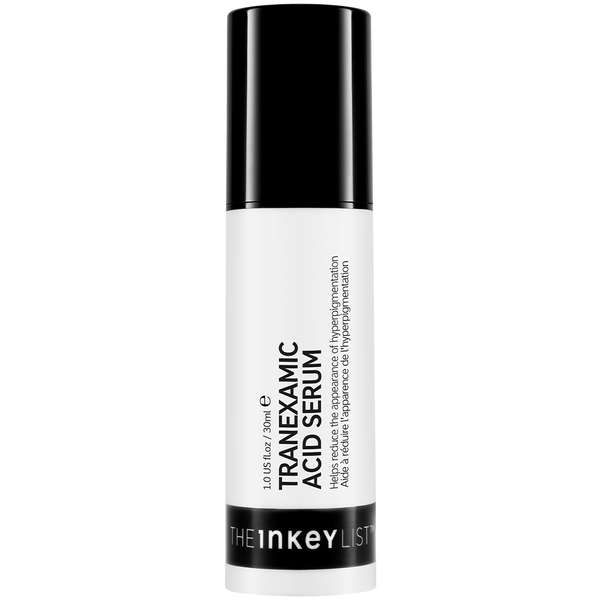
By the end of this guide, you will know what causes PIH at a biological level, how long it typically lasts, which ingredients are clinically effective at fading it, and exactly how to build a routine around them. Our Tranexamic Acid Serum (£17 / 30ml) is the recommended starting point for most people - and we will explain precisely why as we go.
What Post-Inflammatory Hyperpigmentation Actually Is
To understand how to treat PIH, you need to understand what is happening in the skin when it forms. This is not complex biology - but knowing the mechanism is what makes the treatment logic click.
The Biological Mechanism Behind PIH
PIH begins with inflammation. When the skin experiences an inflammatory event - a blemish, an eczema flare, a burn, a waxing reaction - a cascade of cellular activity takes place. Keratinocytes (the surface skin cells that form most of the outer layer of skin) detect the inflammatory signals and communicate upward to melanocytes (the deeper pigment-producing cells). The message they send is essentially: produce more melanin.
This is, in its origins, a protective mechanism. Melanin absorbs UV radiation and acts as a shield for the deeper layers of skin. Under normal circumstances, the melanin response is proportionate. But in PIH, the melanocyte response goes into overdrive. The melanin produced is excessive and unevenly distributed. When the inflammation resolves, the skin returns to its normal state structurally - but the melanin surplus remains, and the result is a flat, darkened mark that persists long after the original cause has healed.
This is a critically important distinction: PIH is not structural scarring. No collagen has been damaged. The skin’s architecture is completely intact. PIH is a melanin issue - an excess of pigment in the skin. That is genuinely good news, because melanin-related concerns respond well to targeted topical skincare in a way that structural tissue damage simply cannot.
According to WebMD’s overview of post-inflammatory hyperpigmentation, PIH is one of the most common skin concerns seen across dermatology, particularly in people with medium to deeper skin tones.
PIH vs PIE - Knowing the Difference
Not every red or dark mark left after a blemish or inflammatory event is PIH. Post-inflammatory erythema (PIE) is a related but distinctly different concern - and it requires a different treatment approach.
PIE presents as red or pink flat marks caused by damaged or dilated blood vessels near the surface of the skin. PIH presents as brown, dark brown, or grey-black flat marks caused by excess melanin. The two can appear simultaneously on the same person, which adds to the confusion.
There is a simple, reliable test to tell them apart. Press a clean finger firmly onto the mark. If the colour temporarily whitens or fades under pressure, that is PIE - a vascular response. If the colour remains unchanged, that is PIH - a pigment response. Knowing which you are dealing with ensures you are reaching for the right ingredients.
For readers whose primary concern is post-blemish marking specifically, our acne scars and post-blemish marks guide covers the full range of what blemishes leave behind - including both PIH and PIE in that context. For all other PIH causes, read on.
With a clear picture of what PIH is and how it forms, the next question is just as important: what triggered the inflammation in the first place?
What Causes Post-Inflammatory Hyperpigmentation - It Is Not Just Blemishes
This is the section that tends to surprise people. PIH is so frequently discussed in the context of blemishes that many assume it is an acne-specific concern. It is not. The biological mechanism that produces PIH - the inflammatory signal that prompts melanocytes to overproduce melanin - is the same regardless of what caused the inflammation. Change the trigger; the response is identical.
The Full Range of PIH Triggers
Blemishes and breakouts are the most commonly recognised cause of PIH, and for good reason - they are one of the most frequent sources of localised skin inflammation. For a deep dive into PIH specifically in the context of blemishes, our acne scars and post-blemish marks guide covers this in detail.
Eczema flares are a significant and often underacknowledged cause of PIH, particularly in people with medium to deeper skin tones. Eczema is a chronic inflammatory condition, and each flare leaves behind the potential for PIH in the resolved area. The challenge here is ongoing: when eczema continues to flare, new PIH continues to form even as older marks are fading.
Contact dermatitis - the inflammatory skin reaction caused by contact with an allergen or irritant - creates localised inflammation that can leave PIH in the affected area. This includes reactions to metals in jewellery, certain plants, fragrances, or skincare ingredients that the skin does not tolerate well.
Burns, including sunburn, trigger a strong melanin response. Thermal burns are obvious causes of post-inflammatory pigmentation. Sunburn is perhaps less obviously connected to PIH in most people’s minds - but UV-induced inflammation follows the same keratinocyte-melanocyte pathway. Wearing SPF consistently is as much about preventing PIH as it is about preventing immediate sun damage.
Waxing and hair removal involve friction, heat, and mechanical trauma to the skin - all inflammatory. People with medium to deeper skin tones are particularly susceptible to PIH following waxing, because their melanocytes are more reactive to inflammatory triggers.
Ingrown hairs cause a localised inflammatory response as the trapped hair irritates the surrounding tissue. The resulting mark - that flat, dark spot that lingers around an ingrown hair site for weeks or months - is PIH.
Insect bites and stings produce a localised inflammatory reaction that, particularly in medium to deeper skin tones, frequently leaves a dark mark behind. These marks can persist for many months.
Laser and aesthetic treatments carry PIH as a known, documented risk - particularly in darker skin tones. Certain laser therapies create controlled injury to the skin as part of their mechanism. In predisposed individuals, that injury triggers a disproportionate melanin response.
Psoriasis flares, like eczema, leave PIH in the resolved areas. The inflammatory nature of the condition drives excess melanin production during each flare.
Cuts, grazes, and minor injuries - any wound that triggers inflammation as part of the normal healing process can result in PIH. This is especially true in medium to deeper skin tones.
Aggressive or incompatible skincare is a frequently overlooked cause. Over-exfoliation, incorrect use of active ingredients, or products that cause irritation or sensitivity reactions create skin inflammation - and that inflammation can trigger PIH. This is a particular concern for people with medium to deeper skin tones, where the melanocyte response to irritation is stronger.
PIH Is Not Just a Facial Concern
PIH occurs anywhere on the body where inflammation has taken place. Legs are a common site - from insect bites, shaving irritation, or ingrown hairs. Arms and hands are frequently affected by eczema or contact dermatitis PIH. The back and chest see PIH from blemishes. Any area exposed to burns, trauma, or repeated irritation is a potential site.
This matters for treatment planning. Body PIH follows the same ingredient principles as facial PIH, but body skin has a slower cell turnover rate - which means improvement timelines are typically longer, and consistency of routine matters even more.
According to a systematic review published in the Journal of the European Academy of Dermatology and Venereology (Kashetsky et al., 2024), while a significant proportion of clinical research on PIH has focused on blemish-related causes, PIH occurs across a much broader range of inflammatory triggers - and treatment principles are broadly applicable across those causes.
Now that you know what causes PIH and why the same mechanism applies across all triggers, the natural next question is: will this actually go away, and how long will it take?
Does PIH Go Away - And How Long Will It Take?
The anxiety that tends to accompany PIH is understandable. Dark marks that linger for weeks, months, or longer can feel permanent - especially when they are in visible locations. The honest answer is that PIH is not permanent for the vast majority of people, and with the right approach, fading can be significantly accelerated. But “it will go away eventually” is not a useful answer on its own. What follows are the specifics.
Realistic Timelines for PIH Fading
The timeline for PIH fading depends on several factors, and understanding those factors allows you to set accurate expectations - neither overly pessimistic nor falsely optimistic.
Mild, superficial PIH - including lighter marks from minor blemishes, small insect bites, or brief contact reactions - can begin to show visible fading within 4-8 weeks of consistent treatment with the right ingredients and daily SPF.
Moderate PIH - including deeper marks from more significant blemishes, eczema flares, or waxing reactions - typically takes 3-6 months of consistent, targeted treatment to show significant fading.
Deep or long-standing PIH - including marks that have been present for a year or more, or that resulted from significant inflammation - can take 6-12 months of consistent treatment. This is not a failure of the products; it is the biology of melanin clearance.
PIH in medium to deeper skin tones takes longer to fade. This is not because treatment is less effective - it is because melanocytes in these skin tones are more densely active and produce a stronger and more sustained melanin response. PIH absolutely does fade in all skin tones. Patience and consistency are the operative words.
PIH on the body typically fades more slowly than facial PIH. The skin on the legs, arms, and body has a slower cell turnover rate than facial skin, which means pigmented cells take longer to shed and be replaced.
What Determines How Quickly PIH Fades
- The depth of the original inflammation - deeper or more prolonged inflammation produces deeper PIH that takes longer to clear.
- How long the mark has been present - fresh marks respond more quickly than long-standing ones.
- Skin tone - deeper skin tones have more active melanocytes, which produce a stronger and longer-lasting response.
- Whether the original trigger is still active - ongoing eczema or recurring blemishes continuously create new PIH even as old marks are fading. Managing the root cause is as important as treating the resulting marks.
- Daily SPF use - UV exposure is the single biggest external obstacle to PIH fading. Without consistent SPF, UV actively stimulates melanocytes to produce more melanin, deepening existing marks and creating new ones.
- Consistency of treatment routine - PIH responds to consistent, sustained ingredient use. Sporadic application delivers sporadic results.
What Prevents PIH from Fading
- UV exposure without SPF - the primary culprit. Every day without SPF is a day the marks are reinforced, not reduced.
- Picking, scratching, or otherwise irritating the affected area re-triggers inflammation and begins the melanin overproduction cycle again.
- Using harsh or incompatible active ingredients that cause irritation create new inflammation in skin that is already working to recover.
- Leaving the underlying inflammatory condition unmanaged - uncontrolled eczema, untreated recurring blemishes - generates continuous new PIH.
Without any treatment at all, superficial PIH may eventually fade over many months to a few years. Deeper PIH may persist indefinitely without targeted intervention. Proactive treatment - the right ingredients, consistently applied, with daily SPF - dramatically shortens these timelines. Waiting alone is not an effective strategy.
For detailed timeline expectations specifically around the hero PIH ingredient, read how long does Tranexamic Acid take to work?.
With realistic timelines established, the most practical question follows naturally: which ingredients actually make a meaningful difference?
The Best Ingredients for Treating Post-Inflammatory Hyperpigmentation
This is the core of effective PIH treatment - knowing not just which ingredients work, but precisely why they work, and how to use them safely. Each of the following has a specific mechanism of action relevant to PIH. Together, they form a comprehensive ingredient toolkit.
Tranexamic Acid (2%) - The Hero Ingredient for PIH
Tranexamic Acid works upstream. Rather than targeting the dark mark after it has formed, it blocks the keratinocyte-melanocyte signalling pathway that triggers excess melanin production in the first place. This makes it particularly relevant for PIH - because PIH is, at its core, a problem of that exact signalling pathway going into overdrive.
The result is a brightening action that targets the mechanism, not just the surface symptom. Tranexamic Acid is suitable for all skin types, including sensitive skin. It is non-irritating, does not cause photosensitivity, and is considered pregnancy-safe - making it one of the most universally appropriate active ingredients for PIH treatment.
Our Tranexamic Acid Serum (£17 / 30ml) contains 2% Tranexamic Acid alongside 2% Acai Berry Extract and a stabilised Vitamin C derivative for triple-action brightening. Use it morning and evening as the core treatment step. For the deeper science behind how this ingredient works, visit our Tranexamic Acid ingredient guide.
Azelaic Acid (10%) - The PIH Specialist for Sensitive and Reactive Skin
Azelaic Acid’s relevance to PIH comes primarily from its anti-inflammatory action. By calming the inflammatory cascade that drives excess melanin production, it addresses PIH closer to the source - particularly useful for PIH triggered by ongoing inflammatory conditions like eczema, rosacea, and contact dermatitis. It also mildly inhibits tyrosinase, the enzyme involved in melanin synthesis.
To answer a common search question directly: does azelaic acid help with post-inflammatory hyperpigmentation? Yes - particularly for PIH rooted in persistent or recurring inflammation. It has been clinically shown to minimise redness in as little as four days, and it is well-tolerated across sensitive and reactive skin types. It is also pregnancy-safe.
Our 10% Azelaic Acid Serum for Redness Relief (£16 / 30ml) can be used morning and evening. For the full ingredient breakdown, see our Azelaic Acid ingredient guide.
Niacinamide (10%) - Calming the Inflammatory Driver
Niacinamide works on PIH through two mechanisms. First, it reduces the inflammatory response that initially triggers excess melanin production - meaning it helps prevent new PIH from forming when inflammation is active or recurring. Second, it inhibits the transfer of melanin from melanocytes to surrounding skin cells, slowing the distribution of new pigment.
This dual action makes Niacinamide particularly valuable for people whose PIH is ongoing - for example, those with active eczema or recurring blemishes who are simultaneously trying to fade existing marks and prevent new ones. Niacinamide is safe for all skin types, pregnancy-safe, and especially well-suited to oily or blemish-prone skin.
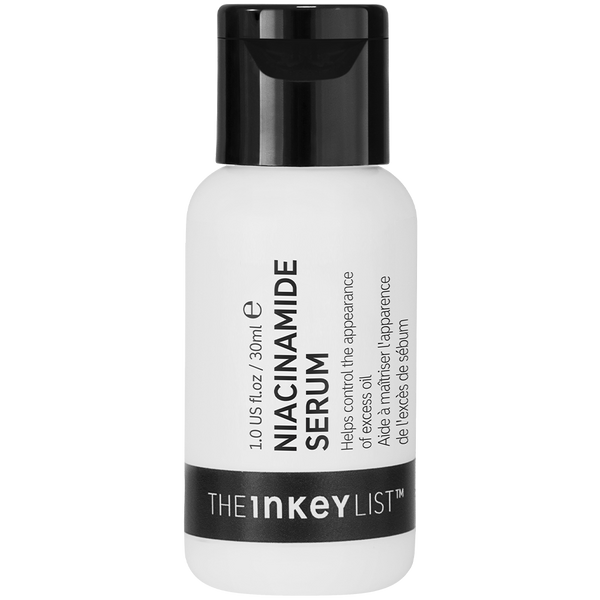
Our 10% Niacinamide Serum (£12 / 30ml) is one of the most accessible entry points in any PIH routine. Use it morning and evening. Full ingredient science at our Niacinamide ingredient guide.
Vitamin C (15% Ascorbyl Glucoside) - Brightening and Antioxidant UV Defence
Vitamin C contributes to PIH treatment in two directions: it inhibits tyrosinase to reduce melanin production, and it neutralises the UV-triggered free radical damage that would otherwise deepen existing marks and stimulate new pigmentation. It also directly brightens the appearance of dark marks already present.
The stabilised form used in our formulation - Ascorbyl Glucoside - is gentler than the more commonly known L-Ascorbic Acid. It will not cause the irritation, oxidation, or sensitivity reactions that can make some Vitamin C products counterproductive for PIH-prone skin.
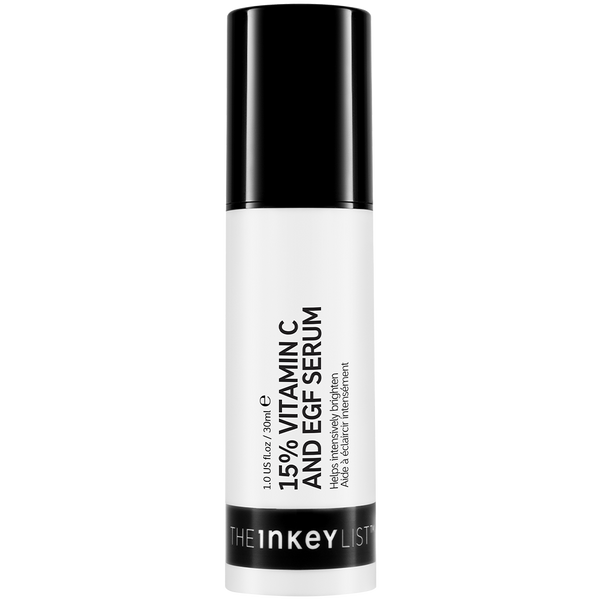
Our 15% Vitamin C + EGF Serum (£16 / 30ml) is best used in the morning, as part of your antioxidant defence against daily UV exposure. It pairs powerfully with Tranexamic Acid for a dual-action brightening step. Full ingredient guide at Vitamin C.
Glycolic Acid (10%) - Accelerating Cell Turnover
Does glycolic acid help with post-inflammatory hyperpigmentation? Yes - but through a different mechanism to the ingredients above. Glycolic Acid is an AHA (alpha hydroxy acid) that dissolves the bonds between dead surface skin cells, accelerating their shedding. This speeds up the removal of already-pigmented surface cells, revealing the fresher, less pigmented skin beneath faster than natural cell turnover would allow.
Glycolic Acid does not block melanin production - it accelerates the physical removal of cells that have already accumulated melanin. This makes it a powerful complement to Tranexamic Acid and Niacinamide, not a replacement for them.
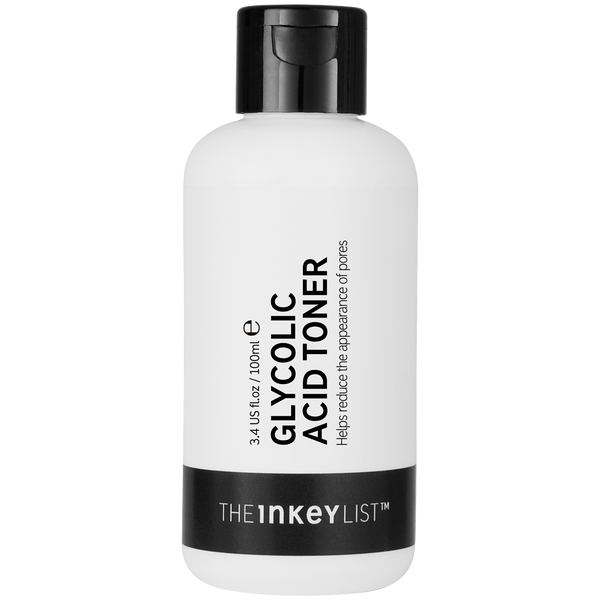
Use our Glycolic Acid Toner (£14 / 100ml) in the evening only, two to three times per week. It should never be used on actively inflamed or broken skin, and SPF the following morning is non-negotiable. Avoid using on the same evenings as retinol.
Retinol and Retinal - Long-Term Skin Renewal
Retinoids accelerate the rate at which skin cells turn over and renew. For PIH, this means pigmented cells shed faster and are replaced by more evenly toned cells. Retinoids also inhibit tyrosinase, adding a melanin-reduction mechanism on top of the cell turnover acceleration. For long-standing or deeper PIH, retinoids drive meaningful, progressive improvement over time.
Retinoids are used in the evening only, and should never be applied over actively irritated or inflamed skin. They are not suitable during pregnancy. For a comprehensive guide to using retinoids specifically for post-inflammatory marks, read our retinol for scarring and post-acne marks guide.
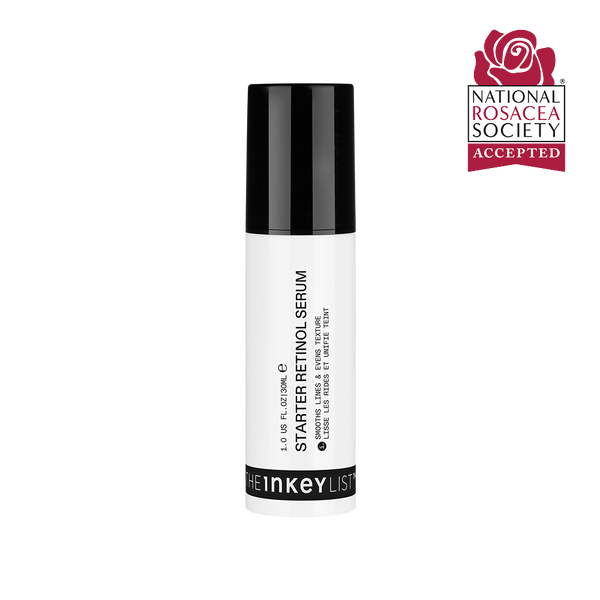
- New to retinoids: Starter Retinol
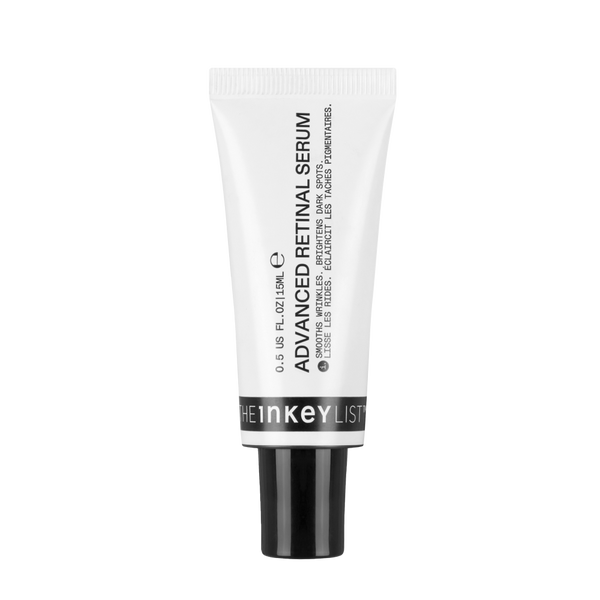
- Experienced retinoid users: Advanced Retinal
For full ingredient guidance and safe layering rules, see our retinol ingredient guide and what not to mix with retinol.
SPF - The Non-Negotiable Foundation
SPF is not a passive protective step in a PIH routine. It is an active treatment component. UV exposure is the single greatest external obstacle to PIH fading - it stimulates melanocytes to produce new melanin, deepens existing marks, and directly undoes the work of every active ingredient listed above. Skipping SPF is not a minor omission; it actively works against your treatment goals.
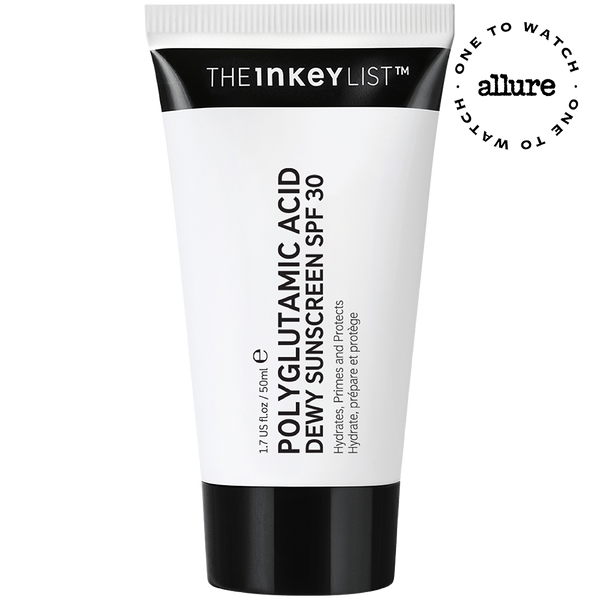
Our Dewy Sunscreen SPF 30 (£15 / 50ml) is the final morning step, every day - regardless of weather or season. For the full case for year-round SPF, read do I need to wear SPF all year round?. For broader SPF guidance, visit our SPF guide.
Knowing which ingredients work is the starting point. Here is exactly how to combine them into an effective daily and nightly routine.
How to Build a PIH Skincare Routine (AM and PM)
The most effective PIH routine is one you will actually follow consistently. The routines below are structured for maximum effectiveness, with a beginner entry point for those who are just starting out. Every product listed has a specific purpose - nothing is filler.
Morning Routine for PIH
Step 1 - Cleanse: Begin with a gentle cleanser suited to your skin type. For oily or blemish-prone skin, the Salicylic Acid Cleanser targets surface congestion while cleansing. For sensitive or dry skin, the Oat Cleansing Balm (£15 / 150ml) dissolves impurities without disturbing the skin barrier.
Step 2 - Hydrate: Apply the Hyaluronic Acid Serum to damp skin immediately after cleansing. This draws moisture into the skin and creates a hydrated base that supports better absorption of subsequent actives.
Step 3 - Treat: Apply the Tranexamic Acid Serum as the core brightening step. Use morning and evening for maximum effect. This is the foundation of the PIH routine.
Step 4 - Brighten (optional boost): Layer the 15% Vitamin C + EGF Serum after Tranexamic Acid for dual-action brightening and antioxidant defence against UV-triggered pigmentation. Wait approximately 60 seconds between layers to allow each to absorb.
Step 5 - Moisturise: For oily or combination skin, the Omega Water Cream provides lightweight hydration without congestion. For dry skin, the BioActive Ceramide Moisturiser supports the skin barrier with ceramide-led nourishment.
Step 6 - SPF: Our Dewy Sunscreen SPF 30 (£15 / 50ml) is the final and non-negotiable morning step. Apply generously as the last product before any makeup. Every morning, without exception.
Evening Routine for PIH
Step 1 - Cleanse: If you have worn SPF or makeup during the day, begin with a double cleanse. Start with the Oat Cleansing Balm to fully remove SPF and surface impurities, then follow with your second cleanser.
Step 2 - Hydrate: Apply the Hyaluronic Acid Serum to damp skin to rehydrate after cleansing.
Step 3 - Treat: Apply the Tranexamic Acid Serum to continue PIH treatment overnight. Tranexamic Acid is safe and effective both morning and evening.
Step 4 - Exfoliate (2-3 evenings per week, not nightly): On exfoliation evenings, apply the Glycolic Acid Toner after your treatment serum to accelerate surface cell turnover. Do not use on the same evenings as retinol.
Step 5 - Renew (alternate evenings): On evenings when you are not using Glycolic Acid, introduce a retinoid. The Starter Retinol is the right entry point for those new to retinoids. The Advanced Retinal is for those whose skin is accustomed to regular retinoid use. PM only. Never combine with Glycolic Acid in the same routine.
Step 6 - Moisturise: Close the evening routine with the BioActive Ceramide Moisturiser to support overnight barrier repair and lock in moisture.
Beginner Starting Routine
For those who are new to active ingredients or want a simpler entry point before building up:
- AM: Cleanser - Tranexamic Acid Serum - Moisturiser - SPF
- PM: Cleanser - Tranexamic Acid Serum - Moisturiser
Introduce one additional product every two to three weeks as your skin adjusts. Consistency with the core routine will already deliver visible results before the full routine is built.
PIH on the Body - Adjusting the Routine
For PIH on the legs, arms, back, or chest, the same ingredient principles apply. However, body skin has a slower cell turnover rate than facial skin, so improvement timelines are longer and consistency matters even more.
For body PIH that also involves surface texture concerns - from ingrown hairs, shaving irritation, or keratosis pilaris - the Glycolic Acid Exfoliating Body Stick (£15) targets both PIH and surface texture in a body-appropriate format. Apply SPF to any body areas with PIH that are regularly exposed to UV, particularly legs and arms in warmer months.
Important layering rule: Glycolic Acid and retinol must never be used in the same evening routine. Alternate them on different nights. Vitamin C is a morning-only ingredient. Tranexamic Acid is safe morning and evening. For the full guide to safe ingredient combinations, read what not to mix with retinol and visit our skincare routine guide.
Your routine is the treatment. But understanding how PIH behaves differently depending on your skin tone - and how to prevent it from forming in the first place - is what turns a good routine into a genuinely effective one.
PIH, Skin Tone, and Prevention - What You Need to Know
Why Skin Tone Changes the PIH Picture
PIH affects people across all Fitzpatrick skin types. But the experience of PIH is not identical across skin tones, and pretending otherwise does a disservice to the people for whom it is most impactful. People with medium to deeper skin tones have a higher density of active melanocytes, and those melanocytes are more reactive to inflammatory triggers. This means any skin insult - a blemish, an eczema flare, a wax burn, even a product that causes minor irritation - produces a stronger, deeper, and longer-lasting melanin response. This is not a flaw or a fragility. It is skin biology.
According to research focused on PIH in skin of colour (Mar et al., 2024), PIH represents one of the most significant dermatological concerns for people with Fitzpatrick skin types IV-VI. The marks are deeper in colour, take longer to fade, and carry a measurably greater psychosocial impact than in lighter skin tones. This community deserves skincare guidance that acknowledges that reality directly.
Key Approach Differences for Medium to Deeper Skin Tones
The ingredient toolkit for PIH is broadly the same regardless of skin tone - but the priorities within it shift. Here is what matters most:
- Prioritise calming inflammation as much as targeting the resulting mark. In skin with more reactive melanocytes, reducing the inflammatory trigger at source reduces the PIH output before it begins. Niacinamide and Azelaic Acid are not optional extras in this context - they are foundational daily steps.
- Avoid over-exfoliation and aggressive actives. This is one of the most common and counterproductive mistakes. Irritation from harsh actives creates new inflammation, which creates new PIH. A gentler, more consistent approach outperforms an aggressive one every time.
- Consistent daily SPF is proportionally more critical. UV has a greater deepening effect on PIH in darker skin tones - and darker skin is absolutely not immune to UV-triggered pigmentation. The persistent myth that deeper skin tones do not need SPF is harmful and incorrect. SPF is non-negotiable across all skin tones for anyone treating PIH.
- Tranexamic Acid’s tolerability profile makes it particularly valuable here. Because it is non-irritating and does not cause photosensitivity or inflammatory responses, it allows effective PIH treatment without the risk of creating more inflammation. Our Tranexamic Acid Serum is the recommended foundation for PIH treatment in medium to deeper skin tones for precisely this reason.
- Our 10% Niacinamide Serum and 10% Azelaic Acid Serum for Redness Relief are especially important daily steps for their anti-inflammatory action - working upstream to reduce the melanin signal before it intensifies the mark.
PIH During Pregnancy
Hormonal changes during pregnancy can increase melanocyte sensitivity, making PIH more pronounced and more reactive to inflammatory triggers. The good news is that several of the most effective PIH ingredients are considered pregnancy-safe: Tranexamic Acid, Niacinamide, Azelaic Acid, and stabilised Vitamin C (Ascorbyl Glucoside). Retinoids must be avoided during pregnancy - both topical and oral forms. For a full guide to navigating skincare safely during pregnancy, read our guide to pregnancy-safe skincare.
How to Prevent PIH Before It Forms
The most effective PIH treatment is not allowing it to form in the first place. Prevention is not passive - it is an active strategy built into your routine and your habits.
- Treat underlying inflammatory conditions consistently. Unmanaged eczema, recurring blemishes, and chronic dermatitis are recurring PIH triggers. Reducing the frequency and severity of flares directly reduces PIH output.
- Do not pick, scratch, squeeze, or physically interfere with active blemishes, eczema patches, insect bites, or other inflamed sites. This re-triggers inflammation and extends the mark-forming phase.
- Treat active blemishes with targeted products rather than leaving them to self-resolve under physical interference.
- Wear SPF daily. UV does not cause PIH directly, but it dramatically worsens and prolongs every mark that does form.
- Introduce new active ingredients carefully, one at a time. An irritating ingredient is an inflammatory trigger.
- If you are planning laser treatments or aesthetic procedures, discuss PIH risk management with your treating clinician before the procedure - particularly if you have a medium to deeper skin tone.
When to See a Dermatologist
For most people, a consistent at-home routine of targeted ingredients and daily SPF will deliver meaningful improvement over three to six months. If you have been following a targeted routine for that period with no visible improvement - particularly if the PIH is extensive, severe, or linked to an underlying inflammatory condition - professional assessment is warranted. A dermatologist can evaluate whether prescription-strength ingredients or in-clinic treatments are appropriate for your specific situation. They can also help identify and manage any undiagnosed underlying conditions that may be driving repeated PIH. If you are unsure where to start in identifying your pigmentation concern, our guide on what type of skin hyperpigmentation do I have? is a useful first step.
The most common questions about post-inflammatory hyperpigmentation - answered directly.
PIH Is Treatable - Here Is Where to Start
Post-inflammatory hyperpigmentation, whatever its cause, is addressable. Whether your marks come from blemishes, eczema, burns, waxing, insect bites, or anything else that inflamed the skin - the biological mechanism is the same, and so is the treatment approach.
The three-point action: targeted treatment ingredients, daily SPF without exception, and realistic patience. Tranexamic Acid is the recommended starting point for most people - it works upstream at the melanin signalling pathway, it is suitable for all skin types, and it is safe to use morning and evening without the irritation risk that could make things worse. Build from there with Niacinamide, Azelaic Acid, Vitamin C, and exfoliating actives as your skin’s needs require.
Every skin is different. Causes, timelines, and tone all affect the picture. But the principles are consistent: know your triggers, treat the mark with proven ingredients, protect with SPF every day, and give your skin the time it needs. Clear skin is not an overnight outcome - but with the right knowledge and the right routine, it is an achievable one.
Start with our Tranexamic Acid Serum (£17) - the hero ingredient for PIH treatment, suitable for all skin types, morning and evening.
Not sure where to start with your full routine? Take our Skincare Quiz for a personalised routine built around your specific skin concerns. Or chat to the askINKEY team for tailored advice. And for more on hyperpigmentation in all its forms, explore our full range of hyperpigmentation guides.
Frequently Asked Questions

Got a question?
Our askINKEY team are a friendly bunch of skincare experts with deep product knowledge and zero judgement. Whether you're an ingredient obsessive or just starting out, we'll make it make sense. No question too big. No question too small. We Give A Care, Every Day.


