



Dehydrated Skin in Winter: Why Central Heating Dries Out Your Skin
Central heating and dry indoor air can quietly dehydrate your skin all winter, here's why it happens and how to fix it fast.
Author
askINKEY skincare advisor
Published
04 October, 2026
Time to read
11 minutes
As temperatures drop, it’s easy to blame the cold outdoor air for your skin suddenly feeling tight, dull, or uncomfortable. But the air doing the most damage is probably the air you’re sitting in right now. Central heating, radiators, and the general effect of keeping windows shut all winter dry out indoor air far more aggressively than most people realise, and that’s often the real reason behind dehydrated skin in winter.
This article looks specifically at indoor climate, not just the weather outside. We’ll cover why heated indoor air causes dehydration, how it differs from simply having “dry skin,” what the science says about transepidermal water loss (TEWL), a straightforward routine to fix it, and answers to the most common questions on this topic. If you want the deeper mechanics of TEWL, we’ve covered that in detail in What Is TEWL? (Transepidermal Water Loss) - this piece builds on that without repeating it.
If you already know your skin needs help, you can skip ahead to the Dehydrated Skin collection. If you want to understand the full picture first, our Dehydrated Skin hub is a good place to start.
Does Central Heating Dry Out Your Skin? The Science Explained
Here’s the question we get asked every winter: does central heating dry out your skin? The short answer is yes, and there’s solid science behind it.
Relative humidity is the amount of moisture the air can hold at a given temperature. When you heat cold winter air, its capacity to hold moisture increases, but the actual water content doesn’t change, so the relative humidity drops. This is why the air inside a centrally heated home can be drier than the air in a desert, even if it’s damp or snowing outside. Your skin, which relies on a certain amount of ambient moisture to stay balanced, is now sitting in an environment actively working against it.
This is where transepidermal water loss, or TEWL, comes in. TEWL is the natural process by which water moves from inside your skin, through the outer layer, and evaporates into the surrounding air. A small, steady amount of TEWL is completely normal. The problem starts when the air around you is significantly drier than your skin, because that pulls water out faster than your skin can replace it. Over hours of exposure, this weakens your skin’s natural barrier, leaving it less able to hold onto moisture and more reactive to irritation.
This isn’t just theory. A 2023 study by Park et al. looked specifically at winter indoor environments and found that just a few hours of exposure to heated indoor winter air measurably increased skin roughness and redness, while also changing hydration and TEWL readings. In plain terms: sitting in a heated room for an evening can show up on your skin by the time you check the mirror before bed.
Research into winter indoor environments has shown that even short periods spent in heated indoor air can be enough to measurably change skin roughness, redness, and water loss readings, evidence that this isn’t just a seasonal feeling, but something you can actually track.
A broader review on environmental humidity, temperature, and skin barrier function backs this up, concluding that low humidity combined with low temperature generally weakens the skin barrier and increases its vulnerability to irritation. This matters because a compromised barrier doesn’t just feel uncomfortable, it also lets in more irritants and allergens, which is part of why skin conditions often flare in winter.
The National Eczema Society’s guidance on cold weather and eczema puts it simply and memorably: “central heating may keep us warm and snug but it also strips moisture from the air.” The NHS’s advice on atopic eczema similarly highlights how heated, dry indoor conditions can aggravate already sensitive or reactive skin.
If you want the full breakdown of how TEWL actually works at a cellular level, our dedicated piece on What Is TEWL? (Transepidermal Water Loss) covers that in depth. And since hydrating ingredients are part of the solution we’ll get to later, it’s worth bookmarking our guide on What Is a Humectant? for when we reach that section.
Understanding why this happens is the first step. Next, it helps to understand exactly what you’re looking at when your skin starts to feel the effects, because dehydration and dryness are not the same thing, even though they often get treated as if they are.
Dry Skin vs Dehydrated Skin: What’s the Difference?
This is one of the most common points of confusion in skincare, and it matters because treating the wrong problem wastes time and money.
Dry skin is a skin type. It means your skin naturally produces less oil, or lipid, than other skin types, and it’s usually a long-term characteristic rather than something that changes by the week. Dehydrated skin, on the other hand, is a temporary condition caused by a lack of water, and it can affect literally any skin type, including oily or combination skin. This is exactly why someone with naturally oily, acne-prone skin can suddenly feel tight, look dull, and notice flaking in winter despite never having had “dry skin” in their life. The air around them has changed, even if their skin type hasn’t.
A simple way to think about it: dry skin is about oil production, dehydrated skin is about water content. You can have oily, dehydrated skin at the same time, which is more common in winter than people expect, and often confuses people into using the wrong products.
So what does dehydrated skin actually look like? A few signs tend to show up together:
- Skin feels tight, especially right after cleansing
- Fine dehydration lines appear, which look different from deeper, structural wrinkles
- Skin looks dull or tired rather than fresh
- Increased sensitivity or reactivity to products that didn’t used to bother you
- Skin can look flaky on the surface while still feeling oily underneath
That last point trips a lot of people up, but it makes sense once you understand the mechanism. Dehydration and TEWL feed each other in a cycle: dry indoor air pulls more water from the skin, which weakens the barrier, and a weaker barrier then allows even more water to escape. Left unaddressed, this cycle tends to get worse as winter goes on rather than better, which is why symptoms so often feel like they’ve crept up gradually.
If you want to check your own skin properly before moving on, our full breakdown, How to Tell If Your Skin Is Dehydrated: 7 Signs You Might Be Missing, gives you a proper self-diagnosis checklist rather than the short version above. And if you want to understand how this fits into the bigger picture across the whole year, our Complete Seasonal Skincare Routine Guide is worth exploring separately from this winter-specific, indoor-climate focused piece.
Once you can tell the difference between dry and dehydrated, and you’ve had a chance to recognise your own symptoms via the Dehydrated Skin hub, the next logical step is understanding exactly where and when this damage happens in daily life, because recognising the pattern makes it much easier to interrupt it.
How Central Heating Affects Your Skin at Home and Work
For most UK homes, the dominant winter heating method is central heating via radiators and a boiler, and it’s worth understanding exactly how this setup contributes to the problem.
Radiators heat the air in a room quickly and keep it warm for hours, often with windows closed to retain heat and reduce energy bills. The result is a relatively small, sealed volume of air that gets progressively drier the longer the heating runs, with very little fresh, more humid air coming in to replace it. Offices behave the same way, often made worse by larger, open-plan spaces with heating running consistently throughout the working day, which means your skin can spend eight hours or more in dry conditions before you’ve even got home to your own radiators.
Overnight heating deserves particular attention. Many people keep heating on, or set it to come on again, during the night, meaning skin is exposed to hours of dry, heated bedroom air while you sleep. This timing is unfortunate, because overnight is also when skin is naturally doing most of its repair work. The Park et al. 2023 findings on hours-long exposure are particularly relevant here: if just a few hours of heated indoor air can measurably affect skin hydration and TEWL, then a full night of exposure is a significant, repeated stressor across the whole winter season.
There are compounding habits that make things worse, too. Hot showers and baths feel wonderful on a cold evening, but hot water strips natural oils from the skin along with the dirt and makeup you’re trying to remove, leaving the barrier even less equipped to retain moisture. Add to this the repeated shift between cold outdoor air on your commute and hot indoor air at your desk or in your home, and your skin barrier is essentially being stress-tested multiple times a day, every day, for months.
What makes this particularly tricky to notice is that it’s largely invisible and cumulative. Your skincare routine probably hasn’t changed since summer, but your environment has changed dramatically, and that mismatch is often exactly why symptoms seem to appear “out of nowhere” a few weeks into the cold season. The National Eczema Society’s guidance on cold weather and eczema speaks directly to UK households dealing with exactly this kind of central heating exposure, and it’s worth a read if you or someone in your home has particularly reactive skin.
Recognising these everyday triggers, your radiator-heated living room, your overnight bedroom heating, your hot evening shower, is the first real step toward interrupting the cycle. From here, we can look at the fixes, starting with changes to your environment itself, before we even get to skincare.
Fixing the Environment: Humidity, Water Temperature, and Simple Habit Changes
Before reaching for new skincare, it’s worth addressing the environment that’s causing the problem in the first place. These changes are low-cost, practical, and make everything you put on your skin afterward work harder.
A humidifier for your bedroom or main living space is one of the most consistently recommended fixes by health bodies, because it directly counteracts the low relative humidity caused by central heating. Running one overnight, particularly given how much time skin spends exposed to dry bedroom air while you sleep, can make a noticeable difference within just a few days.
Water temperature matters more than most people think. Lowering your shower and bath temperature and keeping wash time shorter helps protect your skin barrier from unnecessary stripping, a point echoed in general NHS and dermatology guidance on limiting hot water exposure. It’s a genuinely simple swap: a slightly cooler, slightly shorter shower, with the same results for cleanliness but considerably less damage to your skin’s natural oils.
The National Eczema Society also offers a wonderfully low-tech tip for exactly this problem: placing a bowl of water near a radiator. As the radiator heats the room, some of that water evaporates into the air, gently boosting humidity without any equipment or cost. It’s the kind of small, practical fix that fits the brand we want to be, clear, simple, and genuinely useful, not another product to buy.
One more habit worth adopting: apply your skincare to slightly damp skin rather than completely dry skin. This helps trap more moisture at the surface before it has a chance to evaporate, giving hydrating serums more to work with. It pairs naturally with the humectant ingredients we’ll talk about next, since those ingredients work by drawing in water, and having a bit more water already present on the skin only helps.
A few supplementary habits are worth a brief mention too, even if they’re not the main event. Staying properly hydrated throughout the day supports your skin from the inside, and indoor plants or simply airing out a room for a few minutes a day can help offset some of the drying effect of continuous heating. None of these replace a proper skincare routine, but they create a better starting point for one.
With your environment working with you instead of against you, it’s time to look at the ingredients that actually rebuild and protect your skin barrier directly, because environmental fixes alone won’t undo weeks of barrier stress on their own.
The Skincare Fix: Barrier-Supporting Ingredients That Actually Work
Once the environment is addressed, the right ingredients do the heavy lifting of actually repairing and protecting your skin barrier. Understanding what each one does, before you buy anything, means you’ll know exactly why it’s in your routine.
Humectants, such as hyaluronic acid and glycerin, work by drawing water into the skin. This is especially valuable in winter, when the surrounding air is dry and constantly trying to pull moisture away from your skin rather than contribute to it. Think of a humectant as actively fighting against the environmental effect we covered earlier, pulling water in even as dry air tries to pull it out.
Ectoin is a less widely known but genuinely excellent ingredient for winter skin specifically. It’s both hydrating and barrier-strengthening, which makes it particularly suited to skin that’s stressed and sensitised by constant exposure to heated indoor air. Rather than only adding moisture, ectoin also helps reduce the rate at which that moisture is lost again, addressing both sides of the dehydration equation at once.
Ceramides are arguably the most important piece of the winter puzzle, and they work differently to humectants. Rather than adding water, ceramides act as the “glue” that holds skin cells together, physically reinforcing the skin’s barrier and sealing hydration in. This directly addresses the TEWL problem we covered earlier in the article: a stronger, better-sealed barrier means less water escapes in the first place, regardless of how dry the air around you is.
This is why the ideal winter approach pairs a humectant, to add water, with a ceramide-rich moisturiser, to seal it in. Hydration alone, without a sealing step, can evaporate quickly in dry indoor air, leaving you back where you started within a few hours. The two work together, not as alternatives to each other.
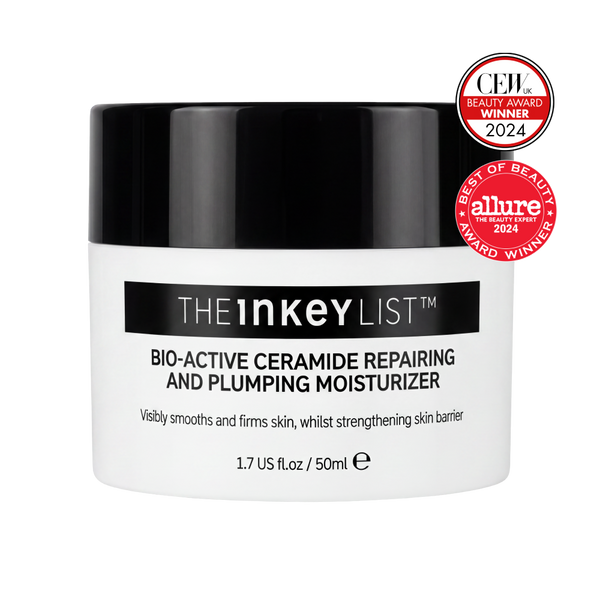
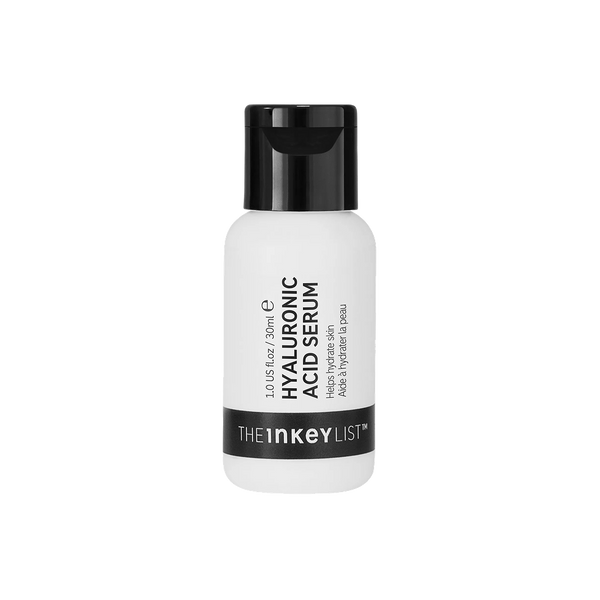
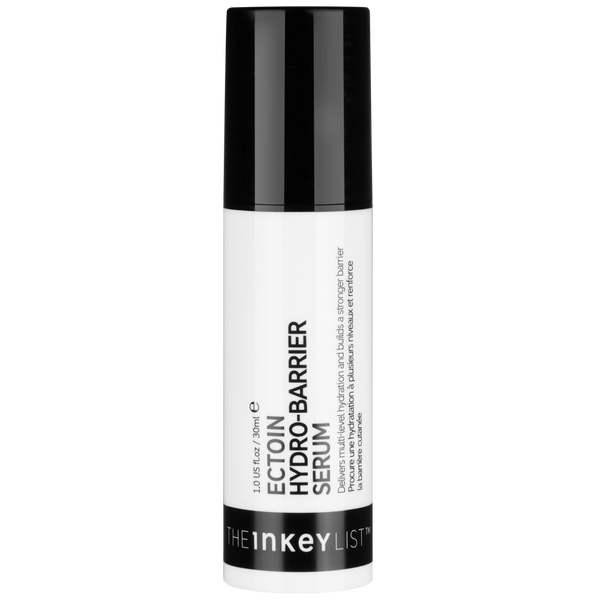
In practice, this might look like our Hyaluronic Acid Serum as a straightforward humectant step, or our Ectoin Hydro-Barrier Serum, £16, where you want hydration and barrier support combined in one step. For the sealing stage, our Bio-Active Ceramide Moisturiser, £20, is formulated specifically for dry, sensitive, and barrier-compromised skin, which makes it a natural fit for exactly the kind of winter indoor-air stress this article has been describing.
It’s also worth mentioning the eye area briefly, since the skin there is thinner and tends to show signs of dehydration first, often as fine lines that weren’t as visible in summer. Our Bio-Active Ceramide Eye Cream, £15, is a useful optional add-on if you’re noticing this specifically around your eyes, though it’s not essential for everyone.
If you’d like to go deeper on how humectants work at a molecular level, our guide What Is a Humectant? covers that fully, and if ceramides interest you specifically, Bio-Active Ceramides vs Regular Ceramides explains what sets them apart. With the ingredients explained, the next step is simply putting them together into a routine you’ll actually stick to.
Building Your Winter Routine: Simple Daily Habits to Lock In Hydration
All of this knowledge is only useful if it translates into something simple enough to actually do every day, so here’s how it fits together.
In the morning, a gentle cleanse comes first, followed by a hydrating serum applied to slightly damp skin to maximise what that humectant can draw in. Next, a ceramide moisturiser to seal everything in before it has a chance to evaporate into the dry morning air. Finish with SPF, since protecting your skin from UV exposure remains important even in winter and even on cloudy days; our Dewy Sunscreen SPF 30 works well layered over a hydrating morning routine without feeling heavy.
In the evening, the same structure applies but with slightly richer products where needed: gentle cleanse, a barrier-supporting serum, then a richer ceramide moisturiser before bed. This matters more than people realise, because overnight is when skin does most of its repair work, and it’s also when skin is most exposed to hours of dry, heated bedroom air, exactly the scenario the Park et al. research highlighted earlier in this article.
For anyone spending long days in heated offices, a hydrating face mist is a genuinely useful midday top-up. It refreshes surface hydration without disrupting makeup or requiring a full reapplication of your routine, making it an easy habit to build into an afternoon slump at your desk.
The single most important thing to remember through all of this: consistency beats complexity. A simple two-to-three step routine, done every single day throughout winter, will outperform an elaborate seven-step routine used inconsistently. This isn’t about doing more, it’s about doing the right, simple things reliably.
Tie this together with the environmental fixes from earlier, a humidifier running overnight, lukewarm rather than hot showers, and applying products to damp rather than fully dry skin, and you’ve got a complete, coherent plan rather than a scattered list of tips.
For a more detailed, structured version of this exact routine, see The Smarter 3-Step Winter Routine for a Stronger Barrier, and if you want to see how winter fits into your skincare across the whole year, our Complete Seasonal Skincare Routine Guide is the next natural read. Everything you need for this specific routine is also available together in our Dehydrated Skin collection.
A Calm, Confident Conclusion
Dehydrated skin in winter isn’t a mystery, and it’s not a sign you’re doing something wrong. Dry indoor air, largely from central heating, pulls moisture from your skin faster than it can replace it, weakening your barrier over time. The fix isn’t complicated or expensive: a few small environmental changes paired with the right hydrating, barrier-supporting ingredients, used consistently, make a real and measurable difference. You don’t need to overhaul everything, you just need to understand what’s actually happening and respond to it with the right, simple steps.
If you want to explore this further, our Dehydrated Skin hub pulls together everything you need in one place.
What to Do Next
If you’re ready to put this into practice, explore the full Dehydrated Skin collection to find the products that match what your skin needs right now. Not sure yet whether dehydration is actually your issue? Start with How to Tell If Your Skin Is Dehydrated: 7 Signs You Might Be Missing to confirm your symptoms first, or visit the Dehydrated Skin hub to explore at your own pace.
Frequently Asked Questions
Got a question?
Our askINKEY team are a friendly bunch of skincare experts with deep product knowledge and zero judgement. Whether you're an ingredient obsessive or just starting out, we'll make it make sense. No question too big. No question too small. We Give A Care, Every Day.


