

Glycolic Acid for Ingrown Hairs: How It Works and How to Use It
Discover how glycolic acid helps prevent and treat ingrown hairs, with a simple step-by-step routine, results timeline and expert-backed tips for smoother, bump-free skin.
Author
askINKEY skincare advisor
Published
01 August, 2026
Time to read
13 minutes
Ingrown hairs and razor bumps are among the most common frustrations after hair removal, whether you shave, wax or pluck. They show up on legs, along the bikini line, under the arms and across the beard area, and they have a habit of appearing just when you want your skin at its smoothest. The good news is that glycolic acid for ingrown hairs is one of the most evidence-backed solutions available, and it is simpler to use than you might think.
This guide covers everything you need to know: what ingrown hairs are and why they happen, how glycolic acid works to release trapped hairs and prevent new ones, a step-by-step routine you can start this week, area-by-area guidance for legs, bikini line, underarms and the beard area, how long results realistically take, and how to stop ingrown hairs coming back for good.
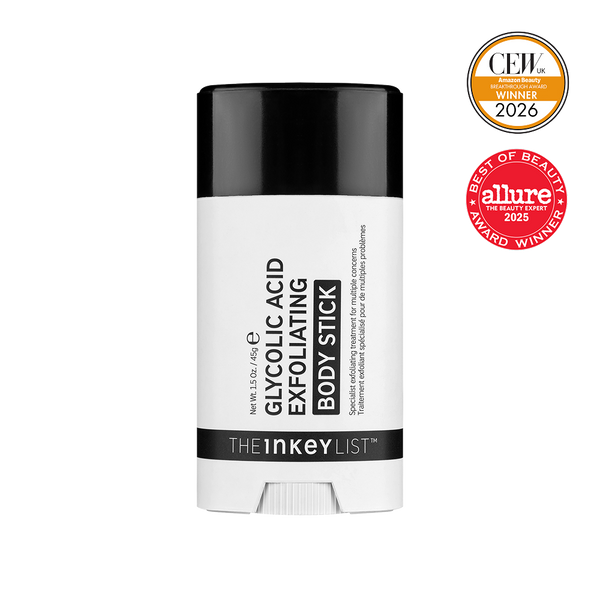
If you want to skip straight to the solution, Our Glycolic Acid Exfoliating Body Stick (£15.00) is clinically proven to visibly reduce ingrown hairs in 7 days. And if you would like to understand the ingredient itself in more depth, you can learn more about glycolic acid on our dedicated ingredient page.
As always, our approach is the same: clear guidance, proven ingredients, real results - no jargon, no hype. Before we get to the fix, it helps to understand what is actually happening under your skin.
What Are Ingrown Hairs and What Causes Them?
An ingrown hair is exactly what it sounds like: a hair that curls back on itself or grows sideways into the skin instead of growing up and out of the follicle. Your skin treats that trapped hair as an intruder, and the result is a small, inflamed bump. One ingrown hair is a minor annoyance. A cluster of them across a freshly shaved bikini line or beard area is the kind of thing that makes people give up on hair removal altogether.
Understanding why they form is the first step to preventing them, because the causes are surprisingly consistent - and almost all of them are fixable.
What Does an Ingrown Hair Look Like?
If you have ever wondered whether that bump is an ingrown hair or something else, here is what to look for:
- Small raised bumps in areas where you remove hair, often appearing a few days after shaving or waxing
- A visible trapped hair - sometimes you can see the dark line of the hair curled just beneath the surface of the skin
- Redness or discolouration - the bump may look red on lighter skin tones, or darker than the surrounding skin on deeper skin tones
- Itching or tenderness - ingrown hairs are frequently itchy, and can feel sore to the touch
- Occasional pus-filled spots - some ingrown hairs become inflamed enough to look like a blemish, with a white or yellow head
According to the NHS ingrown hairs guide, these bumps are often itchy and appear where a hair has grown back into the skin - and while they are usually harmless, they can become irritated or infected if picked at or squeezed.
When ingrown hairs cluster in the beard area, the condition has a clinical name: pseudofolliculitis barbae, or PFB - more commonly known as razor bumps. It is especially common anywhere hair is coarse or curly, which is why the beard and neck area is one of the most affected zones. We will come back to PFB later, because it is the subject of the key clinical research on glycolic acid.
What Causes Ingrown Hairs?
Four main drivers push hairs back into the skin instead of letting them grow out cleanly:
-
Shaving. A razor slices hair at an angle, leaving a sharp, pointed tip. As that hair regrows, the sharpened edge can pierce back into the skin far more easily than a naturally tapered hair would. This is why ingrown hairs after shaving are so common - every shave essentially creates thousands of tiny, sharpened hairs primed to re-enter the skin.
-
Waxing and plucking. When hair is removed at the root, the new hair has to travel the full length of the follicle to reach the surface. If a layer of dead skin cells has built up over the follicle opening in the meantime, the regrowing hair hits a ceiling and gets trapped beneath it. Ingrown hairs after waxing often appear one to three weeks after your appointment, right when regrowth begins.
-
Naturally curly or coarse hair. Curly hair grows in a spiral, which means the tip naturally curves back towards the skin as it emerges. Coarse hair is also stiffer, so when it does curl back, it has the strength to pierce the surface. This is simply a matter of hair structure, and it means some people will always be more prone than others.
-
Clogged follicles. Even without hair removal, a buildup of dead skin cells around the follicle opening can trap new hairs beneath the surface. This is the driver that glycolic acid tackles most directly, as we will see in the next section.
Anyone who removes hair can get ingrown hairs, but people with curly or coarse hair types - including many people with darker skin tones - are more susceptible, simply because of the way curved hair grows. There is nothing wrong with your skin or your technique; it is geometry, and it responds well to the right care.
One quick clarification before we move on: ingrown hairs are not the same as keratosis pilaris, the rough, bumpy texture often found on the upper arms. If that sounds more like your concern, read our complete guide to treating keratosis pilaris instead.
Now that you know why hairs get trapped, here is why glycolic acid is one of the most evidence-backed ways to free them.
How Glycolic Acid Helps Ingrown Hairs (and Why It Beats Physical Scrubs)
Glycolic acid is an alpha hydroxy acid (AHA) with the smallest molecule in the AHA family, which means it works efficiently at the skin’s surface where dead cells accumulate. That small detail matters enormously for ingrown hairs, because the surface of the skin is exactly where the trap is set.
When it comes to a glycolic acid ingrown hair routine, the ingredient works through two distinct mechanisms - and it is worth understanding both, because together they explain why glycolic acid does something no scrub, loofah or exfoliating glove can.
Mechanism One: Clearing the Trap
The first mechanism is called keratolysis. Glycolic acid gently dissolves the bonds that hold dead skin cells together at the surface. Think of that dead cell layer as a lid sitting over each follicle. When the lid is thick, regrowing hairs cannot break through it, so they bend, curl and burrow sideways instead. By loosening and sweeping away that layer, glycolic acid keeps the follicle opening clear, so hairs can grow up and out the way they are supposed to.
This is also why consistent use matters more than intensity. Dead skin cells accumulate continuously, so a little regular exfoliation keeps the path clear, whereas a single aggressive session just irritates the skin and lets the buildup return.
Mechanism Two: Changing the Hair Itself
Here is the part most people do not know: glycolic acid does not just work on your skin - research suggests it changes the hair too. Studies on pseudofolliculitis barbae have found that alpha hydroxy acids like glycolic acid can reduce the curvature of the hair shaft by reducing its sulfhydryl bonds - the chemical bonds that give curly hair its curl. A straighter-growing hair is far less likely to arc back and pierce the skin. In other words, glycolic acid tackles both halves of the problem: the trap and the hair that gets caught in it.
The Clinical Evidence
This is not theory. In a published clinical study on pseudofolliculitis barbae, participants applied topical glycolic acid to one side of the face and a placebo to the other. The results, published on PubMed, showed glycolic acid was significantly more effective than the placebo.
In a published clinical study, topical glycolic acid reduced razor bump lesions by over 60% - and allowed participants to shave daily with little skin irritation.
That last detail is worth dwelling on. The participants did not have to give up shaving to see results. The glycolic acid worked alongside their normal routine, which is exactly how skincare should fit into real life.
UK dermatology resource DermNet supports the same approach, noting that preparations containing glycolic acid can exfoliate the skin surface and reduce the risk of new inflamed spots forming.
There is a bonus benefit too. Ingrown hairs often leave behind marks - patches of discolouration that linger long after the bump itself has gone, particularly on medium and deeper skin tones. Regular, gentle chemical exfoliation helps fade this post-bump discolouration over time by speeding up the turnover of pigmented surface cells. So glycolic acid is working on your skin’s past as well as its future.
Glycolic Acid vs Physical Scrubs
It is tempting to reach for a gritty scrub when your skin feels bumpy, and to be fair, physical exfoliation can make skin feel smoother in the short term. But scrubs have two significant limitations for ingrown hairs.
First, scrubbing over inflamed bumps can make things worse. Ingrown hairs are, by definition, irritated follicles - dragging abrasive particles across them adds friction and inflammation to skin that is already unhappy, and can even push bacteria into open bumps.
Second, a scrub only works where the grains physically touch, and it cannot change what is happening inside or around the follicle. It cannot dissolve the bonds between dead cells evenly across the skin, and it certainly cannot alter the curvature of a regrowing hair. Glycolic acid exfoliates chemically and uniformly, without any abrasion at all - which is why it is a genuine contender for the best exfoliant for ingrown hairs rather than just a quick cosmetic fix.
You may also have seen salicylic acid recommended for ingrown hairs, and it does have a place - it works particularly well on oily, congested areas because it can travel into the pore itself. That is exactly why our hero Body Stick contains both acids working together. If you want the full breakdown of how the two compare, read our glycolic acid vs salicylic acid guide - and for everything else this ingredient can do, our glycolic acid page covers it in full.
The science is solid - here is exactly how to put it to work in your routine.
How to Use Glycolic Acid for Ingrown Hairs: Step-by-Step Routine
If you are wondering how to get rid of ingrown hairs with a routine that actually holds up, the answer is reassuringly simple: three steps, a few evenings a week, built around one golden rule.
The golden rule first: wait at least 8 hours after shaving or waxing before applying glycolic acid. Freshly hair-removed skin has microscopic nicks and a temporarily weakened barrier. Apply an acid too soon and it will sting, and stinging skin is irritated skin - the opposite of what we are trying to achieve. Shave or wax in the morning, apply your glycolic acid in the evening, and everyone is happy.
Here is the routine:
-
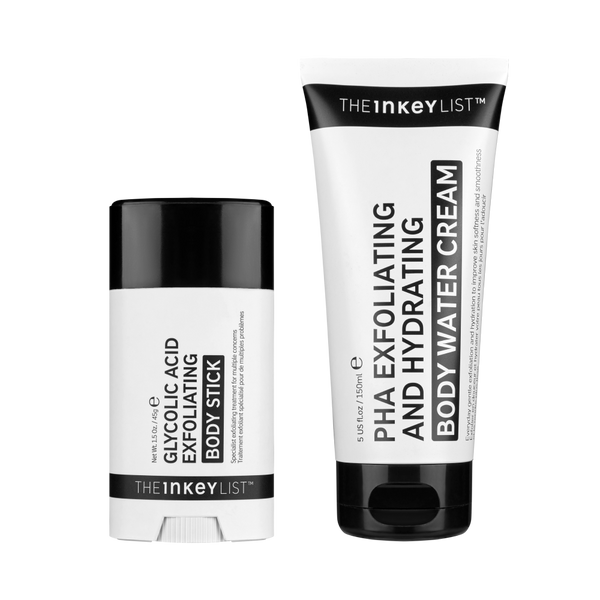
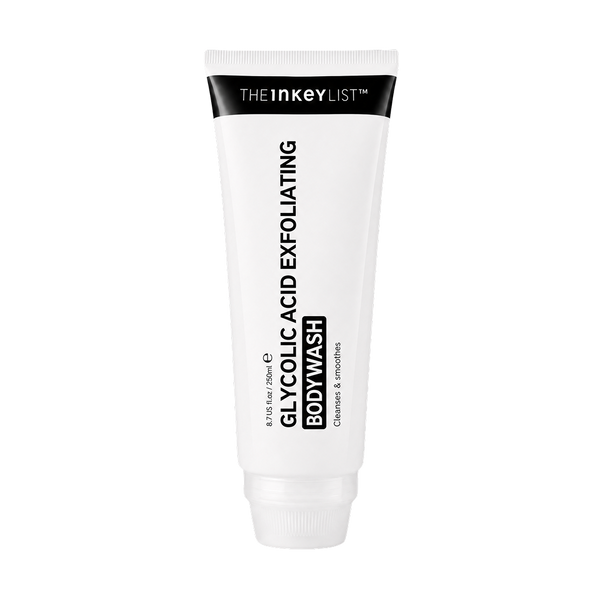
Cleanse. A few times a week, use Glycolic Acid Exfoliating Body Wash (£12.00) in the shower. As a rinse-off first step, it delivers a gentle baseline of exfoliation across the whole body, softening the dead skin layer before your targeted treatment goes on. Massage over damp skin, leave for a moment, then rinse thoroughly. On non-wash days, any gentle body cleanser is fine.
-
Target. Apply Our Glycolic Acid Exfoliating Body Stick (£15.00) directly to ingrown-prone areas after your shower, on clean, dry skin. The formula is fully transparent, as always: 7% Glycolic Acid to clear the dead skin trap, 0.5% Salicylic Acid to work into congested follicles, and 10% Shea Butter to cushion the exfoliation with rich moisture so your skin barrier stays comfortable. It is clinically proven to visibly reduce ingrown hairs in 7 days, based on a 4-week consumer study of 100 people. The stick format matters more than it might seem - it glides on precisely where you need it, with no mess and no wasted product, and it works as well on the bikini line as it does across a full leg. Start with 2 to 3 evenings a week, and build up to daily use as your skin tolerates it.
-
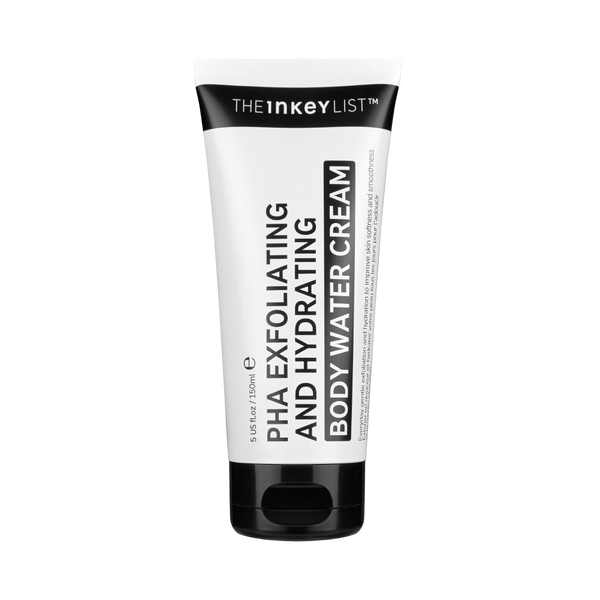
Hydrate and maintain. Follow with PHA Body Water Cream (£15.00) for lightweight, fast-absorbing hydration across the whole body. Exfoliated skin needs moisture to stay comfortable, and the gentle PHAs in this cream provide soft maintenance exfoliation between Body Stick applications without adding irritation. It is the quiet workhorse of the routine: hydration that also keeps the surface of your skin clear.
Two important notes before you start.
Patch test first. Whenever you introduce a new active ingredient, apply a small amount to a discreet area and wait 24 hours to check for a reaction. It takes almost no effort and saves a lot of potential discomfort. If you are not sure how, read our guide to patch testing new products.
Protect exfoliated skin from the sun. Chemical exfoliation makes skin more sensitive to UV light. If the areas you are treating will be exposed - legs in summer, for example - apply a broad-spectrum SPF during the day. This is standard practice with any exfoliating acid, and it also protects the discolouration you are fading from darkening again in the sun.
That is the whole routine: wash, target, hydrate, protect. No ten-step programme, no shelf full of products - just the right ingredients in the right order.
One routine, but not one-size-fits-all - here is how to adapt it for each area of the body.
Using Glycolic Acid by Body Area: Legs, Bikini Line, Underarms, Face and Beard
Different areas of your body have different skin thicknesses, different hair textures and different hair removal habits, so it makes sense to adjust the routine for each. Here is the area-by-area guide.
Legs
Legs are the largest and generally the most tolerant area, which makes them the ideal place to start if you are new to glycolic acid. Skin here is relatively thick, so it handles actives well.
Apply the Body Stick to ingrown-prone zones - typically the shins, calves and around the knees - after shaving, once the 8-hour window has passed. Begin with 2 to 3 evenings a week and build towards daily use. Most people find their legs adapt quickly.
A welcome side effect: the same exfoliation that frees trapped hairs also smooths general rough texture, so legs tend to feel noticeably softer within the first couple of weeks. And if the small dark dots of visible pores and follicles are your bigger concern, that has its own name and its own guide - say goodbye to strawberry skin here.
Bikini Line
The bikini line is the most ingrown-prone zone on the body. The hair here is typically the coarsest and curliest you have, the skin folds and creases, and tight underwear adds constant friction. It is the perfect storm for trapped hairs.
Apply the Body Stick to the outer bikini line only - never on mucous membranes, intimate skin or broken skin. The precision of the stick format is genuinely useful here, letting you treat exactly the crease and outer area where ingrowns form without product migrating where it should not.
Two things to highlight for this area. First, the Body Stick is clinically proven to reduce bikini area discolouration in 28 days, which matters because the bikini line is where post-ingrown marks tend to linger longest. Second, the 8-hour rule deserves extra emphasis after waxing. Ingrown hairs after waxing are common precisely because waxing leaves follicles briefly open and skin temporarily sensitised - give it a full day if your skin is on the reactive side, then begin your glycolic routine to keep the regrowth path clear over the following weeks.
Underarms
Underarm skin is thin, creased and shaved more frequently than almost anywhere else, so this is the area to treat most gently. Start with just 1 to 2 applications a week and increase slowly only if your skin stays comfortable.
The practical question everyone asks: what about deodorant? Do not layer actives and deodorant at the same time - the combination on thin, freshly treated skin invites irritation. The simple fix is to alternate: deodorant in the morning, Body Stick in the evening. Your skin gets hours between the two, and neither interferes with the other.
The same 28-day clinical claim applies here: the Body Stick is proven to reduce underarm discolouration in 28 days, addressing one of the most common and least talked about underarm concerns alongside the ingrowns themselves.
Face and Beard Area
The Body Stick is designed for the body, so for the face we recommend a different approach. Use Glycolic Acid Toner(£14.00) a few evenings a week, swept over beard-bump-prone areas - typically the jawline, cheeks and especially the neck, where razor bumps cluster most stubbornly.
If it feels like the face gets special attention here, there is a good reason: the beard area is where the science began. The clinical study we covered earlier - the one showing over 60% reduction in razor bump lesions - was conducted on pseudofolliculitis barbae in the beard area. Facial application of glycolic acid for razor bumps is arguably the most directly evidence-backed use of the ingredient in this entire guide.
Use the toner in the evening, and be diligent with SPF the next morning - facial skin is exposed to the sun daily, so this is the one area where sun protection is non-negotiable.
The Universal Rules
Whichever area you are treating, three rules apply everywhere: patch test each new area before committing to it, never apply glycolic acid to broken or freshly shaved skin, and build frequency gradually rather than starting at maximum. Consistency beats intensity, every time.
Wherever you are treating, the next question is the same: how soon will you actually see a difference?
How Long Until You See Results - and Do Ingrown Hairs Go Away on Their Own?
Let us be completely transparent about what to expect, because managed expectations are the difference between a routine you stick with and one you abandon in week two.
Visibly reduced ingrown hairs in 7 days - results from a 4-week consumer study of 100 people using the Glycolic Acid Exfoliating Body Stick.
That is the headline claim for Our Glycolic Acid Exfoliating Body Stick, and we always state it alongside its study basis, because a claim without evidence is just marketing. Here is how the improvement typically unfolds:
- Days 1 to 7: existing bumps begin to calm first. As the dead skin layer thins, trapped hairs start breaking through and inflammation settles. This is the “visibly reduce ingrown hairs in 7 days” window.
- Weeks 1 to 2: with consistent use, you should notice fewer new ingrowns forming after each hair removal session, because regrowing hairs are meeting a clear follicle opening instead of a trap.
- Weeks 2 to 4: discolouration fades more gradually. Pigment takes longer to shift than inflammation - the clinical claim for underarm and bikini discolouration is 28 days, and that is the honest timescale to hold in mind for marks.
Do Ingrown Hairs Go Away on Their Own?
Honest answer: many do. Once the trapped hair either breaks through the surface or is shed by the follicle, the inflammation settles and the bump resolves. But there are three caveats worth knowing.
First, it can take weeks - and if you are shaving or waxing regularly in the meantime, new ingrowns often form faster than the old ones clear, so it never feels like progress. Second, some ingrown hairs become significantly inflamed or infected rather than quietly resolving. Third, even the ones that do clear on their own frequently leave behind marks that linger for months.
Glycolic acid does not change the biology - it accelerates it. By clearing the surface buildup, it helps trapped hairs break through sooner, and by keeping follicles clear, it reduces how many new ingrowns form in the first place. You are speeding up the resolution and slowing down the recurrence at the same time.
One thing we will say plainly: never squeeze or dig at an ingrown hair. It is tempting, especially when you can see the trapped hair right there under the surface, but digging breaks the skin, invites infection, deepens inflammation and dramatically increases the chance of scarring and long-term discolouration. Patience plus exfoliation beats tweezers every time.
When to Seek Professional Help
Skincare has its limits, and it is important to know where they are. If a bump is persistent, increasingly painful, spreading, or looks infected - significant swelling, warmth, or pus that is worsening rather than settling - it is time for a professional opinion rather than another product. The NHS ingrown hairs guidance explains when to see a GP, and a pharmacist can also advise on infected ingrown hairs in the first instance.
Finally, a note on mindset. This is skin maintenance, not a one-off fix. Hair keeps growing, dead skin keeps accumulating, and razors keep sharpening hair tips - so the routine keeps working for as long as you keep doing it. The upside is that maintenance is easy: a swipe of a stick a few evenings a week is all the ongoing commitment required.
Treating ingrown hairs is only half the job - here is how to stop them coming back in the first place.
How to Prevent Ingrown Hairs Coming Back
Knowing how to prevent ingrown hairs is where lasting results are made. Glycolic acid handles the skin side of the equation, but your hair removal technique handles the other half - and small changes make a measurable difference. The following advice is consistent with guidance from the NHS and dermatology resources like DermNet, and none of it requires buying anything.
Shave Smarter, Not Harder
Most ingrown hairs trace back to how the hair was cut. Here is the technique that minimises the damage:
- Shave after warm water. Shave during or immediately after a warm shower, when hair is soft and swollen with water. Soft hair cuts cleanly with a blunter tip, rather than a sharp spear.
- Always use a shaving gel or cream. Never shave dry skin. Lubrication lets the blade glide instead of dragging and scraping the surface.
- Use a sharp, fresh blade. A dull razor tugs at hairs and requires more passes, both of which raise irritation. If your razor pulls, it is done. A single-blade razor is often kinder for very bump-prone skin, because multi-blade razors can cut hair below skin level, which encourages regrowth to start beneath the surface.
- Shave in the direction of hair growth. Shaving against the grain gives a closer shave, but the closer the cut, the more likely the sharpened tip retracts below the skin line and re-enters sideways.
- Do not stretch the skin. Pulling skin taut while shaving also causes the cut hair to snap back below the surface when released.
- Rinse the blade after every stroke, and make fewer passes. Each additional pass over the same skin removes more of the protective surface along with the hair.
After Every Hair Removal Session
Rinse the area with cool water to close things down calmly, then moisturise immediately - hydrated skin is flexible skin, and flexible skin lets regrowing hairs through more easily. Resume your glycolic acid routine once the 8-hour window has passed.
Between Sessions: Keep the Path Clear
This is where the routine from earlier becomes prevention rather than treatment. If you are looking for how to stop ingrown hairs before they start, consistent gentle chemical exfoliation is the answer: the Body Stick on your prone zones and PHA Body Water Cream all over keep follicle openings clear, so every regrowing hair meets an open path instead of a ceiling of dead skin. Prevention is not a separate routine - it is the same routine, continued.
Be Honest About Your Hair Removal Method
If shaving triggers bumps every single time despite good technique and a solid glycolic routine, it is worth stepping back and considering the method itself. Letting hair grow out slightly longer between shaves gives the tips time to soften. Trimming instead of shaving keeps hair above the skin line entirely, removing the re-entry risk. And for people with persistent, severe razor bumps, longer-term hair removal options exist and are worth discussing with a professional. There is no single right answer here - only the method that suits your skin, your hair and your life.
The Clothing Factor
One prevention lever almost nobody mentions: fabric. Tight clothing worn over a freshly shaved bikini line or underarms presses regrowing hairs flat against the skin and adds constant friction - both of which push hair tips sideways into the skin rather than letting them grow out. On the day you shave or wax, looser-fitting clothing over the treated area is a small, free adjustment that genuinely reduces trapped-hair risk.
The Takeaway: Smoother Skin Is a Routine, Not a Rescue
Ingrown hairs happen when dead skin buildup and curling hairs trap regrowth beneath the surface - and glycolic acid for ingrown hairs works because it dismantles that trap from both sides, clearing the buildup and softening the curl. The evidence is genuinely strong: published clinical research found topical glycolic acid reduced razor bump lesions by over 60%. And the routine is genuinely simple: a targeted Body Stick a few evenings a week, gentle all-over hydration, and smarter shaving habits, with visible reduction in ingrown hairs in as little as 7 days. What keeps skin smooth from there is not intensity - it is consistency.
Because here is what we believe: you do not need more products, you need the right ingredient used the right way. Clear guidance. Proven ingredients. Real results.
Ready for smoother, bump-free skin? Start with Our Glycolic Acid Exfoliating Body Stick - £15.00 - clinically proven to visibly reduce ingrown hairs in 7 days, with free delivery on your first order.
Want to understand the ingredient first? Explore everything glycolic acid can do for your skin.
Frequently Asked Questions
Got a question?
Our askINKEY team are a friendly bunch of skincare experts with deep product knowledge and zero judgement. Whether you're an ingredient obsessive or just starting out, we'll make it make sense. No question too big. No question too small. We Give A Care, Every Day.


