



Glycolic Acid for Armpits: Benefits, How to Use It & What to Expect
Glycolic acid isn't just for your face - here's how it helps with armpit odour and underarm discolouration, plus how to use it safely.
Author
askINKEY skincare advisor
Published
01 August, 2026
Time to read
11 minutes
Glycolic acid for armpits is one of the most searched skincare trends of the past few years, and unlike a lot of what trends online, there is real science behind it. Glycolic acid is an alpha hydroxy acid (AHA), and it happens to be the smallest AHA molecule there is. That small size lets it exfoliate effectively right at the skin surface, which is exactly where underarm concerns live.
People are applying it to their underarms for two main reasons. First, it helps manage odour by making the skin surface less hospitable to the bacteria that cause it. Second, it helps fade the look of dark underarms by exfoliating the built-up dead skin cells that contribute to a dull, uneven appearance. Neither of these is a gimmick. Both are grounded in how the ingredient actually works on skin.
That said, there is a right way and a wrong way to do this. Underarm skin is thin, frequently shaved and covered by clothing most of the day, which means it needs a more careful approach than the skin on your legs or arms. Apply glycolic acid at the wrong time, at the wrong frequency, or straight after shaving, and you can end up with irritation instead of results.
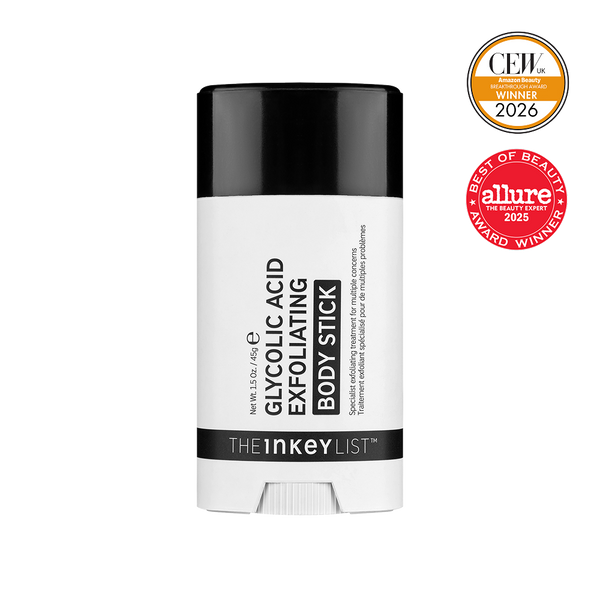
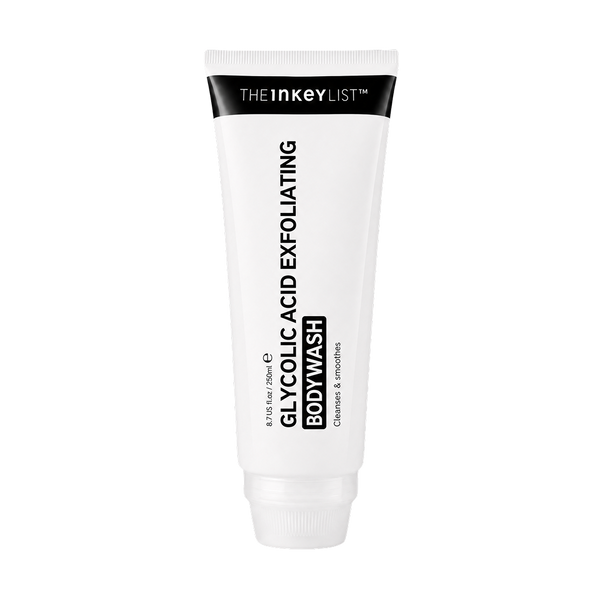
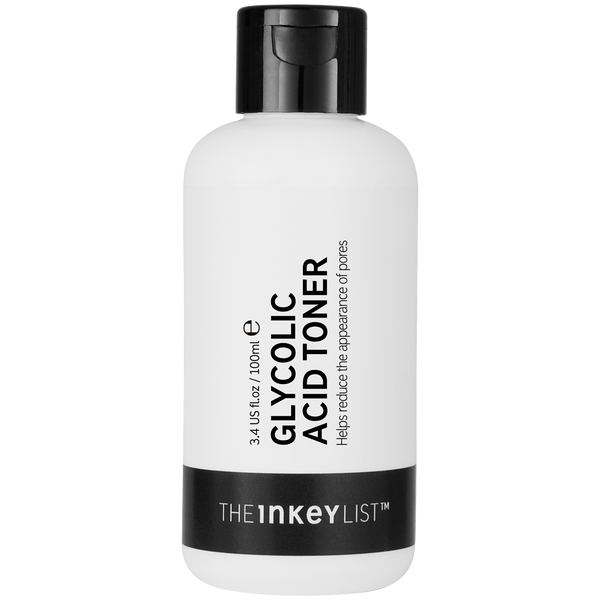
This article covers everything: how glycolic acid affects odour, what it can realistically do for discolouration, exactly when you can and cannot use it around shaving, a step-by-step routine, how often to use it, safety considerations, and which format suits you best. If you want to skip ahead to products, the three formats designed for this job are the Glycolic Acid Exfoliating Body Stick (£15), a swipe-on leave-on that is the most underarm-friendly format, the Glycolic Acid Toner (£14) for cotton-pad application, and the Glycolic Acid Exfoliating Body Wash (£12) as the gentlest rinse-off entry point. We will match each one to a use case later on.
First, the foundations. Here is exactly what glycolic acid does under the arms, and why a facial exfoliant has become an underarm essential.
What Does Glycolic Acid Do for Your Armpits?
Before applying an acid to one of the most sensitive areas of your body, it is worth understanding what it actually does there. Glycolic acid on armpits works for the same reason it works on the face, but the underarm environment makes its effects particularly noticeable.
A quick recap on the ingredient itself. Glycolic acid is an alpha hydroxy acid derived from sugar cane. AHAs are water-soluble exfoliating acids that work by loosening the bonds between dead skin cells on the surface of the skin, allowing them to shed away rather than pile up. What sets glycolic acid apart from other AHAs like lactic or mandelic acid is molecular size. Glycolic acid is the smallest of the group, which means it moves through the outermost layer of dead skin cells efficiently and exfoliates where it counts. If you want the complete picture of how this ingredient behaves across the face and body, the full glycolic acid guide covers the fundamentals in depth.
Why Underarm Skin Is Different From the Rest of Your Body
Underarm skin is unusual in almost every way. It is thinner than most body skin. It sits in a fold, so skin rubs against skin all day. It is shaved or waxed regularly, which creates repeated low-level irritation. It is occluded by clothing for most of your waking hours, trapping warmth and moisture. And it is home to a high concentration of sweat glands, including the apocrine glands that produce the thicker type of sweat associated with body odour.
Put all of that together and you have an area that is naturally prone to four things: odour, roughness, bumps and discolouration. It is also an area where dead skin cells accumulate quickly but rarely get any deliberate exfoliation. Most people scrub their legs and feet and never think about their underarms until something bothers them.
The Three Main Benefits of Glycolic Acid for Underarms
When applied to the underarms, glycolic acid does three useful things:
- It lowers the skin surface pH. Odour-causing bacteria prefer a more neutral environment. When glycolic acid brings the surface pH down, those bacteria find it harder to thrive, which means less of the sweat breakdown that produces odour. This is the mechanism behind the entire glycolic acid deodorant trend, and we will unpack it fully in the next section.
- It exfoliates dead skin cell buildup. Layers of accumulated dead cells contribute to a dark, dull or rough appearance under the arms. Regular gentle exfoliation clears that buildup, supporting smoother, more even-looking skin over time.
- It smooths texture and helps with shaving-related bumps. By keeping the surface of the skin clear, glycolic acid can help reduce the look of ingrown hairs and razor bumps, because growing hairs are less likely to get trapped under a layer of dead skin.
If you have read about exfoliating acids before, you may be wondering how glycolic acid compares to salicylic acid, the well-known BHA. The short version is that glycolic acid works on the skin surface, which is what underarm concerns call for, while salicylic acid is oil-soluble and travels into pores, making it the better pick for blemish-prone areas. The full comparison is covered in Glycolic Acid vs Salicylic Acid if you are deciding between the two for different concerns.
What Glycolic Acid Does Not Do
Here is the honest part, and it matters. Glycolic acid does not stop you sweating. It is not an antiperspirant. Antiperspirants work by temporarily blocking sweat ducts, usually with aluminium salts. Glycolic acid does nothing of the sort. It addresses odour and appearance, not wetness.
So if your main concern is sweating through shirts, glycolic acid alone will not solve that, and any article telling you otherwise is overselling. What it can do is tackle the odour side of the equation and improve how the skin itself looks and feels. For plenty of people, that combination is exactly what they were looking for. For others, it works best layered into a routine alongside a regular antiperspirant, which is completely fine and something we will cover in the step-by-step section.
Understanding these three benefits, and the one thing glycolic acid cannot do, sets you up for everything that follows. Now let us go deep on the most searched benefit of all: odour.
Glycolic Acid and Armpit Odour: The pH and Bacteria Science
The glycolic acid deodorant trend took off because people tried it and noticed a genuine difference. But it is worth understanding exactly why it works, because that understanding tells you what to expect, how patient to be, and why it will not work the same way for everyone.
Sweat Does Not Smell. Bacteria Make It Smell.
The first thing to know is that sweat itself is nearly odourless. Fresh sweat, straight from the gland, has almost no smell at all. Body odour happens afterwards, when bacteria living on the skin break down compounds in that sweat into smellier byproducts.
The underarms are ground zero for this process for two reasons. First, they contain a high concentration of apocrine glands, which produce a thicker, protein-rich sweat that bacteria find particularly appetising. Second, the warm, dark, occluded environment of the armpit is close to ideal for bacterial growth. As a university-published explainer on why armpits smell sets out, it is this interaction between skin bacteria and apocrine sweat, not the sweat alone, that produces underarm odour.
This is normal skin biology, by the way, not a hygiene failure. Everyone has these bacteria. Everyone produces apocrine sweat. The variation in how strongly people smell comes down to genetics, the specific mix of bacterial species on their skin, hormones, diet and a handful of other factors, most of which are not under anyone’s direct control.
How Lowering pH Changes the Equation
This is where glycolic acid comes in. Healthy skin naturally sits at a mildly acidic pH, but the underarm environment tends to drift more neutral, partly because of sweat and partly because of the occluded conditions. The bacteria most associated with strong odour happen to prefer that more neutral environment.
Glycolic acid lowers the pH of the skin surface. In a more acidic environment, those odour-producing bacteria struggle to thrive and multiply. Fewer active bacteria means less breakdown of sweat compounds, which means less odour. As dermatologists explaining the glycolic acid deodorant trend describe it, the acid essentially shifts the underarm environment into one where odour-causing bacteria cannot flourish, without needing to mask anything with fragrance.
The key insight from dermatologists reviewing this trend is simple: glycolic acid does not cover up odour the way fragrance does. It changes the conditions on the skin so that less odour is produced in the first place.
That distinction matters. Traditional deodorants largely work by masking odour with fragrance and, in some cases, including antibacterial ingredients. Glycolic acid takes a different route entirely, altering the environment rather than perfuming over the problem. Many people find this approach lasts longer through the day, because there is no fragrance to fade.
Does Glycolic Acid Work as a Deodorant?
Here is the direct answer to the question behind the search. Yes, glycolic acid can reduce underarm odour for many people, and for some it reduces odour enough that they stop using conventional deodorant altogether. But it is not an antiperspirant, and it will not reduce sweating at all. If wetness is part of your concern, you can absolutely layer an antiperspirant on top of glycolic acid. The key is timing: apply the acid first, let it absorb fully, then apply your deodorant or antiperspirant afterwards. The exact waiting time is covered in the step-by-step routine later in this article.
Expectations matter here too. Results vary noticeably from person to person, because everyone’s skin microbiome is different. Some people notice a difference within days. Others need a couple of weeks of consistent use before the change becomes obvious. And consistency genuinely matters more than concentration. Using a moderate-strength product regularly beats occasional use of something stronger, because the pH effect needs to be maintained to keep the bacterial environment shifted.
For the odour routine specifically, the format most people reach for is the Glycolic Acid Toner (£14), a 10% glycolic acid liquid that sweeps over the underarm area with a cotton pad in seconds. It is the format most associated with the deodorant trend for a simple reason: it is quick, it spreads evenly across the area, and it absorbs fast.
Odour, though, is only half of the search demand around glycolic acid armpits. The other half is about how underarms look, and that brings us to discolouration.
Glycolic Acid for Dark Armpits and Discolouration
Let us start with something important: darker underarms are extremely common, completely normal for most people, and usually entirely harmless. If you have noticed that your underarm skin is a shade or two deeper than the surrounding skin, you are in very large company. It is not a sign of poor hygiene, and it is not something anyone needs to fix. But if the appearance bothers you, glycolic acid is one of the most sensible ingredients to reach for, as long as you understand what it can and cannot do.
Why Underarms Darken in the First Place
Underarm discolouration usually comes from a combination of everyday factors rather than any single cause:
- Friction. Skin folds rub against skin, and clothing rubs against both, all day, every day. Chronic friction stimulates the skin to thicken and produce more pigment as a protective response.
- Shaving irritation. Repeated shaving is a repeated mild insult to the skin. Over time, that low-grade irritation can trigger the skin to produce excess pigment.
- Dead skin cell buildup. Layers of accumulated dead cells can make the area look darker and duller than it actually is. This is the most superficial cause and the one exfoliation addresses most directly.
- Post-inflammatory hyperpigmentation. Any inflammation in the area, whether from razor burn, ingrown hairs, waxing or reactions to products, can leave darkened patches behind after the irritation itself has settled.
According to the Cleveland Clinic’s guidance on dark armpits, these everyday mechanical and inflammatory causes account for the vast majority of underarm darkening, and gentle exfoliating acids are among the approaches that can help improve the appearance over time.
How Glycolic Acid Helps, Realistically
Glycolic acid works on the most accessible layer of the problem: the buildup of dead, pigmented surface cells. Regular gentle exfoliation clears that buildup and supports a smoother, more even-looking surface over time. By reducing the roughness and congestion that shaving and friction create, it can also help reduce the ongoing cycle of irritation that feeds pigmentation in the first place.
Notice the language here, because it is deliberate. Glycolic acid can brighten the look of the area, support more even-looking skin, and reduce the appearance of discolouration. It does not bleach, whiten or erase anything, and you should be sceptical of any product or article that promises it will. Pigment that sits deeper in the skin takes time to shift, and some of it may not shift at all with topical exfoliation alone.
Timelines matter just as much as language. Visible change takes weeks of consistent use, not days. Most people who see improvement notice it gradually over four to eight weeks, sometimes longer. If you use glycolic acid on your underarms twice and conclude it has not worked, you have not given it a fair trial.
For targeted work on stubborn rough or discoloured patches, the leave-on format makes the most sense, because the acid stays on the skin and keeps working rather than rinsing away. The Glycolic Acid Exfoliating Body Stick (£15) swipes directly onto the area and combines 7% glycolic acid with soothing shea butter, which matters for an area this delicate.
The Caveat That Most Articles Skip: More Is Not Better
Here is the part that deserves more attention than it usually gets. Overusing glycolic acid, or using it in a way that irritates the skin, can actually make discolouration worse. Irritation is inflammation, and inflammation is precisely what triggers post-inflammatory hyperpigmentation. The International Hyperhidrosis Society’s guide to tackling underarm hyperpigmentation makes this point explicitly: excessive use of exfoliating actives can worsen the very darkening you are trying to improve.
This is especially relevant for deeper skin tones, which are naturally more prone to pigmentation changes following irritation. If you have a deeper skin tone and want to try glycolic acid on your underarms, the sensible approach is to patch test first, start at a low frequency, and increase slowly only if your skin stays completely comfortable. And if pigmentation in the area is significant, changing or bothering you, a GP or dermatologist can offer options beyond what any over-the-counter product provides.
One calm, final note for completeness: in rare cases, sudden or velvety-textured darkening of the underarms can signal an underlying condition, so a persistent unexplained change is always worth a professional opinion. For the everyday darkening that friction and shaving cause, though, patience and gentle consistency are the whole game.
Speaking of shaving, it is one of the biggest contributors to underarm irritation and discolouration, and it is also the source of the single most common mistake people make with glycolic acid. Let us fix that now.
Can You Use Glycolic Acid After Shaving? The 8-Hour Rule
Here is the direct answer, because this question deserves one: do not apply glycolic acid to your underarms immediately after shaving. Not right after, not an hour after. This is the mistake that turns a good routine into a stinging, irritated mess, and it is entirely avoidable.
Why Freshly Shaved Skin and Acids Do Not Mix
Shaving does more than remove hair. Every pass of a razor also removes a fine layer of the skin’s surface and creates micro-abrasions, tiny invisible nicks and scrapes across the area. Freshly shaved underarm skin is, in a very real sense, mildly injured skin, even when it looks and feels fine.
Apply an exfoliating acid to that compromised surface and two things happen. First, it stings, sometimes sharply, because the acid reaches nerve endings it would not normally touch. Second, and more importantly, it can trigger genuine irritation. And as the previous section explained, irritation in the underarm area can lead directly to post-inflammatory hyperpigmentation. In other words, applying glycolic acid at the wrong time can cause the exact darkening you might be using it to improve. That is the definition of a self-defeating routine.
The 8-Hour Rule Explained
The fix is simple. Wait at least 8 hours after shaving before applying glycolic acid to your underarms. Eight hours gives the skin’s surface time to begin recovering and the micro-abrasions time to close up.
Overnight is even better. If you shave in the morning, apply your glycolic acid that evening at the earliest, and ideally hold off until the next day. And listen to your skin above any rule: if the area still feels sore, tender or looks red, wait longer. The acid will be just as effective tomorrow.
There is also a smarter way to sequence the whole thing. Instead of shaving first and waiting to exfoliate, flip the order: use glycolic acid the day before you shave. Exfoliated skin gives you a closer, smoother shave, because the razor glides over a clear surface instead of dragging through a layer of dead cells, and hairs are less likely to be trapped or tugged. Acid the night before, shave the next day, then wait 8 or more hours before the next acid application. That rhythm gets you the benefits of both without ever putting acid on freshly shaved skin.
Glycolic Acid for Ingrown Hairs and Razor Bumps
There is a bonus benefit hiding in this routine. Ingrown hairs happen when a regrowing hair gets trapped beneath the skin surface, usually under a layer of dead skin cells, and curls back into the skin instead of growing out. The result is the familiar red, sometimes sore bump.
Regular gentle exfoliation between shaves keeps that surface layer clear, which means regrowing hairs have a much easier path out. Over time, consistent glycolic acid use can noticeably reduce the look of ingrown hairs and razor bumps in the underarm area. The same logic applies across the body, which is covered in more detail in Say Goodbye to Strawberry Skin, and if your bumps are rough, dry and appear on the backs of arms or thighs rather than around hair removal, they may be keratosis pilaris instead, which has its own approach explained in The Complete Guide to Treating Keratosis Pilaris.
For shave-prone underarms specifically, the gentlest way to build exfoliation into the routine is a rinse-off format. The Glycolic Acid Exfoliating Body Wash (£12) works in the shower on non-shaving days, delivering a milder exfoliation with far less contact time than a leave-on, which makes it ideal for skin that gets shaved regularly.
With the shaving question settled, you know when to apply glycolic acid. Now let us cover exactly how, step by step.
How to Use Glycolic Acid on Your Armpits: Step by Step
This is the practical core of the article: a complete routine you can follow this evening. None of it is complicated, but the details, especially the timing, are what separate a comfortable, effective routine from an irritating one.
- Patch test first. Apply a small amount of your chosen product to your inner arm or a small section of one underarm. Wait 24 hours. If there is no redness, itching or persistent stinging, you are good to continue. This step feels skippable. It is not, particularly for an area as reactive as the underarm.
- Start with clean, completely dry skin, ideally in the evening. Damp skin increases acid penetration, which sounds like a good thing but actually raises the chance of irritation in a sensitive area. Dry the underarms thoroughly after washing. And never apply to freshly shaved skin: as covered above, wait at least 8 hours after shaving, ideally overnight.
- Choose your format and apply. Swipe the Glycolic Acid Exfoliating Body Stick directly onto each underarm, two or three passes per side. Or sweep the Glycolic Acid Toner over the area with a cotton pad, one soaked pad covering both sides. If you are easing in, the Glycolic Acid Exfoliating Body Wash works as a rinse-off first step in the shower: lather over the underarms, leave for a minute or so, then rinse.
- Wait 10 to 15 minutes before applying deodorant or antiperspirant. This step is non-negotiable if you are layering products. The wait lets the acid absorb fully and work at its intended pH, and it dramatically reduces the chance of stinging or product pilling when the deodorant goes on top. Apply deodorant too soon and you dilute the acid, blunt its effect, and risk an uncomfortable reaction between the two formulas.
- Moisturise if needed, and keep the rest simple. If your underarms feel dry or tight after the acid absorbs, a simple fragrance-free moisturiser is fine. What you should not do is stack other exfoliants or strong actives on the same area on the same day. One active, one area, one day. The underarm does not need a ten-step routine.
A quick word on sensations. A mild, brief tingle on application can be completely normal, especially in the first week or two of use. It should settle within a minute or so. Persistent stinging, burning, or redness that develops and lingers is a different story: rinse the product off, give the area a few days to recover, and scale back your frequency when you restart.
Which Format Fits Which Routine?
Each of the three formats suits a different kind of person. The Body Stick is for anyone who wants the simplest possible leave-on: no cotton pads, no drips, a targeted swipe and done, which makes it the natural fit for underarms specifically. The Toner suits people who already use it on their face and like the ritual of a cotton-pad sweep, or who want one product covering face and body duties. The Body Wash is the low-commitment entry point: minimal contact time, built into a shower you were taking anyway, and the easiest option for sensitive or shave-prone skin. Whichever you choose, the principles in the glycolic acid pillar guide apply across all of them, and it is worth a read before committing if you are new to AHAs entirely.
Knowing how to apply glycolic acid naturally raises the next question: how often should you actually do this, and is it safe to keep up long term?
How Often Should You Use Glycolic Acid on Underarms? Frequency and Safety
If there is one theme running through this entire article, it is this: with glycolic acid on underarms, consistency beats intensity every single time. The people who get the best results are almost never the ones using it most aggressively. They are the ones using it sensibly, regularly, and with enough patience to let the ingredient work.
The Frequency Roadmap
Start low. For the first two weeks, use glycolic acid on your underarms 1 to 2 times per week. That is it. This slow start lets you confirm your skin tolerates the product in this specific area, which behaves differently from anywhere else you may have used acids before.
If those two weeks pass with no persistent redness, itching, stinging or flaking, you can build gradually, moving to every other day if your skin stays comfortable. Some people eventually plateau at two or three times a week and stay there permanently, and that is a perfectly good routine. Daily use is not the goal for everyone, and it is not a requirement for results.
Why so cautious? Because underarm skin is thinner than most body skin, sits in a fold where product does not fully evaporate, and spends the day occluded under clothing. Occlusion effectively intensifies whatever is on the skin. A frequency that your shins would shrug off can be too much for your underarms, and the area will tell you faster than almost anywhere else on your body.
Listen to Your Skin, and Know Who Should Be Cautious
Scale back at the first sign of trouble. Persistent redness, itching, stinging that lingers beyond a brief tingle, or visible flaking are all signals to reduce frequency or pause entirely for a few days. Nothing is lost by slowing down. Plenty is lost by pushing through irritation, because, as the discolouration section explained, irritation itself can trigger the pigmentation you may be trying to improve.
Some people should take extra care from the start:
- Anyone with very sensitive skin or a history of reacting to actives
- Anyone with eczema, dermatitis or broken skin in the underarm area (wait until it is fully healed)
- Anyone with recently waxed or laser-treated underarms (give the area at least a few days, longer if it is still tender)
- Anyone using prescription skincare on or near the area
When in doubt, a pharmacist or GP can advise on your specific situation. And if regular glycolic acid proves too much for your skin even at low frequency, there is a gentler path: polyhydroxy acids (PHAs) are larger molecules that exfoliate more slowly and gently. The comparison in PHA Toner vs Glycolic Acid Toner explains the difference and can help sensitive-skinned readers find the right starting point. The goal is meeting your skin where it is, not forcing one answer onto every underarm.
One more note for completeness: AHAs can increase sun sensitivity. In practice, underarms see sunlight far less often than the face, so this matters much less here than it does in a facial routine. But if you are heading somewhere your underarms will get real sun exposure, sleeveless days on holiday, for example, it is worth knowing.
Can You Use Glycolic Acid on Armpits Every Day?
Honest answer: some people can, once tolerance is built gradually over several weeks, but most people do not need to. The pH and exfoliation benefits are maintained perfectly well by every-other-day or even three-times-weekly use for the majority of people. If daily use leaves your underarms feeling even slightly sensitised, drop back. There is no prize for maximum frequency, only for consistency you can sustain.
What to Expect, and When
Set your expectations by concern, and note the word choices, because nothing here is guaranteed for every person:
- Texture: underarms can feel smoother within a week or two of consistent use.
- Odour: improvement often shows up within days of consistent use, as the surface pH shifts and the bacterial environment changes.
- Discolouration: this is the slow one. Visible change may take 4 to 8 weeks or more of consistent, gentle use, and results vary significantly between individuals.
If you eventually want to build glycolic acid into a wider routine alongside other actives, it plays well with more ingredients than people assume; Niacinamide and Glycolic Acid: Can You Use Them Together? covers one of the most useful pairings.
With usage and safety covered, all that remains is choosing the right product for your situation, and answering the questions that still come up most.
Best Glycolic Acid Products for Underarms
There is no single best product here, only the best format for how you live and what your skin tolerates. Here is how the three options map to real situations.
Glycolic Acid Exfoliating Body Stick (£15). The most convenient underarm format by a distance. It is a mess-free, swipe-on, leave-on stick with 7% glycolic acid, 0.5% salicylic acid and 10% shea butter to buffer the exfoliation with real comfort. Because it is leave-on and targeted, it is the strongest choice for stubborn rough patches and the appearance of discolouration, and it is clinically proven on KP bumps and rough skin elsewhere on the body too. If you only buy one product for underarm care, this is the one built for the job.
Glycolic Acid Toner (£14). A 10% glycolic acid liquid designed for cotton-pad application, and the format most associated with the odour routine. A single soaked pad sweeps over both underarms in seconds and absorbs quickly, which is why it became the trend’s signature product. It is also the most versatile pick if you want one bottle serving your face and underarms.
Glycolic Acid Exfoliating Body Wash (£12). A dual-acid formula with 5% glycolic acid and 5% lactic acid, and the gentlest entry point of the three because it rinses off. Contact time is short, so exfoliation is milder, making it the right starting place for beginners, sensitive underarms, and anyone whose shaving schedule makes leave-on timing awkward.
For the complete rundown of everything this ingredient can do across your whole routine, the glycolic acid guide is the place to go next.
The Bottom Line on Glycolic Acid for Armpits
Glycolic acid for armpits earns its popularity honestly. It helps manage odour by lowering the skin’s surface pH so odour-causing bacteria struggle to thrive, and it helps the look of dark underarms through gentle, consistent exfoliation of built-up surface cells. The rules are few but firm: never apply it to freshly shaved skin (wait at least 8 hours), leave 10 to 15 minutes before deodorant goes on top, start at once or twice a week and build slowly.
It is not an antiperspirant, and it is not an overnight fix. But used consistently at a sensible frequency, it is a genuinely useful addition to a body care routine, and one of the rare skincare trends the science actually supports. For everything else this ingredient can do, the glycolic acid guide covers it all.
Ready to try it? Start with the Glycolic Acid Exfoliating Body Stick (£15) for targeted underarm care, or ease in with the Glycolic Acid Exfoliating Body Wash (£12). You can also browse the full glycolic acid collection to compare formats side by side. Skincare should not be complicated, and underarm care is no exception. Because at The INKEY List, We Give A Care.
Frequently Asked Questions
Got a question?
Our askINKEY team are a friendly bunch of skincare experts with deep product knowledge and zero judgement. Whether you're an ingredient obsessive or just starting out, we'll make it make sense. No question too big. No question too small. We Give A Care, Every Day.


