



Are Face Wipes Bad For Your Skin? Try this instead
Face wipes feel quick and easy, but they leave residue, irritate skin, and harm the environment - here's the simple swap that does the job properly.
Author
askINKEY skincare advisor
Published
07 April, 2026
Time to read
8 minutes
Millions of people still reach for a face wipe at the end of the day. It’s fast, it’s easy, and it doesn’t require standing over a sink. But are face wipes bad for your skin? The short answer is yes - and the reasons go beyond a vague sense that “wipes aren’t great.” There’s a real mechanism at play, and there’s a real cost to the planet too.
This article sets out to answer three things plainly: what wipes actually do to your skin, what they do to the environment once you’ve thrown them away, and what you should be using instead. No hype, no fear-mongering - just a clear look at what’s happening on your face every time you use one, and a simple, proven swap that does the job properly.
Why Are Face Wipes Bad for Your Skin?
To understand why face wipes fall short, it helps to understand how they actually work. A wipe doesn’t cleanse skin in the way most people assume. It physically drags dirt, oil, makeup and SPF off the surface of your face using friction, rather than dissolving those things and rinsing them away. That distinction matters more than it sounds like it should. Friction is not the same as cleansing, and the skin can tell the difference even if we can’t always feel it in the moment.
Think about what that friction involves in practice. You’re pressing a textured sheet against your face and pulling it across the skin, often repeatedly over the same areas, including the thin, delicate skin around the eyes and cheeks. Over time, that repeated rubbing and tugging can weaken the skin’s protective barrier - the outermost layer responsible for keeping moisture in and irritants out. A damaged skin barrier doesn’t announce itself immediately. It shows up gradually, as tightness, flakiness, sensitivity to products that never used to bother you, or a dull, uneven look that’s hard to pin down.
Then there’s the part most people don’t think about at all: most wipes are never rinsed off. You use one, you throw it away, and you go to bed. But the solution the wipe was soaked in - the ingredients doing the actual “cleansing” - doesn’t disappear with the wipe. It stays on your skin. That means residue from the cleansing solution, any added fragrance, and the preservatives used to keep the wipe shelf-stable are all left sitting on your face rather than being washed away. Left in place overnight, that residue can clog pores and trigger irritation or breakouts, undoing whatever good the wipe was supposed to do in the first place.
Many wipes also contain alcohol or fragrance, both of which are included to help dissolve makeup or to make the product feel more pleasant to use. The trade-off is that these ingredients can strip the skin’s natural oils, leaving it feeling tight, dry or reactive once the initial freshness wears off. This is particularly relevant if you already have a compromised or sensitive skin barrier, where even small amounts of alcohol or fragrance can provoke redness, stinging or flare-ups that take days to calm down.
So, why are makeup wipes bad for your skin specifically, as opposed to face wipes generally? The answer is the same mechanism, just with an added layer of difficulty. Makeup, especially long-wear or waterproof formulas, is harder to shift with friction alone. That often means more rubbing, more tugging, and more time spent dragging a sheet across your face to get a stubborn eyeliner or foundation to budge. The friction problem is simply amplified.
All of this circles back to one of the most common complaints people have after relying on wipes night after night: dehydration. Stripped, irritated skin loses water faster than skin with an intact barrier, which is exactly why regular wipe users often notice tightness, dullness or rough texture the next morning. It’s not bad luck or “just how your skin is.” It’s a fairly direct, explainable consequence of friction plus residue plus barrier disruption, and it’s why dehydrated skin so often traces back to how a cleansing routine is actually being done, not just what products are being used.
None of this is about scaring anyone away from a habit that’s genuinely convenient. It’s simply about understanding the mechanics, because once you see why wipes behave the way they do on skin, the case for a different approach starts to make itself. And the story doesn’t end at your bathroom sink - what happens to that wipe after you’ve thrown it away tells its own part of this story too.
Are Makeup Wipes Bad for the Environment?
If the skin case against wipes is about friction and residue, the environmental case is about what they’re made of and where they end up. Most traditional wipes contain plastic fibres, typically polyester, woven into the sheet to give it strength and texture. That plastic content means the wipe doesn’t break down in any meaningful timeframe. Instead, it persists - in landfill, in waterways, in oceans - for years after a single use that lasted seconds.
The real-world consequence of this is more tangible than it might sound. Wipes that are flushed, or that make their way into drains and sewer systems through other routes, contribute to blockages known as “fatbergs” - dense, congealed masses of wipes, fat and other non-biodegradable waste that clog sewer infrastructure and cost significant sums to clear. Even wipes disposed of “correctly” in general waste can shed microplastics as they slowly degrade, introducing tiny plastic particles into water systems over time. It’s a cumulative problem built from millions of individual, seemingly harmless decisions.
This is exactly why regulation has started to catch up with the issue. In November 2025, new legislation was signed into law in England to ban the sale and supply of wet wipes containing plastic, following a similar ban that Wales introduced earlier. As the UK government’s own announcement makes clear, the aim is to protect rivers and seas from exactly the kind of pollution described above. It’s a clear, official signal that plastic-containing wipes were never a neutral convenience - they were a known contributor to a measurable environmental problem, and one serious enough to warrant a change in the law rather than a voluntary guideline.
It’s worth pausing on what that actually means for anyone reading this with a packet of wipes in their bathroom cabinet. This isn’t about guilt. Nobody using a face wipe was doing anything wrong in the way they intended - they were solving a real problem, which is wanting clean skin at the end of a long day with minimum effort. The point isn’t to make anyone feel bad about a habit that made sense at the time. It’s simply to notice that there’s a genuinely simpler option available, one that was never part of the plastic problem to begin with: a reusable, rinse-off balm that you keep on your shelf rather than throw away after fifteen seconds of use.
So, are makeup wipes bad for the environment? Based on their material composition and documented downstream effects, yes - consistently and measurably, which is precisely why legislation now exists to phase them out. That’s not a dramatic claim; it’s simply the factual backdrop to a decision that was already worth making on skin grounds alone. Combine the two - the friction and residue problems covered earlier, and the plastic and waste problems covered here - and the case for switching stops being about perfection or planet-saving heroics. It becomes a practical question: which option actually solves the problem of “clean skin” without creating two new ones in its place?
With both the skin case and the environmental case laid out, it’s worth looking directly at the alternatives on the market, because not everything marketed as “a step up from wipes” solves the problem completely.
Face Wipes vs Micellar Water vs a Rinse-Off Cleanser: What’s Actually Best?
This is one of the most common questions people ask once they’ve decided wipes aren’t working for them: are makeup wipes or micellar water better? It’s a fair question, because micellar water is marketed - and often perceived - as the gentler, more “skincare” alternative. There’s some truth to that. Micellar water uses tiny micelle molecules suspended in purified water, which act like magnets for makeup, oil and dirt, lifting them away without the heavy rubbing a dry or lightly-dampened wipe requires. For a lot of people, that already feels like meaningful progress.
But the key detail that often gets missed is this: micellar water is typically applied with a cotton pad, wiped across the skin, and then left on rather than rinsed off. That’s a genuine improvement over the friction of a dry wipe, but it hasn’t actually solved the residue problem. Whether that residue comes from a wipe’s cleansing solution or from micellar water’s surfactants, the outcome is similar - product, lifted impurities and leftover formula all stay on the skin’s surface overnight, with nothing to carry them away.
That’s the detail worth sitting with for a moment: leaving any cleansing product on the skin, wipe or micellar water, means residue, surfactants and the impurities they’ve just lifted off your face are still sitting there. They haven’t been removed. They’ve simply been relocated and left to dry in place, which is exactly the kind of environment that can clog pores overnight and contribute to the congestion or dullness people often blame on “bad skin days.”
This is where rinse-off cleansing earns its reputation as the most thorough option of the three. A balm or cleanser that’s massaged into dry or damp skin and then washed away with water doesn’t just loosen makeup and impurities - it physically carries them off the face entirely, down the sink, rather than redistributing them across a cotton pad or leaving them to sit under a layer of dried product. It’s the difference between moving mess around and actually clearing it away.
To put the three side by side simply, without needing a table:
- Face wipes: rely on friction, aren’t rinsed off, and in most cases still contain plastic fibres that don’t biodegrade.
- Micellar water: gentler than a wipe thanks to micelle technology, but still typically applied with a cotton pad and left on the skin rather than rinsed away.
- Rinse-off cleanser or balm: dissolves makeup, SPF and daily impurities, then washes everything away completely, leaving nothing behind to clog pores or irritate skin overnight.
None of this is a case for throwing micellar water in the bin in shame - it has genuinely earned its place as an improvement on the dry wipe, particularly for quick touch-ups or travel. But if the goal is skin that’s actually clean, rather than skin that looks clean until the residue settles in overnight, rinsing is simply the more complete answer. And the reassuring part is that making this swap doesn’t mean adding more steps or more time to your routine - it means choosing a product that does the full job in roughly the same amount of effort. For a broader look at doing this properly from start to finish, our full guide to removing makeup properly walks through the process in more detail.
Once you’ve accepted that rinsing wins, the next logical question is practical: what should that rinse-off product actually be?
The Better Swap: INKEY’s Oat Cleansing Balm
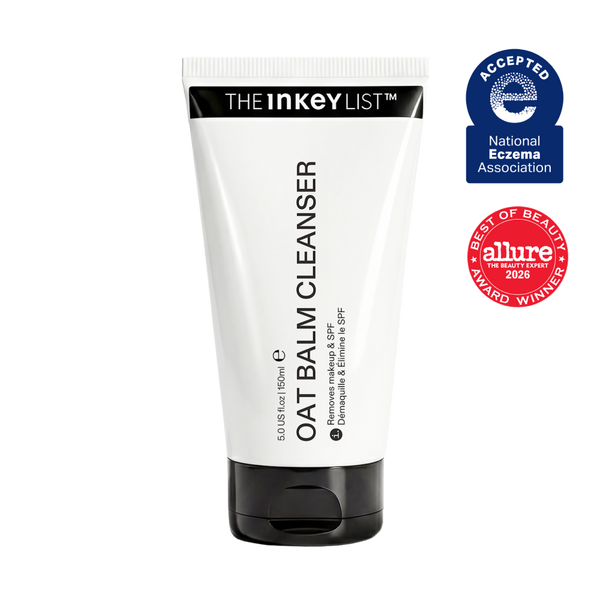
This is where the theory turns into something you can actually hold in your hand. The Oat Cleansing Balm 150ml is a rinse-off cleansing balm designed to melt away makeup, SPF and daily impurities in around 30 seconds, without the tugging motion or leftover residue that comes with a wipe. It’s a straightforward swap: the same moment in your evening routine, done properly.
The formula is built around 5% oat kernel oil, chosen specifically because it’s naturally rich in ceramides - the lipids responsible for helping support and strengthen the skin’s barrier. That detail connects directly back to the barrier discussion earlier in this article. If friction from wipes is what weakens the barrier over time, then an ingredient that helps reinforce that same barrier is a logical, evidence-based counterpoint, not just a nice-sounding ingredient on a label. You can read more about how this works on the ceramides page.
Alongside oat kernel oil, the formula includes colloidal oatmeal, long recognised for its ability to visibly calm redness and soothe dryness or sensitivity. That combination is deliberate: a cleansing step shouldn’t leave skin feeling stripped or tight the way a wipe so often does. Instead, the aim is for skin to feel calm and comfortable immediately after cleansing, which matters even more if you’re dealing with reactive or easily irritated skin.
Because it’s non-comedogenic and formulated to suit all skin types - including sensitive and blemish-prone skin - the Oat Cleansing Balm directly addresses the “residue clogs pores” problem described earlier in this article. Where a wipe or micellar water leaves surfactants and lifted impurities sitting on the skin, this balm is designed to be rinsed away in full, taking everything it’s dissolved with it.
On price, the Oat Cleansing Balm 150ml is £15.00, with a Mini Oat Cleansing Balm 50ml available at £8.00 for anyone who’d rather test it out before committing to the full size. If you’re curious about exactly what changed in the formula and why, the story behind the new Oat Cleansing Balm covers the development process in detail, and if value-for-money is part of your decision-making, why 15p per cleanse makes it the smartest skincare buy breaks down exactly how that cost works out over time.
Importantly, this isn’t positioned as a miracle product or a cure-all - it’s a cleanser doing what a cleanser should do, backed by specific, named ingredients at stated concentrations, used for a realistic amount of time. It also isn’t meant to work alone. As the first step of a simple double cleanse, it sets the stage for whatever comes next in your routine, which is exactly where the practical side of this swap comes in.
“The biggest skincare wins usually come from fixing the basics properly, not adding more steps.” - a sentiment echoed across dermatology-led skincare advice, and one that applies directly here: cleansing properly is a basic, not a luxury.
With the product itself explained, the next step is making sure it’s used in a way that actually delivers on everything described above.
How to Use It: Building a Simple, Effective Routine
Switching from wipes to a rinse-off balm doesn’t mean overhauling your entire evening. It means replacing one step with another, slightly more effective one, and building a short routine around it. Here’s exactly how that looks in practice:
- Apply to dry skin. Massage a small amount of Oat Cleansing Balm onto completely dry skin, working it into areas with makeup, SPF or visible congestion. The balm texture is designed to dissolve these on contact, rather than dragging them across the surface the way a wipe does.
- Emulsify with water. Add a splash of water and continue massaging. The balm will transform into a milky texture - this is the sign that it’s actively binding to oil-based impurities and preparing them to be rinsed away, rather than redistributed.
- Rinse thoroughly. Rinse with water until all residue is gone. For a proper first cleanse, aim for at least 60 seconds in total - long enough to ensure everything the balm has lifted is actually washed away, not just loosened.
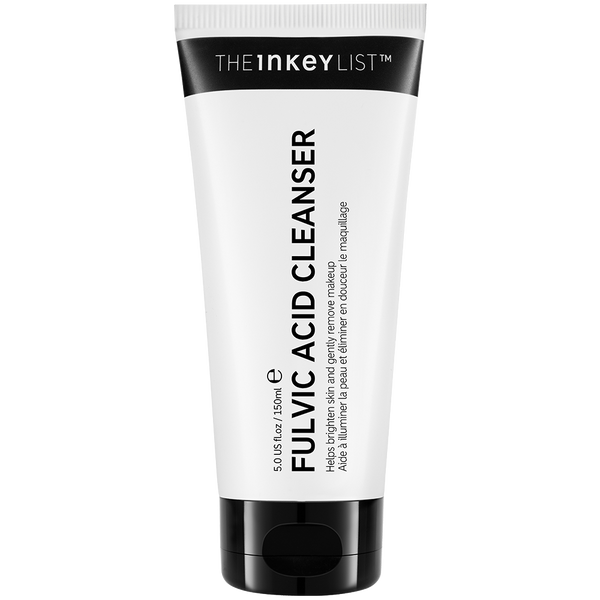
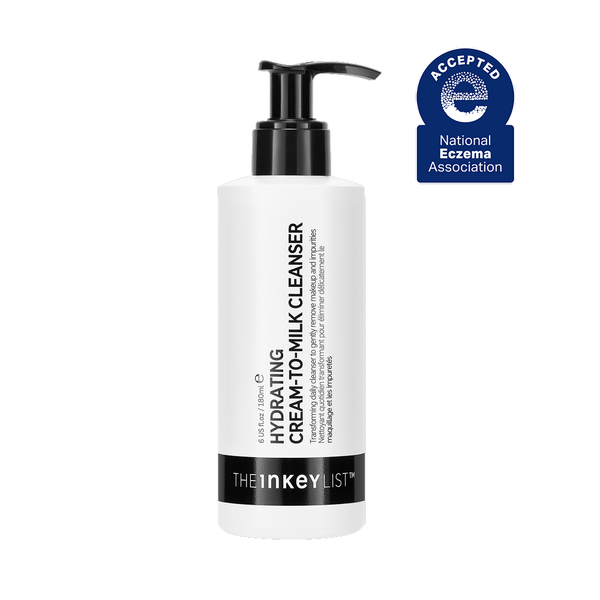
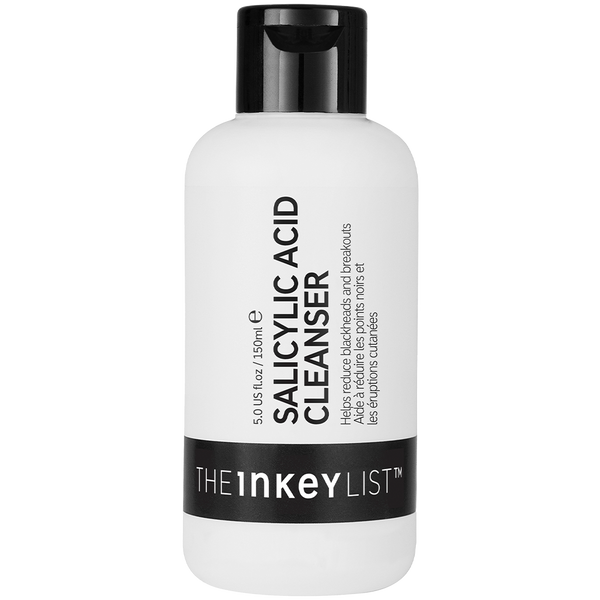
- Follow with a second cleanser. This is the double-cleanse step, and it’s where you tailor the routine to your specific skin type. If you have dry or normal skin and want extra comfort and hydration, the Milk Cleanser is a gentle, water-based follow-up. If your skin runs oily, congested or blemish-prone and needs a deeper, pore-clearing finish, the Salicylic Acid Cleanser is the more targeted choice. If you’re unsure which direction to go, how to choose the right cleanser breaks down the decision in more depth.
That’s the full routine - two short steps, both rinsed away in full, with nothing left behind to clog pores or irritate skin overnight. It’s one simple product swap, not a routine overhaul, which directly addresses the main hesitation most people have about changing a habit that’s felt convenient for years.
There’s also a bonus use for anyone whose skin is feeling particularly dry or stressed. Left on for around 10 minutes instead of rinsed off immediately, the same Oat Cleansing Balm doubles as a nourishing face mask, giving skin extra time to absorb the oat kernel oil and colloidal oatmeal for added hydration and comfort. It’s a small detail, but it means the product earns its place in your routine more than once a week. For a closer look at this specific use case, more than a cleanser: the 10-minute face mask hack covers it in full. And if your skin leans sensitive or reactive, best cleanser for sensitive skin is worth reading alongside this routine for extra reassurance.
The Simple Swap That Actually Pays Off
Face wipes offer genuine convenience, but as this article has laid out, that convenience comes at a cost that’s easy to overlook: friction and residue that can irritate and weaken skin over time, and plastic waste that persists in the environment long after the wipe itself has been thrown away. Neither of those outcomes is dramatic on its own, which is exactly why the habit has stuck around for so long - the damage is gradual, not immediate.
The fix, though, isn’t complicated. One rinse-off step replaces the wipe, fits into the same moment in your evening, and takes roughly the same amount of time. No extra effort, no complicated routine, just a swap grounded in how skin actually responds to being cleansed properly rather than wiped. Clear guidance, ingredients that do what they say, and a process you can trust - that’s really all this swap comes down to.
If you’re ready to make the change, shop the Oat Cleansing Balm and give your evening routine the proper rinse-off step it’s been missing. Not sure yet? Try the Mini Oat Cleansing Balm first and see how your skin feels after a week of actually rinsing your cleanser away instead of wiping it off. Either way, it’s a small change - and one your skin, and the planet, will likely thank you for.
Frequently Asked Questions
Got a question?
Our askINKEY team are a friendly bunch of skincare experts with deep product knowledge and zero judgement. Whether you're an ingredient obsessive or just starting out, we'll make it make sense. No question too big. No question too small. We Give A Care, Every Day.


